

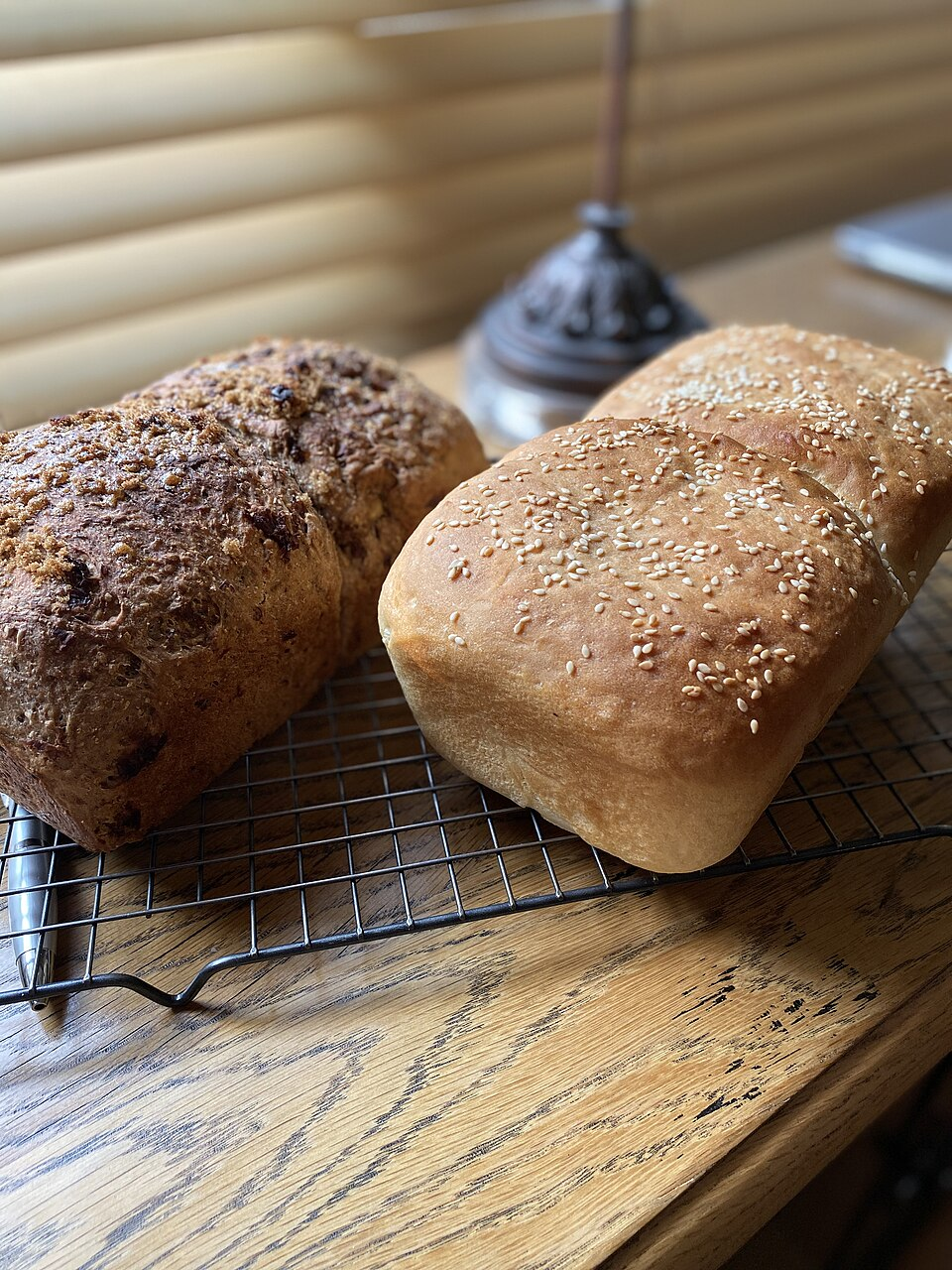
Bread came out of the house’s own oven, on a schedule, several loaves a week, for decades.
Which makes it not a recipe anybody occasionally attempted but a recurring production run with a bottleneck – and the bottleneck was not the flour or the oven. It was the yeast, because before packaged yeast was reliably available a household had to keep a living culture going continuously or get a fresh start from somebody who had one.
That is the part that has been completely forgotten, and it is the centre of the whole subject. Yeast is an organism rather than an ingredient, which means it can die – and if it died on a Tuesday, there was no bread in that house until a neighbour could supply a living replacement. Here are sixteen things every woman knew.
1. Bread Was Baked at Home Because Buying It Was the Exception
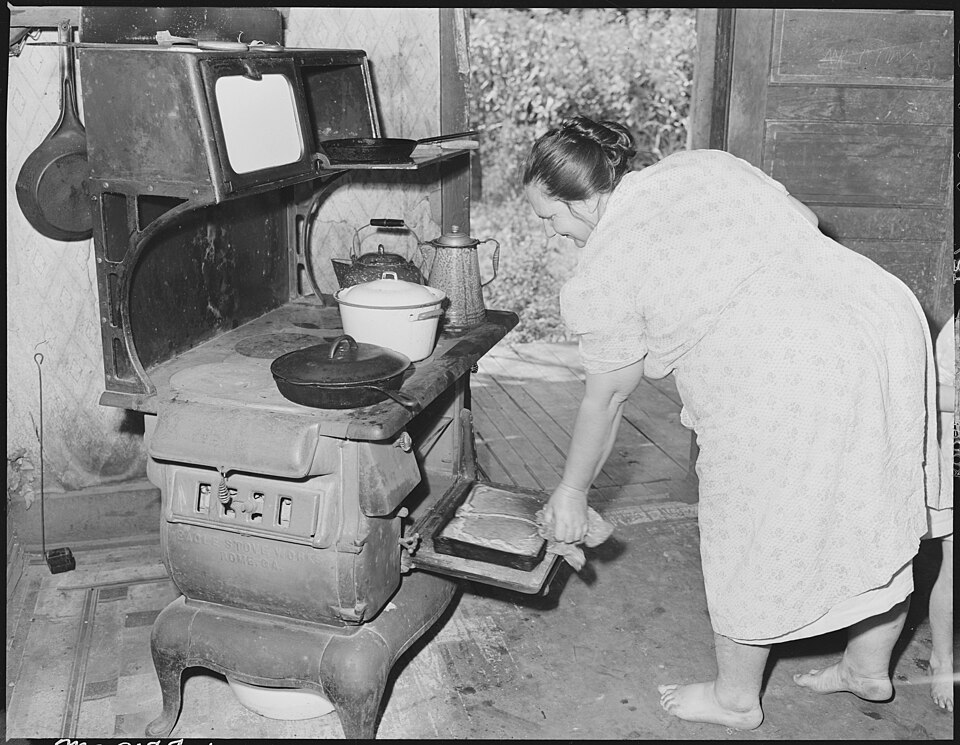
For most of the period, a household’s bread came out of its own oven on a schedule, and bought bread was either a convenience or a sign of a kitchen that had stopped working.
Bought, almost universally.
Start with the baseline, because it sets the scale of everything else. A family eating bread at every meal needs several loaves a week, every week, for decades – which makes bread not a recipe anybody occasionally attempted but a recurring production run with a schedule, a bottleneck and a failure rate.
Like our content? Follow us for more.
2. The Whole Problem Was Keeping the Yeast Alive
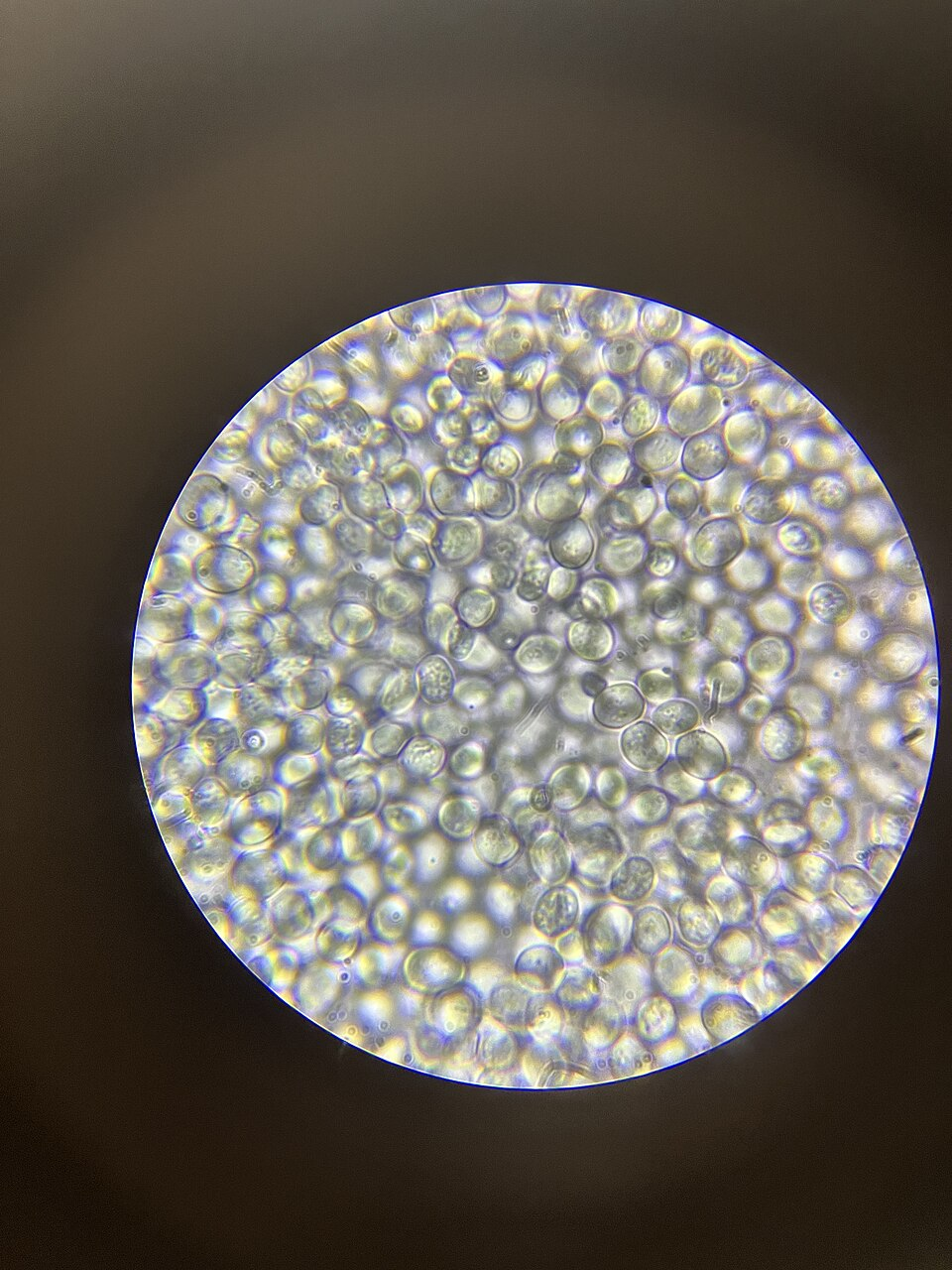
Before packaged yeast was reliably available, a household had to maintain a living culture continuously or obtain a fresh start from somebody who had one.
A sealed packet with a shelf life.
This is the thing that has been completely forgotten and it is the centre of the subject. Yeast is an organism, not an ingredient, which means it can die – and if it dies on a Tuesday, the household has no bread until somebody can supply a living replacement.
3. A Starter Was Kept Going From Batch to Batch

A portion of one day’s risen dough or liquid culture was held back and fed, so that it was ready to raise the next batch.
A hobby practice rather than a necessity.
Holding back part of the batch is the oldest solution and the most elegant one. The culture is propagated rather than purchased, which means the cost of yeast after the first acquisition is nothing at all – but it also means the household is now keeping something alive, with everything that implies.
4. Starters Were Borrowed, Lent and Carried
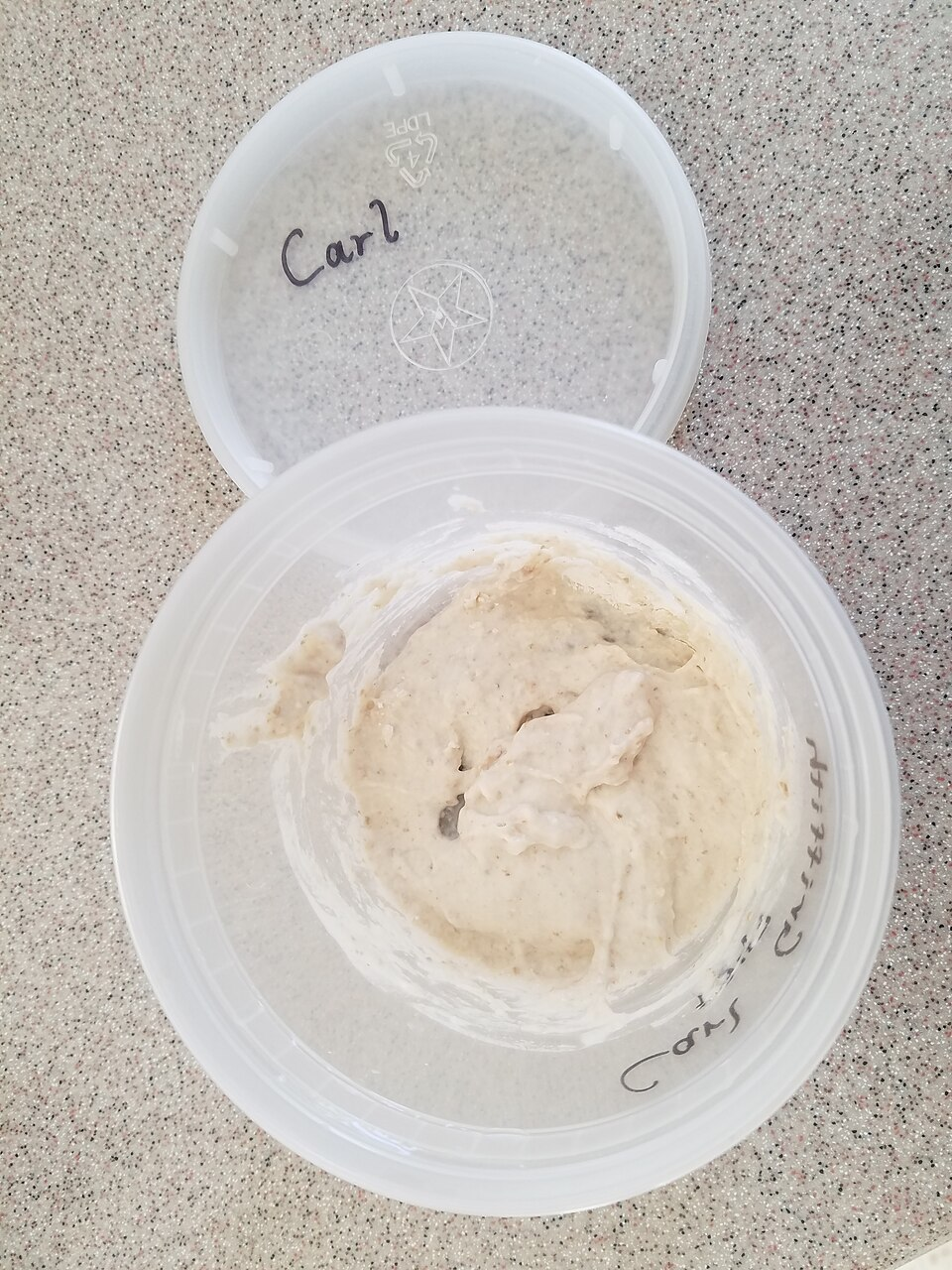
A household whose culture failed went to a neighbour for a replacement, and a household moving a distance carried a start with it.
No equivalent.
The social arrangement here is the interesting part and it was genuinely a network. A living culture is infinitely divisible at no cost, so there is no reason not to give some away – which means a neighbourhood effectively held a shared backup of something no individual household could guarantee.
5. Hops and Potato Were Used to Keep a Culture Going
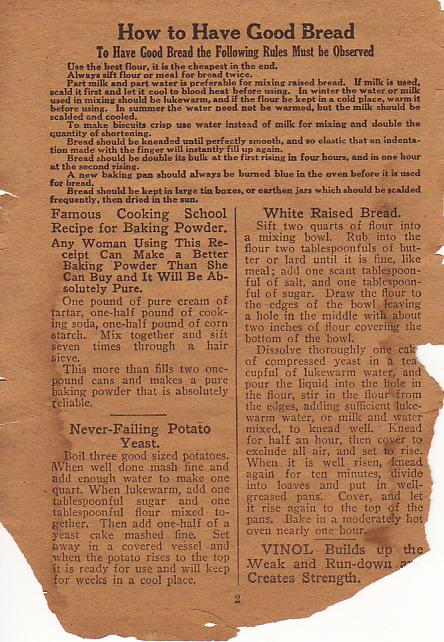
Liquid cultures were commonly maintained on preparations involving boiled hops and cooked potato, which fed the organism and discouraged competitors.
Not applicable.
The reasoning behind these additions is sound even where the explanation given at the time was not. Potato provides starch the yeast can work on, and hops are mildly inhibitory to some bacteria – so the mixture favours the organism you want over the ones you do not.
6. A Culture That Went Wrong Produced Bread Nobody Would Eat
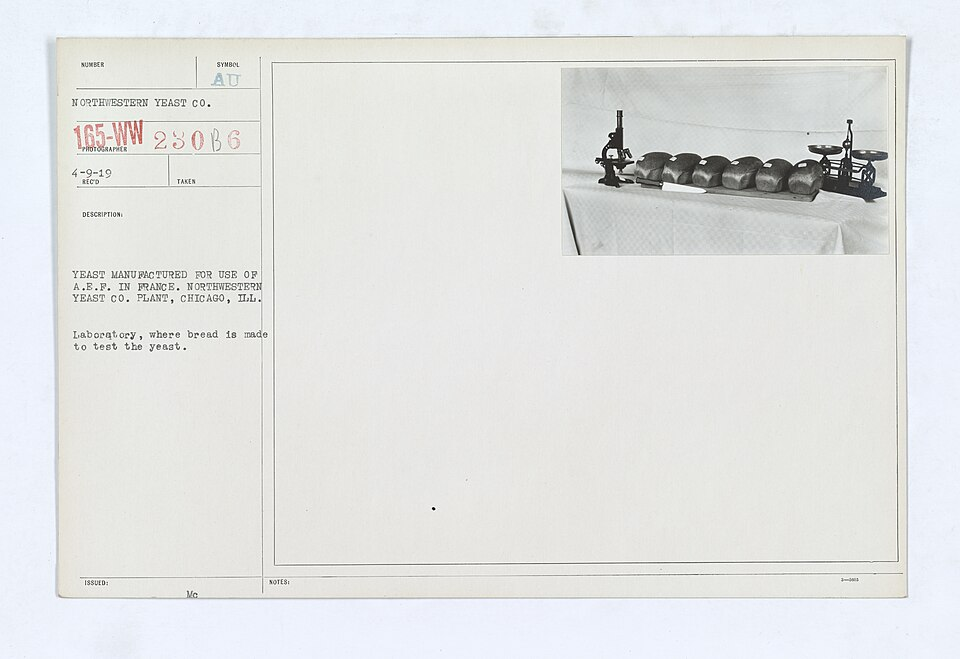
Cultures could be overtaken by other organisms, which changed the flavour sharply and produced loaves that were sour, slack or simply unpleasant.
A rare and recoverable problem.
Failure was not dramatic, it was gradual and expensive. A culture that had gone off did not announce itself until the bread came out wrong, by which time the flour, the fuel and the day were already spent – which is the real cost of a failed batch.
7. Then Compressed Yeast Changed the Terms Completely
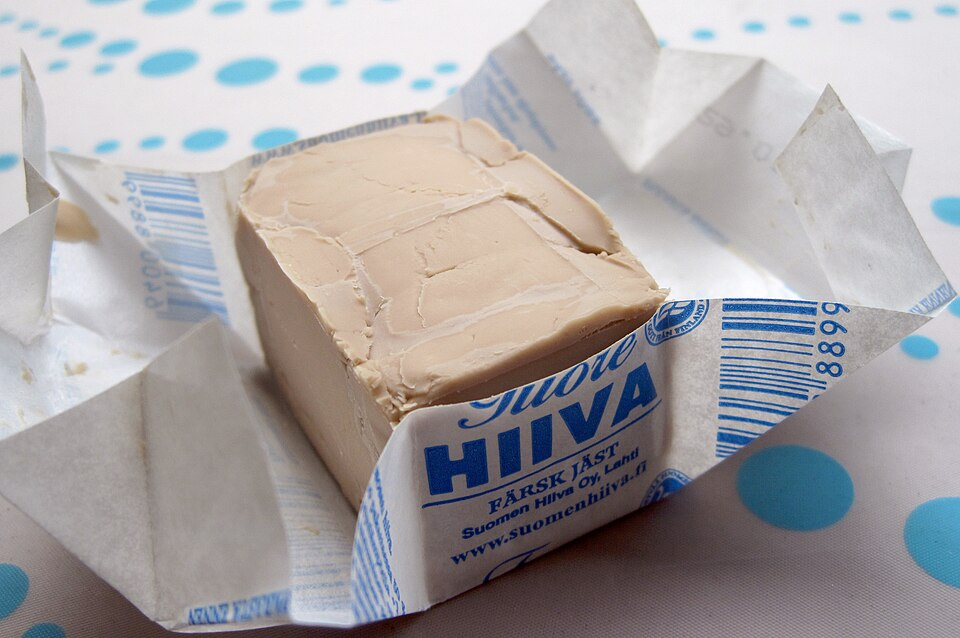
Yeast sold as a moist cake, alive and ready to use, removed the need to maintain a culture – provided it could be bought fresh and kept cool.
Still sold, alongside the dry form.
This is the first of the two decisive changes and it is easy to underrate. Buying the organism in a known, active quantity removes the entire problem of maintenance at a stroke – but it substitutes a new dependency, because the cake is perishable and the household now needs a supply.
8. Then Dry Yeast Removed the Last Constraint
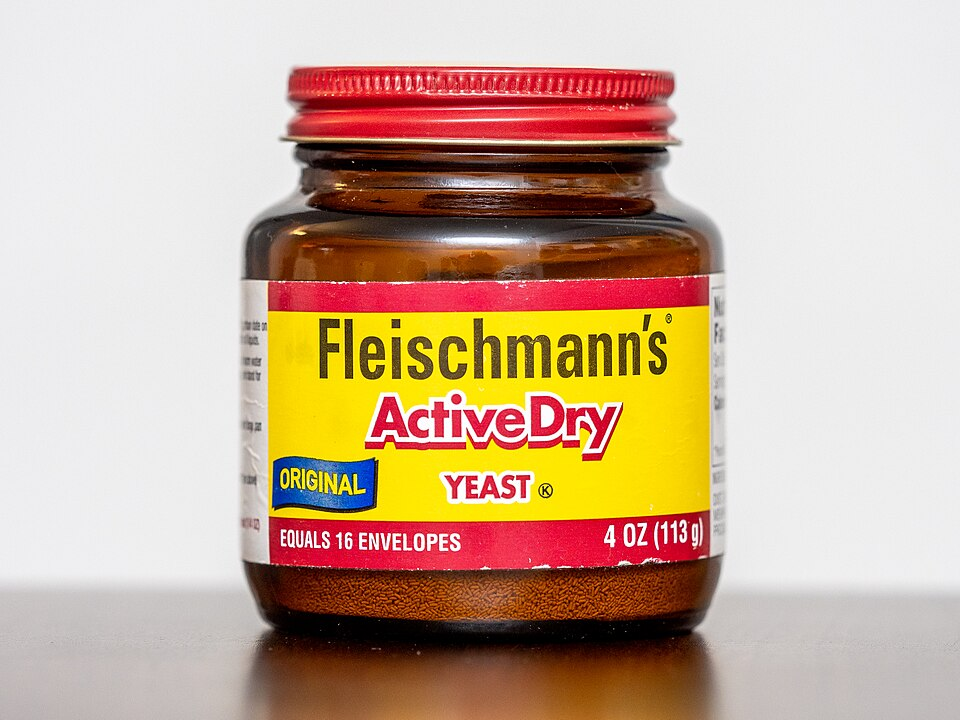
Yeast dried into a stable granular form could be stored for a long time at room temperature and brought back by rehydration.
Universal.
The second change is the one that finished the subject. A shelf-stable yeast means a household can bake on a whim rather than on a schedule, with no culture to keep and no fresh supply to obtain – which converts bread from a managed process into an ordinary recipe.
9. Flour Was Not Standard and Behaved Differently
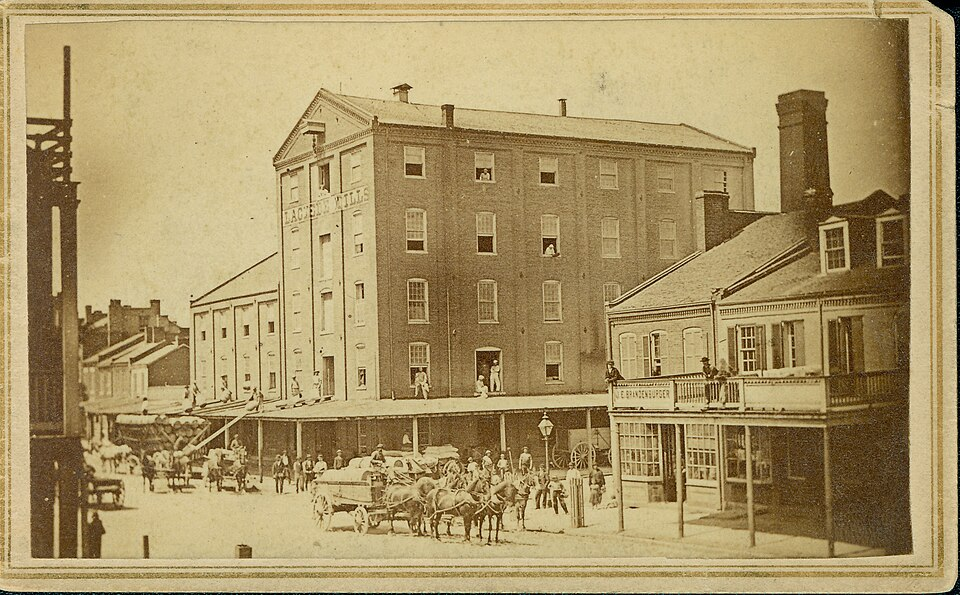
Flour varied with the wheat, the season and the mill, which meant the amount of liquid a given quantity would take was not predictable.
Highly standardised.
This is why the old instructions are vague and it is not carelessness. If the flour’s behaviour changes between sacks, a fixed liquid measurement is worse than useless – so the instruction has to be a description of the dough’s feel, which the baker then matches by judgement.
10. The Dough Was Judged by Hand, Not by Measurement
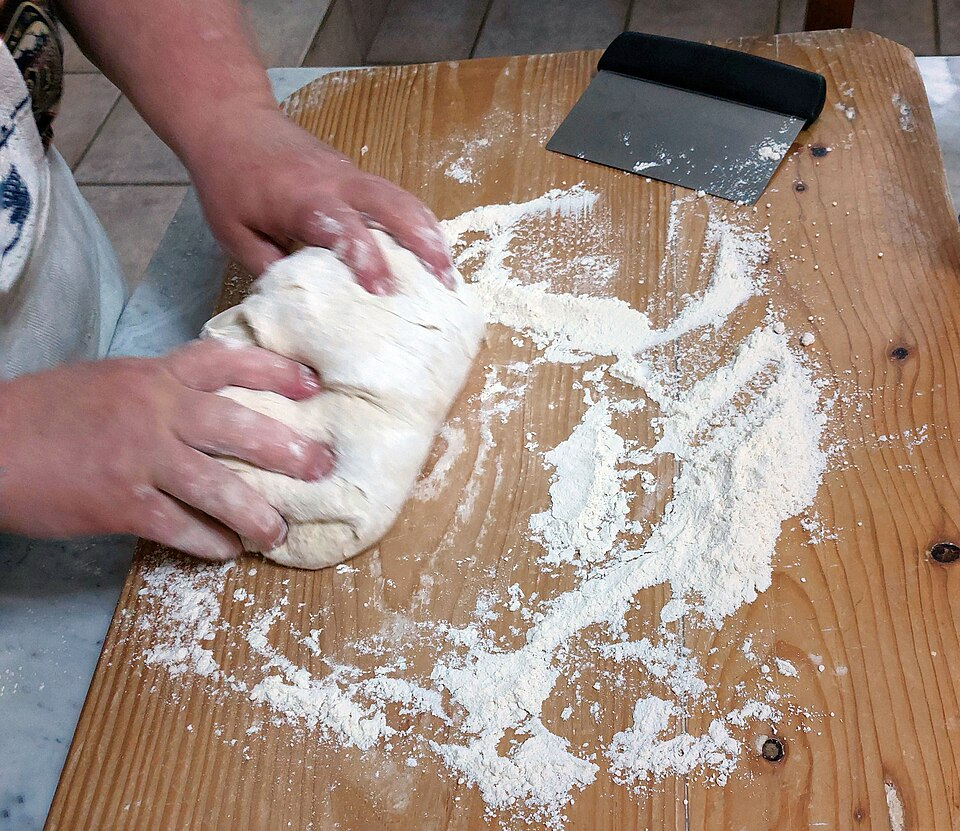
A baker added flour or liquid until the dough felt right, a judgement about stiffness and tack learned by repetition.
Weighing is increasingly common.
Hand judgement is the natural consequence of variable materials and it works very well. The dough’s feel is the direct indicator of its actual hydration, which is the thing that matters – so measuring by feel is measuring the right variable rather than a proxy for it.
11. Kneading Was Development, Not Mixing
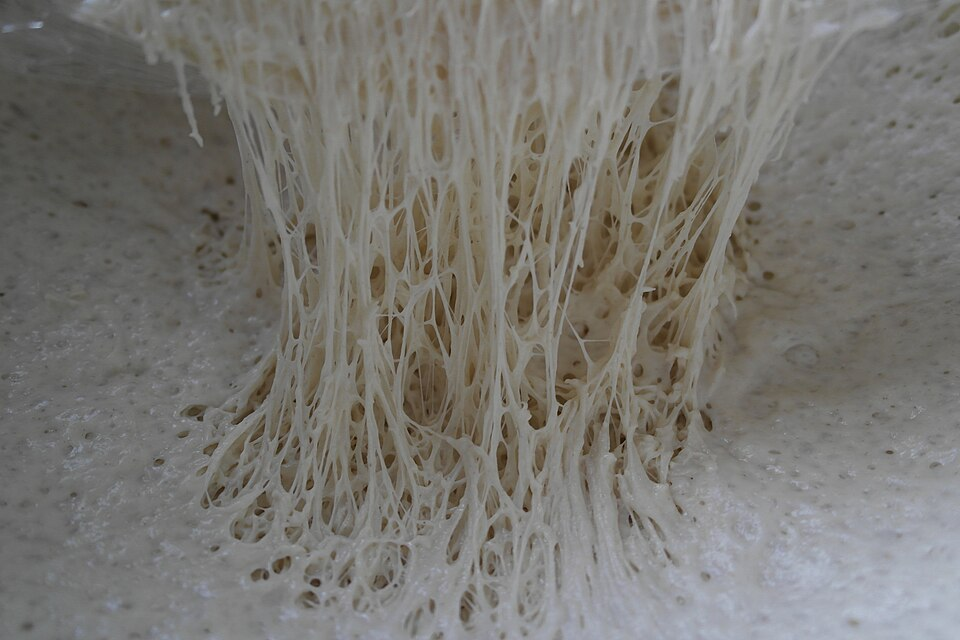
Working the dough builds a stretchy structure in it, which is what lets it hold the gas the yeast produces.
Done by machine for most people.
The mechanism deserves stating plainly because the word kneading hides it. The point is not to combine ingredients, which happens almost immediately, but to develop a network in the dough strong enough to trap bubbles – without which the loaf cannot rise however healthy the yeast.
12. Rising Depended Entirely on the Temperature of the Room
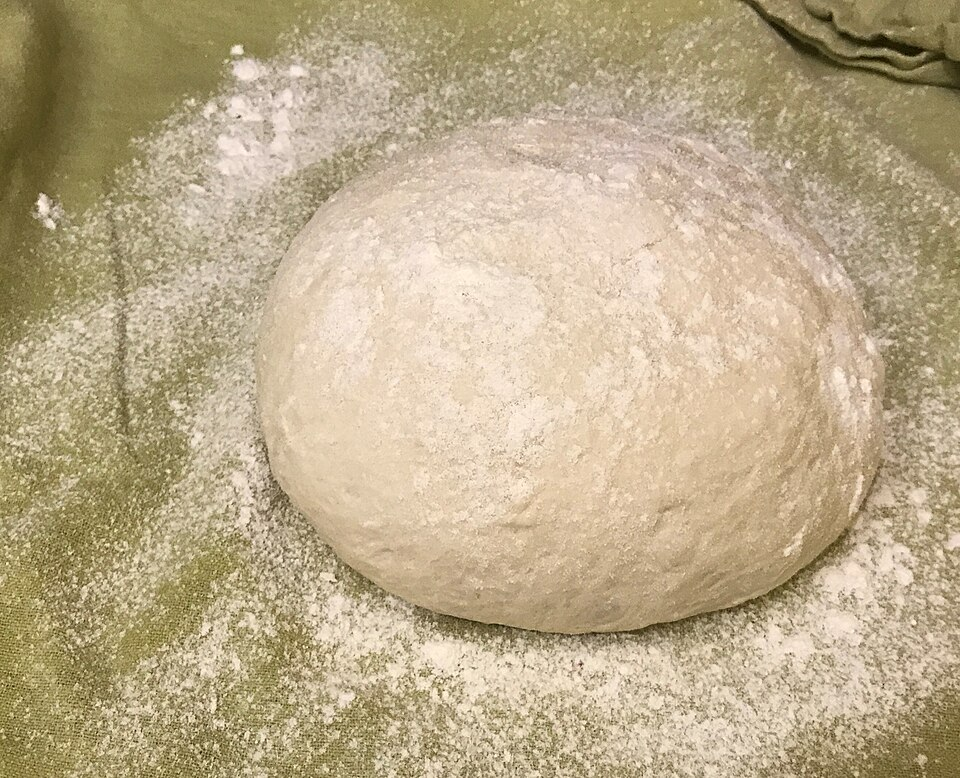
A cold kitchen slowed the process to a crawl and a warm one accelerated it, so the schedule was set by the house rather than by the clock.
Controlled.
This is why bread baking was tied to the weather and the stove. The organism’s rate is temperature dependent, so the same dough can take two hours or eight – which means the baker is not following a timetable but watching the dough and fitting the rest of the day around it.
13. Warm Places in the House Were Used Deliberately
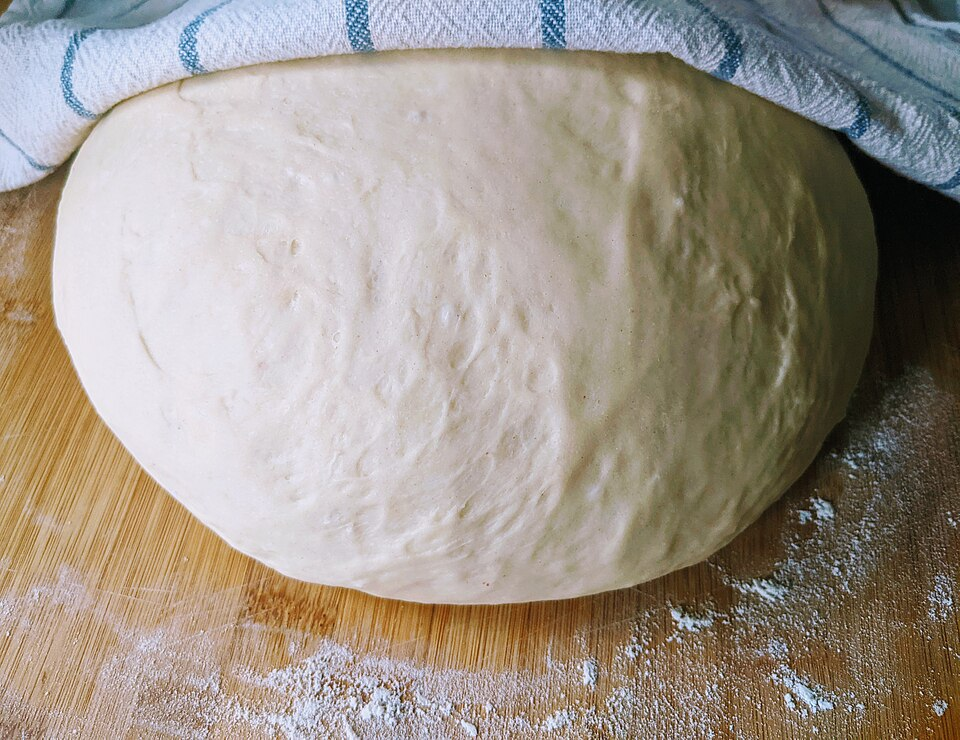
Dough was set near the stove, over a reservoir, in a cupboard beside the chimney or wrapped in cloth, wherever the house was reliably warm.
Not applicable.
Exploiting the house’s thermal map is the same habit that put the pastry board on the cellar steps and the preserves in the coolest corner. A house without temperature control still has warm places and cold ones, and knowing which is which is practical knowledge.
14. Baking Day Organised the Rest of the Week
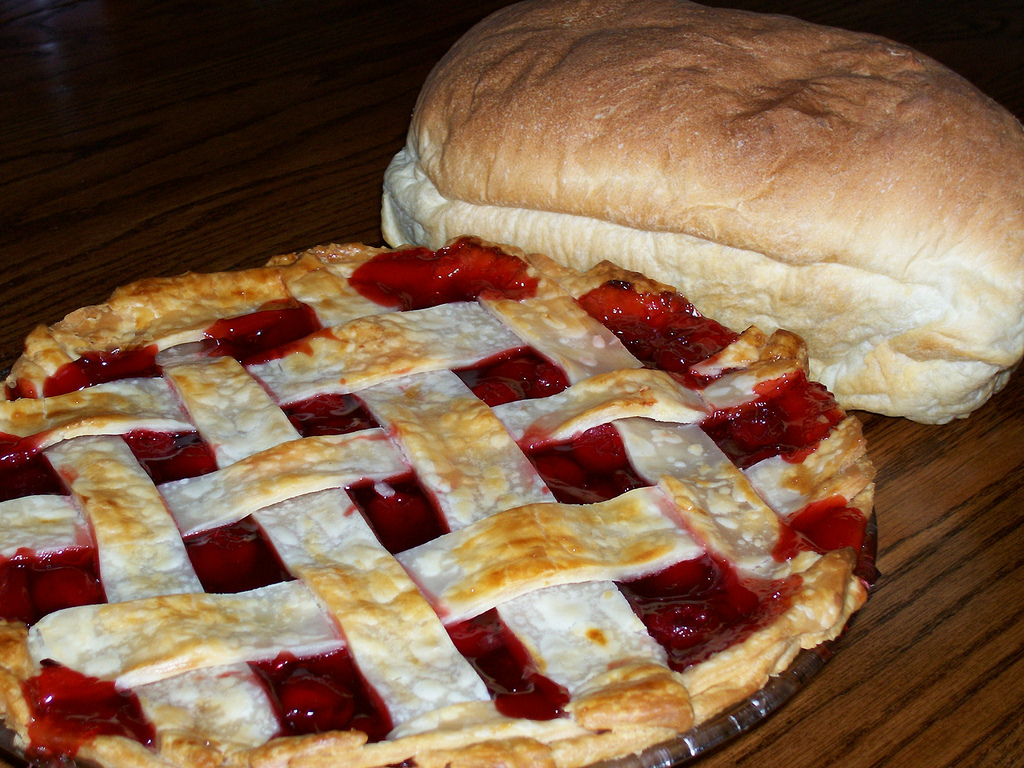
Because heating the oven was the expensive part, bread was baked in quantity on a set day, and other baking was fitted into the same heat.
Not applicable.
The economics of fuel dictate the schedule and this is the part that is genuinely alien now. Getting an oven hot costs the same whether you bake one loaf or eight, so the rational response is to bake everything at once – which produces a weekly rhythm rather than daily baking.
15. The Loaves Then Had to Be Kept for a Week
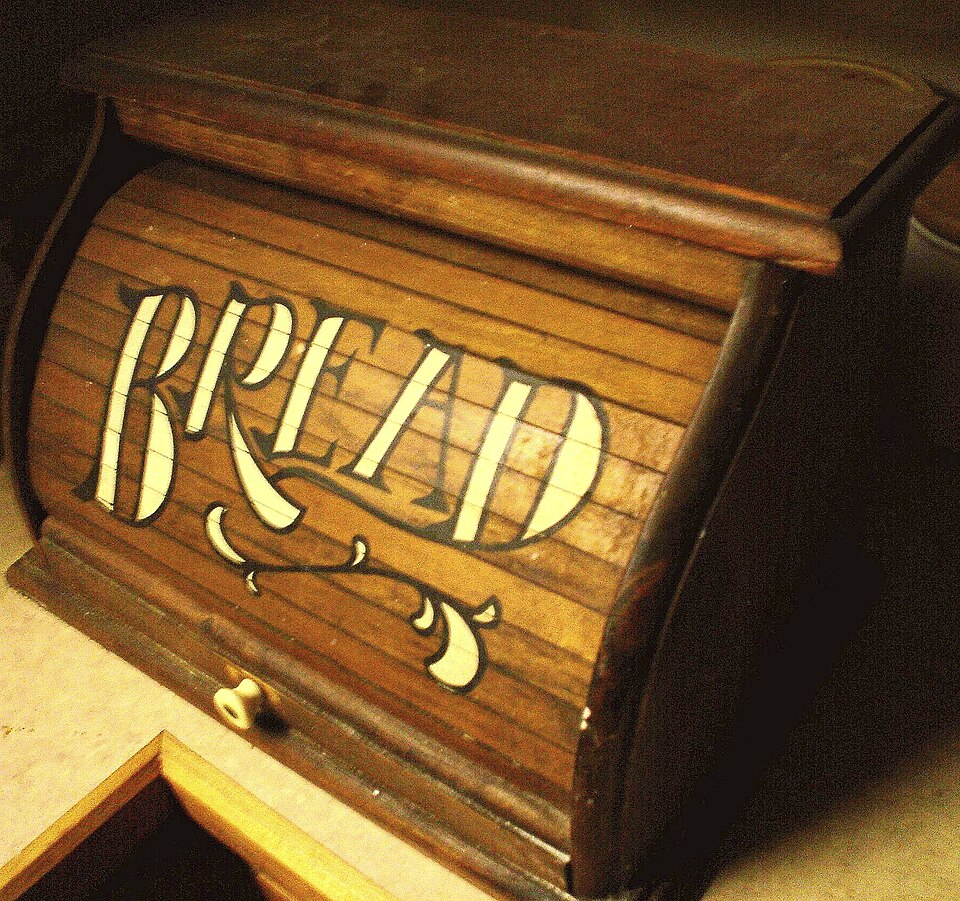
Bread baked in quantity had to last, which meant a storage container, a cloth and an accepted progression from fresh to stale to other uses.
Not applicable in the same way.
Storage is the other half of baking in quantity and it shaped what was baked. A loaf expected to be eaten on day six has to be a loaf that is still edible on day six, which favours a firmer, denser bread over anything that is only good warm.
16. And by 1964 the Hard Part Had Simply Been Removed
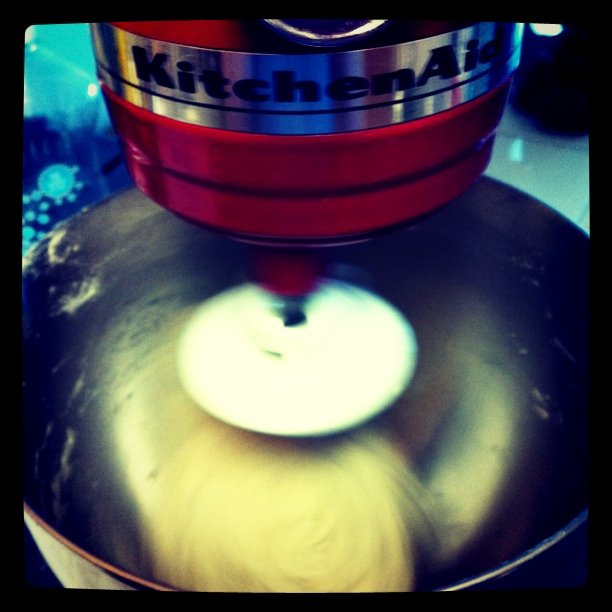
Bread was bought, and the baking that continued at home was done for pleasure with a shelf-stable yeast and a standardised flour.
Baking as a chosen activity.
And what deserves the last word is which part of this actually went away. Home baking continued and still continues, so the skill was not lost – but the problem at the centre of it was solved and forgotten. Bread used to depend on keeping an organism alive continuously, with a neighbourhood network as the backup when a household’s culture failed, and on reading variable flour by hand because no fixed measurement could be trusted, and on a rising schedule set by how warm the house happened to be, and on baking everything at once because heating the oven was the real cost. Compressed yeast removed the maintenance and dry yeast removed the supply problem, standardised flour removed the judgement, and a controlled oven removed the schedule. What is left is the pleasant part – and the reason it is pleasant is that everything difficult about it was engineered out, one constraint at a time.
The Difficult Part Was Engineered Out One Constraint at a Time
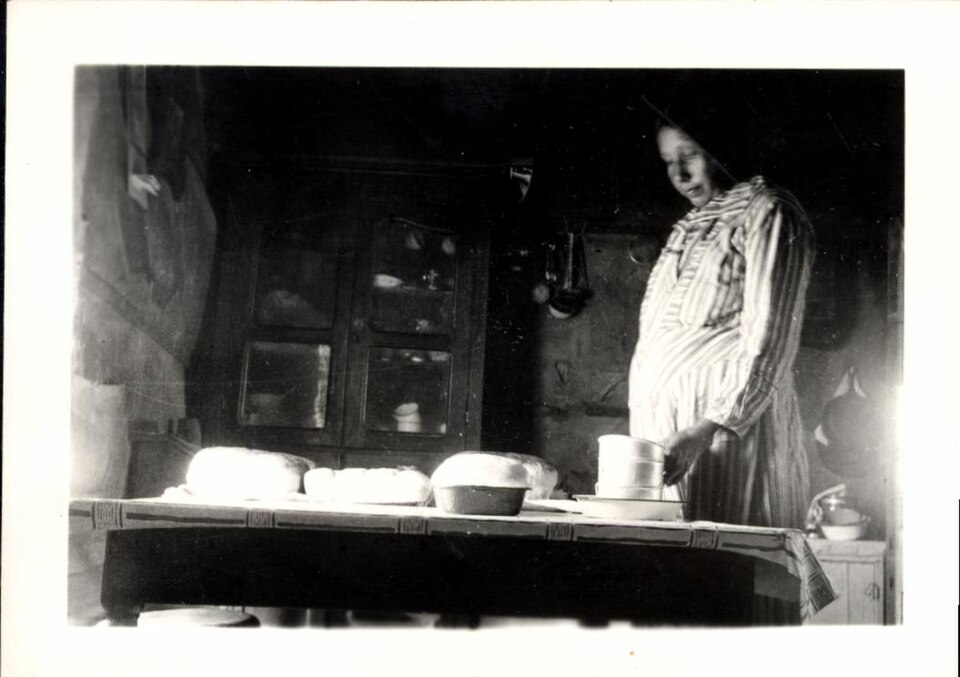
Home bread baking gets remembered as a lost skill, and the skill was never actually lost – what was lost is the problem it existed to solve.
Start with the scale. A family eating bread at every meal needs several loaves a week, every week, for years, which makes bread a recurring production run rather than an occasional recipe. It has a schedule, a bottleneck and a failure rate.
The bottleneck was the yeast, and this is the forgotten centre of the subject. Yeast is an organism, not an ingredient. Before packaged yeast could be reliably bought, a household either maintained a living culture continuously or obtained a fresh start from somebody who had one – and if the culture died, that house had no bread until a replacement arrived.
The elegant solution was propagation. Hold back a portion of one batch, feed it, and use it to raise the next, which makes the cost of yeast after the first acquisition precisely nothing. It also means the household is now keeping something alive, with everything that implies.
So cultures were borrowed, lent and carried. A living culture divides infinitely at no cost, so there is no reason to refuse anybody a start – which means a neighbourhood held a shared backup of the one thing no single household could guarantee. That is a real network doing real work.
The maintenance preparations were not superstition. Liquid cultures were commonly kept on boiled hops and cooked potato: the potato supplies starch the yeast can work on, and hops are mildly inhibitory to some bacteria, so the mixture tilts the competition toward the organism you want.
Failure was gradual and expensive rather than dramatic. A culture overtaken by other organisms did not announce itself – it announced itself in the finished loaf, by which point the flour, the fuel and the day were already spent.
Then the problem was removed in two steps.
Compressed yeast, sold moist and alive and ready to use, eliminated maintenance entirely. It substituted a new dependency, because the cake is perishable and now a supply is needed, but the culture-keeping was over.
Dry yeast finished the job. A shelf-stable granular form that comes back with water means a household can bake on a whim rather than on a schedule, with nothing to keep alive and nothing to obtain fresh. Bread became an ordinary recipe at that moment.
Three other constraints were removed at the same time, and they explain why old instructions read as they do.
Flour was not standard. It varied with the wheat, the season and the mill, so the liquid a given quantity would take was not predictable – which is why the instructions describe how the dough should feel instead of naming a measurement. That is not vagueness. If the material’s behaviour changes between sacks, a fixed number is worse than useless, and the dough’s feel is a direct reading of its actual hydration rather than a proxy for it.
Kneading was development rather than mixing, and the word hides the mechanism. Combining the ingredients happens almost at once; the work after that builds a stretchy network strong enough to trap the gas, without which no amount of healthy yeast produces a risen loaf.
And rising was governed by the temperature of the room. A cold kitchen slowed it to a crawl and a warm one ran it fast, so the same dough might take two hours or eight. The baker was not following a timetable but watching the dough and arranging the day around it – which is why warm places in the house were used deliberately, near the stove, beside the chimney, wrapped in cloth, in exactly the same way the coolest corner was used for anything that needed to keep.
Fuel set the rhythm. Heating an oven costs the same whether it bakes one loaf or eight, so the rational practice is to bake everything at once on a set day – which also means the loaves had to survive a week. A bread expected to be eaten on the sixth day has to be edible on the sixth day, which favours something firm and dense over anything that is only good warm.
So here is the honest accounting. Compressed yeast removed the maintenance; dry yeast removed the supply; standardised flour removed the judgement; a controlled oven removed the schedule.
What remains is the pleasant part of baking bread, and it is pleasant precisely because every difficult thing about it was engineered away, one constraint at a time.
If you bake bread now, notice that you never once worried about whether your yeast was alive.
That was the whole problem, and somebody solved it for you.
Like our content? Follow us for more.
