The evening was long because there was nothing to fill it.
Dark by half past four, one television at most, nowhere to go and nothing scheduled – which leaves five or six hours a night that a household had to occupy out of its own resources. Everything about a winter evening in 1962 is a response to that length.
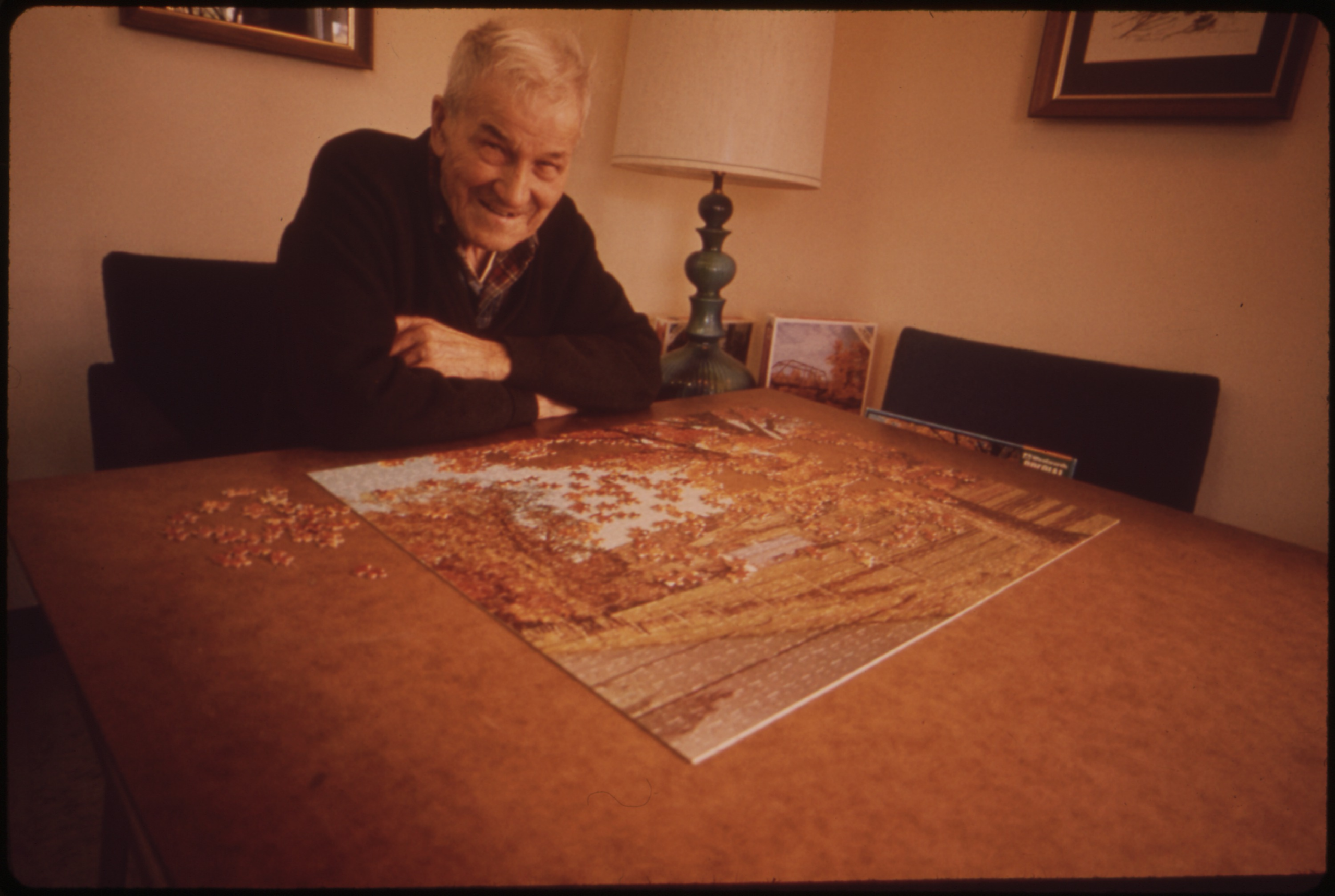
So a folding card table went up in the living room in November and stayed there until spring. Dedicating floor space for months is a real household decision, and it tells you how seriously the problem was taken – it meant whatever was in progress could be left exactly as it was, and picked up by anybody walking past. Here are sixteen things every family did.
1. The Evening Was Long Because There Was Nothing to Fill It
Dark by half past four, no second television, nowhere to go and nothing scheduled meant five or six hours a night that had to be occupied somehow.
Filled instantly and individually.
Start with the length of the evening, because the whole subject is a response to it. A winter night with no commitments and no entertainment arriving from outside is a large amount of time, and a household had to produce something to do with it from its own resources.
Like our content? Follow us for more.
2. The Card Table Was Put Up for the Season
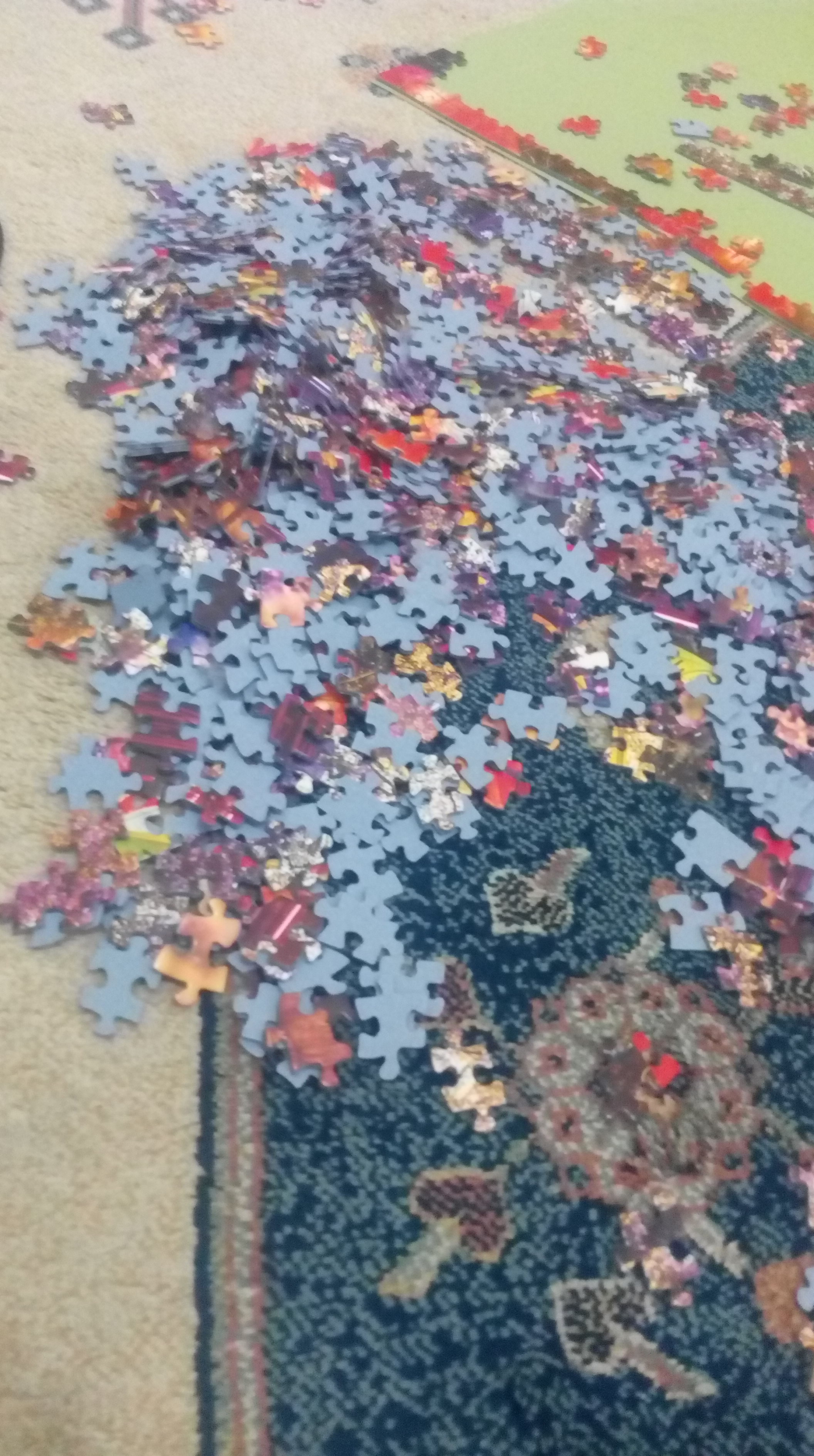
A folding table appeared in the living room in November and stayed there until spring, occupied by whatever was in progress.
Not applicable.
Dedicating floor space to an activity tells you how seriously the problem was taken. A table left up for months is a household decision that the evenings need somewhere to happen, and it meant anything in progress could be left exactly as it was.
3. A Puzzle Lasted Days, Which Was the Point
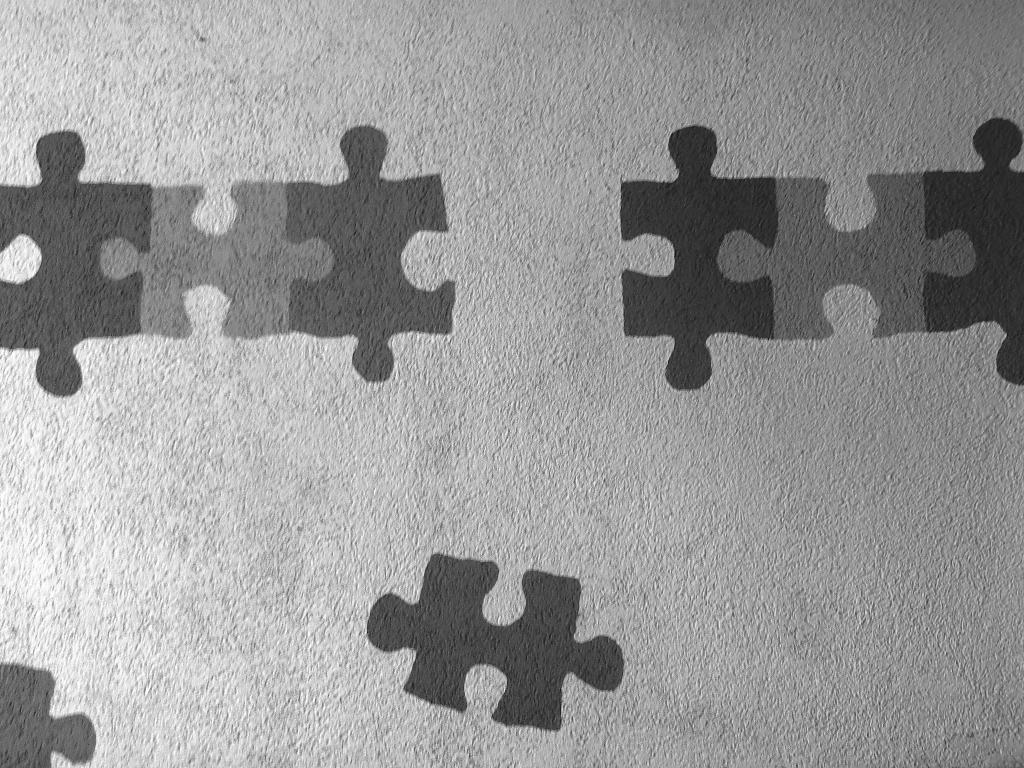
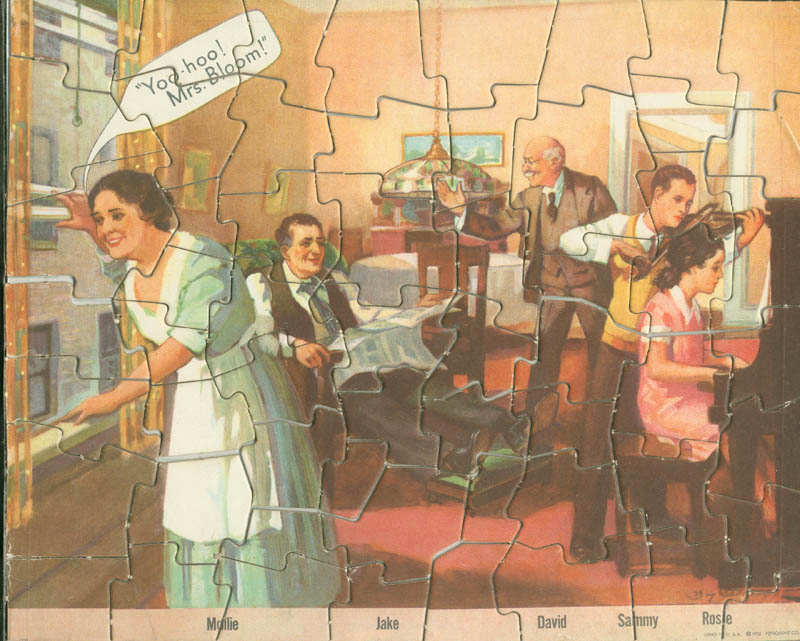
A thousand-piece puzzle is not an evening’s activity – it is a project that sits there and gets worked on whenever somebody passes.
Not applicable.
Duration is the key property and it is completely different from a game. Something that takes a week accumulates contributions from everybody in the house at different times, which means it is a shared object rather than a shared event.
4. Anybody Could Join or Leave at Any Moment
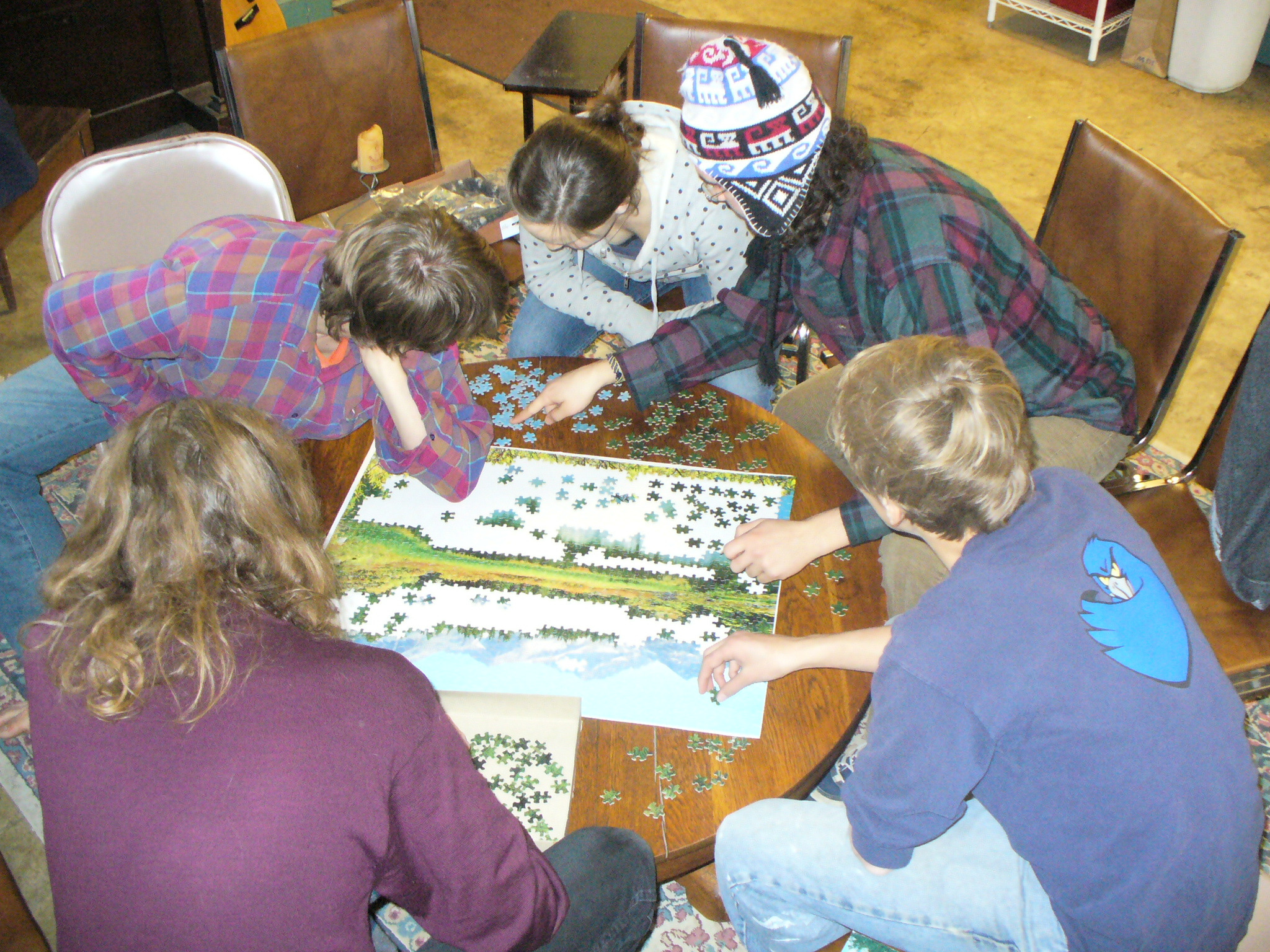
There were no teams, no turns and no penalty for walking away, so a person could do ten minutes or two hours without disrupting anything.
Not applicable.
This is the structural feature that made it work in a family, and it is rarer than it sounds. Almost every other shared activity requires everybody to start together and stay – a puzzle requires nothing of anybody, which is why it could absorb an entire household of different ages and attention spans.
5. The Edge Went First and Everybody Knew It
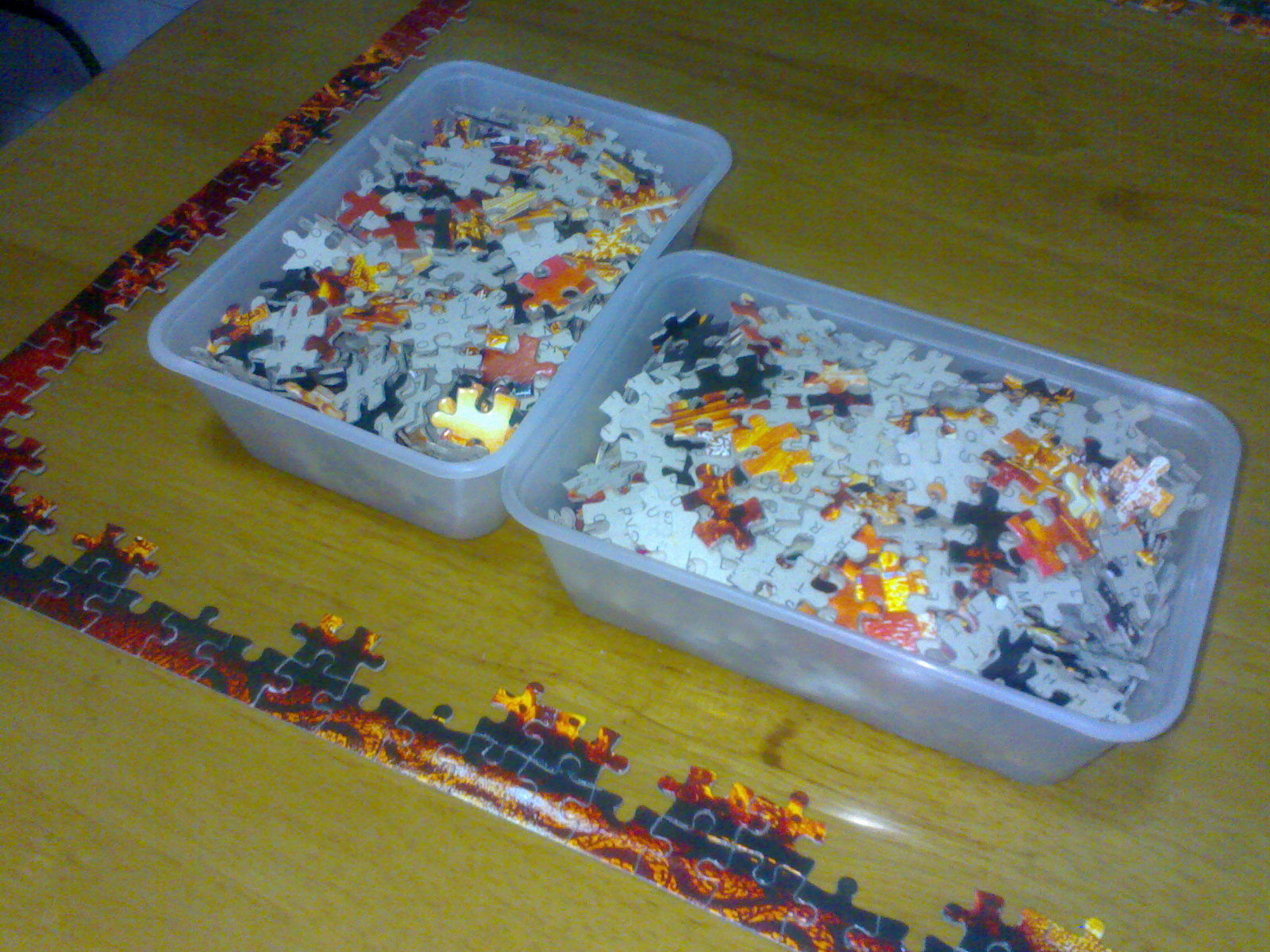
Finding and assembling the border was the standard opening, because a closed frame gives every later piece a defined place to be.
Not applicable.
The edge-first convention is a genuine solution strategy rather than a tradition. A completed border converts an unbounded problem into a bounded one, which makes every subsequent decision easier – and it is also the only part anybody can do with no reference to the picture.
6. The Box Lid Was the Only Instruction Manual
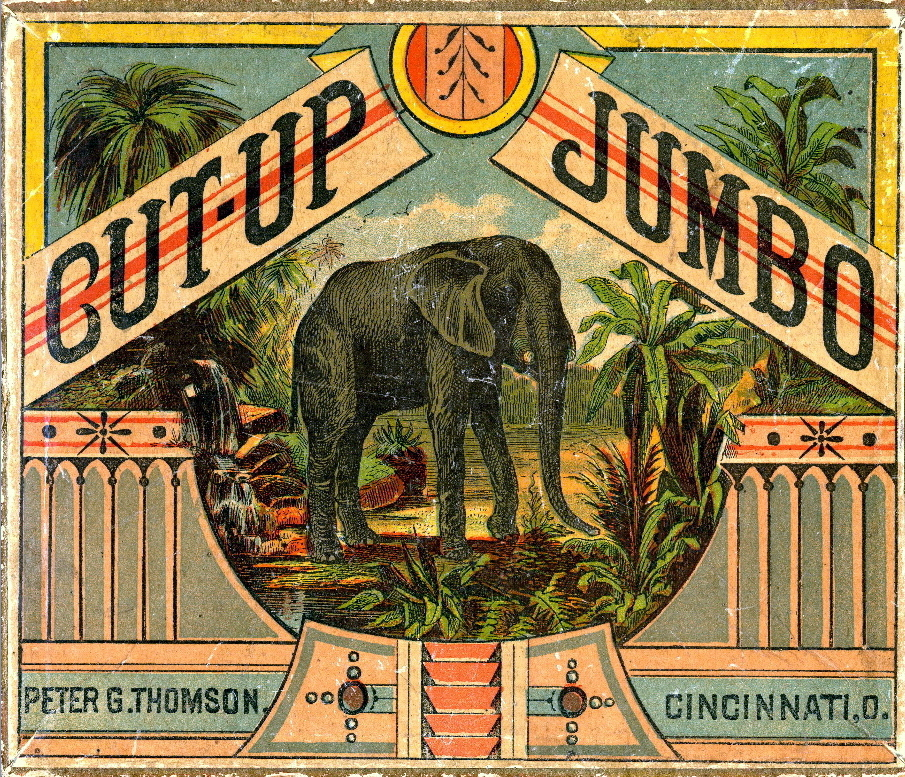
The image on the lid was propped where everybody could see it, and working without looking at it was considered either heroic or foolish.
Not applicable.
The lid is doing the job a map does, and the attitude to it was a genuine household debate. Some people regarded consulting it constantly as the whole method and others treated ignoring it as the point, which is as close to a puzzle philosophy as anybody got.
7. People Sorted by Colour, Shape or Both, and Argued About It
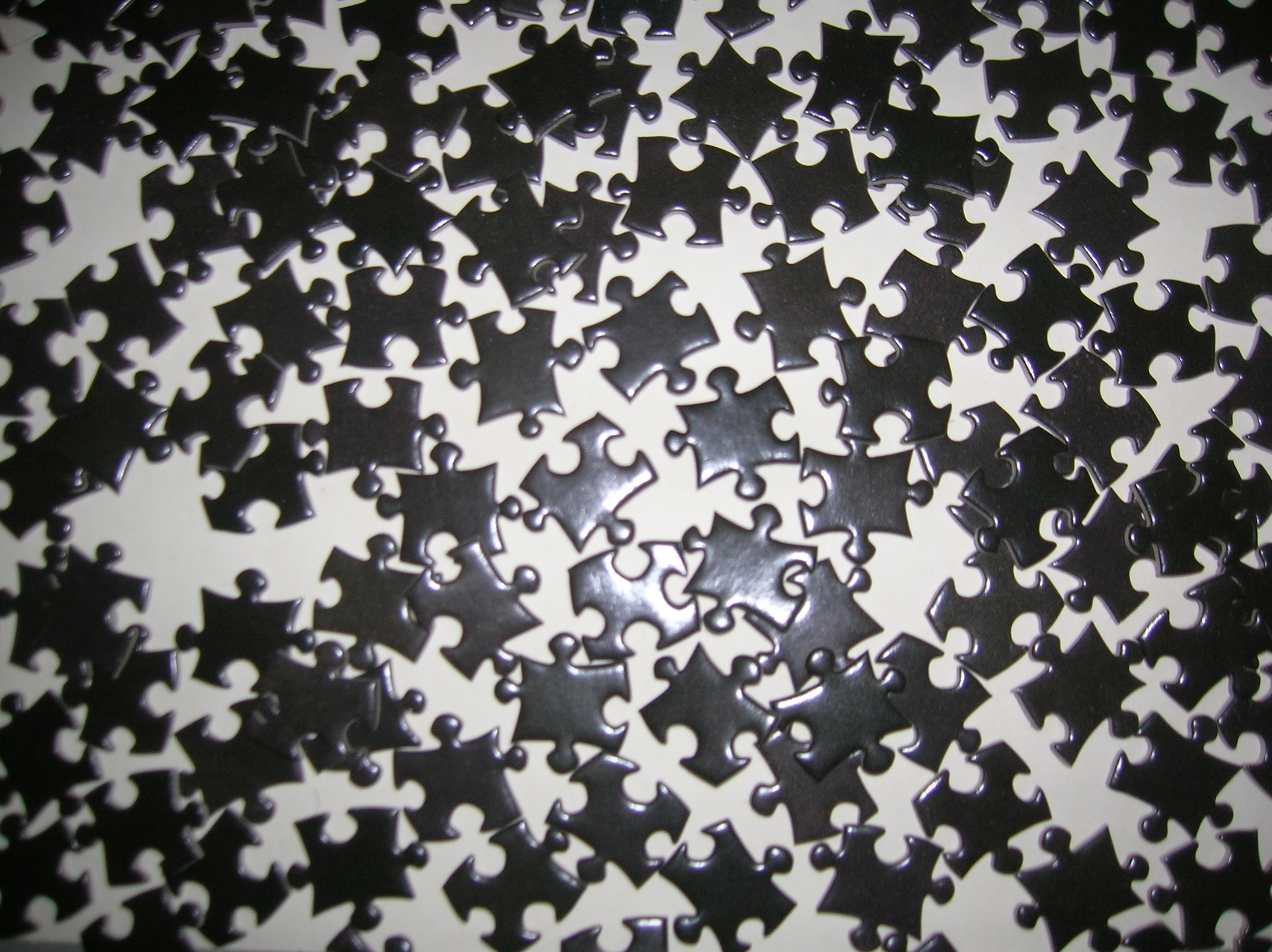
Everybody had a method – edges first then colour, or all the sky together, or sorting by the number of tabs and holes – and the methods were incompatible.
Not applicable.
Competing sorting systems on one table is a real source of friction and it was universal. One person’s organised piles are another person’s scattered mess, so a shared puzzle required a negotiated system or a permanent low-level dispute.
8. The Sky Was the Part Nobody Wanted
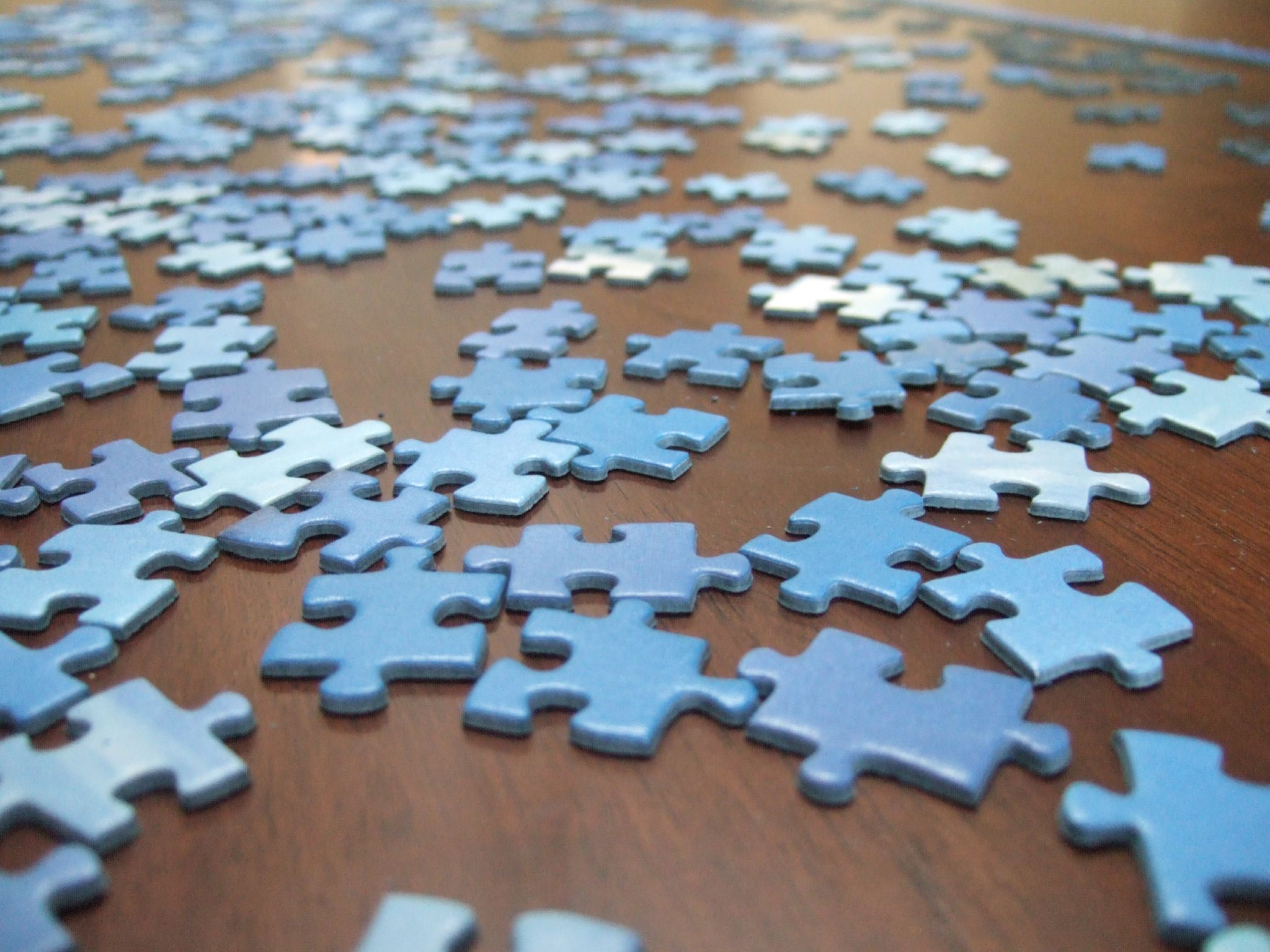
Large expanses of a single colour have almost no information in them, so they are solved by shape alone and take longer than everything else combined.
Not applicable.
The difficulty gradient is what shaped how a puzzle got done. Detailed areas are fast because colour narrows the search, and uniform areas are slow because only the cut helps – so the easy sections vanished in a night and the remainder sat there for days.
9. A Missing Piece Ruined the Whole Thing
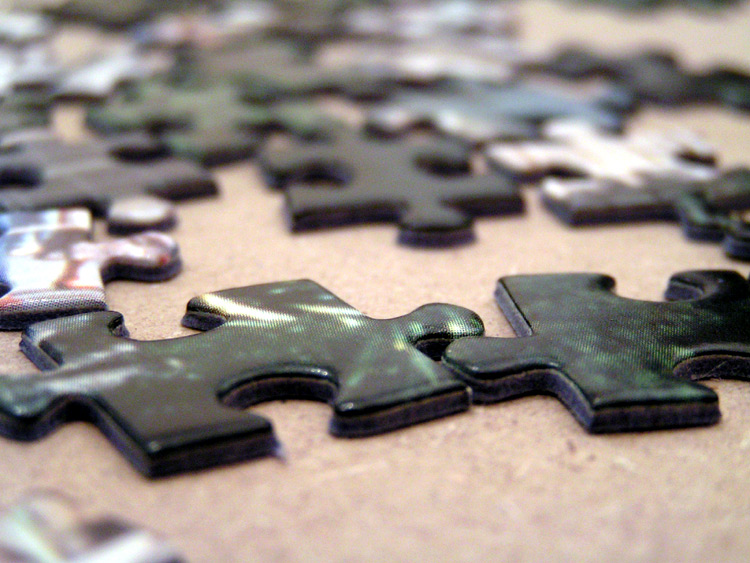
One piece lost under a sofa or taken by a child meant a week’s work ended with a hole, and everybody knew who was suspected.
Not applicable.
The all-or-nothing ending is the puzzle’s cruellest property. There is no partial credit for 999 pieces, which is why the search for a missing piece was pursued with an intensity entirely out of proportion to the object involved.
10. Finishing It Meant Immediately Breaking It Up
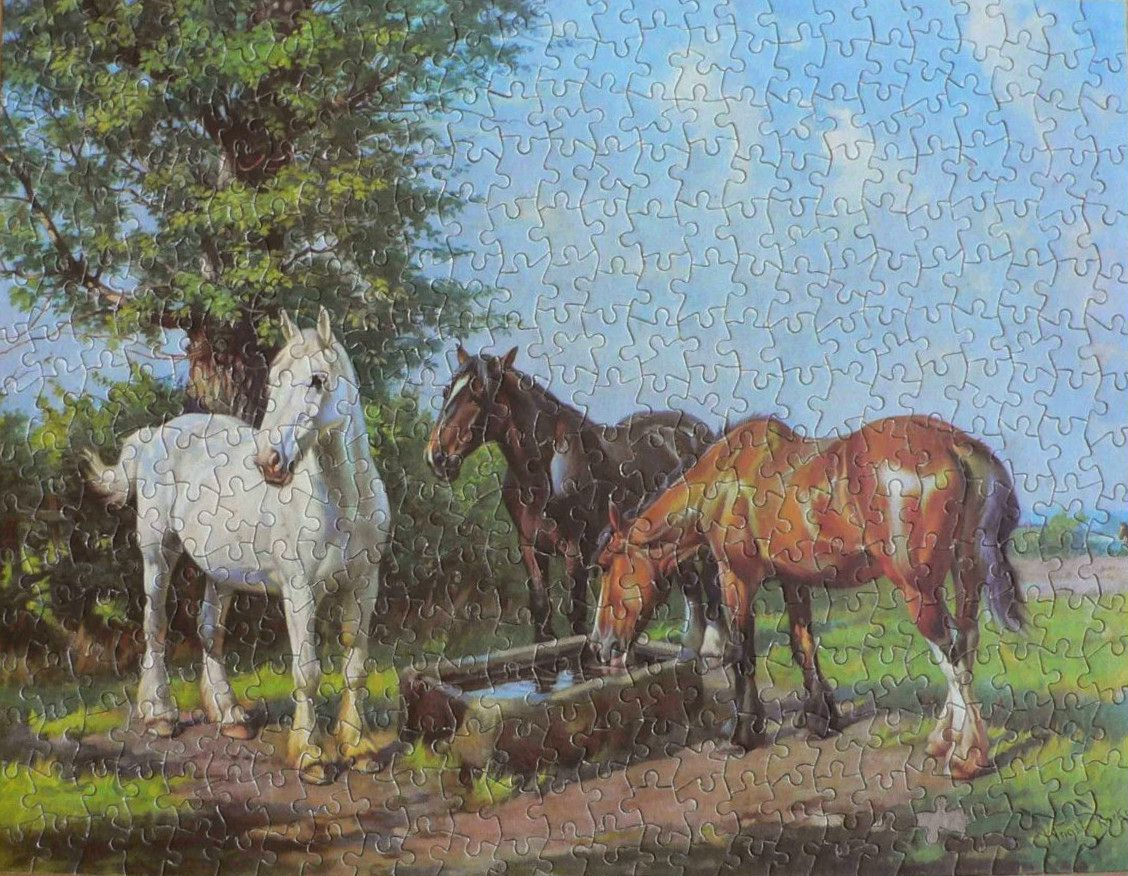
The completed picture was looked at, sometimes shown to somebody, and then dismantled back into the box within a day or two.
Not applicable.
The destruction at the end is what makes this unlike almost any other effort. A week of work produces something that is admired briefly and then deliberately undone, which everybody accepted as the natural conclusion rather than as a waste.
11. Puzzles Circulated Between Households
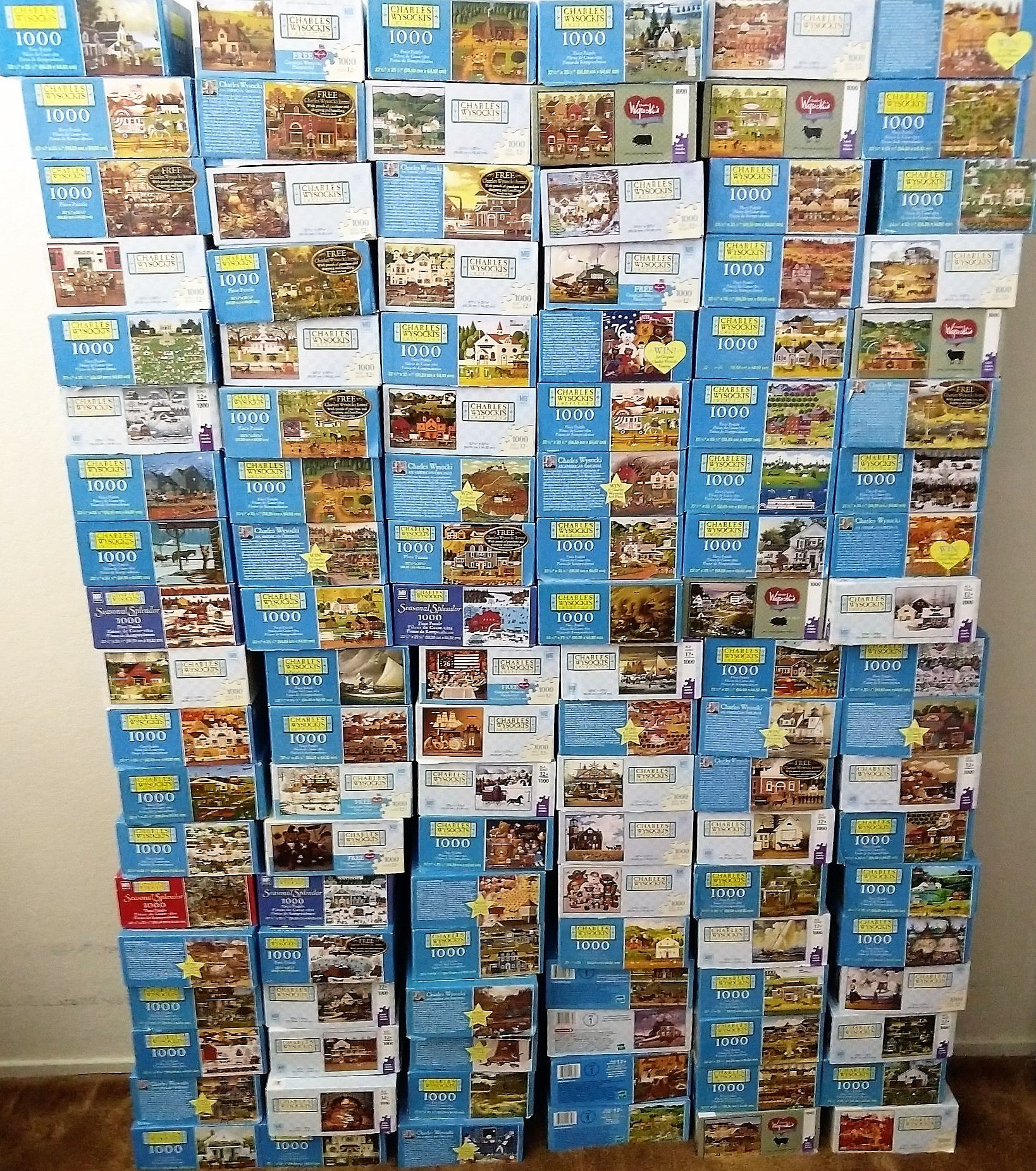
A completed puzzle was lent to a neighbour or traded, because nobody does the same one twice and a puzzle is useless to the house that has finished it.
Not applicable.
Lending was the obvious economy and it created a small circulating library. The object has no residual value to its owner and considerable value to somebody else, which is exactly the condition under which informal sharing systems appear.
12. Cards Were the Other Half of the Season
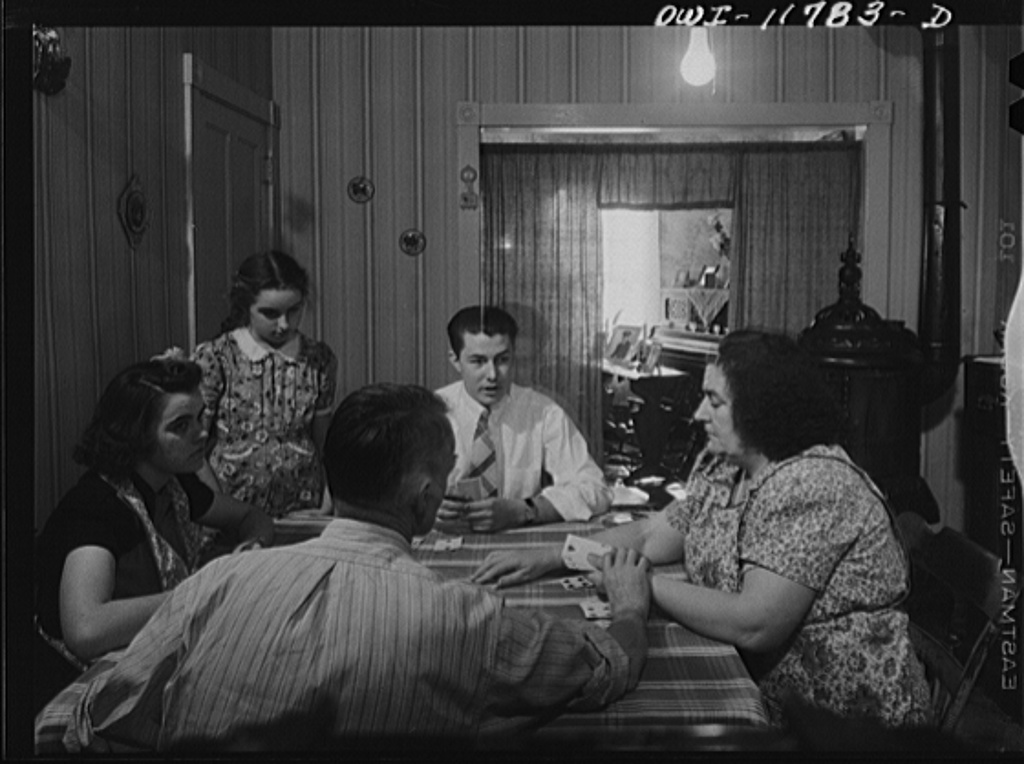
Where a puzzle was open-ended and solitary-capable, a card game needed a fixed number of people to sit down together for a defined period.
Not applicable.
The two activities complemented each other precisely because they had opposite requirements. Cards need commitment, a quorum and a start time; a puzzle needs none of those – so a household could use one when everybody was available and the other when they were not.
13. The Radio Was On the Whole Time
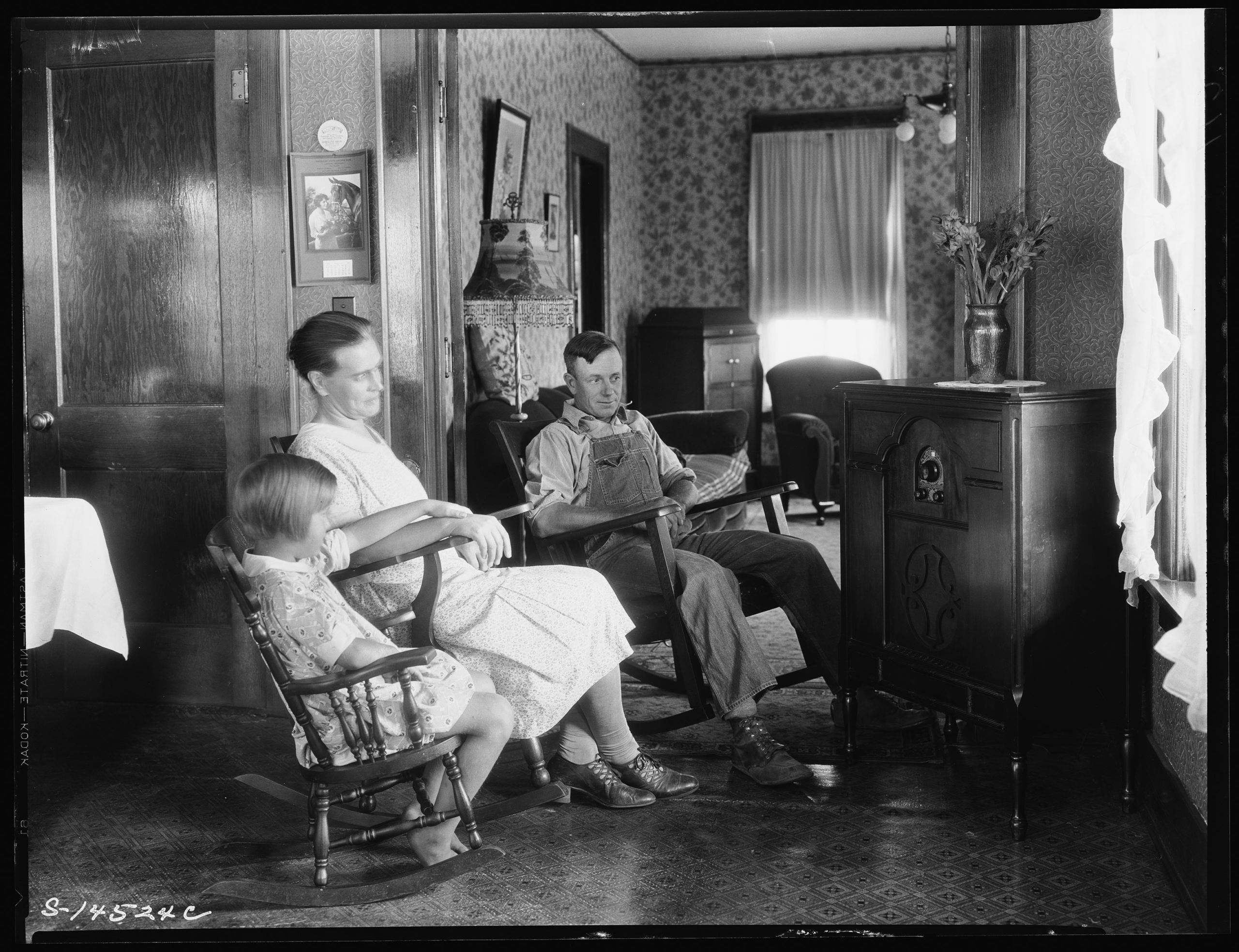
Audio in the background worked with the activity instead of against it, because hands and eyes were busy and ears were not.
Replaced by screens.
Pairing a manual task with listening is the same combination that put handwork on a porch, and it is the one television broke. A screen requires the eyes, which are already committed – so the arrival of a set in the room put the puzzle and the broadcast into direct competition for the first time.
14. Television Did Not End It Immediately, It Ended It Gradually
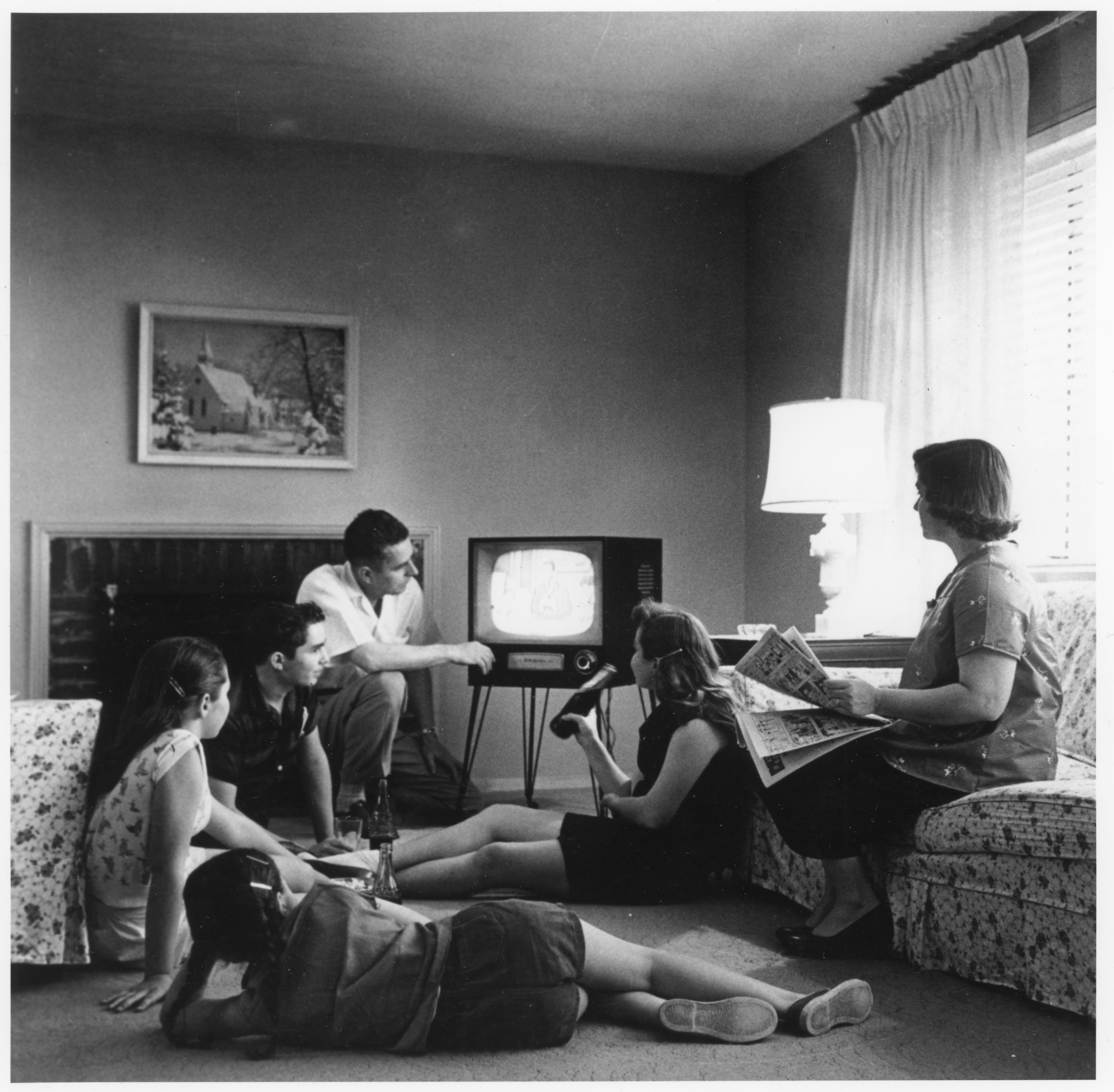
For years the puzzle table and the set coexisted in the same room, with the puzzle getting progressively less attention each winter.
Gone.
The slow replacement is the honest version of this story. Nothing was decided and nobody gave anything up – the table simply received fewer passing contributions each year until finishing one took a month instead of a week, and then it stopped being put up.
15. The Second Television Finished the Job
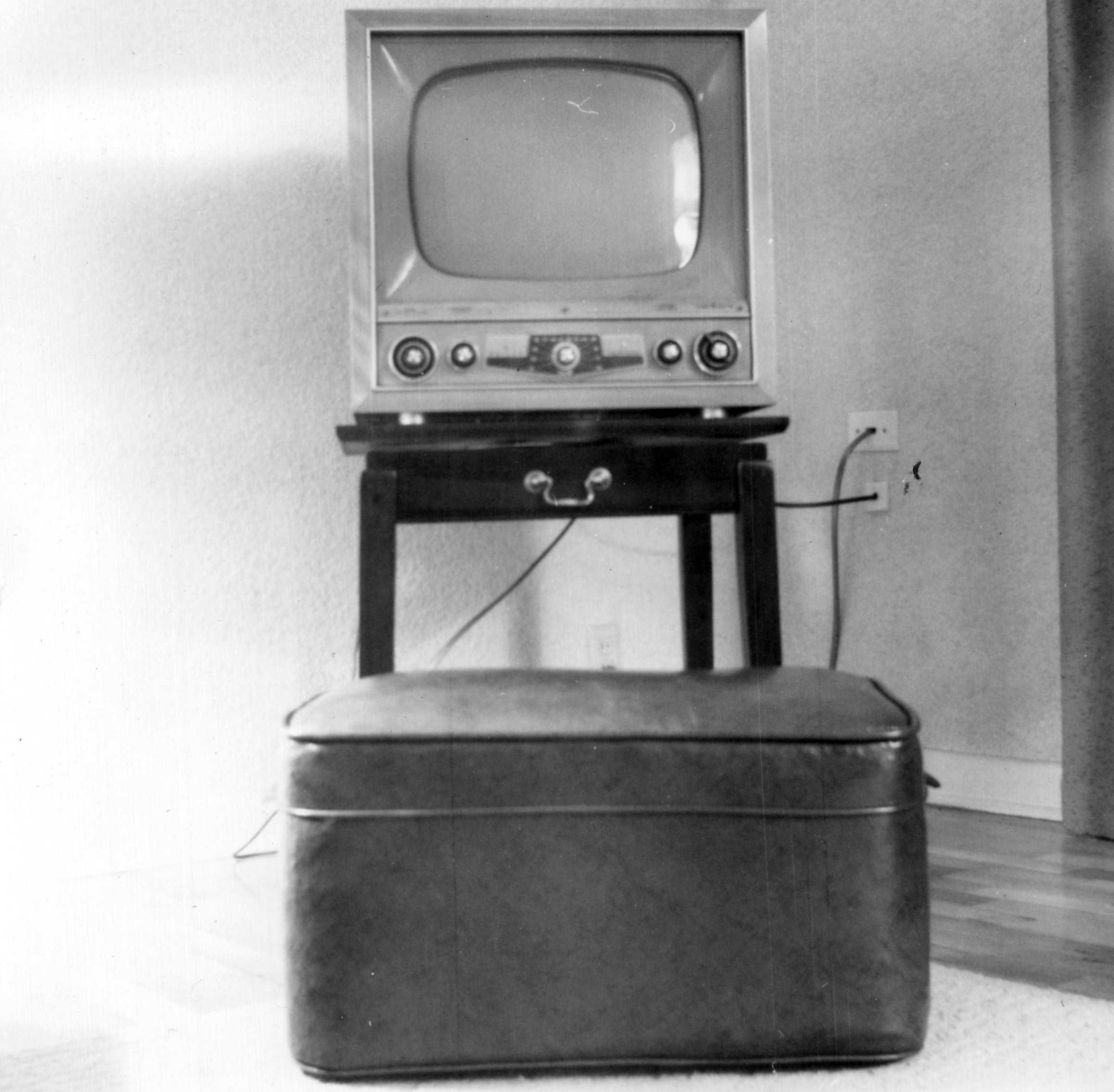
Once a household had more than one set, the family stopped being in the same room in the evening at all, which removed the shared surface entirely.
Universal.
The decisive change is about rooms rather than about entertainment. A shared activity requires people to be in one place, and the moment a house offered two viewing options the structural precondition for anything collective in the evening disappeared.
16. And by 1962 the Table Was Already Coming Up Later Each Year
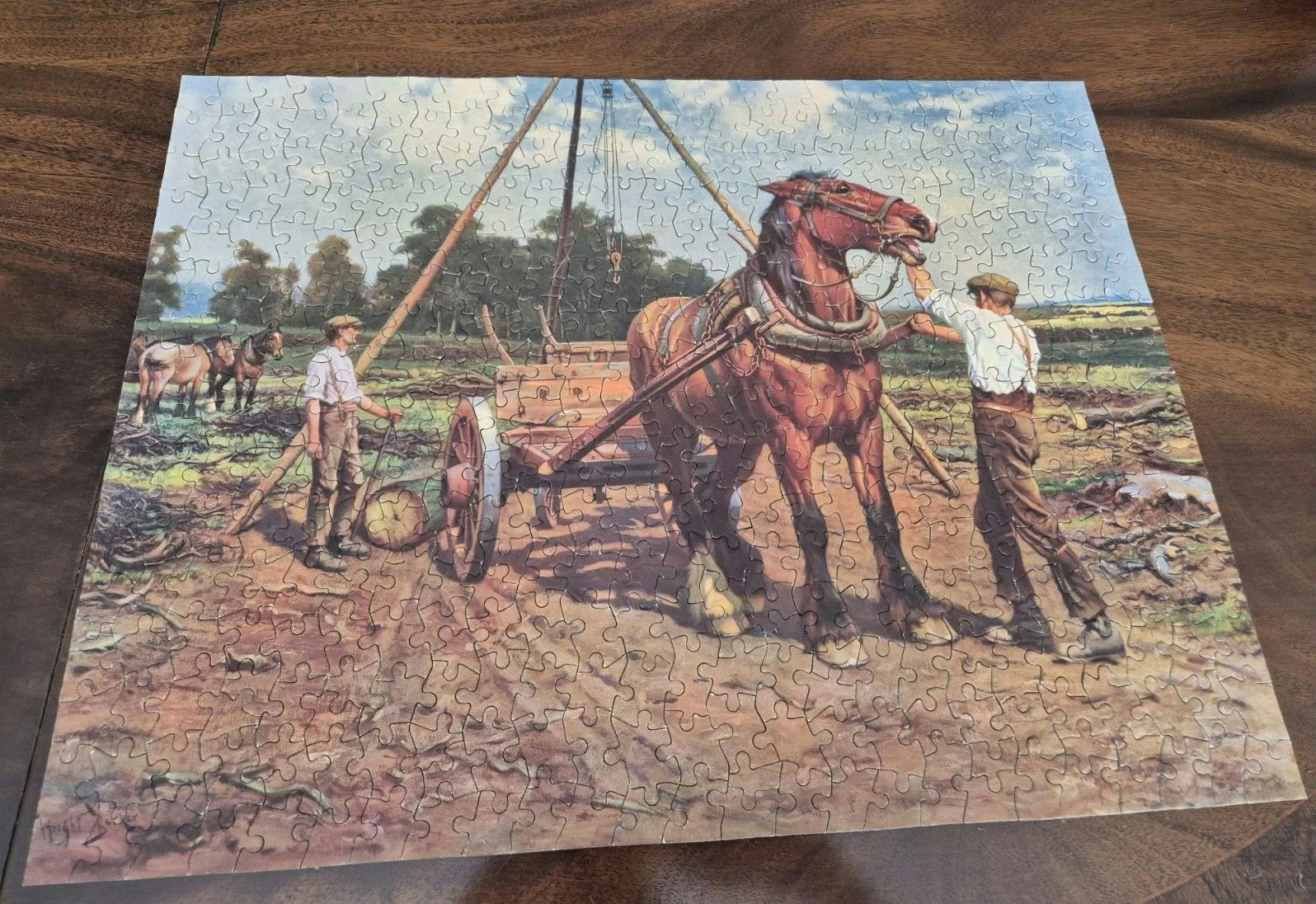
The card table still went up, the puzzles still circulated, and the hours anybody actually spent at it were falling every season.
Not applicable.
And what deserves the last word is that the jigsaw puzzle was an unusually well-designed answer to a specific problem. A winter evening was five or six hours a household had to fill from its own resources, and a puzzle fills them in a way almost nothing else does: it lasts days rather than an evening, it requires no quorum and no start time, anybody can contribute ten minutes or two hours without disrupting it, and it works perfectly alongside something playing in the background because it occupies the hands and eyes while leaving the ears free. It also had real structure – the edge first because a closed frame bounds the problem, the detailed areas fast and the sky slow because colour is information and uniform colour is not – and it ended in deliberate destruction that nobody minded. What killed it was not a better pastime. It was a second television, which meant the household was no longer in the same room.
It Was a Well-Designed Answer to a Specific Problem
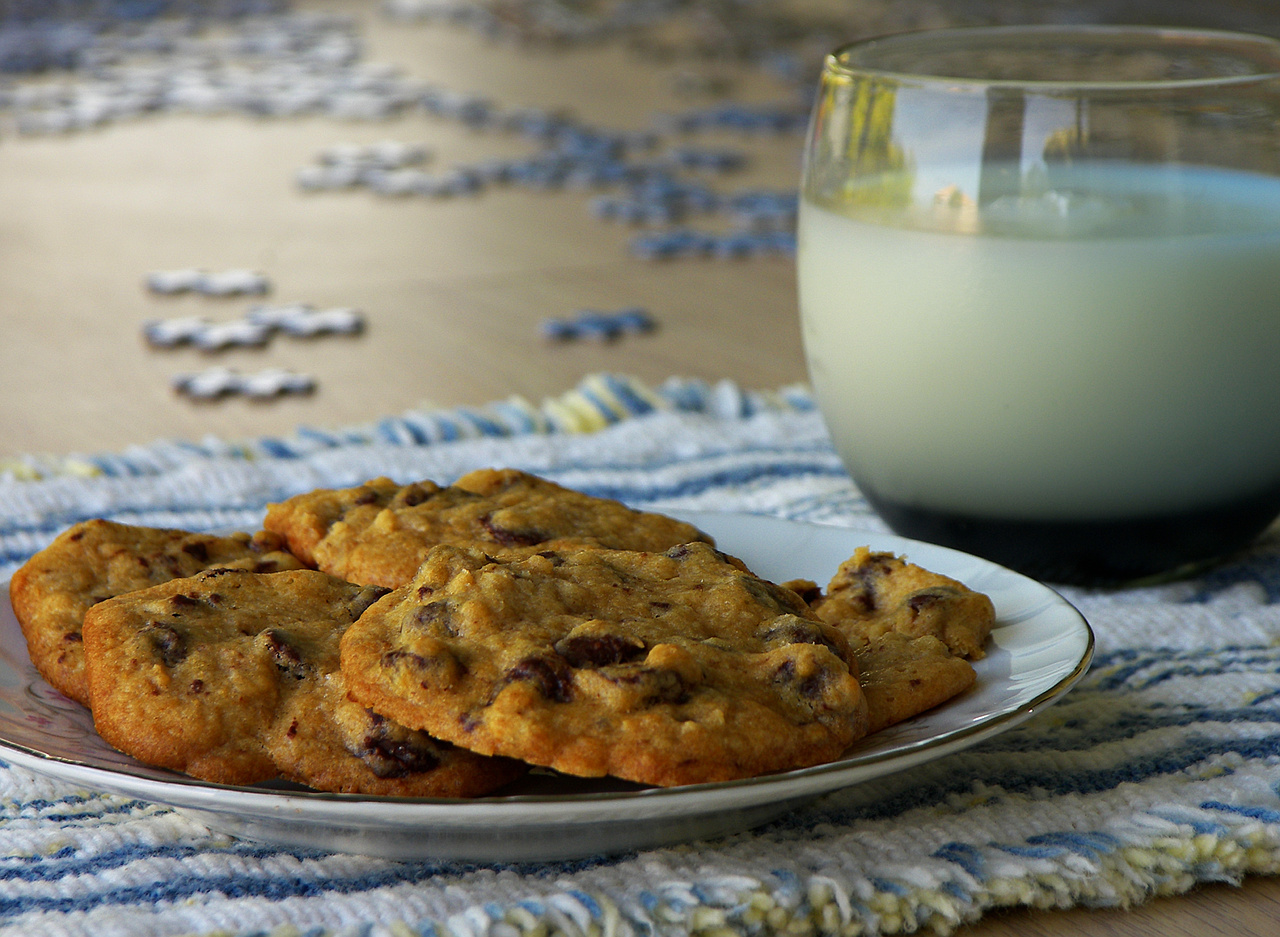
A jigsaw puzzle looks like a trivial pastime, and it is an unusually good solution to the particular problem a 1962 winter evening presented.
The problem was length. Dark by half past four, nothing arriving from outside, nothing scheduled – five or six hours a night to be filled from a household’s own resources.
A puzzle fills them in a way almost nothing else does, and the reasons are structural.
It lasts days rather than an evening, so it is a shared object rather than a shared event, accumulating contributions from everybody in the house at different times.
It requires no quorum and no start time. There are no teams, no turns and no penalty for walking away, so a person can do ten minutes or two hours without disrupting anything – which is rarer than it sounds, because almost every other shared activity needs everybody to begin together and stay. That is exactly why it could absorb a whole household of different ages and attention spans.
And it leaves the ears free, which is why the radio was on the whole time. Hands and eyes are committed; listening is not. That is the same pairing that put handwork on a porch, and it is the one television broke – a screen wants the eyes, which are already spoken for.
It also had genuine structure. The edge went first because a closed border converts an unbounded problem into a bounded one, and because it is the only part that can be done with no reference to the picture. The lid was propped up as the map, and whether consulting it constantly was the method or ignoring it was the point was as close to a philosophy as anybody got. Sorting systems were incompatible and universal – one person’s organised piles are another’s scattered mess – so a shared table needed a negotiated system or a permanent low-level dispute.
The difficulty gradient shaped how the week went. Detailed areas are fast because colour narrows the search; large uniform expanses have almost no information in them and are solved by shape alone. Which is why the interesting sections vanished in a night and the sky sat there for days.
Two things made it emotionally distinctive.
A missing piece ruined everything. There is no partial credit for 999 pieces, which is why the hunt under the sofa was pursued with an intensity wildly out of proportion to the object – and why everybody knew who was suspected.
And finishing meant immediately undoing it. A week of work, admired briefly, shown to somebody perhaps, then broken back into the box within a day or two – accepted by everybody as the natural conclusion rather than as waste.
Puzzles then circulated, because a finished one is useless to the household that finished it and valuable to the one next door. That is precisely the condition under which informal lending systems appear, and a small circulating library grew up without anybody organising it.
Cards occupied the complementary position: a fixed number of people, a start time, a defined period. The two worked together because their requirements are opposite – cards for when everybody was available, a puzzle for when they were not.
Then it ended, slowly and then decisively.
Television did not kill it at once. For years the table and the set shared a room, with the puzzle receiving fewer passing contributions each winter until finishing one took a month instead of a week.
What finished it was the second television. A shared activity needs people in the same room, and the moment a house offered two viewing options, the precondition for anything collective in the evening was gone.
The puzzle did not lose to a better pastime. It lost to the household dispersing.
If your family had a card table up all winter, that was not clutter.
It was a household deciding where the evenings were going to happen.
Like our content? Follow us for more.