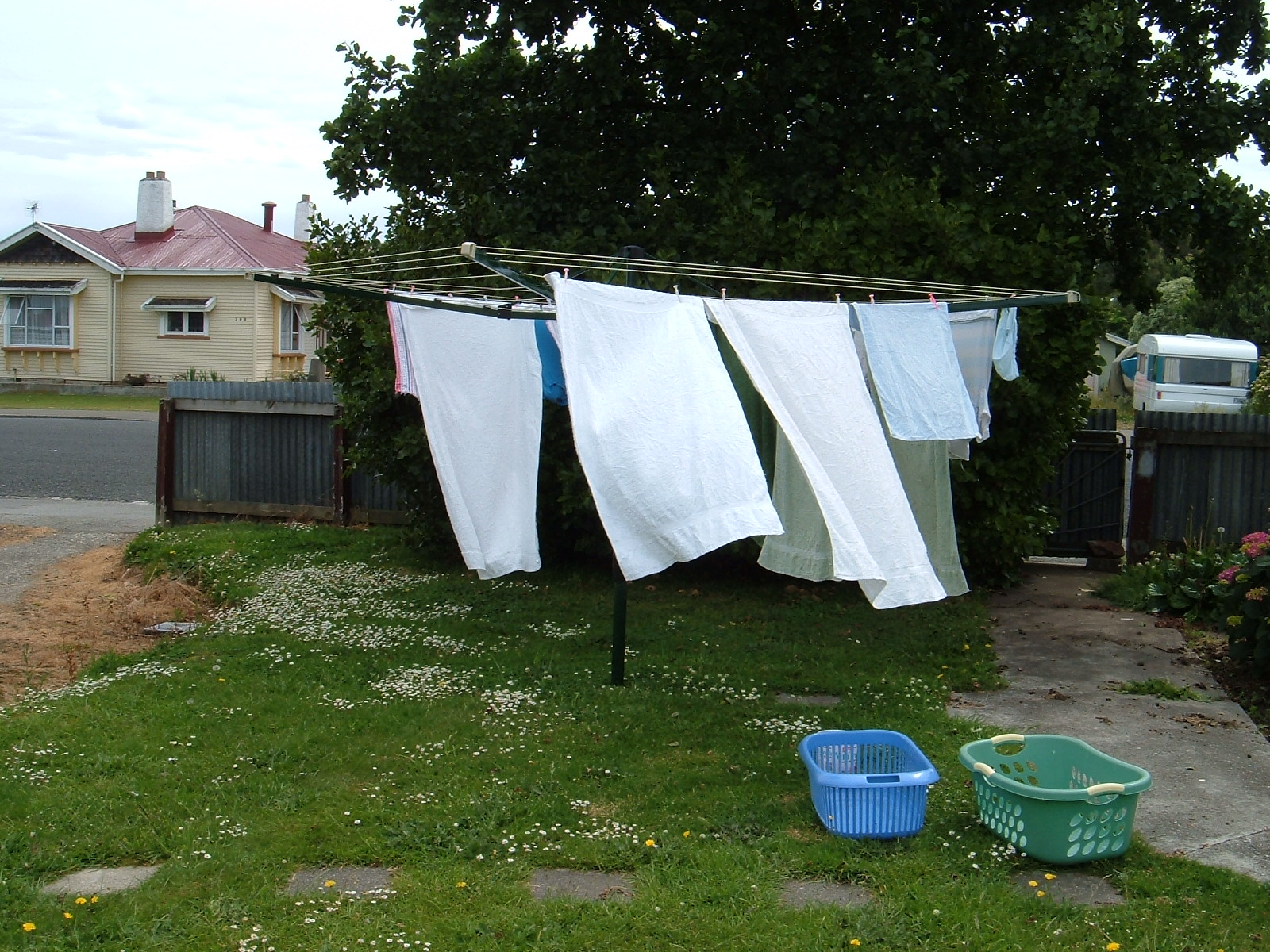
Before automatic washers and dryers became universal, doing the family laundry was a genuine all-day event, often assigned its own day of the week, that involved specialized equipment, real physical effort, and a set of rituals that many families followed almost identically from coast to coast. Here are eleven things every American family’s wash day involved in 1962, counted down one by one.
1. A Wringer Washer Churning in the Basement or on the Porch
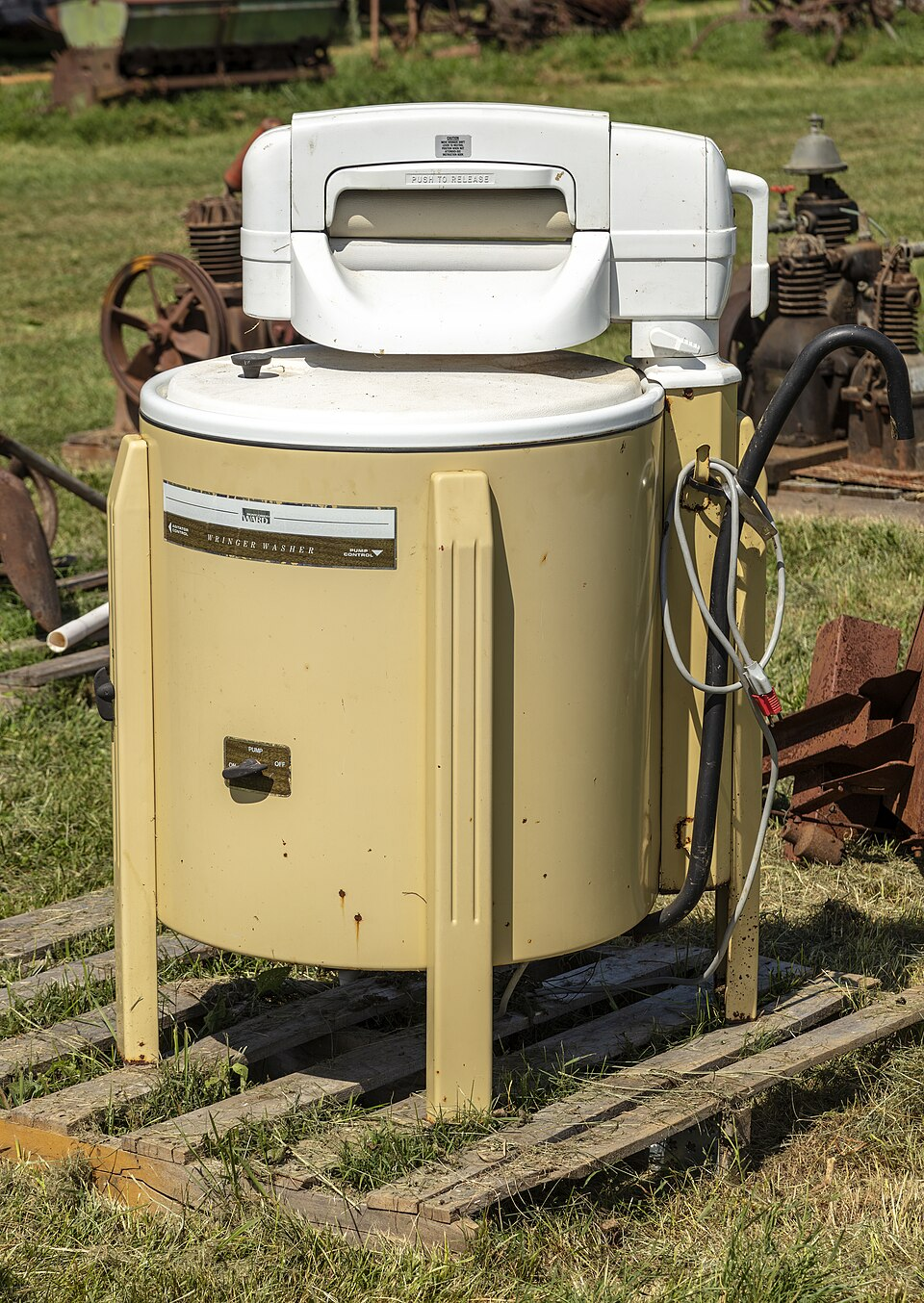
Many homes still relied on a wringer washing machine. Every piece of clothing was fed through its rollers by hand.
While fully automatic washers were spreading rapidly through American homes, millions of families in 1962 still relied on a wringer washer, a churning open tub whose contents had to be fed piece by piece through a pair of rollers that squeezed out the water before rinsing. A wringer washer churning in the basement or on the porch is the defining machine of the era’s wash day, hands-on equipment that demanded genuine attention, effort, and respect for those famously unforgiving rollers.
Like our content? Follow us for more.
2. A Full Day of the Week Set Aside Just for Laundry
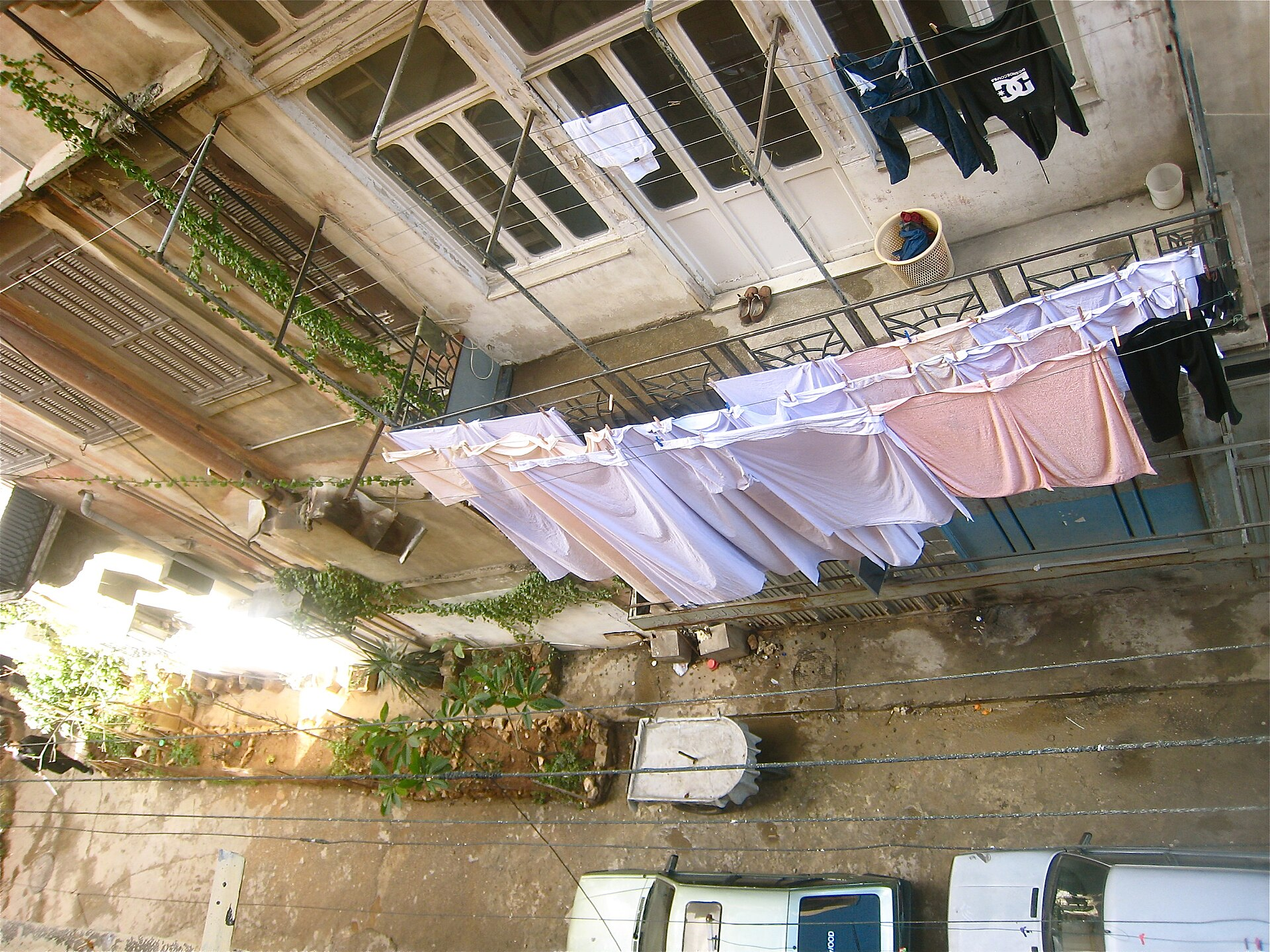
Wash day traditionally meant Monday in many households. The entire day’s schedule was built around the laundry.
In many 1962 households, laundry wasn’t a load tossed in between errands but a full day of the week, traditionally Monday, set aside for washing, wringing, hanging, and folding, with meals planned around the work and other chores pushed to the days that followed. A full day of the week set aside just for laundry reflects the genuine scale of the task during the era, a weekly production that modern machines have since compressed into something families barely schedule at all.
3. A Backyard Clothesline Strung From Post to Post
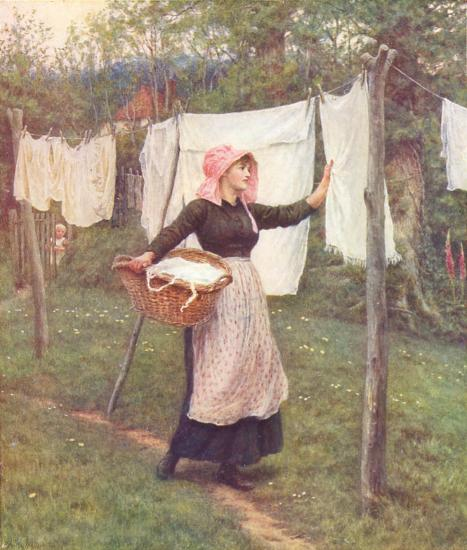
Wet laundry went outside to dry in the sun. Long lines of sheets and shirts filled backyards across America.
The clothes dryer was still a luxury in many 1962 homes, so wet laundry went out to the backyard clothesline, strung from post to post and filled with billowing sheets, work shirts, and school clothes that announced to the whole neighborhood exactly what day it was. A backyard clothesline strung from post to post reflects the open-air rhythm of the era’s wash day, a drying method whose sun-warmed results many people still insist no machine has ever matched.
4. A Bag of Wooden Clothespins Hanging on the Line
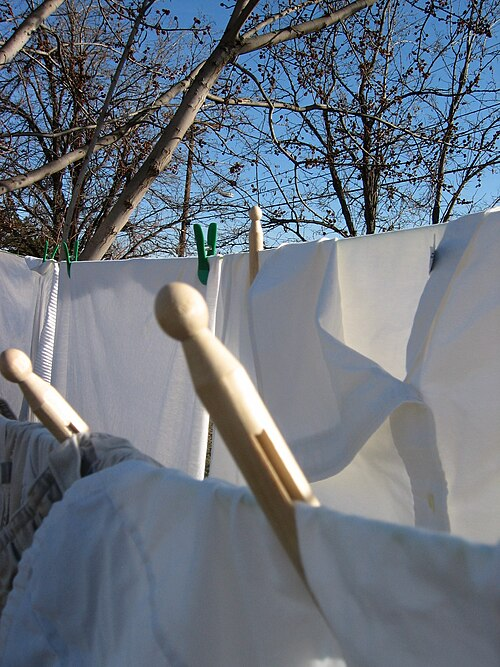
A cloth bag of clothespins slid along the line. Kids were often assigned to hand them up one by one.
Sliding along every clothesline was a cloth bag of wooden clothespins, the simple spring-hinged or one-piece pins that anchored the wash against the wind, and handing them up one by one was often a child’s first official wash-day job. A bag of wooden clothespins hanging on the line reflects the small, tactile details of the era’s laundry routine, humble tools that many former kids handled by the hundreds before they ever touched a washing machine.
5. A Race Against the Sky When Rain Clouds Rolled In
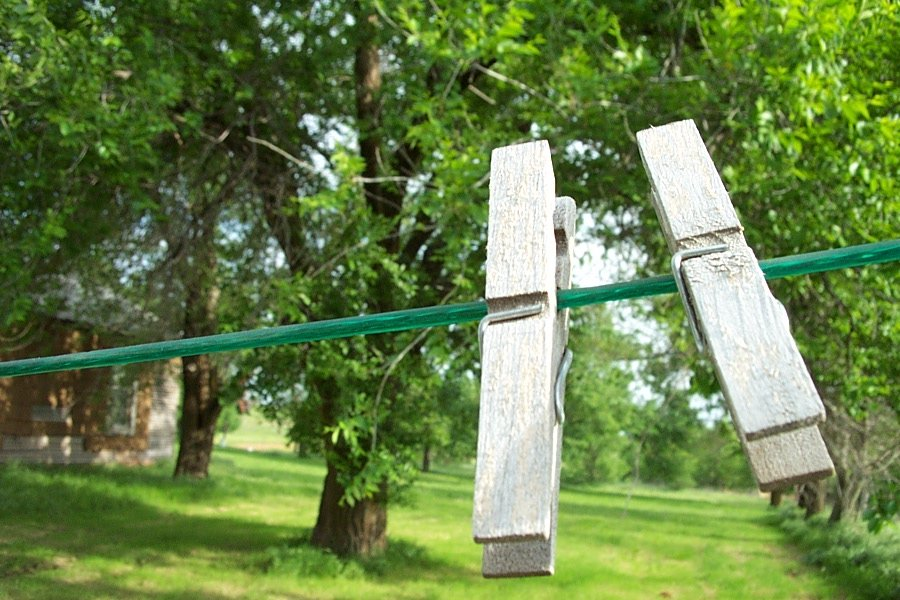
A darkening sky sent the whole family running outside. Half-dry laundry had to come in before the storm hit.
Every family of the era remembers the wash-day emergency of rain clouds rolling in, a darkening sky that sent mothers and children sprinting to the backyard to strip the line of half-dry sheets and shirts before the first drops fell. A race against the sky when rain clouds rolled in reflects the weather-dependent reality of 1962 laundry, a genuine household drama that the electric dryer would eventually retire for good.
6. Sprinkling and Rolling Clothes Before Ironing
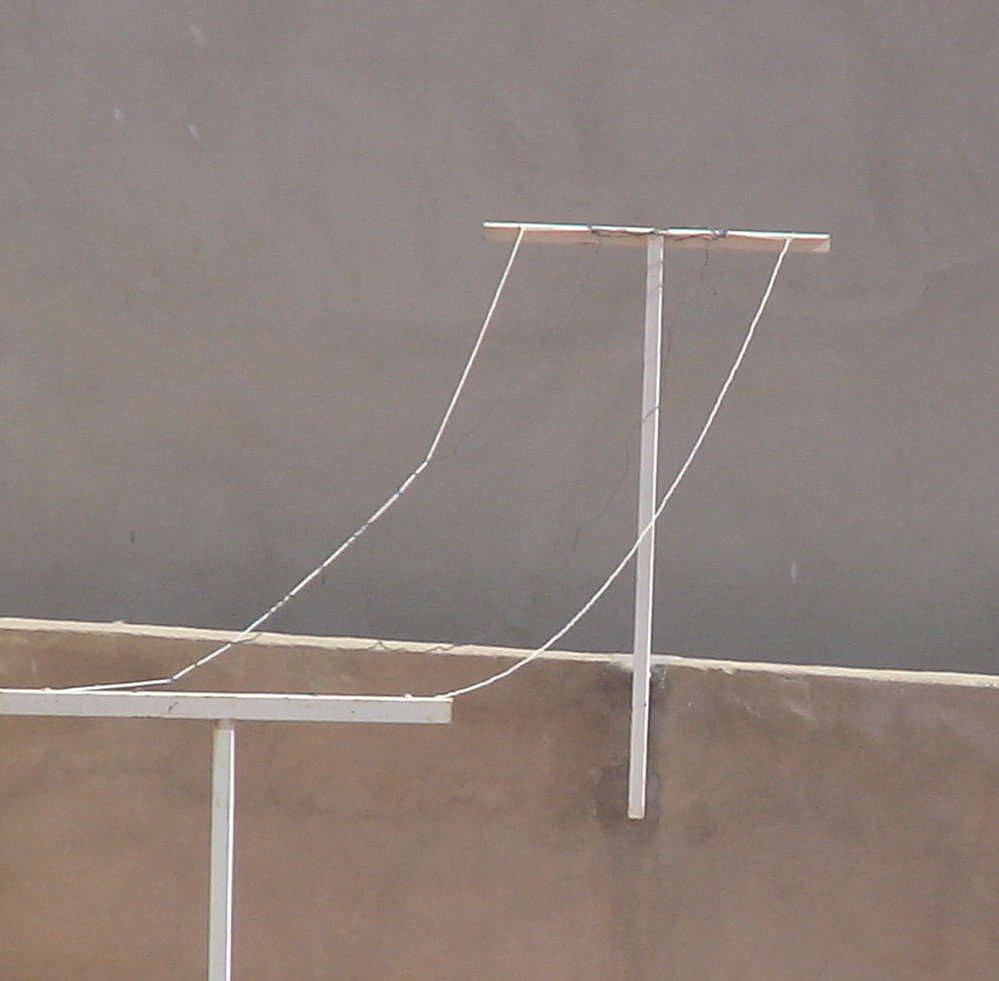
Dried clothes were sprinkled with water and rolled up tight. The dampened bundles waited in a basket for the iron.
Because sun-dried cotton emerged stiff and wrinkled, wash day flowed directly into ironing day, and clothes were first sprinkled with water from a bottle, rolled into tight damp bundles, and stacked in a basket so the moisture spread evenly before pressing. Sprinkling and rolling clothes before ironing reflects the genuinely methodical fabric care of the era, a preparatory ritual that permanent-press fabrics and steam irons have since made almost completely unnecessary.
7. A Bottle of Laundry Bluing to Keep Whites White
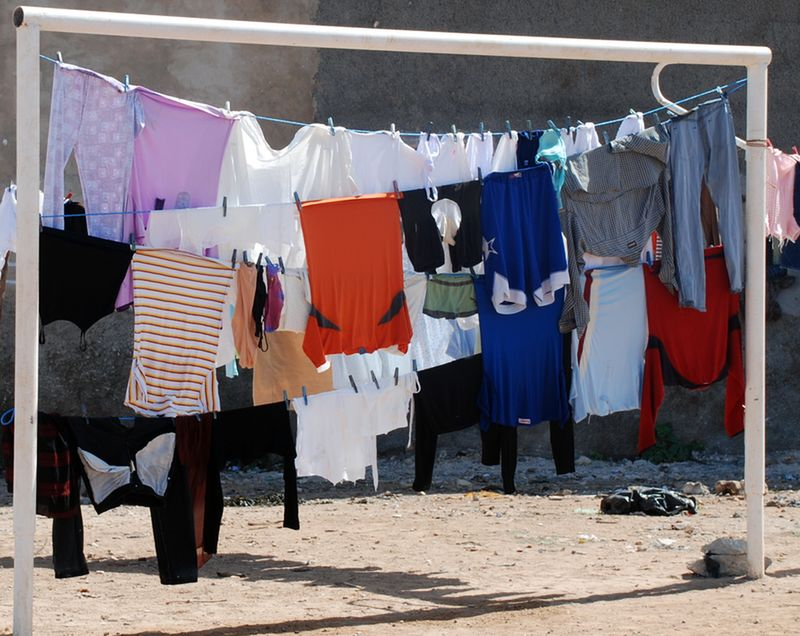
A few drops of blue liquid went into the rinse water. The optical trick kept white sheets looking bright.
The era’s secret weapon for brilliant white sheets was laundry bluing, a few drops of blue liquid added to the rinse water that used a simple optical trick, offsetting yellow tones with a trace of blue, to make whites appear genuinely brighter on the line. A bottle of laundry bluing to keep whites white reflects the specialized product shelf of the 1962 laundry room, a category of washing wisdom that modern detergents absorbed into a single jug decades ago.
8. Starching Collars and Cuffs by Hand
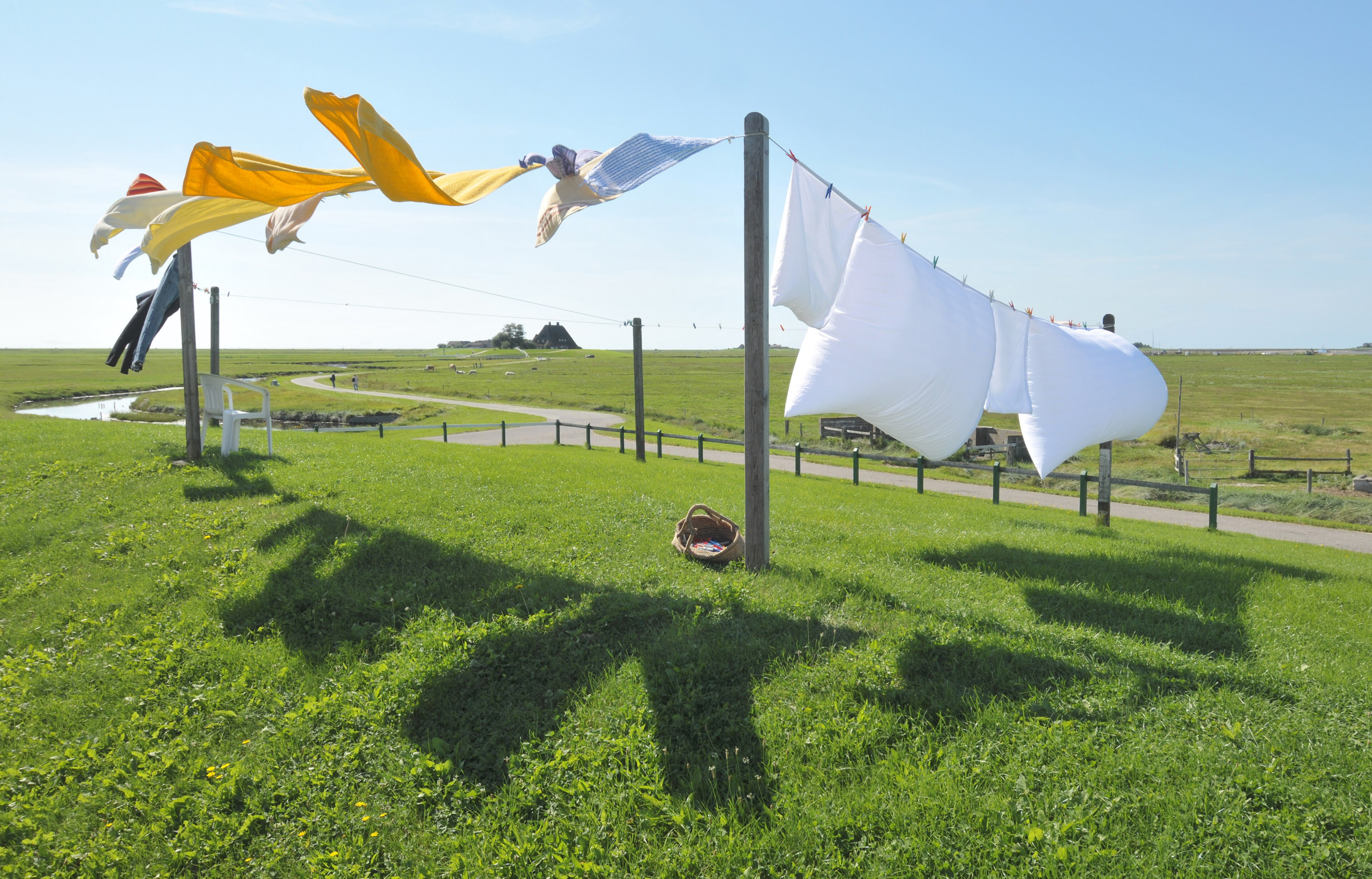
Dress shirts were dipped or sprayed with starch. Crisp collars were considered a genuine mark of good housekeeping.
Dress shirts in 1962 were starched at home, their collars and cuffs dipped in or sprayed with starch solution before ironing so they emerged genuinely crisp, since a sharp collar on Sunday morning or at the office was considered a real mark of careful housekeeping. Starching collars and cuffs by hand reflects the exacting standards families brought to the era’s wardrobe, finishing work that professional cleaners and easy-care fabrics have since taken over almost entirely.
9. A Mended Pile Where Nothing Was Thrown Away
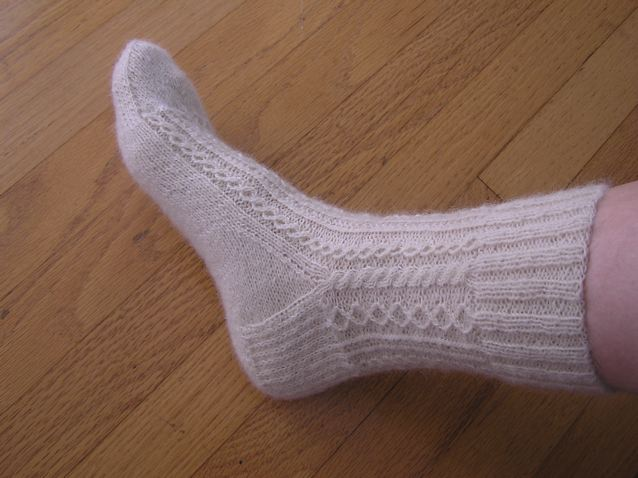
Torn clothes went to the mending pile, not the trash. Socks were darned and buttons resewn as part of the routine.
Wash day fed directly into the mending pile, where torn seams were restitched, missing buttons replaced, and worn socks darned over a wooden egg, because clothing in 1962 was repaired as a matter of course rather than replaced at the first sign of wear. A mended pile where nothing was thrown away reflects the thrifty, make-it-last philosophy of the era’s households, a repair culture that inexpensive ready-made clothing has since made genuinely rare.
10. Kids Folding Warm Laundry at the Kitchen Table
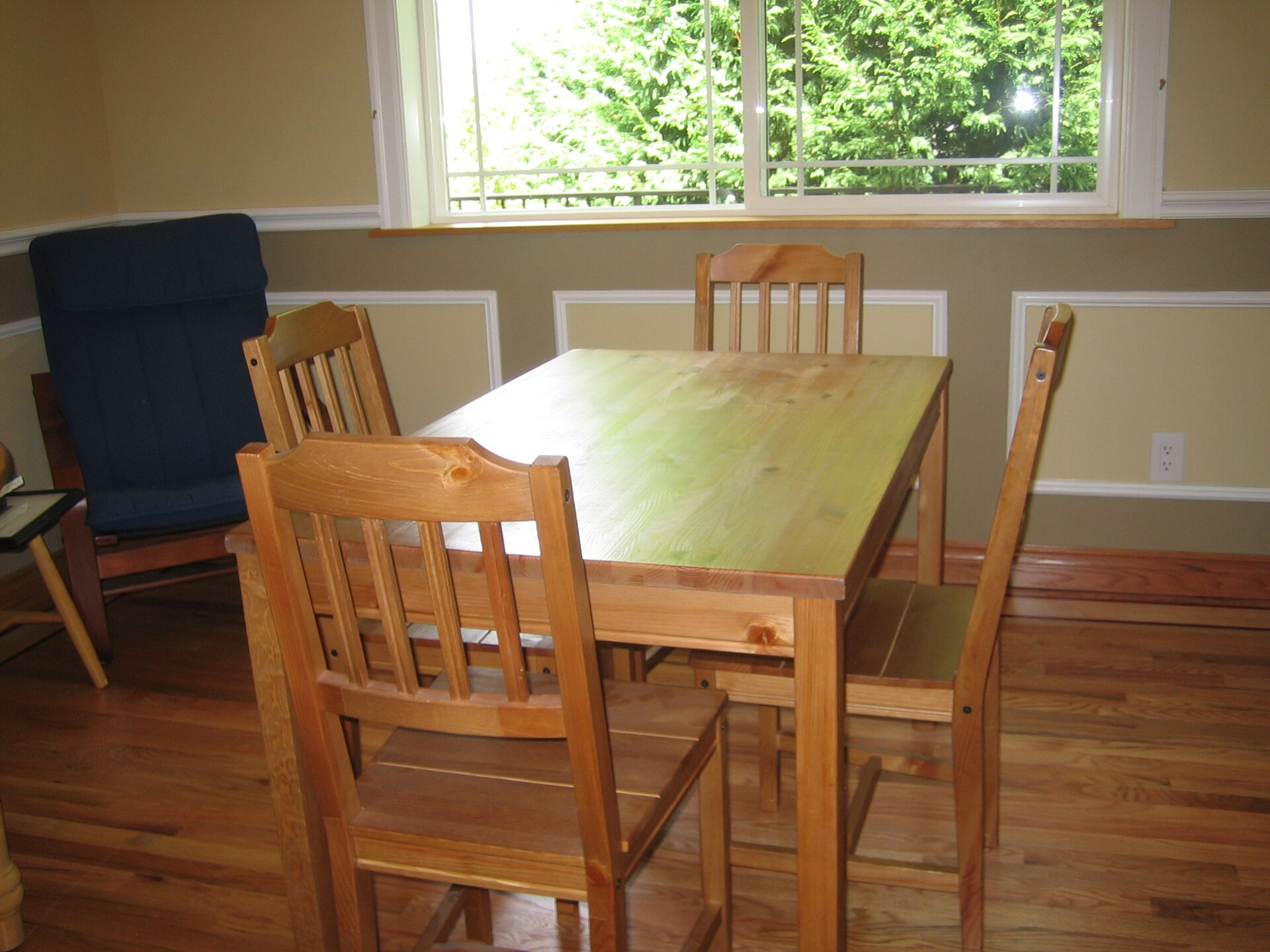
Folding was a shared job at the kitchen table. Matching socks was the chore every kid remembers drawing.
The end of wash day gathered the family at the kitchen table, where baskets of line-dried laundry were folded into neat stacks and kids were handed the job every one of them remembers, pairing an endless pile of socks while the radio played. Kids folding warm laundry at the kitchen table reflects the shared, all-hands nature of the era’s housework, a weekly routine that turned an ordinary chore into one of childhood’s most fondly remembered scenes.
11. A Genuine Satisfaction in a Line Full of Clean Wash
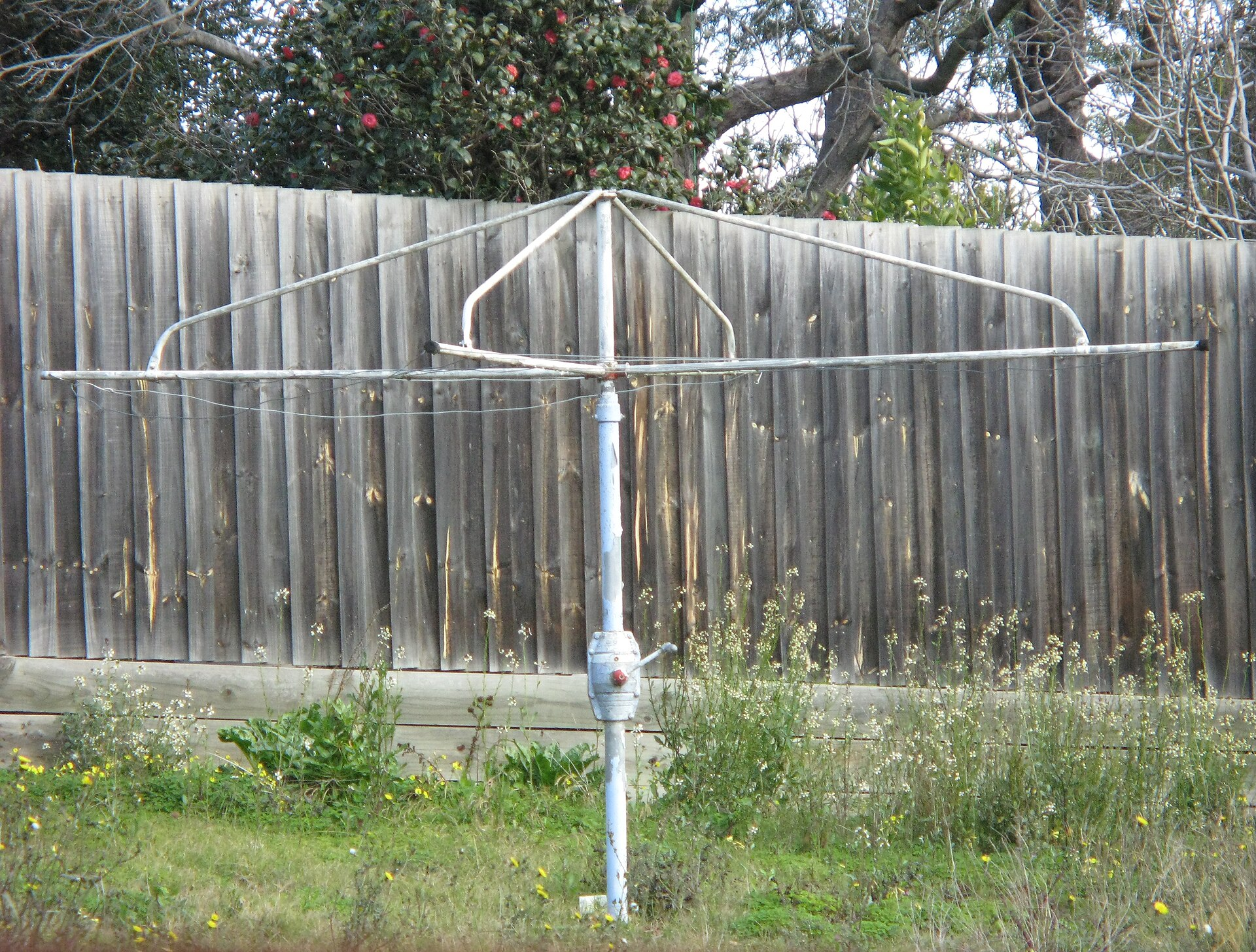
A full clothesline was a visible accomplishment. Families took real pride in a wash day done well.
At the end of the day, a backyard line full of clean, sun-dried wash was a genuinely visible accomplishment, and families of the era took real pride in bright whites, crisp collars, and drawers full of neatly folded clothes produced entirely by their own effort. A genuine satisfaction in a line full of clean wash reflects the quiet pride at the heart of the era’s wash day, a sense of accomplishment that push-button laundry, for all its convenience, never quite replicated.
An All-Day Production Worth Remembering
Taken together, these eleven things capture what wash day meant in 1962, from the churning wringer washer and the race against the rain to the sock-matching at the kitchen table and the full line glowing in the afternoon sun. It was a weekly production built on effort, routine, and genuine pride in work done well.
Automatic washers and dryers spread through American homes rapidly through the 1960s and 70s, and permanent-press fabrics, modern detergents, and in-home laundry rooms gradually dissolved wash day into loads run whenever convenient, a genuine improvement in time and effort that nobody seriously wishes away. The change reflects real progress in household technology, even as it retired a set of rituals many families performed together. Yet for those who grew up with it, these details bring it all back: the slap of wet sheets in the wind, the smell of sun-dried cotton, the basket of rolled clothes waiting for the iron. Looking back at wash day in 1962 is a warm tribute to a considerably more laborious, but fondly remembered, rhythm of American family life.
Like our content? Follow us for more.