We tend to think of cities as things that rise upward, but some of history’s most astonishing settlements went the other way, burrowing deep into the earth. Across the world, people have carved entire cities out of rock and soil: vast subterranean complexes that sheltered tens of thousands from invaders, desert towns where residents live underground to escape brutal heat, and tunnel networks that hid whole communities through war. Some are thousands of years old; others are still inhabited today. These hidden worlds beneath our feet are feats of engineering and endurance that rival anything built above ground. Here’s a journey into the most remarkable underground cities ever created, and the very real people who once called them, or still call them, home.
A note: many of these sites are open to visitors today, offering an unforgettable, sometimes claustrophobic glimpse into how people lived below ground. Where relevant, that’s noted. Here’s the world beneath the surface.
Derinkuyu: A City for 20,000, Carved in Rock
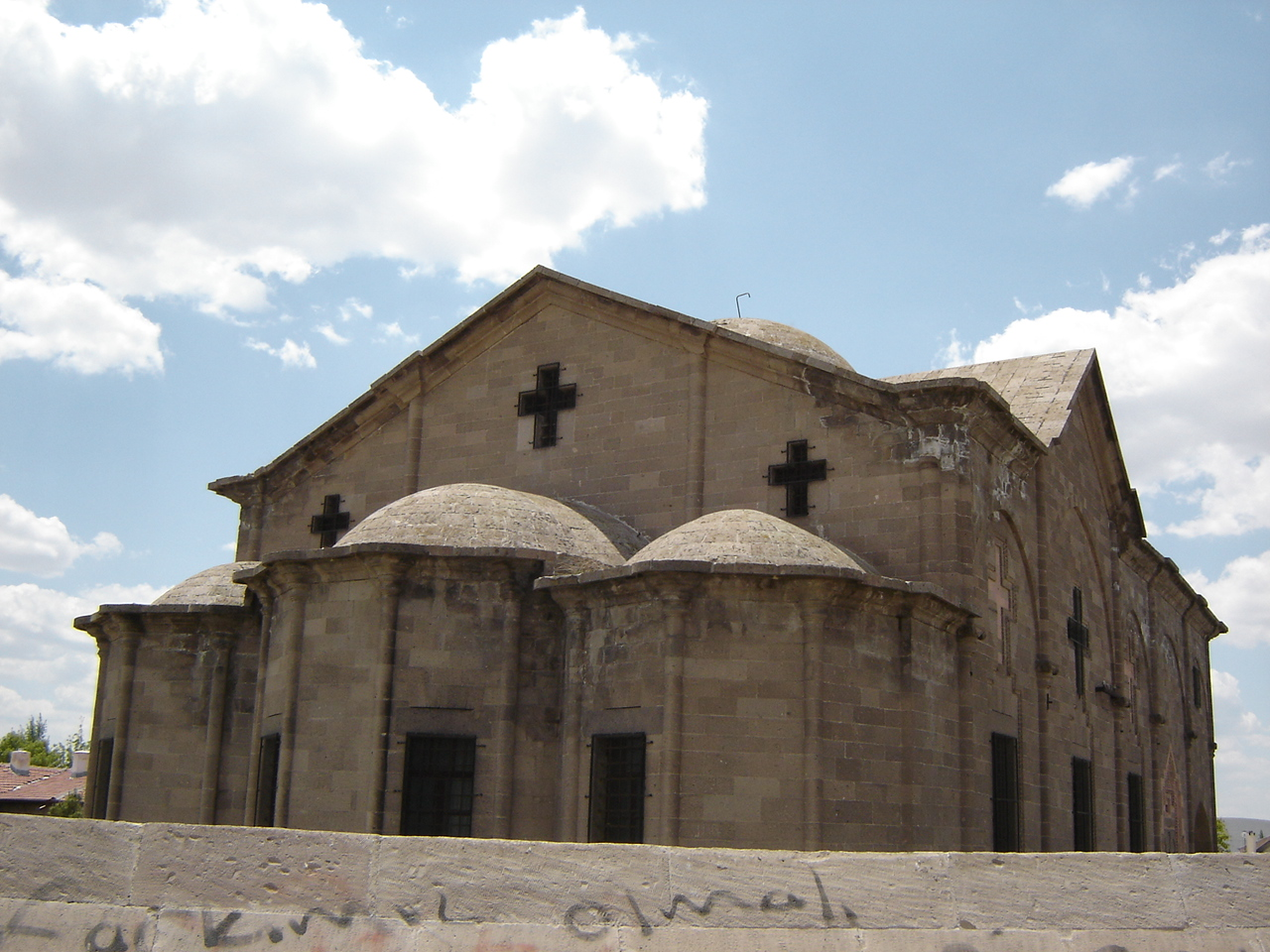
The undisputed marvel of underground living is Derinkuyu, in Turkey’s otherworldly Cappadocia region. This staggering complex plunges as deep as around 280 feet below the surface across multiple levels, and at its peak it could shelter as many as 20,000 people along with their livestock and food stores. It wasn’t a mere hiding hole but a fully functioning city, complete with ventilation shafts, wells for fresh water, stables, cellars, kitchens, chapels, and even wine and oil presses. Carved into the soft volcanic rock over centuries, possibly begun by the Phrygians and vastly expanded by later Christian communities, Derinkuyu protected its inhabitants from invading armies. Massive circular stone doors could seal the city from the inside, level by level, allowing residents to vanish underground for weeks or months until danger passed.
Like our content? Follow us for more.
Found Behind a Basement Wall
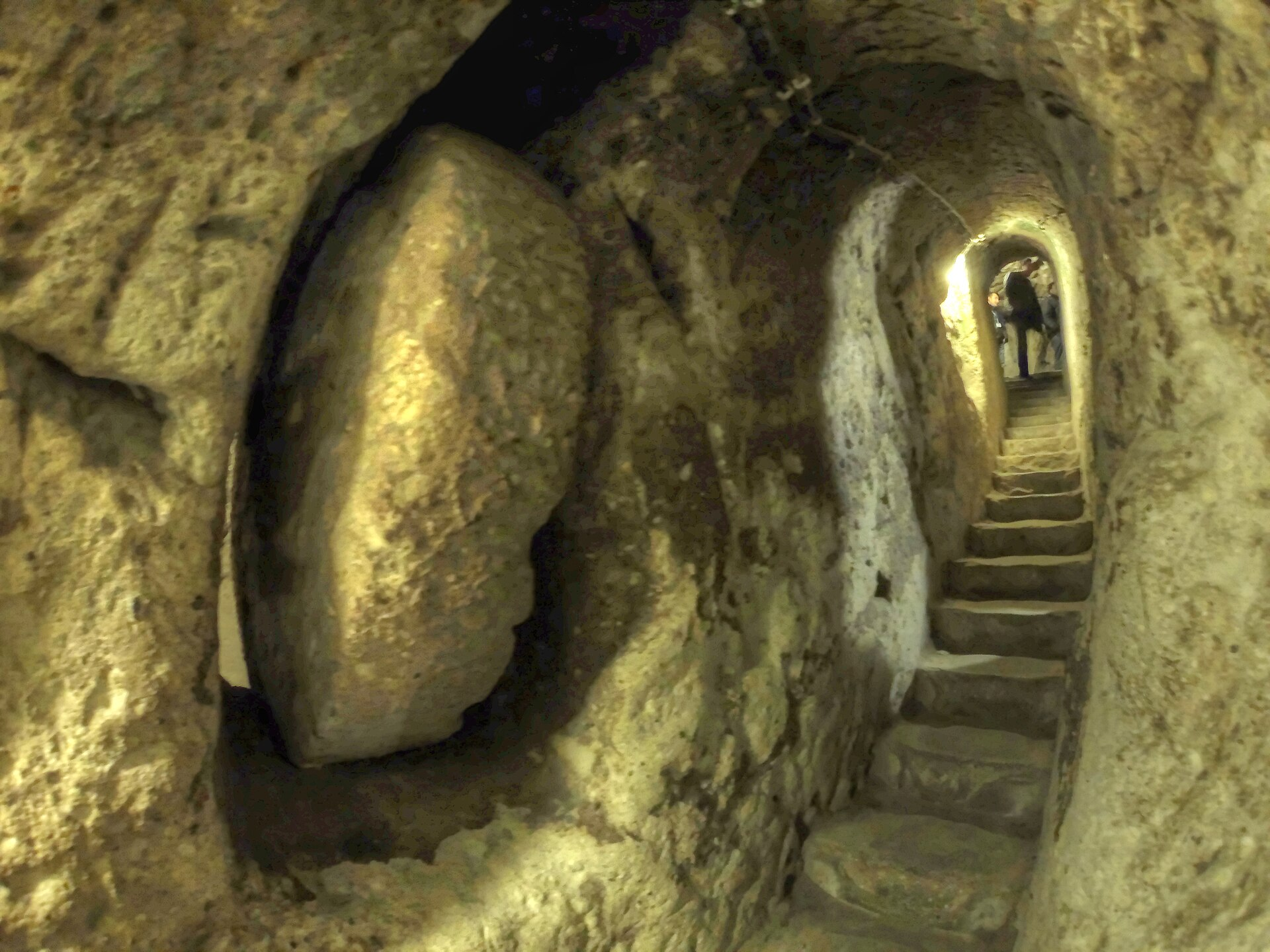
One of the most astonishing things about Derinkuyu is how the modern world rediscovered it. In 1963, a local resident reportedly knocked down a wall in his basement during renovations and stumbled upon a hidden passage leading into the vast, forgotten city beneath. Excavations revealed the immense scale of the complex, and it opened to visitors later that decade. Derinkuyu isn’t even unique in the region: Cappadocia is honeycombed with around 200 underground settlements, dozens of them multi-level, including the sprawling nearby city of Kaymaklı. Connected by tunnels and shaped over generations of need, these cities are now UNESCO-recognized wonders. Today, visitors can descend through the narrow, sloping passageways of Derinkuyu to see the stables, chapels, and living quarters for themselves, marveling at the ingenuity of the people who built them.
Kaymaklı: Derinkuyu’s Sister City
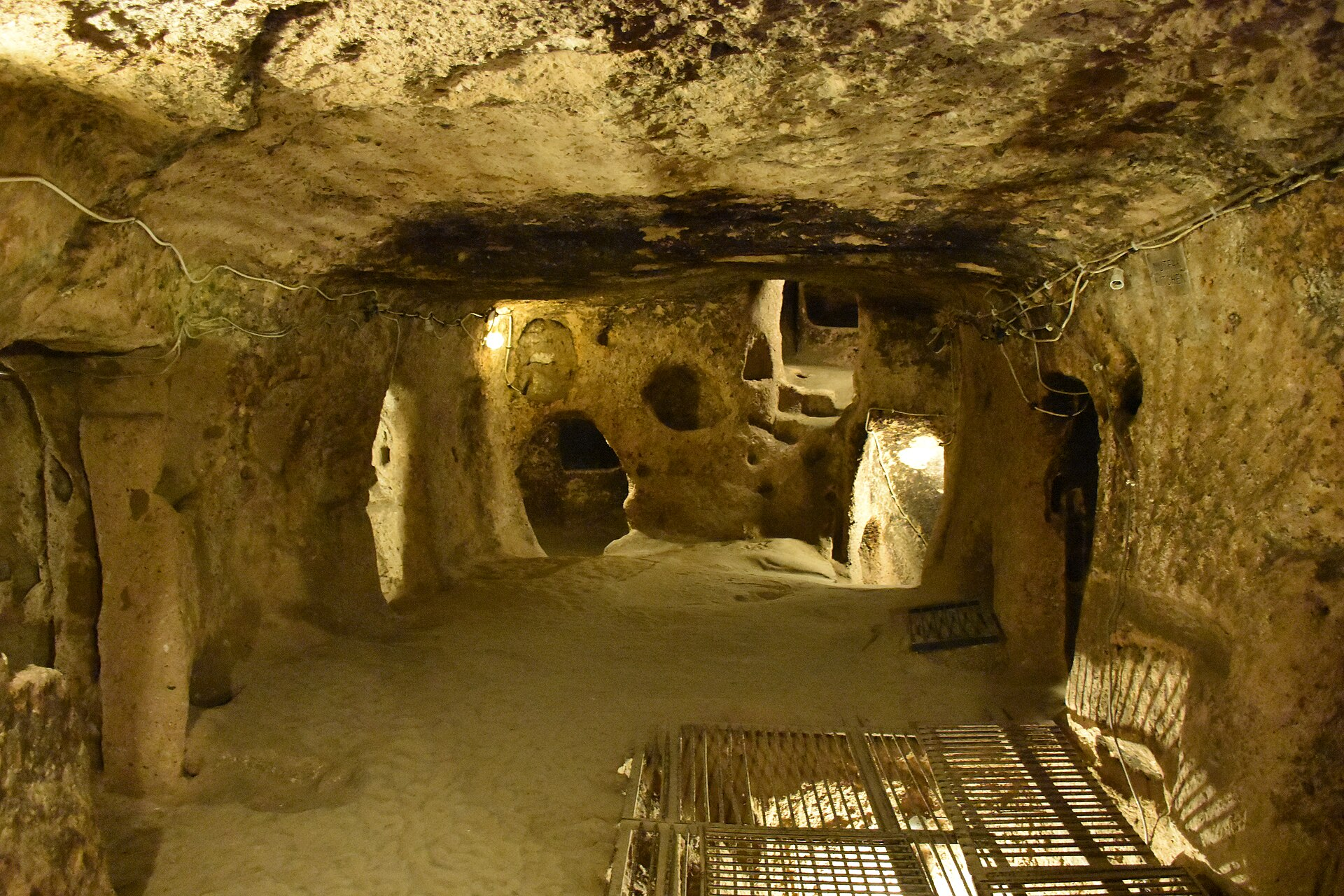
Just a short distance from Derinkuyu lies Kaymaklı, another remarkable Cappadocian underground city and one of the widest in the region. While not as deep as Derinkuyu, Kaymaklı spreads out across multiple levels in a dense maze of low, narrow tunnels connecting living spaces, storage areas, kitchens, and stables. Families would descend into these warrens with their animals and provisions, sealing themselves in behind stone doors when raiders threatened. What’s striking about Kaymaklí is how intimate and domestic it feels: you can still see the soot-blackened ceilings of ancient kitchens and the niches where people stored their goods. Together, Derinkuyu and Kaymaklı offer an unparalleled window into how entire communities adapted to centuries of invasion by building a secret, self-sufficient world beneath their own homes.
Coober Pedy: Living Underground to Beat the Heat
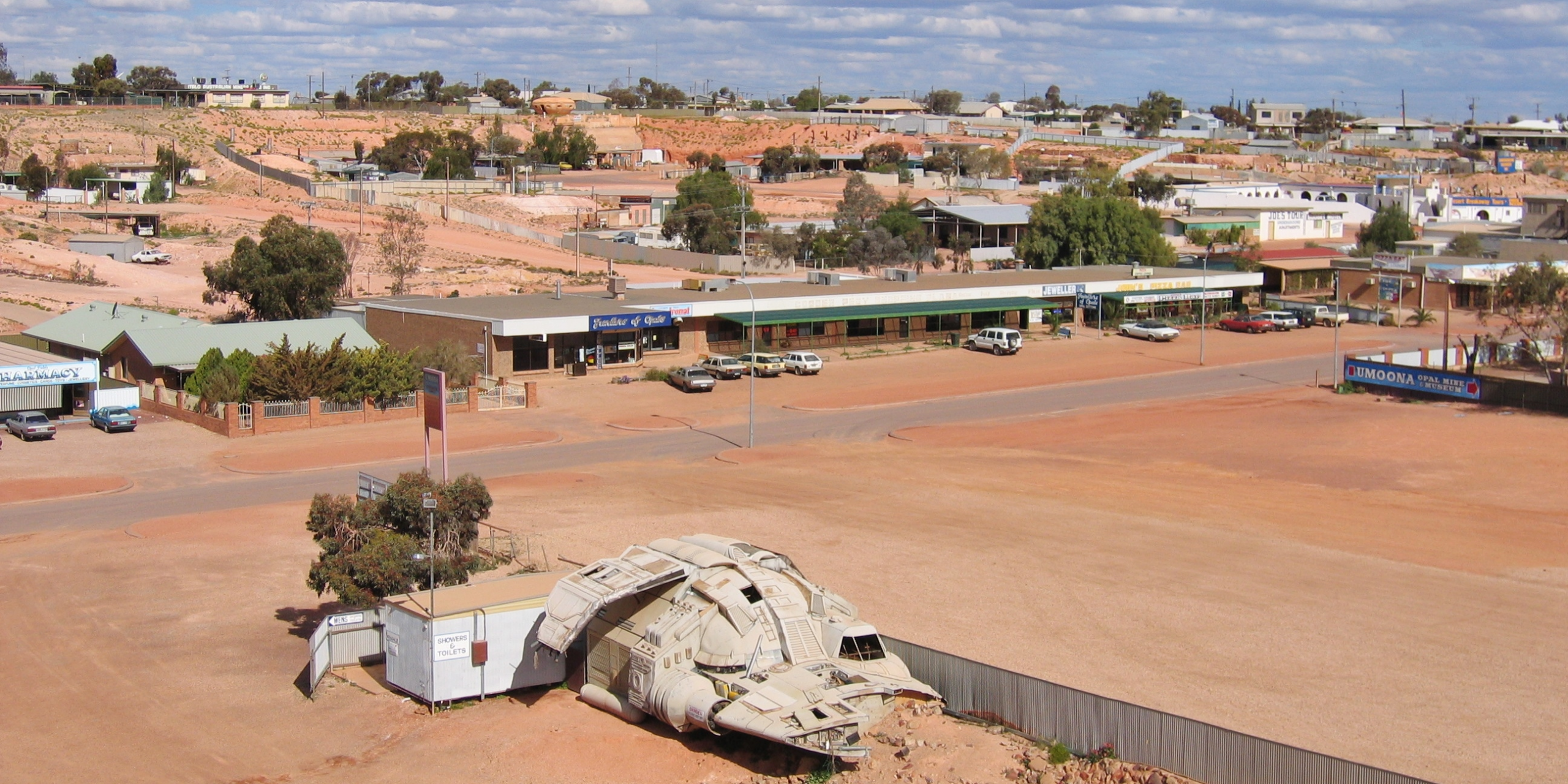
Not all underground cities are ancient, and not all were built for defense. In the scorching desert of South Australia sits Coober Pedy, the opal-mining capital of the world, where residents have gone underground for an entirely different reason: to escape the brutal heat. With surface temperatures soaring in summer, much of the town’s population lives in “dugouts,” comfortable homes carved into the hillsides that stay at a pleasant, stable temperature year-round. These aren’t crude shelters but full residences, and the town also features underground churches, shops, and even hotels where visitors can stay. Coober Pedy is a living, breathing underground community, a genuinely inhabited subterranean town where the harsh environment above has driven people to build a cooler, more comfortable world below.
Matmata: The Berber Homes of Tunisia
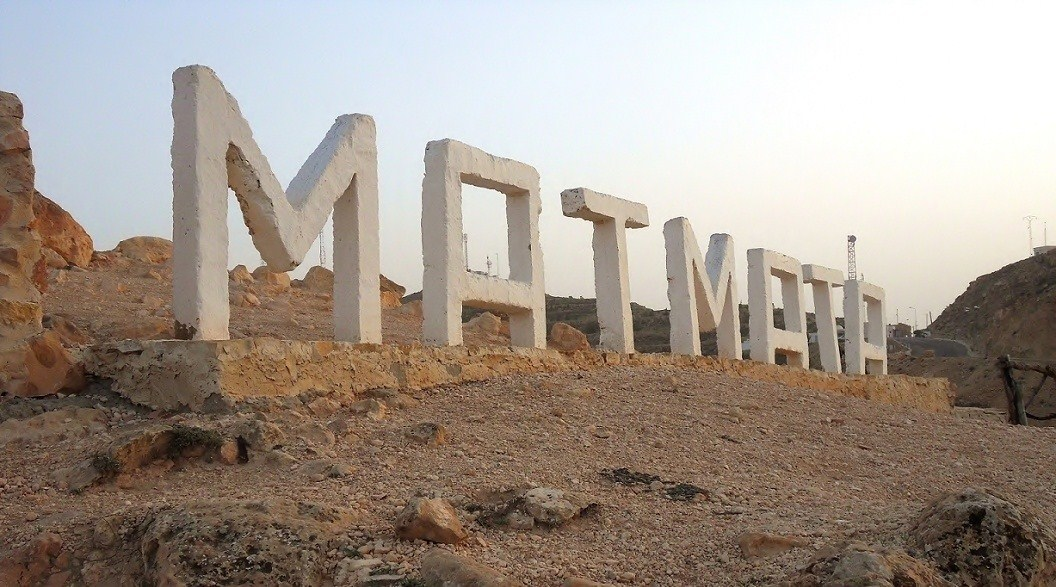
In southern Tunisia, the Berber community of Matmata developed its own distinctive style of underground living, perfectly suited to the harsh desert climate. Here, residents dug large pits into the ground and then carved rooms into the sides of these craters, creating cool, sheltered cave-homes arranged around a sunken central courtyard. For generations, families have lived in these troglodyte dwellings, protected from the searing daytime heat and cold desert nights. The distinctive, lunar-like landscape of Matmata became internationally famous when it was used as a filming location for a beloved science-fiction saga, drawing curious travelers ever since. Many of these underground homes are still lived in today, and some have been turned into guesthouses, allowing visitors to experience this ancient, climate-smart way of life firsthand.
Setenil de las Bodegas: A Town Under the Rock

In southern Spain, the town of Setenil de las Bodegas offers a different twist on subterranean living: rather than digging down, its inhabitants built directly into and beneath an enormous overhanging rock cliff. Houses are tucked under the massive stone ledge, which forms a natural roof over streets and homes, so that the rock seems to swallow whole rows of whitewashed buildings. People have lived here this way for centuries, sheltered by the cliff from sun and weather. Walking through Setenil today, you’ll find cafés and homes tucked beneath the looming rock, a striking blend of natural geology and human habitation. It’s a reminder that “underground” living takes many forms, and that people have long found ingenious ways to shelter within the very landscape itself.
Naours: The Underground City That Hid an Army
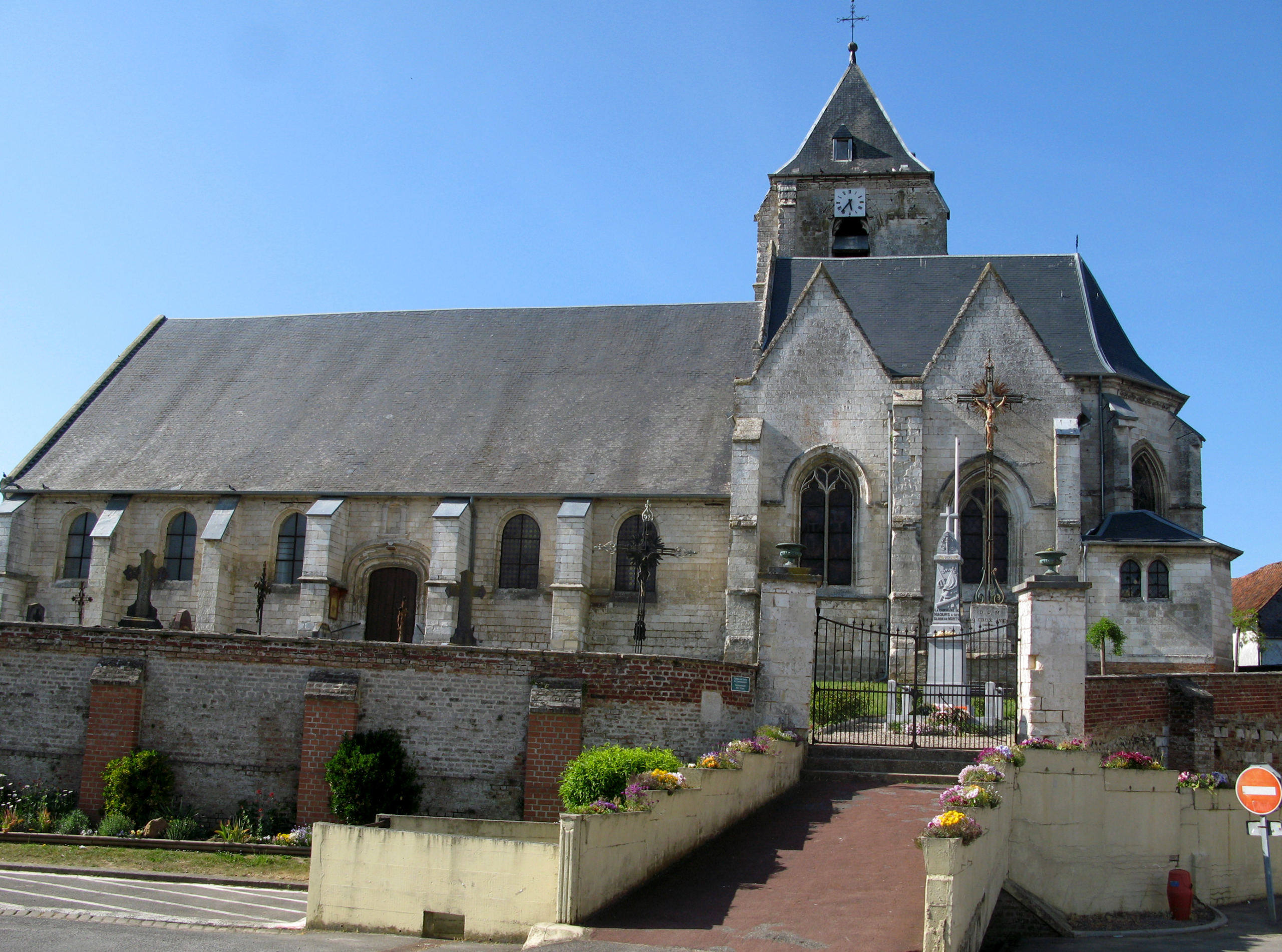
Beneath the fields of northern France lies the Naours underground city, a vast network of tunnels and chambers carved from chalk that served as a refuge for centuries. Originally an ancient quarry, it was expanded into a hidden subterranean town where, during times of war and unrest, hundreds of villagers could shelter with their belongings, complete with chapels, stables, and wells. The site’s most poignant chapter came during the First World War, when soldiers used the tunnels and left behind thousands of inscriptions, carving their names and messages into the soft chalk walls. These graffiti, preserved to this day, turn Naours into a moving historical record. The site is now open to visitors, who can wander the eerie passages and read the words left by people seeking refuge underground.
Vardzia: A Cave Monastery City in Georgia
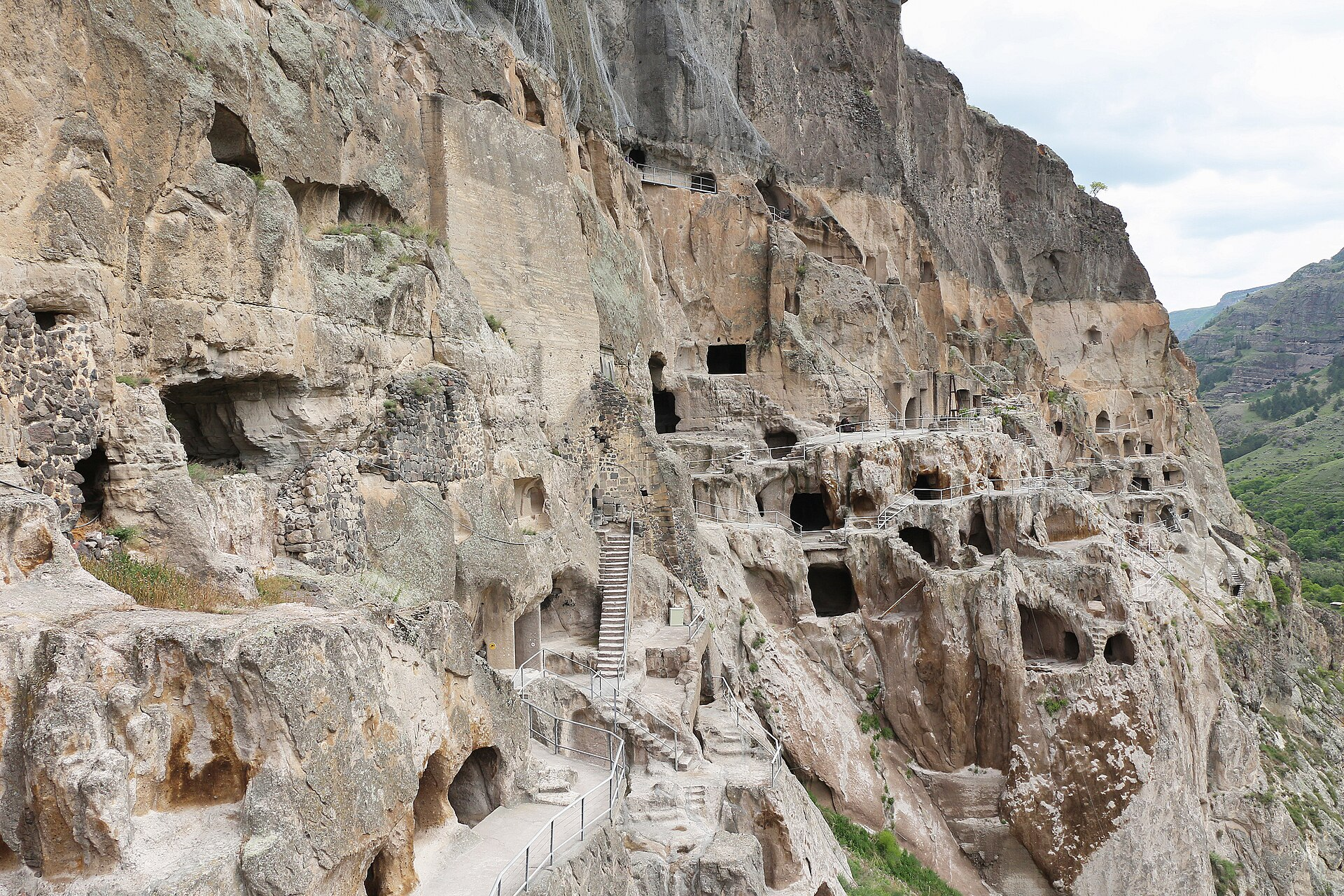
Carved into a sheer cliff face in southern Georgia is Vardzia, a spectacular cave city and monastery complex dating back to the medieval period. Hewn from the rock across many levels, Vardzia once contained hundreds of rooms, including dwellings, chapels, wine cellars, and a beautiful frescoed church, and could shelter a substantial population. Built partly as a defense against invasion, the complex was largely concealed within the cliff, accessible through hidden tunnels. Though much of it was later exposed by an earthquake, Vardzia remains a spectacular tribute to medieval engineering and faith, with monks still maintaining a presence there. Visitors can climb through its honeycomb of carved chambers and corridors, taking in sweeping views of the valley below from openings in the rock face.
Beijing’s Cold War City Below
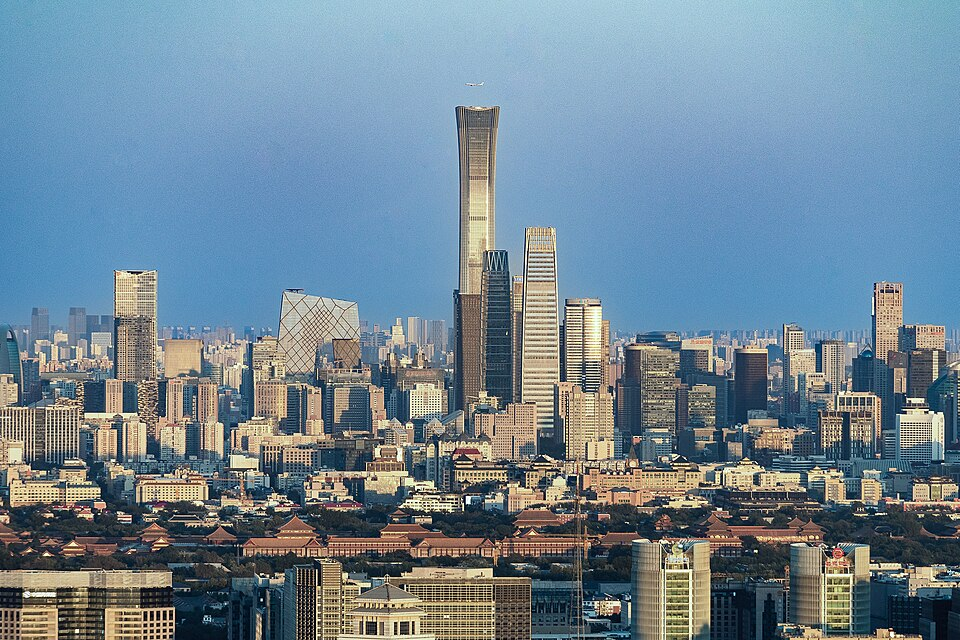
Underground cities aren’t only relics of the distant past; some were built within living memory. Beneath the Chinese capital lies a vast network of tunnels and bunkers, sometimes called the Beijing Underground City, constructed during the Cold War era as a shelter in case of attack. This sprawling subterranean complex was designed to house large numbers of people, with provisions for shops, schools, clinics, and other facilities to sustain life below ground in an emergency. While its original purpose has faded with time, the network stands as a striking example of how even modern societies have turned to underground construction for protection. It joins a long human tradition, stretching from ancient Cappadocia to the twentieth century, of digging downward when the world above became too dangerous.
Why We Build Beneath the Ground
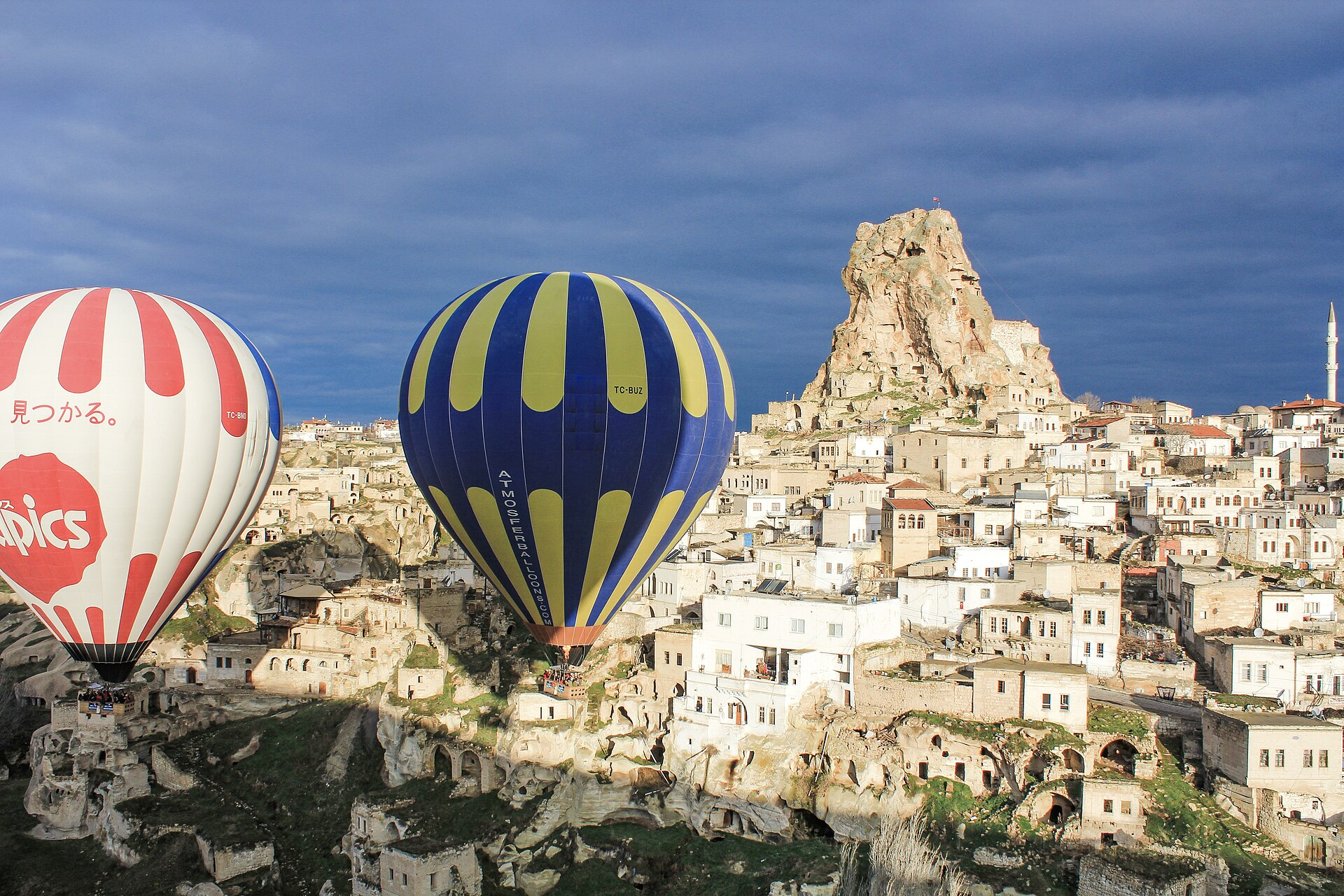
Looking across these underground worlds, a few timeless human motives emerge. The most common is safety: from the armies that threatened ancient Cappadocia to the wars that drove French villagers into the chalk tunnels of Naours, people have repeatedly gone underground to survive. Another is climate, as the desert dwellers of Coober Pedy and Matmata discovered, the earth offers natural insulation against punishing heat. And sometimes it’s faith or function, as with cliff monasteries and quarry towns. What unites them all is human ingenuity, the remarkable ability to carve comfort, community, and refuge out of solid rock. These subterranean cities stand as some of the most impressive and overlooked achievements in our history, hidden in plain sight beneath the surface of the world.
The Hidden World Below

From the 20,000-person metropolis of Derinkuyu to the opal dugouts of Coober Pedy and the chalk refuges of Naours, the underground cities of the world reveal a hidden chapter of human history, one written not in skylines but in tunnels, chambers, and carved-out rock. Some sheltered communities from invaders, others from the elements, and a few still hum with life today. For travelers, descending into one of these subterranean wonders is an unforgettable experience, a chance to walk the same passages where people once ate, worshipped, slept, and hid. They remind us that human civilization has always been resourceful, resilient, and willing to dig deep, quite literally, to find safety and home. The next time you walk through a city, it’s worth remembering the worlds that lie beneath.
Like our content? Follow us for more.