The useful distinction is not which herb goes with which meat. It is when to add it. Soft-leaved herbs are volatile and belong at the end; woody herbs are robust and belong at the start. Here are twelve, sorted by what they can take.
1. Basil
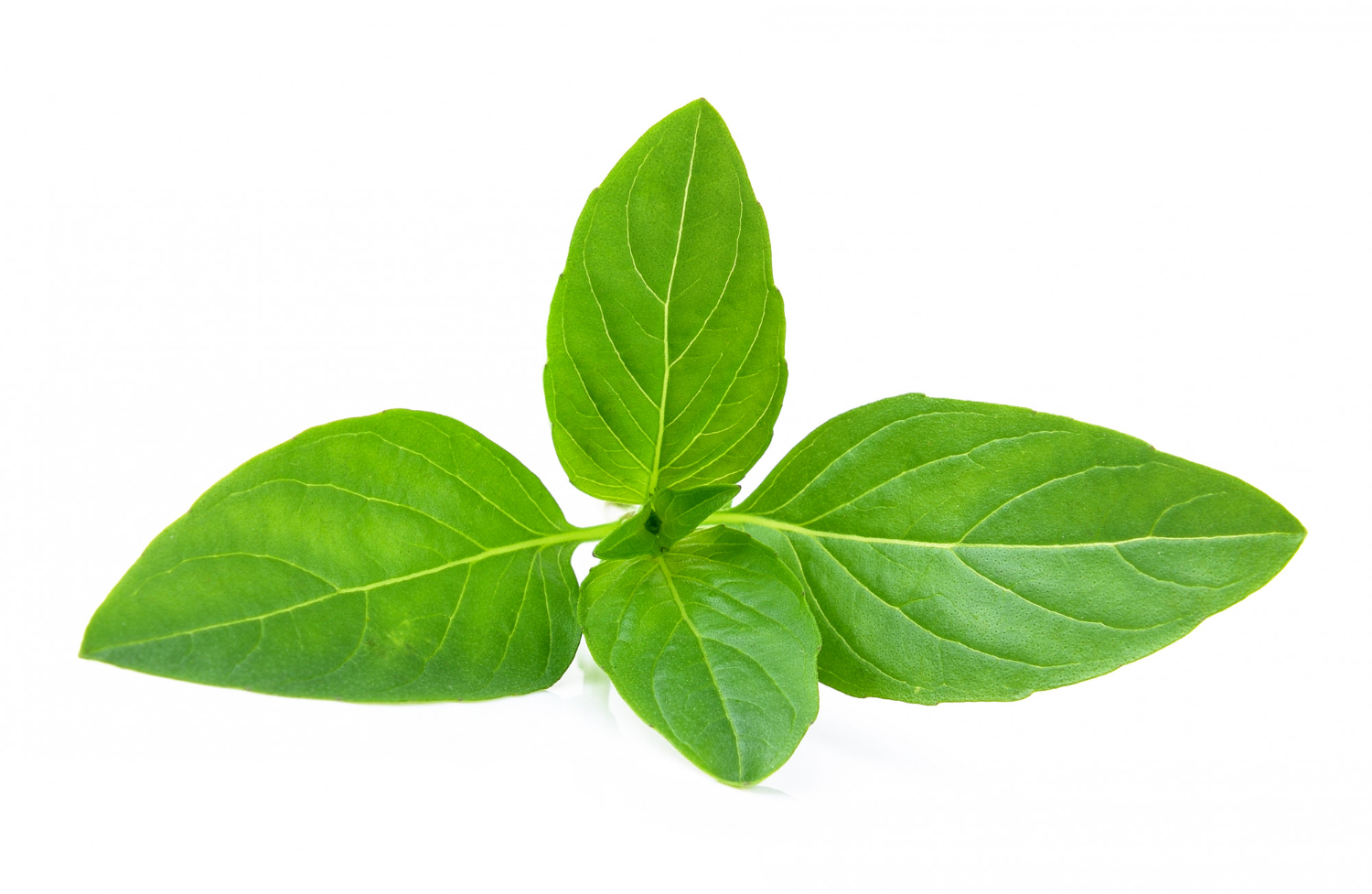
A soft herb whose aroma disappears almost instantly under heat, which is why it is torn over a dish rather than cooked into it.
Adding it at the end of cooking, or stirring it through off the heat, preserves what makes it worth having. Chopping bruises it, so tearing is preferred. Basil is the herb most often ruined by being added too early.
Like our content? Follow us for more.
2. Rosemary
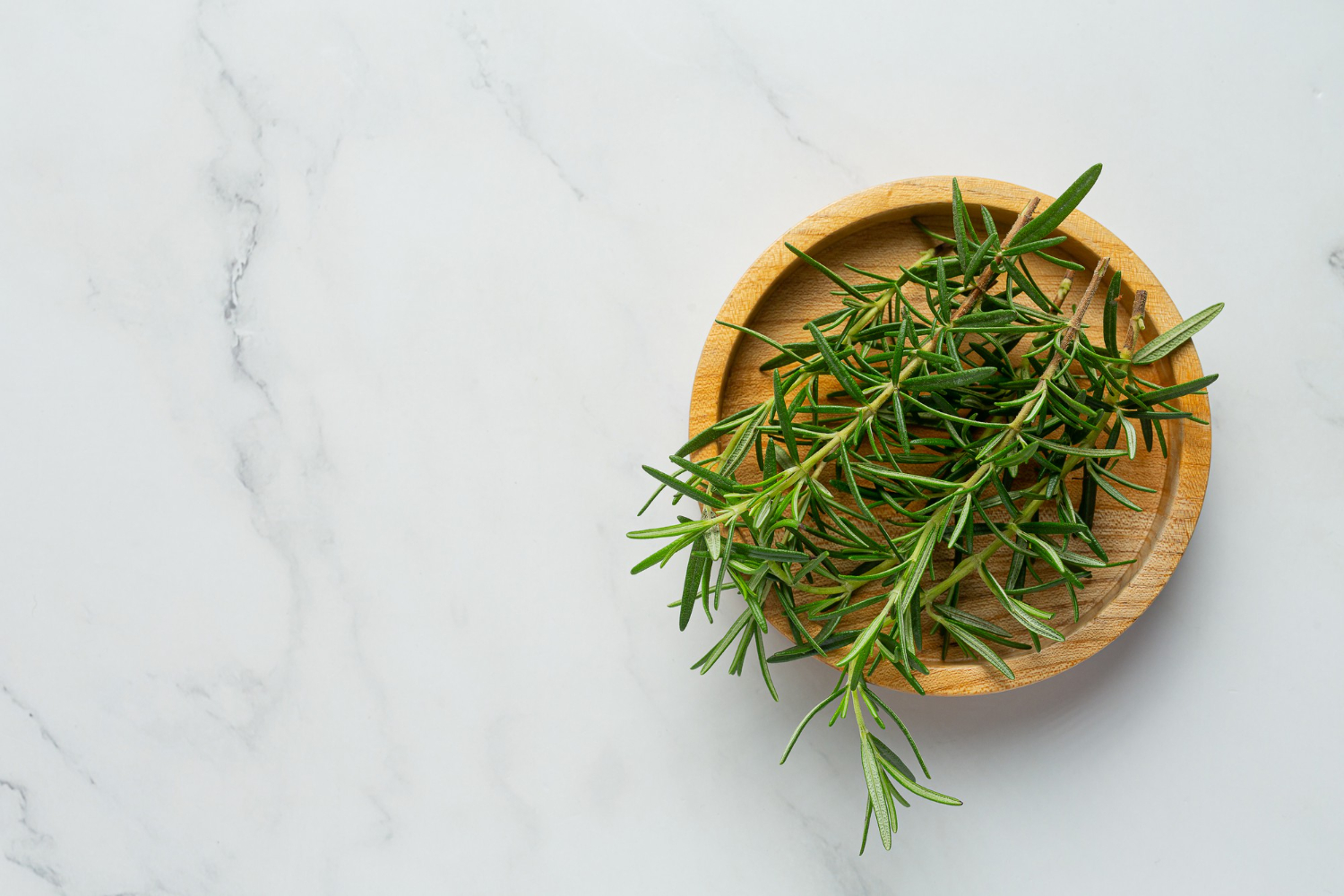
A woody herb with tough, resinous needles that need time and fat to release their aroma and soften enough to eat.
It belongs at the start of a roast or a braise, and it stands up to long cooking better than almost anything else in the rack. Use less than feels right. Rosemary is the herb that improves with the kind of heat that destroys the soft ones.
3. Coriander Leaf
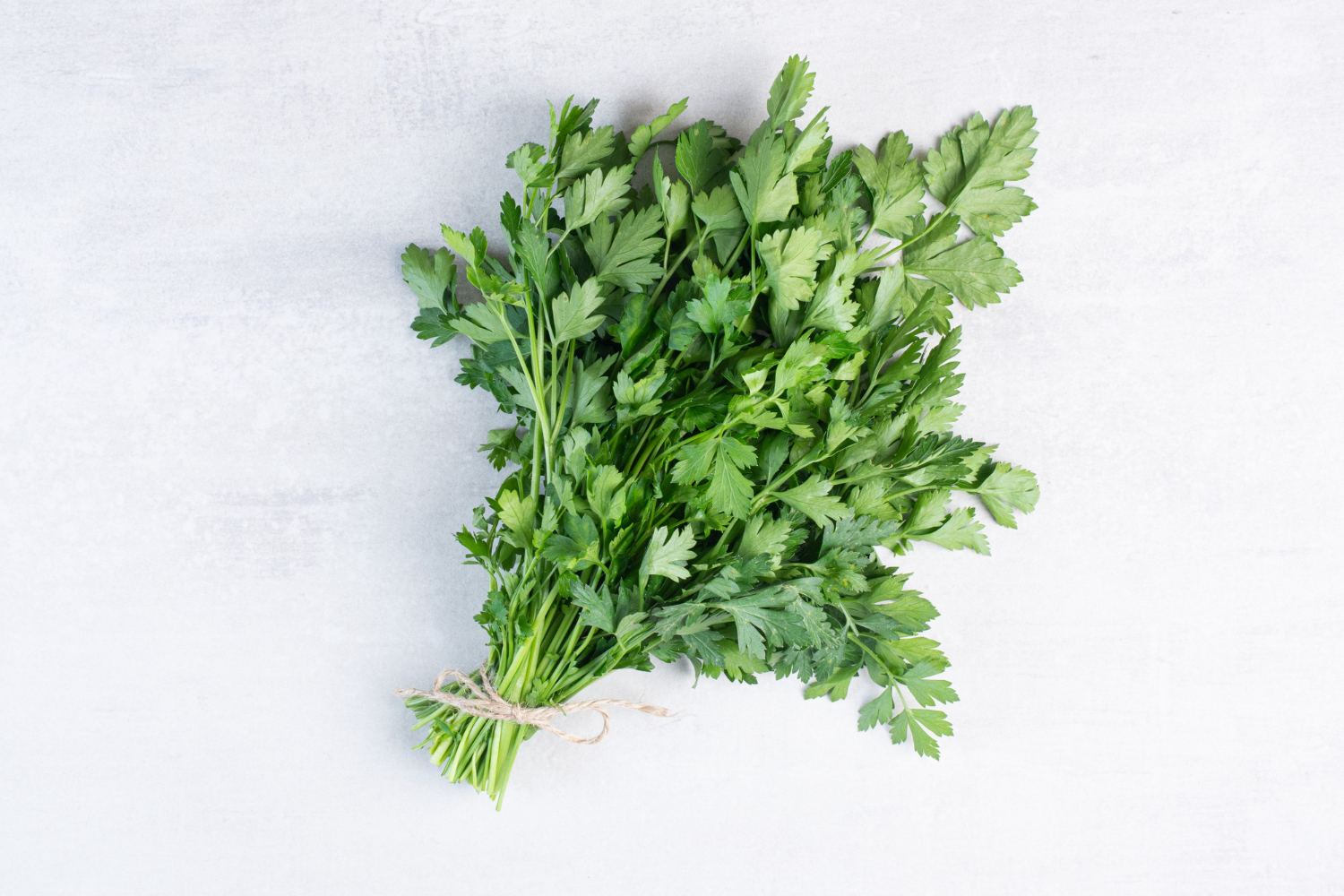
Soft, volatile and divisive, with a genetic component to whether people find it fresh or soapy. It goes in at the very end.
The stalks carry as much flavour as the leaves and can go in slightly earlier, which is a common professional practice and a way to waste less. Roots are used in Thai cooking. Coriander is the herb where the part most people discard is the most useful bit.
4. Thyme
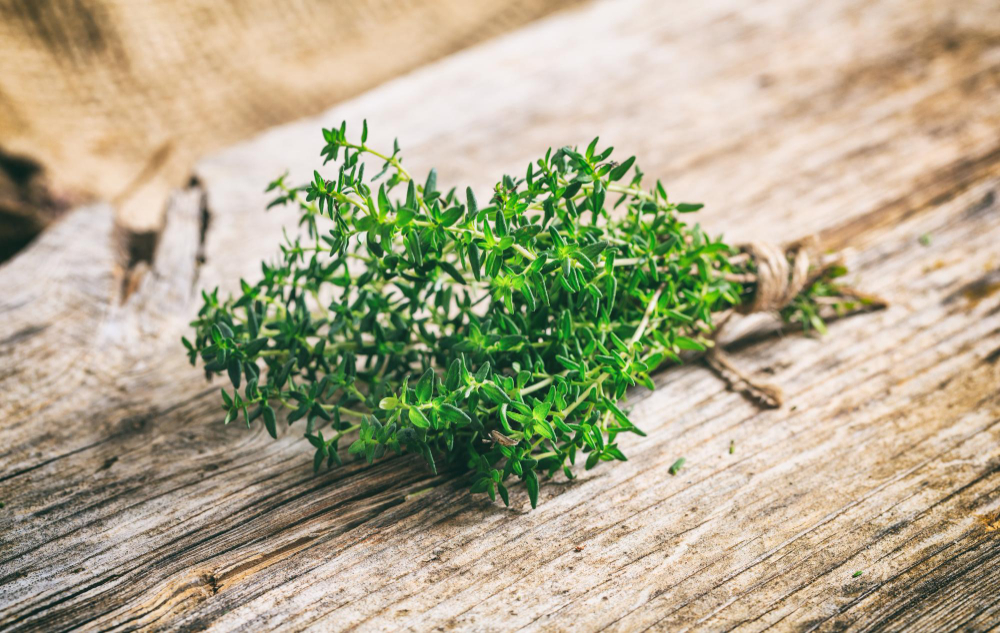
Woody, forgiving and unusually versatile, holding its character through long cooking without dominating.
It suits stocks, braises, roasted vegetables and anything slow, and whole sprigs can be added and removed. It is one of the few herbs that works dried nearly as well as fresh. Thyme is the herb to reach for when you are not sure which herb to reach for.
5. Parsley
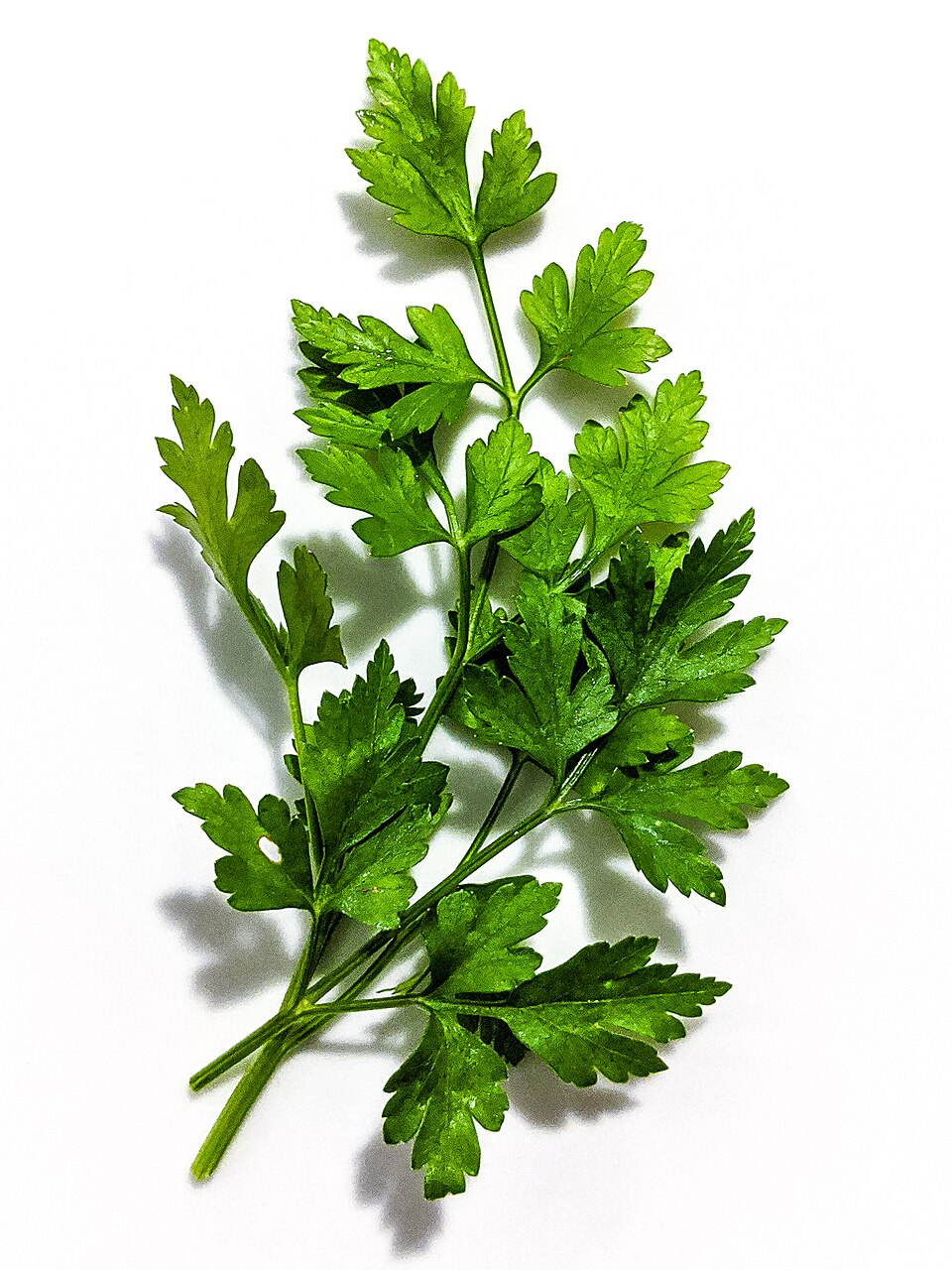
Soft, and far more useful than its garnish reputation suggests, contributing freshness and a slight bitterness that lifts rich dishes.
Flat-leaf has more flavour than curly, the stalks are excellent in stock, and it is best added late or raw. Large quantities work better than small. Parsley is the herb most people underuse by an order of magnitude.
6. Sage
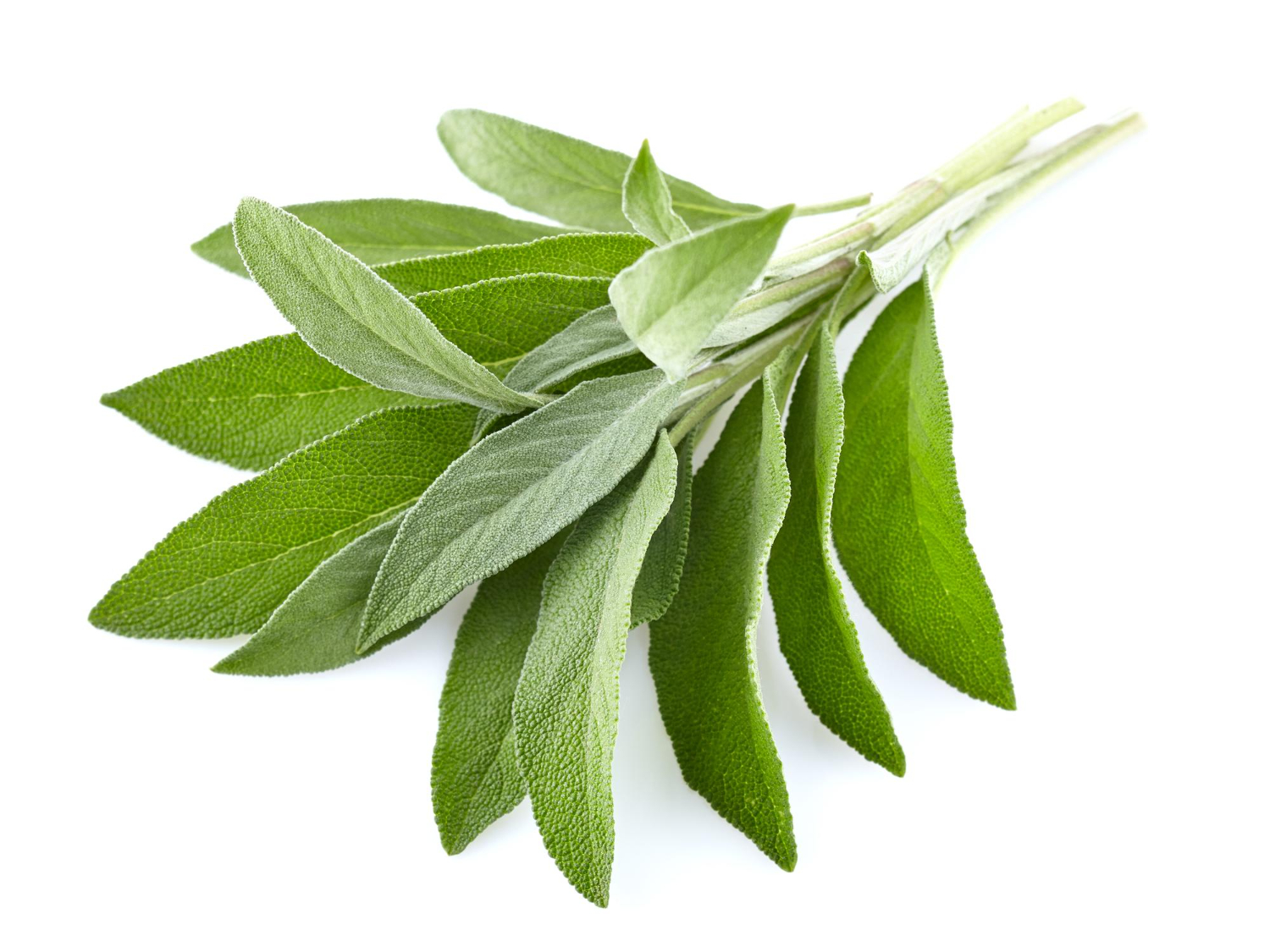
Woody, strong and best cooked rather than raw, where it turns from harsh to nutty. Fried briefly in butter it becomes something else entirely.
It pairs traditionally with pork, squash and rich fillings, and a little goes a long way. Raw sage is unpleasant. Sage is the herb that needs fat and heat to become likeable.
7. Mint
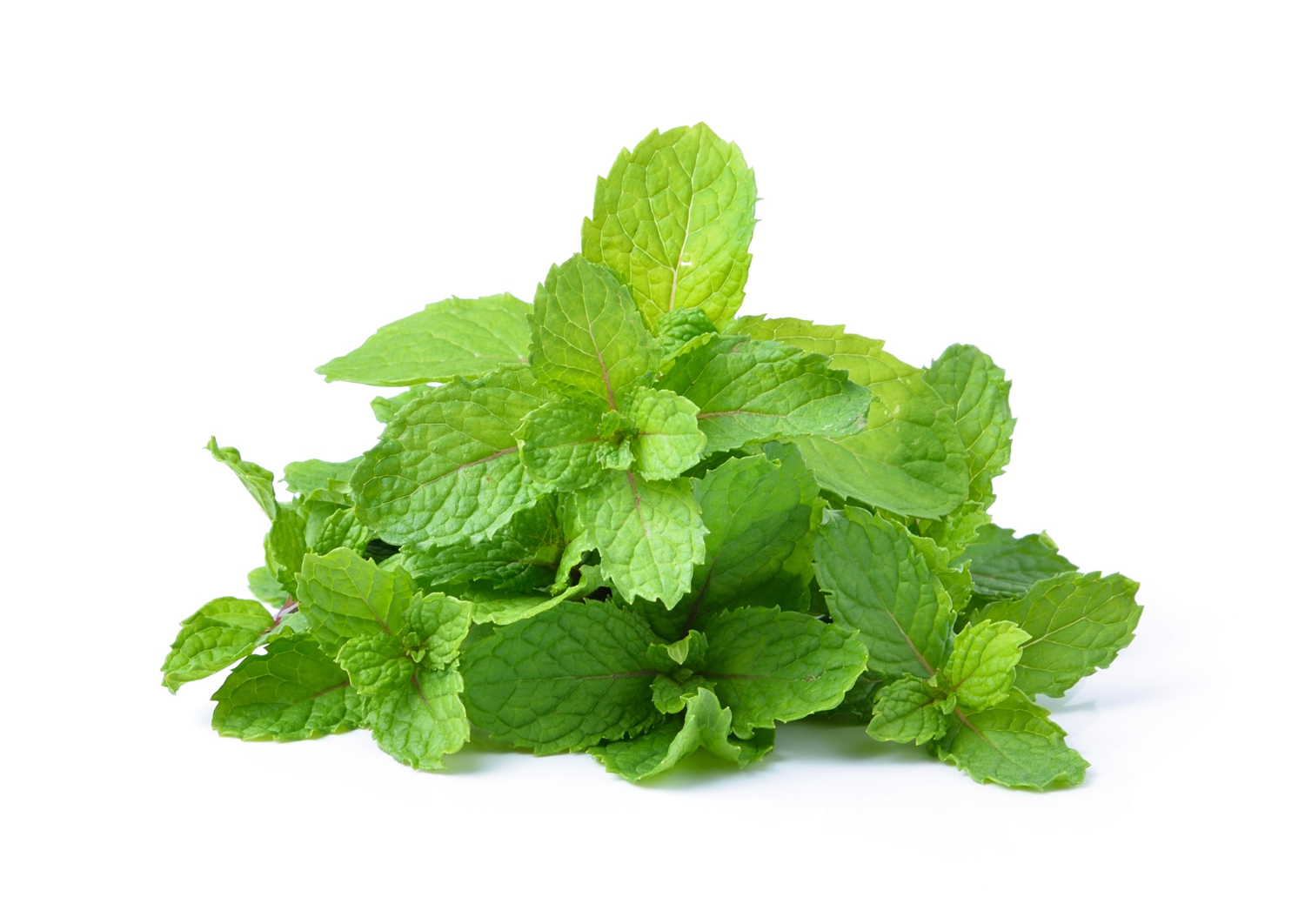
Soft and assertive, used raw across an enormous range of cuisines from the Levant to Southeast Asia, and rarely cooked.
It grows aggressively and will take over a garden bed, which is why it is usually planted in a container. Add it at the end or not at all. Mint is the herb that belongs in the pot rather than the border.
8. Oregano
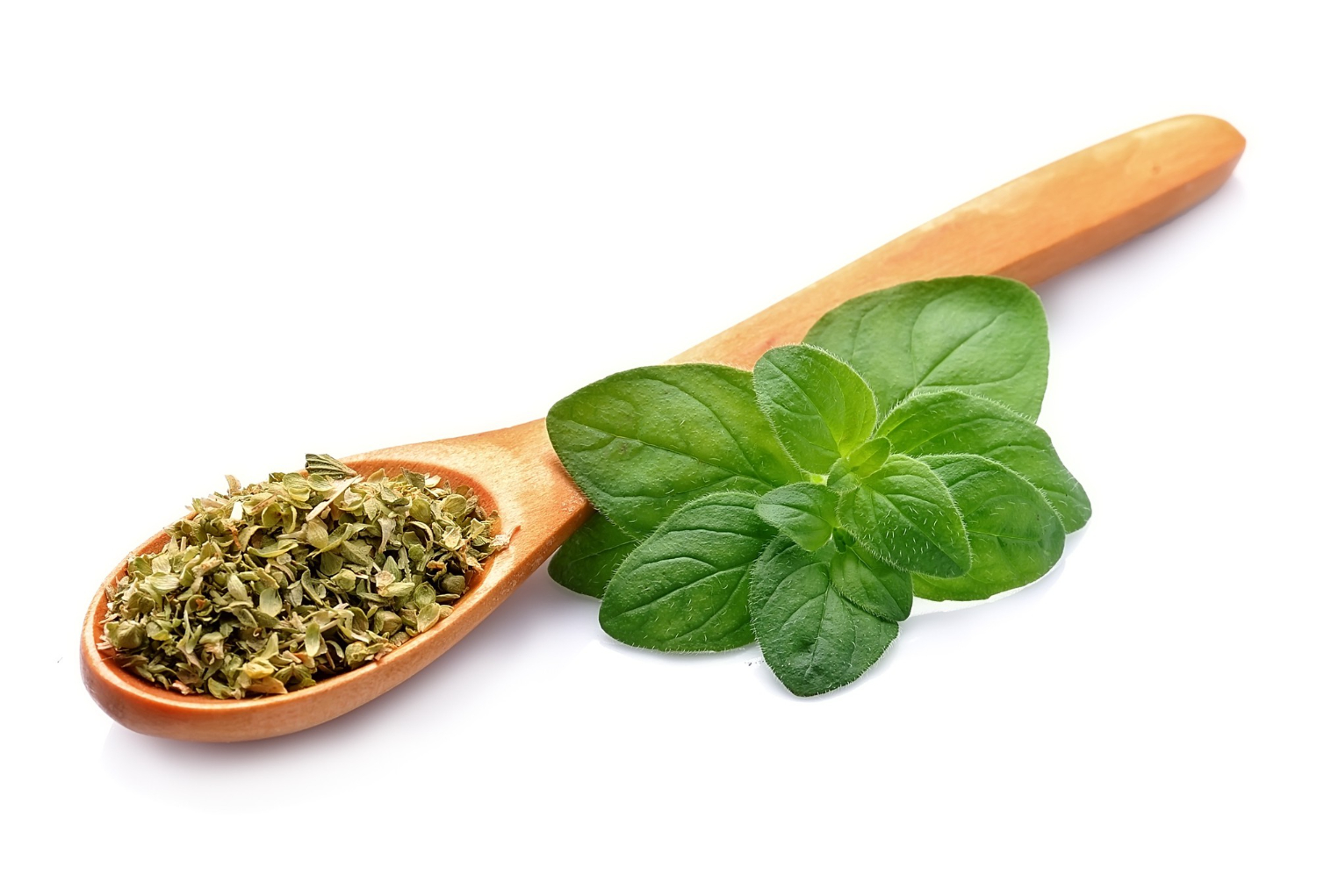
Unusual in being one of the few herbs generally considered better dried than fresh, because drying concentrates its aroma.
It is robust enough to be added during cooking, and Mediterranean and Mexican oregano are different plants with noticeably different characters. Rub it between your palms first. Oregano is the herb where reaching for the dried jar is the correct decision.
9. Dill
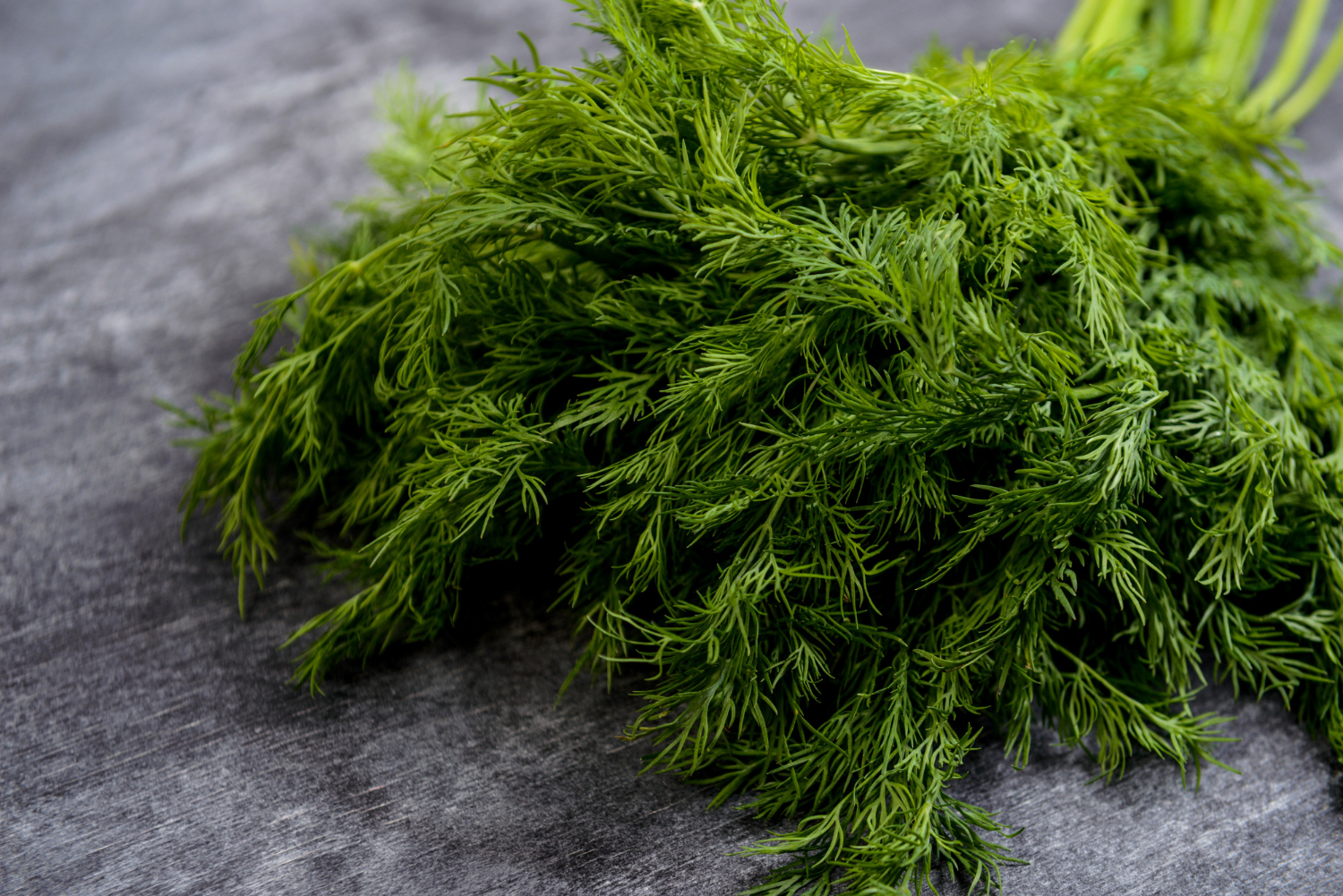
Soft, feathery and distinctive, dominating anything it is added to in quantity. It belongs with fish, cucumber, potatoes and dairy.
The seeds are a separate spice with a stronger, more caraway-like character used in pickling. Fresh dill is added at the end. Dill is the herb with the narrowest range and the strongest opinions within it.
10. Bay
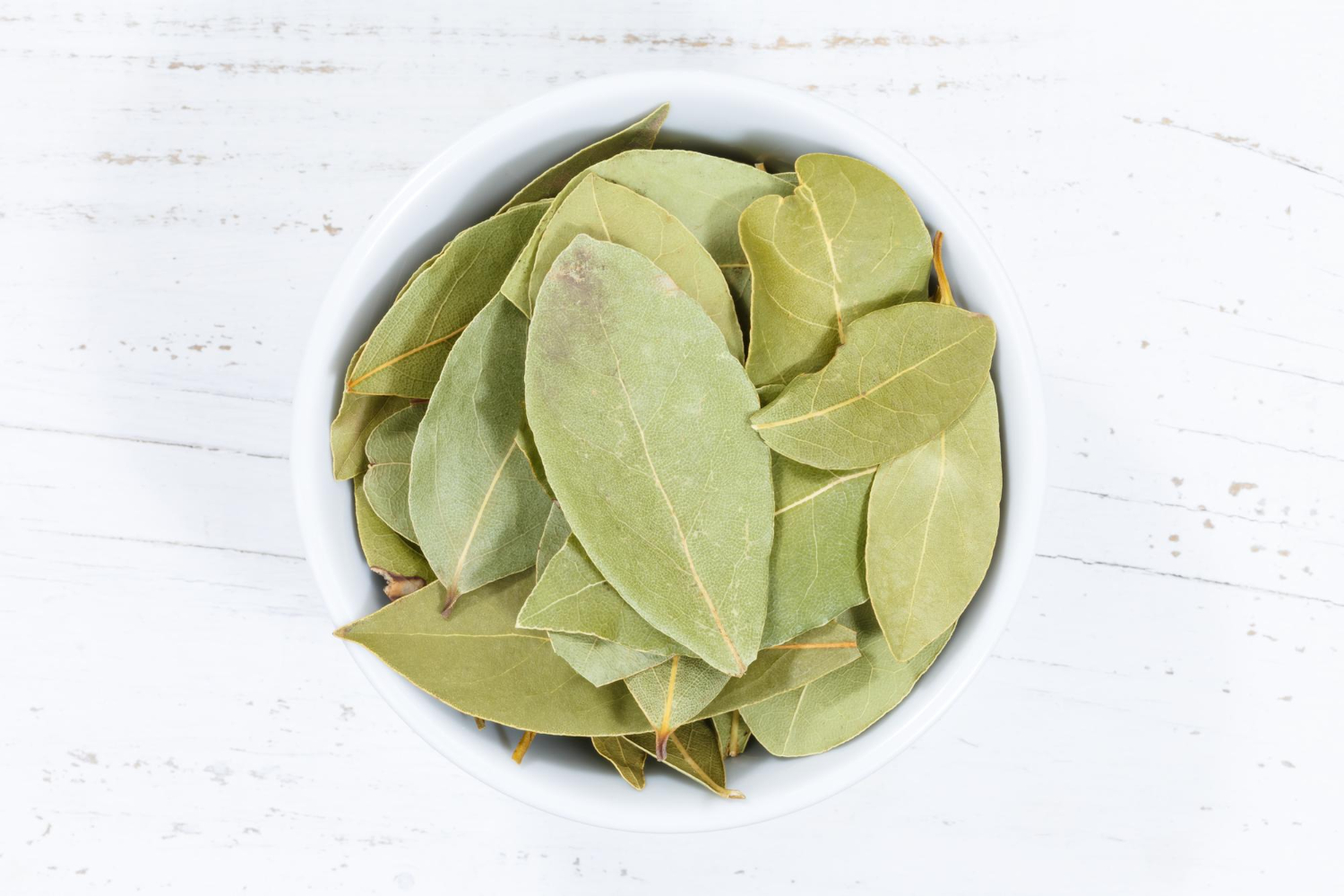
A woody leaf used whole and removed before serving, contributing a background note that is difficult to identify and immediately missed when absent.
It needs time and liquid to give anything up, so it goes in at the start of stocks, braises and sauces. Fresh is milder than dried. Bay is the herb you only notice when you leave it out.
11. Chives
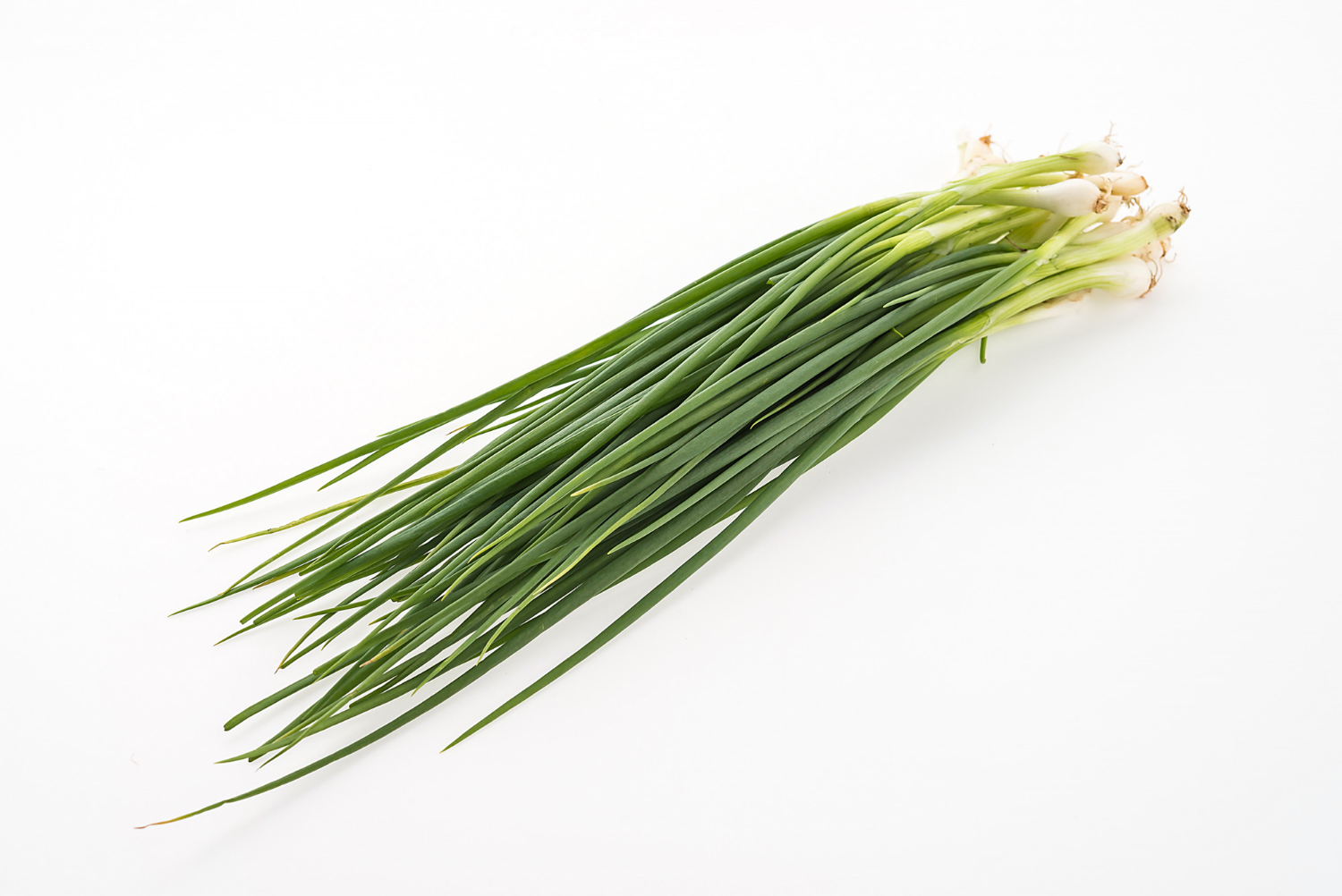
Soft, mild and allium-flavoured, contributing a gentle onion note without the sharpness of raw onion. Heat destroys them.
They are snipped over finished dishes — eggs, potatoes, soups, dairy — rather than cooked, and the flowers are edible too. Scissors work better than a knife. Chives are the herb to use when you want onion flavour and no bite.
12. Tarragon
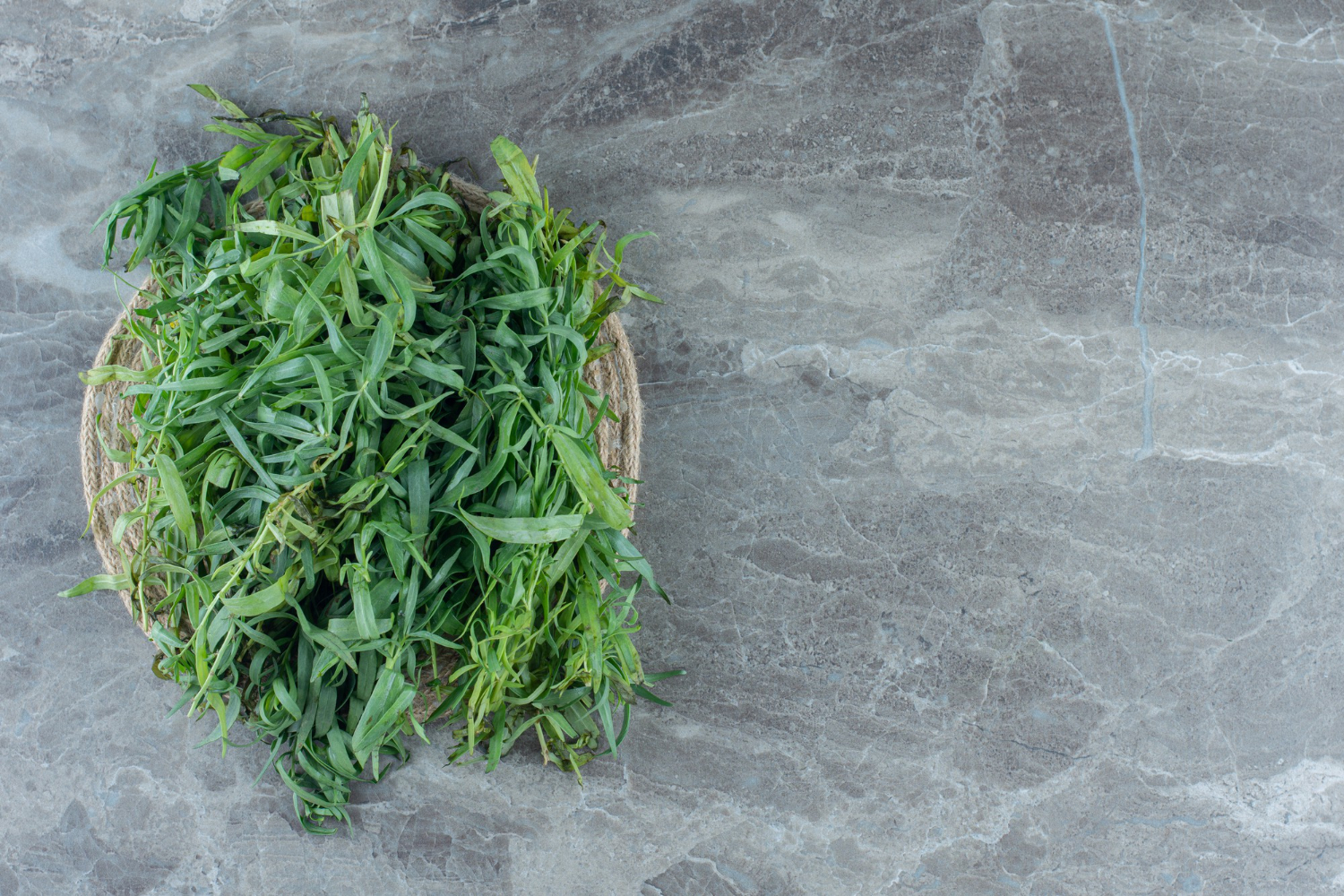
Soft, with a distinctive aniseed character, and central to several classic French sauces where nothing else substitutes.
French tarragon has the flavour; Russian tarragon is a different and much blander plant, which catches out gardeners. It goes in late. Tarragon is the herb where buying the wrong variety wastes the whole exercise.
Soft Late, Woody Early
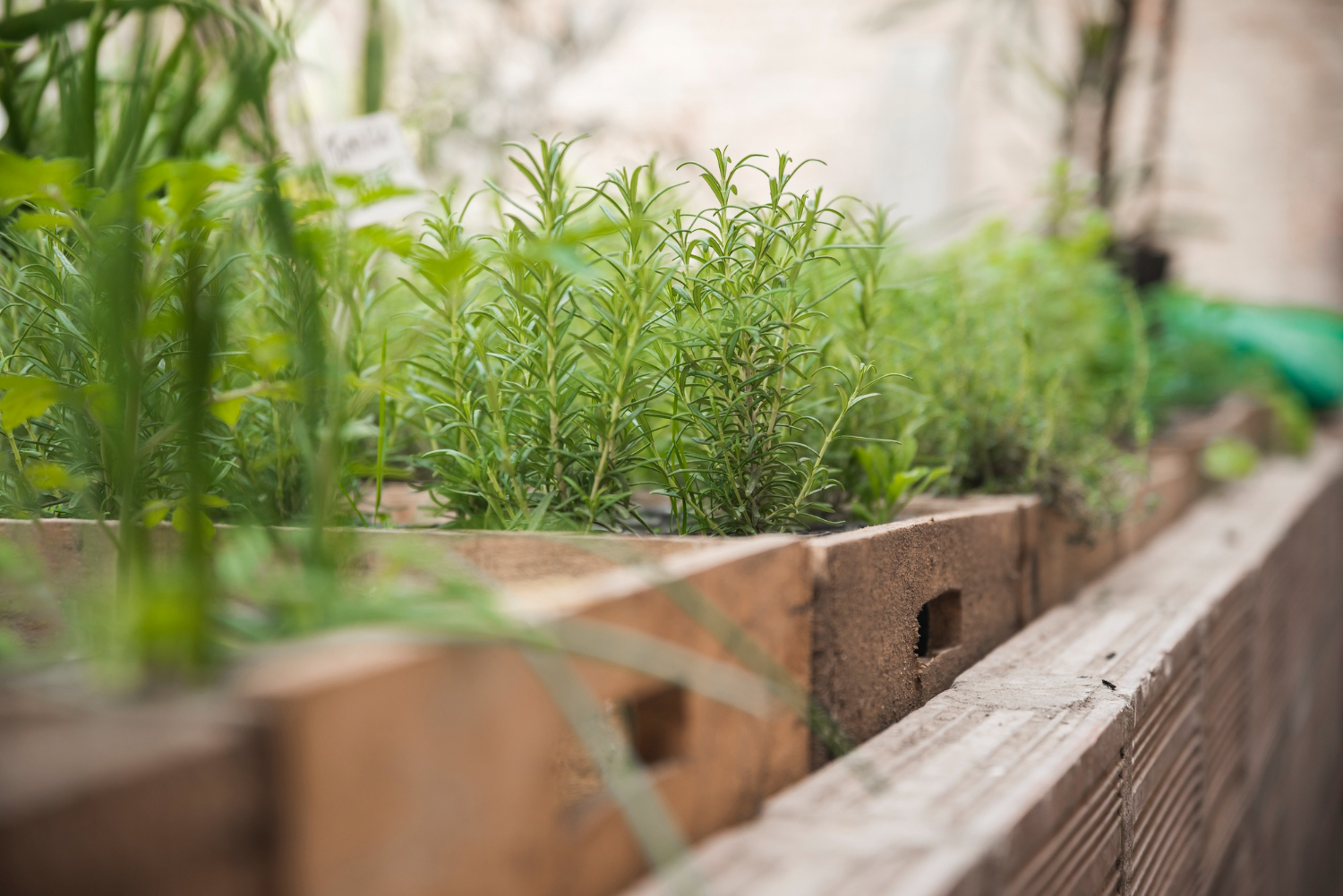
If you take one thing from this, take the division. Soft-leaved herbs — basil, coriander, parsley, mint, dill, chives, tarragon — are volatile and go in at the end. Woody herbs — rosemary, thyme, sage, oregano, bay — are robust and go in at the start.
Beyond that: keep soft herbs in water like cut flowers rather than in the fridge drawer, use the stalks, buy dried herbs in small quantities because they fade within months, and use several times more of the soft ones than you think you need. None of that costs anything, and all of it makes more difference than another jar.
Like our content? Follow us for more.