
Airport food court coffee operates substantially differently from coffee at standard cafes despite often using same brand names and similar equipment. The cumulative differences trace to specific operational factors: substantial volume requirements, specific water sources, equipment maintenance variations, staff training differences, supply chain logistics, and various other factors that combine to produce coffee that substantially differs from same-brand coffee at non-airport locations. Understanding what actually makes airport coffee different reveals specific aspects of airport food service operations that mainstream travel discussions don’t typically emphasize.
The airport food court coffee phenomenon represents specific intersection of substantial customer demand, operational constraints, supply chain logistics, and various other factors that produce coffee substantially different from same-brand alternatives at non-airport locations. Travelers frequently complain about airport coffee quality despite recognizing the brand names operating in cumulative terminals. The cumulative differences aren’t accidental — specific operational factors produce predictable quality patterns that mainstream airport food service marketing doesn’t acknowledge.
The Substantial Volume Reality

Airport coffee operations handle substantially higher customer volumes than typical urban café locations. Major airport coffee shops may serve 1,000+ customers daily during peak periods — substantially higher than typical urban locations that may serve 200-500 customers daily. The cumulative volume requirements substantially affect operational decisions including equipment selection, staff training, supply management, and various other factors.
The cumulative volume pressure produces specific quality compromises. Time per customer must be minimized to handle cumulative demand. Equipment may operate continuously rather than being properly cleaned between rush periods. Various quality control steps that work in lower-volume locations become operationally difficult during cumulative airport rush periods. The cumulative result: even substantially identical brand operations can produce different quality outcomes based on cumulative volume pressures that mainstream customers don’t typically appreciate.
The Specific Water Source Reality

A specific factor in airport coffee involves water quality. Airport water systems vary substantially from typical municipal water. Various airports source water from specific systems that may have substantially different mineral content, treatment processes, or various other characteristics compared to typical municipal supplies. The cumulative water quality substantially affects coffee taste regardless of identical coffee preparation methods.
The cumulative water issue extends to specific brewing equipment. Various coffee shops use water filtration systems to standardize input water quality. Airport locations may face challenges with specific water supplies that filtration cannot fully address. The cumulative effect on coffee taste can be substantial despite using identical coffee beans and identical brewing equipment. Various coffee enthusiasts can detect water quality differences across substantially similar coffee preparations — and airport water frequently introduces specific taste characteristics that affect cumulative customer experience.
The Storage and Freshness Issue

Airport coffee operations face specific logistical challenges affecting coffee bean freshness. Coffee bean quality substantially deteriorates after roasting — specialty coffee typically requires use within 2-4 weeks of roasting for optimal quality. Various airport supply chains may extend cumulative storage periods substantially longer than ideal due to operational complexity, vendor logistics, and various other factors.
The cumulative storage challenges affect coffee taste substantially even when high-quality beans are used initially. Various airport locations may use coffee that has been substantially stored before reaching brewing equipment. The cumulative result: identical brand alternatives at non-airport locations may use fresher coffee beans despite identical brand sourcing. Customers experience predictable taste differences based on cumulative storage patterns rather than brand quality alone. The cumulative pattern explains why airport coffee can taste worse than identical brand coffee at urban café locations.
The Staff Training Reality

Airport coffee operations face specific staff training challenges. The cumulative employee turnover at airport locations typically exceeds urban locations due to commute requirements, security clearance complications, and various other factors. The cumulative training depth that staff receive may be substantially less than urban locations where staff accumulate substantial experience over longer employment periods.
The cumulative staff training affects coffee preparation quality substantially. Skilled baristas produce substantially different results than novice baristas using identical equipment and identical coffee beans. Various technical preparation elements (extraction timing, steam pressure management, milk preparation, various others) require substantial accumulated skill that high-turnover environments don’t substantially develop. The cumulative result: cumulative airport locations frequently operate with substantially less experienced staff compared to urban alternatives, producing predictable quality variations.
The Equipment Maintenance Reality

Airport coffee equipment faces specific maintenance challenges that affect cumulative output quality. Continuous high-volume operation produces substantial wear on equipment components. Various specific maintenance procedures that work in lower-volume operations become operationally difficult during cumulative airport rush periods. The cumulative equipment condition can substantially affect coffee preparation quality regardless of staff skill or coffee bean quality.
Various coffee equipment components require regular cleaning, calibration, and replacement to maintain optimal output. Espresso machines specifically require substantial daily cleaning, weekly maintenance, and periodic component replacement. The cumulative maintenance schedule may be substantially compressed at airport locations facing constant operational pressure. The cumulative result: equipment that operates technically functionally but at substantially reduced quality compared to better-maintained alternatives. Customers experience predictable quality patterns based on cumulative maintenance reality rather than apparent operational status.
The Specific Brand Compromises

Various major coffee brands maintain substantially different quality standards at airport locations compared to urban locations. Starbucks, Dunkin’, and various other major chains operate substantial airport presence. The cumulative airport operations frequently use specific reduced menus, different equipment specifications, modified preparation procedures, and various other adjustments compared to standard locations. The cumulative compromises typically aren’t publicly disclosed but substantially affect customer experience.
The cumulative brand compromises reflect specific operational realities. Mainstream brand standards established for urban café operations don’t translate directly to airport operational constraints. Various adjustments must be made to enable functional operations within cumulative airport constraints. The cumulative result: airport branded operations function substantially as airport-specific operations using brand names rather than identical operations to non-airport alternatives. Customers expecting identical experience based on brand recognition frequently experience substantial disappointment.
The Pricing Reality

Airport coffee operations typically charge substantially higher prices than non-airport equivalents. Cumulative airport coffee pricing frequently runs 30-50% above standard brand pricing despite often producing lower-quality output. The cumulative pricing reflects substantial airport rent costs, specific operational expenses, captive customer base, and various other factors that mainstream non-airport operations don’t face.
The cumulative pricing affects customer expectations. Various customers expect higher quality justified by cumulative higher prices but instead receive lower quality at higher prices. The cumulative pattern produces substantial customer frustration. Various airport food service complaints reflect this specific value disconnect — higher prices combined with lower quality. The cumulative reality is substantially structural rather than reflecting specific operational failures — airport food service operates within cumulative constraints that produce predictable cost-quality relationships that mainstream customers may not appreciate.
What Travelers Should Actually Do

Practical guidance for managing coffee during airport travel. Recognize that airport coffee will typically be lower quality than equivalent urban coffee regardless of brand. Pre-purchase coffee before reaching airport when possible — most cities have substantial coffee options near airport access routes. Use airport lounges if available — lounge coffee typically substantially exceeds general terminal coffee through different operational logic. Consider non-coffee alternatives if quality matters substantially — bottled water, tea bags with hot water (typically free from various airport sources), various other alternatives.
For long-haul travelers with substantial airport time, the cumulative coffee quality matters more than for brief layovers. Various specific airports have better coffee options than others — research before traveling can substantially improve cumulative experience. Various international airports often have substantially better coffee options than American alternatives — European and Asian airports typically maintain higher coffee culture standards than mainstream American terminals. The cumulative situation varies substantially by specific airport rather than reflecting universal airport coffee patterns.
What This All Reveals
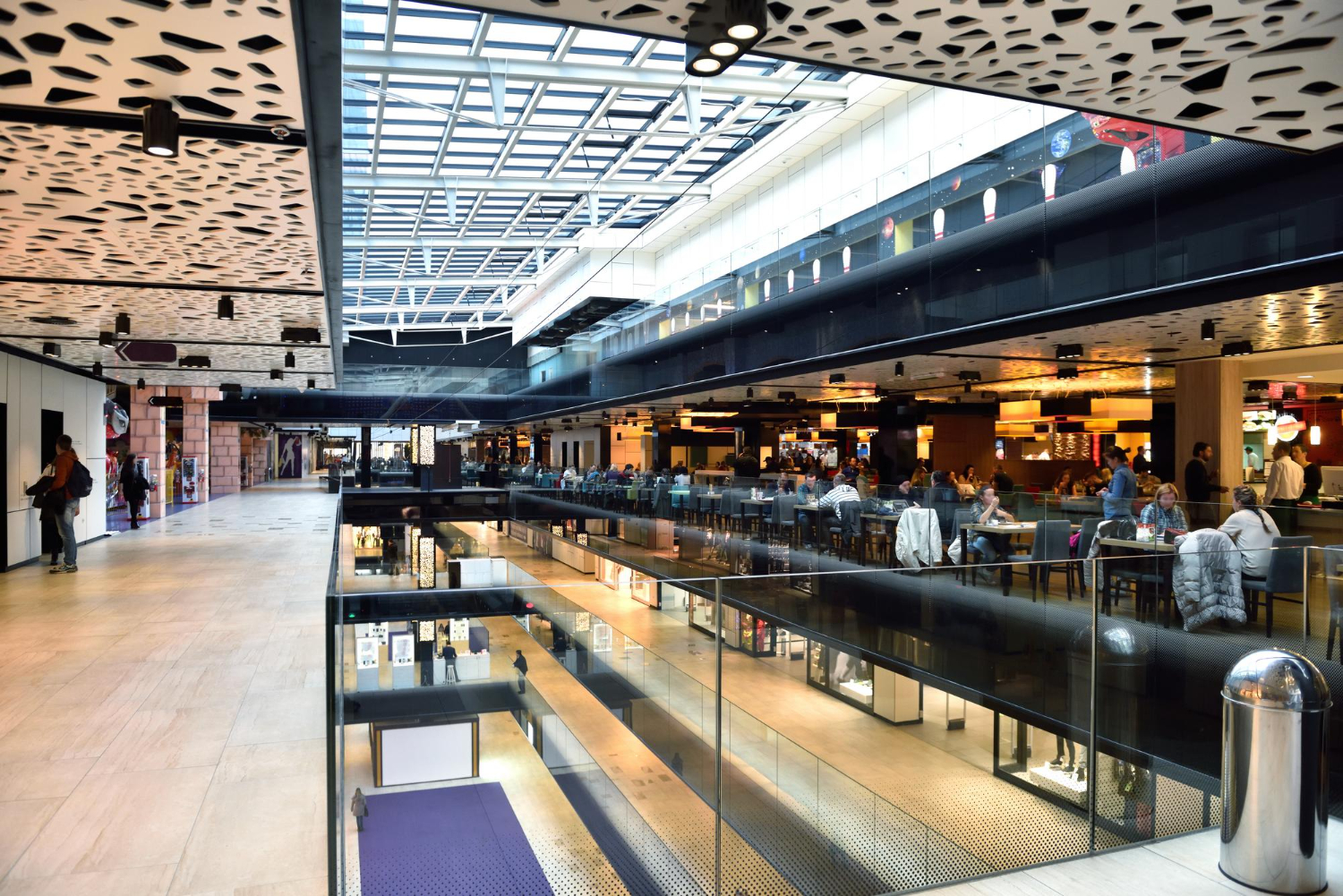
The airport food court coffee phenomenon represents specific aspect of how airport food service operates substantially differently from mainstream restaurant operations despite using identical brand names and similar surface appearance. The cumulative differences trace to genuine operational factors — substantial volume, specific logistical challenges, staff training limitations, equipment maintenance pressures, and various other factors that combine to produce predictable quality patterns. For travelers, the cumulative reality means that airport coffee will rarely match equivalent urban coffee regardless of brand promises. Travelers who specifically prioritize coffee quality should plan around airport coffee rather than depending on it. Various specific strategies (pre-airport purchasing, airport lounge access, non-coffee alternatives) can substantially improve cumulative travel coffee experience. The cumulative airport food service model will likely continue operating within current operational constraints for years to come — fundamental changes would require airport infrastructure investment and operational changes that the cumulative system doesn’t readily support. The cumulative reality affects all major airport food services beyond just coffee, with similar patterns producing similar quality reductions across various food categories. Coffee provides particularly clear example of these cumulative patterns because coffee quality is substantially measurable and customer expectations are substantially developed through urban café culture.