Ask Americans to name the great migrations that built the country and you’ll hear about Ellis Island, the Oregon Trail, the Great Migration north. Almost nobody mentions the trains full of children.
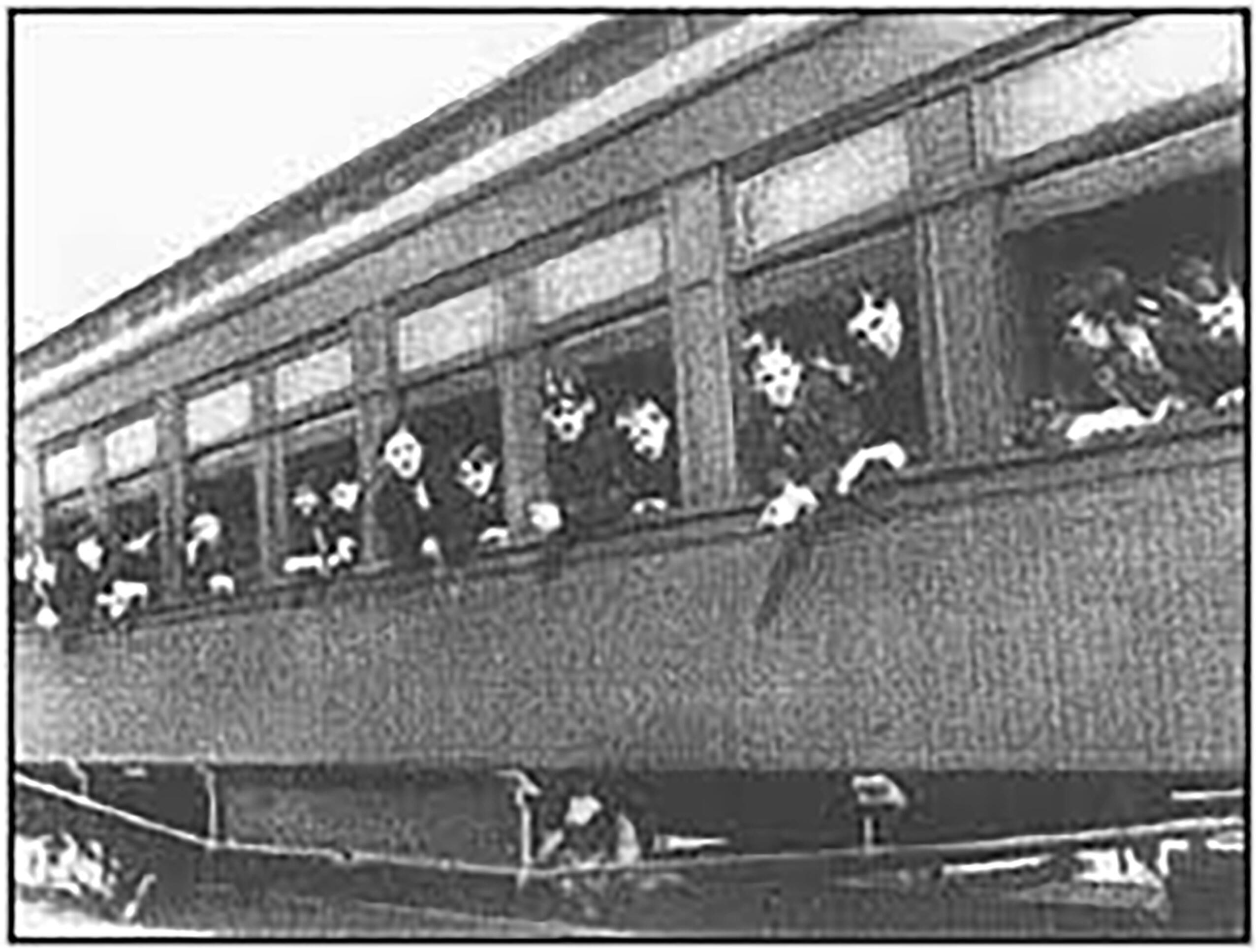
Yet for three-quarters of a century, they ran west out of New York on a regular schedule: coaches of boys and girls — some orphans, some abandoned, some surrendered by parents who couldn’t feed them — dressed in new clothes, carrying Bibles and small suitcases, bound for farm towns in Ohio, Missouri, Kansas, Nebraska, Texas, and nearly every state in between. At each stop, the children were lined up in front of gathered townspeople, who looked them over and decided which ones to take home. The practice had an official vocabulary — “placing out” — but history remembers it by the name the riders themselves used: the orphan trains.
By the time the last train ran in 1929, an estimated 200,000 children had ridden them. Their descendants today are counted in the millions. And the whole episode — equal parts rescue, ordeal, and national experiment — laid the foundation for the American foster care system.
The Problem the Trains Were Built to Solve
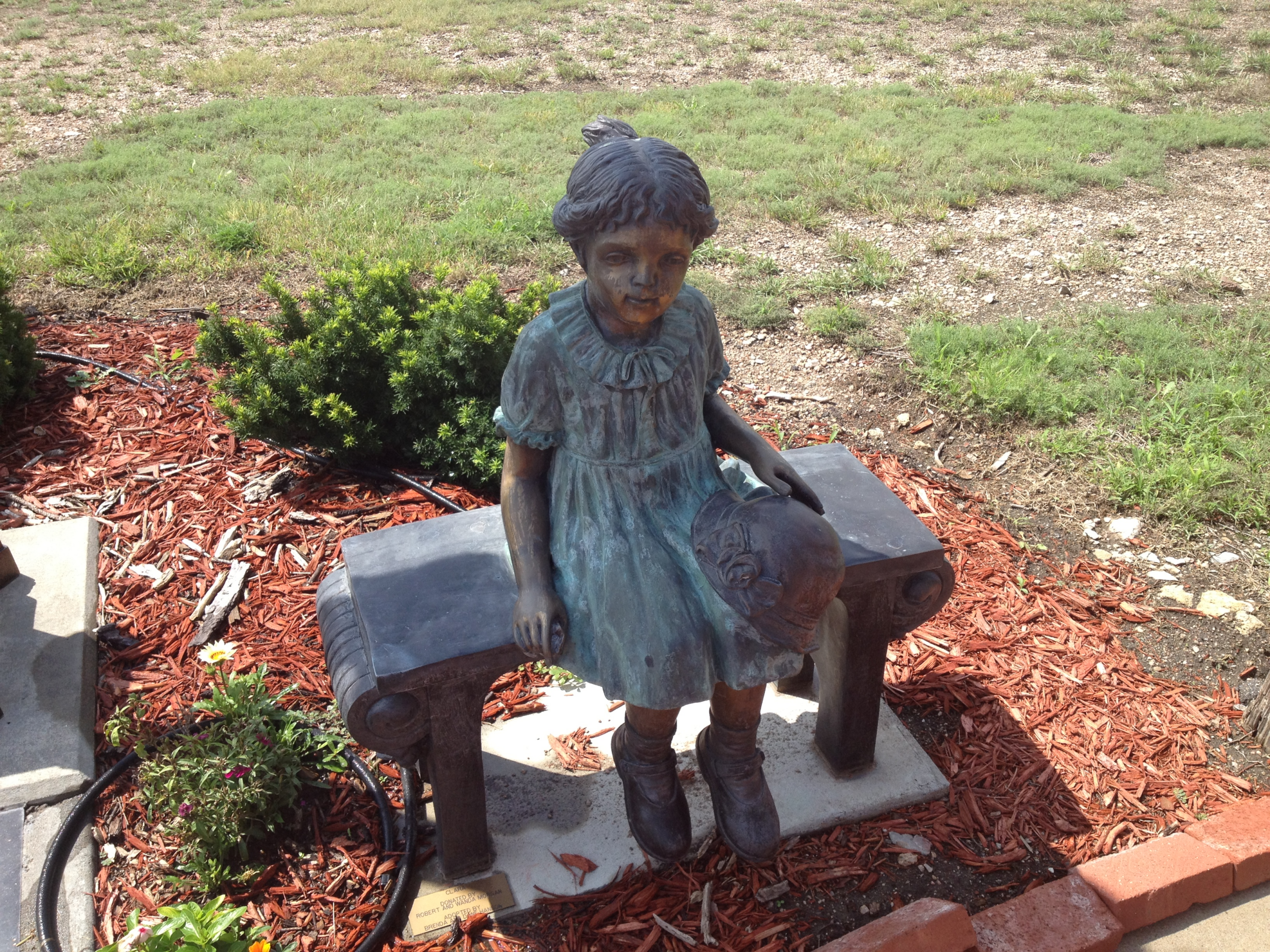
The orphan trains began with a number that’s hard to absorb: by the 1850s, New York City was estimated to have tens of thousands of children living on its streets — orphaned by disease and industrial accidents, abandoned amid crushing tenement poverty, or working and sleeping outdoors as newsboys, peddlers, and scavengers. Immigration was flooding the city faster than any institution could absorb, and the existing answers — almshouses, orphan asylums, jails that held children alongside adults — were grim even by the standards of the day.
Into this stepped Charles Loring Brace, a young minister who founded the Children’s Aid Society in 1853 and arrived at a conviction that shaped a century: institutions couldn’t raise children, but families could — and America’s farm country, short on labor and long on space, was full of families. His solution was blunt and enormous. Gather the city’s homeless children, put them on trains, and distribute them to rural households across the growing nation, where they would work, yes, but also — in the plan’s best version — be schooled, fed, raised, and loved as sons and daughters. The Catholic New York Foundling Hospital soon ran a parallel program, sending “mercy trains” of younger children, often toddlers, to Catholic families who had requested a child in advance.
The first Children’s Aid Society train left for Dowagiac, Michigan, in 1854 with 45 children. It would have roughly 200,000 successors.
Like our content? Follow us for more.
What a Placement Day Looked Like
The mechanics were advertised like a county fair and remembered like nothing else in the riders’ lives. Handbills went up in a town ahead of time: homes wanted for children, arriving on such-and-such date, viewing at the opera house or church. When the train pulled in, the children — scrubbed, in their new clothes — were walked to the venue and presented on a stage or platform while local committees of townspeople vouched for the applicants stepping forward.
Then came the choosing. Farmers felt arms and asked about a boy’s capacity for work. Couples who had lost children looked for a face. Siblings clutched each other and were, in a heartbreak repeated across thousands of placements, often separated — taken by different families, sometimes in different towns, sometimes never finding each other again. Children not chosen boarded the train for the next stop, and the ritual repeated down the line until the coach was empty. Riders described that experience — being looked over, being passed over — in oral histories taken seventy and eighty years later, with the detail undimmed.
The phrase American English keeps from all this is telling: “put up for adoption” is widely traced to those platforms, where children were quite literally put up before a crowd.
Rescue and Ordeal, Braided Together
Any honest account of the orphan trains has to hold two truths at once. For a great many riders, the trains delivered exactly what Brace promised: a family, a farm, schooling, an inheritance of belonging that the streets of New York never would have offered. Riders grew up to be farmers, teachers, businessmen, mothers and fathers of enormous Midwestern families; among the 200,000 were children who became governors of two states, a congressman, mayors, and at least one Supreme Court justice’s ancestor — the alumni rolls, assembled by descendant societies, read like a cross-section of the country.
Other riders drew a harder ticket. Placement screening was thin, follow-up visits thinner, and some children found themselves treated as unpaid field labor rather than family — fed and housed, but never loved, and occasionally worse. Some were returned like defective goods and re-placed, more than once. Older children often carried the added weight of separation: from siblings scattered along the route, and from parents in New York who, in a significant share of cases, were not dead at all — merely too poor to keep them, a fact some riders only learned decades later. Catholic and immigrant communities in New York also charged, with reason, that the early program placed the children of Catholic families into Protestant homes, which is partly why the Foundling Hospital built its own system.
The riders themselves, interviewed in old age, tended to render verdicts of striking generosity — grateful for what they’d been given, unsparing about what it had cost. “We were lucky,” one common refrain went, “and we were lonesome.” Both were true, and neither canceled the other.
Why the Trains Stopped
The orphan trains ended not with a scandal but with a country outgrowing them. By the 1920s, the frontier-family labor economy the program rode on was fading; states had begun passing laws restricting the importation of dependent children across their borders; and the emerging profession of social work was building the alternatives that define child welfare today — foster home licensing, casework, background investigation, and the then-radical idea that the best solution for a poor family’s child might be helping the poor family. Formal adoption law, barely existing when Brace started, had spread through the states.
The last orphan train is generally dated to 1929, carrying children to Texas. The Children’s Aid Society itself had already pivoted toward the supervised foster care model it helped invent — which means the modern American foster system is, in a direct line, the orphan trains’ successor, built as much on their failures as on their successes.
Riding the Route Today
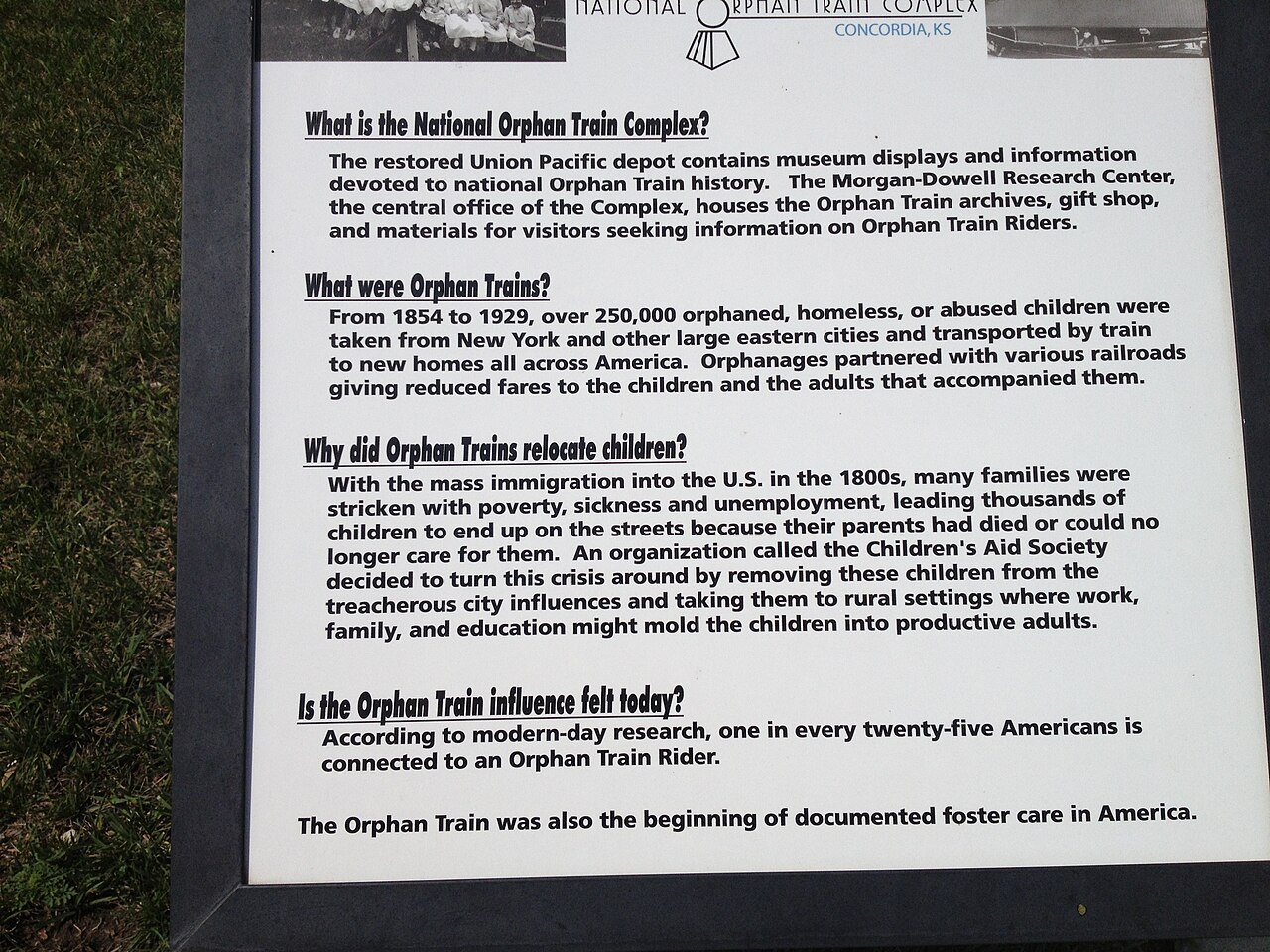
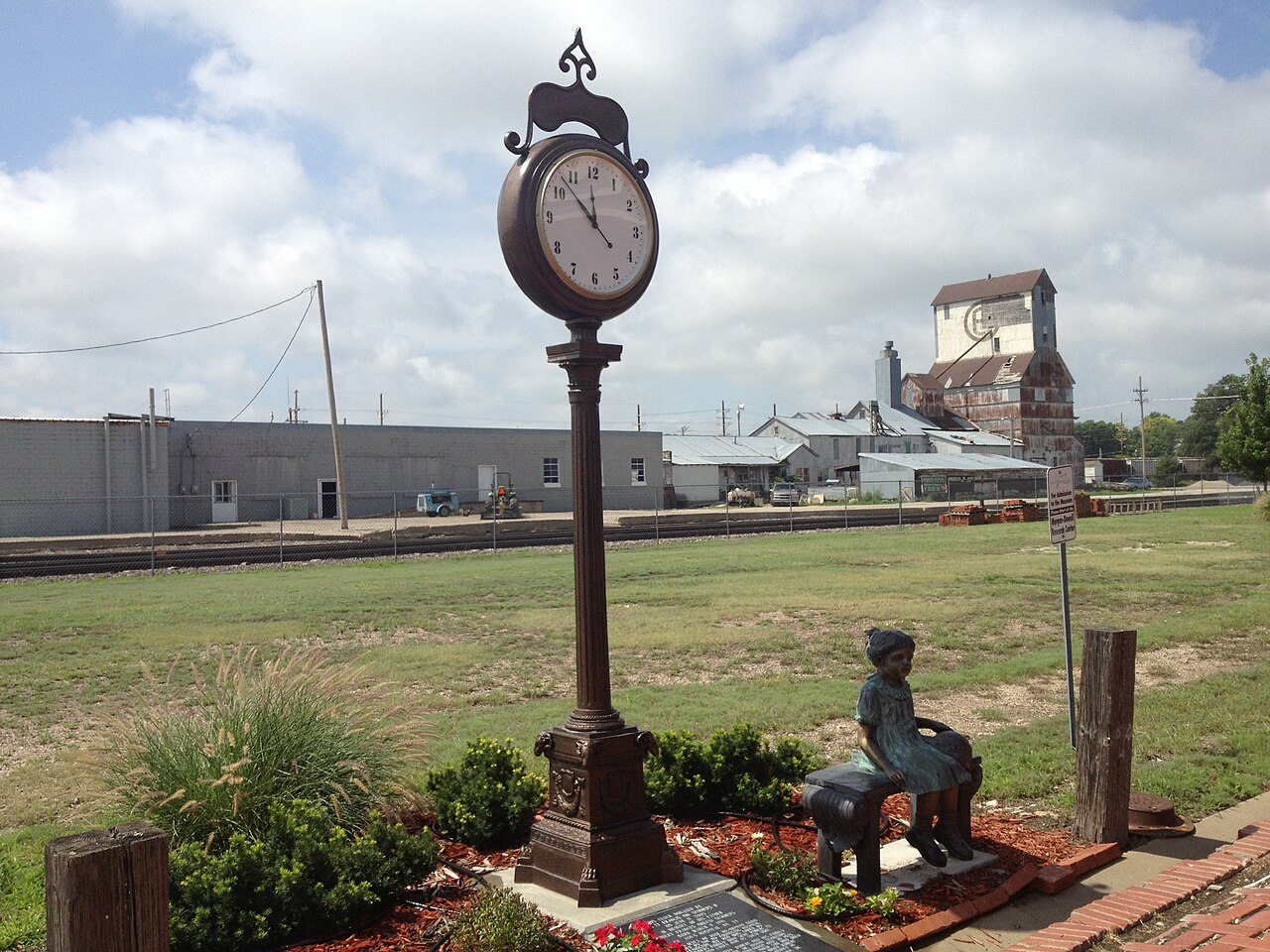
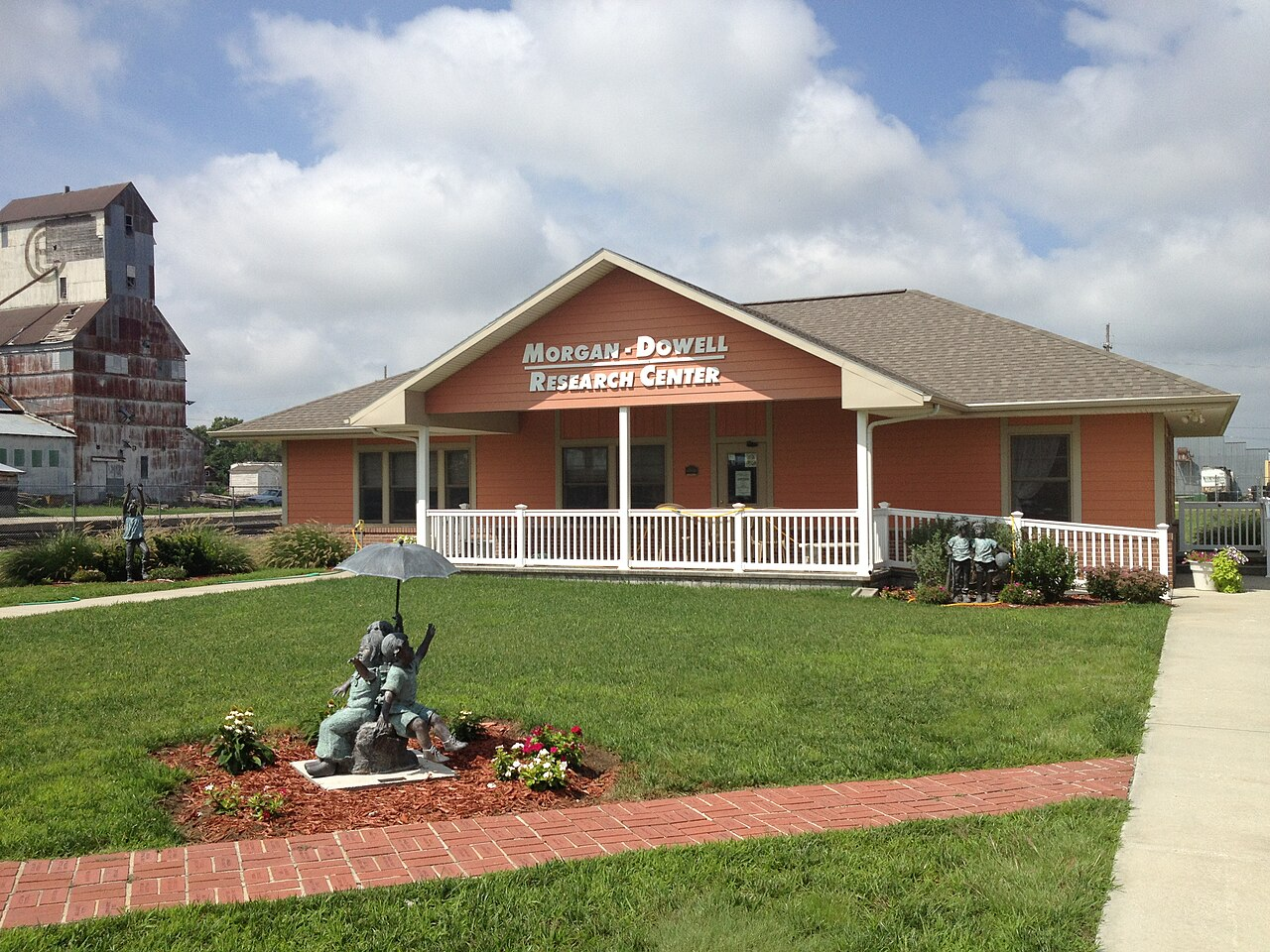
For travelers and family historians, the orphan trains left a trail you can actually follow. The National Orphan Train Complex in Concordia, Kansas — a museum and research center housed in a restored depot — preserves riders’ suitcases, photographs, and thousands of files, and hosts descendant reunions that, into the 2000s, still drew elderly riders themselves. Towns across Missouri, Nebraska, Iowa, and Kansas mark placement sites; the opera houses and church halls where choosings happened still stand on a surprising number of main streets.
And the research angle is personal for more Americans than expect it: with 200,000 riders and a century of descendants, genealogists estimate the riders’ living descendants in the millions. Family stories about a grandparent who “came west on a train as a child” and never said much more are, again and again, exactly what they sound like. The complex in Concordia fields those inquiries every week.
The orphan trains sit uneasily in American memory — too compassionate to condemn outright, too rough to celebrate cleanly — which may be why they’re so little taught. But stand on a depot platform in a small Kansas town, where a six-year-old once waited with a cardboard suitcase to find out who she’d belong to, and the story stops being policy history. It becomes what it always was: two hundred thousand children, one enormous gamble, and a country full of families that began on a train.
If a train rider might sit in your own family tree, the search is more doable than most genealogy. Start with the family’s oral fragments — a grandparent who “came from New York as a child,” an adoption around a railroad town, a birth family nobody discussed — and take them to the National Orphan Train Complex, which maintains rider registries and helps descendants request records; the Children’s Aid Society and the New York Foundling both still hold placement files and field archival inquiries. Census records help too: riders often appear in a new state’s census within a year of placement, listed in a household with a different surname. Descendants describe the moment the file arrives — a child’s intake card, a scrawled note about a sibling — as one of the most affecting things genealogy can produce.
Like our content? Follow us for more.