

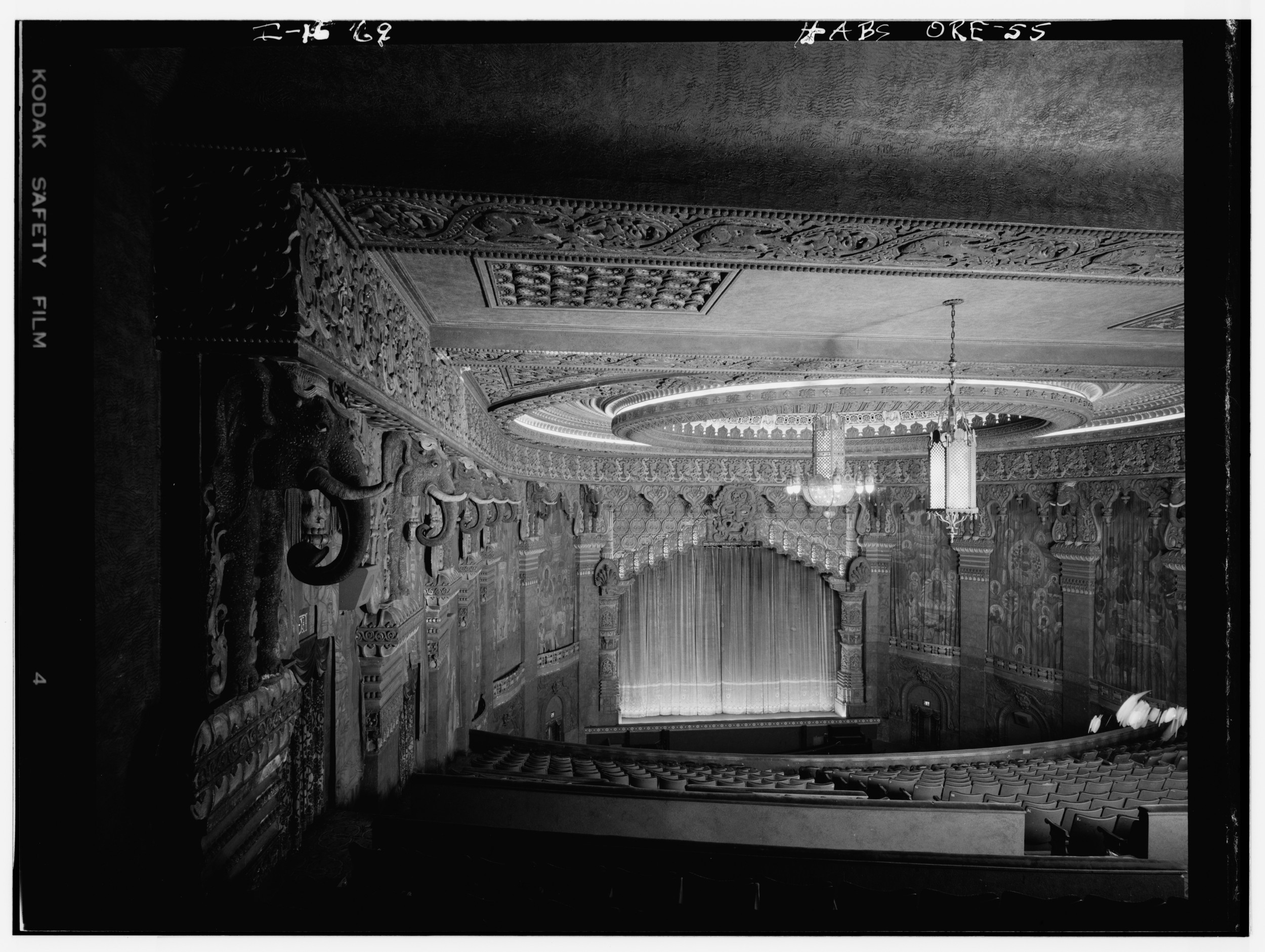
In 1964 the big theater downtown was still a palace, and the word was literal. Four thousand seats in one room. A lobby the size of a ballroom. A ceiling painted as a night sky with electric stars in it and clouds drifting across. A pipe organ that rose into view on a lift. Plaster cast to look like a Spanish courtyard and lit to look like evening.
It had a full stage behind the screen, a furnished lounge in the basement with an attendant, a corps of uniformed ushers, and a marquee over the sidewalk carrying thousands of bulbs and hand-set letters.
And the biggest letters on the front were often not for the film. Here are sixteen things every American movie palace had.
1. It Was One Screen, One Show, and a Building Built Around It
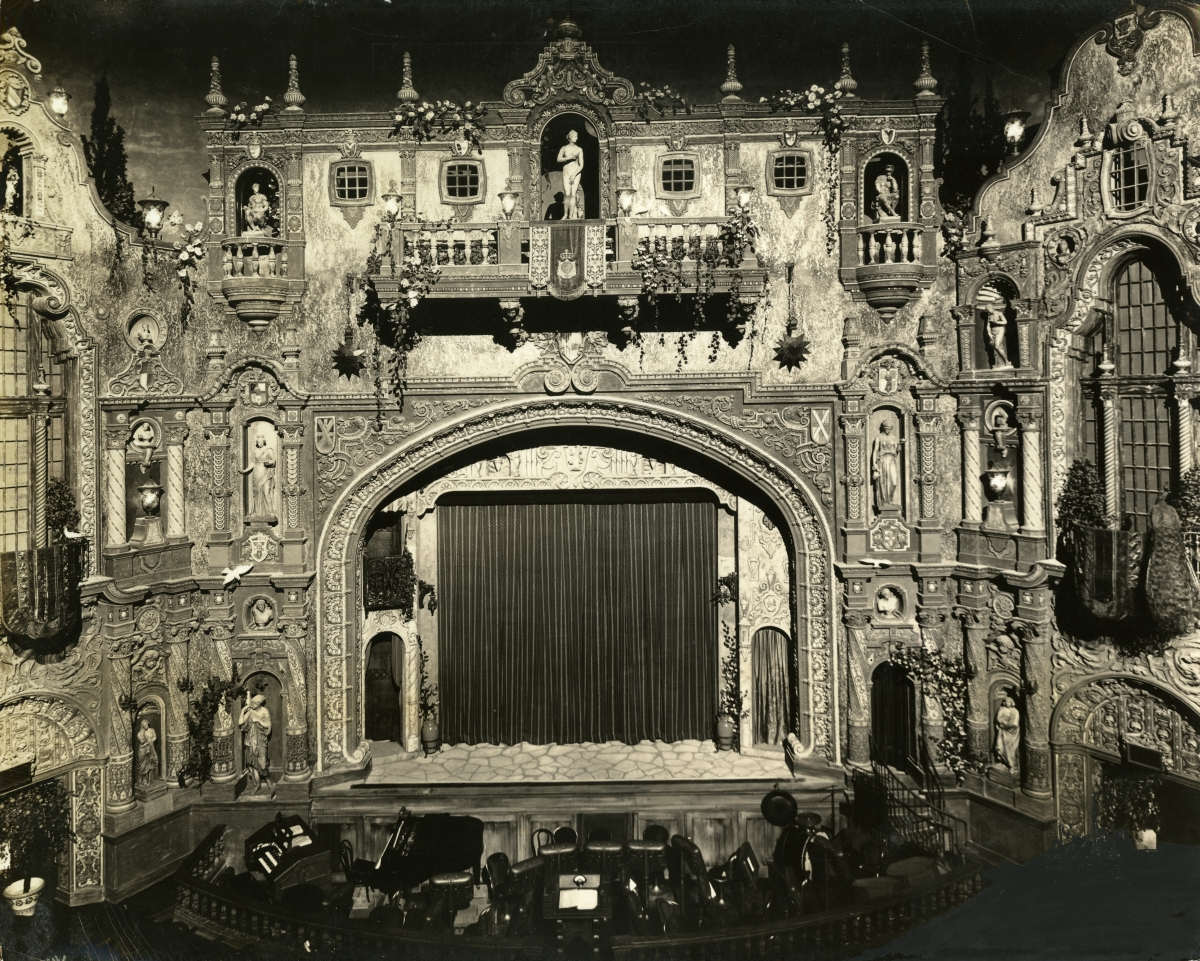
The entire structure – lobby, mezzanine, balcony, stage house, offices and all – existed to put one film in front of one audience at a time, several times a day.
Multiple auditoriums in one building sharing a lobby, a concession stand and a staff, with films starting on a staggered schedule all day so the building is never idle.
The single screen is the fact everything else follows from. A building with one show has to fill a very large room at particular hours, which means it needs an enormous draw for every single programme – and that is why the building itself had to be part of the attraction rather than merely a shed around a screen.
Like our content? Follow us for more.
2. The Lobby Was Enormous and Did Almost Nothing
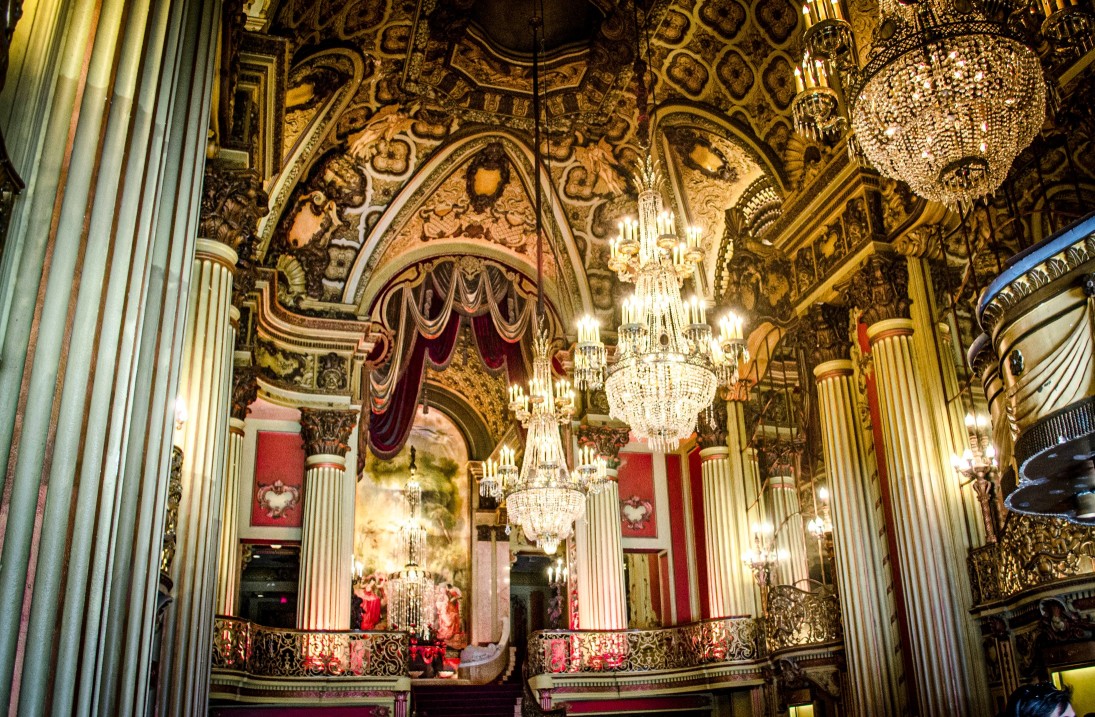
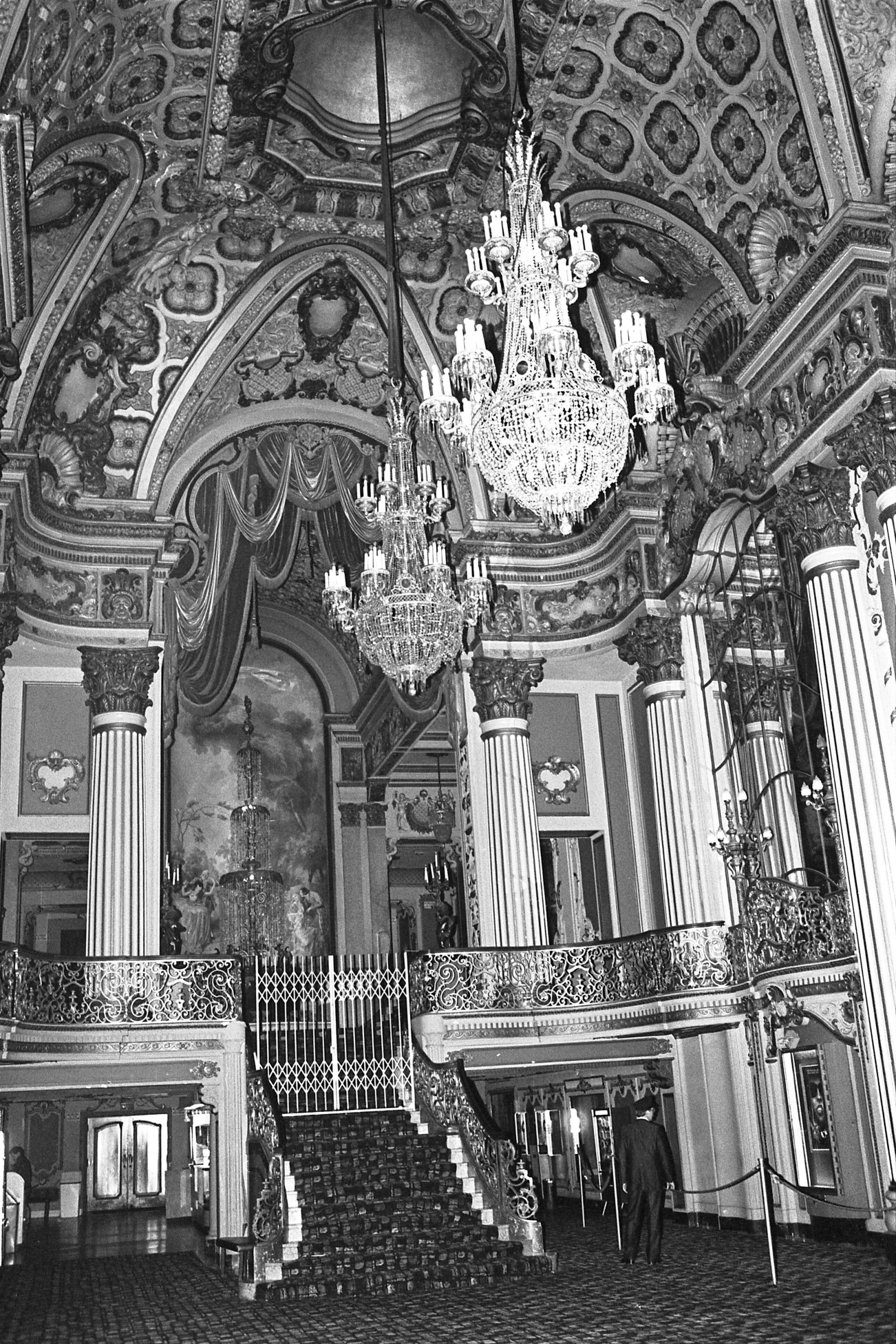
Between the street doors and the auditorium was a space the size of a ballroom – marble or terrazzo floors, a grand staircase, chandeliers, mirrors, columns, carpet, upholstered seating and a ceiling two or three storeys up.
A functional circulation space dominated by a concession counter and ticketing, sized to move people through rather than to hold them.
It was not wasted space, though it produced no revenue. A building seating two thousand has to absorb an entire audience arriving before a show and an entire audience leaving after one, with no overlap on the sidewalk – and in the meantime the room was doing the real work, which was making a person who had walked in off a downtown street feel they had entered somewhere expensive.
3. The Ceiling Was a Sky
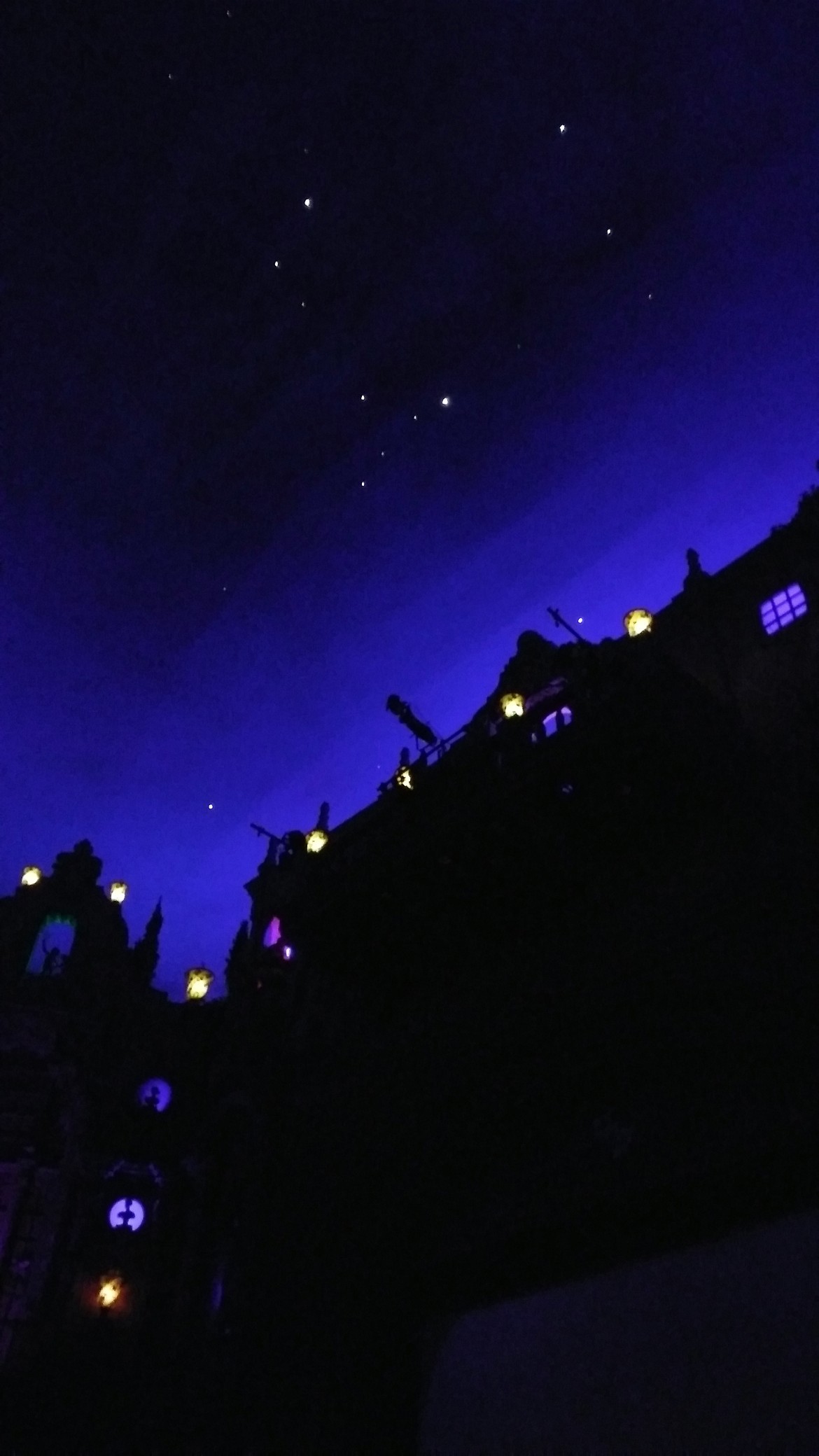
In a great many of these buildings the auditorium ceiling was painted as a night sky, with small electric lights set into it as stars and, in the more ambitious examples, a projector that drifted clouds slowly across it.
A flat dark acoustically treated ceiling designed to be invisible, because any light in the room is a defect once the projector starts.
The effect was deliberate and the style had a name in the trade: an auditorium dressed as an outdoor courtyard under an open sky, with the walls treated as building facades around you. People sat in a room pretending to be a plaza in a warm country, in the middle of an American winter, which is precisely the point.
4. There Was a Pipe Organ and a Person Playing It
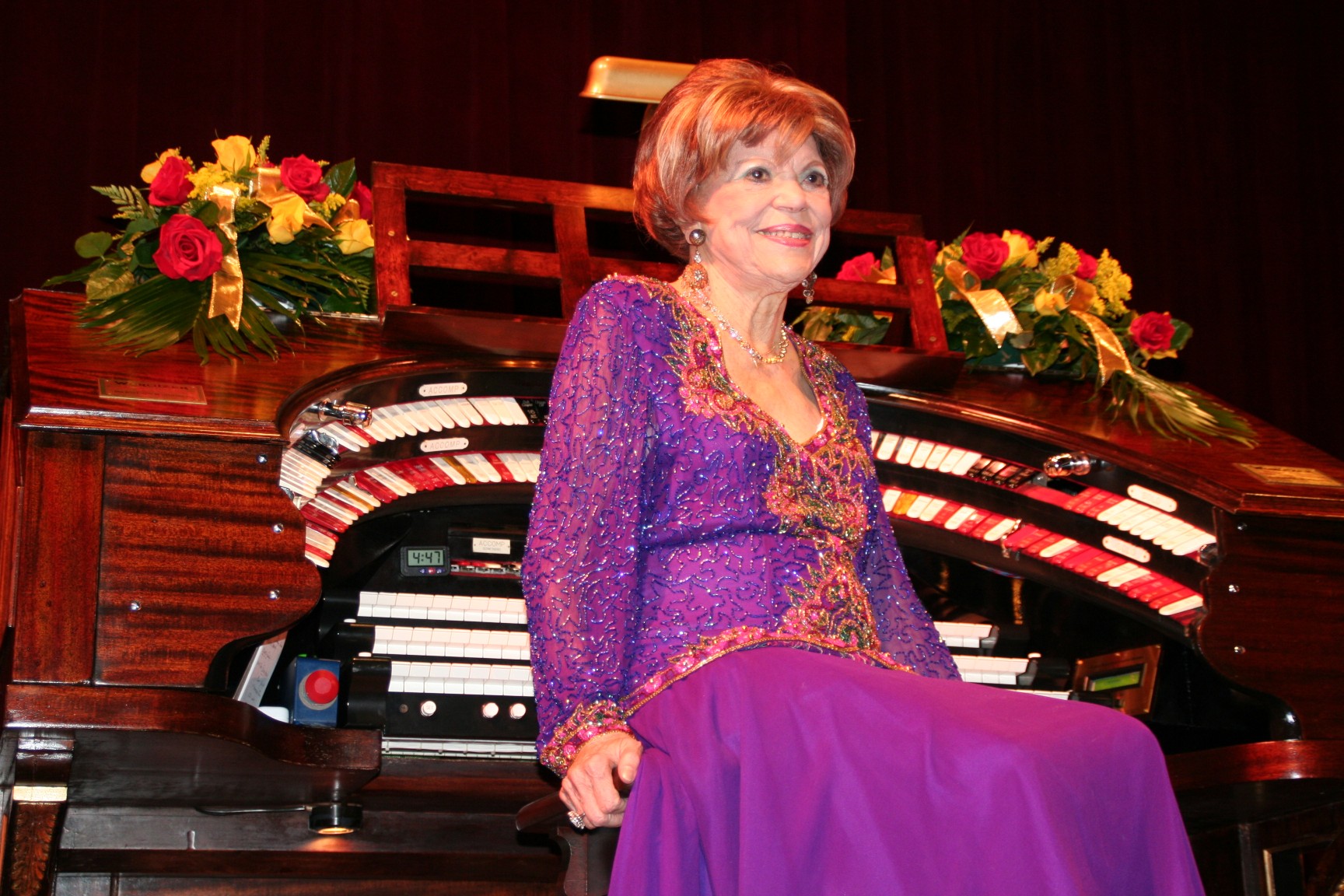
Built into the building, with pipes in chambers behind decorative grilles and a console that rose into view on a lift, was a theatre organ – and somebody came out and played it before the show and between showings.
Recorded music over the house system, or nothing at all beyond advertising.
The organ was an engineering oddity as well as an instrument, since it was built to imitate an orchestra and to supply effects – percussion, bells, bird whistles, train sounds, a siren – for the silent films these buildings had opened with. When sound arrived the organ’s original job vanished, and a great many of them survived for decades afterwards purely as entertainment in their own right.
5. Air Conditioning Was the Headline Attraction
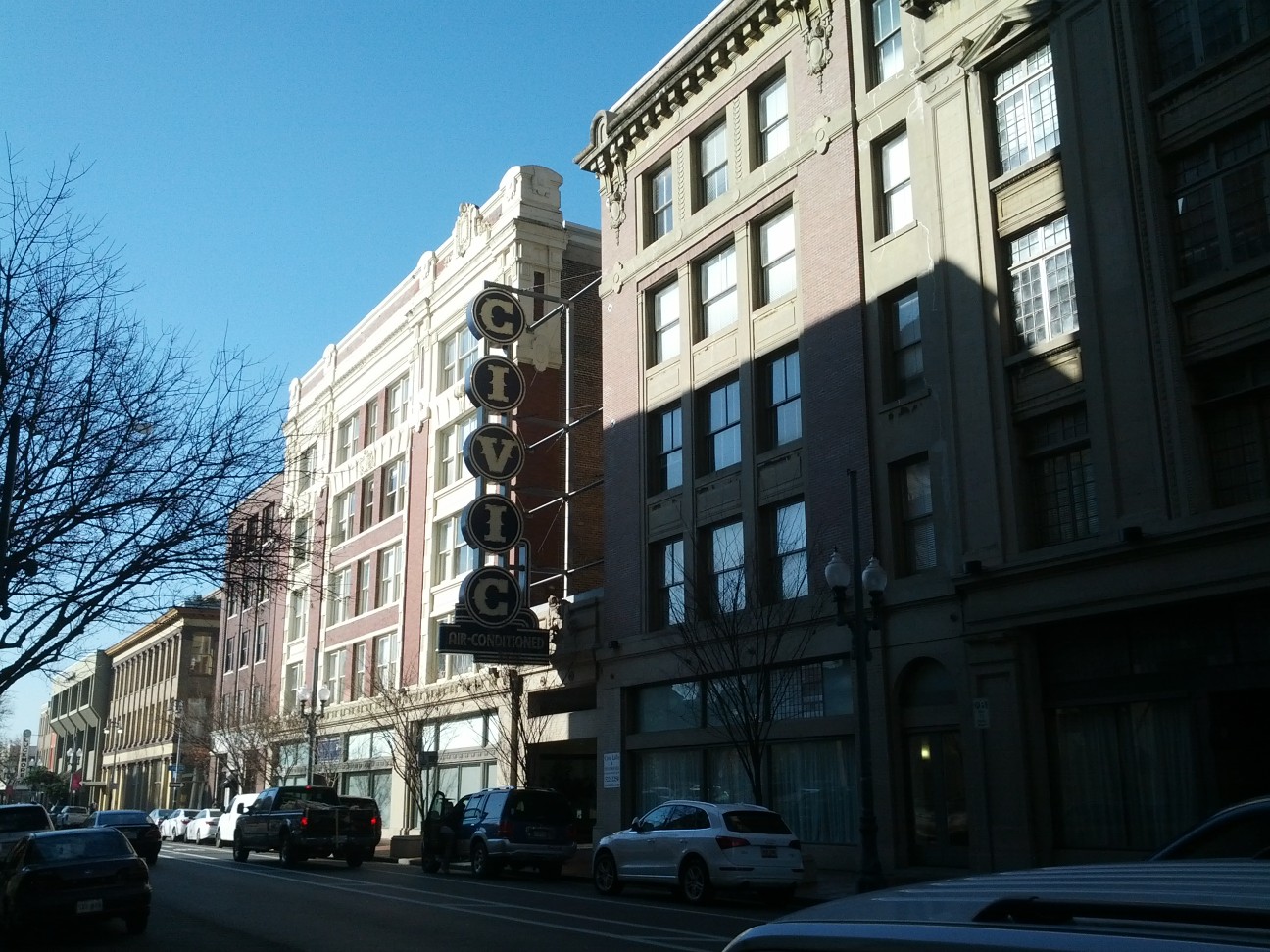
Through the 1930s, 1940s and 1950s, the thing advertised in lights on the front of the building – frequently in letters as large as the film’s title – was that it was cool inside.
Universal air conditioning in every building a person enters, including their own house, which makes it impossible to advertise and impossible to notice.
This is the detail that most completely explains the institution’s summer business, and it is almost always left out. These were among the first mechanically cooled public buildings in America, at a time when essentially no houses were. A family sitting in a cooled auditorium on a July afternoon was buying several hours of relief that was available almost nowhere else, and the film was in some real sense the excuse.
6. The Balcony Was a Separate Ticket and a Separate World
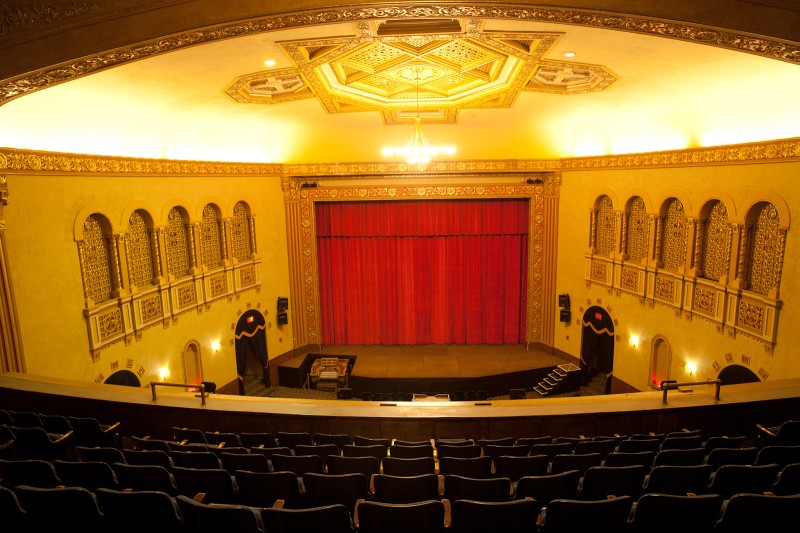
Above the main floor was a second seating level, reached by its own staircase, sold at a different price – sometimes cheaper, sometimes dearer – with its own lobby space and its own atmosphere.
Stadium-style raked seating in a single volume at one price, with no separate level, no separate access and no price distinction by location in most houses.
The balcony needs recording honestly, because in a great many American cities the upper level was where Black patrons were required to sit, by the policy of the house, while the main floor was reserved for white audiences – and in other cities Black patrons were not admitted at all. That is documented history of these buildings and it is part of what they were.
7. The Staff Wore Uniforms and There Were a Great Many of Them
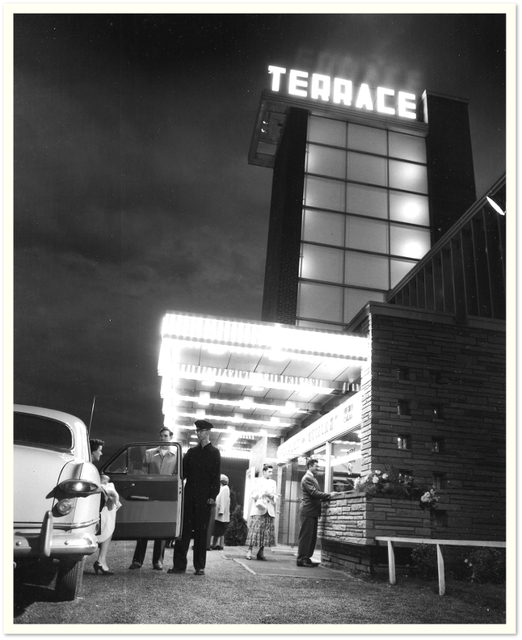
A single building employed a manager, assistant managers, a doorman, cashiers, a head usher and a corps of ushers, a matron, cleaners, maintenance staff, an organist and projection staff – in uniform, in numbers, every day.
A small crew covering several auditoriums, concessions, ticketing and cleaning between showings, with automated projection and no customer-facing role that requires a uniform.
The labour cost was enormous and it was the point. A building selling an experience of luxury has to be staffed like a hotel rather than like a shop, and the ratio of employees to patrons in one of these houses was closer to a restaurant’s than to anything in modern exhibition.
8. The Curtain Was Real and It Opened
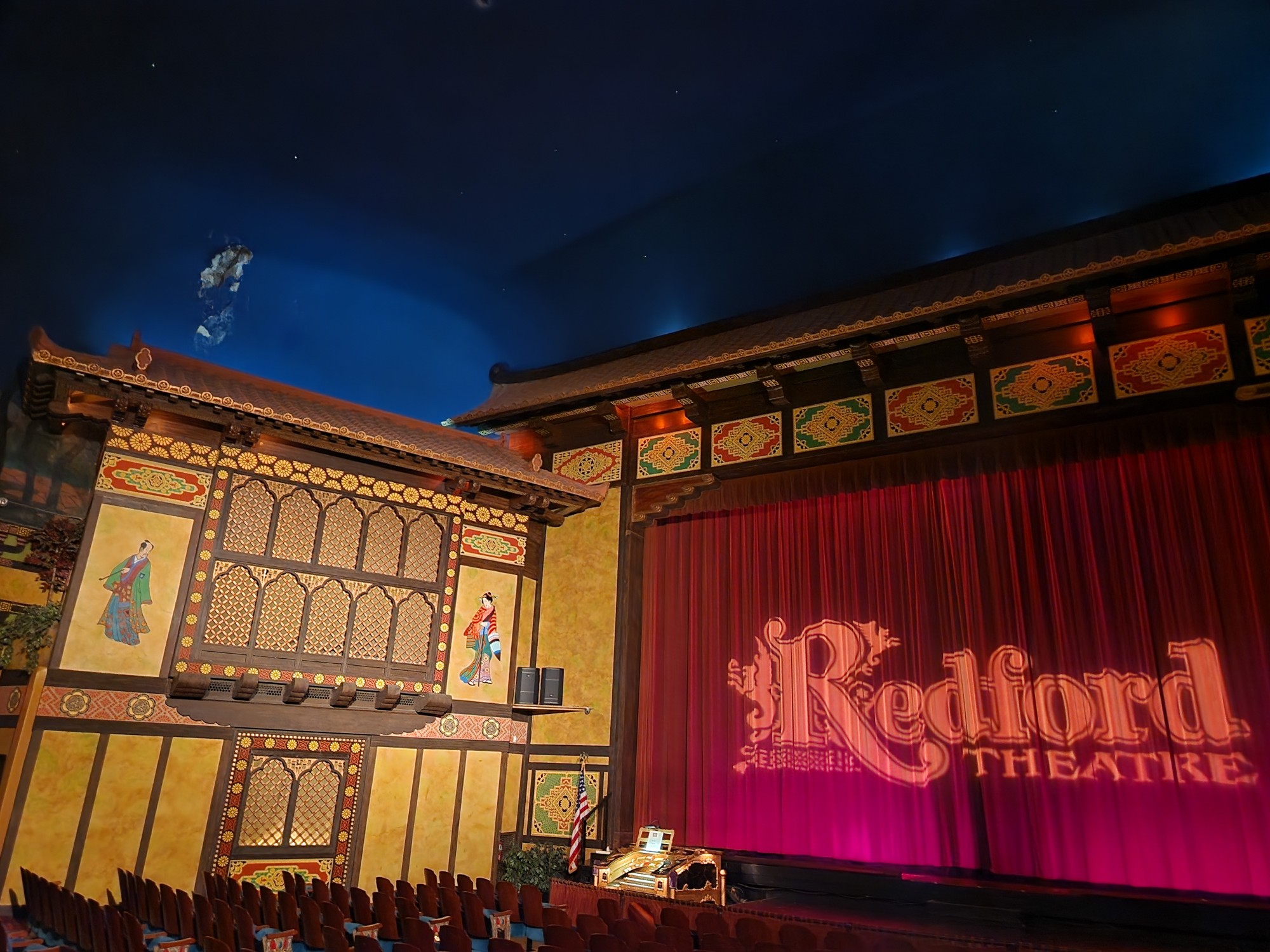
In front of the screen hung a heavy fabric curtain, frequently several – a main curtain and one or two decorative valances – lit in changing colours and drawn aside by motor as the show began.
A screen that is simply there when you walk in, sometimes with advertising already playing on it.
The curtain did one thing that is genuinely lost, which is that it marked a beginning. A room in which the lights go down, music plays, colour moves across a fabric surface and the curtain then parts has told its audience, physically and unmistakably, that the event has started – and a screen already showing advertisements cannot do that at all.
9. It Seated in the Thousands
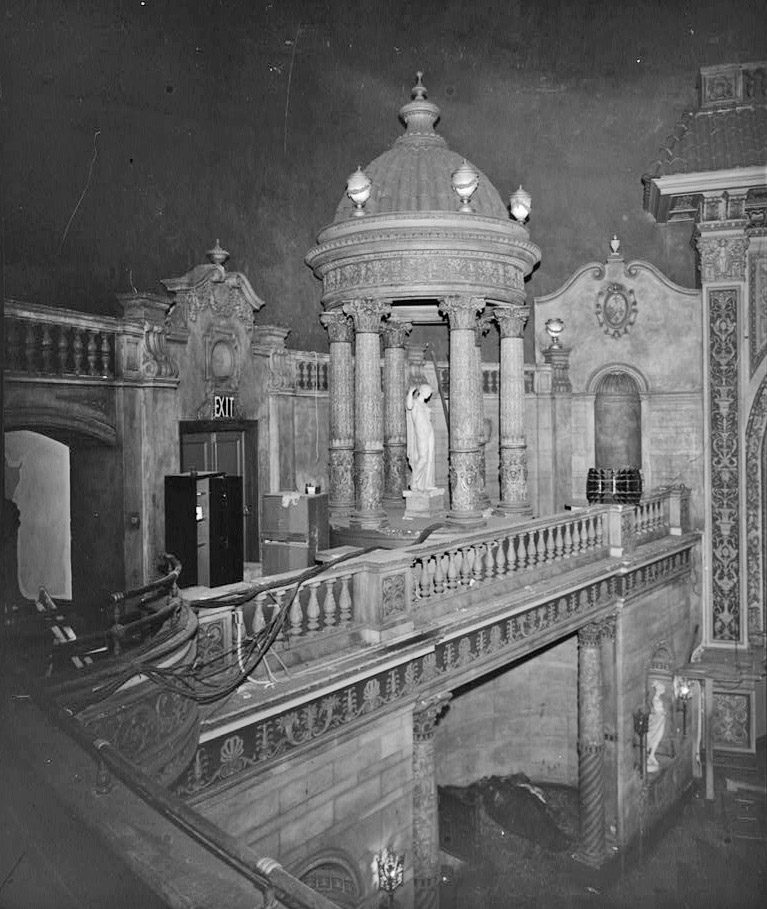
The large downtown houses held between fifteen hundred and over four thousand people in one room, which is a scale no purpose-built cinema has approached since.
Auditoriums of between roughly forty and three hundred seats, with the largest premium rooms rarely exceeding five hundred.
The size was a consequence of the business, not vanity. With one screen, no advance sales to speak of and a city’s entire audience arriving downtown by streetcar, a hit had to be accommodated in a single room on a single evening – so the room was sized for the best night rather than the average one, and on most nights it was mostly empty.
10. The Decoration Came From Somewhere That Did Not Exist
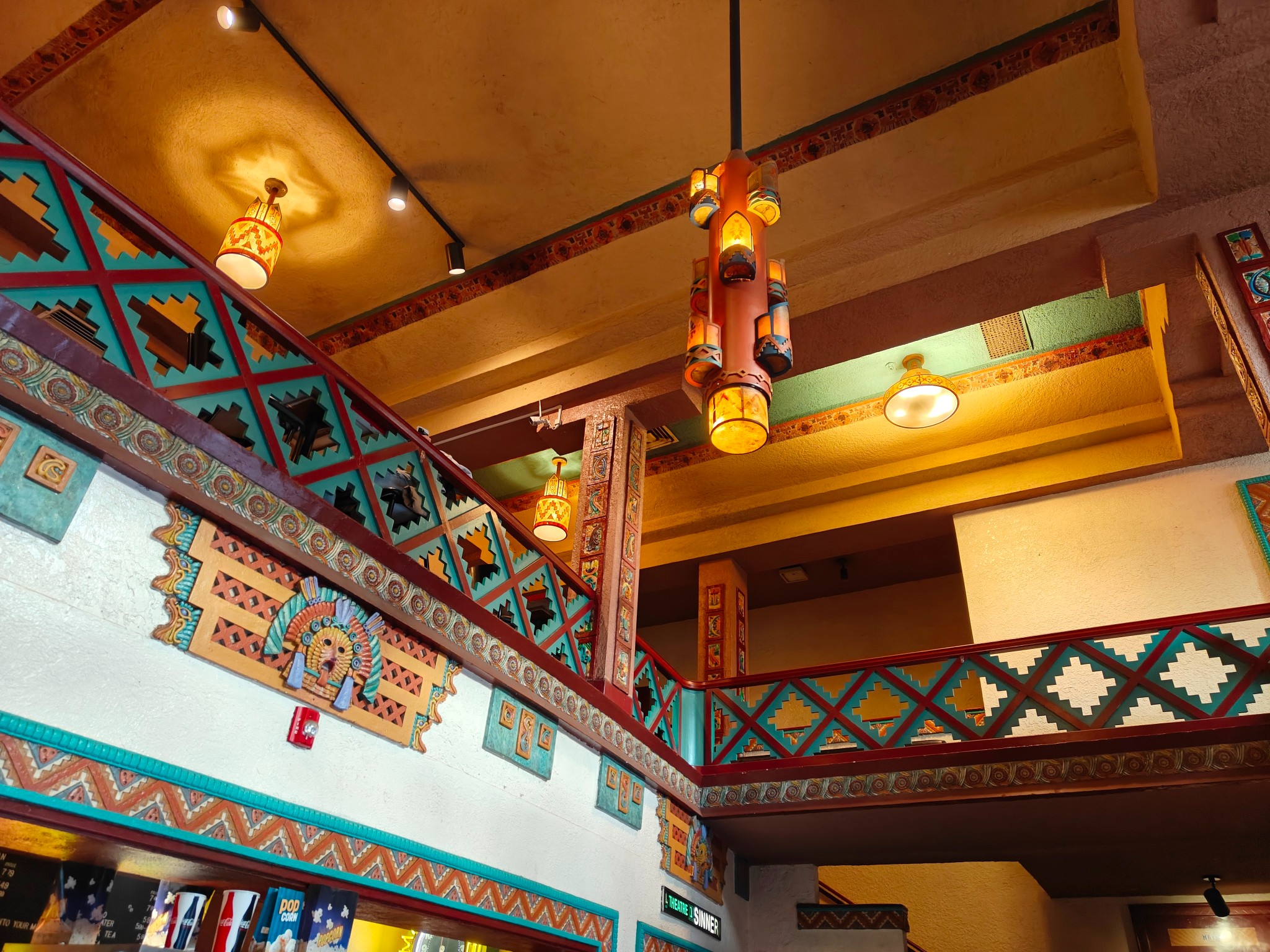
The interiors were done in elaborate invented styles – a Spanish courtyard, a Moorish palace, an Egyptian temple, a Chinese pavilion, a French opera house – executed in plaster, paint and gilt rather than in the materials they imitated.
Interiors designed to disappear, in dark neutral finishes, with the only decorative effort in the lobby and the lighting.
The imitation was not a secret and nobody was deceived. Plaster cast to look like carved stone, painted to look like marble, lit to look like evening, was understood by everybody as theatre – and that was acceptable because the promise was not authenticity but transformation: a room unlike any room the patron had ever been in, for the price of a ticket.
11. The Screen Was Small for the Room
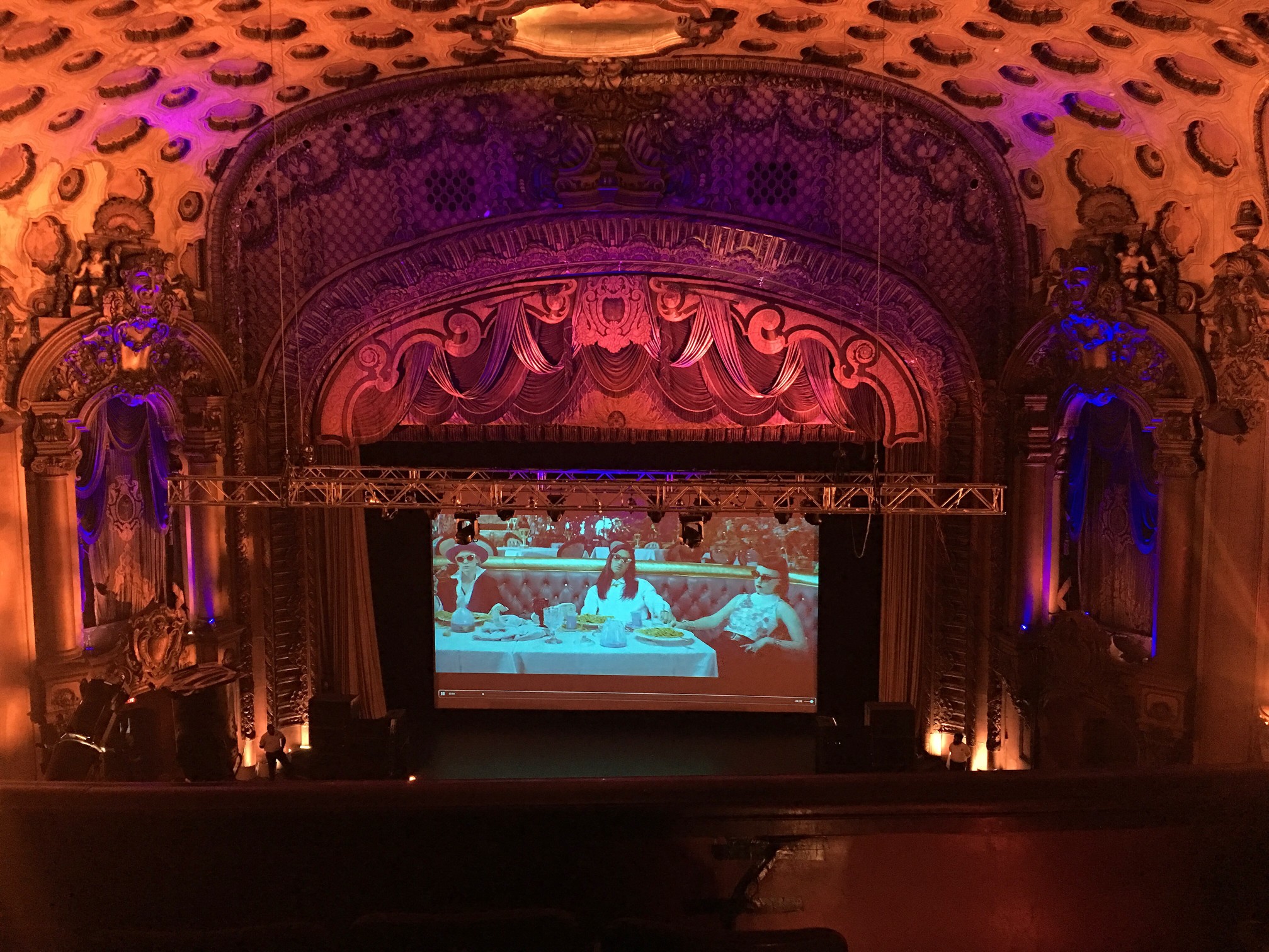
In the original buildings the screen occupied a modest fraction of the end wall, framed within a proscenium arch and surrounded by architecture.
A screen filling the entire wall from floor to ceiling and wall to wall, with the room’s finishes stopping where the image starts.
Which tells you where the attention was supposed to be. These were built as theatres first, in which a motion picture was one act among several – and the later history of the buildings is largely a history of the screen growing, as wider formats arrived and the architecture around it was progressively covered up, masked over and finally torn out.
12. There Was a Stage Behind the Screen and It Was Used
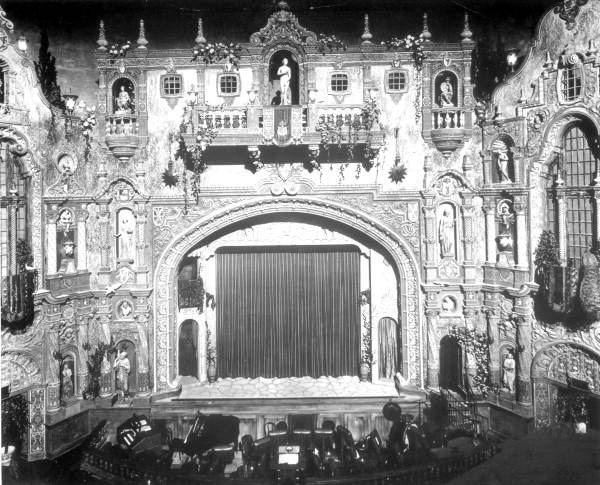
Behind the screen was a full stage with a fly tower, dressing rooms, an orchestra pit and a loading door – because these buildings were designed for live performance alongside film.
Nothing behind the screen but a wall, since there is no live-performance function to accommodate.
The combined programme is the part that has been forgotten. A 1930s bill in one of these houses might run a newsreel, a short, an organ interlude, a live stage act and then a feature, and the building’s design reflects that. The survivors are frequently in use today as performing arts venues for exactly this reason – the stage was always there.
13. The Marquee Was the Building’s Entire Advertising
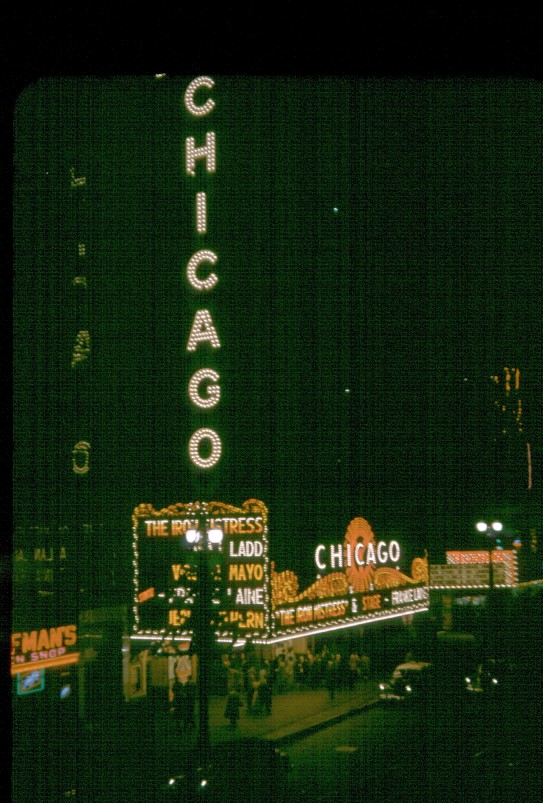
Projecting over the sidewalk was a canopy carrying thousands of bulbs and rows of slotted channels into which individual plastic or metal letters were slid by hand, with a vertical blade sign bearing the house name above it.
Backlit or digital display panels, changed from a computer, and in many buildings no street-facing announcement of titles at all beyond a poster case.
Changing it was a job somebody did on a ladder or from a catwalk, in all weather, letter by letter – and a letter was frequently missing. The marquee also lit the street, which is the part that is genuinely gone: a downtown block with two or three of these on it was brightly lit at night by commercial signs, not by streetlights.
14. The Restrooms Were Destinations
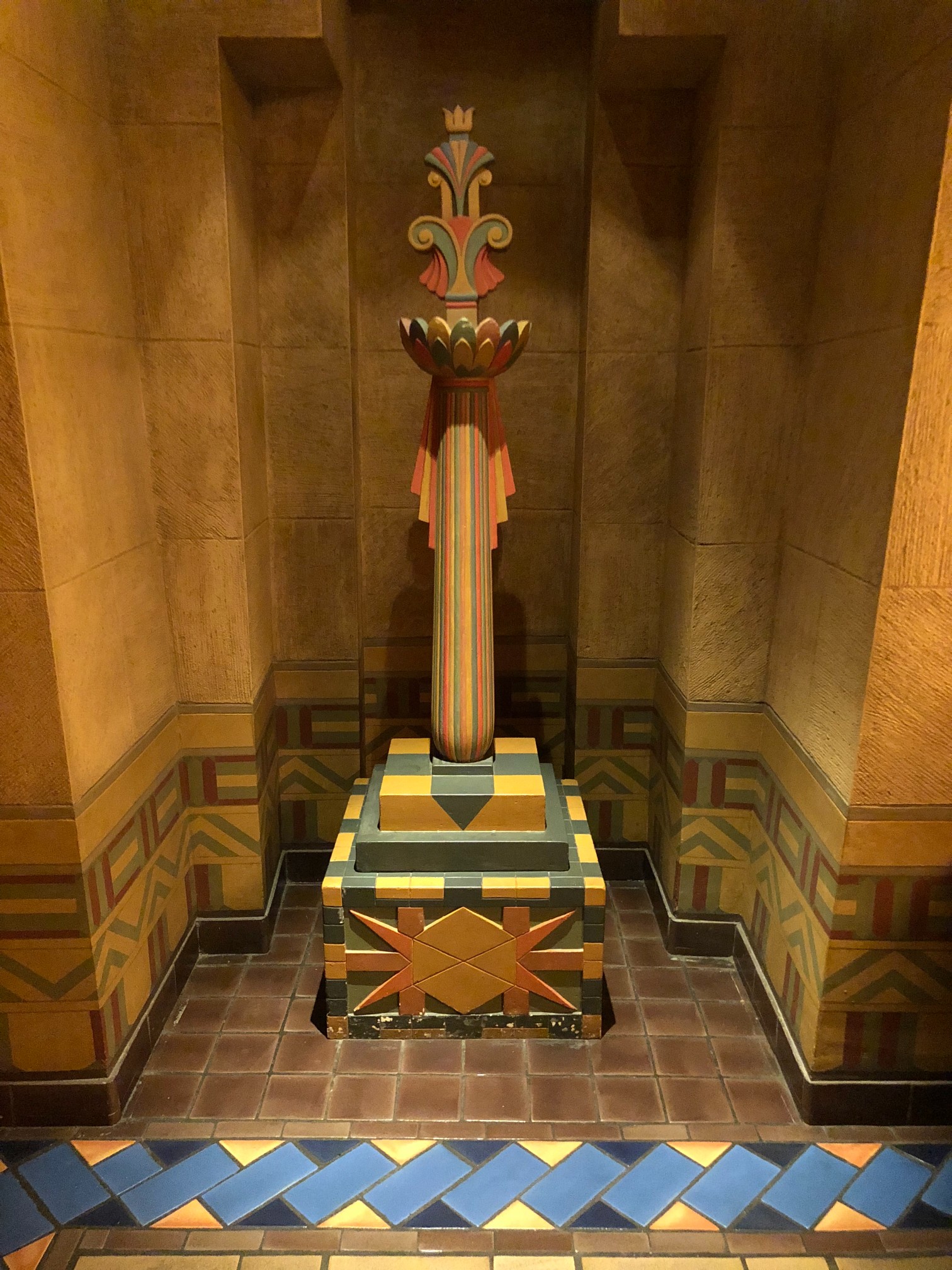
Downstairs off the lobby were lounges – furnished rooms with seating, mirrors, carpet and in the larger houses a smoking room, a cosmetics counter and an attendant – attached to the restrooms.
Functional facilities, correctly sized and properly maintained, with no lounge, no furniture and no attendant.
It sounds absurd and it followed from the proposition. If the building is selling an afternoon of being somewhere grand, then every room a patron can enter has to support that – so the basement lounge was furnished like a hotel’s, and a great many patrons used it as one, sitting out part of a double bill in an armchair downstairs.
15. It Was Downtown, and That Was the Whole Business Model
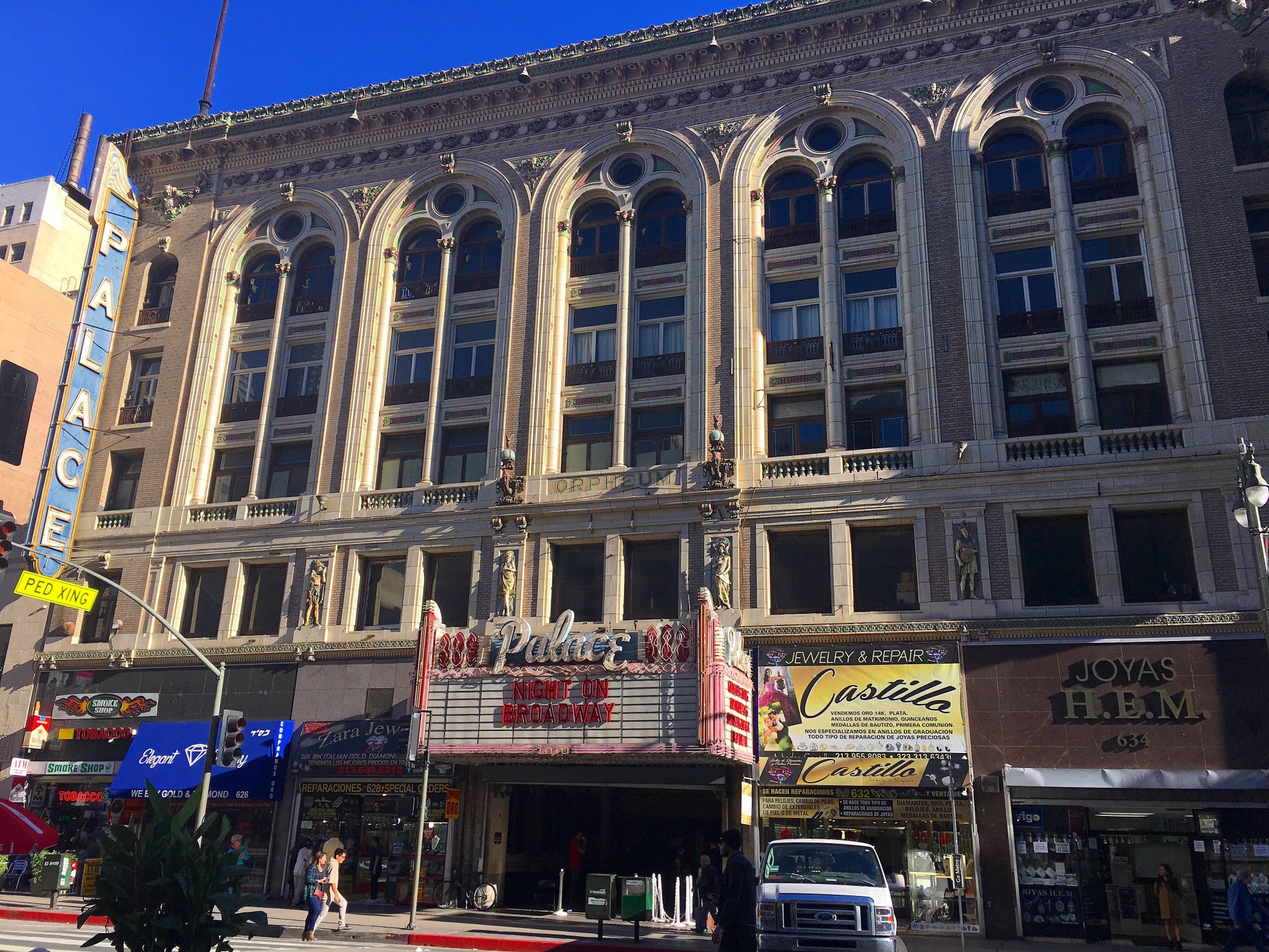
The building stood on an expensive central site, within walking distance of the department stores and offices, on the streetcar and bus network that every part of the city connected to.
Buildings sited for parking and for highway access, in commercial developments outside the centre, reached by car from a wide radius.
Everything about the palace assumed the audience would come to the middle of the city, because in 1930 and still largely in 1950 everybody did. The transit lines converged there, the shops were there, and an evening out meant going downtown. A four-thousand-seat room makes sense in that geography and in no other.
16. Then the Audience Moved Twenty Miles Out and Bought a Car
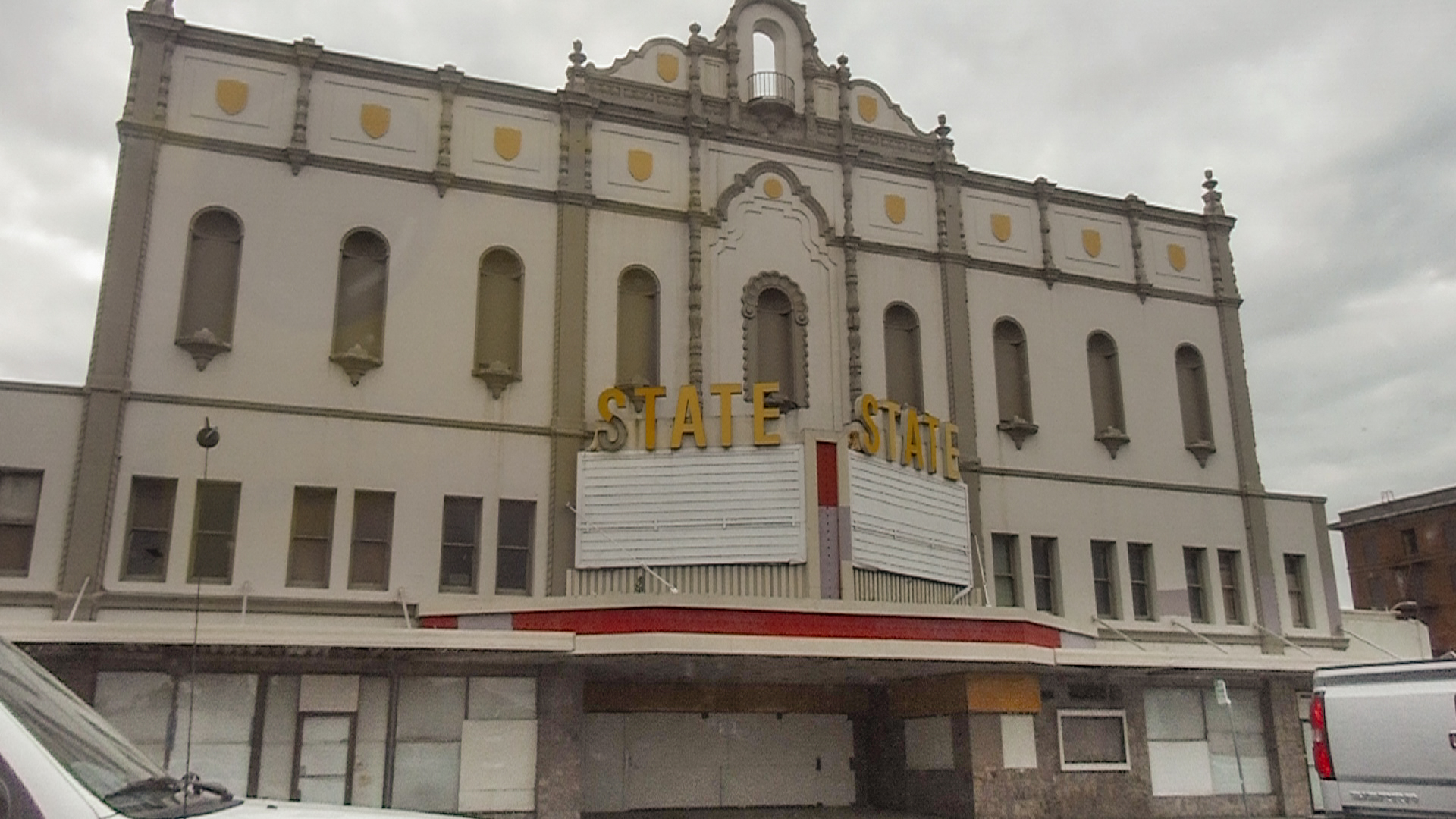
The proposition was a single enormous ornate mechanically cooled room on a prime downtown site, staffed like a hotel, drawing an entire city’s audience to one address by streetcar for one show at a time.
Small auditoriums in suburban developments with parking, sharing one staff and one lobby across many screens, running continuously from mid-morning to midnight.
And the thing that destroyed the old model was not television, which is the usual answer. It was the car and the suburb. Once the audience lived on the edge of the metropolitan area and drove everywhere, a theatre’s catchment stopped being whoever the streetcar could deliver and became whoever could park – and a building with four thousand seats, forty employees, an organist and no parking lot was unservable at any price. Then the second blow landed, and it was the air conditioning. The palace’s biggest summer draw had been that it was the coolest public room in the city; once every house, store and car in America was cooled, that advantage was simply gone. So the buildings were cut up – a wall down the middle, then two more, the balcony sealed off as its own auditorium, the plaster boxed in and the organ chambers bricked over – and then most of them came down. The multiplex is not a cheapened version of the palace. It is the correct answer to a question the palace was never asked.
The Building Was Selling Two Things, and Both Became Ordinary
Ask why the movie palaces died and almost everybody says television. It is the wrong answer, and the right one is more interesting because it has nothing to do with films at all.
These buildings were selling two commodities, and the motion picture was neither of them.
The first was luxury, supplied to people who had none. A patron in 1935 walked off a downtown sidewalk into a marble lobby with a grand staircase, chandeliers and upholstered furniture, up into a room painted as a Mediterranean courtyard under a sky with stars in it, sat in an upholstered seat in a space holding two thousand people, and listened to an organ. Then a curtain parted. Nothing else available to an ordinary American household for the price of a ticket came within a hundred miles of that experience, and the building’s entire design is an argument that the room is worth the money regardless of what is showing in it.
The second was cool air. This is the one that gets left out of every account and it drove the summer trade completely. These were among the first mechanically cooled public buildings in the country, at a point when virtually no houses were cooled at all, and the operators knew exactly what they had – which is why the word was put on the marquee in letters the size of the title. A family buying tickets on a July afternoon was buying three hours of relief it could not obtain anywhere else.
Now watch what happened to both.
Luxury did not disappear, but the gap closed. American houses got carpets, upholstery, good lighting, decent finishes and space. The ordinary interior a patron came from stopped being so far below the one they were paying to enter, and a plaster courtyard with electric stars went from astonishing to quaint in about one generation. You cannot sell transformation to somebody who is already comfortable.
And the air conditioning became universal – in houses, cars, stores, offices and every other building in town. The palace’s single strongest seasonal advantage was not defeated. It was issued to everybody.
Then the geography moved, and that is what actually finished the buildings. The whole model assumed the audience would travel to the centre of the city, because the streetcars converged there and the shops were there and an evening out meant downtown. When the population moved to the edge and drove, a theatre’s reach stopped being whatever transit could deliver and became whoever could park. A four-thousand-seat room with forty employees, an organist, a stage crew and no parking lot could not be filled or staffed at any price.
So they were subdivided. A wall down the centre, then two more, the balcony sealed off as a separate auditorium, the plaster boxed in, the organ chambers bricked over, the stage used for storage. Those that could not be cut up came down, and a great many American downtowns now have a parking structure where the best room in the city used to be.
Which means the multiplex is not a degraded palace. It is a correct and efficient answer to a completely different question: how do you show eight films to people who arrive by car, all day, with one staff. It does that extremely well.
It simply has nothing to sell you except the film – because everything else the palace was selling, you already have at home.
If you went to one, you remember the ceiling before you remember a single film you saw under it.
And you remember that the building was cold, and that in July that was the reason you went.
Like our content? Follow us for more.
