The National Park Service confiscated approximately 71,000 prohibited items at the 63 national parks during the 2024 calendar year, according to the agency’s annual law-enforcement report. The most common confiscations are not weapons or drugs. They are everyday camping and travel items that visitors do not realize are prohibited by federal regulation in the specific park they are entering. Drone equipment. Certain types of insect repellent. Glass bottles. Foraged plants. Pet food at certain campgrounds. Cremated remains brought for scattering. The list varies park by park, but a federal-level baseline applies to all 63 national parks. Here are ten categories of items that rangers will confiscate at the entrance station to almost any American national park in 2026 — and the specific federal rule behind each.
1. Drones and Other Unmanned Aircraft Systems
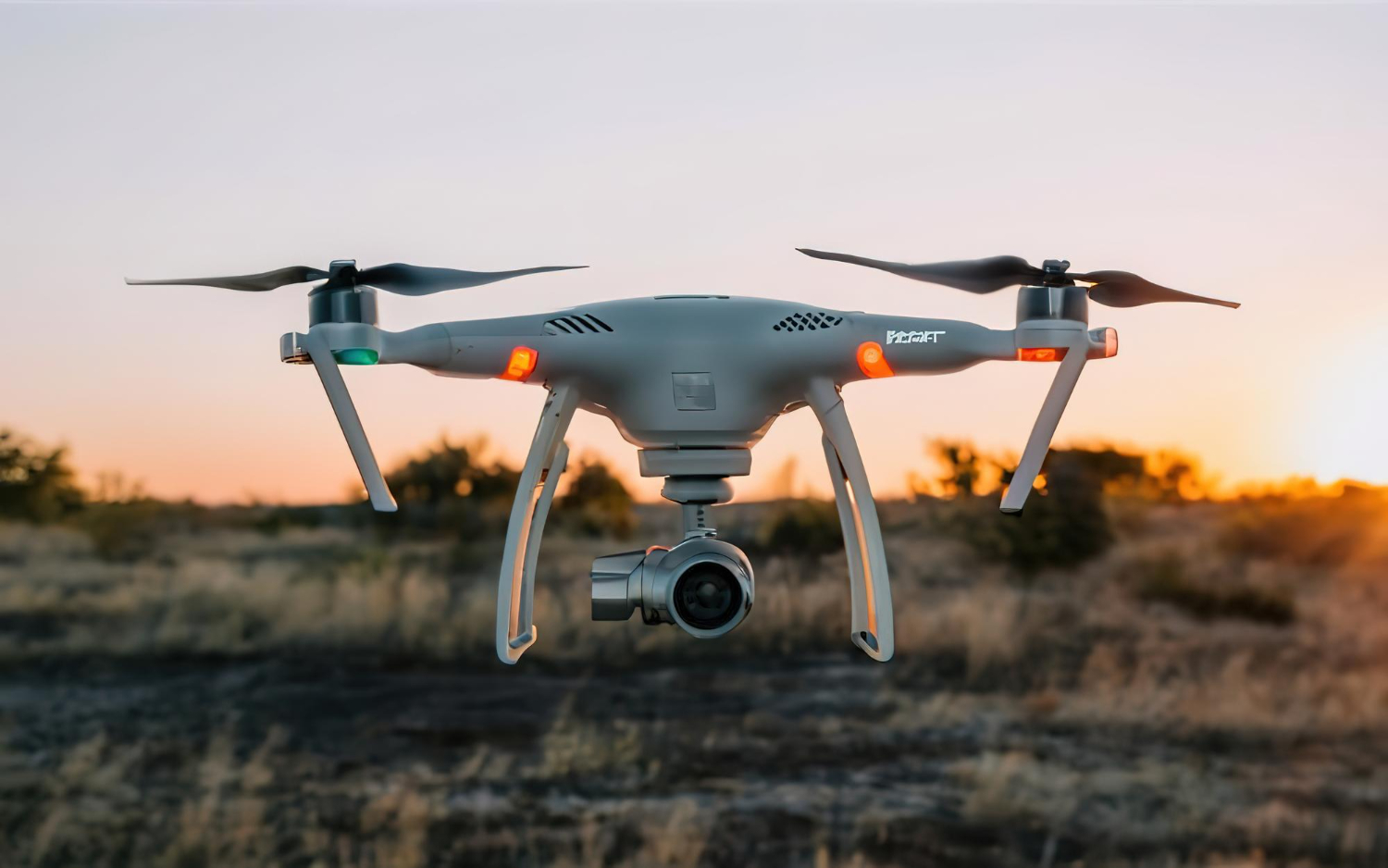
The National Park Service’s 2014 ban on unmanned aircraft applies to every one of the 63 national parks and to most national monuments and recreation areas. The rule, codified at 36 CFR 1.5, prohibits launching, landing, or operating any drone within park boundaries. The ban applies to recreational drones, commercial drones, and even hand-launched model aircraft. Violations carry fines up to $5,000 and a maximum six-month prison sentence per occurrence. Rangers will confiscate drones at the entrance station if a visitor declares one, and they actively patrol for drones at popular viewpoints. The most common confiscations occur at Yosemite, Yellowstone, Grand Canyon, and Zion. Visitors traveling with drones for use outside parks should keep them locked in vehicles and never deploy them within boundaries.
2. Glass Beverage Containers in Many Park Areas
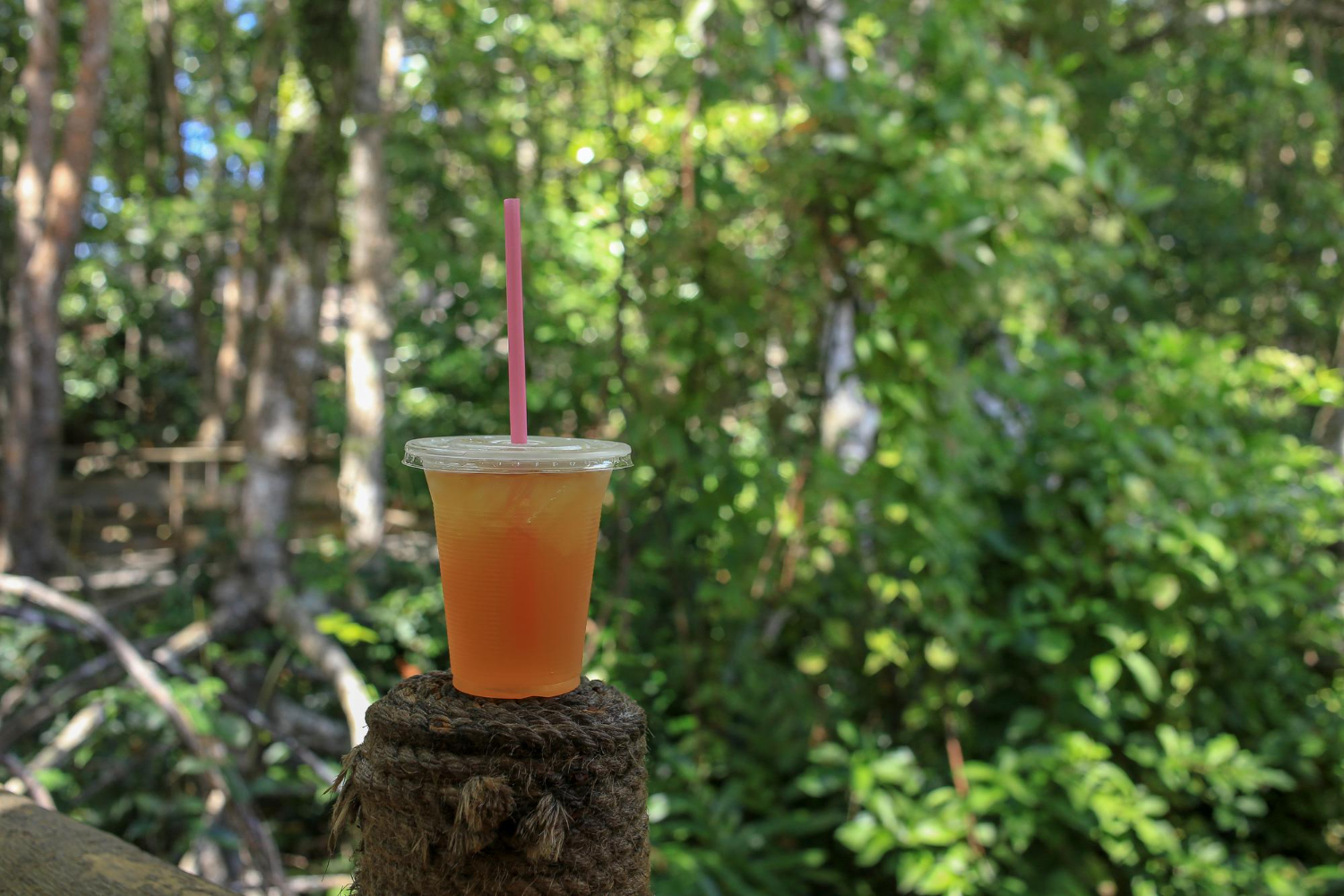
Most national park backcountry zones, several frontcountry campgrounds, and all river-corridor areas in Grand Canyon, Yosemite, and Yellowstone prohibit glass beverage containers. The rule is intended to reduce wildlife-injury incidents and the persistent problem of broken-glass cleanup in remote areas. Visitors entering with cooler-packed glass bottles of wine, beer, or specialty beverages may be required to transfer contents to plastic or aluminum at the entrance station, or to leave the glass items in their vehicle. Glass-container confiscations have grown sharply since 2020 as more visitors carry premium beverages on outdoor trips. Boxed wine and aluminum-canned wine are now widely sold at park gateway stores specifically to avoid the prohibition.
3. Bear Spray Above Certain Capacities
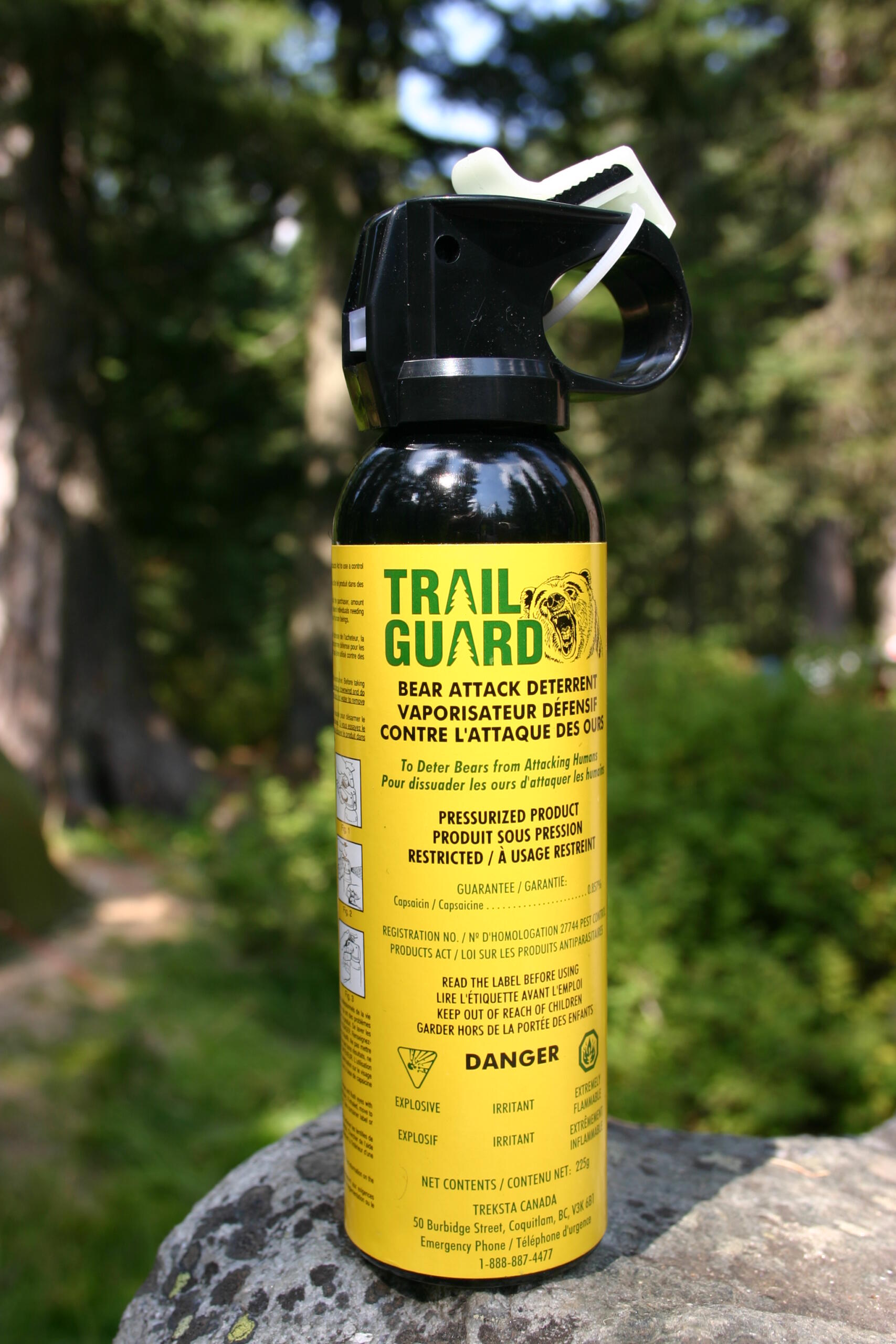
Bear spray is permitted in most national parks and is actively recommended in Yellowstone, Glacier, Grand Teton, and Denali by NPS rangers. The complication is canister capacity. Standard bear spray runs 7.9 to 9.2 ounces with capsaicin concentration of approximately 2 percent — and these canisters are legal in the recommended parks. The TSA, however, prohibits bear spray entirely from both carry-on and checked baggage on commercial flights, which means travelers flying to a national park gateway airport cannot bring their own bear spray. The practical workaround is to purchase bear spray at the gateway town and donate it before flying home. Many gateway towns now have visible donation bins for departing travelers.
4. Cremated Remains Without a Permit
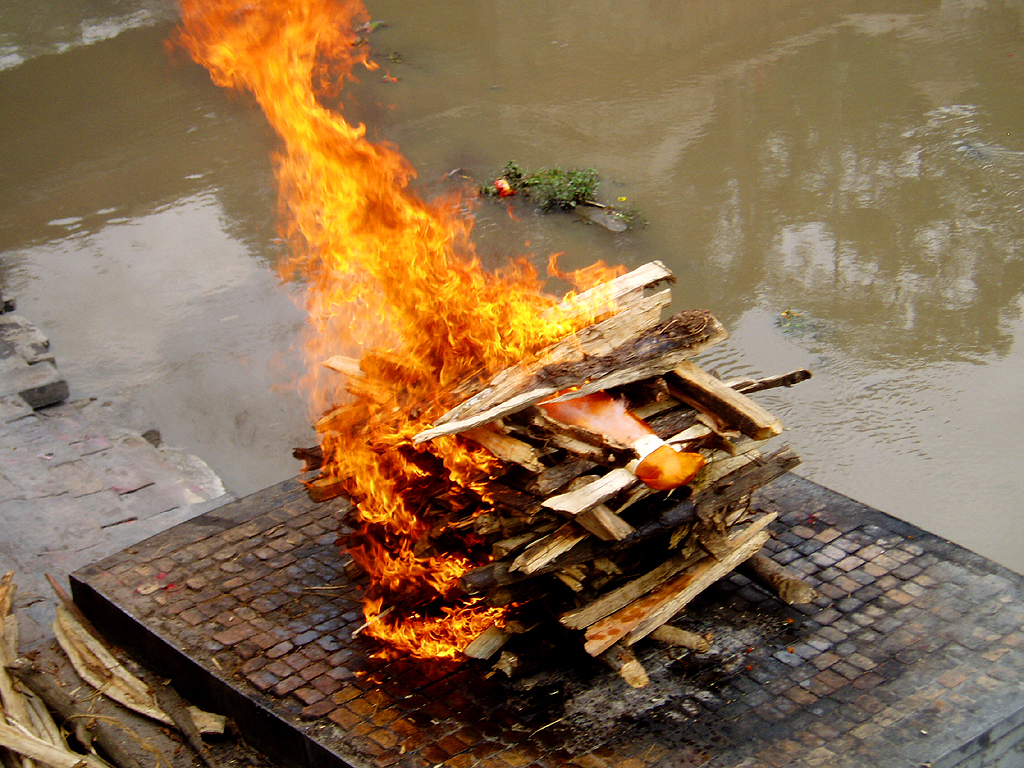
The scattering of human or animal cremated remains within national park boundaries requires a special use permit under federal regulation 36 CFR 2.62. Permits are issued for specific locations and dates, generally at no cost but with limitations on which park areas allow scattering. Visitors who arrive at a national park entrance station with an urn containing cremated remains and no permit will typically be asked to return to a designated permit office. Most parks process permits in 1 to 5 business days. The rule exists to protect designated wilderness, sensitive habitat, and visitor experience at popular viewpoints — but it surprises many families who arrive for what they assumed would be a simple scattering ceremony.
5. Foraged Plants, Mushrooms, and Wild Foods
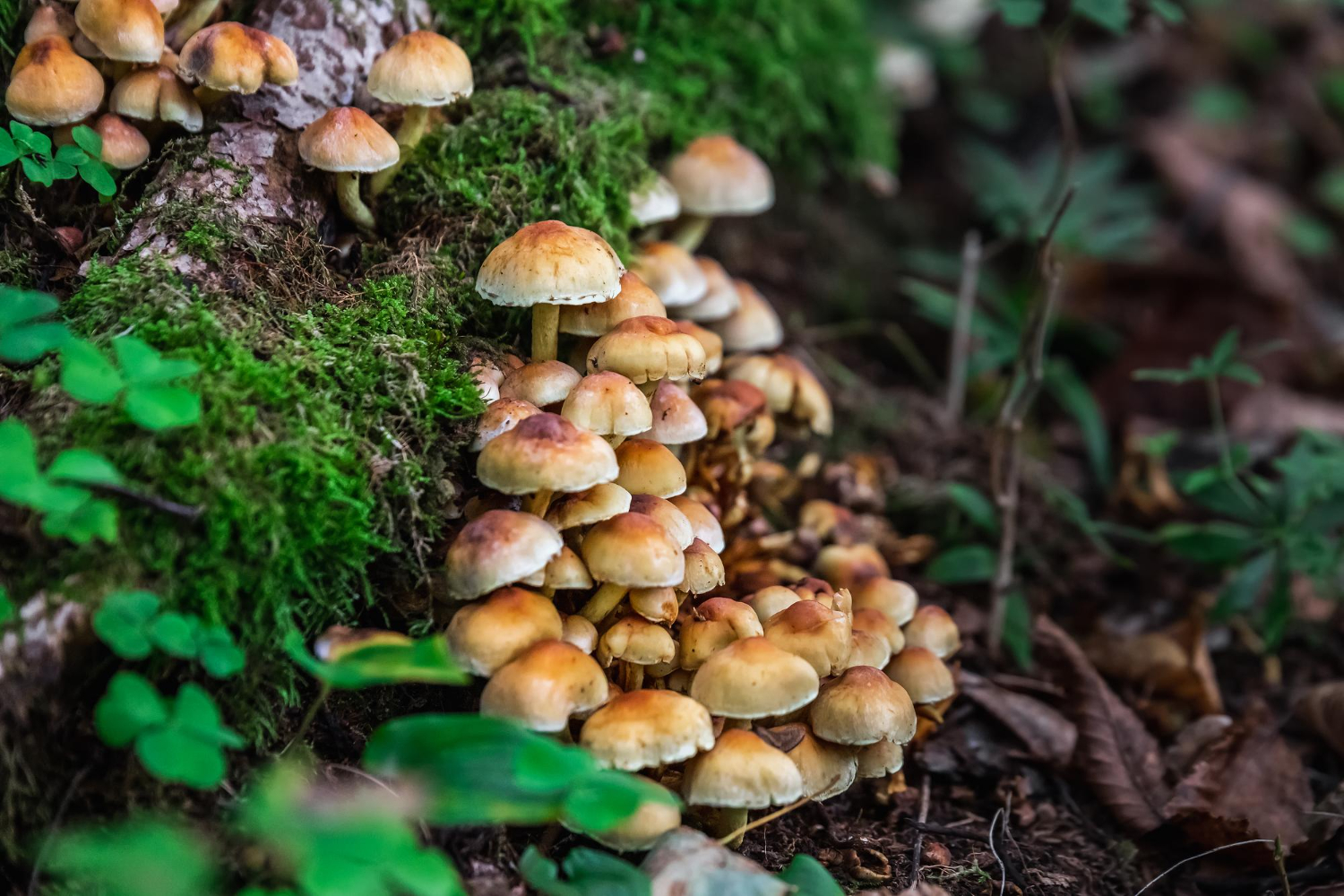
Federal regulation 36 CFR 2.1 prohibits the removal of natural objects from national parks, including plants, mushrooms, rocks, fossils, antlers, and any other natural material. The rule applies to mushroom foragers, wildflower collectors, agate-hunters, and even visitors picking up a pretty rock or pinecone. Some parks have exceptions for personal-consumption berry picking in specified quantities — Olympic National Park, for instance, allows up to 1 quart of berries per person per day from designated areas. Most parks have no foraging exceptions. Rangers actively patrol popular foraging routes during mushroom season in particular. Foraging-confiscation incidents have risen as foraging has gained social-media popularity, with morel mushroom hunters being the most-frequent offenders at parks including Shenandoah and Great Smoky Mountains.
6. Pet Food Left Outside at Many Campgrounds
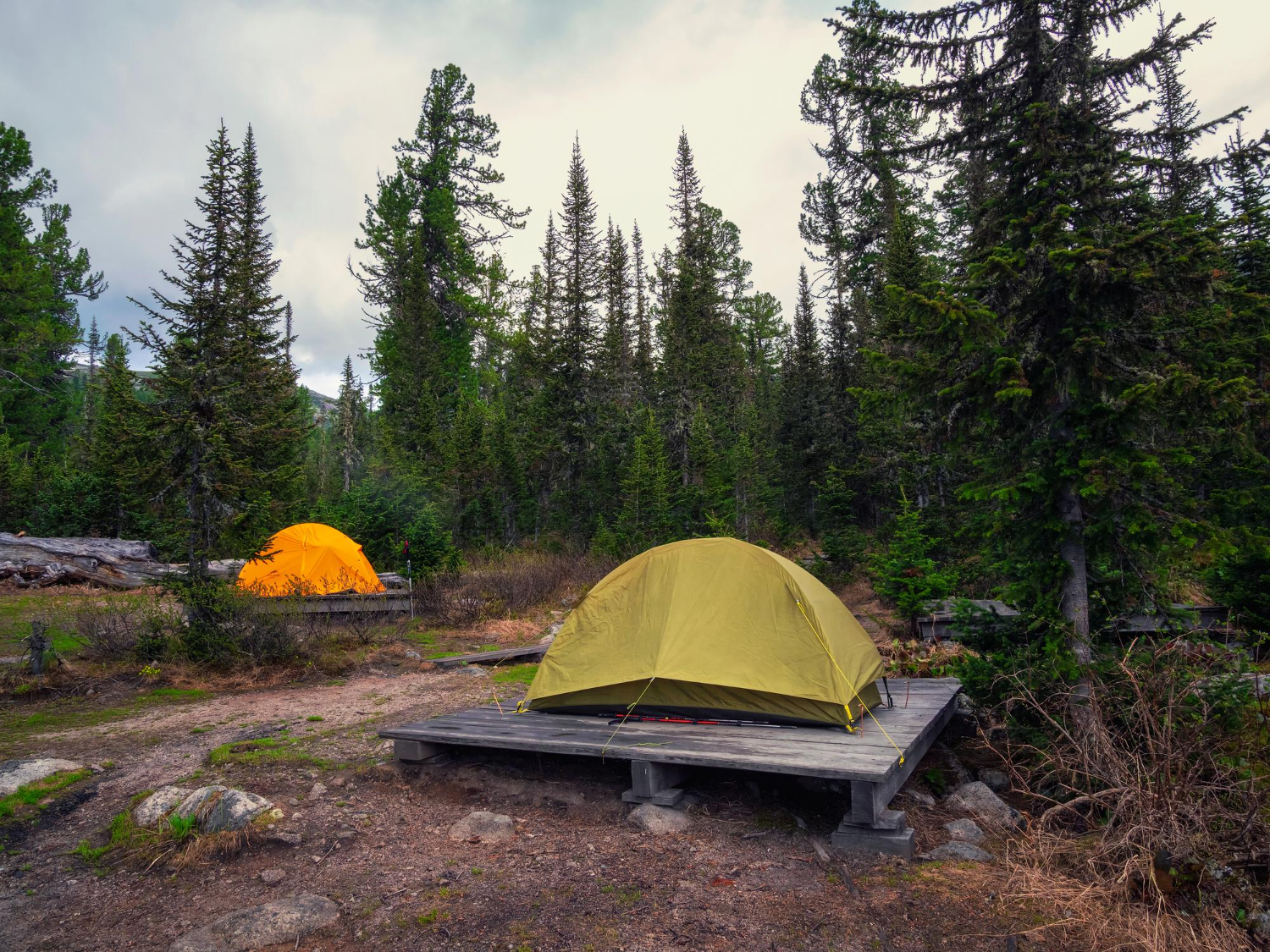
Many national park campgrounds, particularly those in bear country, prohibit leaving pet food, pet treats, or pet water bowls outside in any unattended state. Federal regulation 36 CFR 2.10 requires food storage in approved bear-resistant containers or vehicle trunks. Pet food specifically must be treated as bear-attracting. Rangers at Yosemite, Sequoia, Glacier, and Grand Teton routinely confiscate pet food bowls left outside at campsites. Repeat violations result in campsite ejection. Visitors planning to camp with pets should research the specific park’s food-storage rules before arrival. Most parks publish detailed bear-country pet rules on their websites.
7. Cannabis Products, Even in States Where Legal
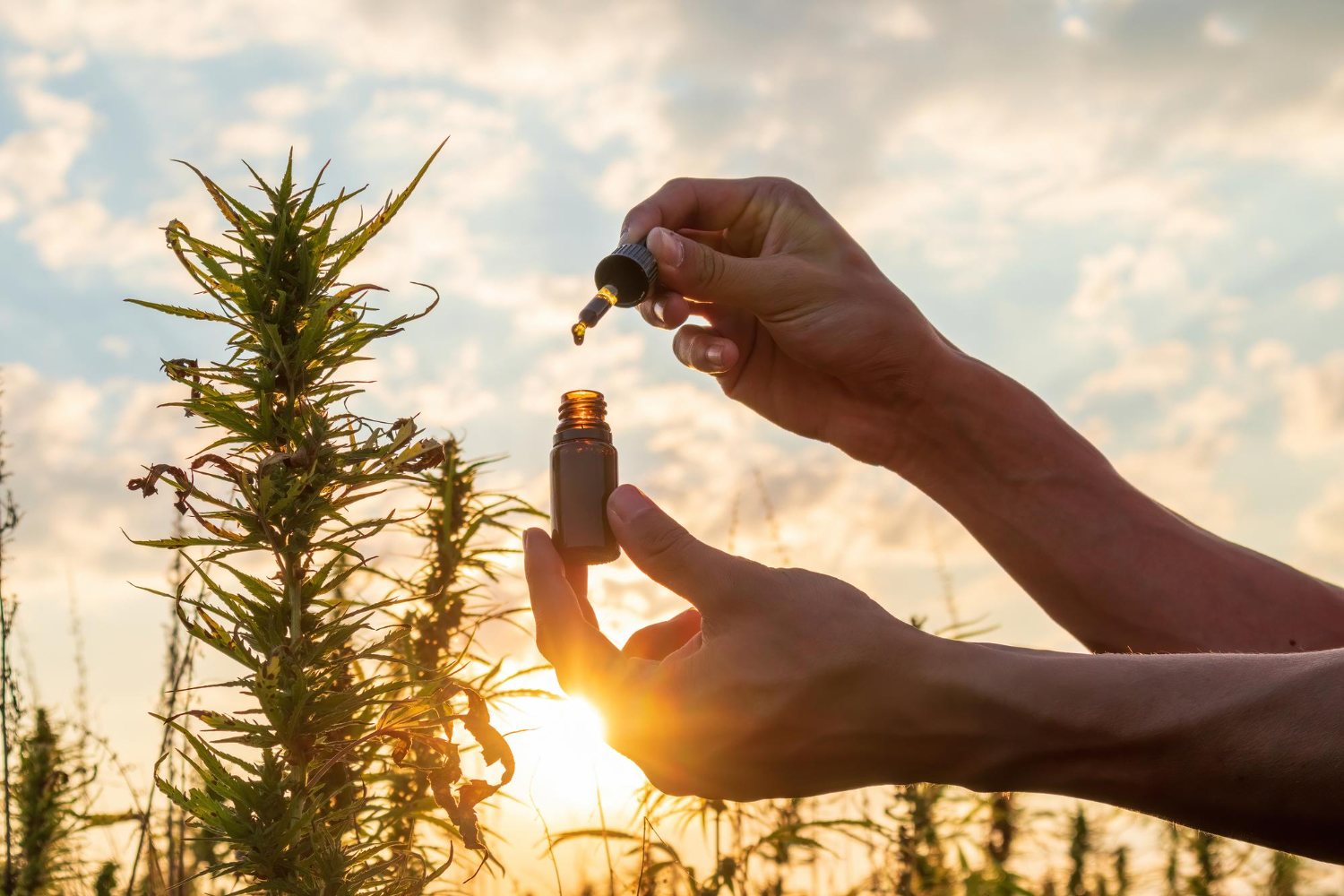
Marijuana possession remains a federal Schedule I offense, and national parks are federal land. The fact that recreational or medical marijuana is legal under state law in Colorado, California, Washington, Oregon, Nevada, and many other states does not affect the federal status. National park rangers can and do issue citations for possession within park boundaries, with first-offense fines typically running $100 to $500. The rule applies even to small quantities. CBD products containing less than 0.3 percent THC are technically legal under the 2018 Farm Bill but are frequently confiscated due to officer-level confusion between hemp-derived CBD and marijuana products. Visitors should pack any cannabis products in their luggage and not carry them through park entrance stations.
8. Certain Insect Repellents and Aerosol Containers
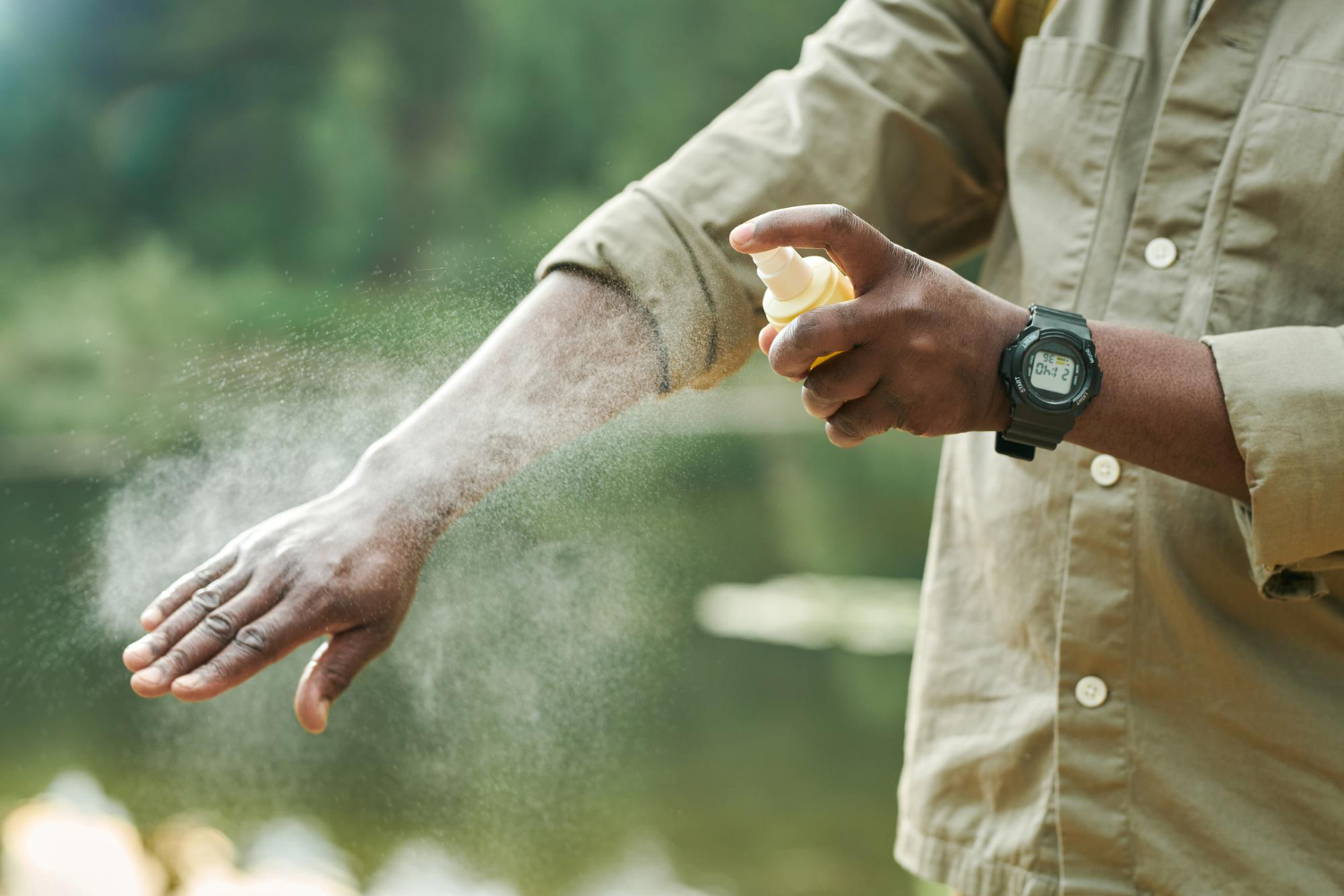
Many national park backcountry permits and some frontcountry areas prohibit aerosol insect repellent due to wildlife and water-quality concerns. The rule applies particularly in the Boundary Waters Canoe Area Wilderness, Boundary Waters-adjacent National Park Service areas, and several alpine wilderness zones. Pump-spray and stick-form insect repellent is typically permitted. Aerosol cans with propellants are restricted in fire-restricted zones during drought season. Rangers at Glacier, Yellowstone, and Sequoia have increased aerosol confiscations during fire seasons since 2020. Visitors planning backcountry trips should research their specific park’s aerosol rules and pack non-aerosol alternatives.
9. Firewood Brought From Other States
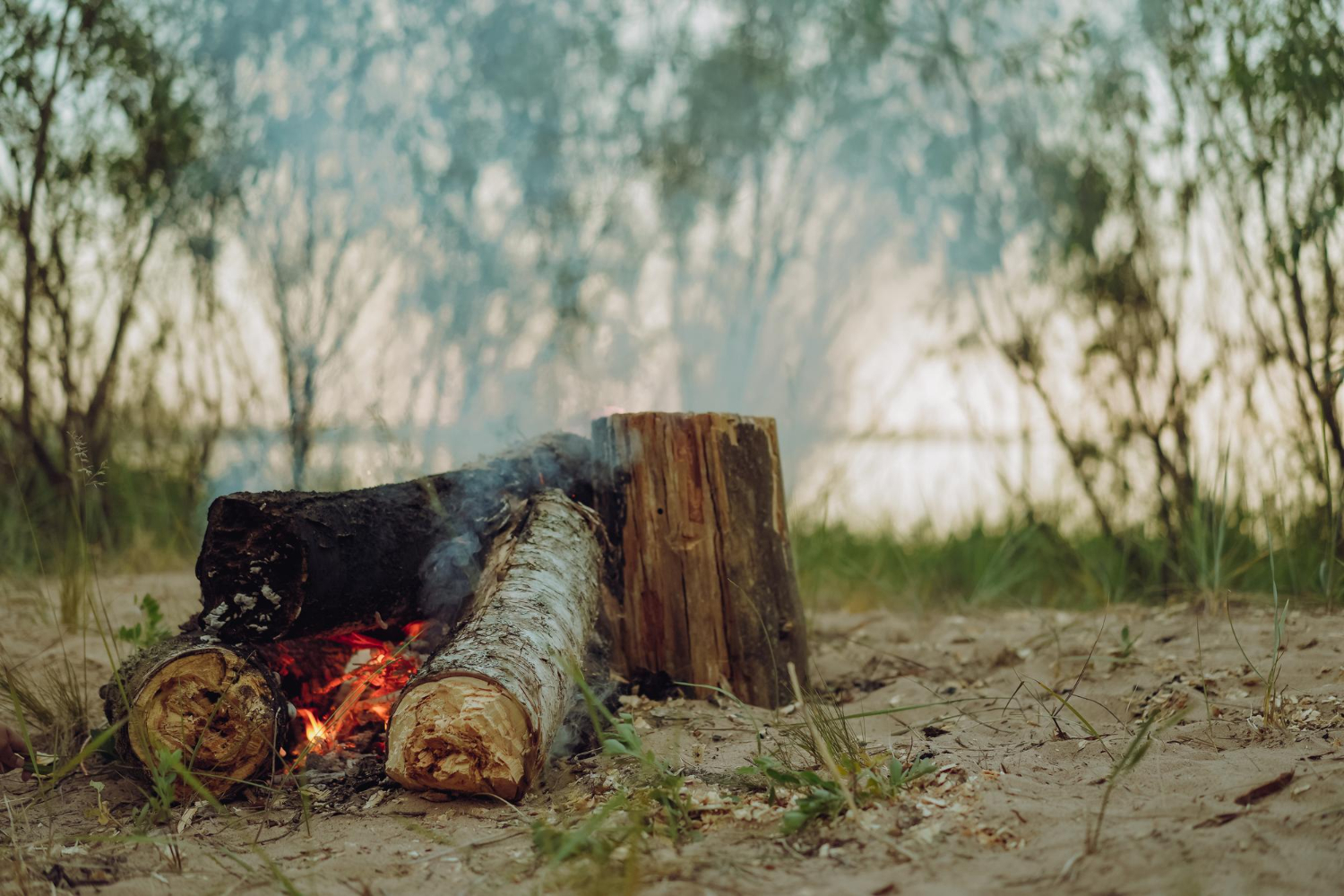
Federal and state regulations prohibit the transport of firewood across state lines or between certain regions due to the spread of invasive species including the emerald ash borer, the spotted lanternfly, and various wood-boring insects. The U.S. Department of Agriculture’s Animal and Plant Health Inspection Service has issued movement restrictions on firewood for over a decade. Most national park campgrounds prohibit firewood brought from outside the park’s region and require visitors to purchase firewood at park concessionaires or gateway towns. Rangers confiscate firewood brought from out-of-region states at entrance stations or campground check-ins. The rule is particularly enforced at Acadia, Shenandoah, and Cuyahoga Valley due to known invasive species pressure in those regions.
10. Personal Watercraft and Inflatable Boats at Many Parks
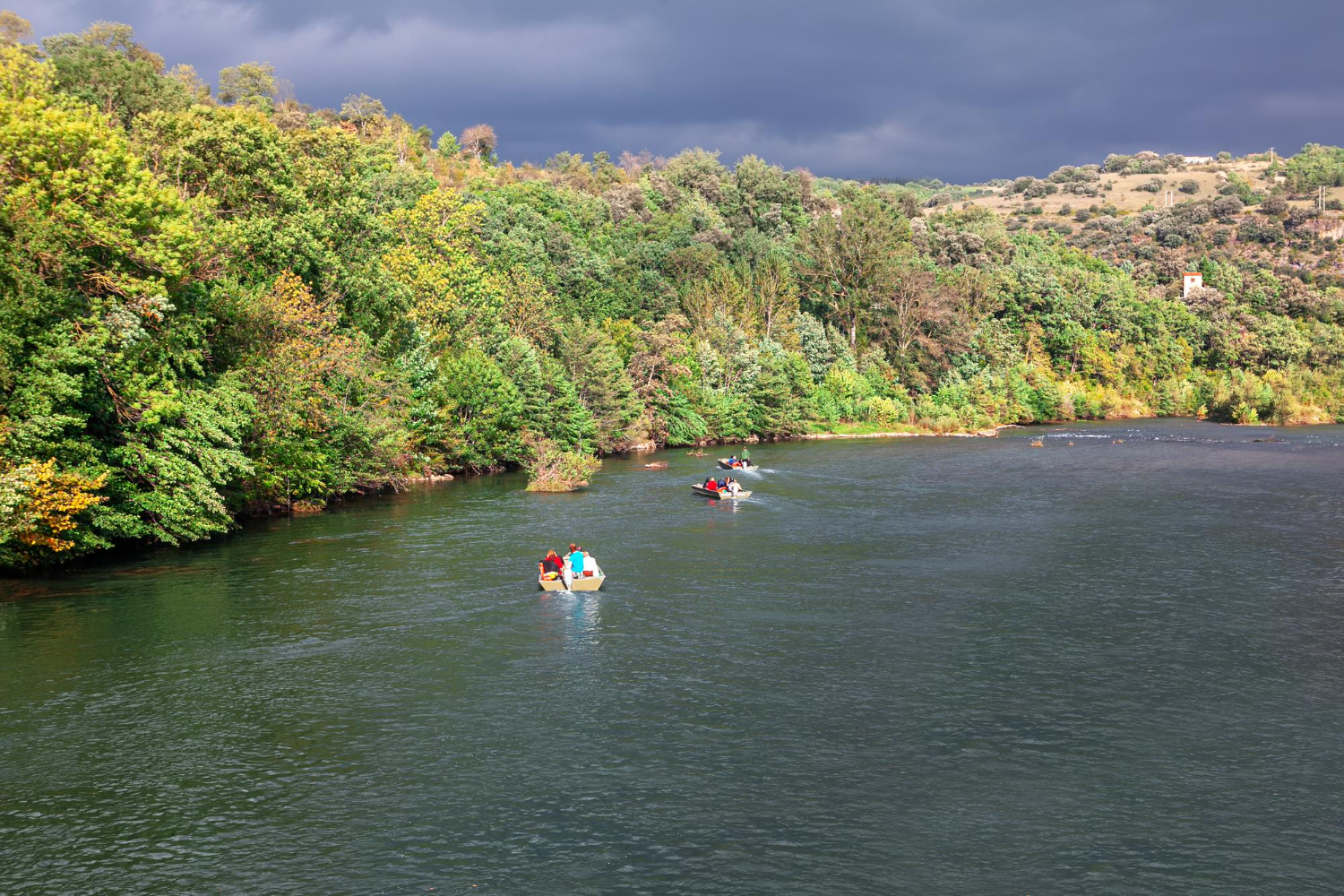
Personal watercraft (Jet Skis, Sea-Doos) are prohibited at most national park waters, including all major lakes and rivers within Yellowstone, Grand Teton, Glacier, and many smaller park bodies of water. Inflatable rafts, kayaks, and stand-up paddleboards have separate per-park rules. Several parks require a paid permit and a quagga mussel inspection before launching any personal watercraft. Rangers at Lake Powell, Lake Mead, and Lake Mohave conduct active inspections. Visitors arriving with rafts or paddleboards should research their target park’s specific rules and budget time for the inspection process. Confiscation is rare but launch denial is common when proper permits or inspections are missing.