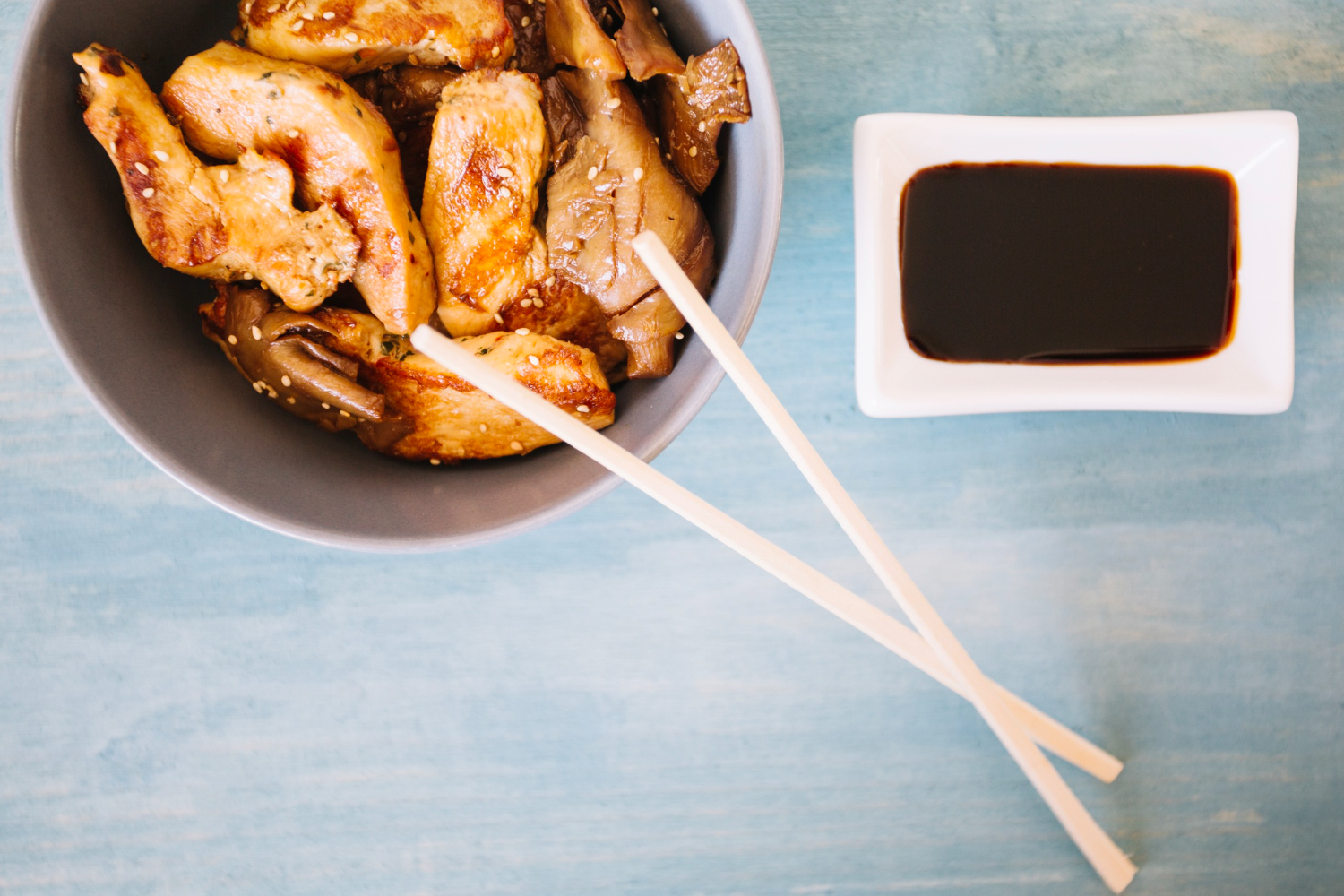
In July 2016, Singapore’s inaugural Michelin Guide did something the global Michelin organization had never done: awarded one Michelin star to two street food hawker stalls. Liao Fan Hong Kong Soya Sauce Chicken Rice & Noodle, run by Chef Chan Hon Meng, sold soya sauce chicken rice for SGD $2 (USD $1.40) — making it the cheapest Michelin-starred meal in human history. Five years later, in 2021, the stall lost its Michelin star. The story reveals something specific about how prestigious food awards interact with traditional food cultures — and what happens to a tiny street food operation when global fame collides with the realities of running a hawker stall.
The 2016 Singapore Michelin Guide announcement genuinely shocked the global culinary world. Michelin had been awarding stars to upscale restaurants for over 100 years — typically French and European fine dining establishments with substantial physical infrastructure, formal service, and prices to match. The decision to award stars to two Singapore hawker stalls — small street food operations in shared food court complexes — challenged fundamental assumptions about what constituted star-worthy dining. The two stalls represented a specific moment when the most prestigious culinary award acknowledged that exceptional food doesn’t require fine dining infrastructure.
The Singapore Hawker Center Tradition
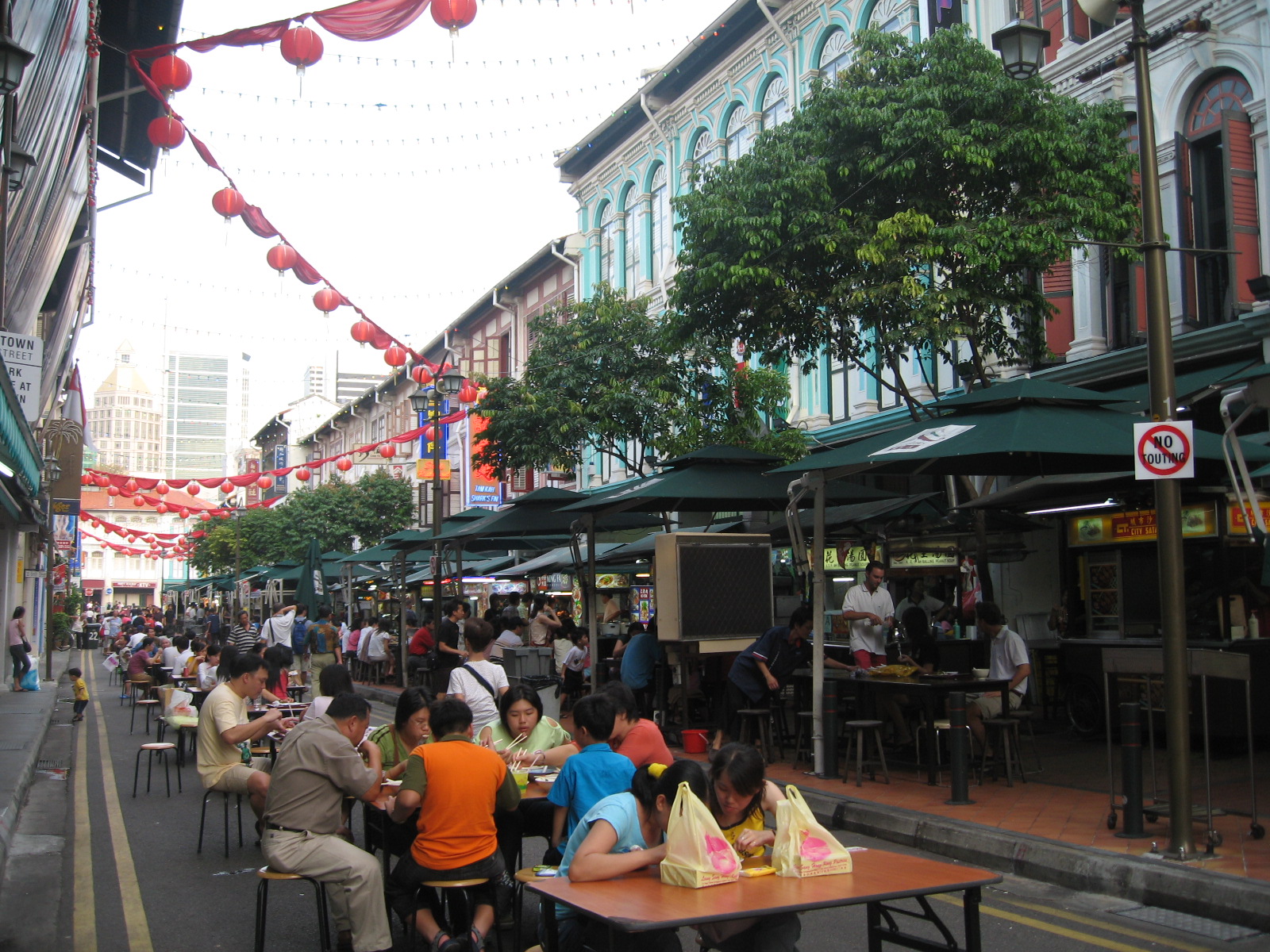
Singapore’s hawker centers are large open-air food courts containing dozens of independent food stalls (called “hawker stalls”). The system developed in the 1970s when Singapore’s government consolidated street food vendors into permanent licensed locations to address sanitation and traffic concerns. Modern Singapore has over 100 hawker centers containing more than 6,000 stalls. The hawker center model genuinely solved specific urban problems while preserving traditional street food culture in regulated form.
UNESCO recognized Singapore’s hawker culture as Intangible Cultural Heritage of Humanity in December 2020. The recognition reflected substantial documentation of the cultural significance, the diverse food traditions represented, and the social function the hawker centers serve as multicultural community spaces. Singapore is genuinely unusual in maintaining vibrant street food culture within highly regulated urban infrastructure — most countries have either uncontrolled street food or eliminated it entirely.
Chef Chan Hon Meng’s Background
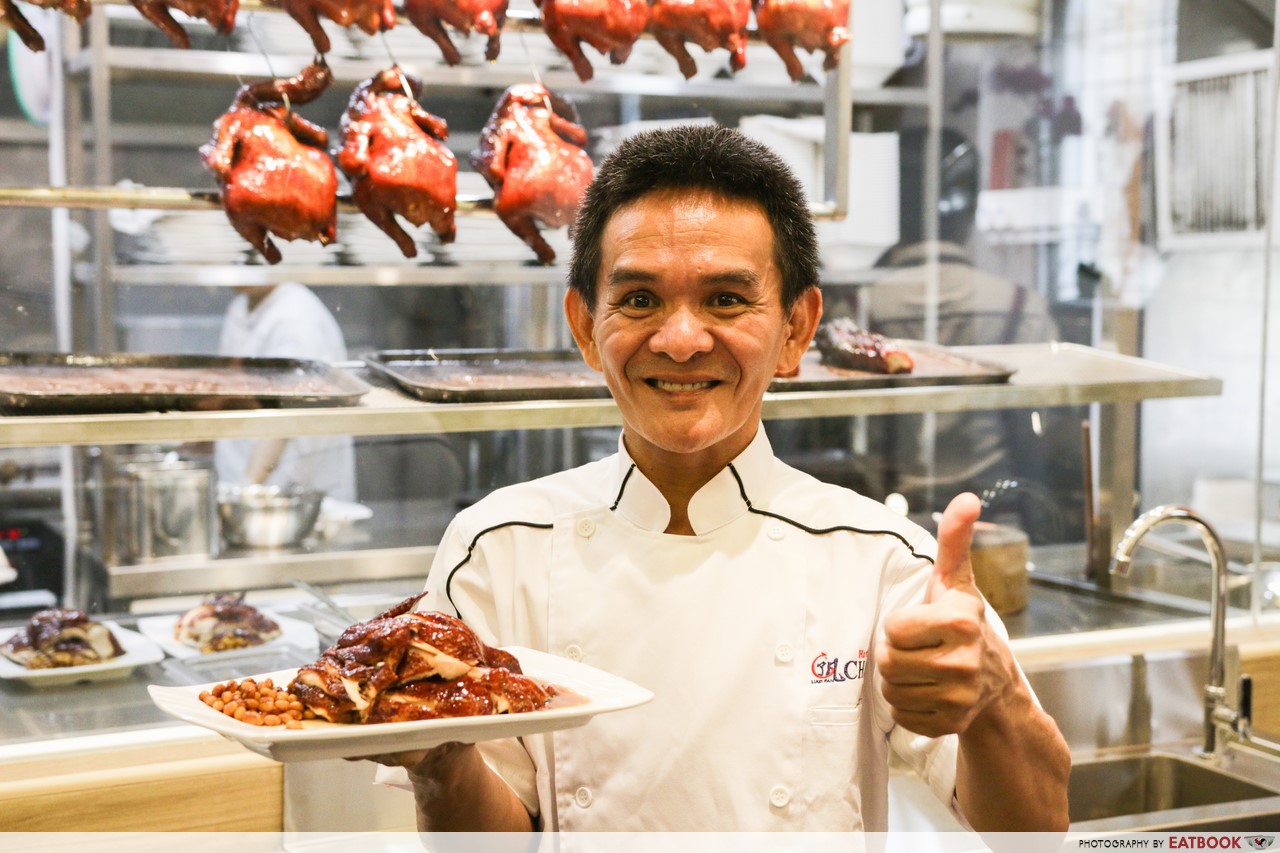
Chan Hon Meng (the chef behind Liao Fan) had a substantially humble background. He left school at age 15 in his hometown and traveled to Singapore seeking work. During his early years there, he apprenticed under a Hong Kong chef and developed his soya sauce chicken recipe. The Hong Kong-style soya sauce chicken (uncommon in Singapore at the time) provided distinctive offering that distinguished his eventual stall from competitors.
In 2009, Chan opened Liao Fan Hong Kong Soya Sauce Chicken Rice & Noodle in Chinatown Complex Food Centre — one of Singapore’s largest hawker centers. The stall operated for seven years before any major recognition, building reputation gradually through word-of-mouth and consistent quality. Even before the 2016 Michelin recognition, queues of 30-45 minutes were common at lunch hours. The pre-Michelin success indicated genuine local appreciation for the food rather than just tourist novelty interest.
The 2016 Michelin Star Announcement
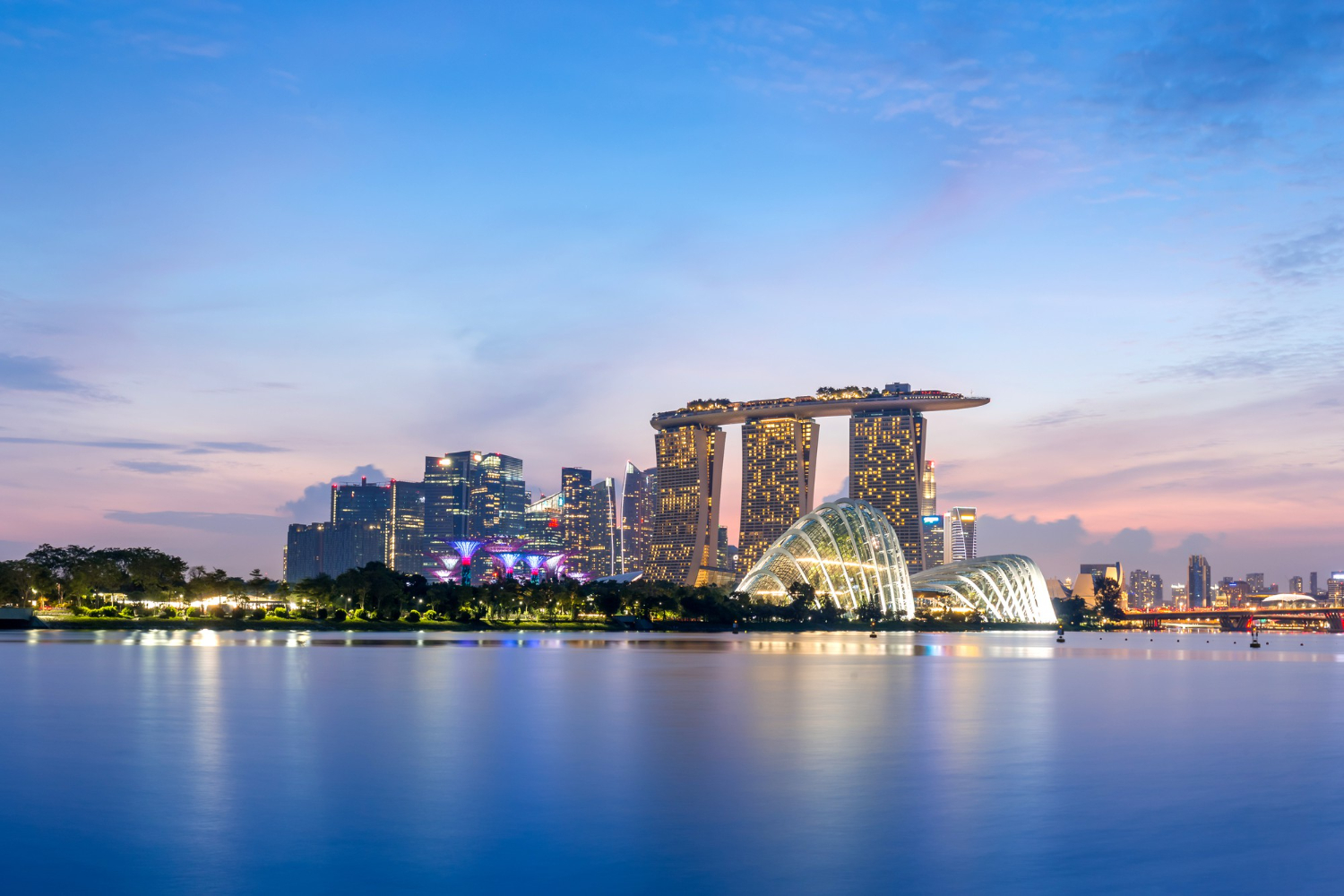
The Singapore Michelin Guide’s inaugural edition was published in July 2016 — the first time Singapore had ever received its own Michelin Guide. The announcement included substantial restaurant categories (one-star, two-star, three-star) plus the Bib Gourmand designation for affordable quality dining. The shock came when two hawker stalls received full one-star designation: Liao Fan Hong Kong Soya Sauce Chicken Rice & Noodle and Hill Street Tai Hwa Pork Noodles (in Crawford Lane).
Both became the world’s first hawker stalls to receive Michelin stars. Both gained the title “World’s First Hawker Michelin-Starred Meal.” Liao Fan additionally claimed “Cheapest Michelin-Starred Meal in the World” with its SGD $2 price (about USD $1.47 at the time). The recognition challenged fundamental Michelin Guide assumptions and generated substantial international coverage. Some critics dismissed the awards as gimmicky publicity stunts; others celebrated the recognition that exceptional food deserves recognition regardless of presentation context.
What Happened After the Award
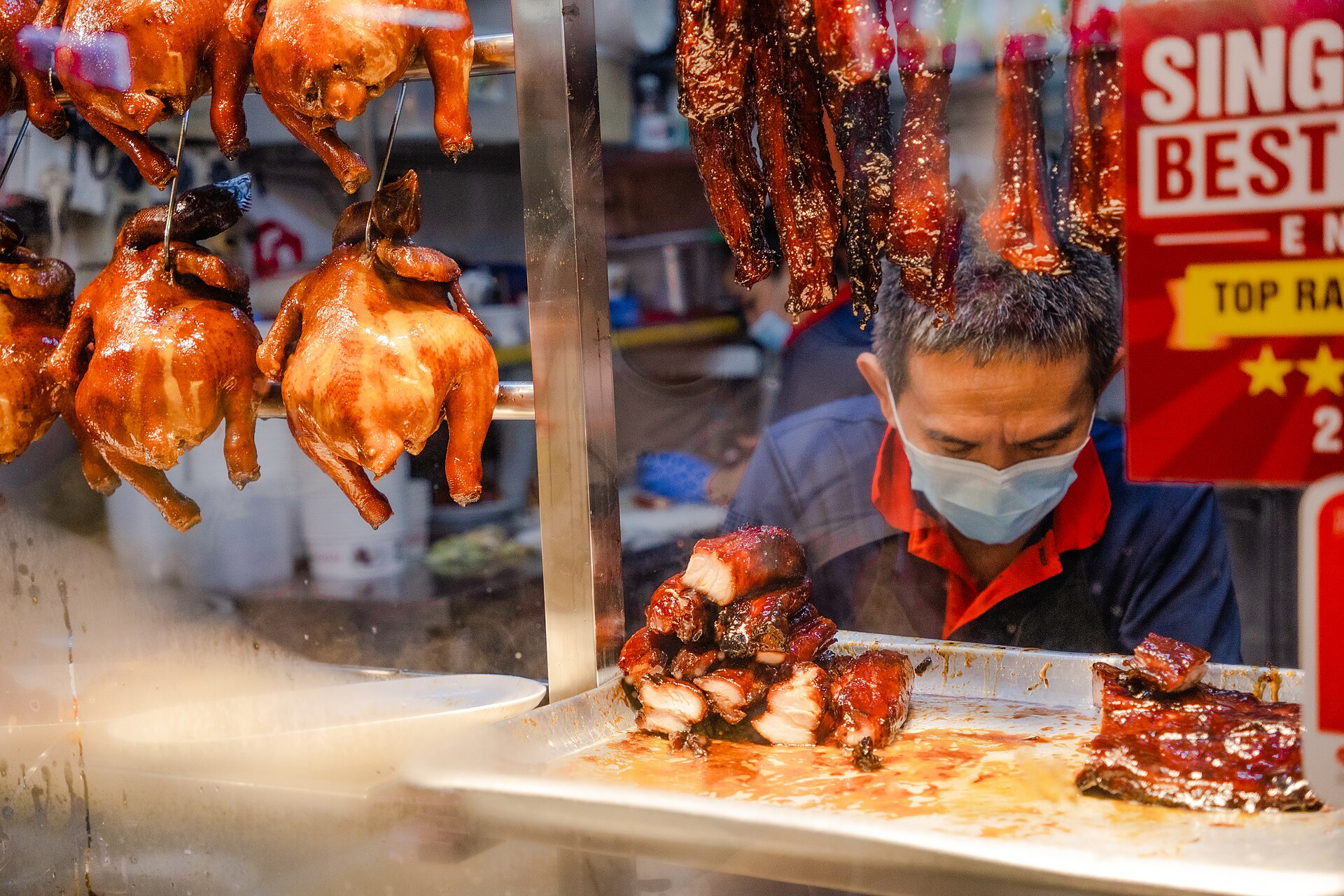
The immediate practical impact on Liao Fan was substantial. Wait times extended from the previous 30-45 minutes to 1-2 hours regularly. Daily sales increased from approximately 150 lunch dishes to about 180. The stall became a major Singapore tourist destination — international travelers specifically planned visits to experience the cheapest Michelin-starred meal in the world. International media coverage was extensive. Chef Chan became internationally famous, eventually gaining the marketing identity “Hawker Chan.”
The success created specific challenges. The original tiny stall couldn’t accommodate substantially increased demand. Food preparation pace remained fundamentally limited by the constraints of cooking traditional Hong Kong-style soya sauce chicken — there was no way to dramatically increase production without compromising quality. Customers waited longer for the same food that previously had reasonable wait times. The Michelin star created success that potentially undermined what made the food worth queueing for.
The Hawker Chan Expansion
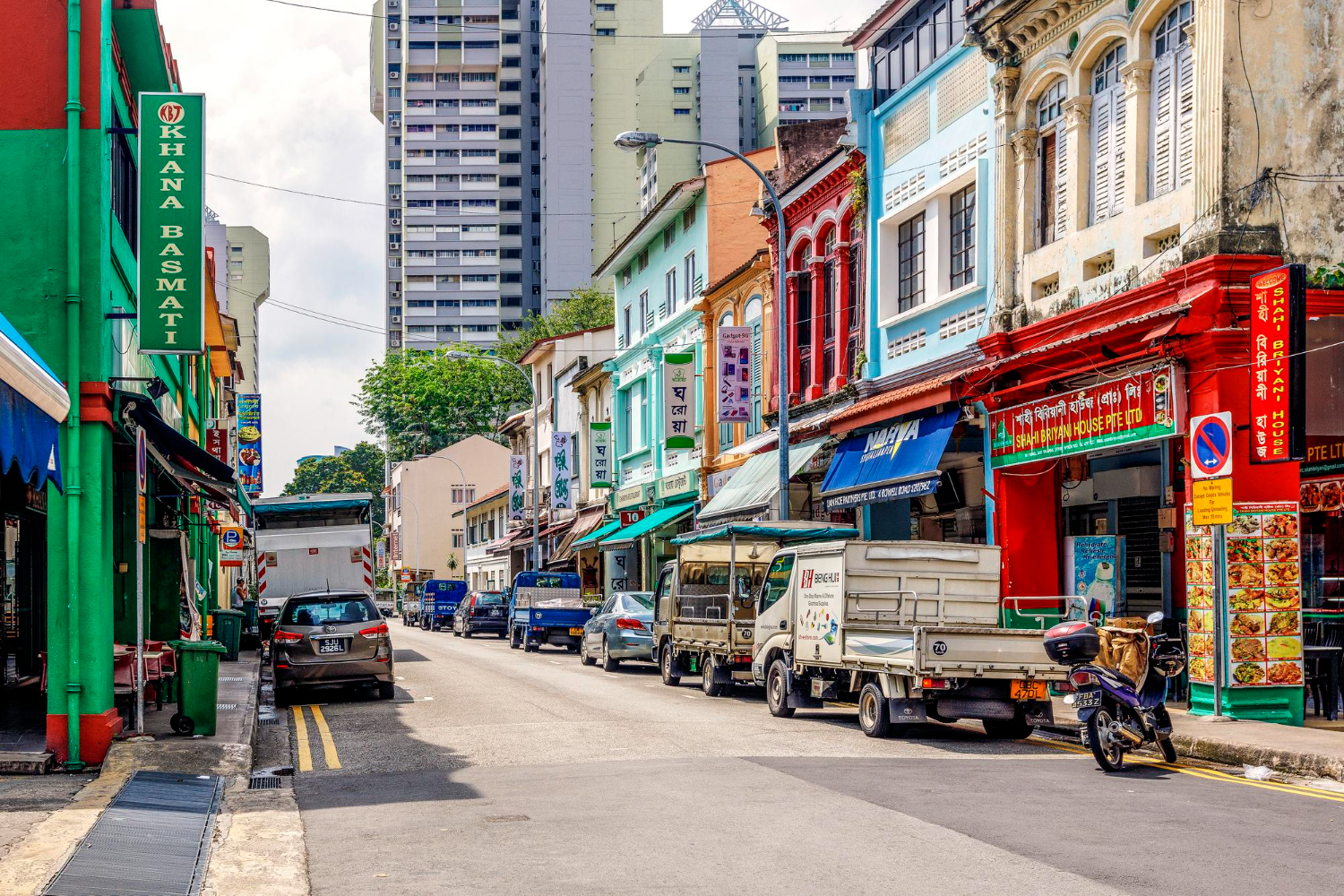
Chef Chan partnered with Hersing Culinary for global expansion. The “Hawker Chan” brand opened additional locations including a sit-down restaurant at 78 Smith Street in Singapore (which received Michelin Bib Gourmand designation in 2017), plus international franchise locations in Taipei, Bangkok, and various other cities. The brand eventually operated over 30 outlets worldwide.
The expansion created specific tensions. The original Chinatown Complex stall remained operational and Chef Chan continued working there personally. But the brand’s identity was increasingly associated with the franchised restaurants rather than the original street food experience. Some food critics argued that the brand expansion undermined the authenticity that had made the original recognition meaningful. Others saw the expansion as legitimate commercialization of well-deserved success. The debate reflected broader questions about whether street food traditions can be successfully scaled while maintaining their character.
The 2021 Michelin Star Loss
In 2021, the Singapore Michelin Guide stripped Liao Fan Hong Kong Soya Sauce Chicken Rice & Noodle of its Michelin star — five years after the original award. The official Michelin announcement provided minimal specific explanation, as is typical for the guide’s decisions. Various theories emerged about reasons including: declining quality during expanded production, the impact of brand expansion on focus, COVID-19 era operational changes, and various other factors. The stall was retained in the Michelin Bib Gourmand category (recognizing affordable quality dining) but lost the prestigious star designation.
Hill Street Tai Hwa Pork Noodles, the other 2016 hawker stall awarded a star, retained its Michelin star through subsequent guide editions. The differential outcome between the two original hawker stars suggested that the Michelin organization continued to value hawker stall recognition but applied the same evolving quality standards to hawkers as to traditional restaurants.
The Current Situation in 2026
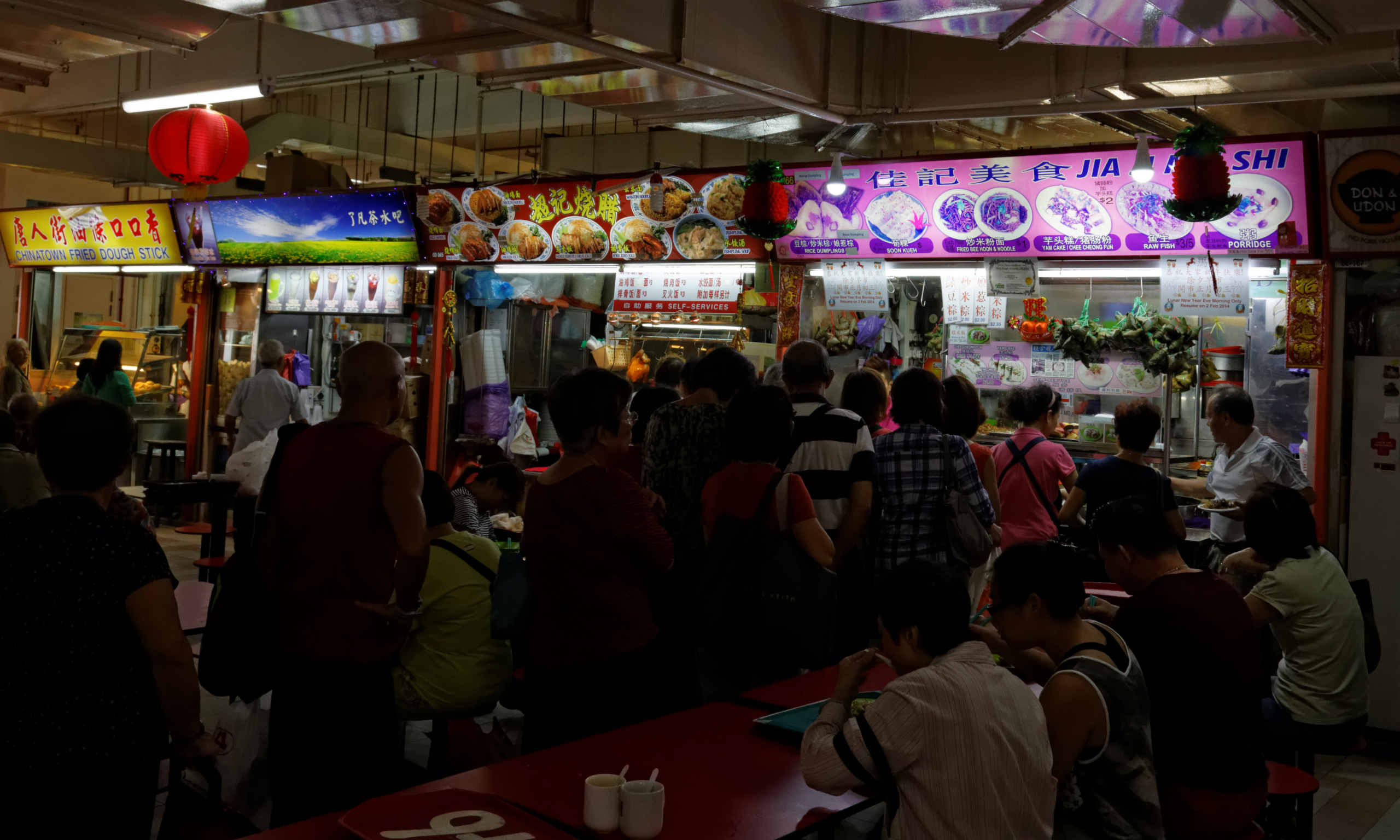
The original Liao Fan stall continues operating in Chinatown Complex Food Centre. Chef Chan still works there personally, though he’s been training family members to eventually take over operations. The food remains substantially the same as before the Michelin star — same recipes, same preparation methods, similar pricing (now somewhat higher than the original $2 due to general inflation but still substantially affordable). Wait times have decreased somewhat since losing the star, though queues remain substantial.
The stall continues holding Michelin Bib Gourmand designation, indicating continued recognition for affordable quality. The Hawker Chan brand operates multiple locations globally. Chef Chan’s hopes for the original Michelin recognition included encouraging young people to enter hawker professions to address concerns about elderly hawker chefs without successors. Whether the recognition has had this broader impact on Singapore’s hawker culture remains debated.
What the Story Actually Reveals About Food Awards
The Liao Fan story reveals specific things about how prestigious culinary awards interact with traditional food cultures. The 2016 recognition was genuinely revolutionary — Michelin acknowledged that exceptional food can come from any source. The subsequent fame transformed a humble street food stall in ways that proved difficult to manage sustainably. The 2021 star loss reflected either genuine quality decline or the difficulty of maintaining star-level quality under massively increased production pressure.
The broader question — whether prestigious food awards help or hurt the traditional food cultures they recognize — remains contested. Recognition brings tourism, media attention, business opportunities, and economic benefits. It also brings overcrowding, expansion pressures, succession complications, and potential dilution of the qualities that justified recognition in the first place. The Liao Fan experience demonstrates both sides of this tension.
How to Visit Today

For travelers interested in experiencing the original Liao Fan hawker stall, practical guidance: the stall is located at Blk 335, Smith Street #02-126, Chinatown Food Complex, Singapore 050335. Operating hours: 10:30 AM – 8:00 PM (or until sold out) seven days a week. Wait times vary substantially by time and season — typically 30-90 minutes during peak hours. The signature dish is soya sauce chicken rice; other options include various rice and noodle dishes with chicken, pork, or other proteins. Prices remain substantially affordable by Singapore standards (approximately SGD $4-6 for most dishes in 2026).
The experience is genuinely worth pursuing for travelers interested in either Singapore’s hawker culture or food history more broadly. The stall represents a specific moment when global culinary recognition acknowledged street food’s legitimate culinary significance. Even after losing the Michelin star, Liao Fan remains historically important. Visiting is essentially food history tourism — eating at a place that briefly held one of the most surprising honors in global food awards while continuing to serve the basic Singaporean working population that has supported it since 2009.
What This All Represents
The Liao Fan story represents what happens when global culinary recognition encounters traditional street food culture. The 2016 Michelin star was a watershed moment that legitimized hawker dining as worthy of the most prestigious food award. The subsequent expansion, fame management challenges, and eventual star loss demonstrate the specific complications that arise when traditional food operations are forced to scale rapidly. Modern Singapore’s hawker culture remains vibrant and important — the broader recognition through UNESCO’s 2020 Intangible Cultural Heritage designation arguably matters more than individual restaurant Michelin stars. Liao Fan continues operating successfully without the star, serving the same basic population it served before the original recognition. The temporary fame and its complications didn’t fundamentally change what the stall actually is — a small street food operation serving traditional Hong Kong-style soya sauce chicken to whoever shows up willing to wait. The Michelin recognition was genuine acknowledgment of quality. Its eventual loss was probably also genuine. Both reflect the reality that sustainable culinary excellence requires specific conditions that don’t always survive the changes that come with international recognition.