Some places in America look great on postcards, rack up huge visitor numbers, and dominate travel guides. Ask locals, though, and you’ll hear a different story. Crowds, crime patterns, declining infrastructure, and over-commercialization have pushed several big-name spots into the “skip it” category. Using resident feedback, tourism reports, and publicly available data on safety and visitor trends, these destinations come up again and again as places travelers regret visiting. Understanding why locals warn against them can help you plan smarter and avoid frustration on your next trip.
Times Square, New York City

New Yorkers will tell you Times Square isn’t a neighborhood so much as a glowing crush of humanity. NYC pedestrian counts regularly clock more than 330,000 people a day, making it one of the densest foot-traffic zones in the country. Locals point out that most of what you’ll find there are chain stores, mascots looking for tips, and sales pitches you didn’t ask for.
Tourism analysts also highlight higher rates of pickpocketing and petty theft in this zone compared to much of Manhattan. Visitors expecting a cinematic moment often end up overwhelmed, spending more time dodging crowds than enjoying the city.
Hollywood Boulevard, Los Angeles
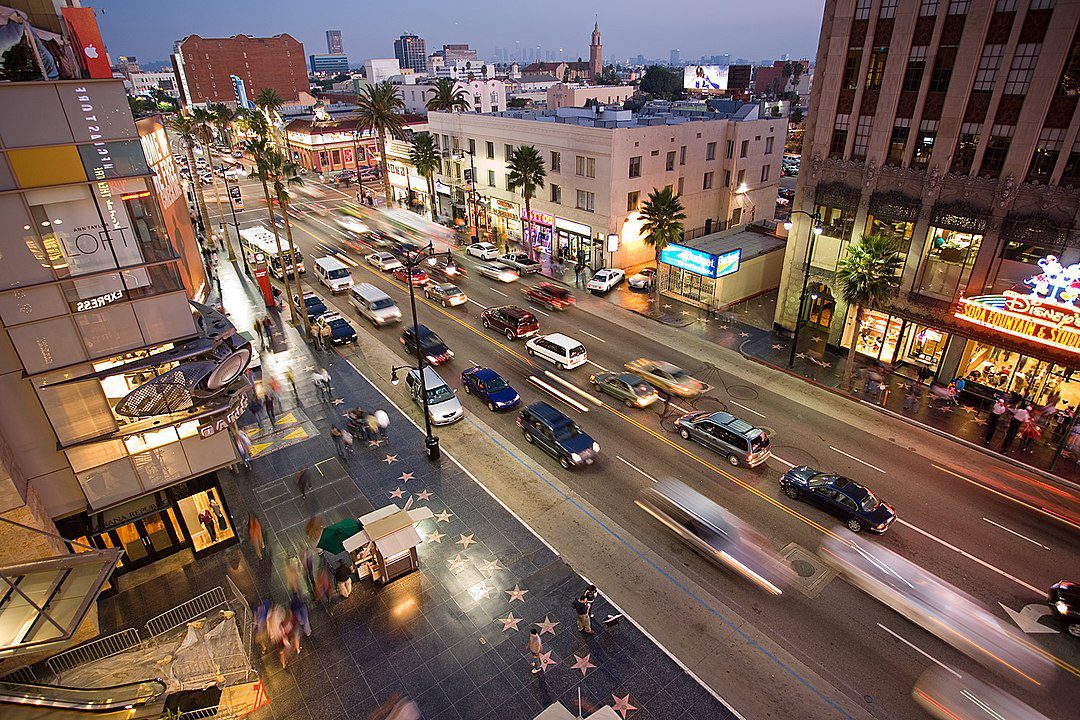
Californians often warn travelers that Hollywood Boulevard isn’t the glamorous playground many imagine. The area surrounding the Walk of Fame has struggled for years with petty crime, aggressive street vendors, and overcrowding, according to the Los Angeles Police Department’s incident data.
Locals say the reality feels far removed from the movie magic advertised online: lots of noise, inconsistent cleanliness, and tourist traps stretching block after block. Most nearby neighborhoods offer better food, better atmosphere, and a far more authentic glimpse of Los Angeles.
Atlantic City, New Jersey
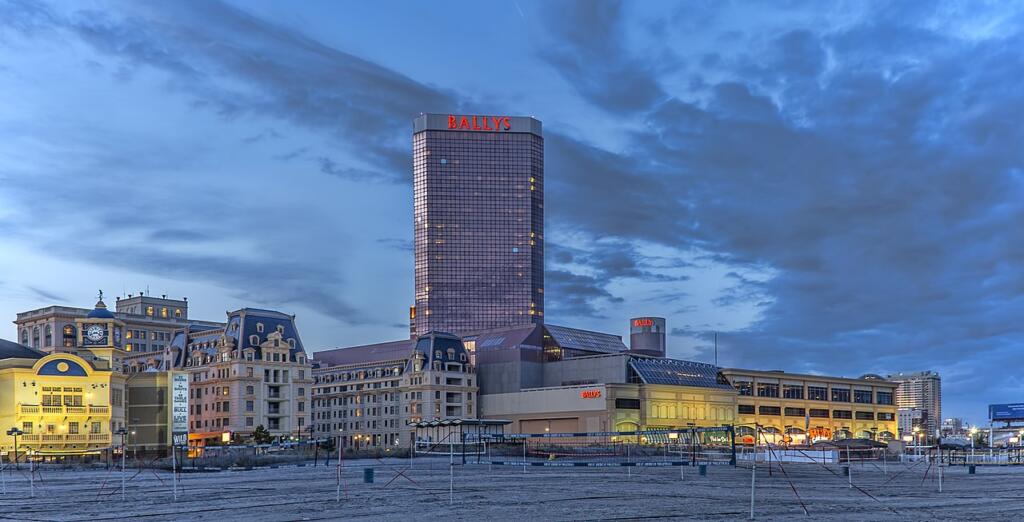
Atlantic City’s famous boardwalk still draws visitors, but locals are blunt about what happens once you step off of it. A decade of casino closures fueled economic decline, which in turn pushed violent crime rates far above the national average, according to New Jersey State Police reports.
While the ocean views are real, many travelers are surprised by how quickly the surrounding neighborhoods reveal long-term infrastructure issues and limited non-gambling attractions. Residents say better beach towns are only a short drive away.
Roswell, New Mexico
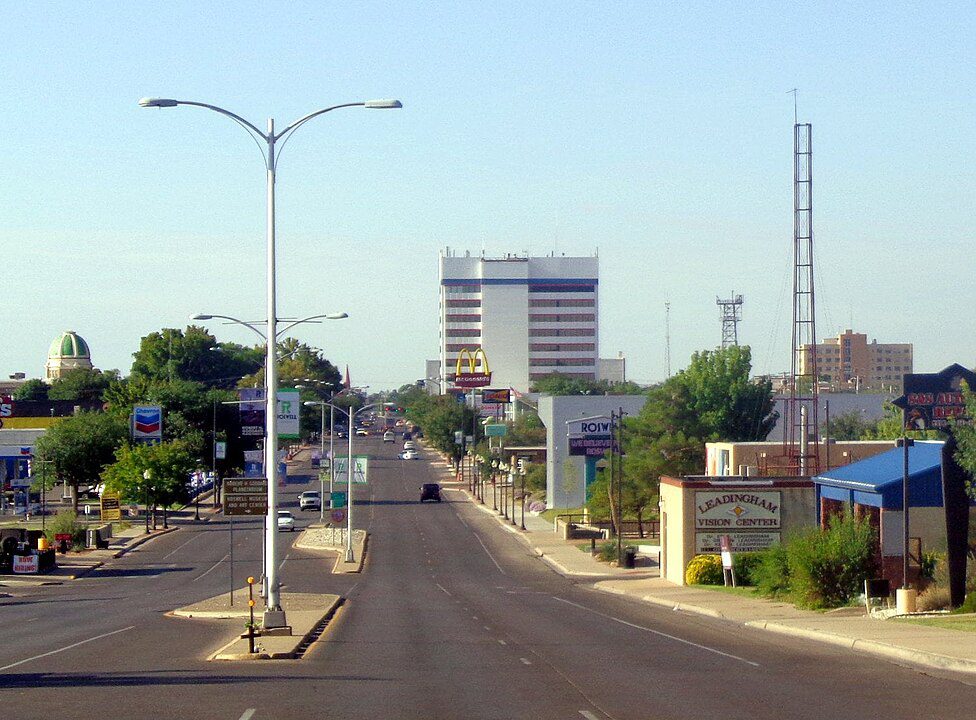
Roswell leans hard into its alien reputation, but locals admit that the experience often falls short of expectations. Most attractions are built around small museums, novelty shops, and themed souvenirs, not high-tech UFO installations or immersive storytelling.
Tourism reports from the region consistently show first-time visitors leaving underwhelmed, noting the lack of broader activities. Residents often advise combining Roswell with other New Mexico destinations unless you’re specifically chasing UFO kitsch.
South of the Border, South Carolina

This roadside landmark along I-95 once pulled in huge crowds, but locals say its best days are long gone. Aging rides, dated decor, and years of declining upkeep have turned it into more of a curiosity stop than a full destination.
State tourism officials have tracked falling visitor reviews and foot traffic, and many travelers now describe it as a quick photo op before getting back on the highway. For most, the nostalgia is stronger than the actual experience.
Bourbon Street, New Orleans
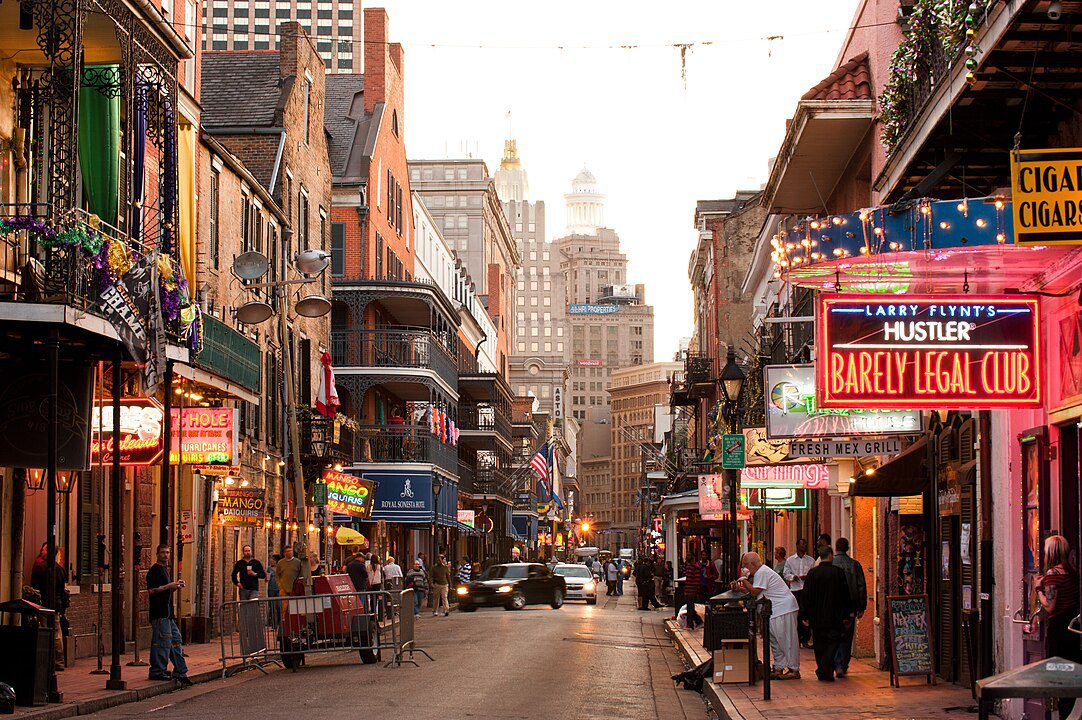
People who live in New Orleans often say Bourbon Street gives visitors the wrong impression of their city. The stretch is packed with bars and tourists, and the New Orleans Police Department reports high levels of disorderly conduct and alcohol-related incidents concentrated in this small area.
Locals recommend exploring other neighborhoods instead, where the music is better, the food is genuinely local, and the atmosphere feels more authentically New Orleans.
Waikiki Beach, Honolulu
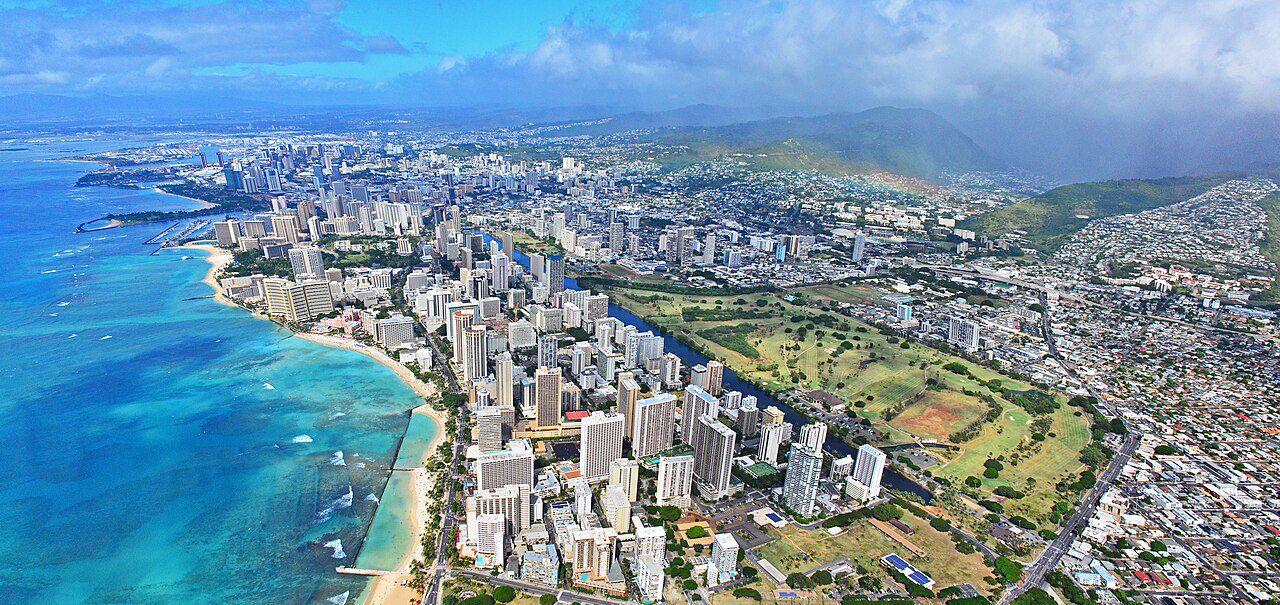
Waikiki is world-famous, but many residents of Oahu say it has become more of a commercial corridor than a beach escape. With four million-plus visitors a year, the area struggles with congestion, inflated prices, and constant development pressure.
Marine researchers have also documented shoreline erosion tied partly to heavy tourism and coastal infrastructure. Locals often steer travelers toward less crowded beaches that show off Hawaii’s beauty without the noise and crowds.
Fisherman’s Wharf, San Francisco

To people who live in San Francisco, Fisherman’s Wharf feels like a stage set built for tourists. Prices are high, crowds are constant, and the area draws an above-average rate of theft and property crime, according to San Francisco Police Department data.
The food is often overpriced, and many residents say the city’s best neighborhoods are far from the waterfront. Visitors looking for character, history, or authentic culture usually find it elsewhere.
The Las Vegas Strip, Nevada
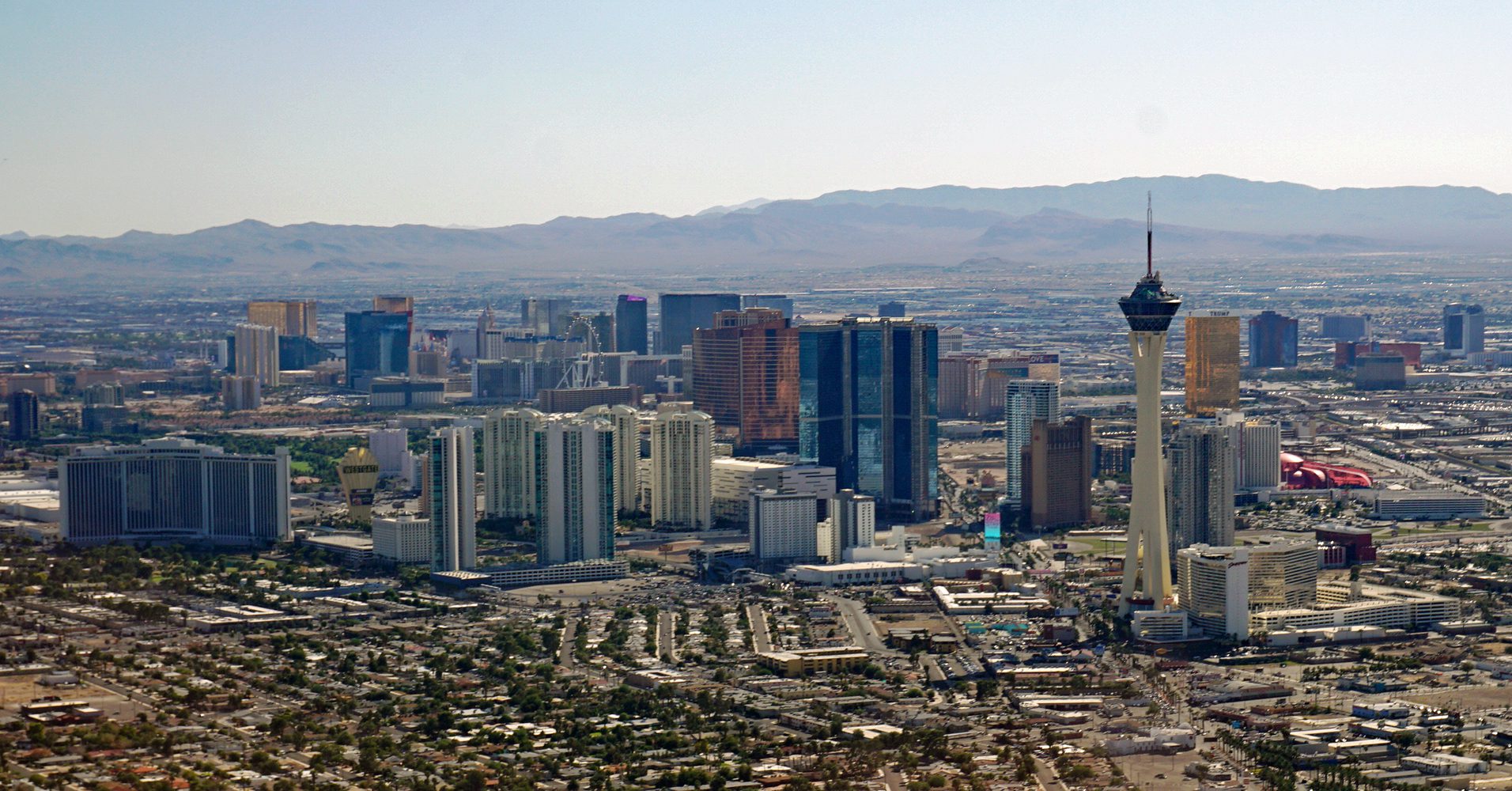
Even Nevadans admit the Strip can be overwhelming. The crowds, heat, noise, and endless walkways create sensory overload for many travelers. Local hospitals regularly report spikes in heat-related emergencies along the Strip during summer because shade is limited and temperatures soar.
While the lights and architecture are impressive, residents say it’s one of the hardest areas in the state to navigate comfortably, especially for families or travelers who prefer a quieter pace.
Myrtle Beach, South Carolina

Myrtle Beach remains popular, but residents point to problems that have grown faster than the city’s infrastructure can handle. Crime-mapping data shows higher seasonal rates of theft and disorderly conduct in tourist-heavy zones.
Environmental agencies have also raised concerns about overcrowded beaches and declining water clarity, especially during peak travel months. Locals often recommend nearby coastal towns with cleaner beaches and a calmer atmosphere.