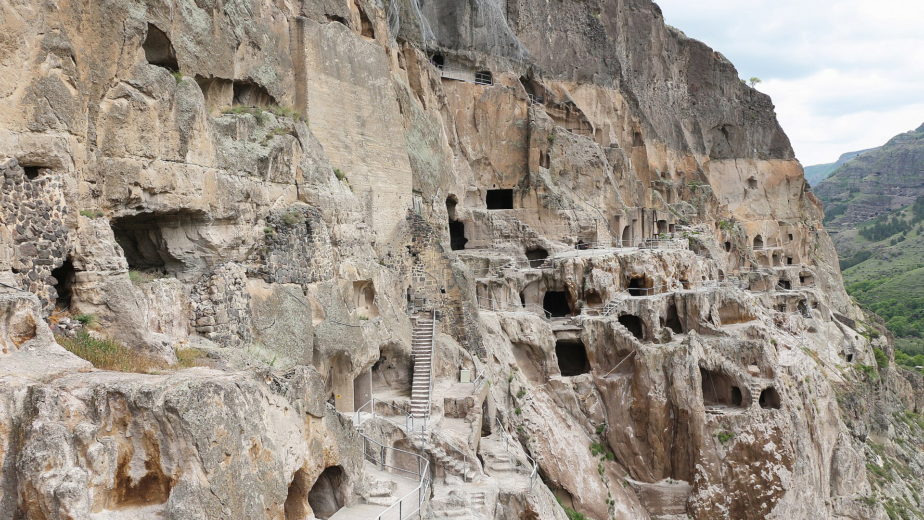
Many iconic landmarks across America, once vibrant symbols of engineering prowess, entertainment, or local prosperity, are quietly slipping into decay. Millions of visitors once flocked to these sites, but shifts in industrial demand, environmental disasters, or simple economic decline have led to their abandonment. Today, these deteriorating structures tell a compelling story of how quickly even the most admired national attractions can be forgotten when maintenance funding dries up and modernization is deemed too costly.
1. The Old City Hall Subway Station New York
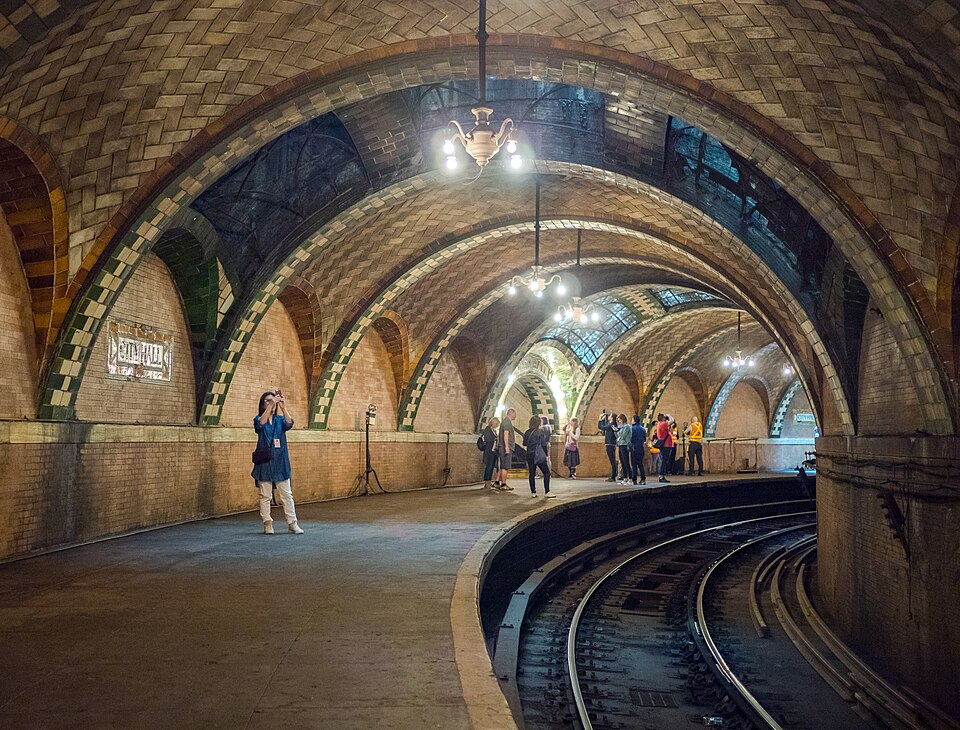
Opened in 1904 as the very first New York City subway stop, this station was a marvel of turn-of-the-century design, boasting distinctive Tiffany glass skylights and graceful Romanesque architecture. The location was shuttered in 1945 due to low passenger numbers and its curved platform design, which made it unsafe to accommodate the city’s newer, longer subway cars. Transit historians confirm that the structural limitations made modern upgrades impossible, leading to its long-term abandonment and preservation as a ghost station.
2. Route 66 Segments Across the Midwest
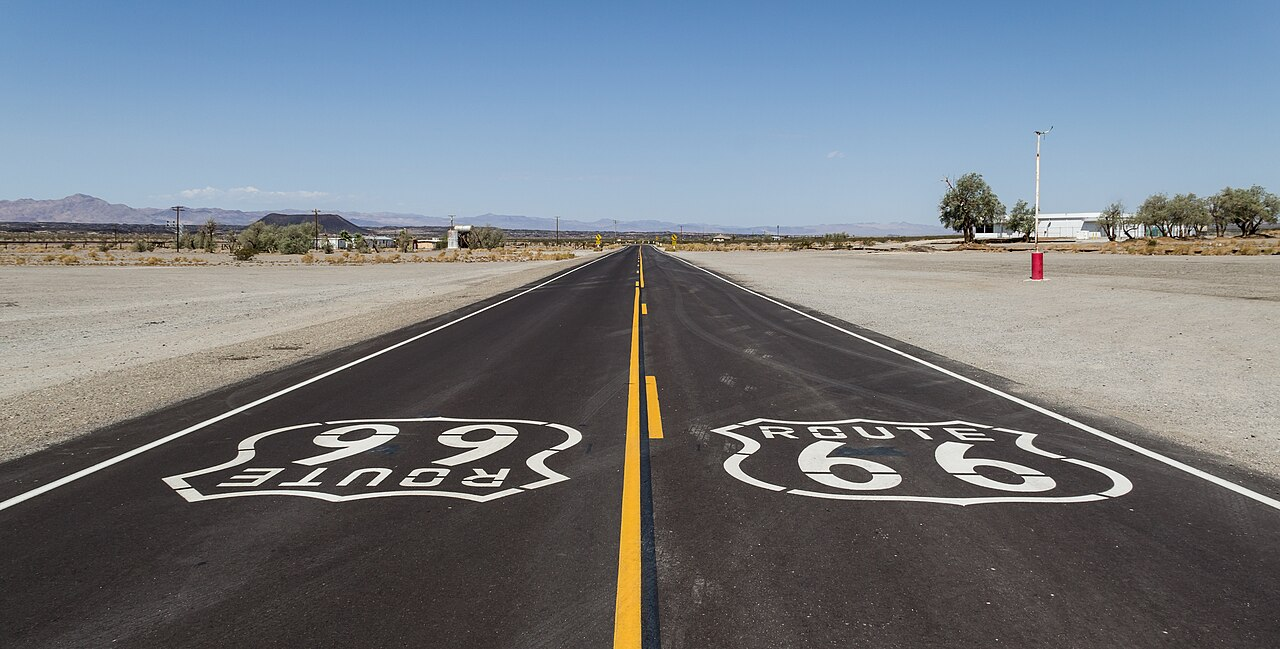
Once celebrated as the “Main Street of America,” vast original segments of Route 66 were bypassed when the Interstate Highway System was completed in the 1970s. Transportation researchers report that the sudden loss of tourist traffic caused motels, gas stations, and local diners along the old path to close en masse. Many sections of the historic road are now cracked, overgrown with weeds, or officially closed to traffic due to a critical lack of state maintenance funds needed for safety repairs.
3. Packard Automotive Plant Detroit Michigan
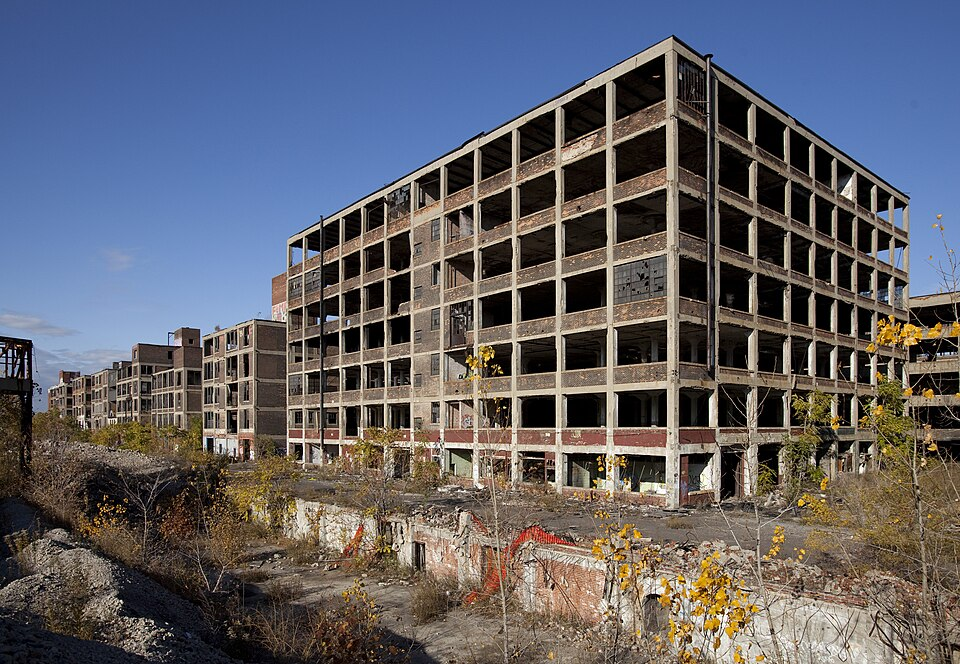
Erected in 1903, the mammoth Packard Plant once stood as a testament to American manufacturing innovation and industrial leadership. Following the collapse of the Packard brand in the 1950s, the colossal 3.5 million square foot complex began its rapid decline. Urban planners note the site became one of the world’s largest abandoned industrial facilities, largely due to prohibitively high demolition costs and decades of complex legal disputes regarding site ownership and liability.
4. New Orleans Six Flags Park Louisiana
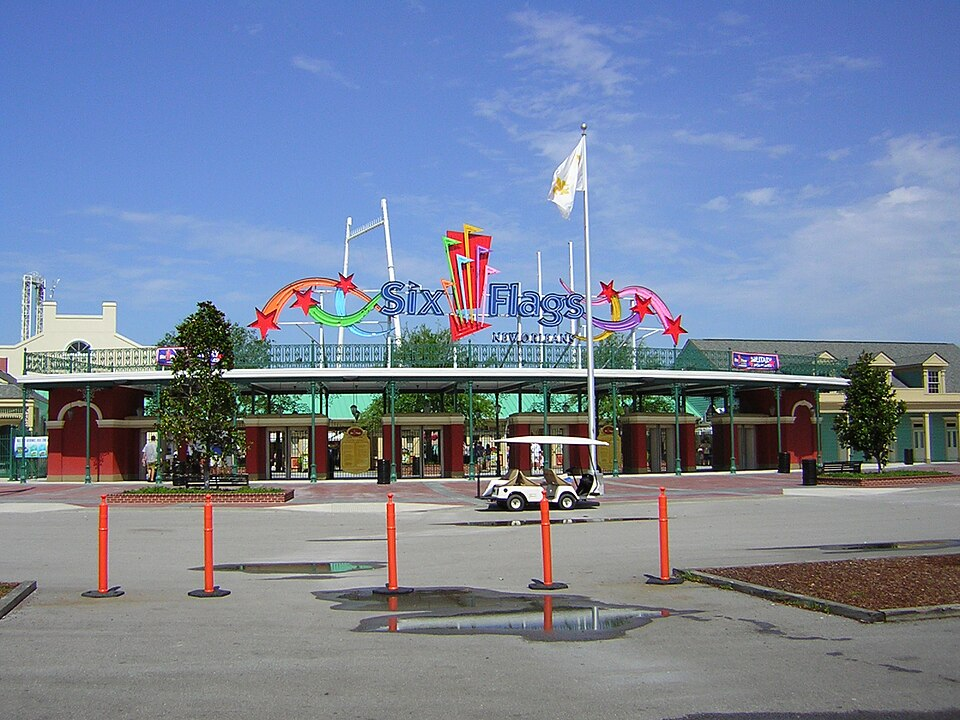
This 140-acre amusement park was closed permanently after Hurricane Katrina devastated the Gulf Coast in 2005. Floodwaters completely submerged most of the rides and support structures. Engineers concluded that extensive saltwater corrosion and structural damage made the required repairs financially impractical. Despite ongoing discussions and redevelopment proposals, the site remains an eerie, abandoned landscape because the estimated restoration cost far exceeds any projected tourism revenue.
5. Michigan Central Station Detroit
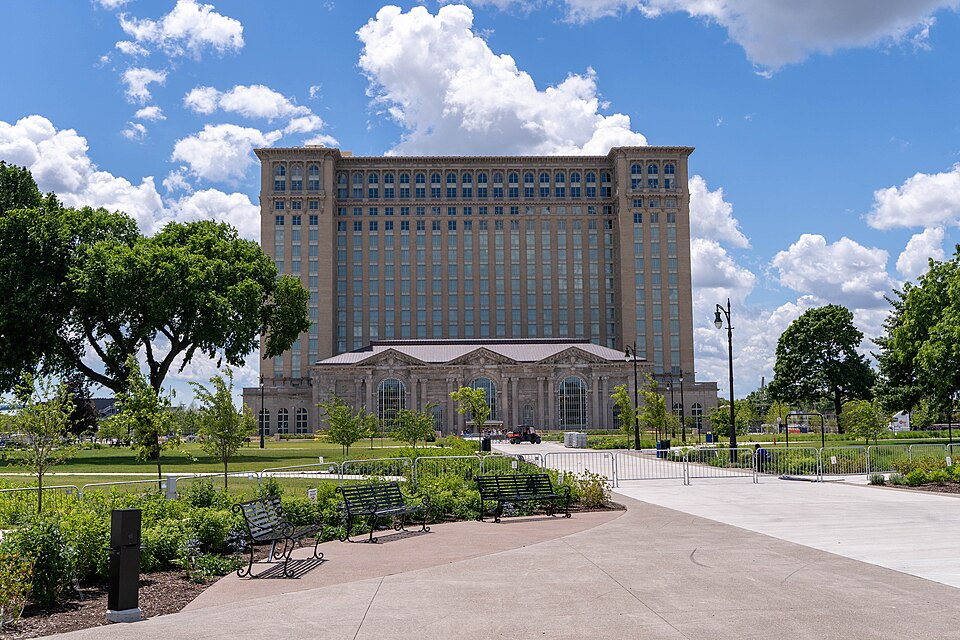
Completed in 1913, Michigan Central Station was, for a time, recognized as the world’s tallest rail depot. As passenger rail travel dramatically declined across the mid-20th century, the station saw its final train departure and shut down in 1988. Preservation groups detail that continuous water damage, persistent vandalism, and rampant metal theft significantly accelerated its decay before recent private restoration efforts finally began decades later.
6. Bodie Ghost Town California
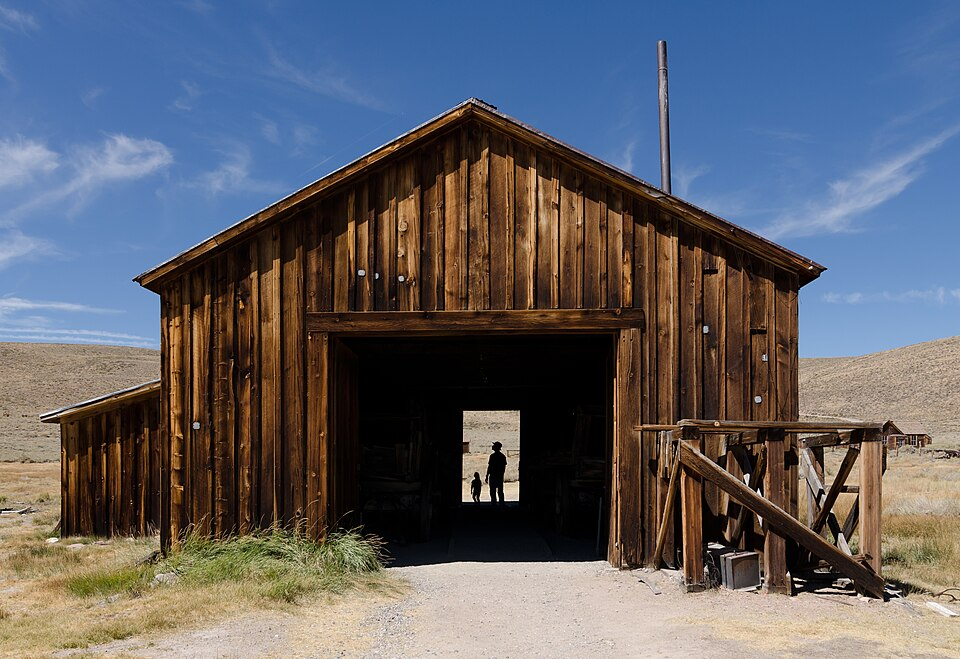
Bodie was a thriving boomtown during the 1870s Gold Rush, peaking with over 8,000 residents and immense wealth. When mining activity collapsed, the town was gradually abandoned by the 1940s. State park officials now maintain the entire settlement in a unique “state of arrested decay,” meaning the historic structures are stabilized against collapse but are intentionally not restored. Harsh, remote winters and relentless wind erosion continue to inflict damage on the historic wooden buildings.
7. Bethlehem Steel Works Pennsylvania
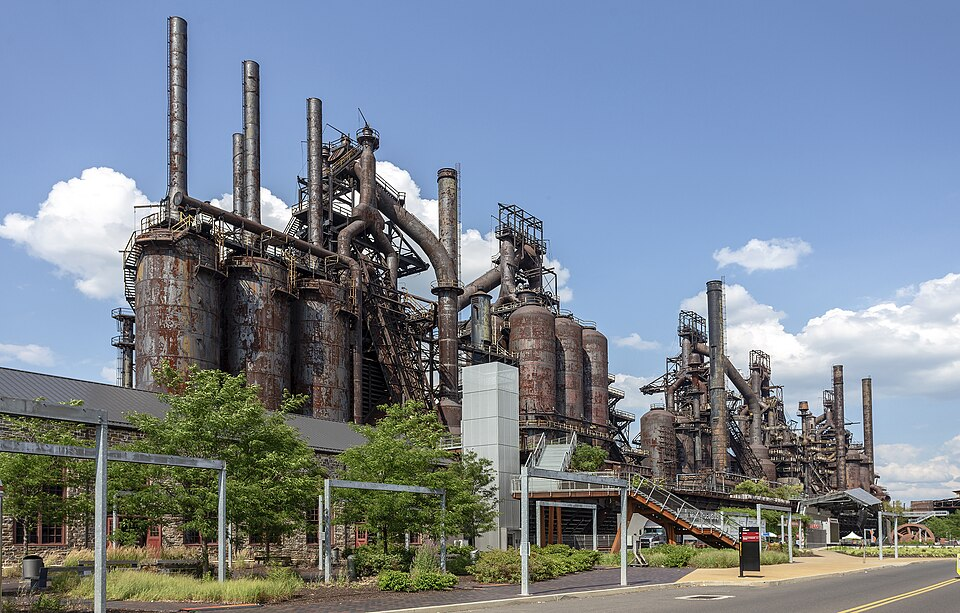
Once a giant among American steel producers, Bethlehem Steel ceased most major operations in the 1990s as global competition slashed demand. Industrial historians emphasize that large sections of the massive plant remain abandoned today because the extensive contamination cleanup required before redevelopment is exorbitantly expensive. The remaining colossal structures stand as a poignant symbol of the nation’s systemic decline in heavy manufacturing.
8. Fort Ord Military Base California
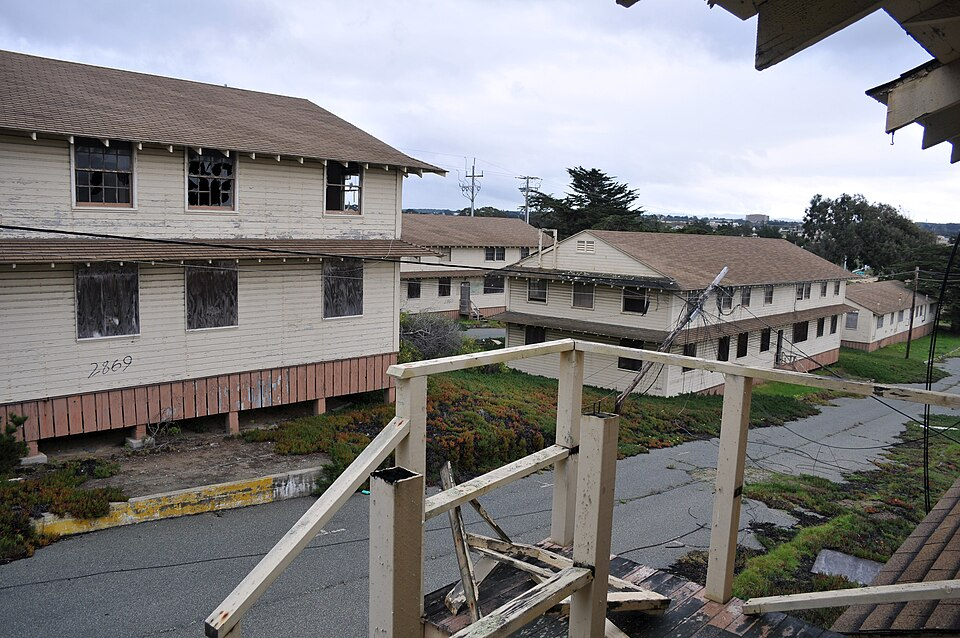
Fort Ord served as a training ground for tens of thousands of soldiers until its closure in 1994, part of a national reduction in military infrastructure. The Environmental Protection Agency later designated the base as a Superfund site due to significant contamination from ammunition residue and chemicals. Large areas of the base remain abandoned today because the complex remediation and cleanup efforts are ongoing and require immense resources.
9. Prora Resort Buildings North Carolina
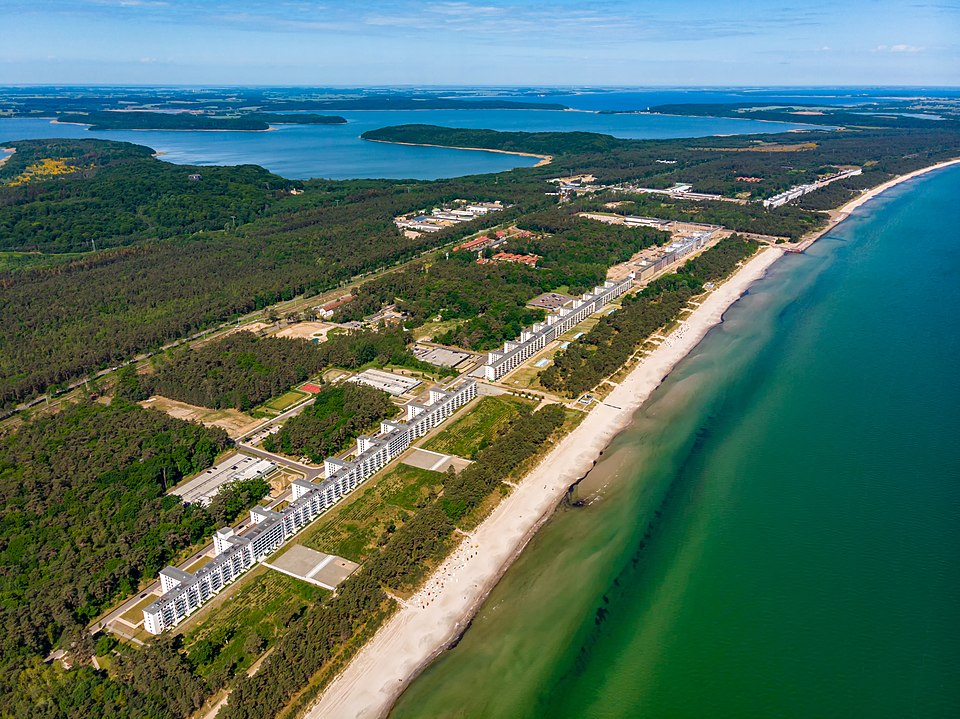
These massive, stark structures, inspired by vast European seaside resorts, were constructed in the mid-20th century as part of an ambitious American tourism initiative but were never fully completed or used as initially intended. Economic hurdles and shifting priorities halted development. Preservation experts caution that continuous coastal erosion and structural neglect have severely accelerated their deterioration, leaving them as massive, unused relics of a failed plan.
10. Old Los Angeles Zoo California
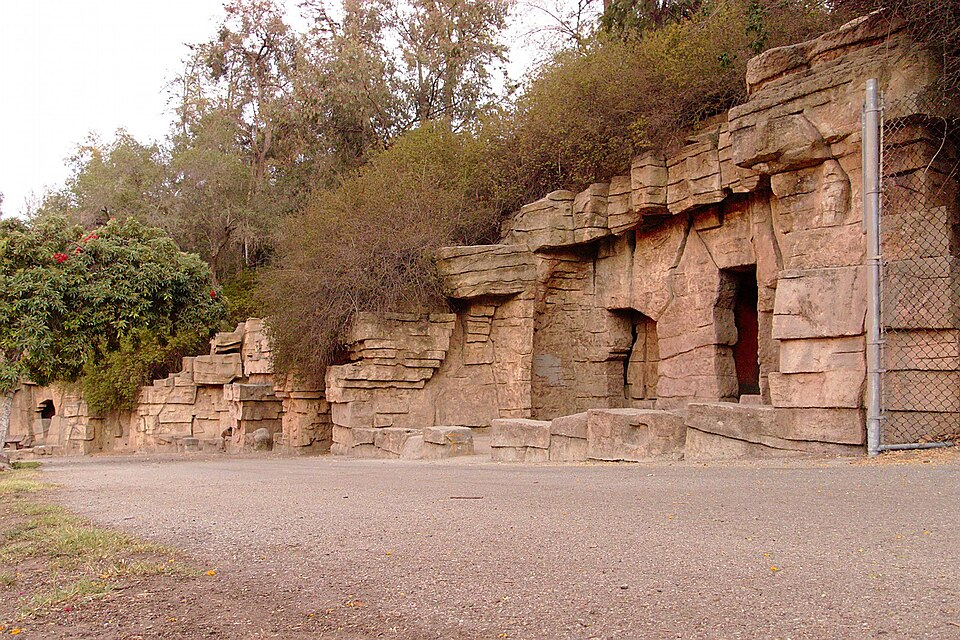
The original Los Angeles Zoo was shuttered in 1966 when new, significantly larger, and more modern animal enclosures were completed nearby. Many of the original concrete and stone cages remain abandoned within Griffith Park. Wildlife experts confirm that the outdated enclosure designs, often criticized for being inhumane by modern standards, make restoration or reuse of the site impractical, preserving them only as an architectural remnant of early zoo practices.
11. Meatpacking District Warehouses Chicago
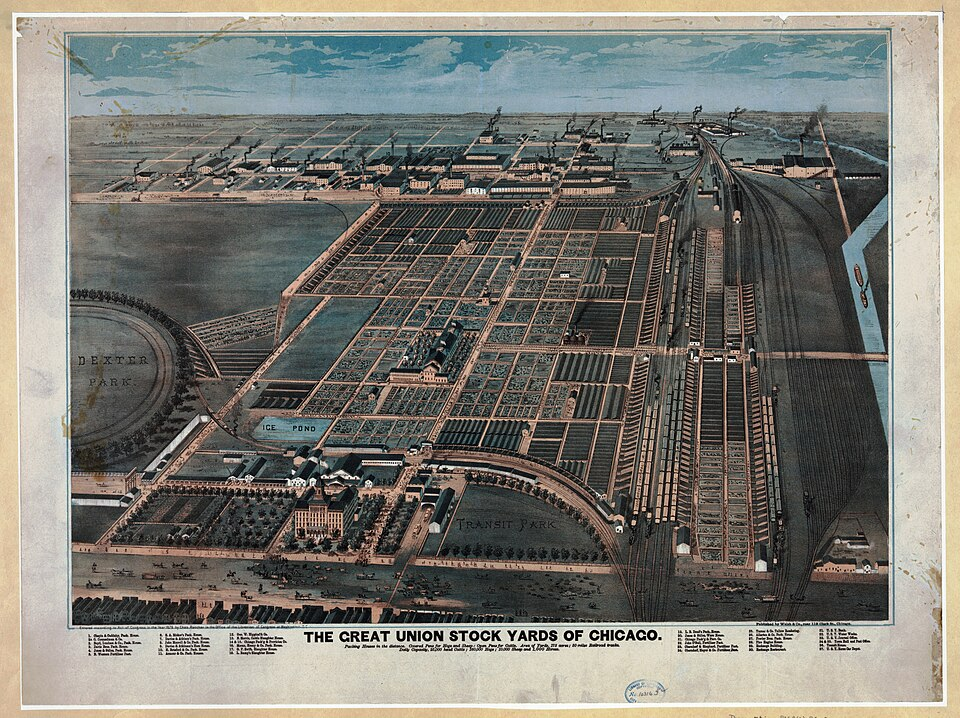
Historic brick warehouses located in Chicago’s former meatpacking district were central to the city’s dominance in the national livestock trade. As meat processing moved to modernized, automated facilities in the late 20th century, many of these multi-story buildings were left vacant. Urban development reports indicate that structural instability issues and environmental contamination concerns have significantly slowed efforts to redevelop these valuable properties.
12. The Frontier Town Theme Park New York
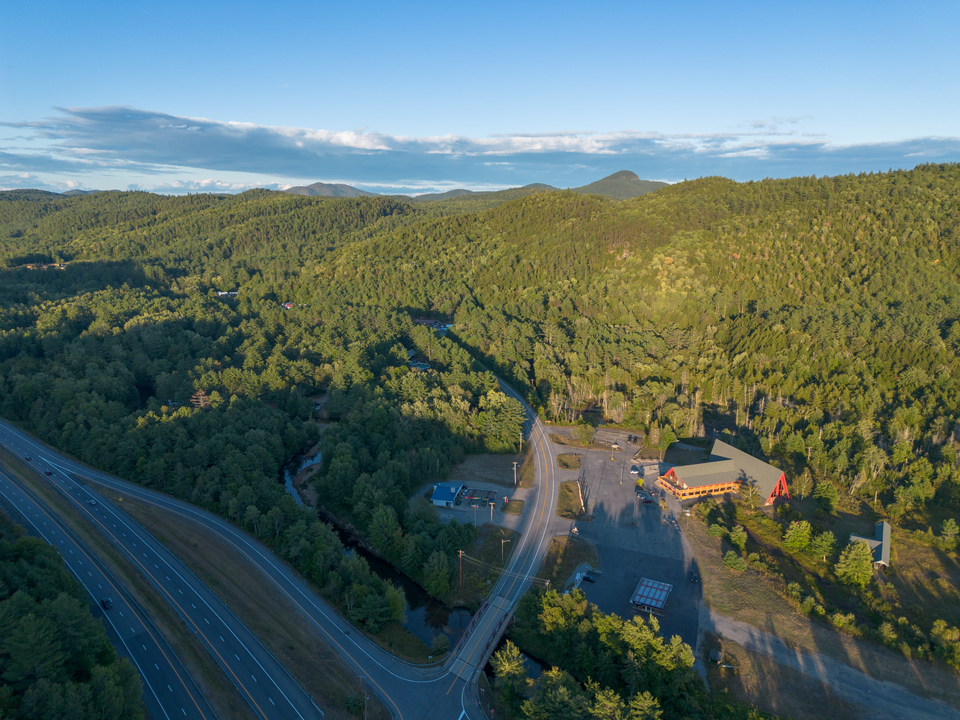
This Wild West-themed amusement park opened in 1952 and became a regional family attraction for decades. It permanently shut down its gates in 1998 following a sustained period of declining attendance and rapidly increasing maintenance costs. Tourism analysts note that the park’s remote location and collection of outdated attractions made major capital reinvestment financially unlikely, leaving the entire site to slowly decay.
13. The Eastern State Tuberculosis Sanatorium Maryland
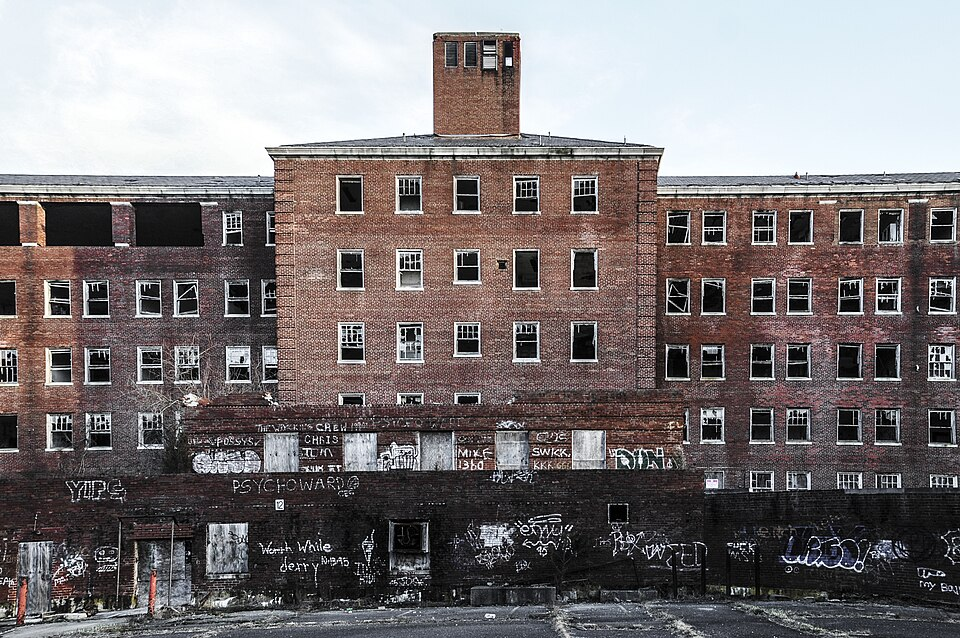
Constructed in the early 1900s, this large facility treated tuberculosis patients before the widespread use of antibiotics made dedicated TB hospitals less critical. After its closure mid-century, the property was abandoned because the necessary safety upgrades required for any potential reuse were deemed prohibitively expensive. Public health researchers highlight that aging medical buildings frequently contain hazardous materials, such as asbestos, which further complicates restoration and redevelopment efforts.