


Cruise lines meticulously craft the image of effortless luxury and boundless fun, yet this polished facade obscures a demanding reality few passengers ever witness. Below the grand dining halls and sparkling pools, life for the vast international crew unfolds under relentless operational pressure. Workers navigate unforgiving schedules, intensely cramped living quarters, and constant surveillance to keep the floating city of several thousand running seamlessly. These eight sections reveal the significant personal and physical toll required to maintain the illusion of the perfect vacation.
1. Endless Work Hours With No True Rest

Crew members routinely adhere to 12-to-14-hour workdays, seven days a week, often for contracts stretching six to eight months without a single full day of rest. Crucial tasks continue uninterrupted even when the vessel is docked in port, leaving minimal time for actual recovery. Reports indicate many sustain themselves on just five to six hours of sleep nightly, caught in a relentless cycle of duty, training drills, and mandatory inspections. Despite necessary safety regulations, the high density of passengers and strict timetables compel employees to operate in a chronic state of fatigue that is nearly impossible to mitigate.
2. Cramped Cabins and Minimal Personal Space
Below the passenger decks, crew accommodations are intensely concentrated. Cabins typically measure a minuscule 70 to 90 square feet and are shared by at least two people, sometimes four during peak seasons. With low ceilings (often under 6.5 feet) and no natural light in most rooms, the environment rapidly becomes claustrophobic. Personal storage is limited to a single locker per person, and the constant thrum of the ship’s engines can push nocturnal noise levels up to 70 decibels. These tight, noisy conditions, coupled with extended shifts, make genuine relaxation and solitude a luxury few can afford.
3. Heavy Surveillance and Restrictive Rules
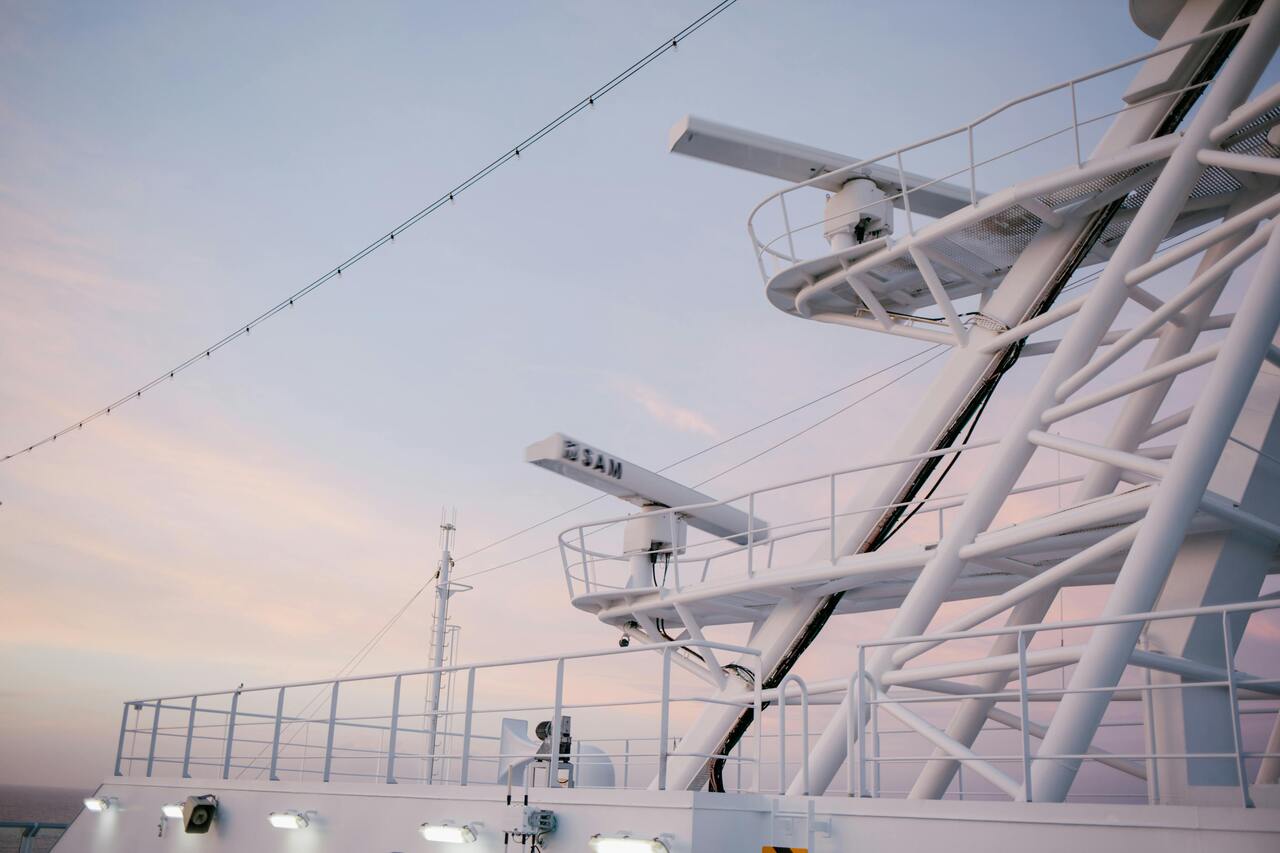
Modern cruise vessels are complex operational zones, monitored by over 2,000 CCTV cameras tracking all movement within crew halls, work areas, and communal zones. Employees are bound by rigorous codes dictating curfews, movement limitations within passenger areas, and strict alcohol consumption limits—frequently capped at only two drinks per evening. Any infraction can result in immediate termination and costly, self-funded repatriation. This pervasive oversight cultivates an environment where every minor misstep is magnified into a serious threat to employment.
4. Limited Medical Backup at Sea
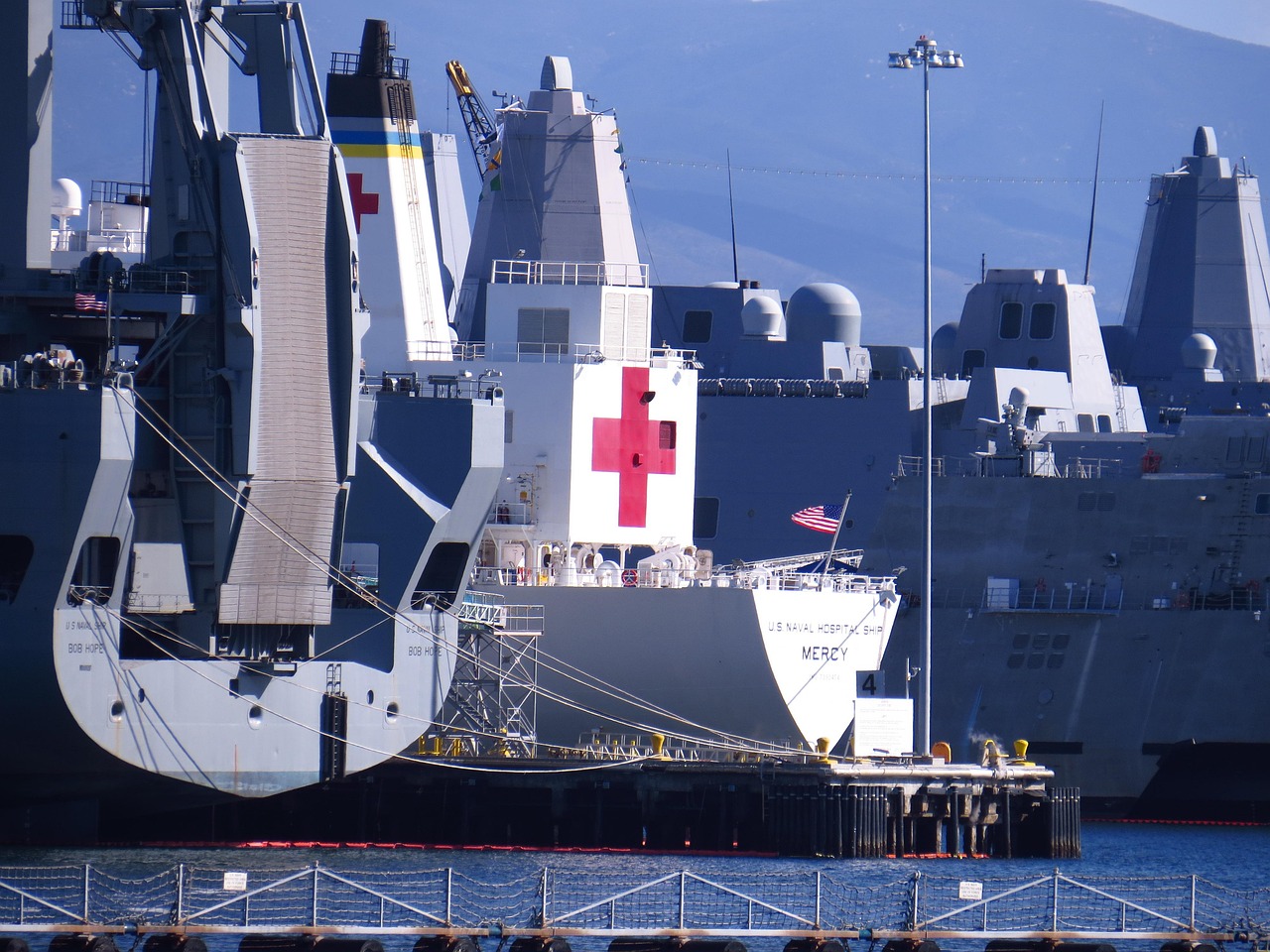
While the onboard medical center can manage roughly 80% of routine illnesses and minor injuries, they are structurally unprepared for major medical crises. Most centers operate with only one attending physician and two or three nurses serving several thousand people. Serious emergencies necessitate an expensive helicopter evacuation, which can cost upwards of $20,000 and may be significantly delayed depending on the vessel’s distance from land. Crew often elect to work through minor illnesses because reporting symptoms risks temporary removal from duty and a subsequent loss of vital income.
5. High Demands to Maintain Guest Satisfaction
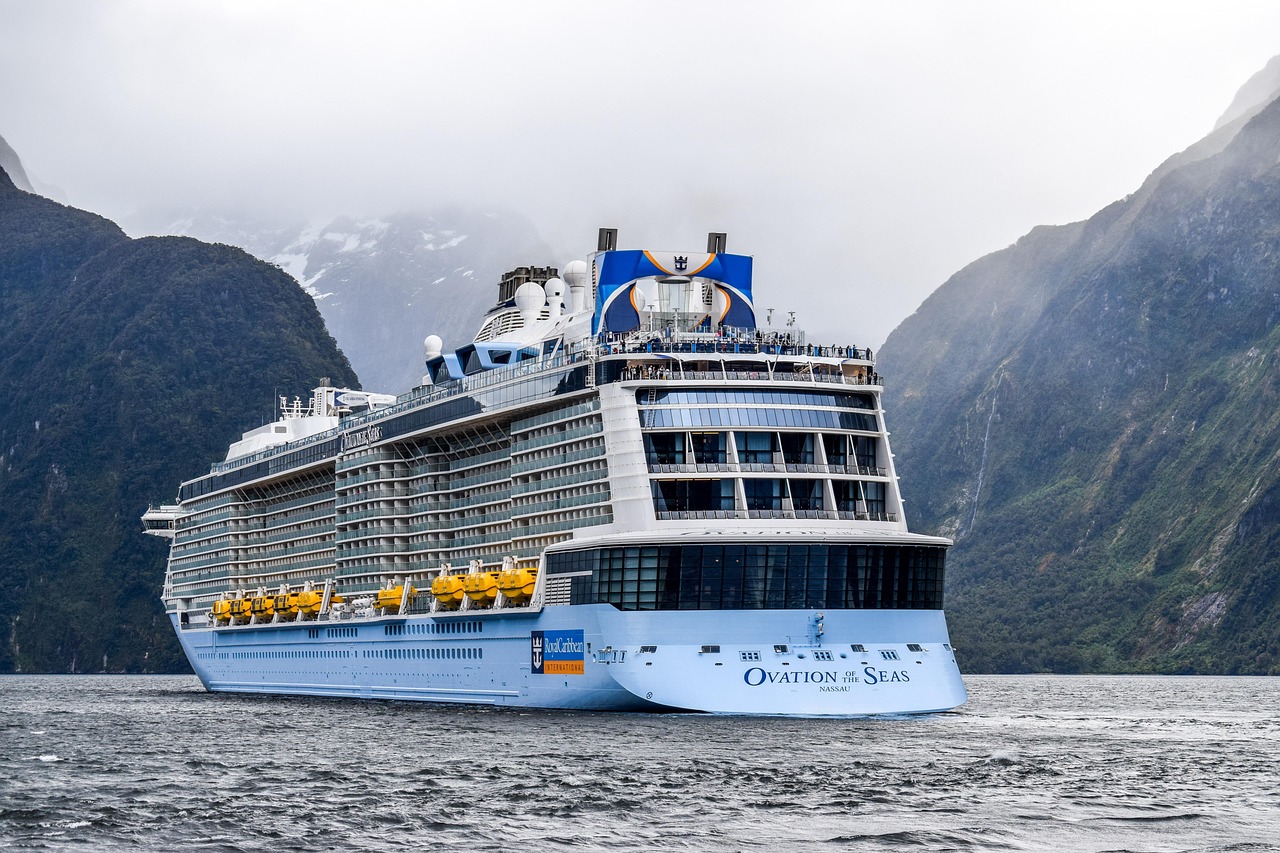
With mega-ships hosting between 3,000 and 6,000 guests, crew are under unrelenting pressure to deliver flawless service scores. A single negative review from a passenger can directly impact contract renewal or, crucially, tip-based income, which can constitute 30% to 50% of total earnings in hospitality roles. Workers are required to project relentless cheerfulness and optimism, even at the end of exhaustive shifts, while management tracks their success through rigid daily performance metrics. This constant, exhausting emotional labor strains mental reserves as the contract period progresses.
6. Isolation and Limited Contact With Home
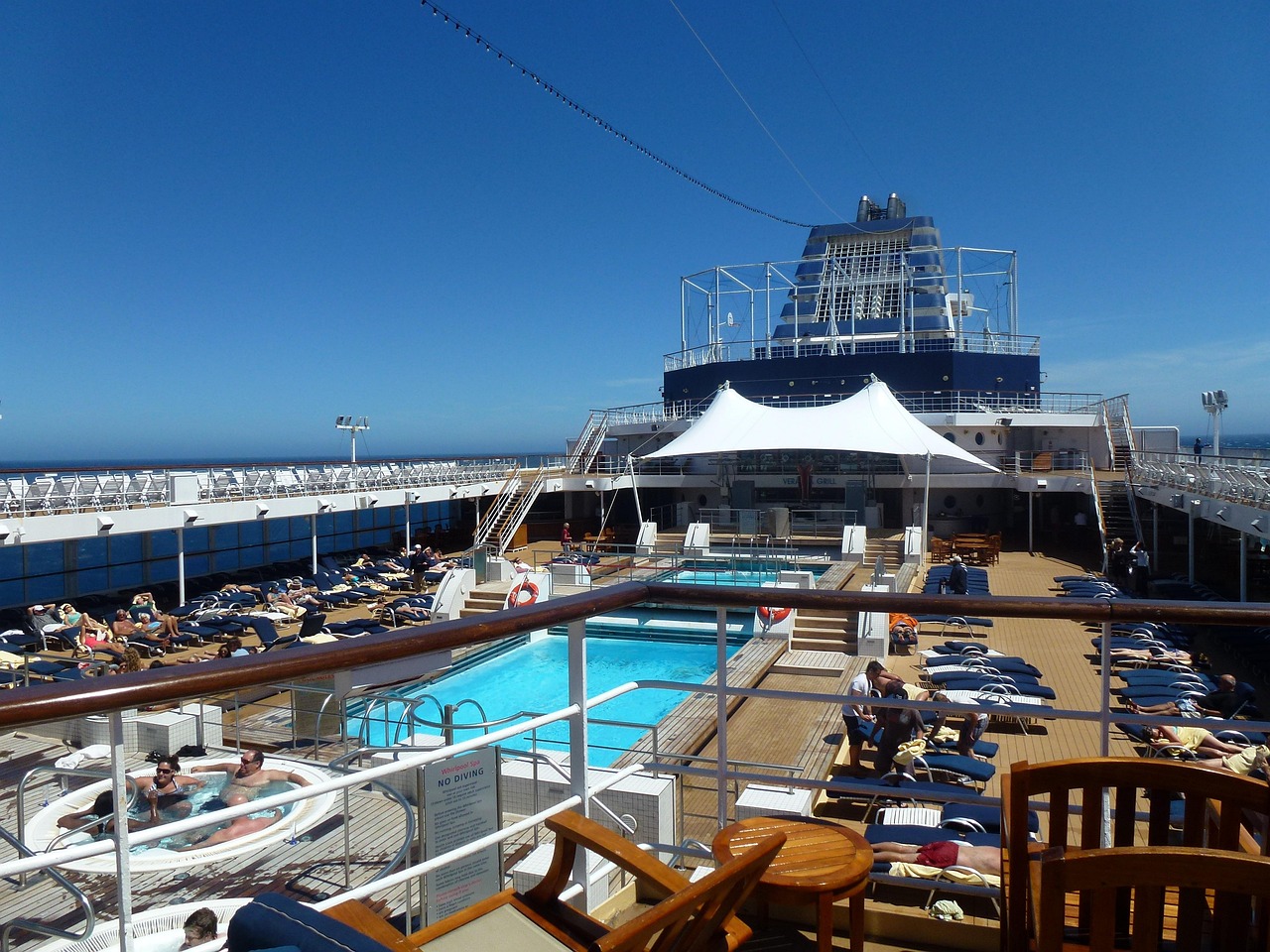
Employees spend continuous blocks of six to nine months at sea, relying on slow, costly onboard internet services that can charge $5 to $10 per hour with connection speeds often below 2 Mbps. Shifting time zones complicate regular communication, and many workers report feeling profoundly disconnected from major family events and relationships back home. While social circles form quickly among staff, they dissolve just as fast due to contract rotations. These conditions combine to impose significant periods of social isolation and heightened mental stress.
7. Environmental Impact Hidden Behind the Scenes
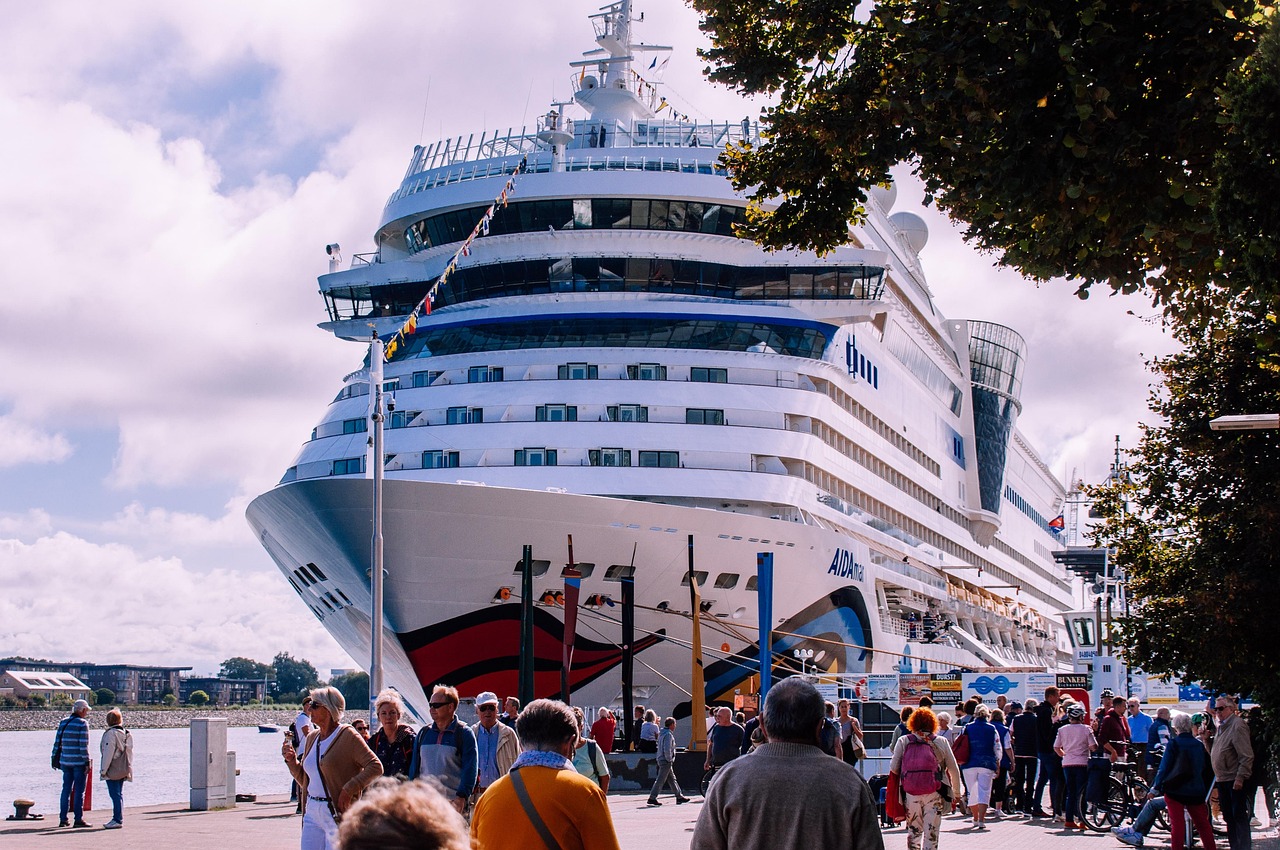
A large cruise vessel can consume over 200 tons of fuel daily and generate an estimated 15 to 20 tons of waste. Although the industry adheres to growing environmental regulations, crew members are often direct witnesses to the logistical strain of managing staggering volumes of gray water, food scraps, and plastic waste. While some ships achieve recycling rates of up to 60%, the sheer scale of the remaining output still carries a substantial impact on marine ecosystems. This daily proximity to the industry’s environmental footprint often leads crew to develop a conflicted view of an operation many passengers assume is harmless.
8. Uncertain Contracts and Unequal Pay Scales
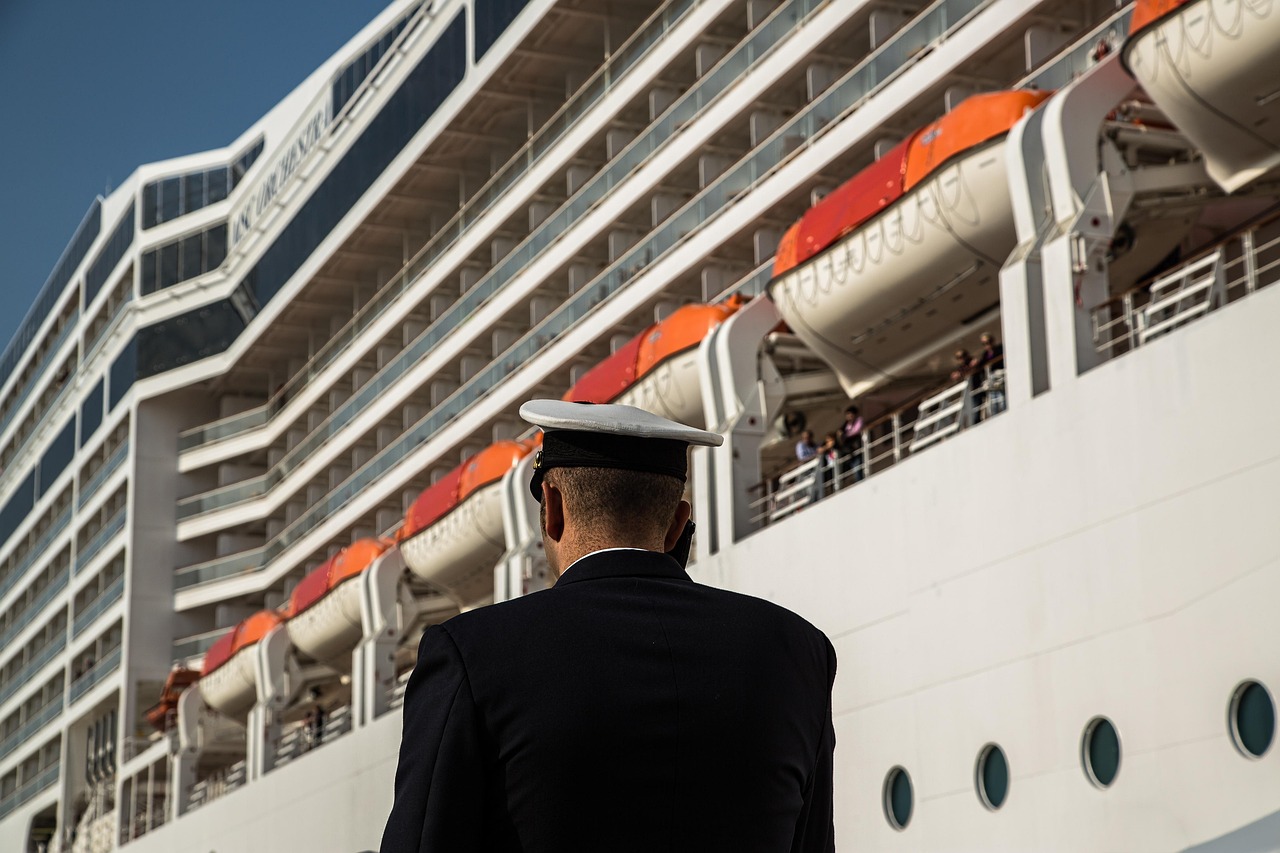
Crew compensation exhibits enormous variability, ranging from monthly wages as low as $600 for entry-level housekeeping staff to over $4,000 for specialized officers. Future income stability is directly tied to contract renewal, which relies heavily on guest feedback scores and onboard reputation metrics. With typical ships employing staff from over 70 nationalities, pay scales often reflect the employee’s country of origin rather than the specific job function alone. This fundamental inconsistency generates tension and persistent anxiety regarding long-term job security.

