
The travelers who spend the most nights in hotels — flight crews, business road-warriors, and seasoned tour operators — develop a consistent set of small habits the moment they enter a hotel room. They check specific things, rearrange specific items, and take specific precautions that the once-a-year vacationer never considers. The habits aren’t paranoia. They come from the accumulated experience of thousands of hotel nights, and they address real if low-probability risks — bedbugs, theft, security, fire safety, and the occasional genuine emergency. None of them takes more than a few minutes, and most become automatic with practice. Here are the hotel-room habits that frequent travelers perform almost unconsciously, why each one matters, and which ones are genuinely worth adopting for your next trip.
The distinction between a seasoned traveler and an occasional one is visible in the first five minutes in a hotel room. The occasional traveler drops their bags on the bed and flops down. The seasoned traveler does a quick, practiced routine before settling in. Most of these habits address risks that are individually unlikely but cumulatively worth a few minutes of prevention, particularly given how little effort each requires.
Checking for Bedbugs Before Unpacking

The single most universal frequent-traveler habit is the bedbug check performed before any luggage touches the bed or floor. The routine: place luggage in the bathroom (the least likely place for bedbugs) on arrival, then inspect the mattress seams, the headboard, the box spring, and the area behind the headboard for the small reddish-brown insects or their dark fecal spots. Bedbugs are found in hotels across every price tier, and a single infestation brought home in a suitcase can cost thousands to eliminate. The five-minute inspection before unpacking is the most-recommended habit among frequent travelers and the most worth adopting.
The Water Bottle (or Other Object) Behind the Door or Under the Bed

A widely-shared habit among flight crews and security-conscious travelers is placing an object — a water bottle, a glass, a chair — in a position where it would fall or be disturbed if someone opened the door, providing an audible warning. Some travelers place a water bottle under the bed or against the door specifically as a low-tech intrusion alert. While security experts debate how meaningful this is compared to simply using the door’s deadbolt and security latch, the underlying instinct — being aware of room entry points and creating a warning system — reflects the security mindset frequent travelers maintain. The more substantive version is always engaging the secondary lock and the door latch.
Locating the Nearest Fire Exit by Counting Doors
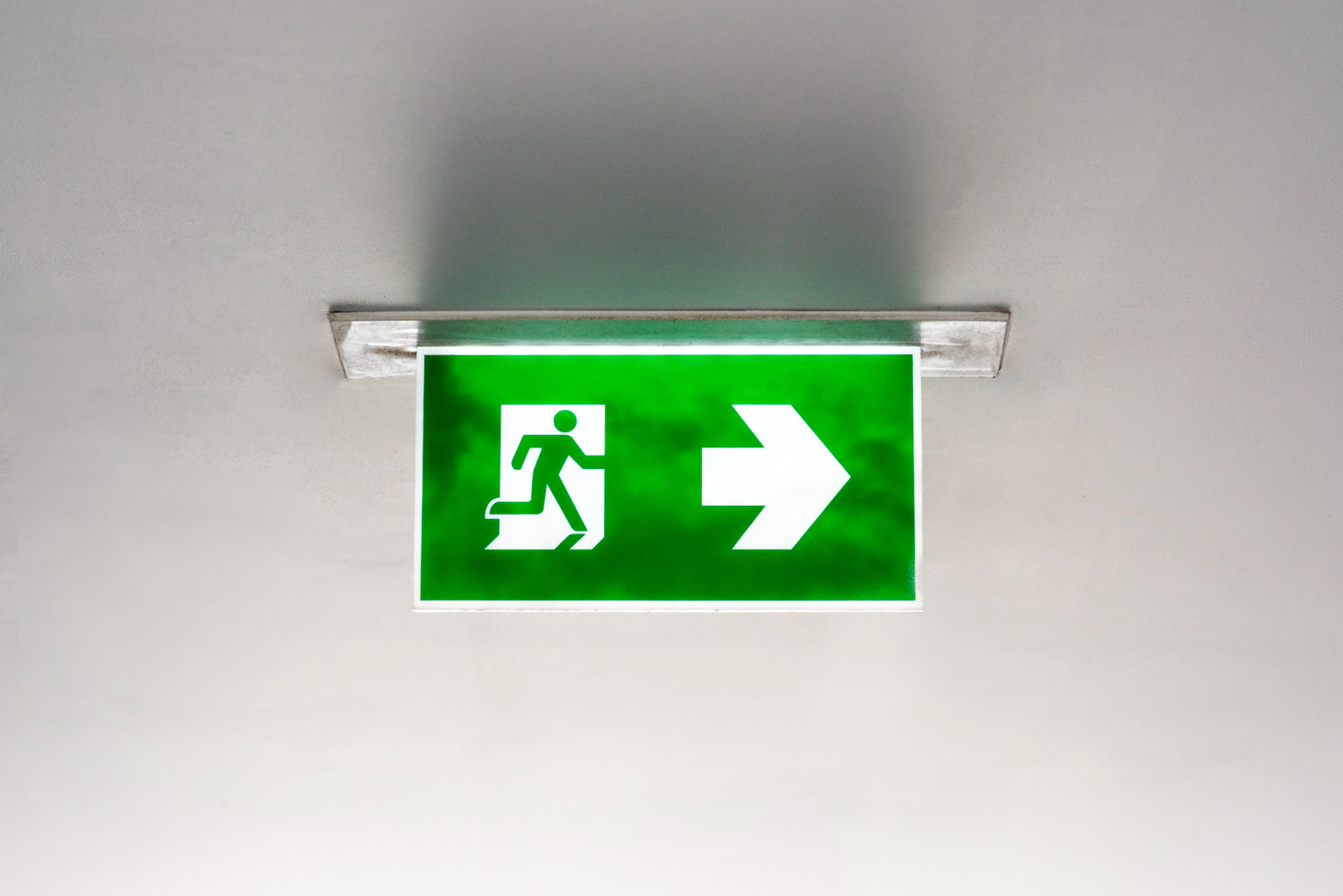
Seasoned travelers, particularly flight crews trained in evacuation, locate the nearest fire exit on arrival and count the number of doors between their room and the exit. The reasoning: in a smoke-filled hallway, visibility can drop to zero, and counting doors by feel may be the only way to navigate to the stairs. Crews are trained never to use elevators during a fire and to know two escape routes. The occasional traveler rarely notes the exit location at all. This habit costs thirty seconds and addresses a genuine, if rare, life-safety scenario.
Wiping Down the High-Touch Surfaces
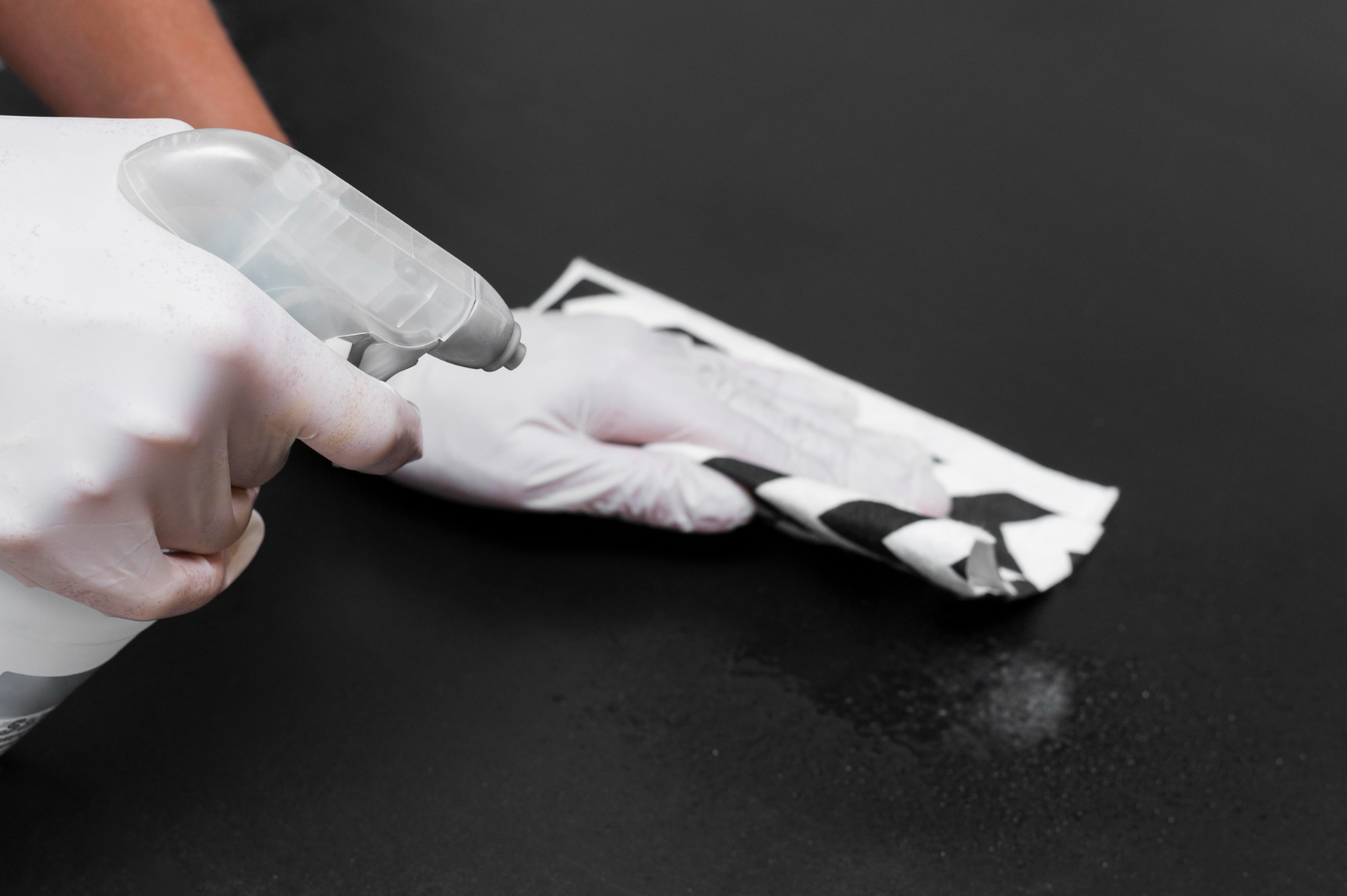
Frequent travelers frequently wipe down the genuinely high-touch, low-cleaned surfaces in a hotel room — the TV remote, the light switches, the door handles, the bathroom faucet handles, and the desk phone. Hotel-cleaning studies have repeatedly found that these items, particularly the remote control, are among the least-frequently sanitized objects in a room. A travel pack of disinfecting wipes addresses this in under a minute. The habit became more widespread after 2020 but was already standard among germ-conscious frequent travelers before.
Using the Room Safe Correctly (or Not at All)
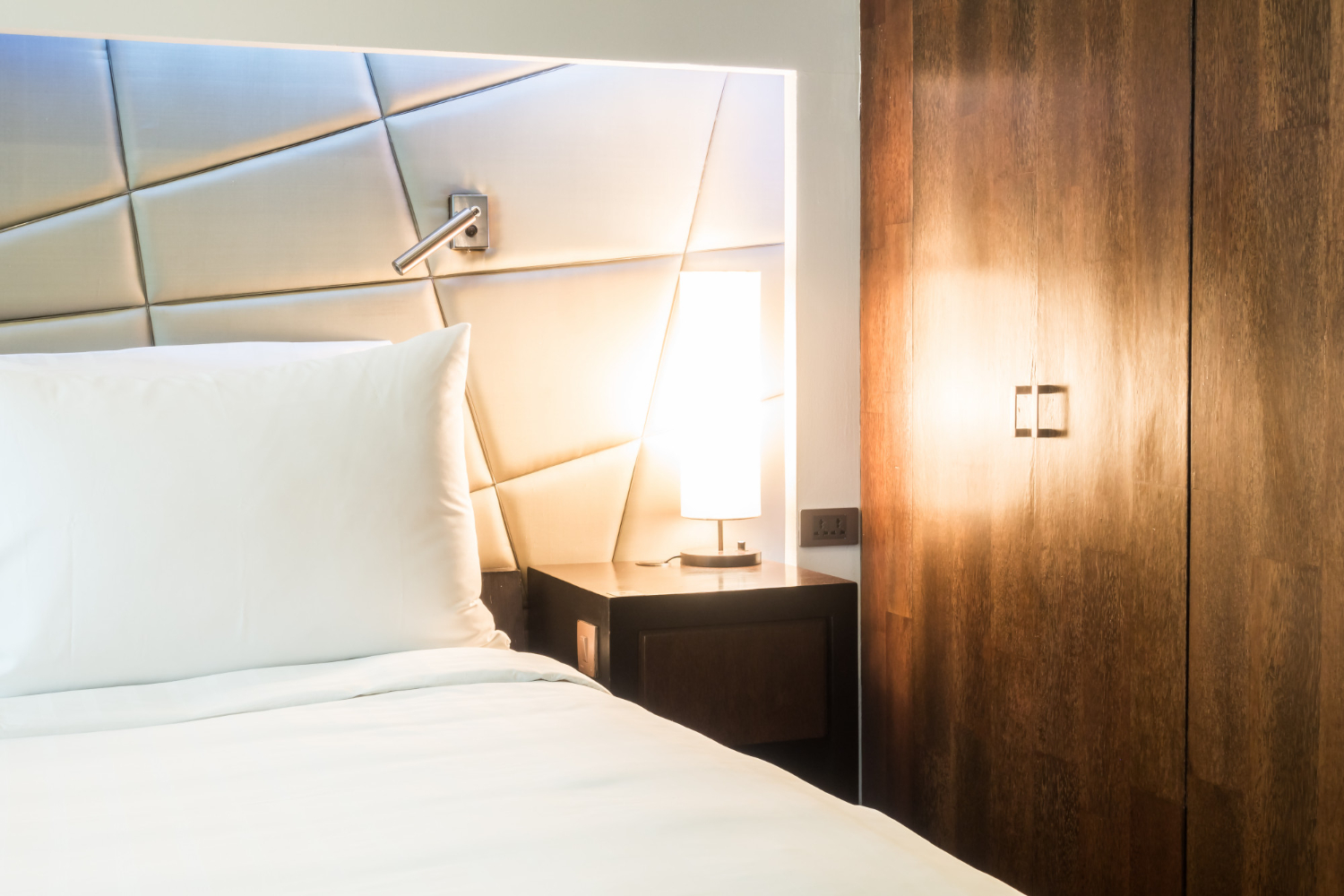
Experienced travelers have a considered relationship with the in-room safe. Many use it for passports and valuables, but the security-savvy know that many hotel safes have default override codes (frequently 000000 or 999999) that staff can use, and that a determined thief can sometimes remove or open them. The frequent-traveler habit is either to use the safe while understanding its limitations, to use the front-desk safe for genuinely valuable items, or to keep critical documents on their person. The naive assumption that the in-room safe is impenetrable is something seasoned travelers have abandoned.
Keeping the “Do Not Disturb” Sign Up
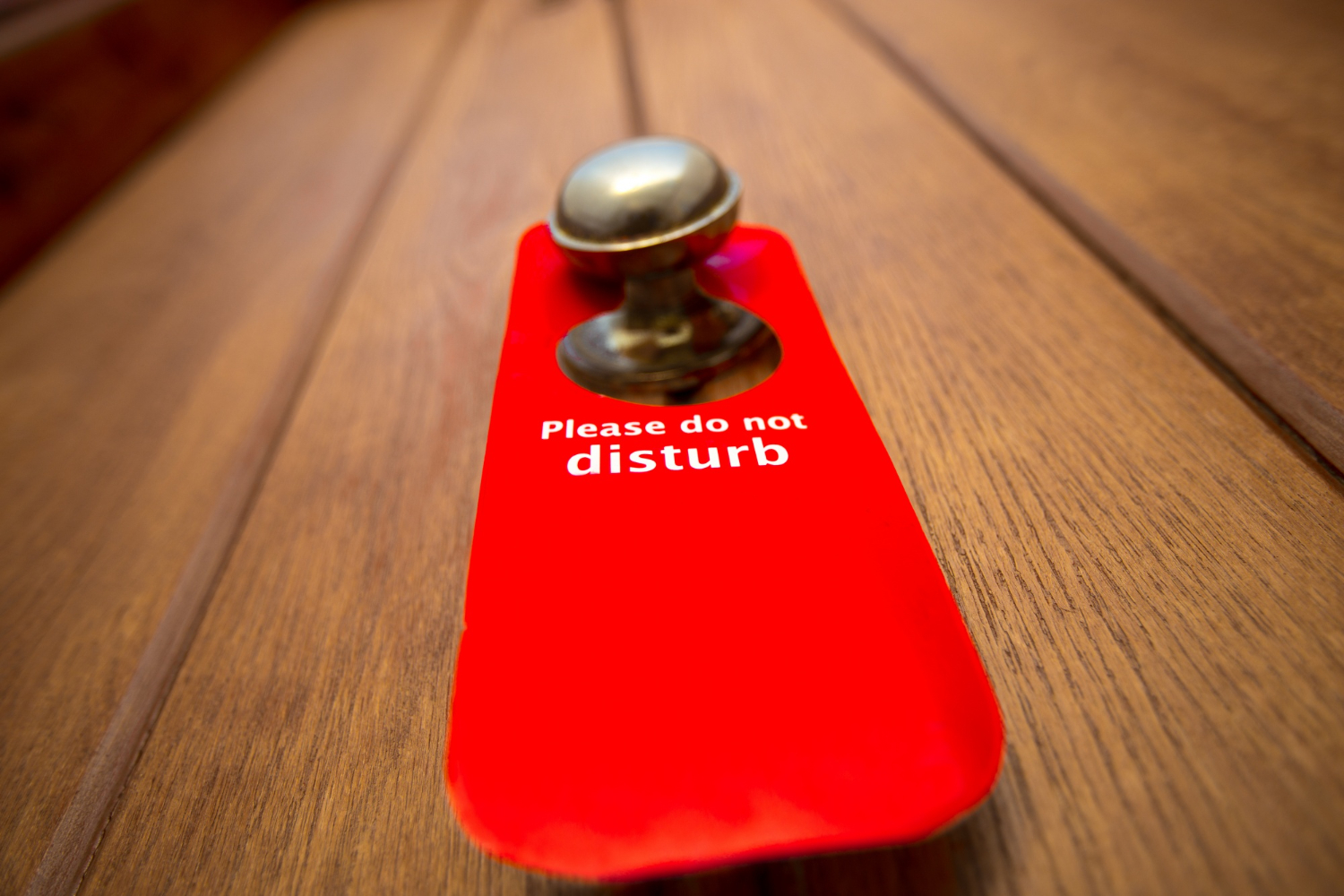
A common frequent-traveler habit is leaving the Do Not Disturb sign on the door for the entire stay, even when out of the room. The reasoning is twofold: it suggests the room is occupied (a mild deterrent to opportunistic theft), and it reduces unnecessary entries by staff. Some travelers also leave a light and the television on when out for the same occupancy-suggesting reason. The habit reflects the broader frequent-traveler instinct to manage the impression of room occupancy.
Photographing the Room and the Minibar on Arrival
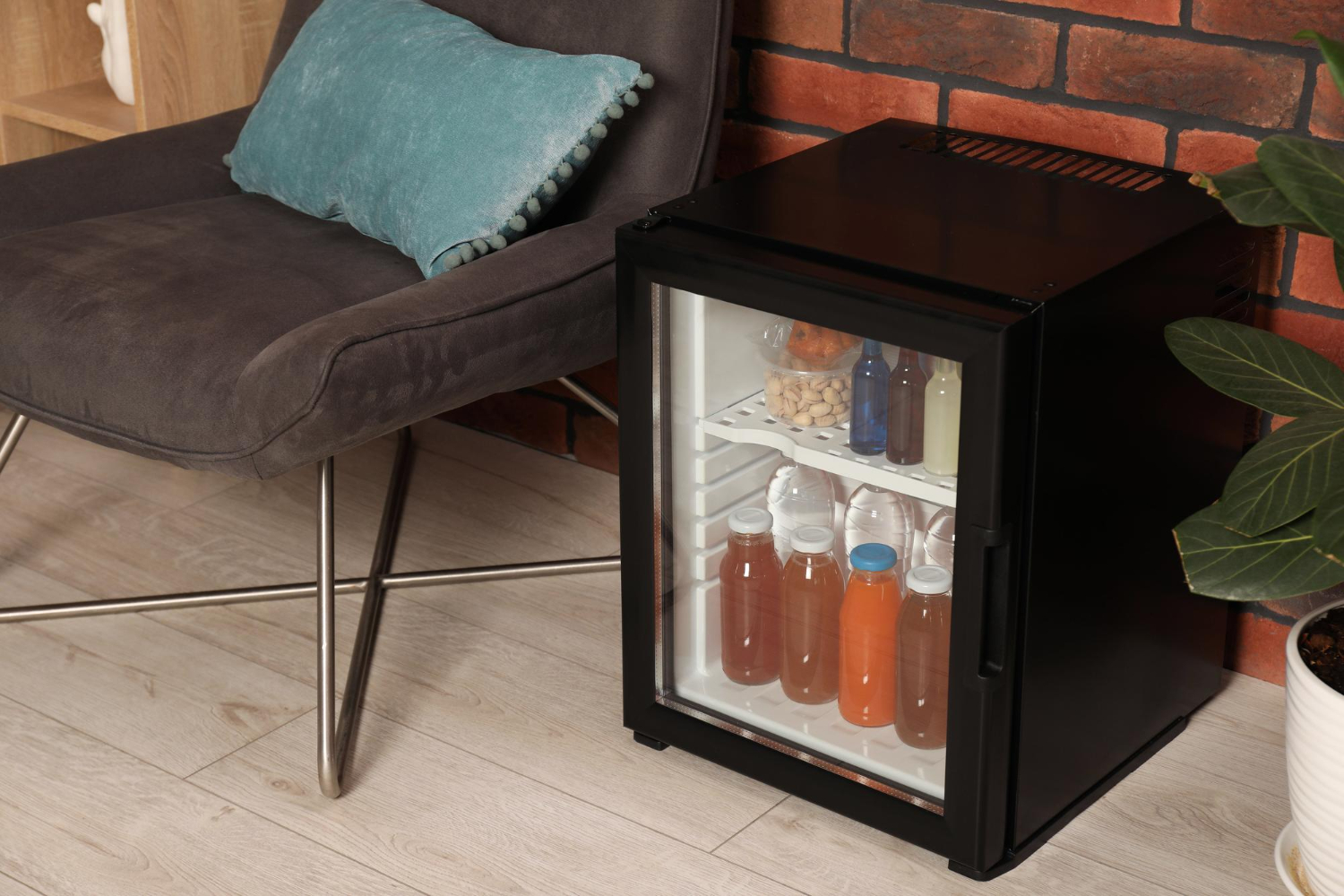
Business travelers and frequent guests often photograph the room on arrival — the existing condition of the furnishings, any pre-existing damage, and the minibar contents. The reasoning is protection against false damage or consumption charges at checkout. A quick photo of the untouched minibar and any existing scuffs or stains provides documentation if a disputed charge appears. This habit, born of experience with billing disputes, is something occasional travelers rarely think to do.
Unplugging and Testing Before Relying on Anything
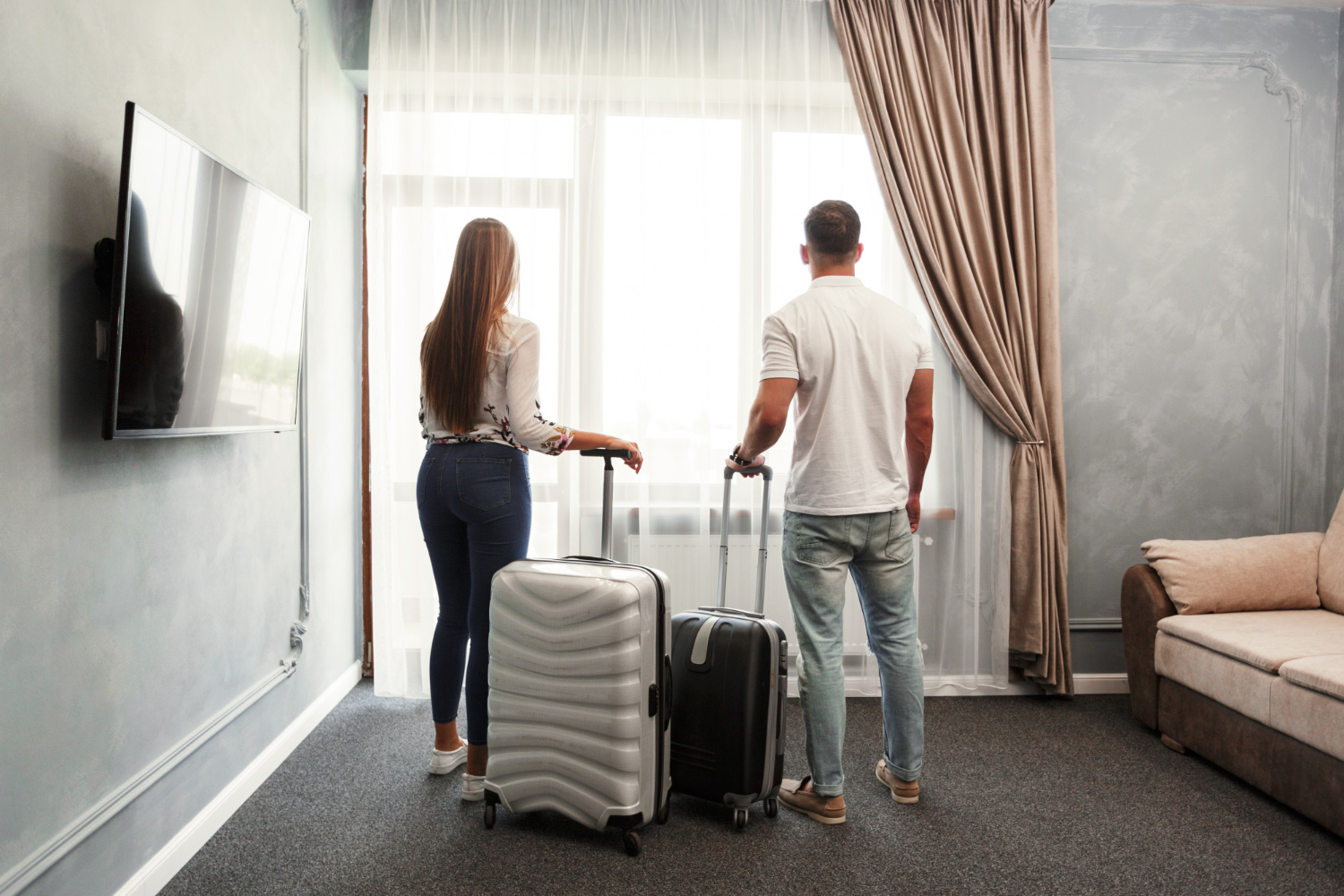
Seasoned travelers test the things they’ll depend on before they need them — confirming the alarm clock isn’t set to a previous guest’s 4 a.m. wake-up, checking that the door’s deadbolt and security latch actually function, confirming the room phone works, and locating the light switches they’ll need in the dark. The habit of verifying rather than assuming reflects the accumulated experience of travelers who have been woken at 4 a.m. by a stranger’s alarm or fumbled for a non-functioning light switch in an unfamiliar dark room.
Keeping Valuables and Documents Smart
Frequent travelers develop deliberate habits around valuables and documents that occasional travelers improvise. They keep a digital and physical copy of their passport, ID, and key reservations separate from the originals, so a lost or stolen document is an inconvenience rather than a crisis. They distribute cash and cards rather than keeping everything in one wallet, so a single theft doesn’t strand them. They keep medications in carry-on rather than checked luggage and in original labeled containers. And they note the hotel’s full address and phone number — saved in their phone and written somewhere physical — because a traveler who gets lost or needs a taxi back often cannot remember the exact name and location of a hotel in an unfamiliar city. These document-and-valuable habits reflect the frequent traveler’s hard-won understanding that the small disasters of travel — a lost passport, a stolen wallet, a forgotten hotel address — are far easier to prevent than to recover from.
Knowing Which Habits Actually Matter
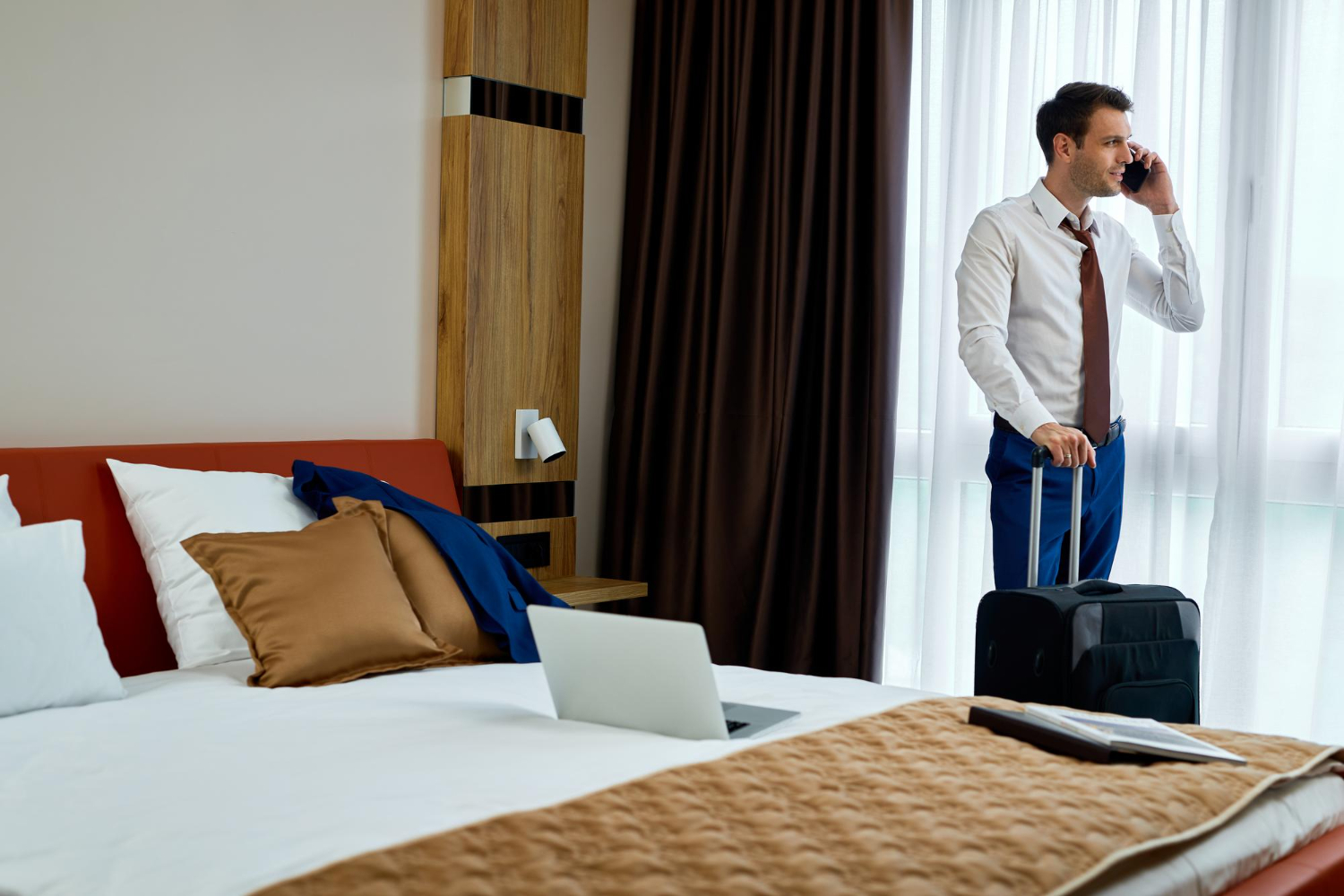
For the occasional traveler deciding which of these to adopt, the priority order is clear. The bedbug check is genuinely worth doing every time — the downside risk (a home infestation) is serious and the inspection is quick. The fire-exit awareness is worth the thirty seconds it takes, addressing a rare but severe scenario. Using the deadbolt and security latch every time is non-negotiable basic security. Wiping the remote and high-touch surfaces is a reasonable minute of effort. The water-bottle-alarm and Do-Not-Disturb habits are low-effort and harmless even if their security benefit is modest. The room-condition photos are worth it mainly for travelers who’ve been burned by disputed charges. The common thread among all of them is that frequent travelers have learned, through sheer volume of hotel nights, that a few minutes of practiced routine on arrival prevents the small disasters that the occasional traveler only discovers the hard way — the home bedbug infestation, the disputed minibar charge, the 4 a.m. wake-up from a stranger’s alarm, the confusion of an unfamiliar dark room. None of these habits requires special equipment or significant time — they require only the awareness that a hotel room is an unfamiliar environment worth a quick, deliberate assessment before you settle in and relax.