

The toilet seat has become the cultural shorthand for “dirty,” but a substantial body of microbiology research has established that many everyday objects people touch constantly — and almost never clean — carry far more bacteria than the average toilet seat. The toilet seat, it turns out, gets cleaned regularly and has a relatively smooth, dry surface that bacteria struggle to colonize. The objects that actually harbor the most germs are the ones nobody thinks to disinfect: the kitchen sponge, the cell phone, the TV remote, the kitchen sink. None of this is cause for panic — the human immune system handles ordinary household bacteria routinely, and most of these germs are harmless. But knowing which objects are the genuine reservoirs, and how often to actually clean them, is useful practical knowledge. Here are the everyday objects that research has found carry more bacteria than a toilet seat, and how often you should actually be cleaning each one.
The reason the toilet seat ranks so low is instructive. It gets cleaned frequently because everyone assumes it’s dirty, and its smooth, dry, regularly-disinfected surface is genuinely inhospitable to bacteria. The objects that harbor the most germs share the opposite traits: they’re moist, textured, frequently handled, and almost never cleaned because no one thinks of them as dirty. Understanding that pattern explains the entire list.
The Kitchen Sponge — The Dirtiest Object in Most Homes
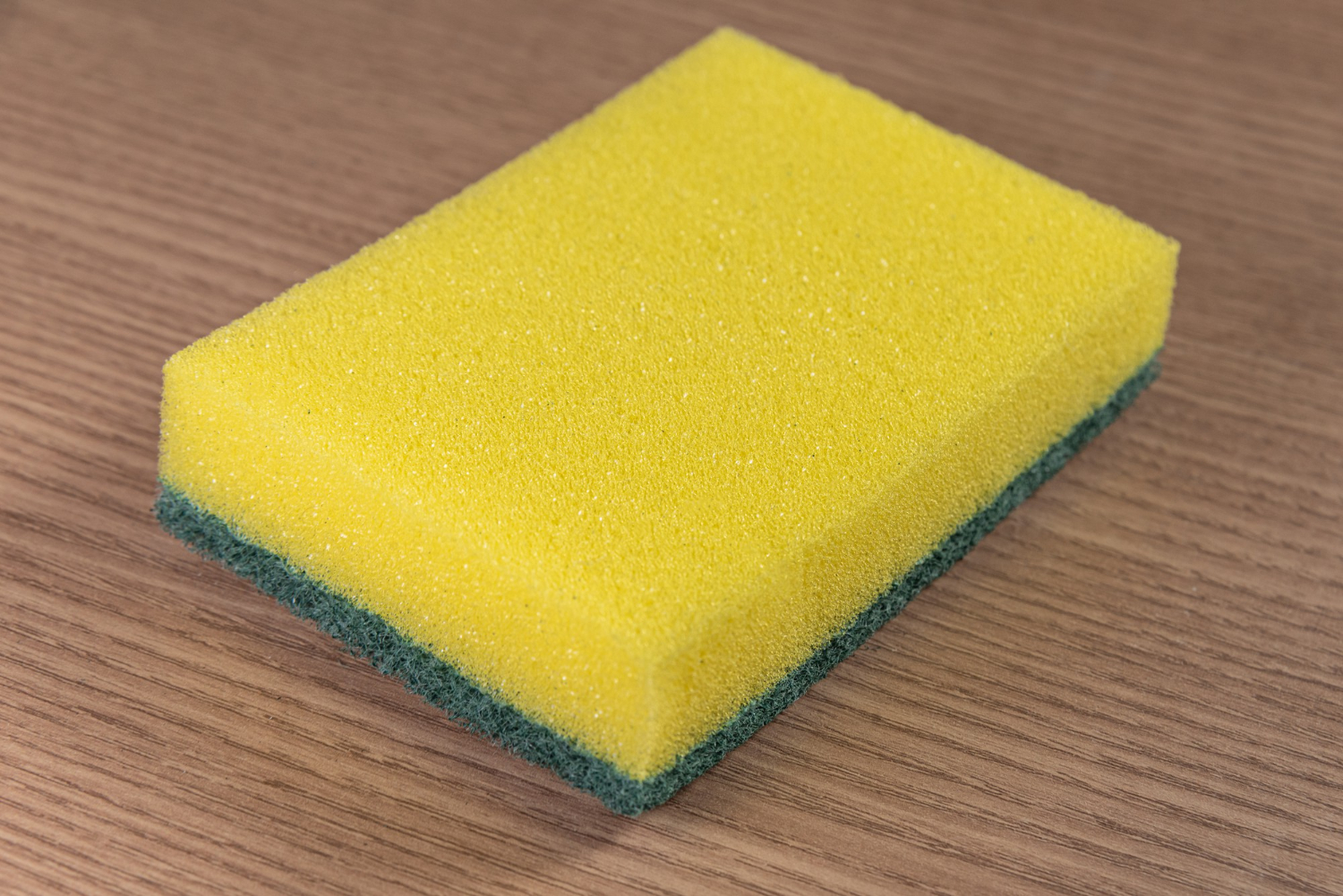
The kitchen sponge is, by most research measures, the single most bacteria-laden object in the average home — dramatically dirtier than the toilet seat, by orders of magnitude. A 2017 study found that kitchen sponges harbor enormous bacterial densities, with some sponges containing concentrations comparable to those found in fecal samples. The sponge’s moist, porous, food-residue-rich environment is essentially a bacterial paradise. Experts recommend microwaving a damp sponge daily, running it through the dishwasher, or simply replacing it weekly. Trying to clean dishes with a contaminated sponge can spread more bacteria than it removes.
The Cell Phone — Dirtier Than the Toilet, and Pressed to Your Face
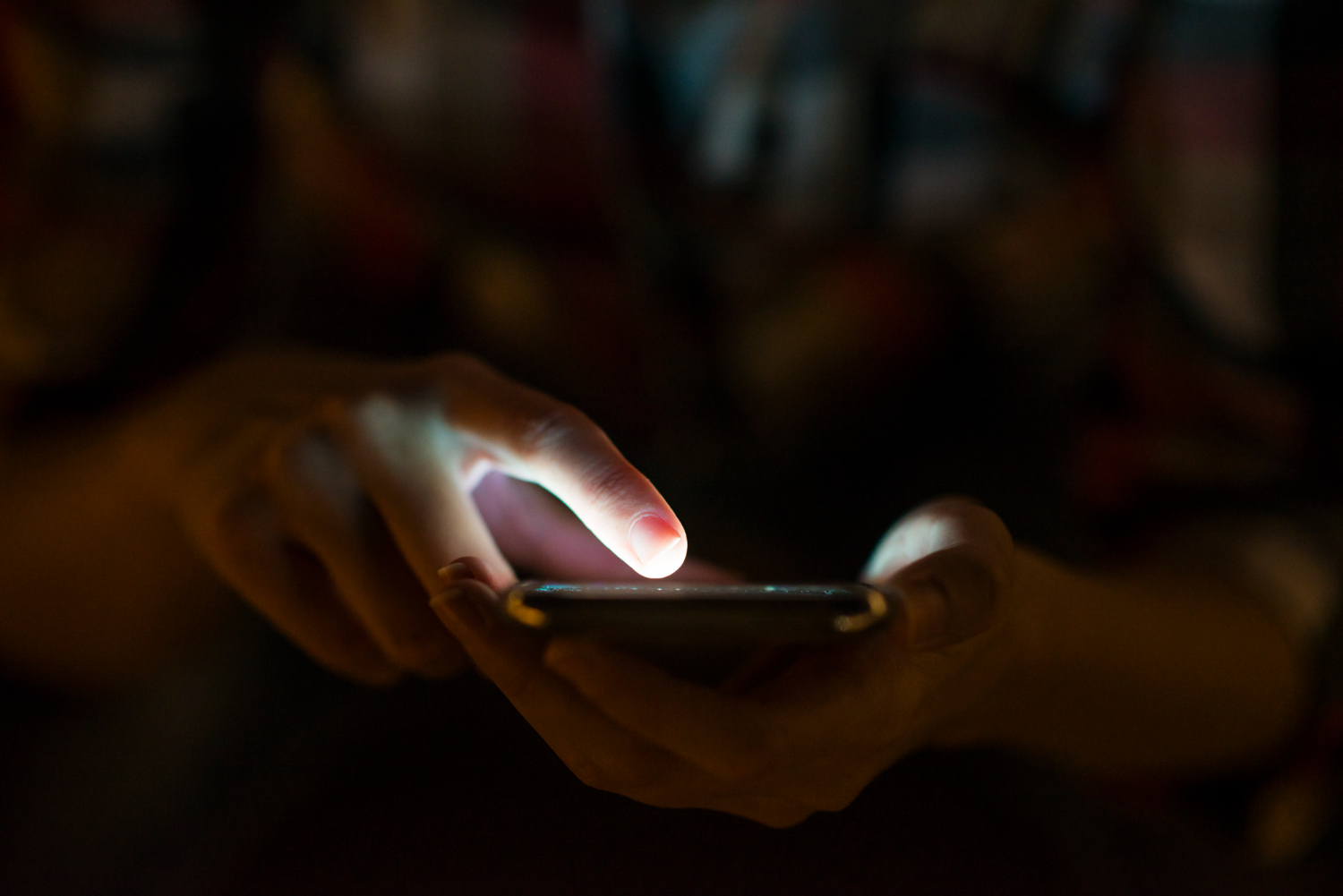
The cell phone carries substantially more bacteria than a typical toilet seat, according to multiple studies, with some research finding phones carry up to ten times the bacteria. The phone goes everywhere — the bathroom, the kitchen, restaurant tables — is handled constantly, and is rarely cleaned, then pressed directly against the face. The warmth of the device encourages bacterial growth. Experts recommend wiping the phone daily with a disinfectant wipe safe for screens or a microfiber cloth with a small amount of appropriate cleaner. The phone is among the dirtiest objects most people touch and the one they’re most intimate with.
The TV Remote — The Least-Cleaned Object in the House
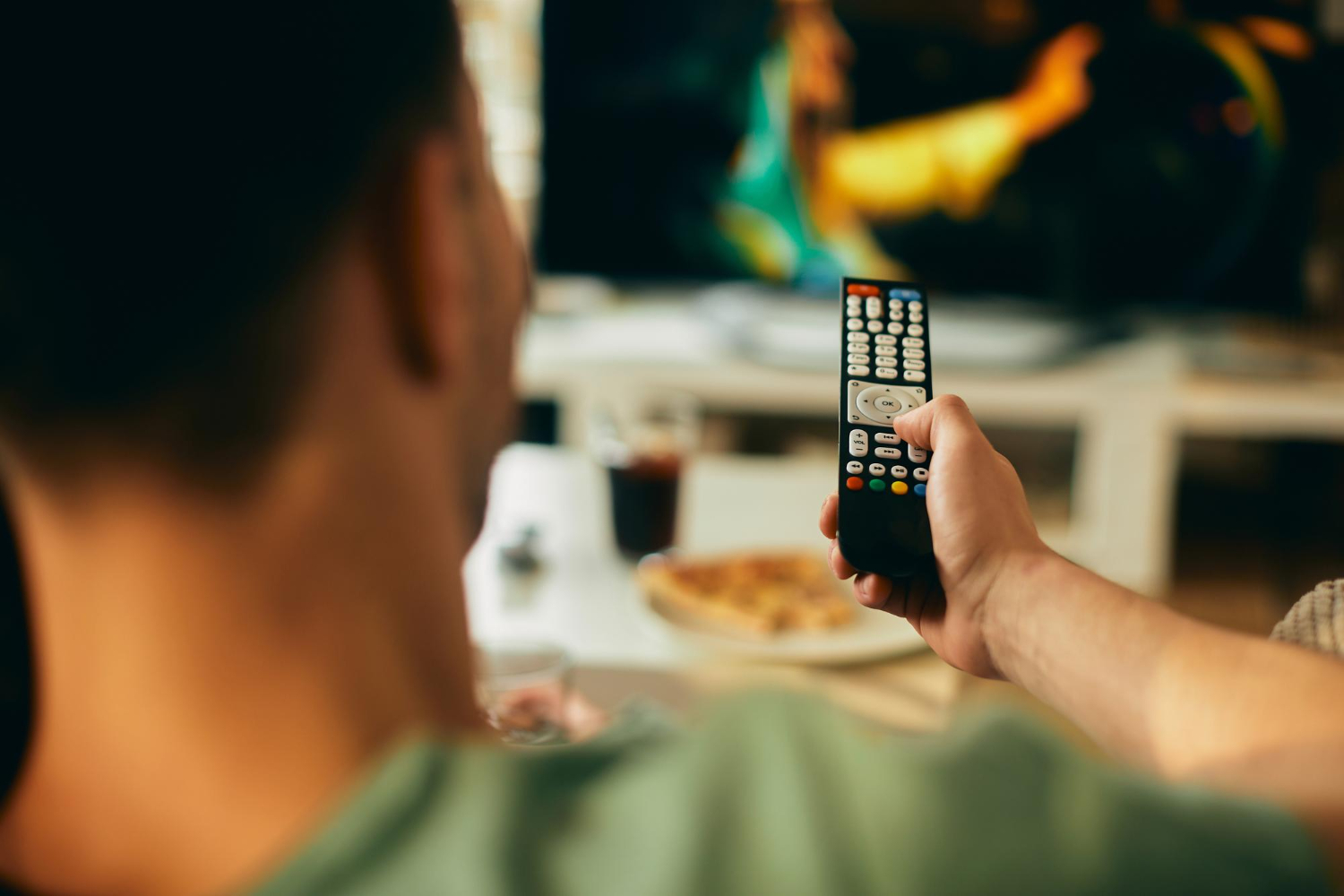
The television remote control is consistently found among the germiest household objects, particularly in hotels but also at home. The remote is handled by everyone, dropped on floors and couches, often used while eating, and almost never cleaned. Its textured buttons and crevices trap bacteria, food residue, and oils. Experts recommend wiping it down weekly at home and immediately on arrival in a hotel room. The remote’s combination of constant handling and near-total cleaning neglect makes it a reliable bacterial reservoir.
The Kitchen Sink — Dirtier Than the Bathroom
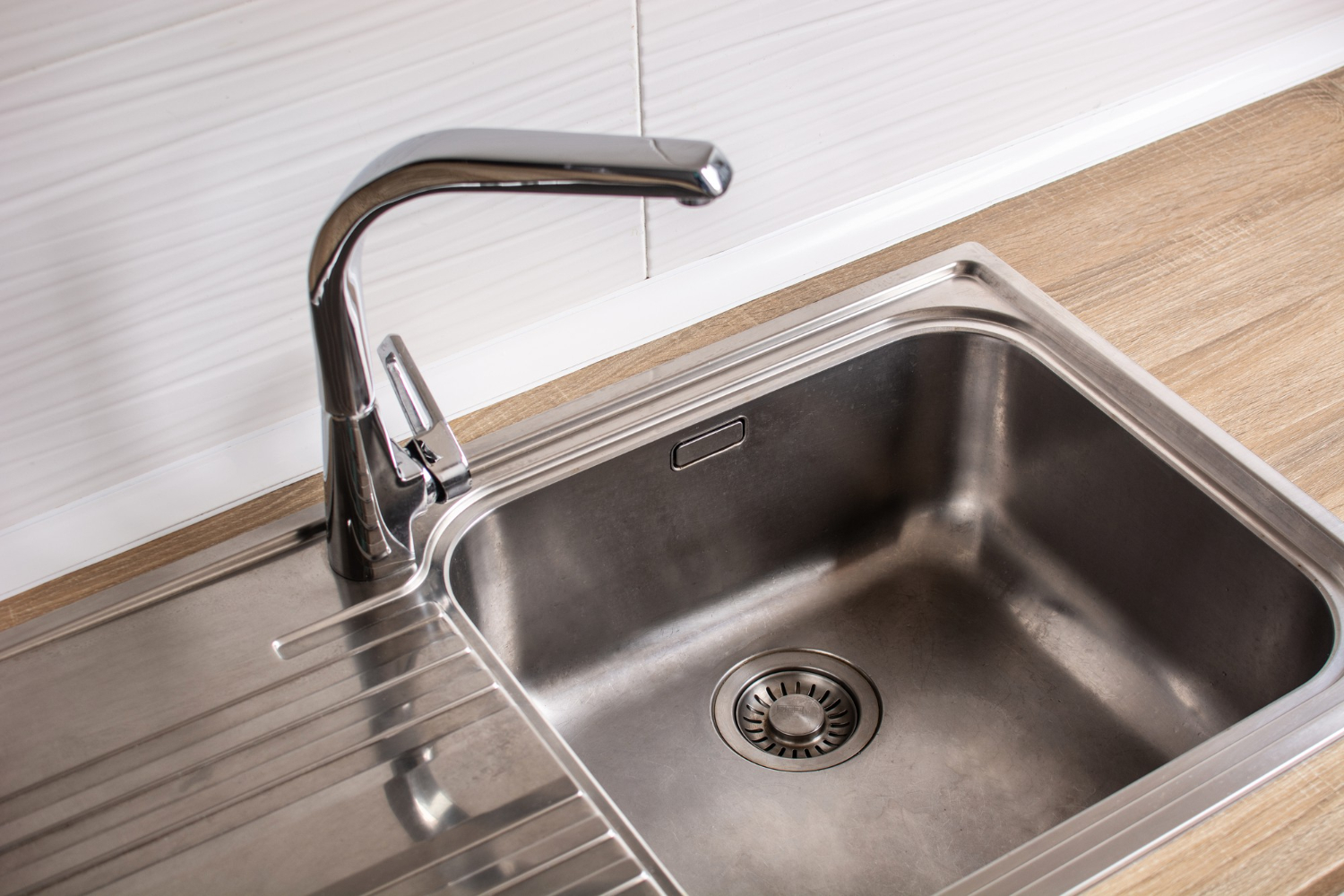
The kitchen sink, particularly the drain area and the bottom, harbors more bacteria than the average bathroom toilet, according to multiple household-hygiene studies. Food particles, moisture, and warmth combine to make the sink a bacterial breeding ground, especially around the drain and disposal. Experts recommend cleaning and disinfecting the sink basin and drain area several times a week, not just rinsing it. The assumption that the kitchen is cleaner than the bathroom is, by bacterial measures, frequently false — the kitchen sink and sponge are often the dirtiest spots in the entire home.
Cutting Boards — Especially the Ones for Raw Meat
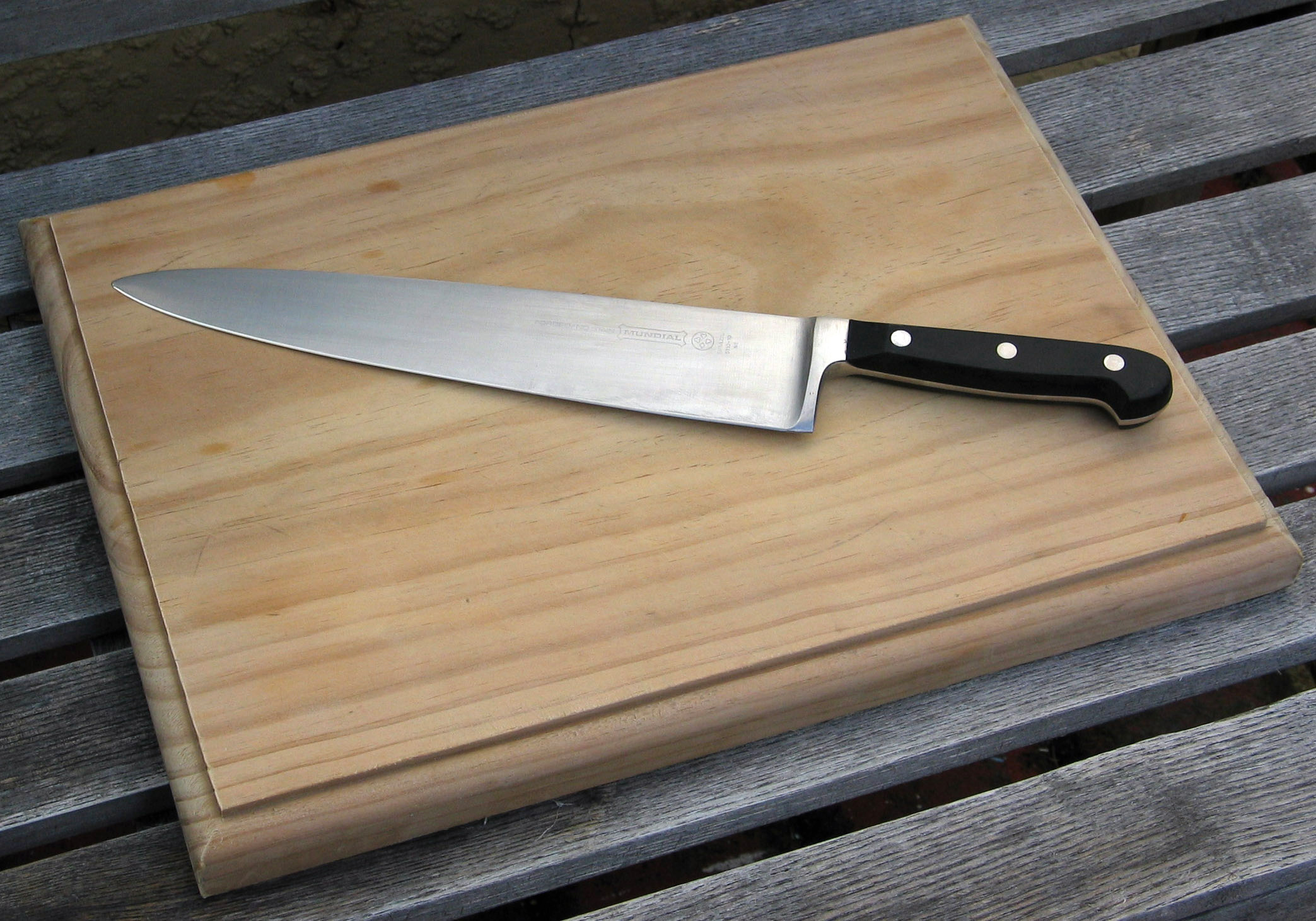
Cutting boards, particularly those used for raw meat and poultry, can harbor more fecal bacteria than a toilet seat — a frequently-cited research finding. The knife grooves trap bacteria that surface washing doesn’t reach. Experts recommend separate cutting boards for raw meat and produce, washing boards in hot soapy water immediately after use, periodic sanitizing, and replacing heavily-scarred boards. The cutting board’s combination of raw-food contact and hard-to-clean grooves makes it a genuine cross-contamination risk in the kitchen.
Reusable Shopping Bags and Water Bottles
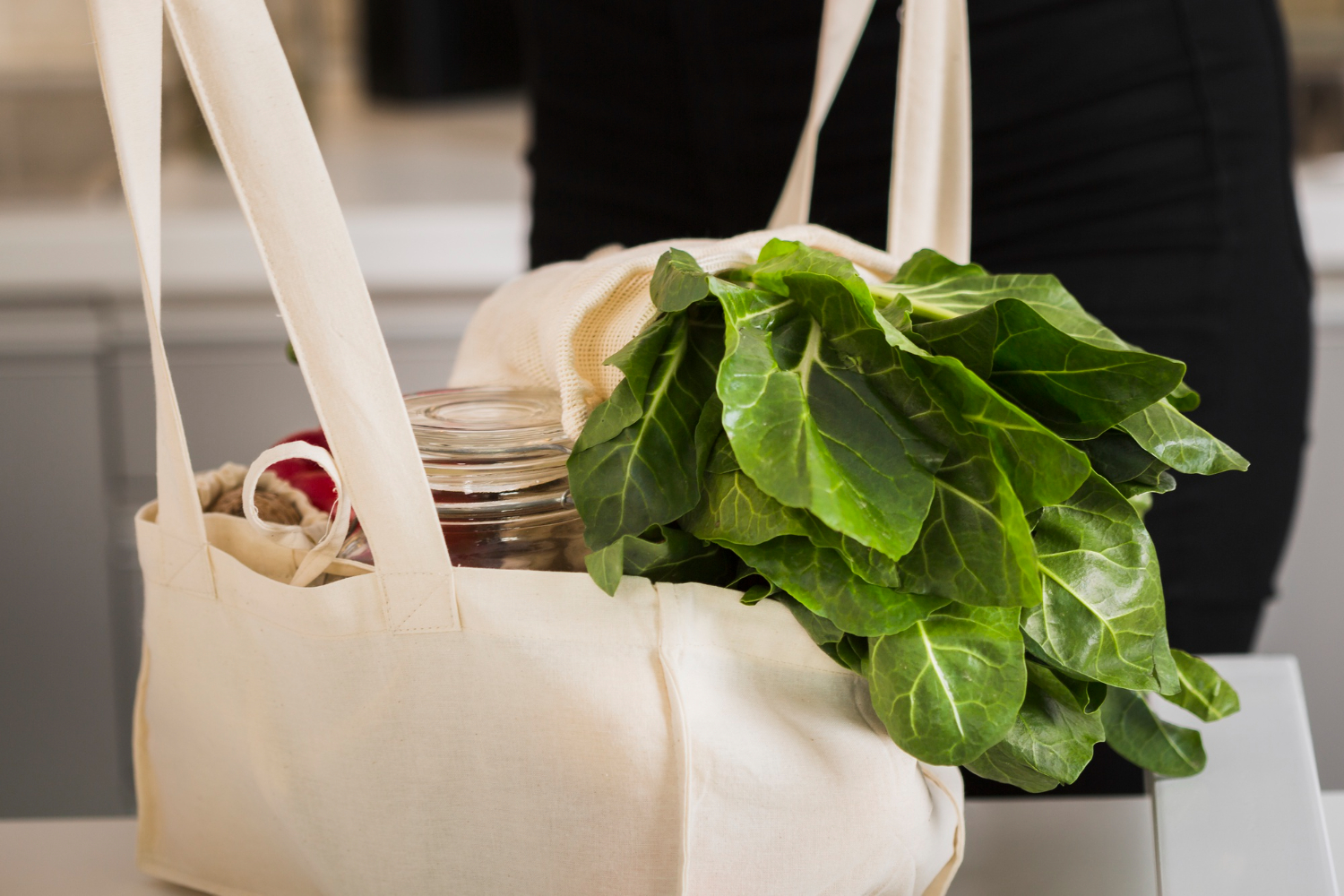
Reusable shopping bags and reusable water bottles both accumulate substantial bacteria when not regularly cleaned. Shopping bags carry residue from leaking meat packaging and produce, and are almost never washed. Reusable water bottles, particularly those with straws and complex lids, harbor bacteria in their moist interiors and hard-to-reach crevices. Experts recommend washing reusable grocery bags regularly (and keeping separate bags for raw meat), and washing water bottles daily with attention to the lid and straw components.
The Toothbrush Holder and Bathroom Surfaces You Forget
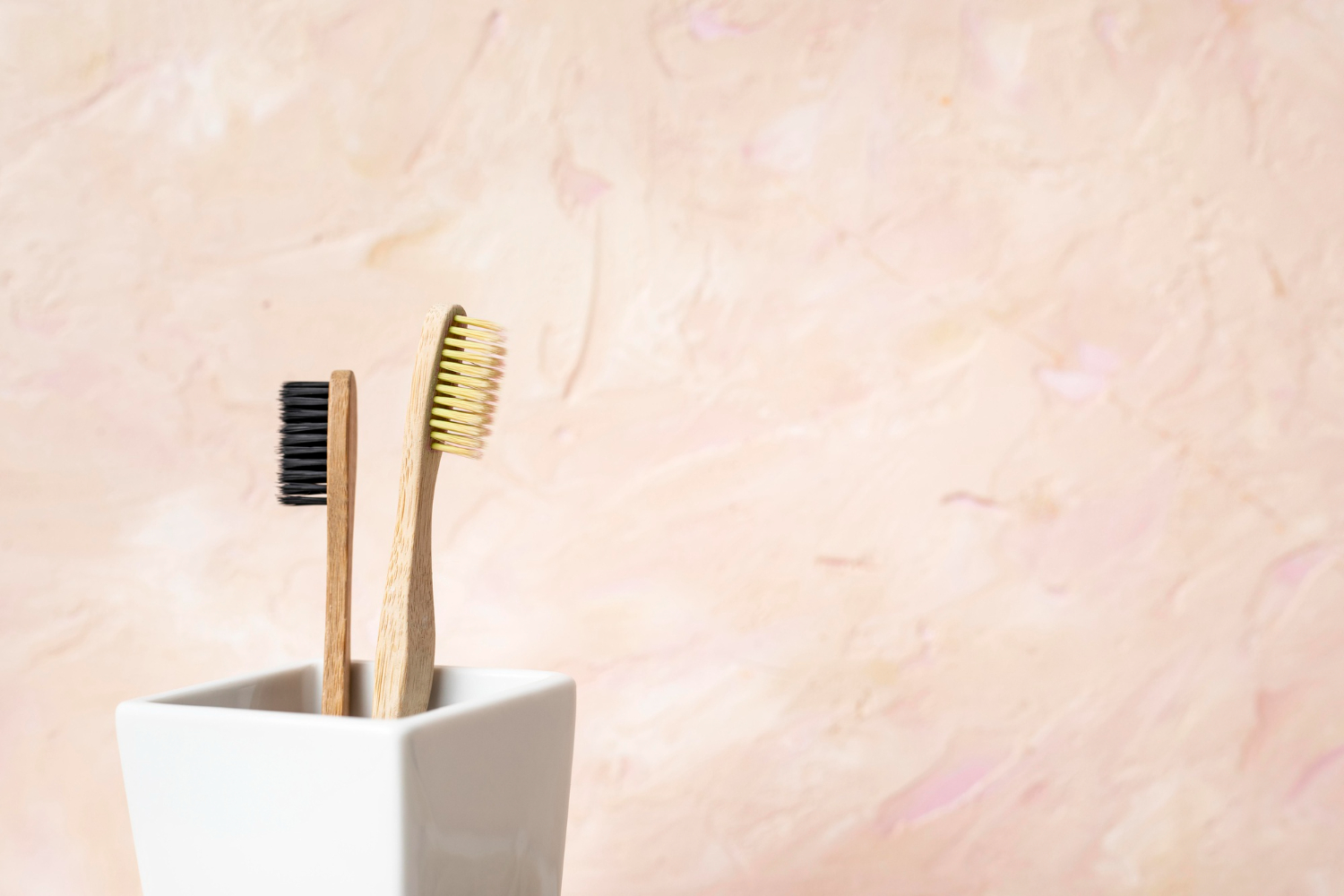
The toothbrush holder is consistently ranked among the germiest bathroom objects — frequently dirtier than the toilet seat — because it collects moisture and the residue that drips off toothbrushes, and is rarely cleaned. The bathroom’s airborne bacteria (the reason to close the toilet lid before flushing) settle on the holder. Experts recommend cleaning the toothbrush holder weekly. The broader lesson is that the bathroom objects people forget — the holder, the faucet handles, the light switch — are dirtier than the toilet seat everyone fixates on.
Light Switches, Door Handles, and Faucet Handles
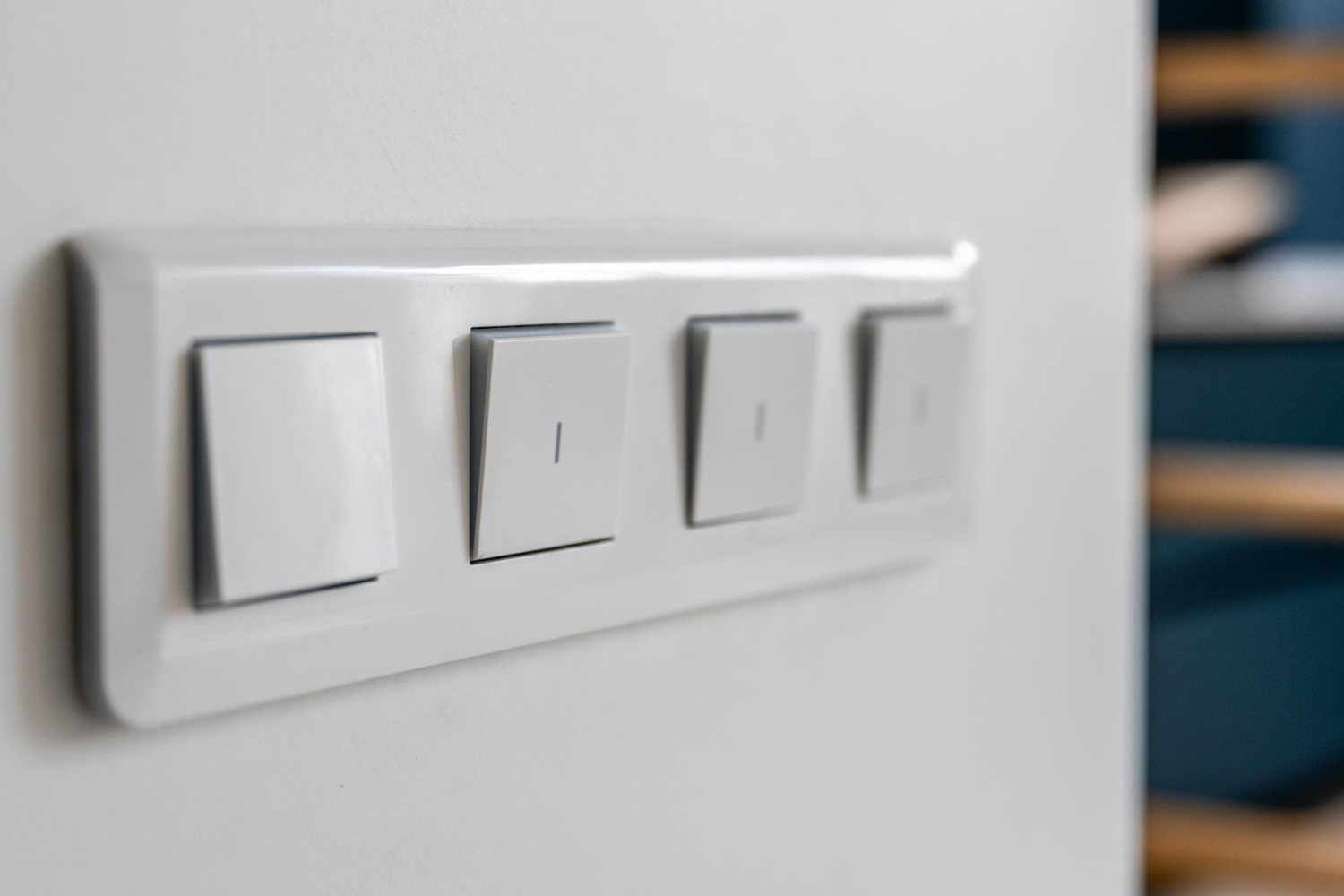
The light switches, door handles, and faucet handles throughout a home are touched constantly by everyone and cleaned almost never, making them reliable bacterial reservoirs that frequently exceed toilet-seat bacterial counts. These high-touch points are also the primary vectors for spreading illness through a household — when one family member is sick, these are the surfaces that transmit it. Experts recommend wiping high-touch surfaces regularly, particularly during cold and flu season or when someone in the household is ill.
The Office and Car Versions of the Problem
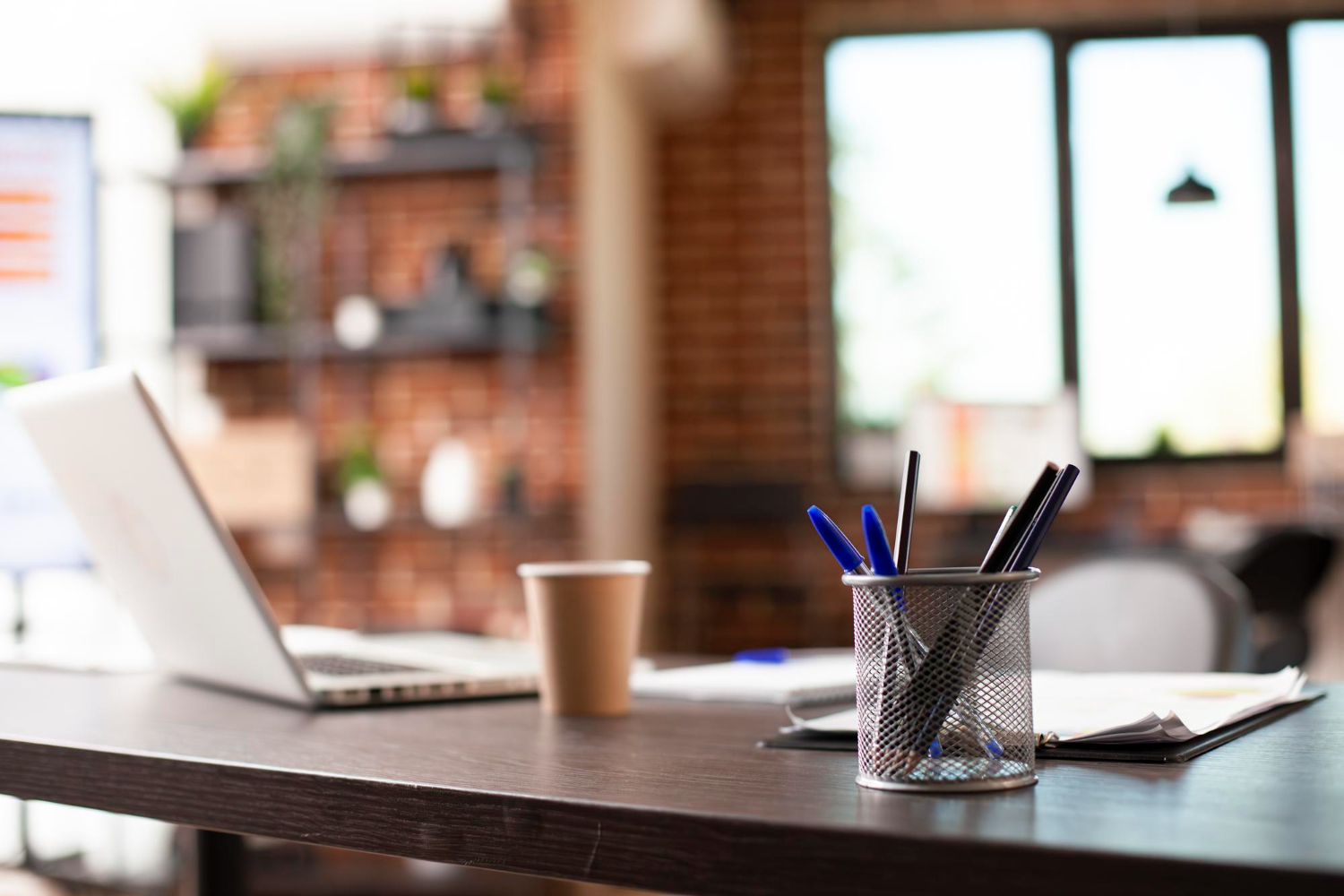
The same pattern extends beyond the home to the two other places people spend the most time — the office and the car. The office desk has been found in studies to harbor far more bacteria than a toilet seat, with the keyboard, mouse, desk phone, and the desk surface itself rarely cleaned despite constant handling, often while eating lunch at the desk. The shared office coffee pot handle, microwave door, and refrigerator handle are touched by everyone and cleaned by no one. In the car, the steering wheel is a major bacterial reservoir — frequently dirtier than a public toilet seat — along with the gear shift, door handles, and the cup holders that collect spills and crumbs. Most people never clean these surfaces at all. The lesson is consistent across home, office, and car: the genuinely dirty objects are the high-touch, low-cleaned ones that people don’t think of as dirty, and a few minutes of attention to the steering wheel, the desk keyboard, and the office phone addresses bacterial reservoirs that most people ignore entirely while scrubbing surfaces that don’t need it.
What This Actually Means for You
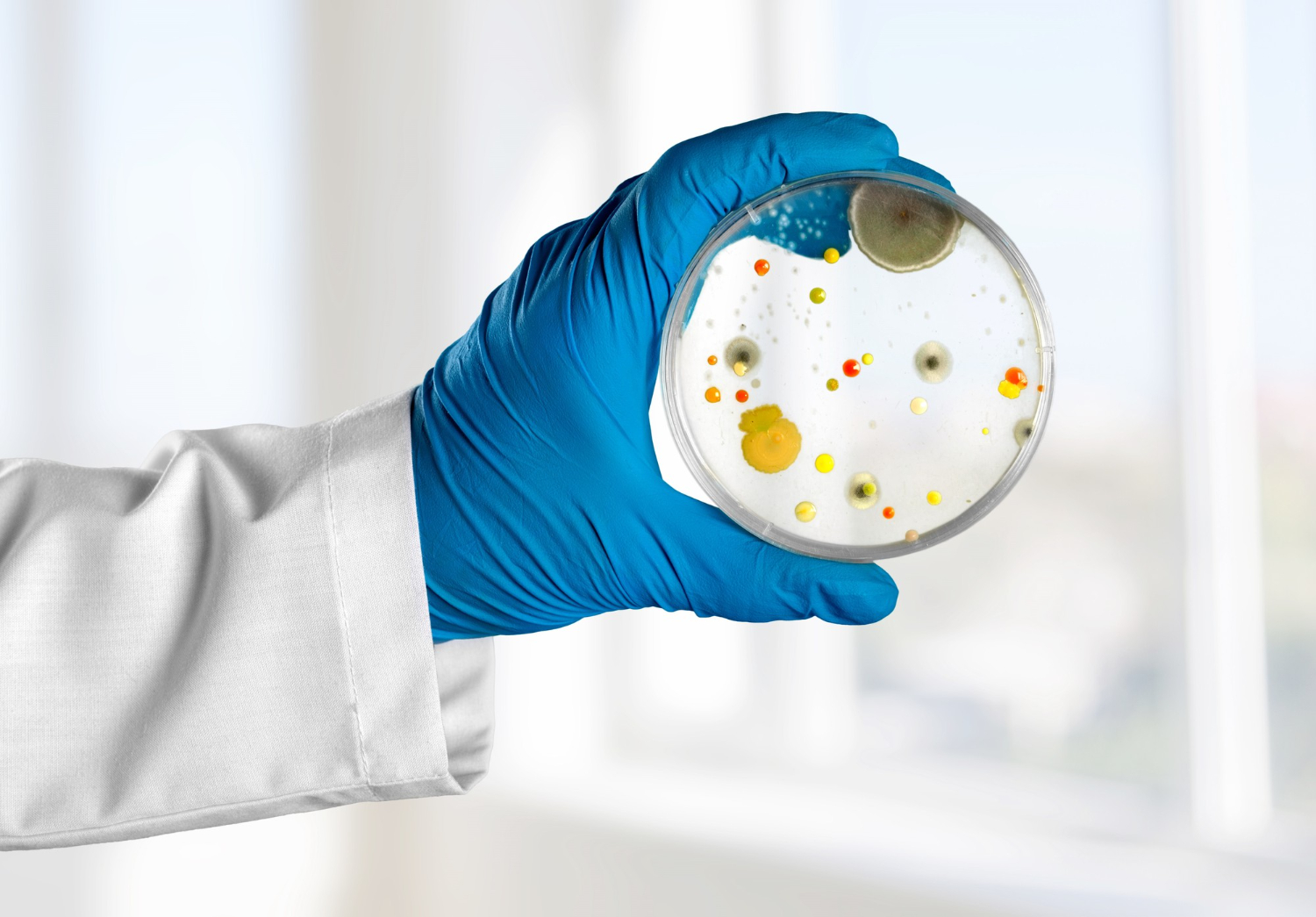
The practical takeaway is not to become anxious about household bacteria — the overwhelming majority of these germs are harmless, and a normally functioning immune system handles ordinary household microbes without issue. The genuine value of knowing this is in redirecting cleaning effort toward the objects that actually matter. Most people over-clean the toilet seat and under-clean the sponge, the phone, the remote, the sink, and the cutting board — exactly backward from where the bacteria actually concentrate. A reasonable routine addresses the genuine reservoirs: replace or sanitize the kitchen sponge weekly, wipe the phone and remote regularly, disinfect the kitchen sink and cutting boards after use, and clean high-touch surfaces during illness. The point is not sterility, which is neither achievable nor desirable, but simply directing ordinary cleaning effort toward the objects where it actually reduces the spread of the bacteria most likely to make someone sick. The toilet seat, ironically, is one of the few things in most homes that genuinely doesn’t need the attention it gets.
