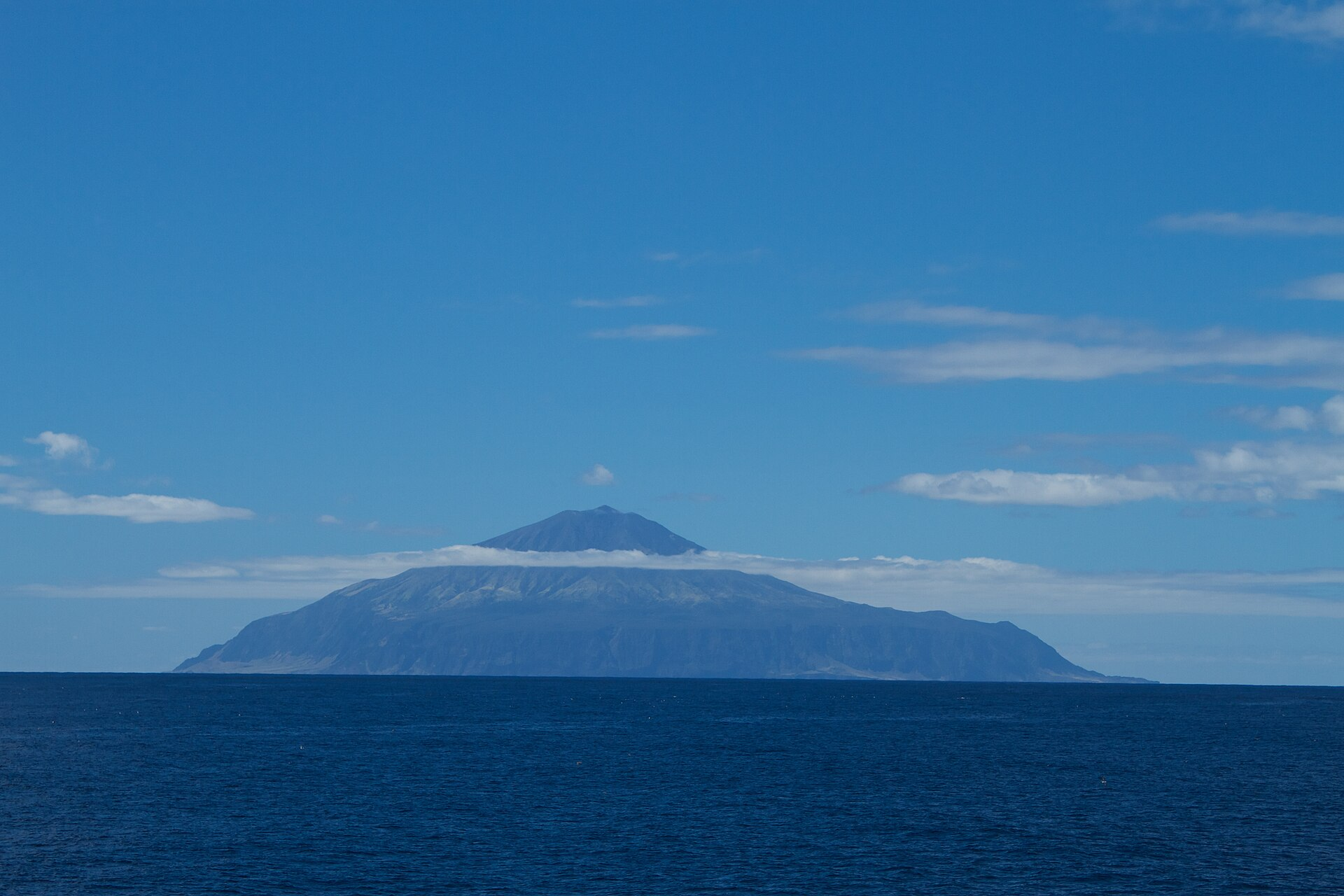
Somewhere in the vast emptiness of the South Atlantic Ocean, roughly halfway between South America and Africa, rises a cone of green and black volcanic rock that is home to one of the most extraordinary communities on Earth. Tristan da Cunha is officially the most remote inhabited island in the world, a place so far from anywhere that its roughly 250 residents live in greater isolation than any other permanent community on the planet. There is no airport, no quick way in or out, and the nearest neighbors are more than 1,500 miles across open ocean. Here is the story of this tiny, tight-knit society at the edge of the world, and what life is like in the loneliest outpost of humanity.
A Speck in the South Atlantic
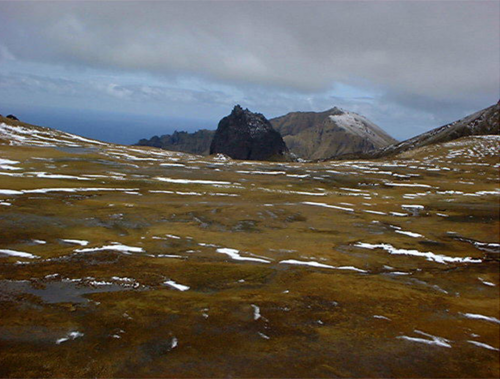
Tristan da Cunha is a small group of volcanic islands, of which only the main island, also called Tristan da Cunha, is inhabited. The numbers behind its isolation are staggering. The island lies roughly 1,500 miles from St. Helena, the nearest inhabited land, around 1,750 miles from Cape Town in South Africa, and over 2,000 miles from South America. It sits alone in an immense expanse of ocean, hundreds of miles from any shipping lane.
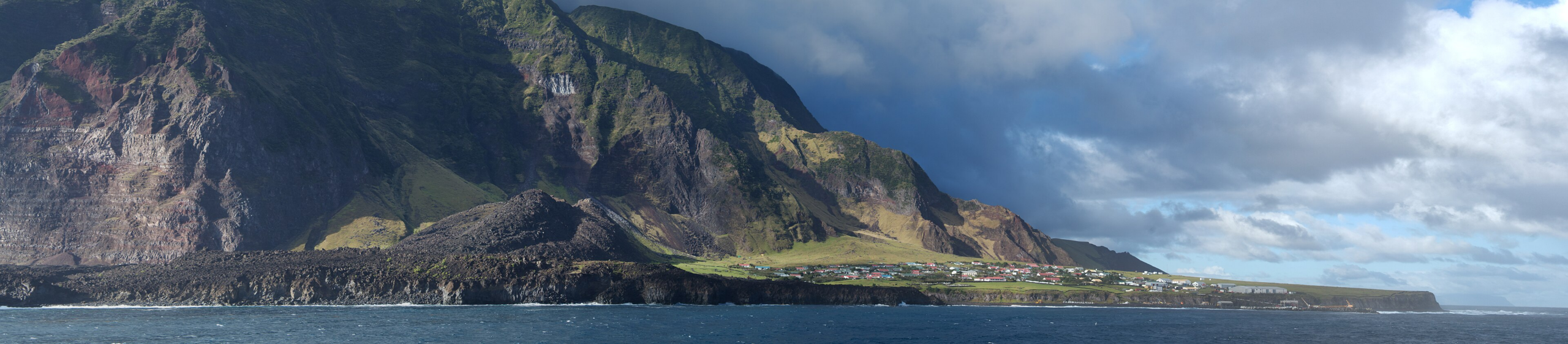
The island itself is dramatic: a roughly seven-mile-wide volcano whose peak, Queen Mary’s Peak, rises to nearly 6,800 feet, often wreathed in cloud. The settlement clings to one of the few flat areas of coastline, beneath the looming volcanic slopes. Steep cliffs guard most of the shore. To stand on Tristan is to be as far from the rest of the human race as it is possible to be while still living in a permanent town. It is geography at its most extreme.
Like our content? Follow us for more.
Edinburgh of the Seven Seas
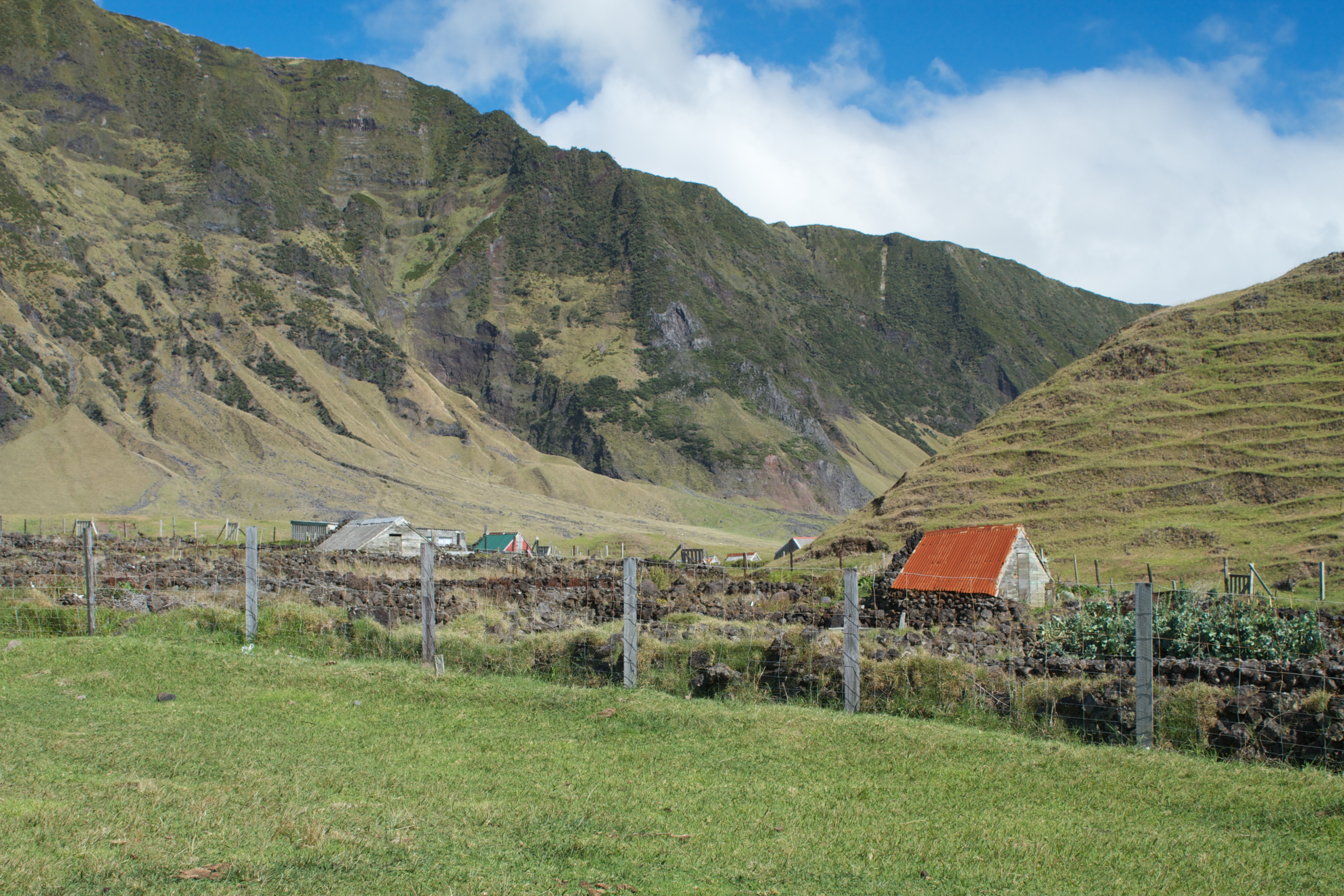
The island’s only settlement bears one of the most evocative names in the world: Edinburgh of the Seven Seas, often simply called “the Settlement” by locals. It is home to the entire population, a community of around 250 people who form one of the most close-knit societies anywhere on Earth.
The residents share a remarkably small number of family surnames, descendants of the handful of settlers, sailors, and shipwrecked travelers who established a permanent presence in the 19th century. This shared ancestry gives the community a deep, intertwined sense of family and belonging. Everyone knows everyone; the entire island is, in effect, an extended family and a single village. It is a society built on cooperation, shared labor, and the bonds forged by generations of living together in profound isolation at the bottom of the world.
A History Shaped by Isolation
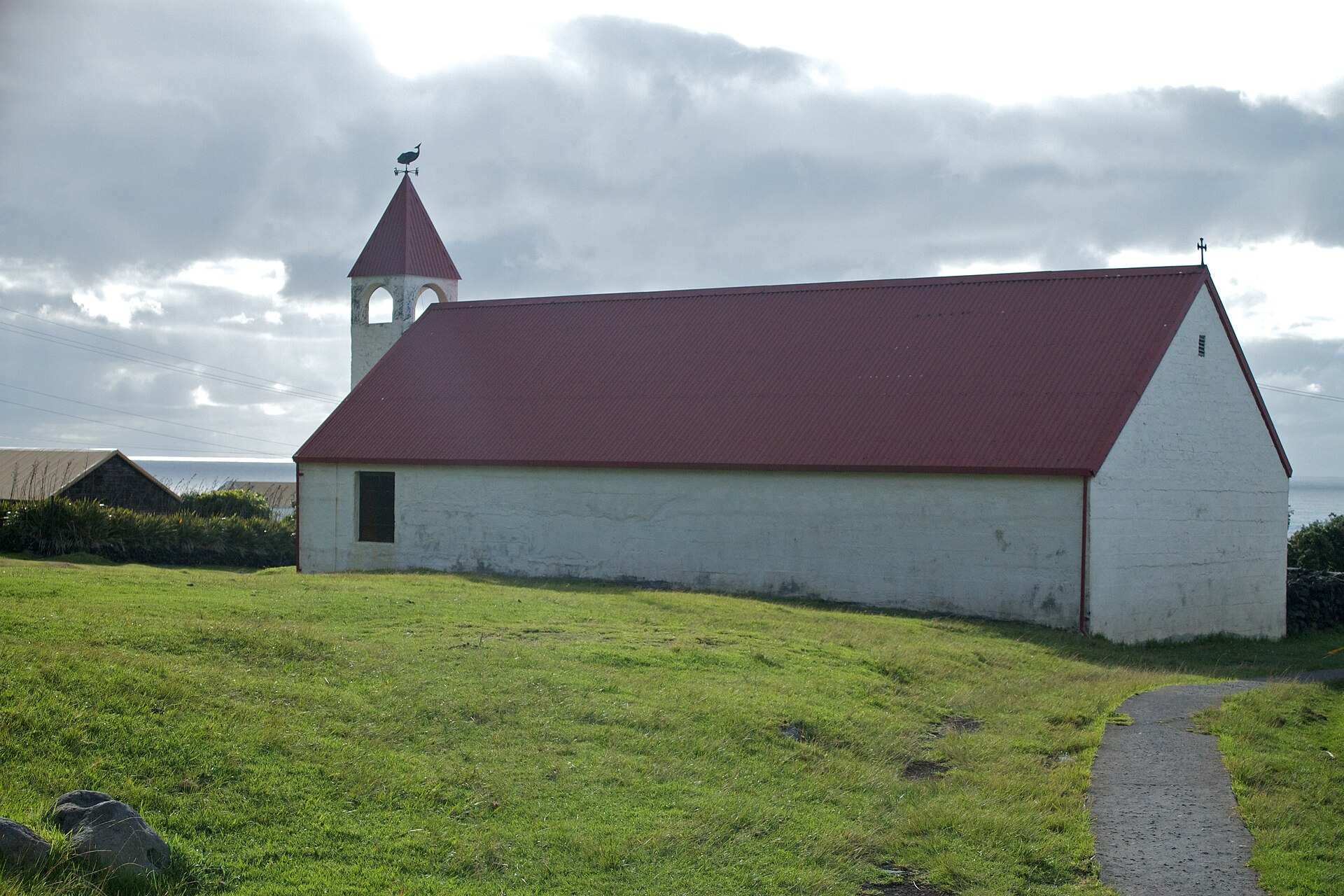
Tristan da Cunha was first sighted in 1506 by a Portuguese explorer, who gave the island his name, but its sheer remoteness kept it uninhabited for centuries. The British formally annexed the island in 1816, in part to prevent it from being used as a base to rescue the exiled Napoleon, who was being held on distant St. Helena. From that small garrison grew the permanent community that endures today.
The island’s modern history has been marked by its isolation in dramatic ways. In 1961, the island’s volcano erupted, forcing the entire population to be evacuated, all the way to England, where the islanders lived for about two years before most chose to return home to their remote island rather than remain in the modern world. That collective decision to go back speaks volumes about the islanders’ attachment to their extraordinary home. Today, Tristan da Cunha is part of a British Overseas Territory, governed locally by an island council and chief islander.
Getting There Is an Expedition
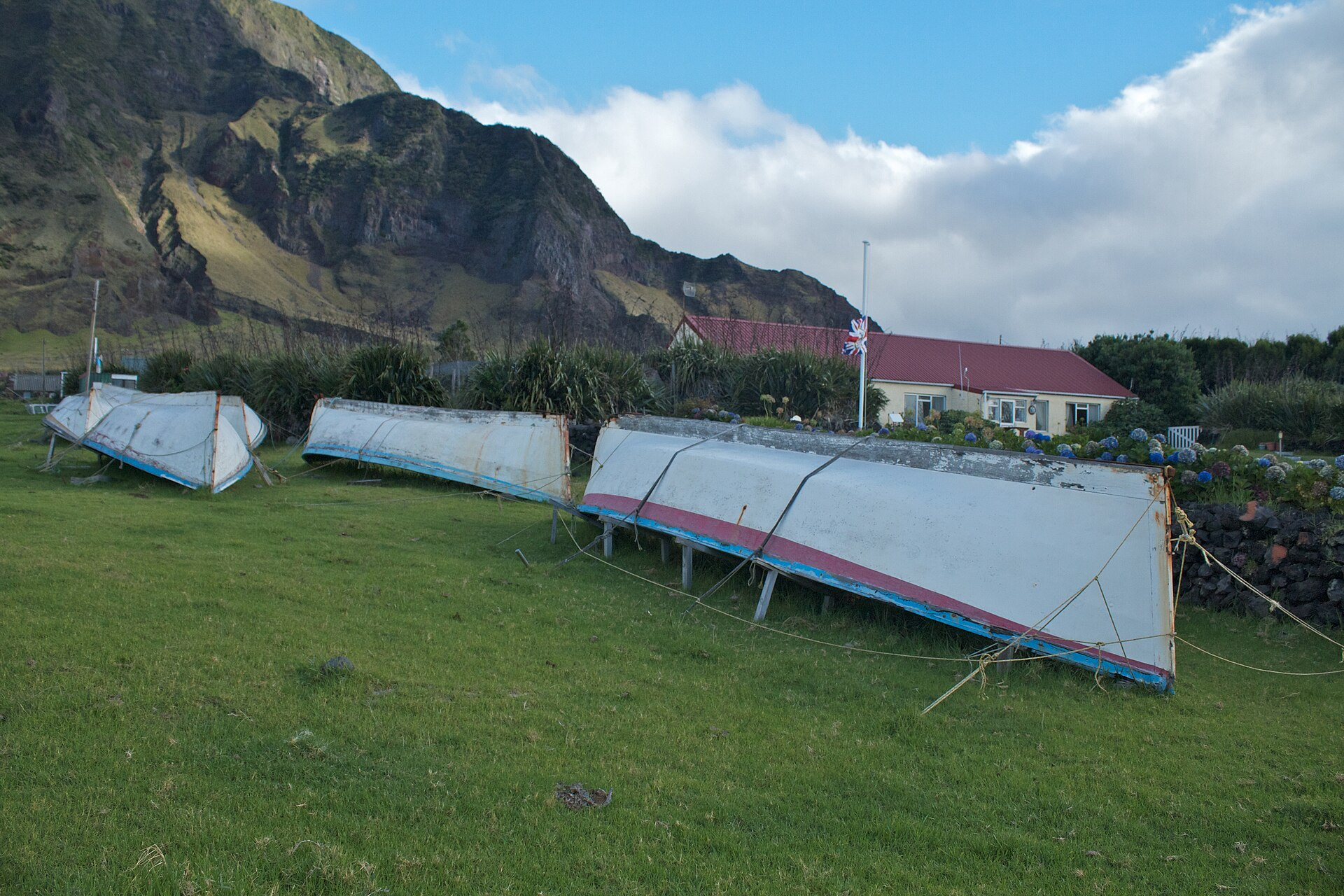
Reaching Tristan da Cunha is genuinely difficult, which is a large part of what keeps it so isolated. There is no airport and no possibility of building one on the steep volcanic terrain, so the only way to arrive is by sea. The journey typically begins with a flight to Cape Town, South Africa, followed by a voyage of roughly six days by boat across the open ocean.
Ships do not come often, sailing only a limited number of times a year, primarily fishing and research vessels that also carry the occasional passenger. There is no regular ferry or cruise service. This means that visiting, or leaving, requires careful planning around the infrequent sailings, and a medical emergency or supply need cannot simply be met on demand. The difficulty of access shapes every aspect of life on the island, reinforcing the self-reliance that island living demands.
A Self-Sufficient Way of Life
Life on Tristan da Cunha runs at a slower, more communal pace, built around self-sufficiency. The islanders are largely a farming and fishing community. Families tend their own plots of potatoes and vegetables at an area known as The Patches, raise livestock, and the island’s main industry and export is fishing for prized rock lobster, sold to markets abroad. Daily tasks like tending animals and working the land are communal activities shared across the community.
With supplies arriving only by infrequent ship, residents must plan ahead and make do, a way of life that prizes thrift, cooperation, and resilience. Modern conveniences have arrived gradually and late; live television and regular outside news, for instance, only reached the island around the turn of the 21st century. The community even runs what is surely the world’s most remote bus service along its single short road. It is a way of living that has largely vanished elsewhere, preserved here by sheer distance.
A Haven for Wildlife
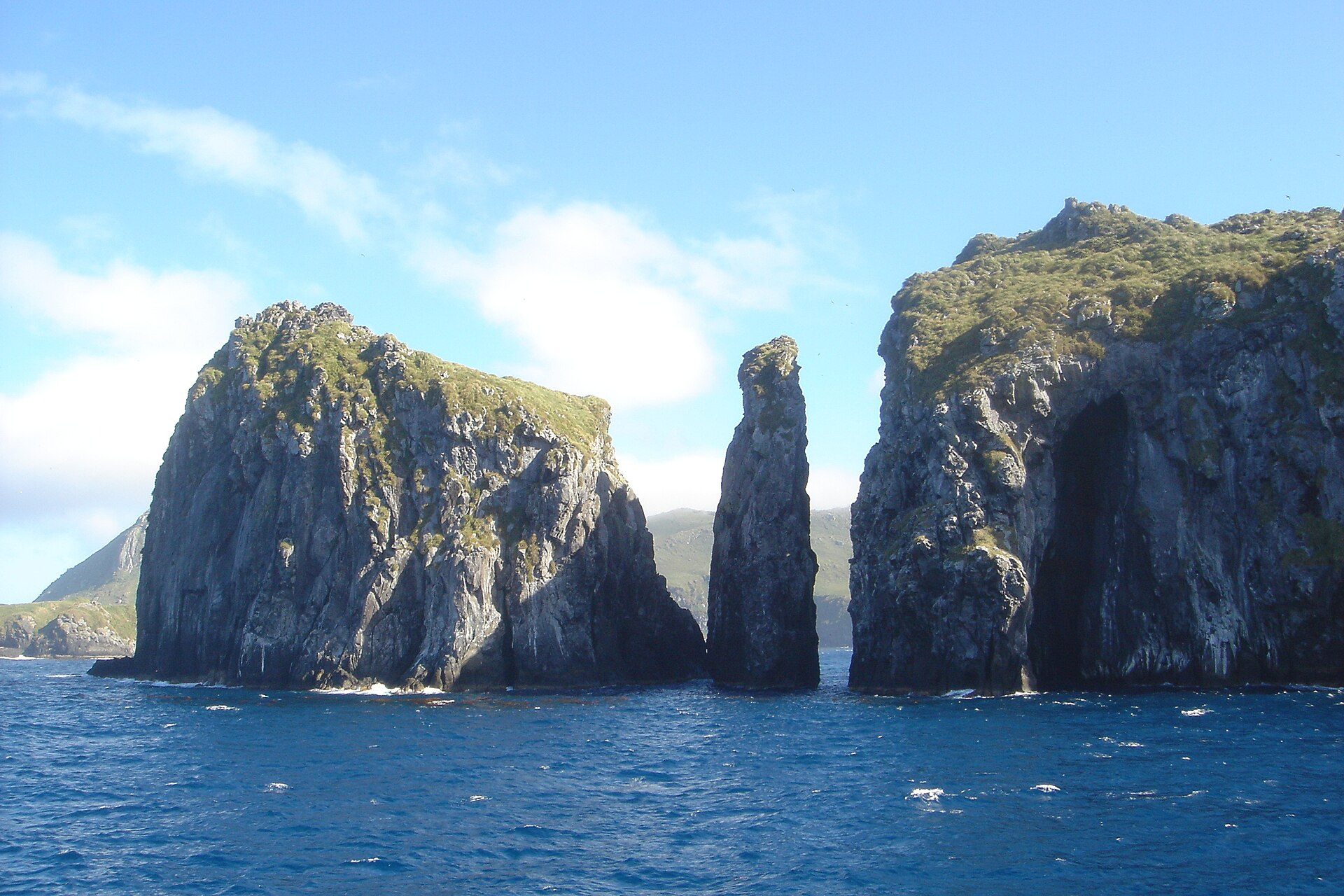
Tristan da Cunha’s isolation has made it a globally important sanctuary for wildlife, particularly seabirds. The islands of the archipelago teem with seals, albatrosses, penguins, and vast colonies of seabirds, many found nowhere else. Two of the uninhabited islands in the group are so ecologically precious that they have been recognized as a UNESCO World Heritage Site for their biodiversity.
This abundance of wildlife is both a treasure and a responsibility, and the islanders, along with conservation organizations, work to protect the fragile ecosystems from threats such as introduced rodents that prey on bird eggs and chicks. The surrounding waters have also been protected as a vast marine sanctuary. In its remoteness, Tristan da Cunha has preserved natural riches that have been lost in more accessible parts of the world, making it a place of immense importance to scientists and conservationists.
Life at the Edge of the World
For most of us, the idea of living on Tristan da Cunha is almost impossible to imagine: a place where the nearest town is a week’s sail away, where supplies and news arrive only occasionally, where the same few hundred faces make up your entire world. And yet, for the islanders who chose to return after the 1961 evacuation and for the generations since, it is simply home, a tight-knit, self-reliant community living amid spectacular natural beauty.
Tristan da Cunha endures as a powerful reminder that human communities can thrive in the most improbable places, sustained by cooperation, resilience, and a deep attachment to home. In an age of constant connection and instant travel, there is something genuinely awe-inspiring about a place that remains so profoundly apart, where a few hundred people live their entire lives at the very edge of the inhabited world. It is the loneliest island on Earth, and for those who call it home, there is nowhere they would rather be.
Like our content? Follow us for more.