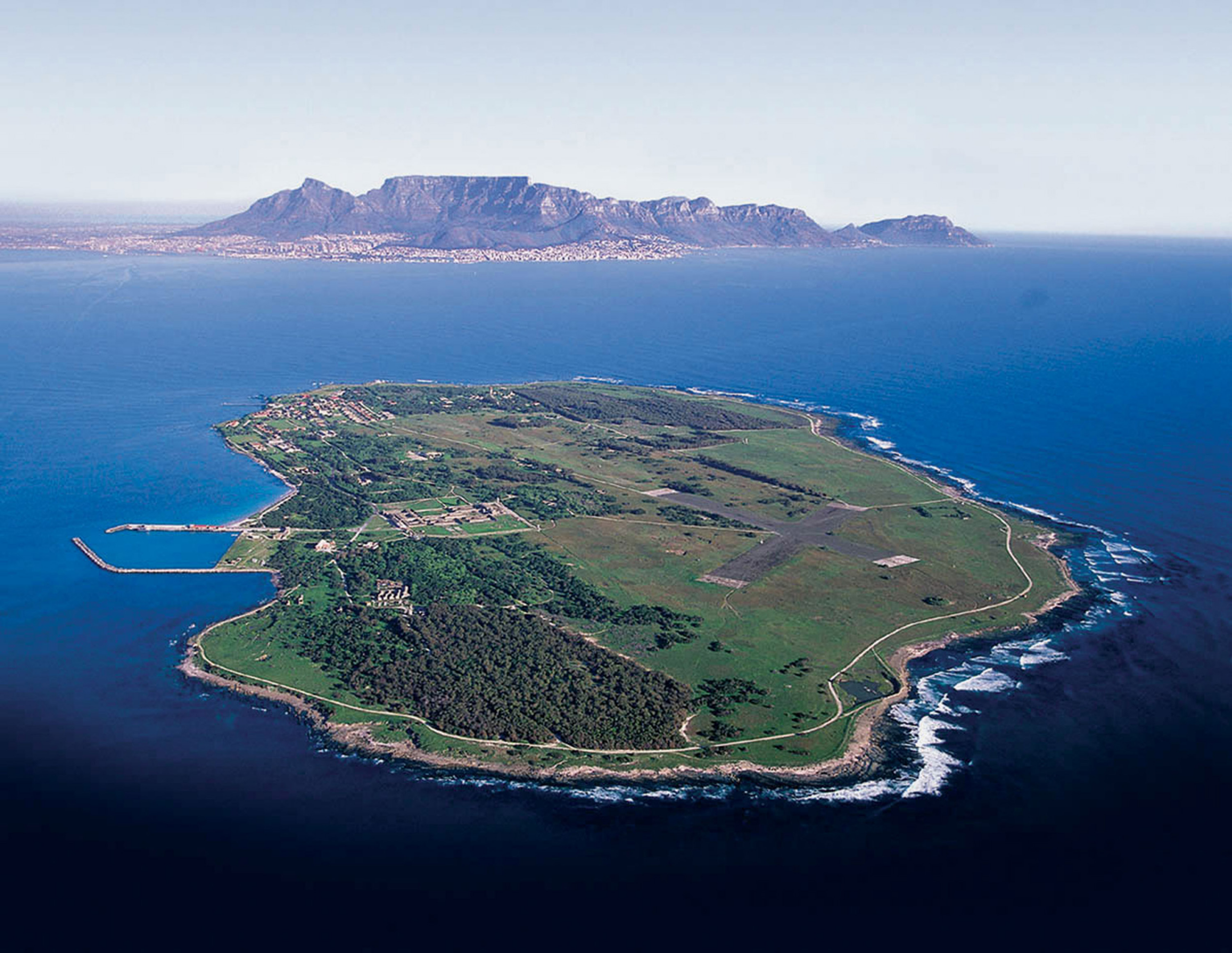
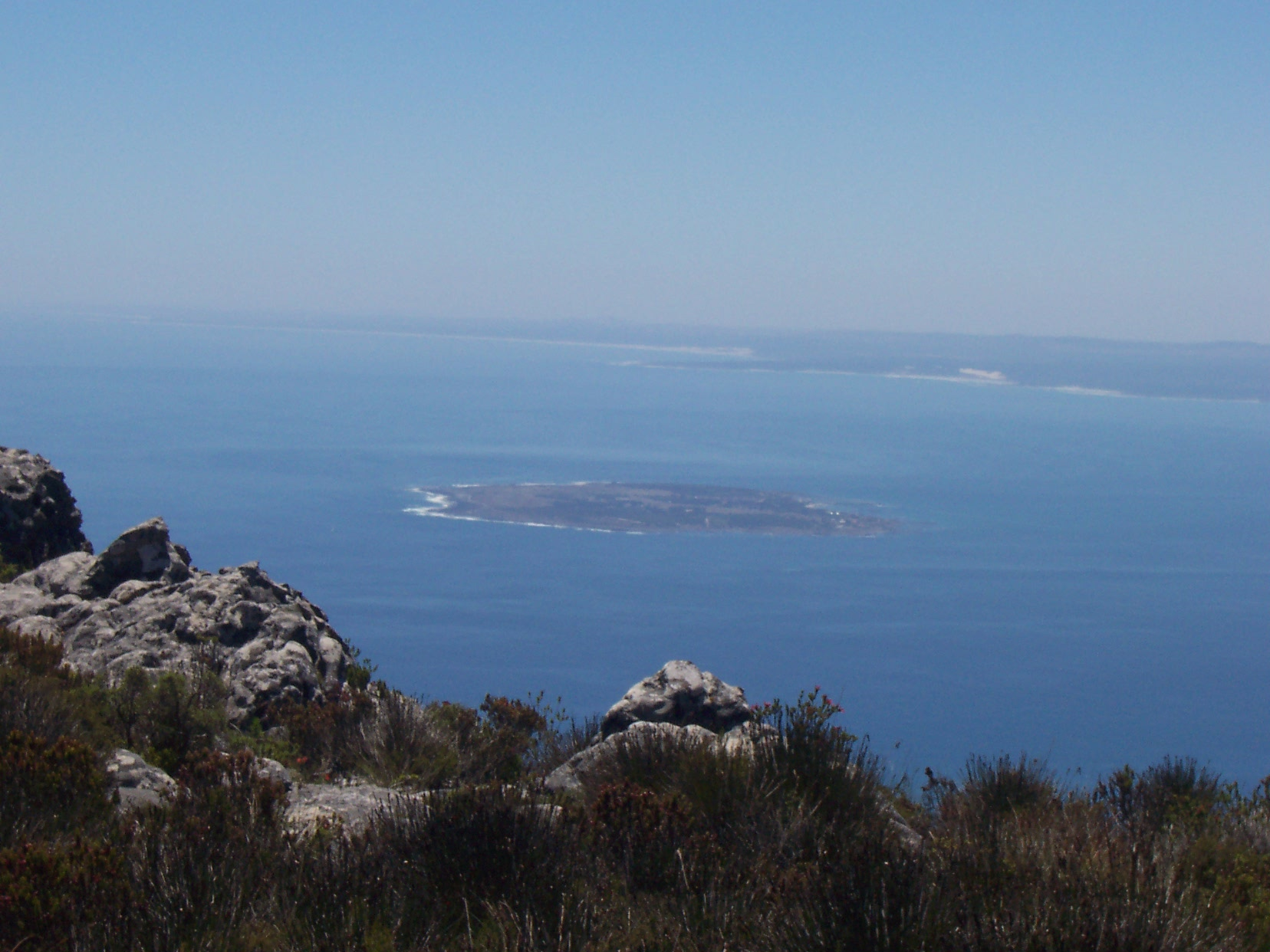
Every July 18, Mandela Day marks the birthday of Nelson Mandela with a global call to service, and for travelers, no place brings his story closer than the low, windswept island visible from Cape Town’s shoreline. Robben Island, a short ferry ride and an entire world away from the city’s cafés and waterfront wheel, is where Mandela spent 18 of his 27 imprisoned years, and it has become one of the most understatedly powerful destinations on Earth.
An Island With Layers of History
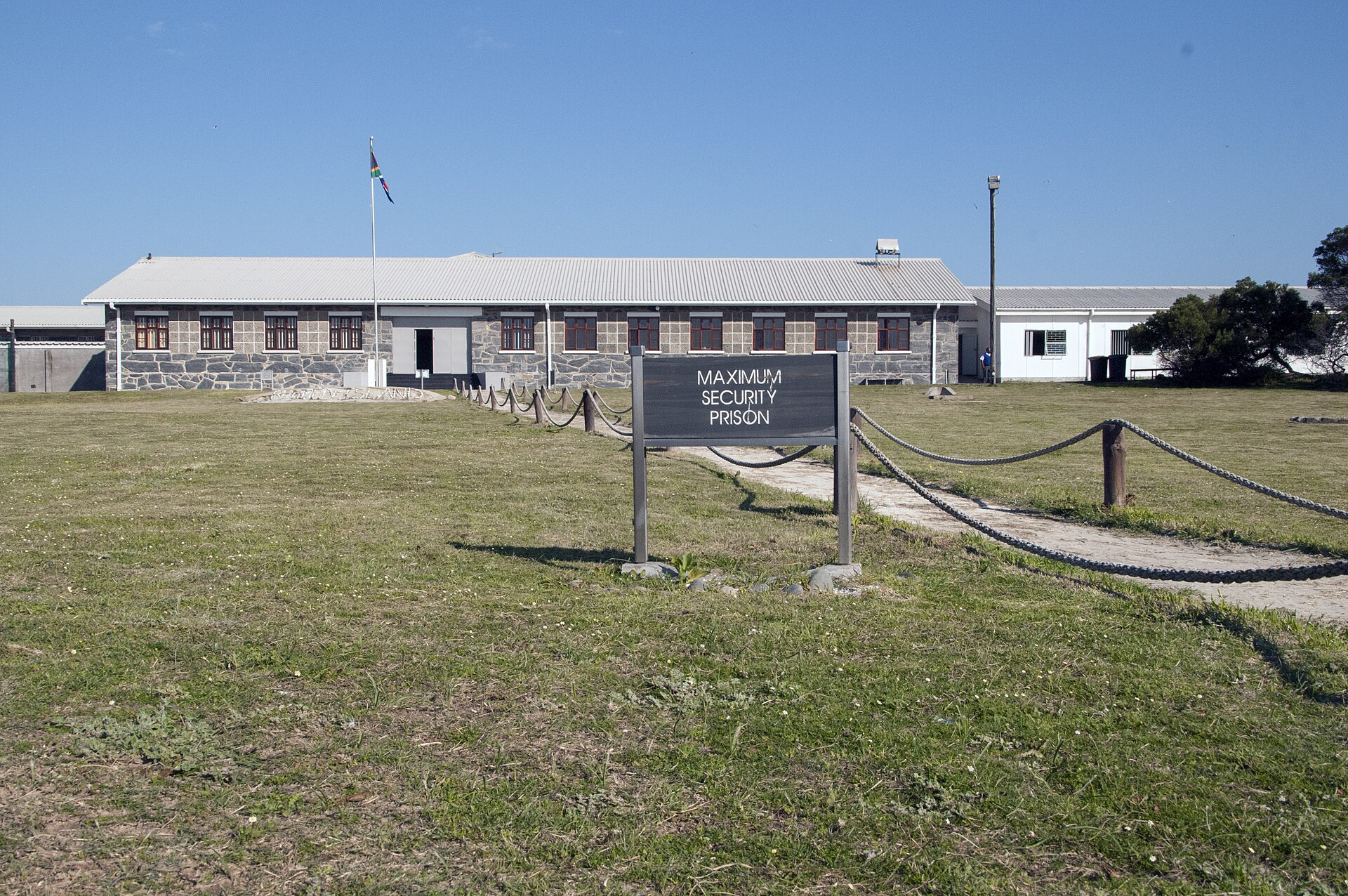
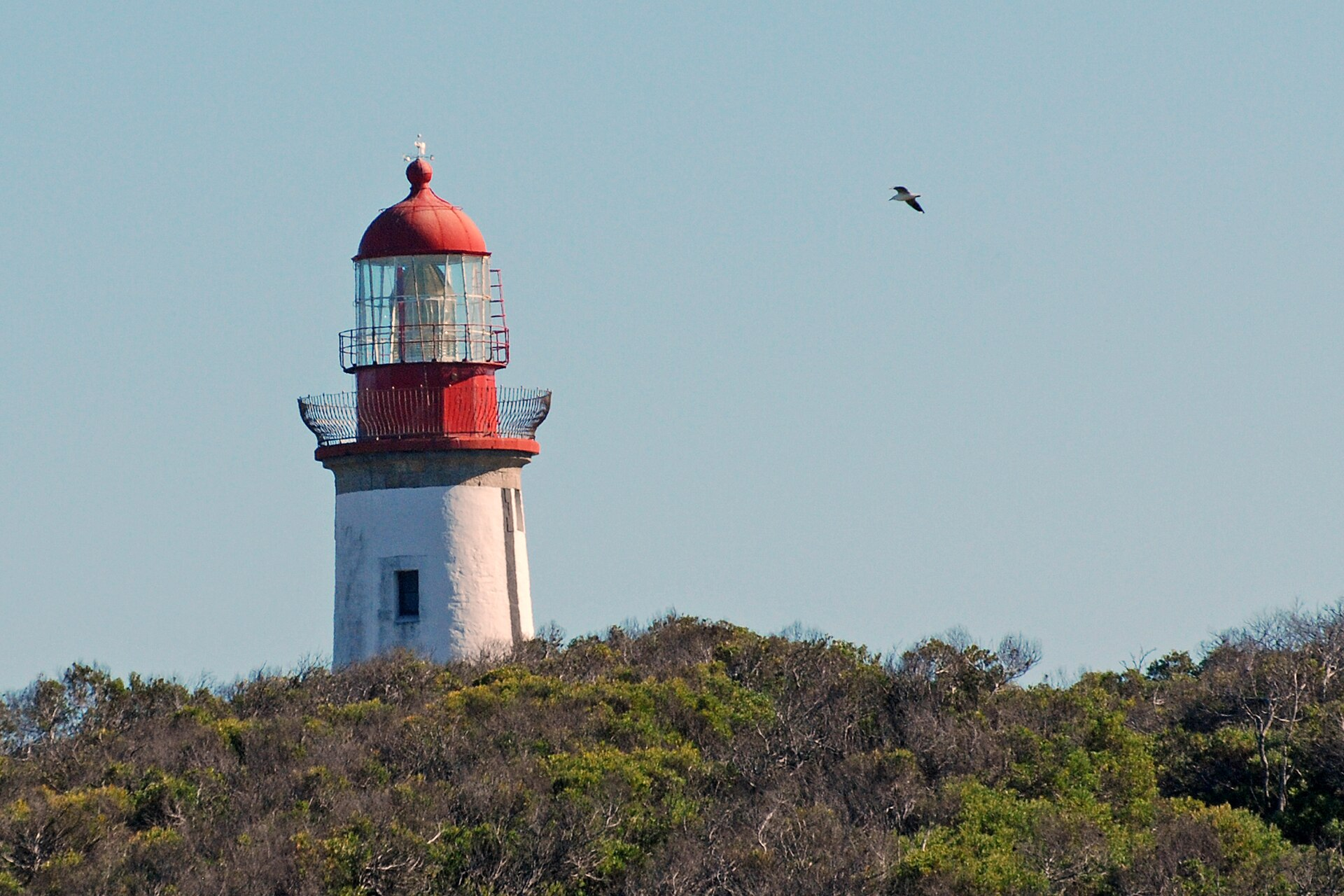
Robben Island’s story is older than its most famous prisoner. Over four centuries it served as a place of banishment and isolation under successive governments, a leper colony, a military outpost, and finally the maximum-security prison where, from the 1960s onward, the apartheid government held the men who opposed it, including Mandela and many other future leaders of a democratic South Africa. That layered history is why UNESCO inscribed the island as a World Heritage Site in 1999, not as a monument to suffering, the designation notes, but as testimony to the triumph of the human spirit over enormous hardship.
Like our content? Follow us for more.
The Guides Lived What They Describe
What separates Robben Island from nearly every historic site in the world is who shows you around. Tours of the maximum-security prison are famously led by former political prisoners, men who were held in these blocks and who walk visitors through the communal cells, the censored-letters routine, and the daily indignities of the system, in the first person. Visitors consistently describe this as the experience that stays with them: history delivered not by a plaque or an audio guide but by a person saying “this is where we slept.”
The Cell and the Quarry
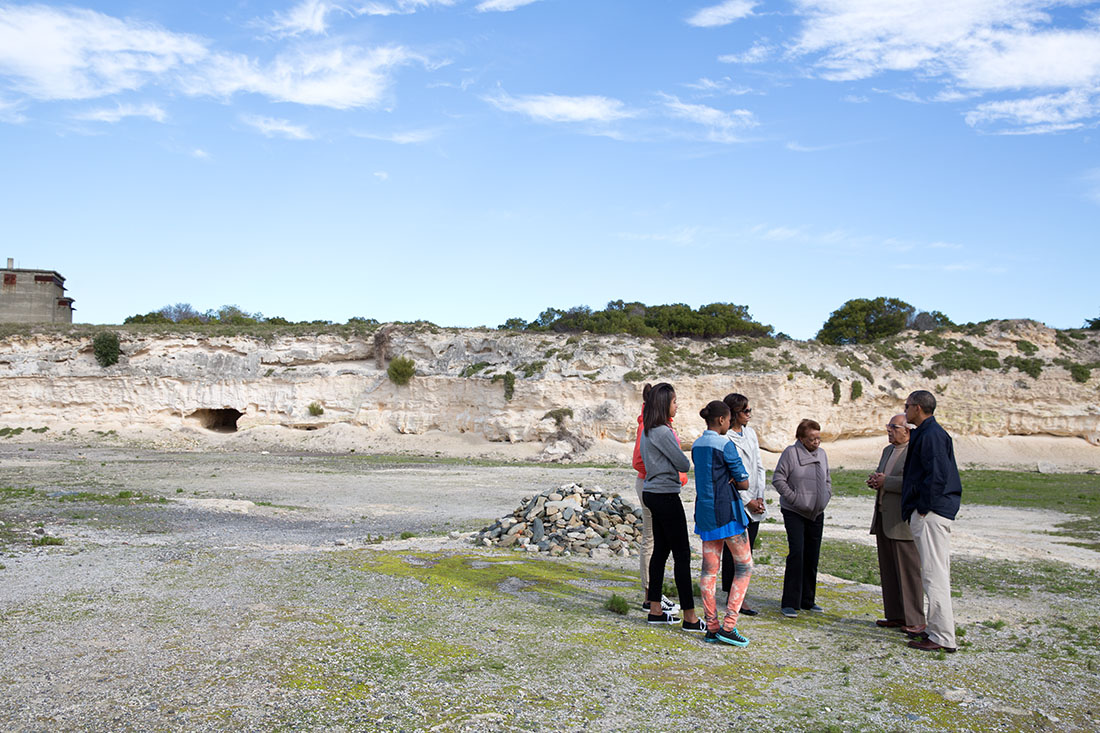
The tour’s two gravitational centers are small and stark. The first is Mandela’s cell in B-Section, a space of just a few square meters with a bedroll, a stool, and a barred window, preserved as it was and viewed today by visitors from every country on Earth. The second is the limestone quarry where Mandela and his fellow prisoners broke stone for years in blinding glare, damaging his eyes permanently, and where, in stolen moments, prisoners taught one another so persistently that the quarry is often described as the university the prison never intended to run.
Getting There, and Why the Ferry Matters
Visits run from the Nelson Mandela Gateway at Cape Town’s V&A Waterfront, where ferries make the roughly half-hour crossing several times daily, weather permitting, and the full visit, crossing, guided prison tour, and an island bus tour past the quarry, the village, and the seabird colonies, takes about three and a half to four hours. Booking well ahead is essential, tours sell out days or weeks in advance in high season, and the crossing itself is part of the experience: the same stretch of cold, choppy Atlantic that once made the island escape-proof now carries visitors over in comfort, with Table Mountain rising behind them the whole way.
Visiting on Mandela Day Itself
Around July 18, the island and Cape Town’s museums typically mark Mandela Day with commemorations, and the date carries its signature tradition, giving 67 minutes of service, one for each of Mandela’s 67 years of public life, an invitation extended to visitors as much as to locals. Travelers in Cape Town for the day often pair the island with the city’s other essential history stops, and many tour operators and community organizations run volunteer activities that let visitors spend their 67 minutes on the ground where the story happened.
What Travelers Take Home
Robben Island is not a somber slog, and that surprises people. The former prisoners who guide it tell their history with directness, humor, and an insistence on reconciliation that mirrors the man the day honors, and visitors step back onto the Cape Town dock reporting something closer to uplift than gloom. On Mandela Day especially, the island makes its point with unusual clarity: the cell is tiny, the quarry is harsh, the ferry ride is short, and what outlasted all of it is the reason the world still marks July 18.
Like our content? Follow us for more.