

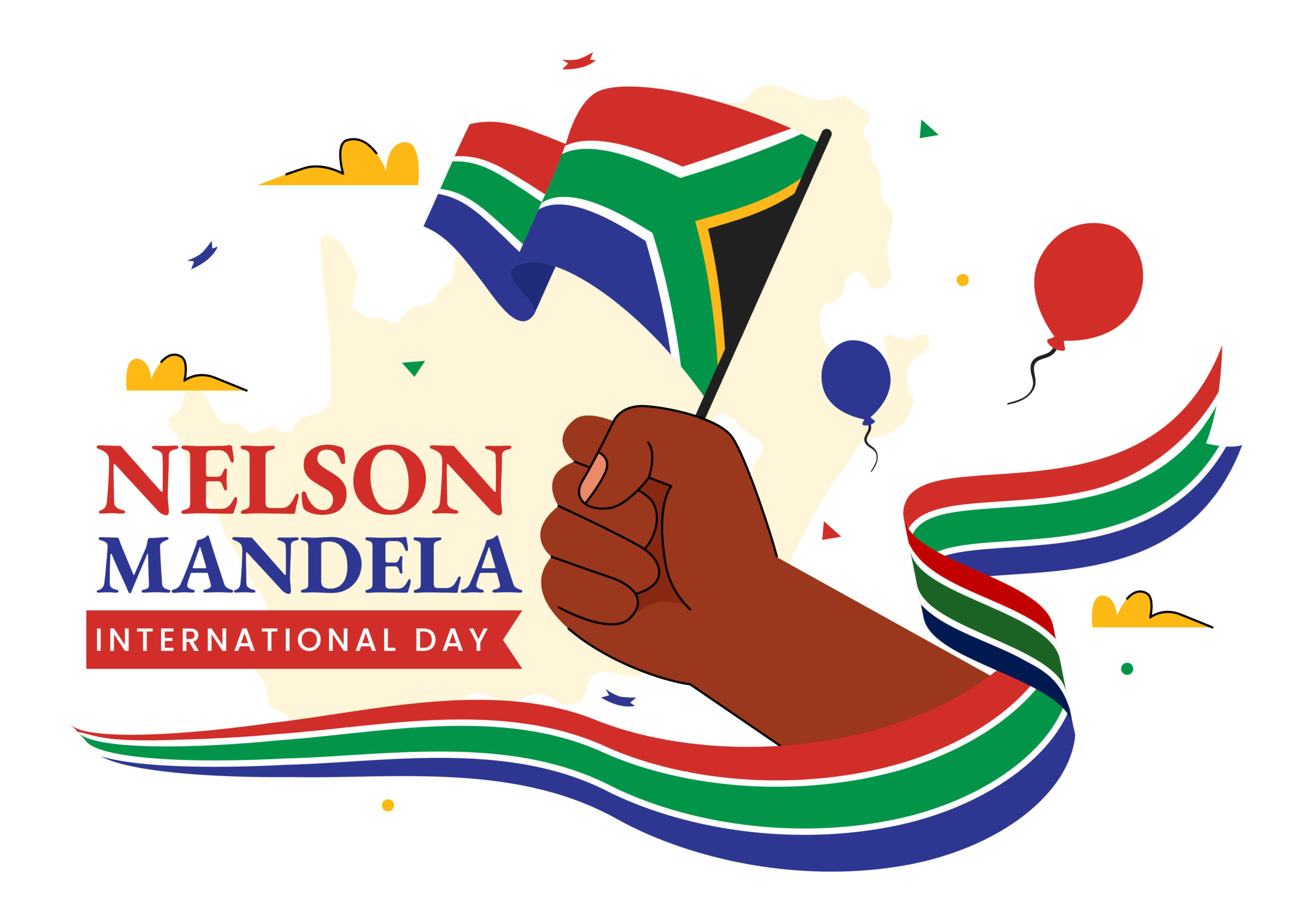
Most global observances ask people to remember; Mandela Day asks them to do something, and it even specifies how long. Observed every July 18, Nelson Mandela’s birthday, the day was declared by the United Nations in 2009 with a distinctive invitation at its heart: give 67 minutes of your time in service to others, one minute for each of the 67 years Mandela devoted to public life. The number turns a vague good intention into an appointment, and that simple design is why the tradition has spread across the world.
Where the 67 Minutes Came From
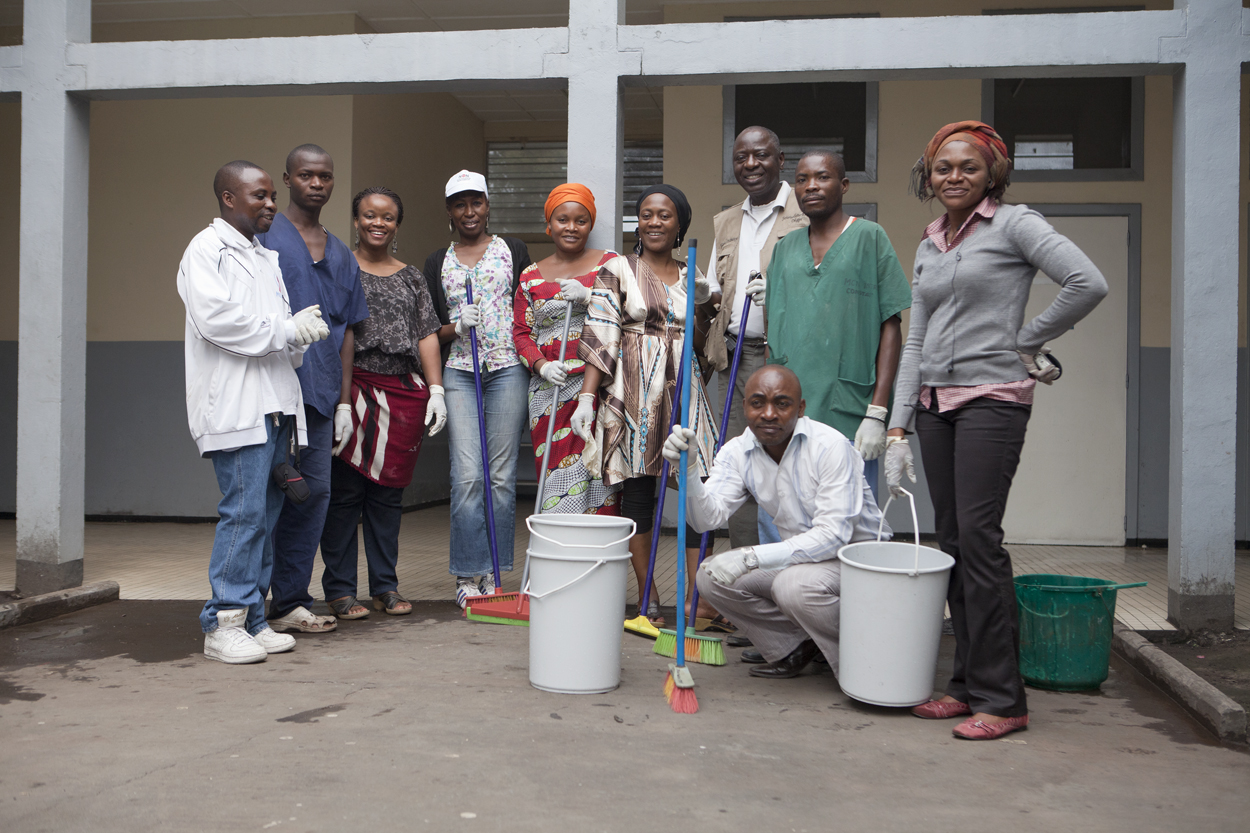
The tradition traces to the campaign that grew around Mandela’s birthday in his later years, built on his own challenge that the future of his legacy belonged in ordinary hands, often summarized in the campaign’s central idea that everyone has the ability and the responsibility to change the world for the better, even in small ways. The 67-minute figure counts from 1942, when Mandela’s public life began, through his years as an activist, prisoner, president, and global statesman, and the campaign’s genius was converting that span into a unit of time anyone could give.
Like our content? Follow us for more.
The Point Is Small and Local
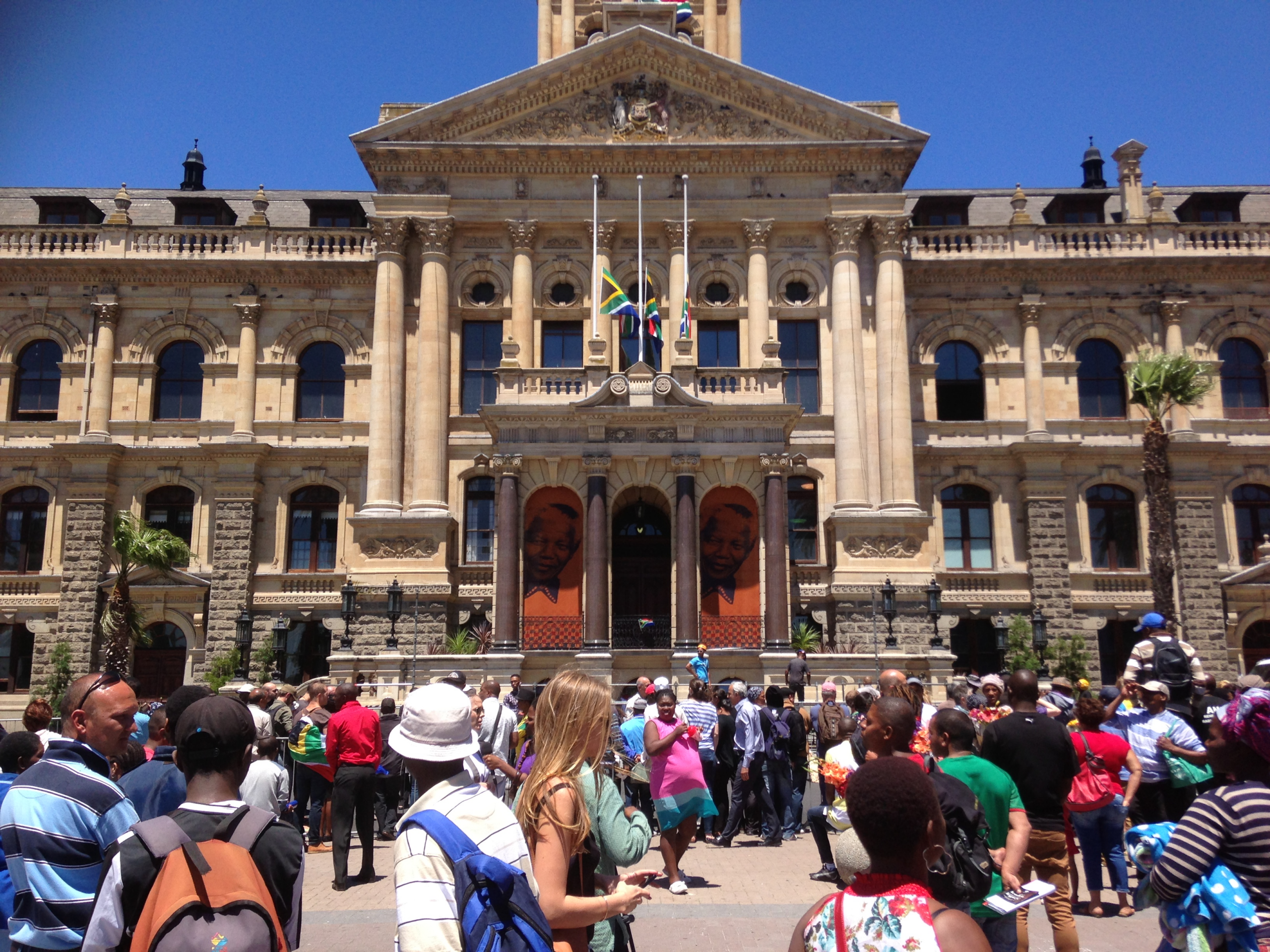
The tradition is deliberately modest. Mandela Day’s organizers have always emphasized that the 67 minutes aren’t about grand gestures but about doing what you can, where you are, a principle that keeps the day accessible to a child, a retiree, an office team, or a traveler far from home. The result, each July 18, is a global patchwork of small acts: park cleanups, blood donations, food-bank shifts, blankets knitted, libraries organized, and neighbors simply checked on.
Easy Ways Anyone Can Take Part
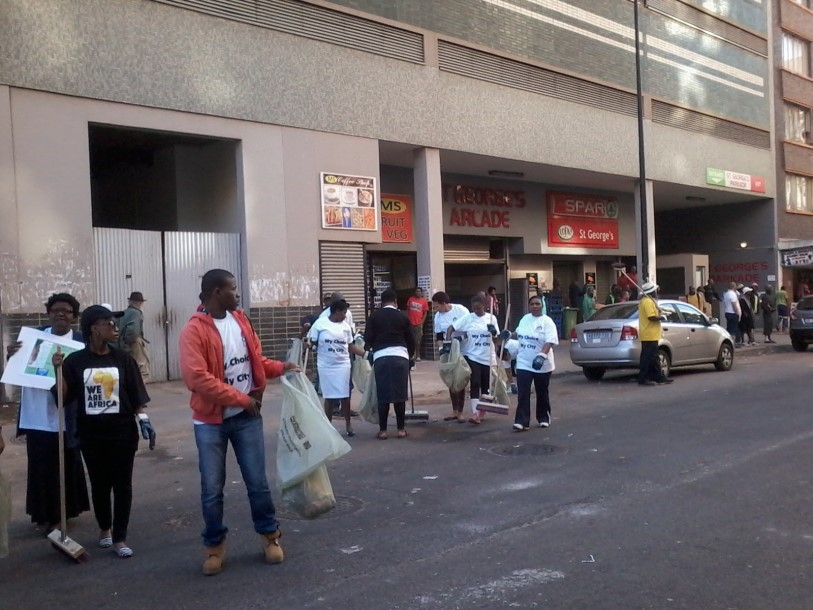
For those marking the day, the classic approaches all fit inside the hour and change: volunteer a shift at a local food bank or shelter, which almost always need summer help; do a focused neighborhood or park cleanup with a trash bag and a timer; donate blood, which takes almost exactly the allotted time; gather and deliver a bag of clothing or books to a donation center; cook or shop for a neighbor who could use the help; write letters or make visits to isolated seniors; or spend the 67 minutes mentoring, reading to kids, or sharing a skill. Offices and families often team up, which multiplies the minutes and, participants tend to report, the fun.
If You’re Traveling on July 18
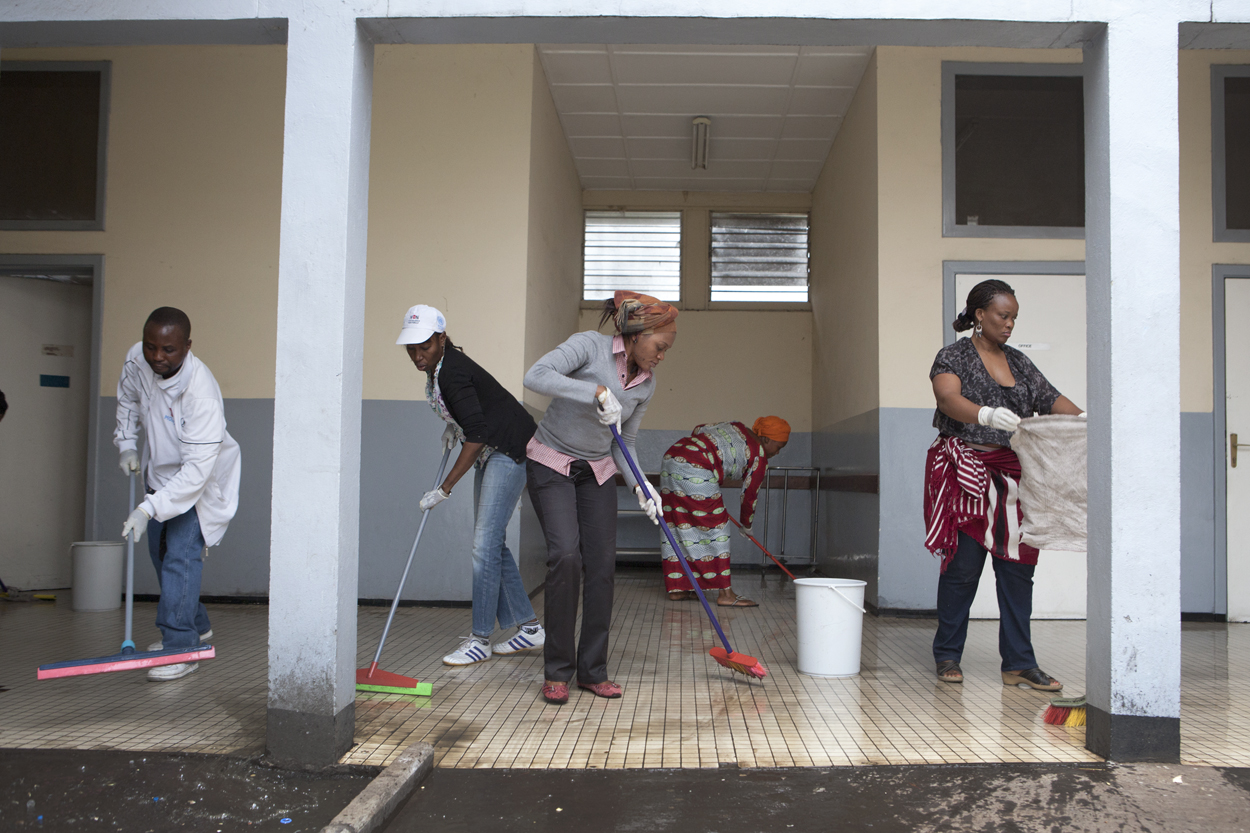
Travelers can take part too, and increasingly do: hotels, tour operators, and community organizations in many destinations arrange Mandela Day activities, beach cleanups, school painting days, food drives, especially across South Africa, where the day is a national event and visitors are warmly folded into local projects. A traveler’s 67 minutes can also be simpler, picking up litter along a trail, donating to a local cause, or supporting a community-run business deliberately, service scaled to wherever the day finds you.
A Tradition Designed to Outlast the Day
The quiet ambition of the 67 minutes is that it doesn’t stay on July 18. Organizers have long framed the hour as a starter dose, an on-ramp to regular volunteering, and community groups report that Mandela Day sign-ups routinely become returning helpers. That’s the tradition working as designed: a fixed, friendly number lowers the threshold for the first act of service, and the first act, more often than not, turns out to be the hard part.
Mandela Day makes an unusual request of the world, not admiration, but 67 minutes, and its answer to the question “what can one person actually do?” has stayed the same every July 18 for more than fifteen years: something, today, nearby. The timer is the tradition; what fills it is up to you.
Like our content? Follow us for more.

