As urban environments evolve and homeowners seek to maximize their outdoor living spaces, cities are increasingly scrutinizing and regulating various outdoor upgrades. These crackdowns often stem from concerns related to public safety, property values, aesthetic consistency, environmental impact, and the enforcement of existing zoning laws. Understanding these regulations is crucial to avoid costly penalties and ensure compliance.
1. Accessory Dwelling Units (ADUs)
The rise in popularity of Accessory Dwelling Units (ADUs), also known as “granny flats” or “casitas,” has led many cities to implement or refine regulations surrounding their construction. These often include restrictions on size, placement relative to the main dwelling and property lines, and the number of ADUs permitted per lot. For instance, Denver now allows ADUs on 70% of its residential land, updating its zoning code to permit them in all residential areas, a significant expansion from previous limitations. Albuquerque has similar regulations, capping ADUs at 750 square feet and requiring a 5-foot setback. San Francisco also permits ADUs citywide, with specific rules depending on the building type. Cities like Chicago are expanding access to ADUs, allowing them in attics, basements, and accessory buildings. These regulations aim to balance housing needs with neighborhood character and infrastructure capacity.
2. Outdoor Kitchens and Cooking Areas
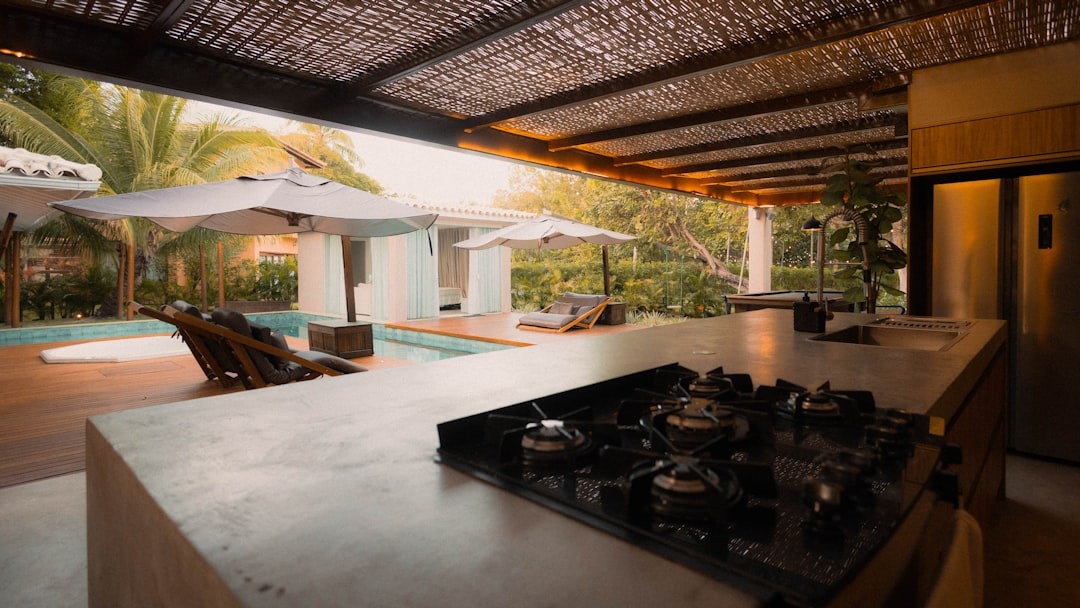
Outdoor kitchens, once a luxury, are now subject to increased scrutiny due to their potential impact on safety, utilities, and neighborhood aesthetics. Many municipalities require permits for outdoor kitchens, especially those involving structural elements, plumbing, gas lines, or electrical work. For example, Phoenix requires site plan approval from planning and development services, along with fire department approval for outdoor cooking operations, emphasizing a 10-foot setback from buildings for open flame devices. Irvine mandates that built-in barbecue heating elements maintain a minimum distance of two feet from property lines. These regulations ensure that such installations comply with building codes, fire safety standards, and zoning ordinances, preventing hazards and maintaining neighborhood order.
3. Decks and Patios
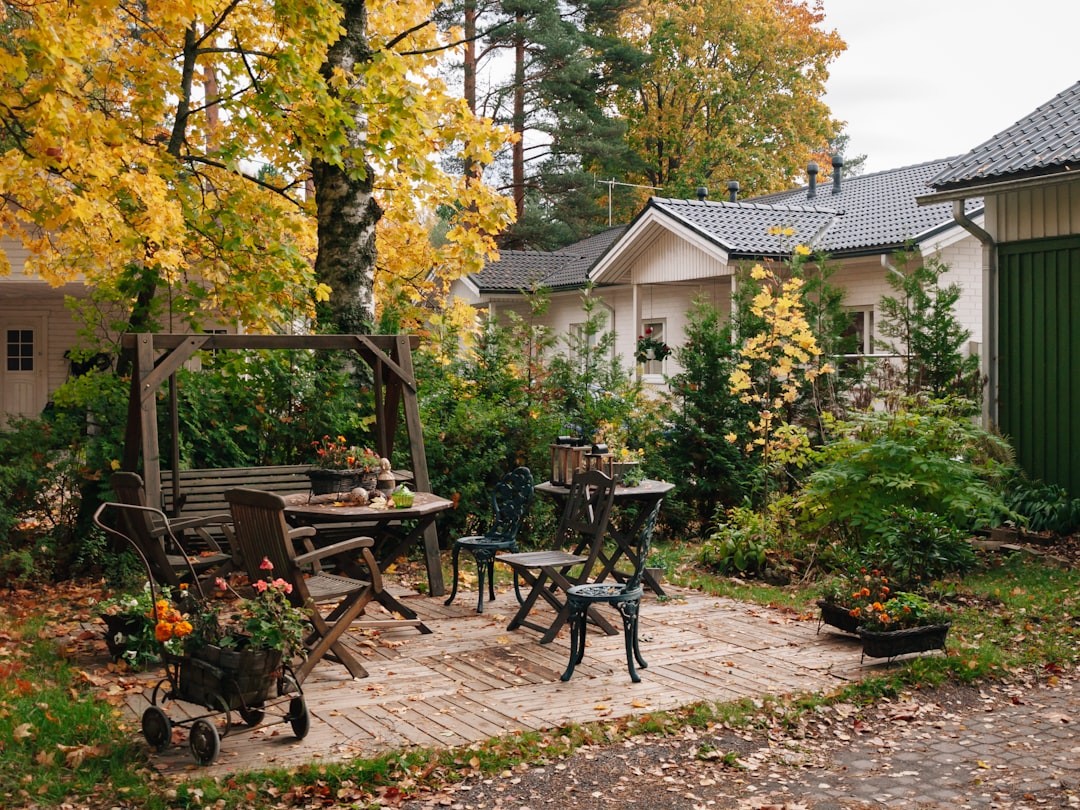
While seemingly straightforward, the construction or significant alteration of decks and patios can trigger permit requirements in many cities. Permits are typically needed for decks that are elevated, include railings, or impact existing structures. Similarly, patios exceeding a certain square footage, generally between 150 to 200 square feet, or those with permanent covers that extend the roofline, often require approval. Knoxville, for instance, mandates building permits for decks, covered patios, and porches as part of structural changes. These regulations ensure that these outdoor living spaces are built safely and in accordance with local building codes, preventing structural issues and ensuring compliance with property line setbacks.
4. Swimming Pools and Water Features
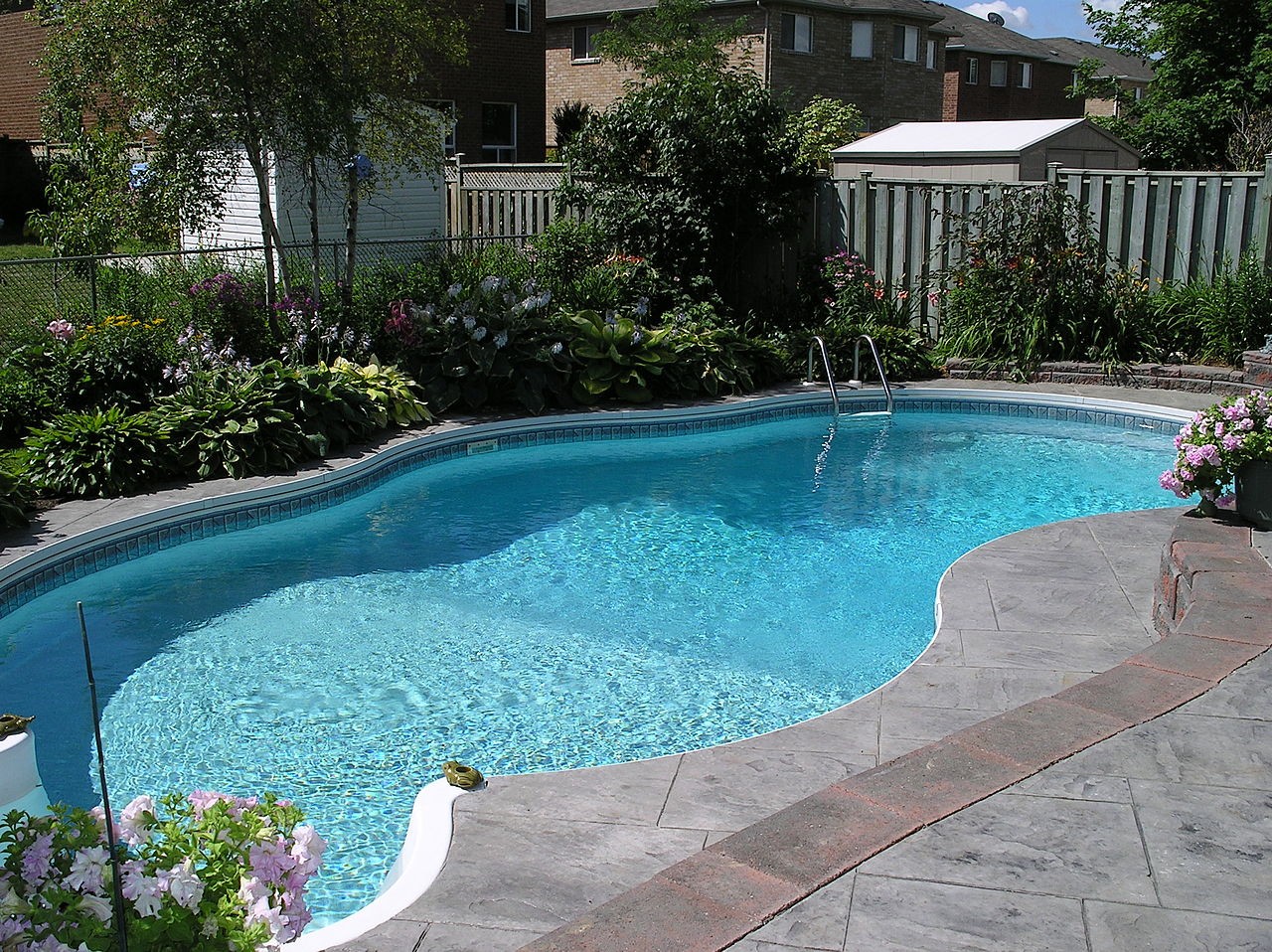
The installation of swimming pools, spas, and elaborate water features is often a focal point of outdoor upgrades, but it also draws significant regulatory attention. Cities require permits for pools as permanent structures, including zoning and drainage permits, as well as potential trade permits for electrical and plumbing work. Water feature regulations often focus on water conservation, with some areas mandating recirculation systems and limiting water sources. For instance, Scottsdale requires water features to be designed to minimize leakage and use recirculating pumps, with permits necessary before construction. New York City also has specific regulations for interactive water features, requiring recirculation systems and specific materials for walking surfaces. These rules aim to ensure safety, water efficiency, and compliance with local environmental standards.
5. Fences and Walls
While fences and walls can enhance privacy and security, their height and placement are frequently regulated by local ordinances. In New York City, fences up to 6 feet high for one- and two-family dwellings typically do not require a permit, but heights exceeding this are subject to zoning resolution limits. Colorado Springs considers fences over seven feet in height as accessory structures, subject to specific setback and height regulations. Jersey City also has ordinances governing trees, which can indirectly affect fences if they involve tree removal or alteration near property lines. These regulations are in place to maintain neighborhood aesthetics, ensure visibility for safety, and prevent encroachment onto neighboring properties.
6. Outdoor Lighting
The proliferation of outdoor lighting, intended to enhance safety and ambiance, has led to stricter regulations aimed at reducing light pollution and energy consumption. Many cities are adopting ordinances that specify lumen limits, color temperature (Kelvin), and shielding requirements for fixtures. Boulder, for example, limits outdoor light bulbs to 900 lumens or less and requires fixtures that direct light downward, prohibiting upward projection. Ann Arbor mandates that new luminaires be fully or partially shielded and that decorative lighting be turned off between midnight and 6:00 am. San Diego has specific rules for lighting adjacent to residential properties, limiting luminous tube light sources to 800 lumens. These measures aim to preserve dark skies, reduce energy waste, and minimize light trespass onto neighboring properties.
7. Trees and Landscaping
While basic landscaping is often permissible, significant tree removal or alterations to natural terrain can fall under city scrutiny. Many municipalities require permits for removing trees, especially those of a certain diameter or deemed significant, such as heritage trees in Austin. Cities like Jersey City require permits for pruning, cutting, or removing city trees, with specific notice requirements for property owners. California is also exploring stricter landscape regulations, like “Zone Zero,” which mandates vegetation removal near homes in high-fire-risk areas to enhance fire defense. These regulations aim to preserve valuable natural assets, mitigate environmental risks like fire hazards, and maintain the character of neighborhoods.
8. Backyard Sheds and Accessory Structures
The installation of backyard sheds and other accessory structures is subject to zoning regulations that dictate size, height, and placement. In New York City, sheds up to 120 square feet generally do not require permits, but larger structures do and must meet specific fire-retardant material requirements if within three feet of a property line. Columbus, Ohio, requires zoning clearance for sheds 169 square feet or greater and building permits for those over 200 square feet, with height restrictions also in play. Colorado Springs has defined fences over seven feet as accessory structures and has specific height and setback rules for accessory buildings. These ordinances ensure that accessory structures do not negatively impact neighboring properties, comply with safety codes, and maintain aesthetic consistency within the community.