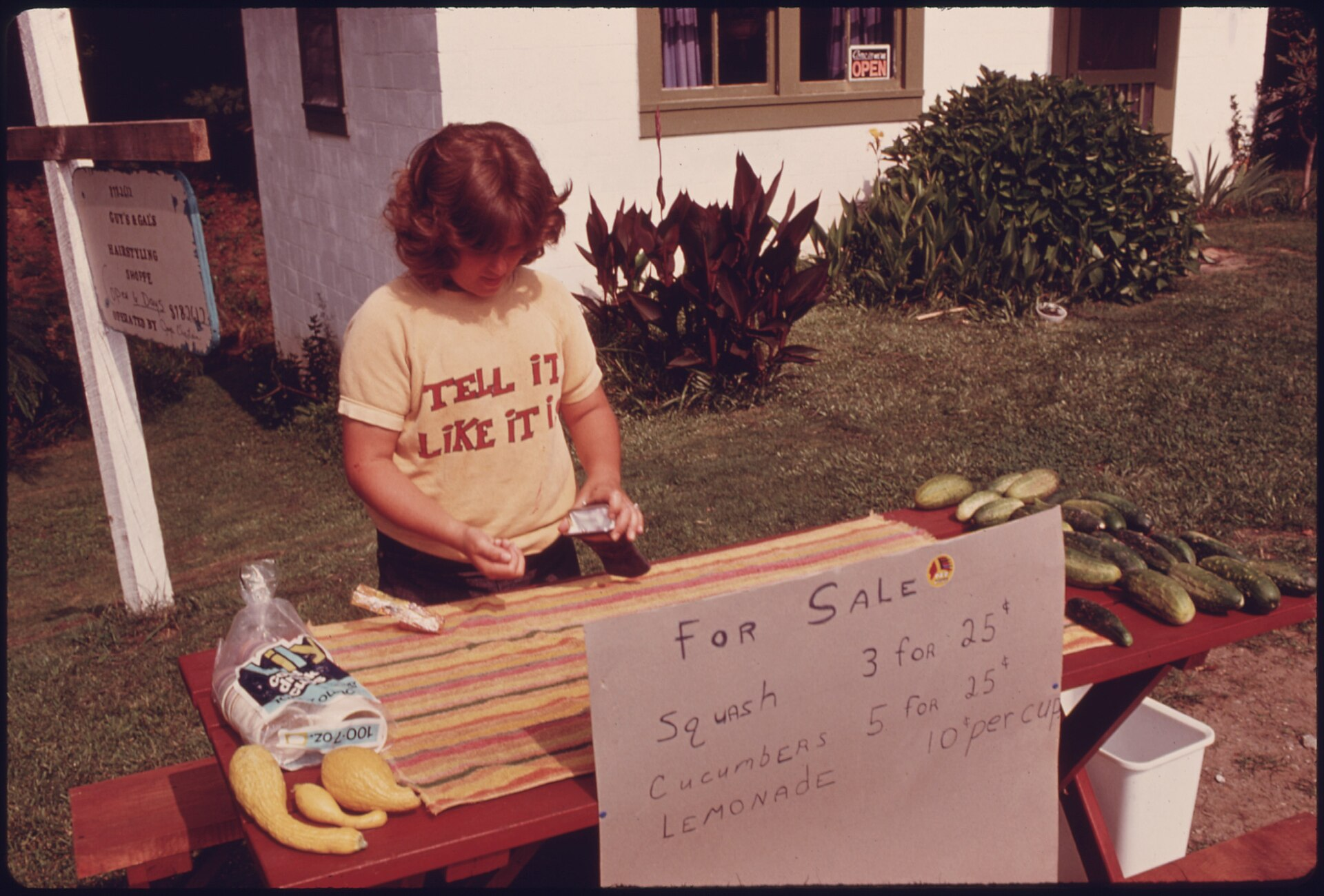
On a hot summer afternoon somewhere in every American town, a card table appeared at the curb, a pitcher sweated in the sun, and a kid entered the economy for the very first time, learning more about business in four hours than any classroom would teach them in a year. Here are eleven things every American kid’s lemonade stand involved, counted down one by one.
1. The Card Table Hauled Out to the Curb

The family card table became the storefront. Dragging it down the driveway was the ribbon-cutting.
Every stand began the same way, with the family’s folding card table wrestled out of the garage or basement and dragged down the driveway to the curb, its legs snapping open as the official storefront of a business that hadn’t existed an hour earlier. The card table hauled out to the curb was the lemonade stand’s grand opening, a ribbon-cutting performed in flip-flops.
Like our content? Follow us for more.
2. The Hand-Lettered Sign With at Least One Correction
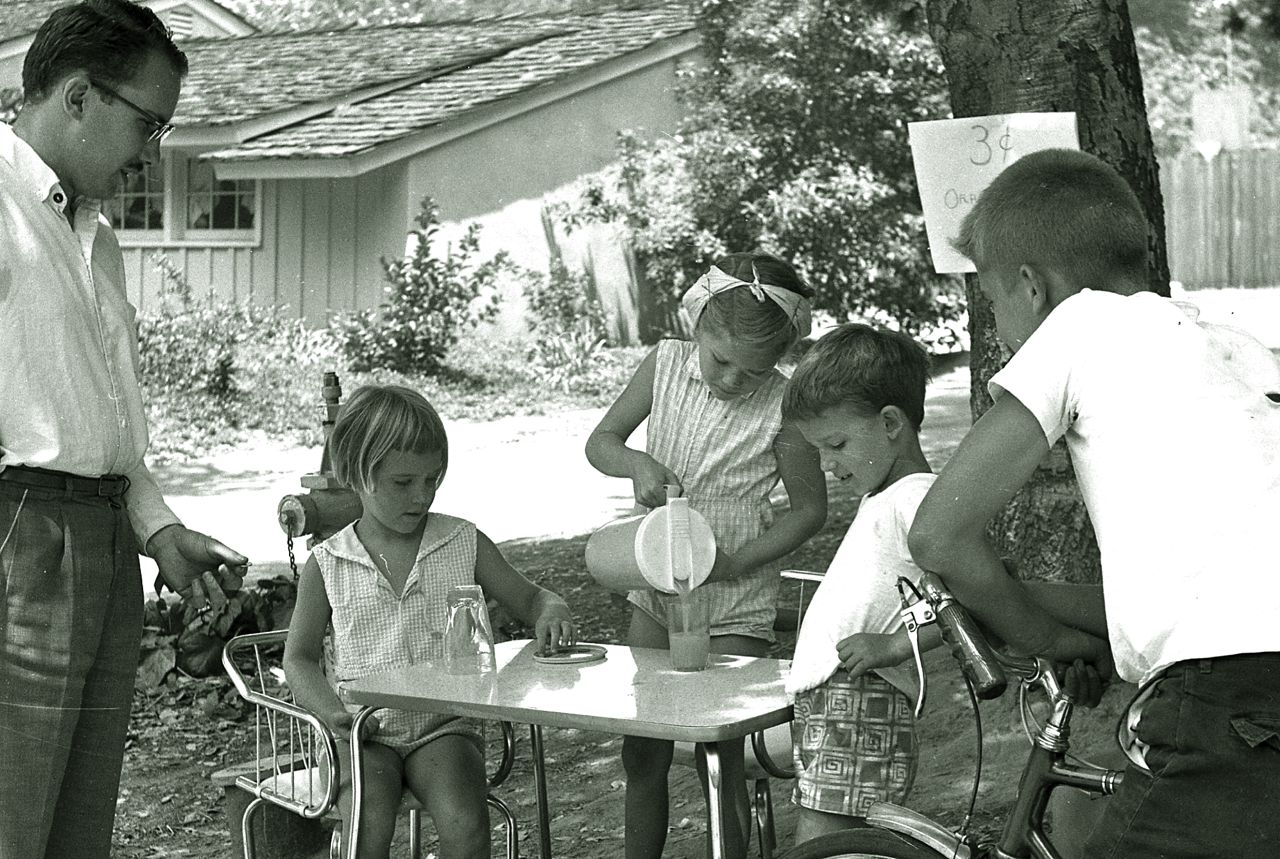
Poster board and crayon announced the business. A crossed-out price or backwards letter made it authentic.
The sign, poster board or a torn grocery bag lettered in crayon and marker, carried the business’s whole identity, complete with a lemon drawn to the best of somebody’s ability, a backwards letter or two, and at least one price scribbled out and revised. The hand-lettered sign with at least one correction was the stand’s branding department, and no professional logo has ever worked harder.
3. The Pitcher Mixed Under Maternal Supervision

The lemonade came from the kitchen, mixed with help. The recipe was heavy on enthusiasm and sugar.
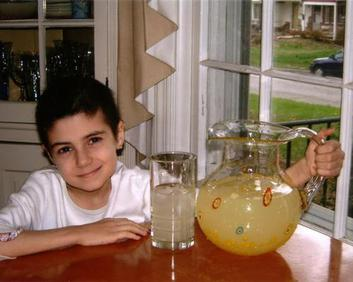
The product itself was mixed in the kitchen under maternal supervision, from powder or frozen concentrate or, in ambitious households, actual lemons, stirred with a wooden spoon by a kid whose recipe philosophy ran heavy on both enthusiasm and sugar. The pitcher mixed under maternal supervision was the stand’s supply chain, and mom, everyone eventually realized, was an unpaid investor.
4. Pricing Set at a Nickel or a Dime
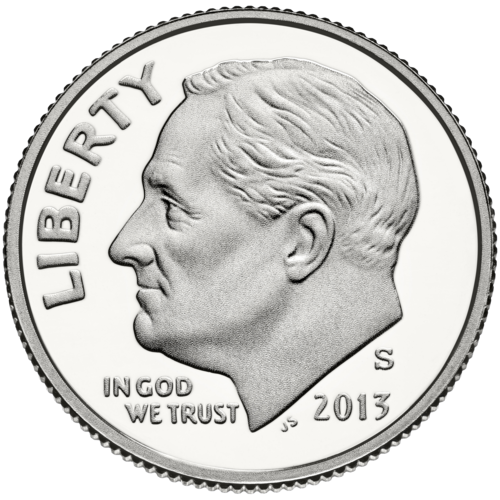
Prices lived in coin territory by tradition. Setting them was the summer’s first economics lesson.
The price, a nickel, a dime, in later eras a quarter, was set through a solemn deliberation that constituted the kid’s first economics seminar, balancing what the market would bear against what the sign had room for, and revised downward the moment business slowed. Pricing set at a nickel or a dime was the stand’s boardroom decision, argued with all the gravity of a corporate earnings call.
5. The Cigar Box or Shoebox of Change
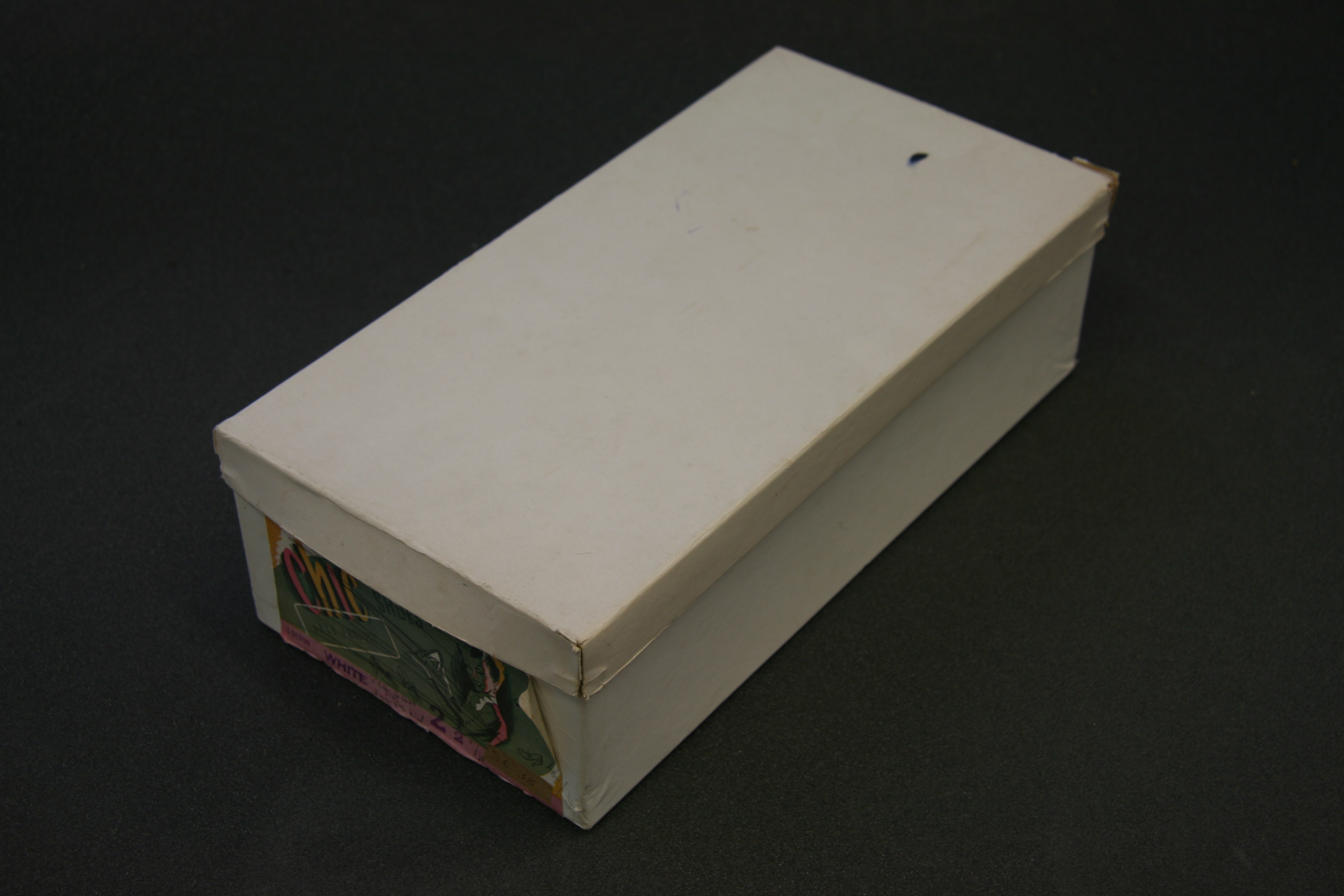
The cash box was guarded like a vault. Making change was a live arithmetic exam.
Revenue lived in a cigar box or shoebox seeded with starter change from a parent’s dresser, guarded like a vault and reorganized compulsively between customers, with every transaction doubling as a live arithmetic exam that no worksheet ever made so interesting. The cigar box or shoebox of change was the stand’s entire financial system, treasury and bank branch in one.
6. The First Customer, Who Was Always Mom or a Neighbor
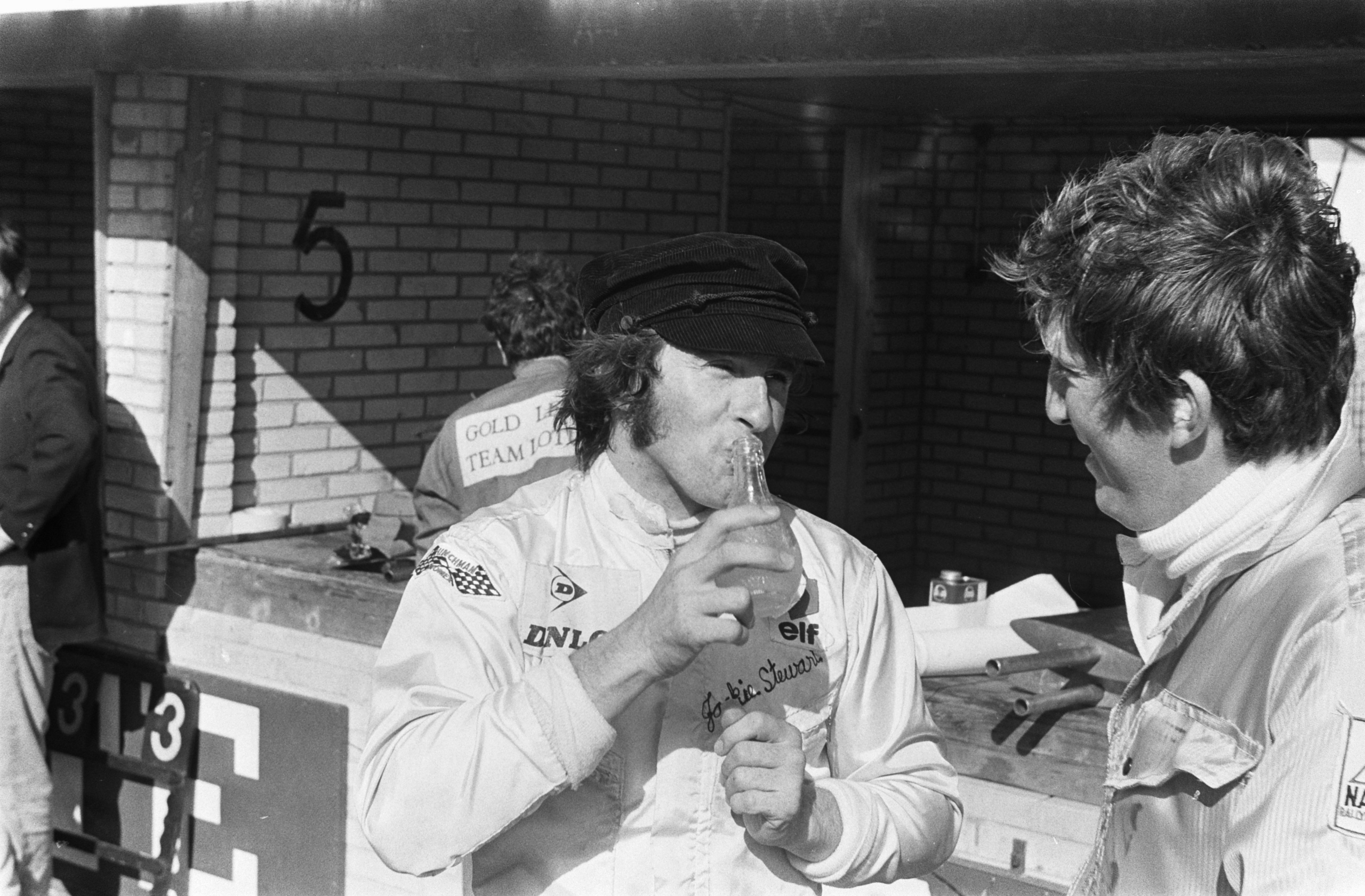
The opening sale came from a sympathetic adult. Word of a stand traveled the block instantly.
The first sale arrived within minutes and was never a stranger, it was mom pretending to be surprised by the establishment, or the neighbor who materialized with exact change because word of a stand traveled the block faster than the kids could pour. The first customer, who was always mom or a neighbor, taught the stand’s warmest lesson, that the neighborhood was secretly rooting for you.
7. The Long, Slow Stretch of the Afternoon
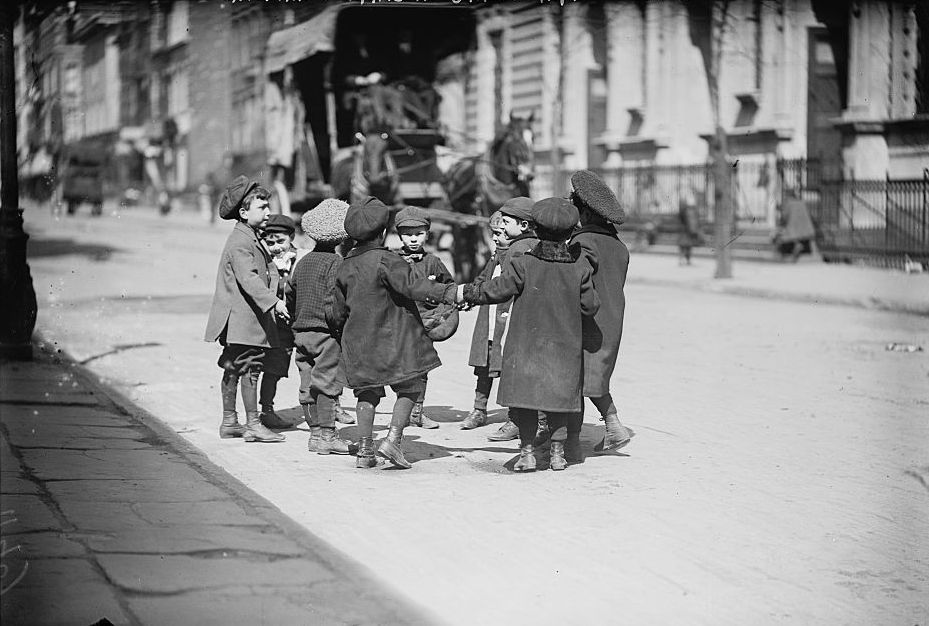
Business came in bursts with long droughts between. Manning the table through them was the real work.
Between bursts of traffic came the stand’s true test, the long, slow stretch of afternoon when no car turned down the street and the ice melted audibly, and the kids learned that most of business is simply staying at the table when nothing is happening. The long, slow stretch of the afternoon was the lemonade stand’s education in patience, and plenty of adults still draw on it.
8. Free Refills for Best Friends, Strictly Off the Books
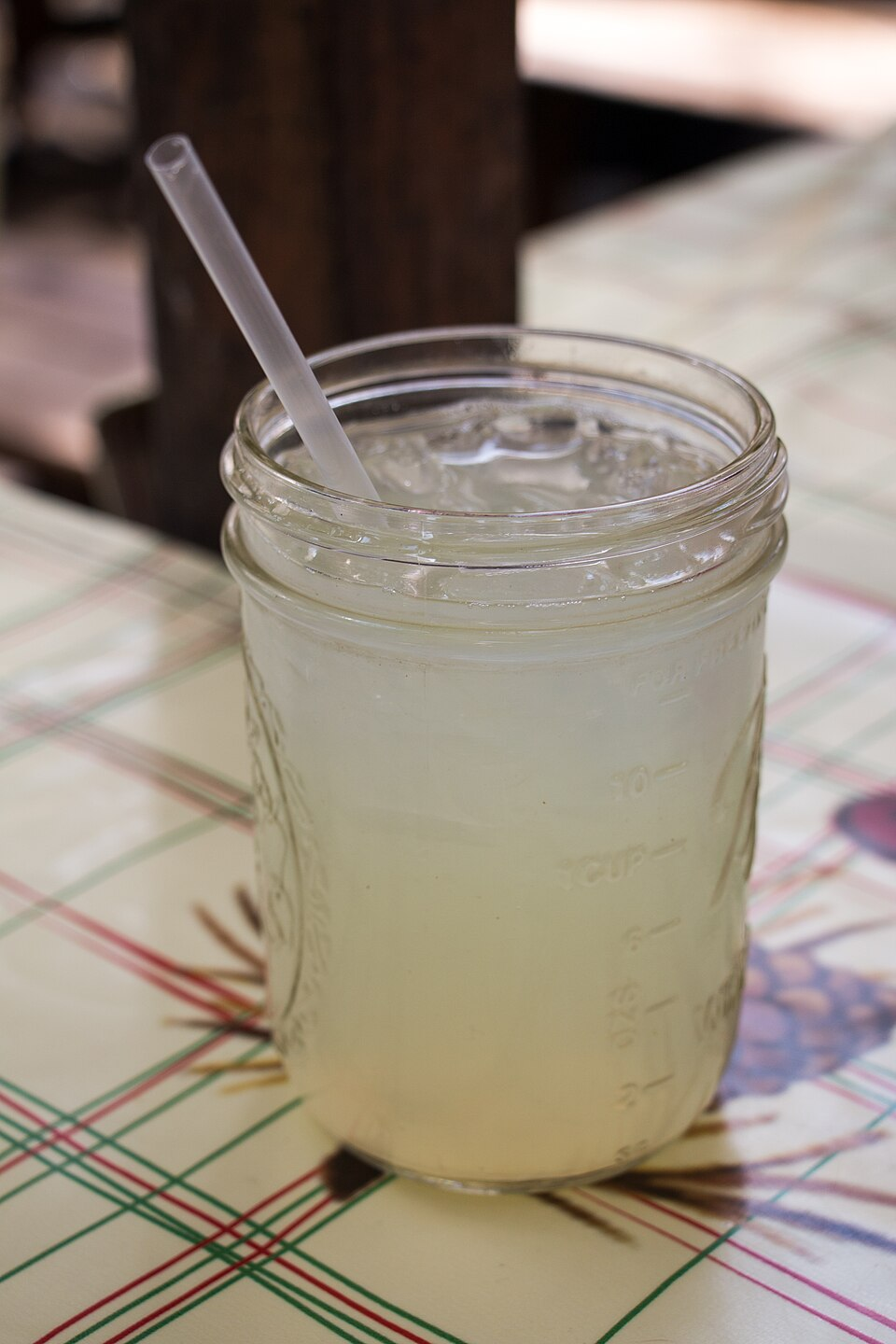
Friends drank on the house, cutting deep into inventory. Hospitality beat margins every single time.
Every stand ran an off-the-books hospitality program, free cups for best friends, the assistant who was really just company, and any little kid who wandered up without a coin, generosity that devastated the inventory and improved the afternoon immeasurably. Free refills for best friends, strictly off the books, were the stand’s unofficial policy, proof that its founders understood something true about business before margins got involved.
9. The Cookie Upsell and Other Expansions

Ambitious stands added cookies or brownies. Diversification arrived by the second weekend.
By the second weekend, ambitious operations diversified, a plate of cookies or brownies from the kitchen, sometimes hand-drawn coupons or a two-for deal, expansions pitched to the household’s baking department with the confidence of a seasoned founder seeking investment. The cookie upsell and other expansions marked the stand’s growth phase, the moment a lemonade business became, briefly, a conglomerate.
10. Counting the Take at the Kitchen Table
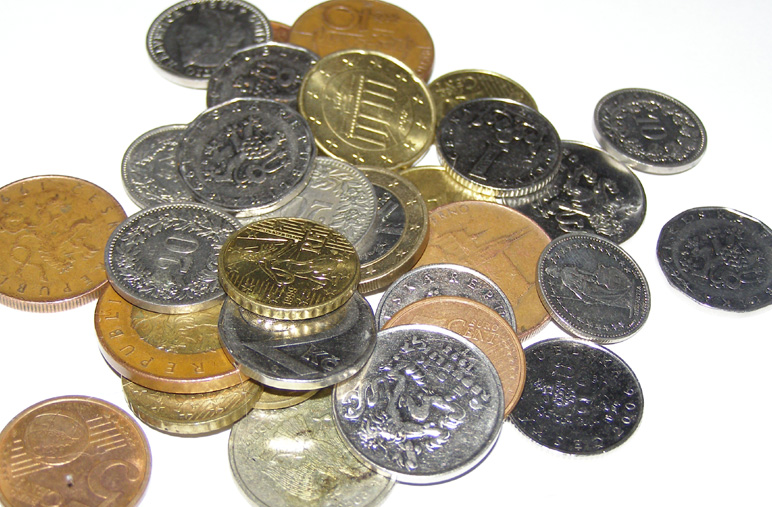
The day ended with coins stacked and counted. A few dollars felt like a genuine fortune.
At closing time the cigar box came to the kitchen table, where the day’s take was stacked, counted, recounted, and announced, a few dollars in coins that felt, to its earners, like a genuine fortune, already spent six ways in imagination before dinner. Counting the take at the kitchen table was the stand’s earnings report, and no payday since has ever felt bigger per dollar.
11. A Genuine First Lesson in Earning Something Yourself
The stand taught work, math, and nerve at once. Most founders never forgot how it felt.
Beneath the sticky table and the melting ice, the stand delivered something durable, the first experience of earning money through one’s own effort, of making a thing, offering it, and having a stranger judge it worth a dime, a feeling its founders can summon decades later. A genuine first lesson in earning something yourself was what the lemonade stand really sold, and every customer on the block knew it.
The Littlest Business in America

Taken together, these eleven things capture what the lemonade stand meant on American streets, from the card-table ribbon-cutting and the crayon sign to the off-the-books refills and the kitchen-table earnings report. It was the smallest business in the country and, for its founders, the most formative.
The lemonade stand never disappeared the way so much of childhood commerce did, kids still set them up every summer, though today’s versions contend with car-centered streets, busier family calendars, and the occasional permit controversy that makes national news precisely because everyone instinctively sides with the kid at the table. The tradition endures because what it teaches can’t be downloaded. For anyone who ever ran one, these details bring it all back: the wobble of the card table, the weight of the cigar box, the sound of a car actually slowing down. Looking back at the lemonade stand is a warm tribute to the littlest business in America, still open, somewhere, every hot afternoon.
Like our content? Follow us for more.