

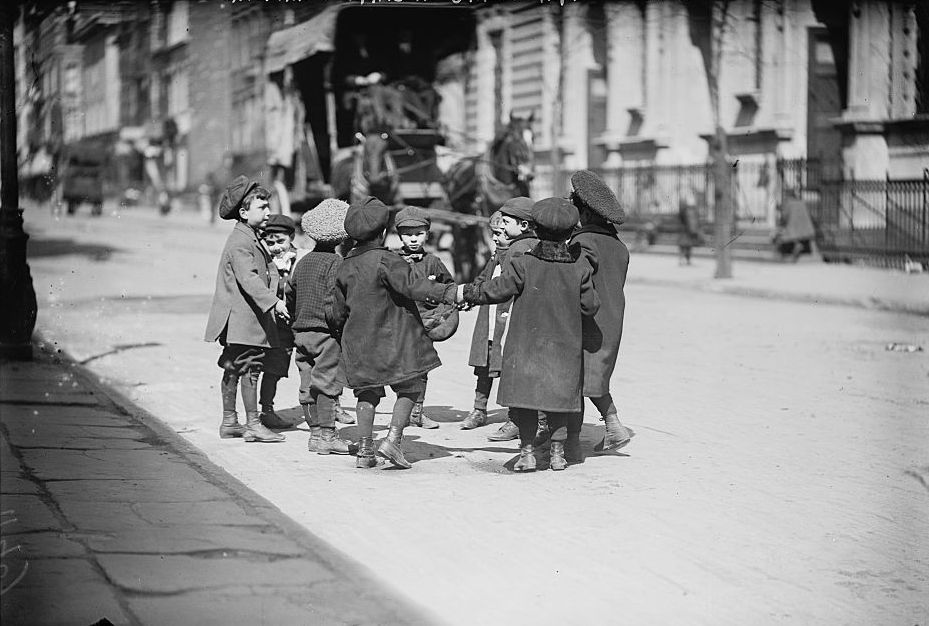
For kids growing up in 1975, the hours between the final school bell and dinnertime were a golden stretch of freedom, a daily ritual of play, snacks, television, and roaming that defined childhood. With far less structure, supervision, and scheduling than children experience today, the after-school hours belonged to the kids themselves, to be filled with whatever adventures the neighborhood offered. This unhurried, independent afternoon world was simply how childhood worked, and it shaped a whole generation’s memories. That routine has since changed dramatically, reshaped by new attitudes toward safety, technology, and how children spend their time. Here is a fond and nostalgic tour of what the typical American kid did after school in 1975, and why that beloved routine has largely disappeared.
Bursting Outside to Play
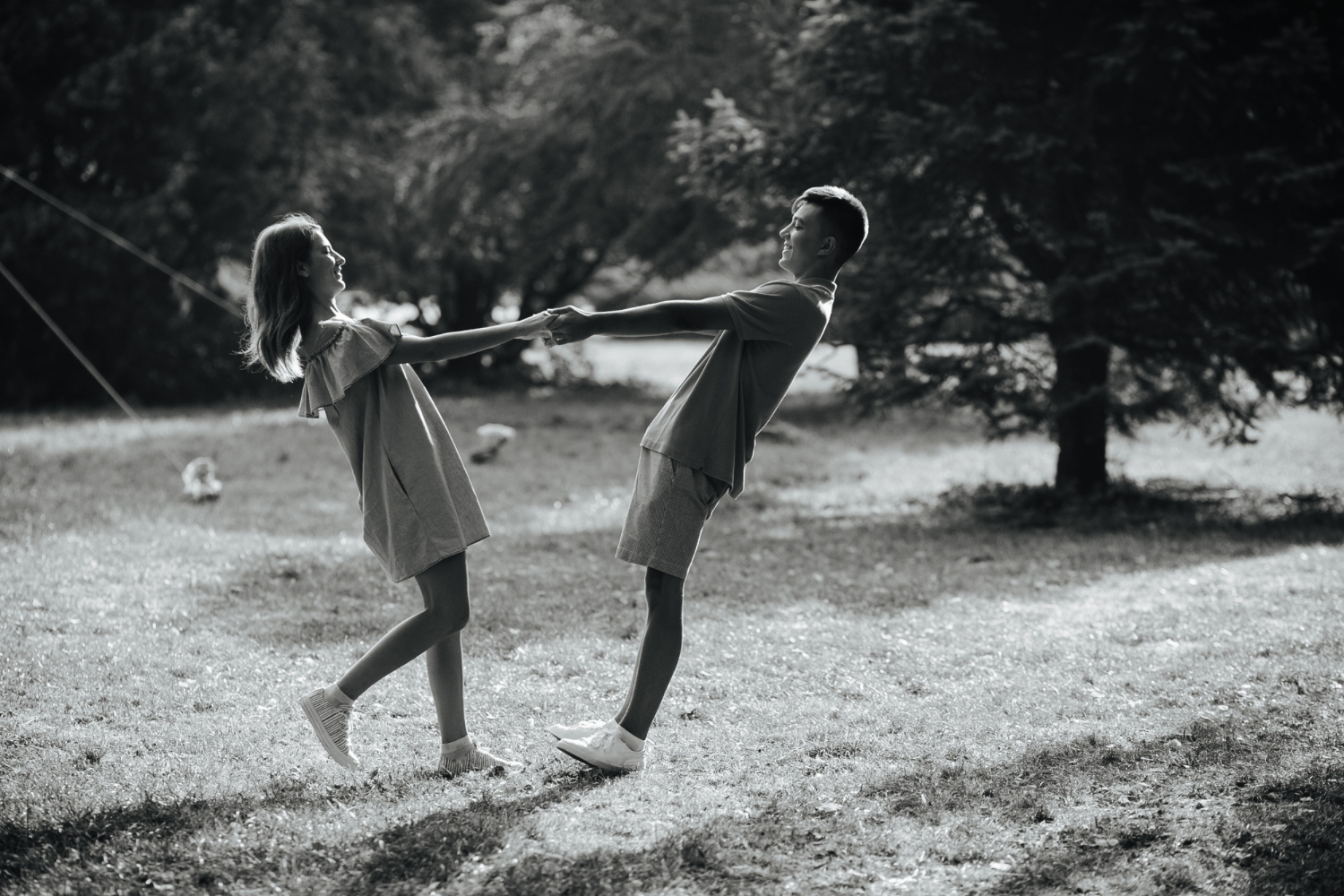
The moment school let out, the priority for most kids was simple: get outside and play. After a day cooped up in the classroom, children flooded into yards, streets, parks, and empty lots, eager to burn off energy in the open air. Outdoor play was the default after-school activity, weather permitting, and often regardless of weather.
Kids organized their own games, explored their surroundings, and made their own fun with whatever was at hand. There were no scheduled activities to rush to, just the open invitation of an afternoon to fill as they pleased. This emphasis on free, outdoor, self-directed play was central to childhood of the era. As afternoons became more structured and screen-based, and as outdoor free play declined, this default rush to get outside and play has faded, replaced for many children by indoor and organized activities.
Like our content? Follow us for more.
Riding Bikes Until the Streetlights Came On
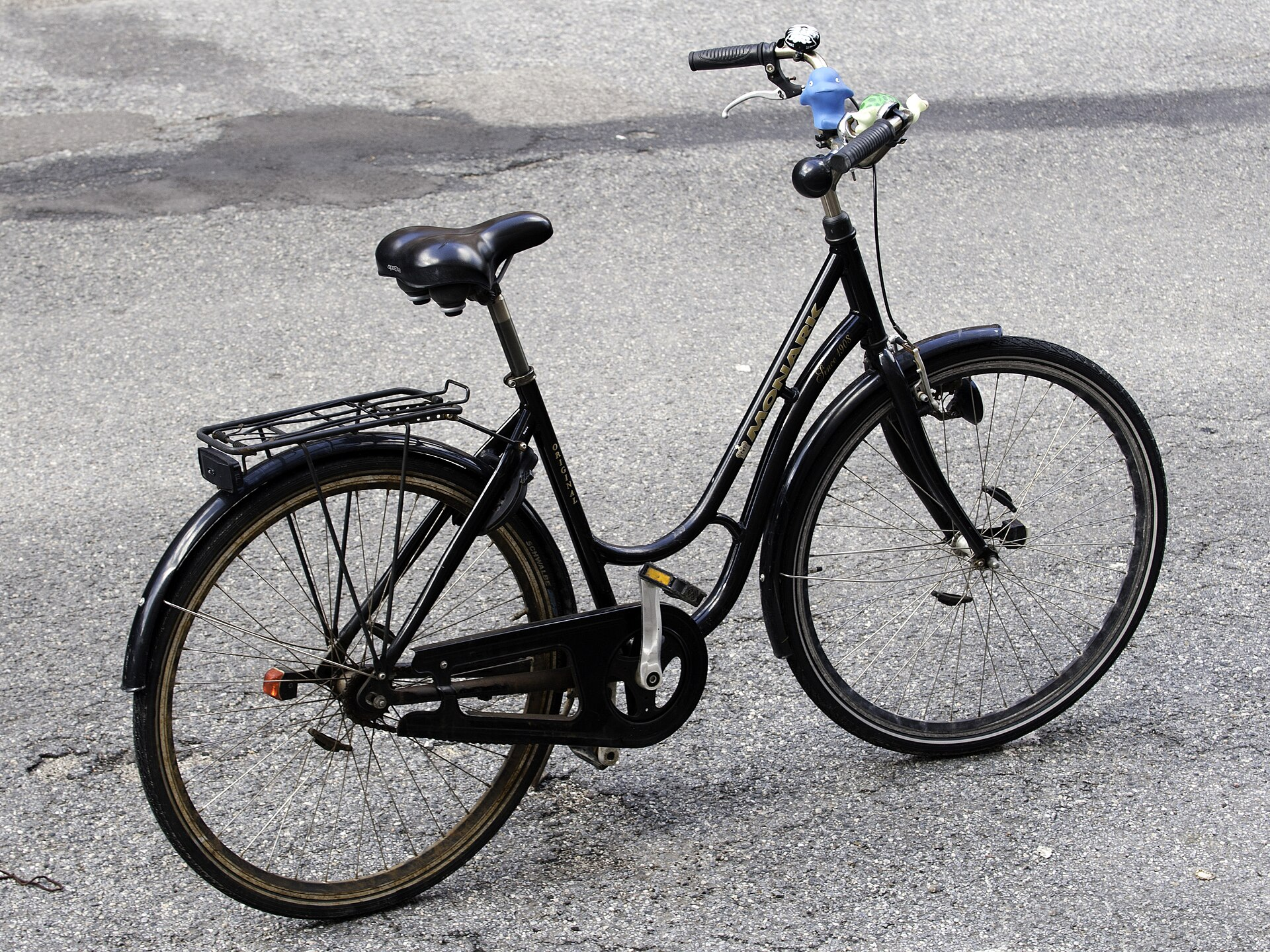
The bicycle was a 1975 kid’s ticket to freedom, and after-school hours often meant riding all over the neighborhood and beyond. Kids would hop on their bikes, sometimes decked out with banana seats and high handlebars, and roam far and wide, exploring, visiting friends, and racing around with little or no adult oversight.
The universal rule was simple and famous: be home by dinner, or when the streetlights came on. Within that boundary, kids had remarkable freedom to range across their neighborhoods on two wheels, a level of independence that astonishes many parents today. The bike gave children a genuine sense of autonomy and adventure. As concerns about safety grew and childhood became more supervised, this freewheeling, roam-until-dark bike culture has largely vanished, remembered fondly as a symbol of the era’s independent childhood.
After-School Snacks
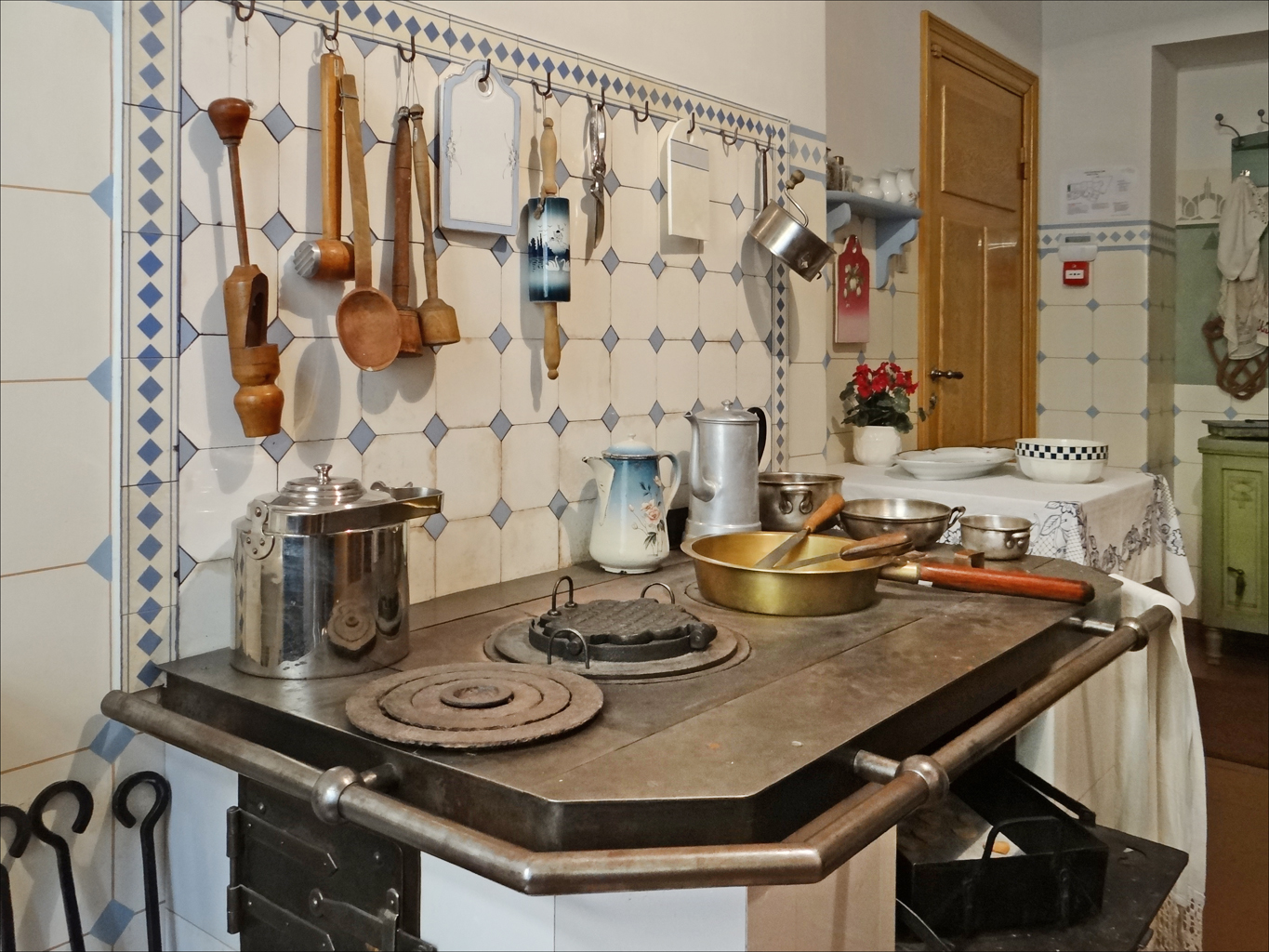
Arriving home or at a friend’s house, hungry from a day of school, kids made a beeline for an after-school snack. The era had its own signature treats: a glass of sugary powdered drink mix, cookies, chips, a slice of bread with butter and sugar, or whatever could be quickly assembled, often prepared by the kids themselves.
The after-school snack was a small but cherished ritual, a moment of refueling before heading back out to play or settling in front of the television. Snacks of the era were often sugary and convenient, reflecting the tastes and products of the time. While after-school snacks certainly continue, the specific treats and the self-directed, grab-what-you-want spirit of the era’s snacking are part of the fondly remembered routine. For many, certain snack flavors instantly transport them back to those 1970s afternoons.
After-School Television

For kids who headed indoors, after-school television was a major draw, with broadcasters offering programming aimed squarely at young viewers in the afternoon hours. Cartoons, reruns of favorite shows, and other kid-friendly fare filled the after-school slot, and plopping down in front of the set was a beloved part of the routine.
With only a handful of channels and no on-demand viewing, kids watched whatever was on, and certain after-school shows became cultural touchstones for the generation. The limited options meant shared experiences, as kids across the country watched the same programs and talked about them the next day. As cable, streaming, and endless on-demand entertainment took over, the specific ritual of after-school broadcast television, racing home to catch a favorite show at its scheduled time, has disappeared, replaced by the unlimited, anytime viewing of today.
Pickup Games and Neighborhood Sports
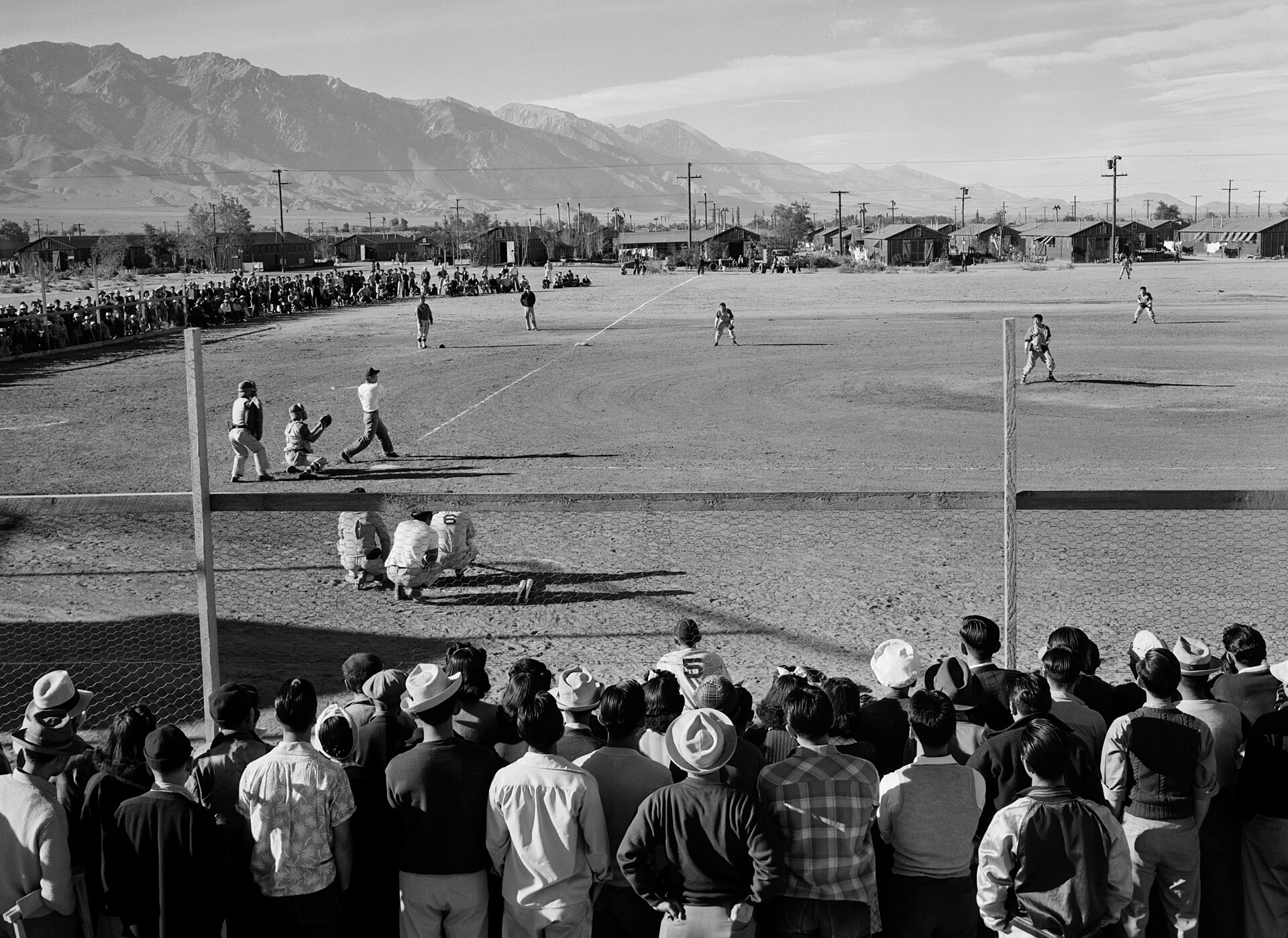
Much of the after-school energy went into informal, kid-organized sports and games. Without adults to organize or referee, children gathered in yards, streets, parks, and fields for pickup games of baseball, football, basketball, kickball, and countless other sports, choosing teams and making up rules as they went.
These spontaneous games taught kids to organize themselves, resolve disputes, and play for the sheer fun of it, without uniforms, schedules, or hovering parents. A game might spring up the moment enough kids gathered, lasting until dark or until everyone was called home. This culture of self-organized, unstructured sports has largely given way to organized leagues, practices, and adult-supervised activities. The spontaneous neighborhood pickup game, once a daily after-school staple, has become much rarer, mourned by many as a lost form of childhood play.
Roaming the Neighborhood
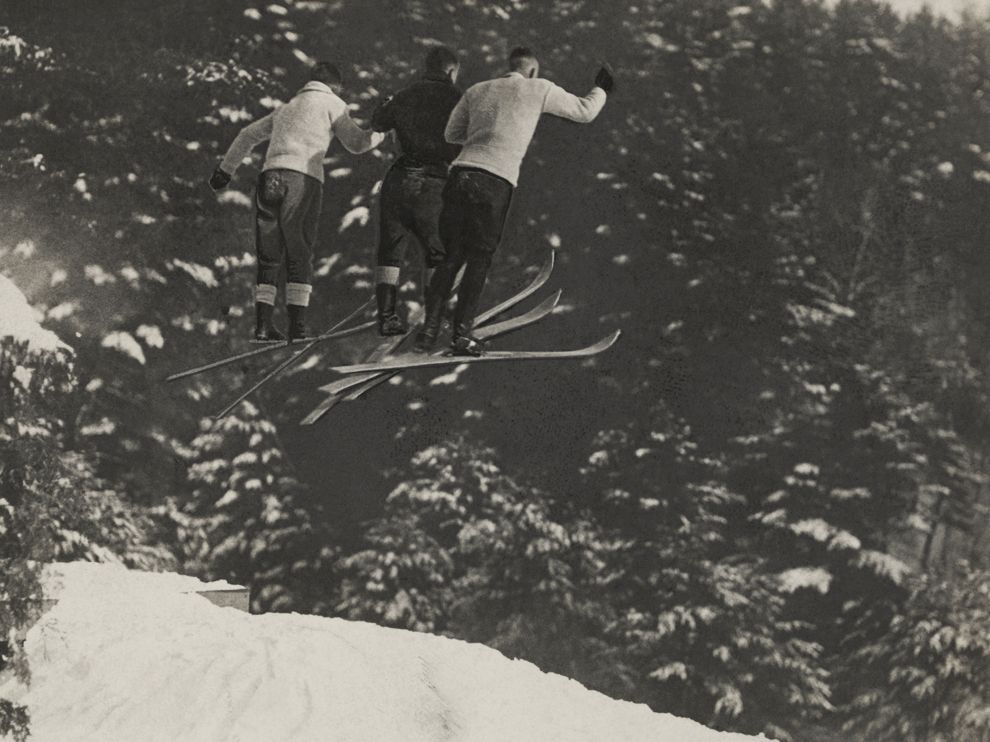
Beyond specific activities, the 1975 after-school afternoon was characterized by a general freedom to roam. Kids wandered their neighborhoods on foot or by bike, visiting friends unannounced, exploring woods and creeks and construction sites, building forts, and finding adventure wherever they could, all without checking in or being tracked.
This roaming gave children a deep familiarity with their surroundings and a strong sense of independence and capability. The neighborhood was their domain to explore, and adventures large and small awaited around every corner. The expectation was simply to return by a set time. As attitudes toward children’s safety shifted dramatically and supervised, scheduled time replaced free roaming, this independent exploration of the neighborhood has largely vanished. It remains one of the most cherished and frequently discussed aspects of the era’s childhood.
Why the After-School Routine Has Vanished
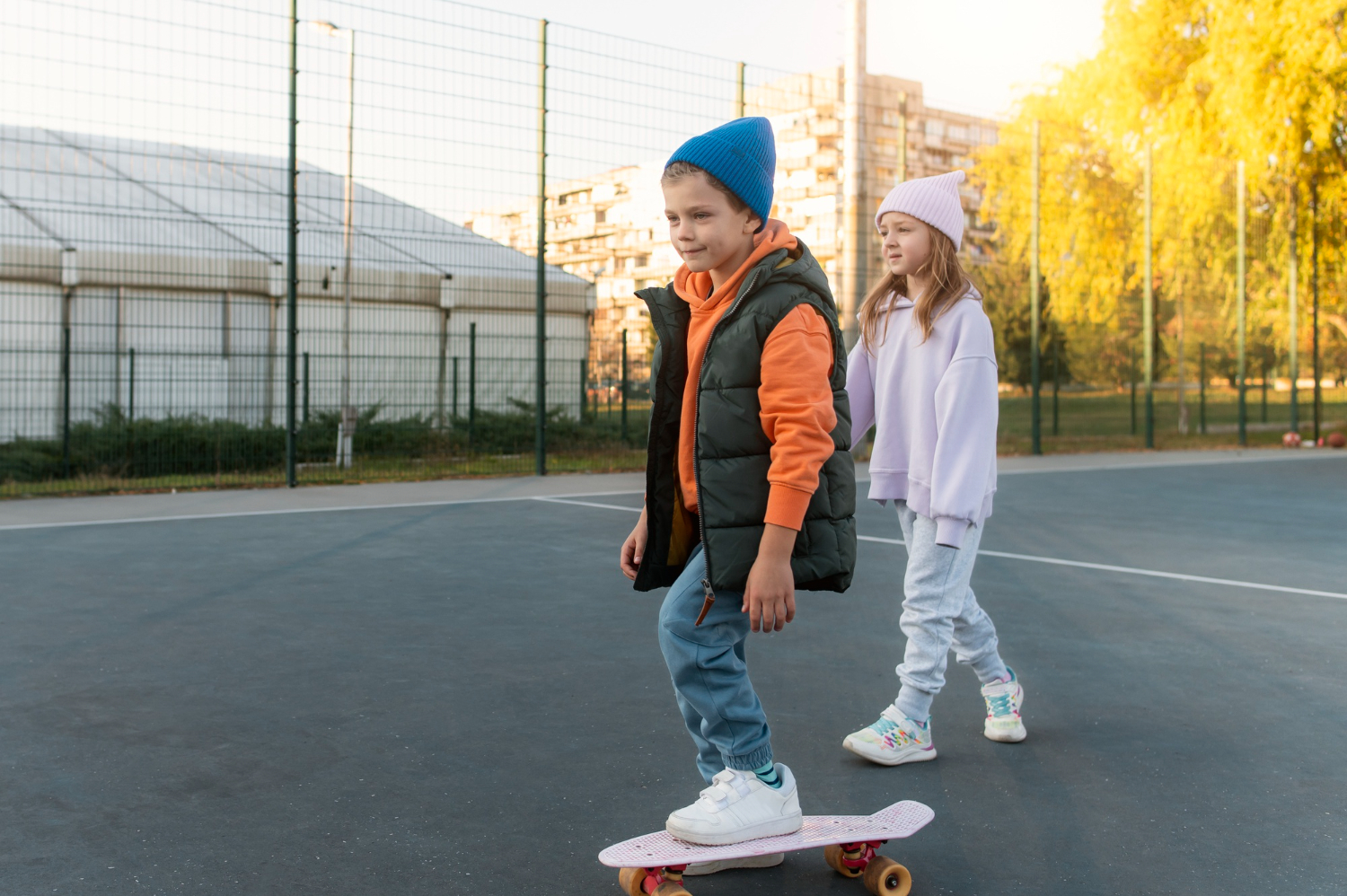
The transformation of the after-school hours reflects sweeping changes in attitudes, technology, and the structure of childhood. Heightened concerns about safety led many parents to keep closer track of their children and to favor supervised, structured activities over unsupervised free play and roaming. The rise of organized sports, lessons, and enrichment programs filled afternoons that were once open and free.
Technology reshaped the afternoon too, as screens, video games, and the internet drew children indoors and offered new ways to spend their time, while the shift from scheduled broadcast TV to on-demand everything changed long-standing rituals. Changing neighborhoods and family schedules played their part as well. None of this means childhood is worse, just very different, and many changes reflect genuine care and opportunity. Yet for those who remember bursting outside after the bell, riding until the streetlights came on, and roaming freely until dinner, the lost after-school world of 1975 evokes a powerful nostalgia for a freer, more independent, more outdoor childhood.
Like our content? Follow us for more.

