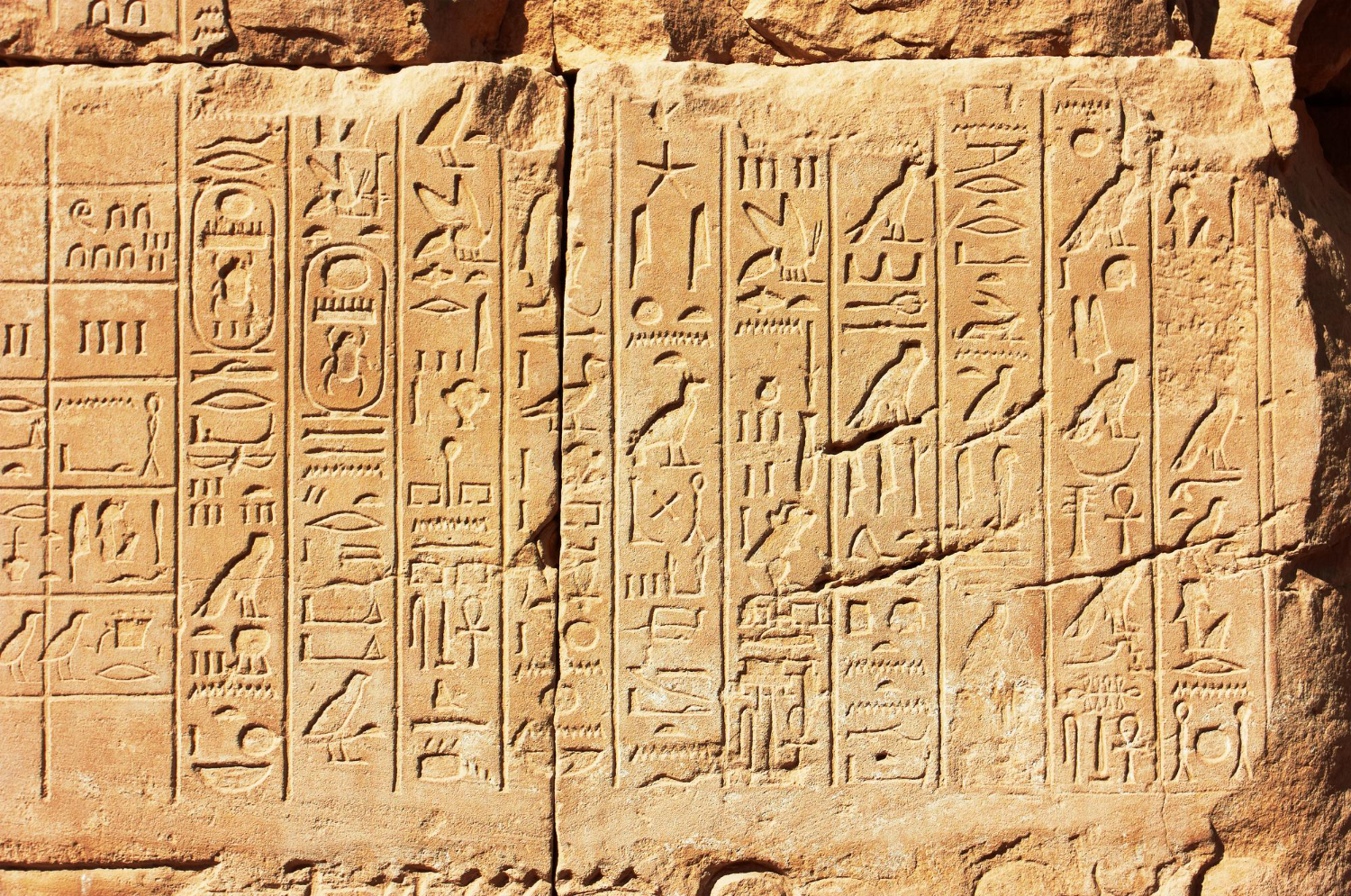
Scripts are usually classified by what a single character represents: a sound, a syllable, a consonant, or a whole word. Almost every design choice below follows from that decision. Here are seventeen.
1. Cuneiform – Mesopotamia
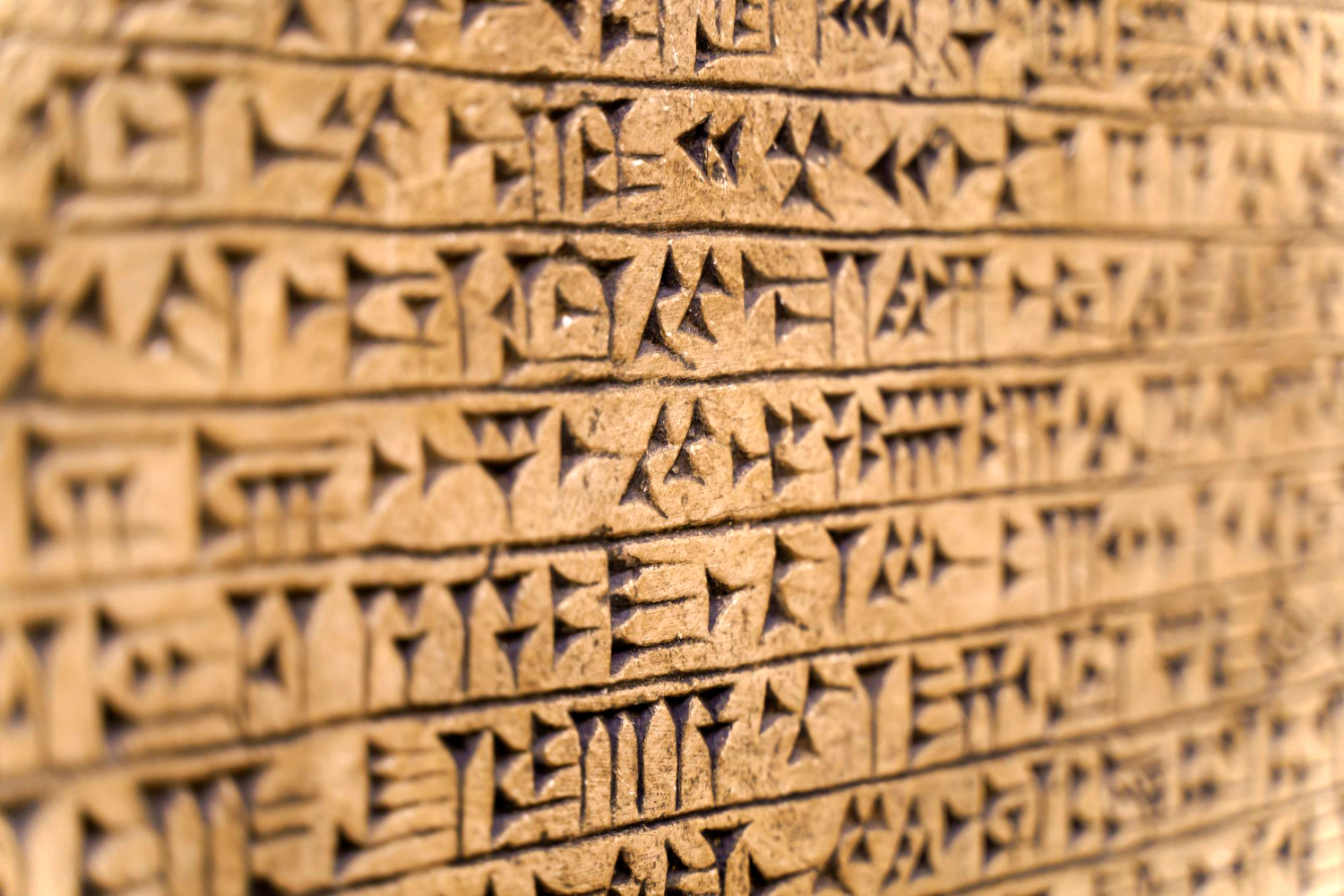
Wedge-shaped marks pressed into wet clay with a cut reed, developed because clay was the available material and clay does not take a drawn line well.
The shape of the characters is a direct consequence of the tool and the surface. Cuneiform is the writing system whose appearance was dictated by mud.
Like our content? Follow us for more.
2. Egyptian Hieroglyphs
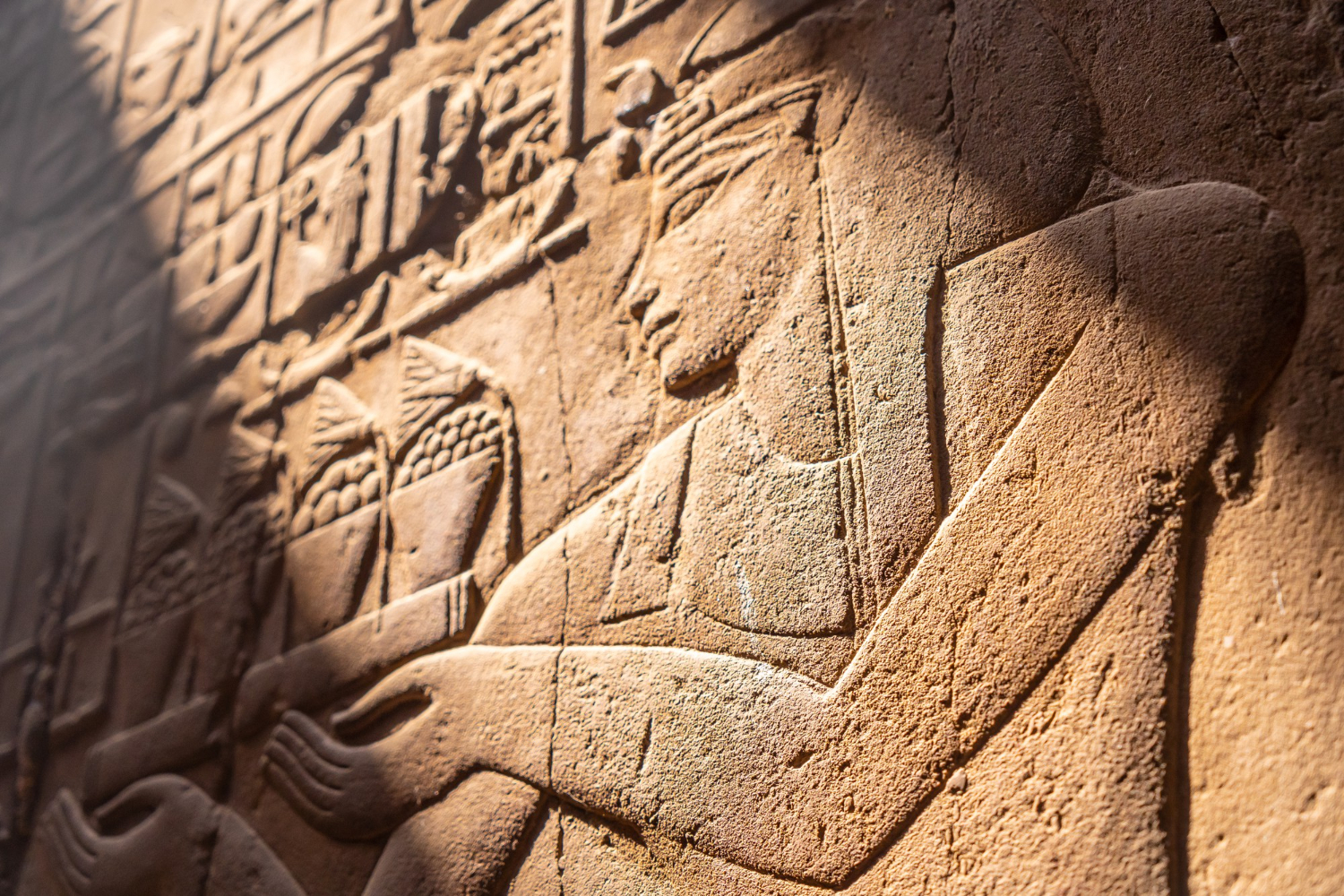
A mixed system combining signs for sounds, signs for whole words, and silent signs indicating what category a word belongs to.
That combination is why it resisted decipherment for so long – partial insights kept stalling. Hieroglyphs are the writing system that is three systems operating at once.
3. The Phoenician Alphabet

A compact set of consonant signs, spread by maritime traders, and the ancestor of a remarkable proportion of the world’s scripts.
Greek, Latin, Cyrillic, Arabic and Hebrew writing all trace back to it. Phoenician is the writing system that most other alphabets are descended from.
4. Greek
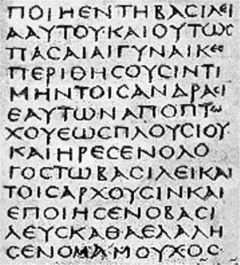
Adapted Phoenician letters and made one crucial change: assigning some signs to vowels, which no earlier alphabet had done systematically.
That produced the first full alphabet in the modern sense. Greek is the writing system that invented the vowel.
5. Latin

Derived from Greek via Etruscan, and now the most widely used script on Earth by an enormous margin.
Its spread has far more to do with empire and printing than with any inherent advantage. Latin is the writing system that travelled furthest on the back of other things.
6. Chinese Characters
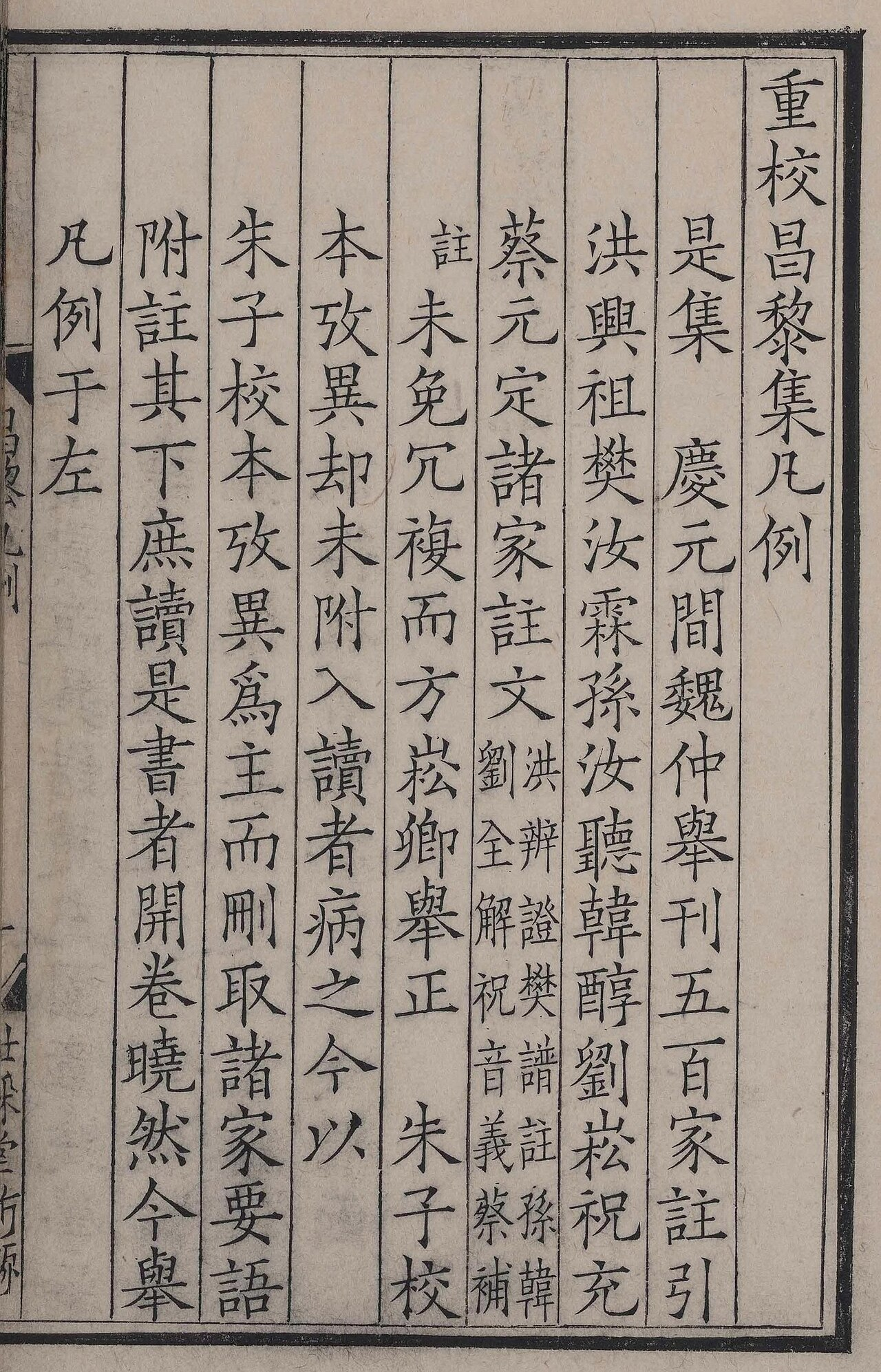
A logographic system in which characters represent words or morphemes rather than sounds, requiring thousands of characters for literacy.
Its great advantage is that it can be read across languages and dialects that sound nothing alike. Chinese characters are the writing system that works even when the readers cannot understand each other speaking.
7. Japanese – Three Scripts at Once
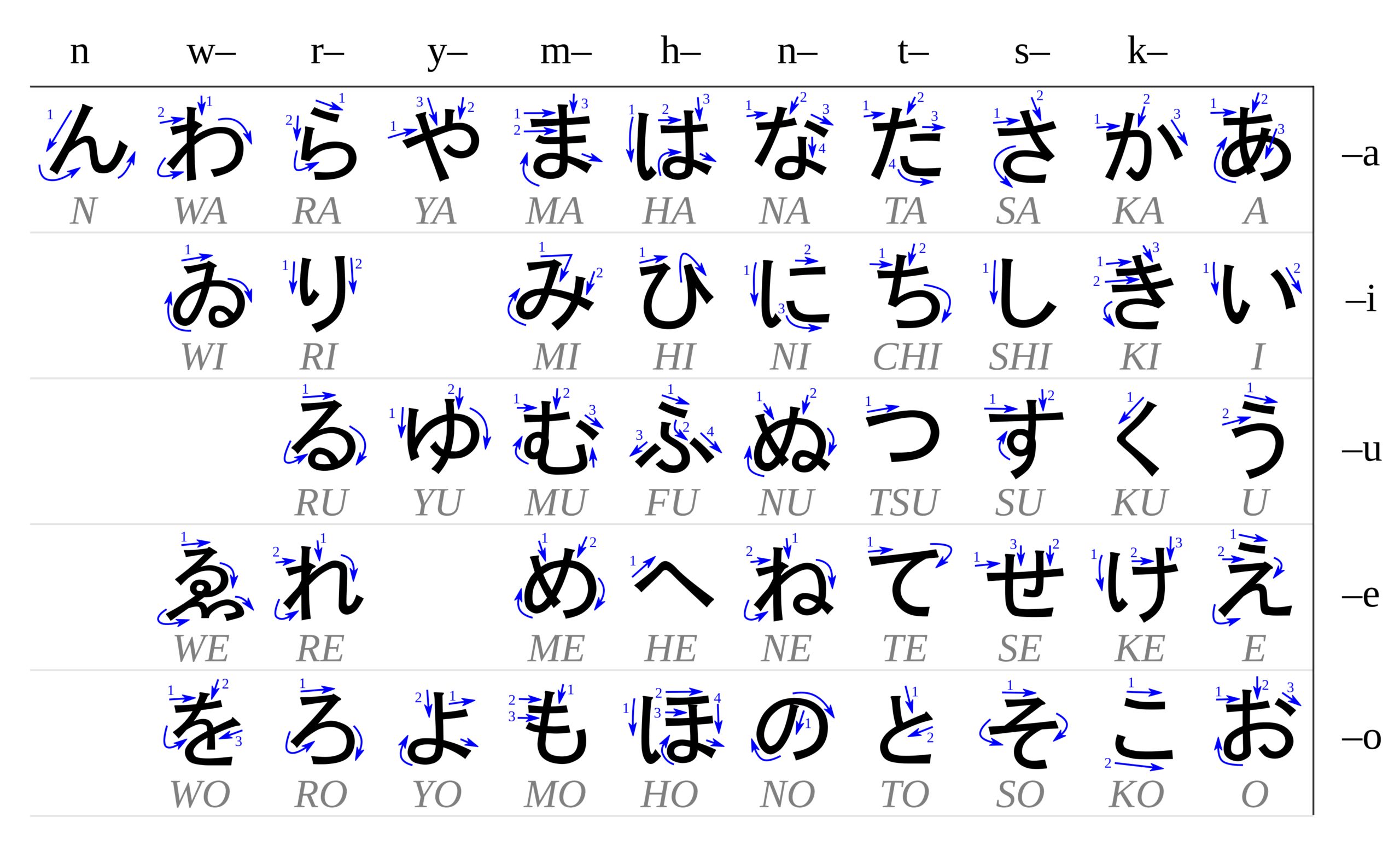
Japanese uses Chinese-derived characters alongside two separate syllable scripts, one for native grammatical elements and one largely for foreign words.
Reading requires switching between all three within a single sentence. Japanese is the writing system that runs three scripts simultaneously by design.
8. Hangul – Korea

Commissioned in the fifteenth century specifically so ordinary people could become literate, and designed rather than evolved.
The letter shapes reflect the position of the mouth and tongue when making each sound, which is unique among major scripts. Hangul is the writing system that was deliberately engineered for learnability.
9. Arabic

A cursive consonantal script written right to left, in which most letters change shape depending on their position in a word.
Short vowels are usually not written and are inferred by the reader. Arabic is the writing system where the same letter has several forms depending on its neighbours.
10. Devanagari and the Indic Scripts
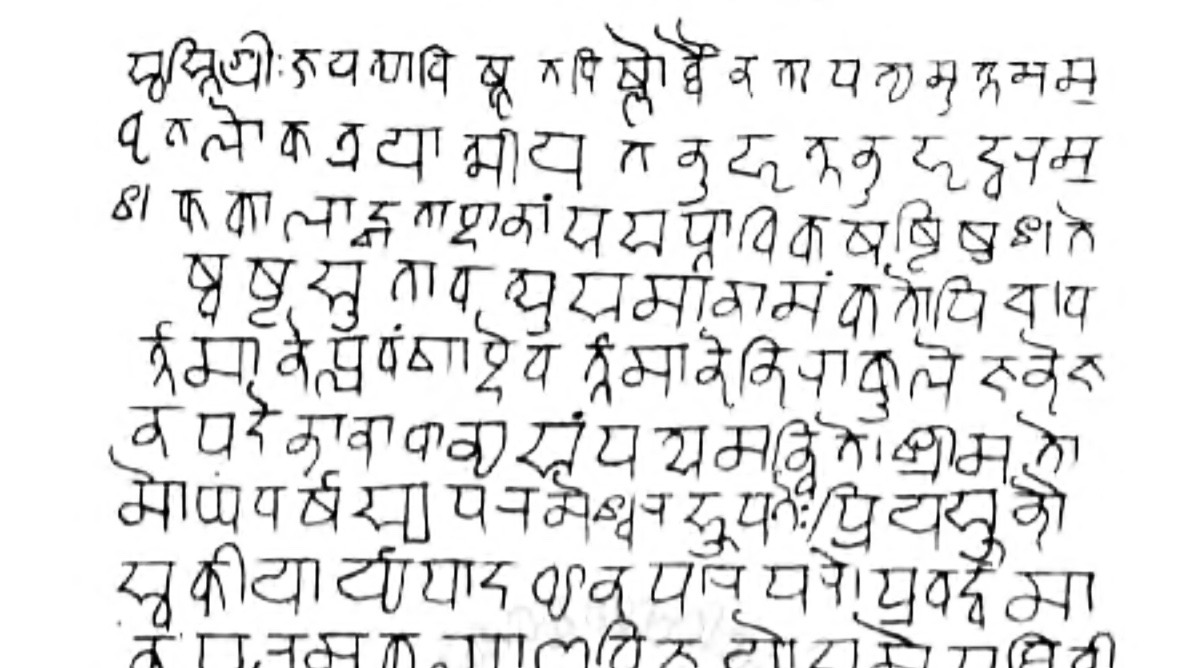
Consonant-based units carrying an inherent vowel, modified by marks above, below or beside them, with a horizontal line running along the top.
The category is called an abugida and is the dominant model across South and Southeast Asia. Devanagari is the writing system built around consonants that already contain a vowel.
11. Cyrillic
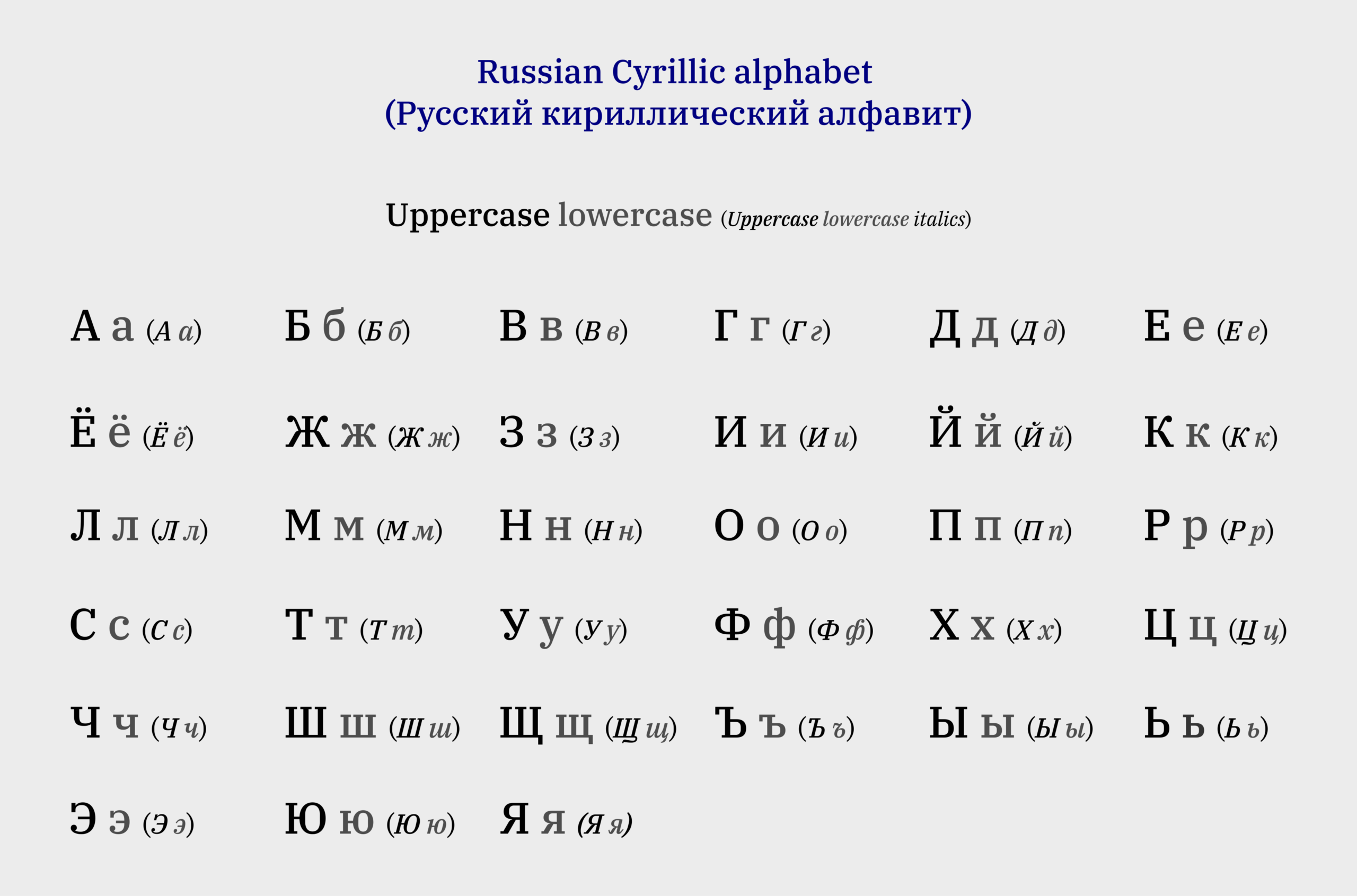
Developed for Slavic languages that contained sounds Greek letters could not represent, adding characters to cover them.
It is now used across a wide span of Eurasia for languages of several different families. Cyrillic is the writing system created because an existing alphabet ran out of letters.
12. Hebrew
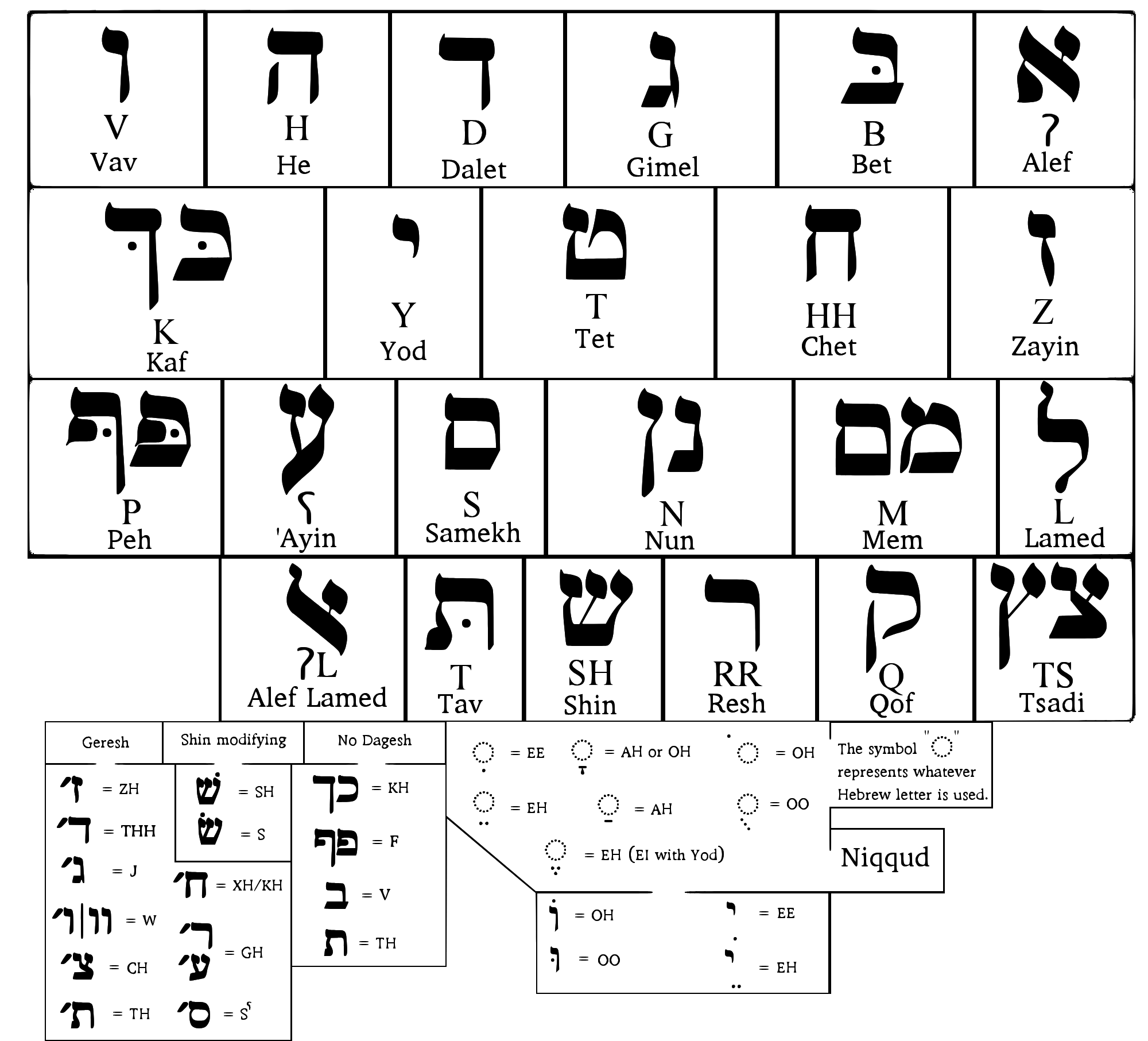
A consonantal script written right to left, with a system of points and marks available to indicate vowels where precision is required.
Those marks are used in teaching, poetry and sacred texts rather than in everyday writing. Hebrew is the writing system with optional vowels that most readers do without.
14. Cherokee Syllabary
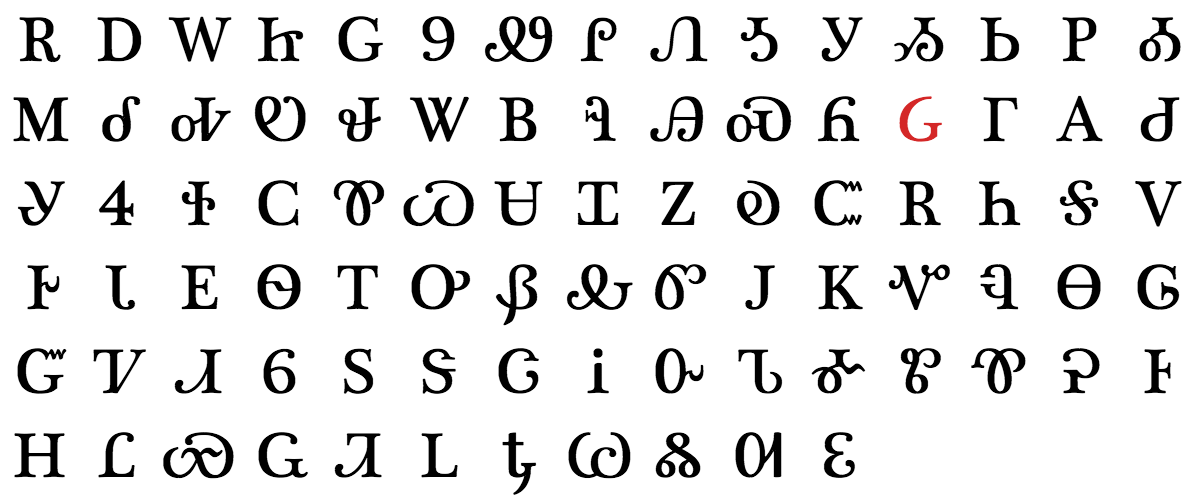
Created in the early nineteenth century by Sequoyah, who was not literate in any script when he began, and produced a system where each character represents a syllable.
Literacy spread rapidly once it existed. Cherokee is the writing system invented from scratch by one person who had never read anything.
15. Ge’ez and the Ethiopic Script
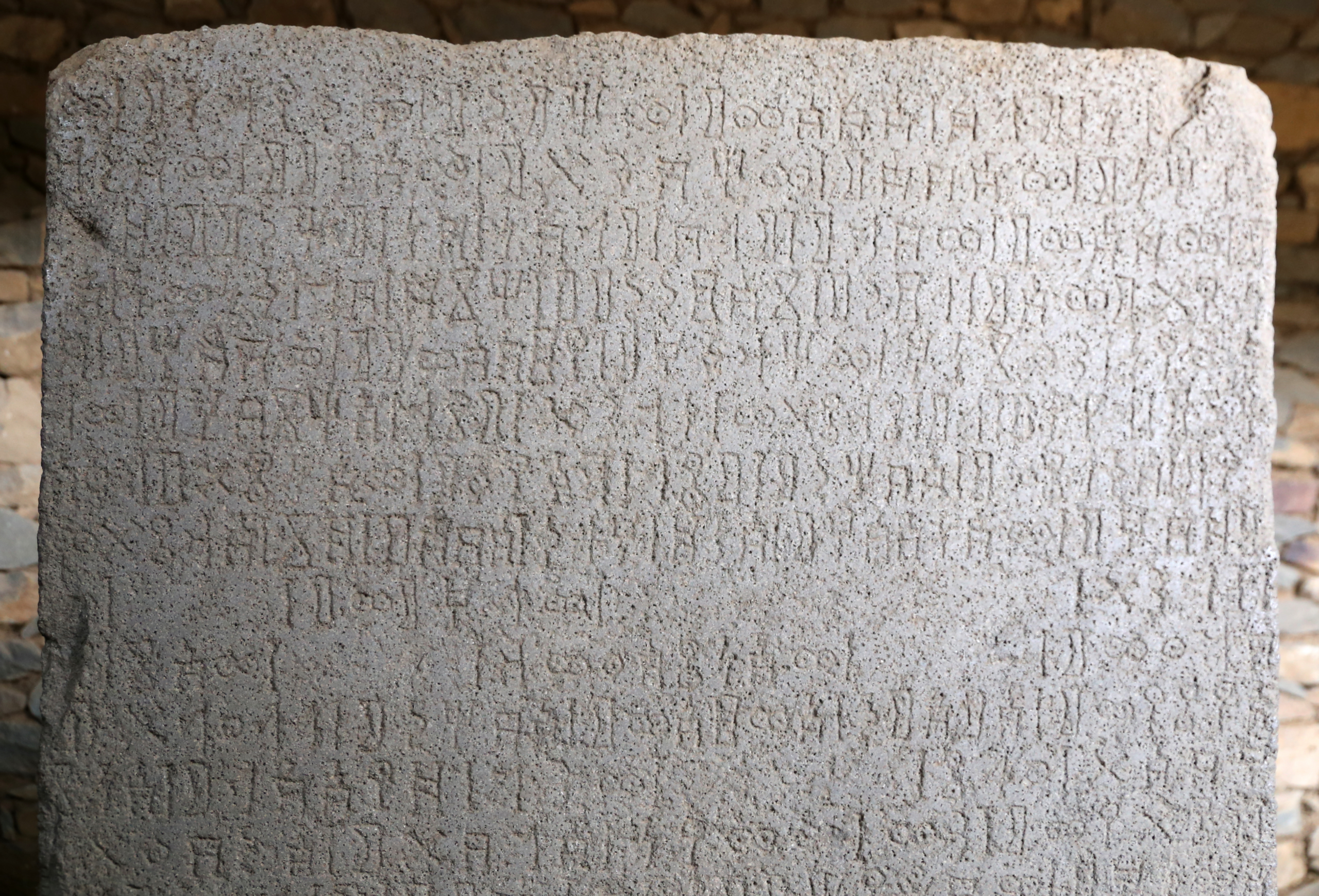
An abugida used for several languages in the Horn of Africa, with characters modified systematically to indicate the following vowel.
It has been in continuous use for well over a thousand years. Ge’ez is the writing system that has served a region for a millennium and a half.
16. Braille
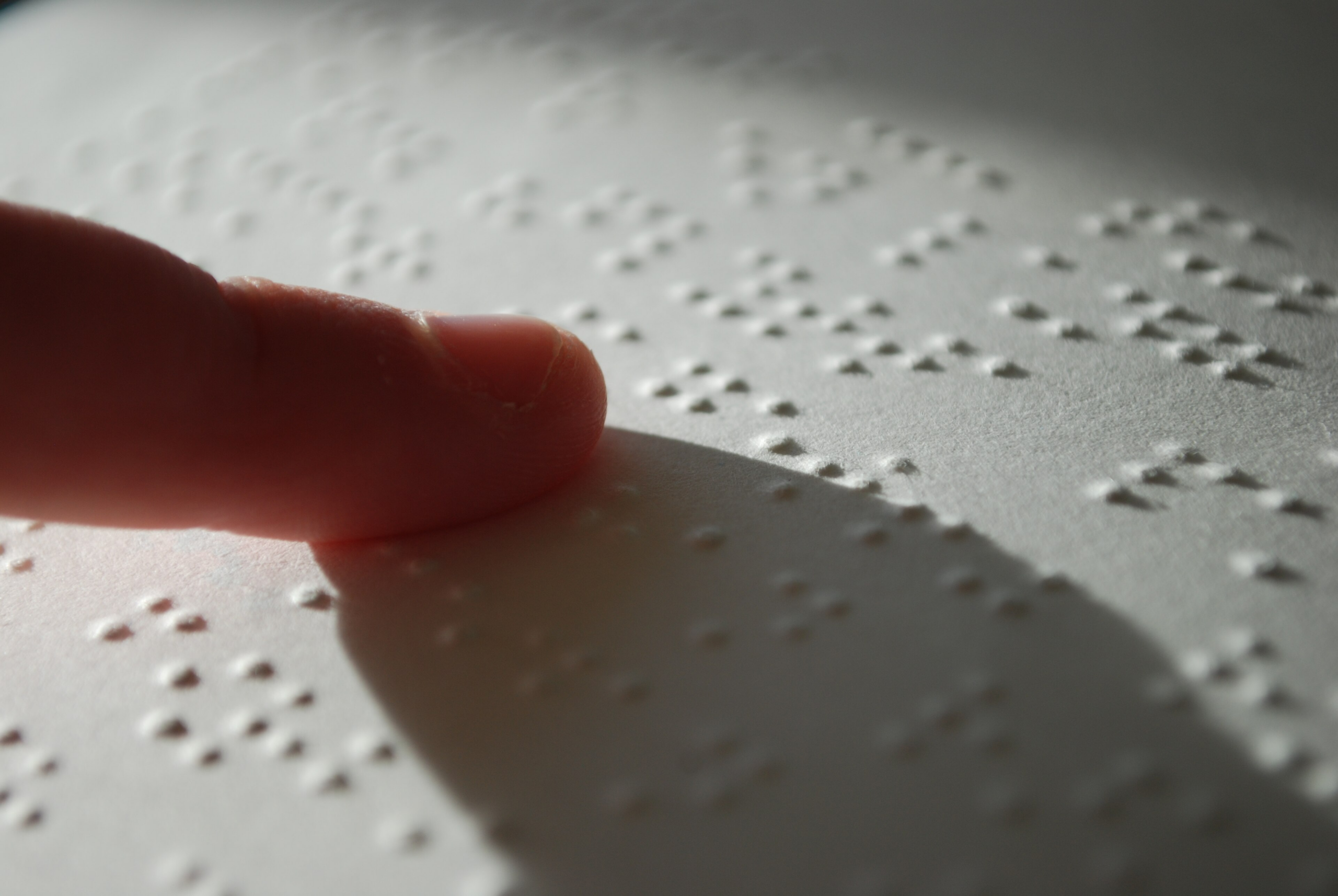
A system of raised dots read by touch, arranged in a six-position cell, developed by a teenager who had been blind since early childhood.
It replaced earlier attempts that used raised versions of printed letters, which were far harder to read by finger. Braille is the writing system designed around a sense other than sight.
17. Shorthand Systems
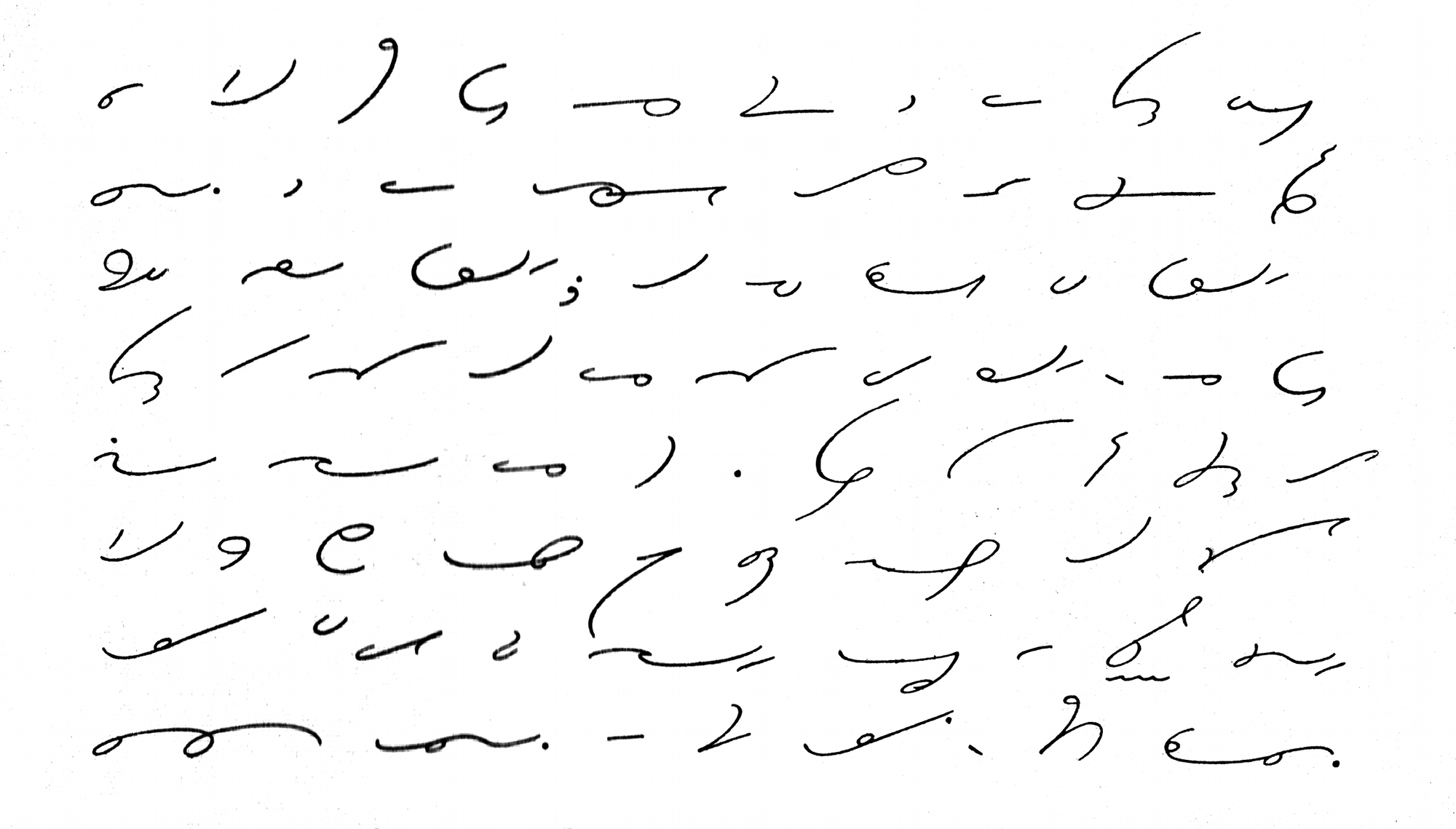
Not scripts for a language so much as engineered systems for speed, using simplified marks to capture speech as fast as it is spoken.
Several competing systems were developed and taught professionally for over a century. Shorthand is the writing system optimised for one thing only, which was keeping up.
Marks Made to Fit a Language
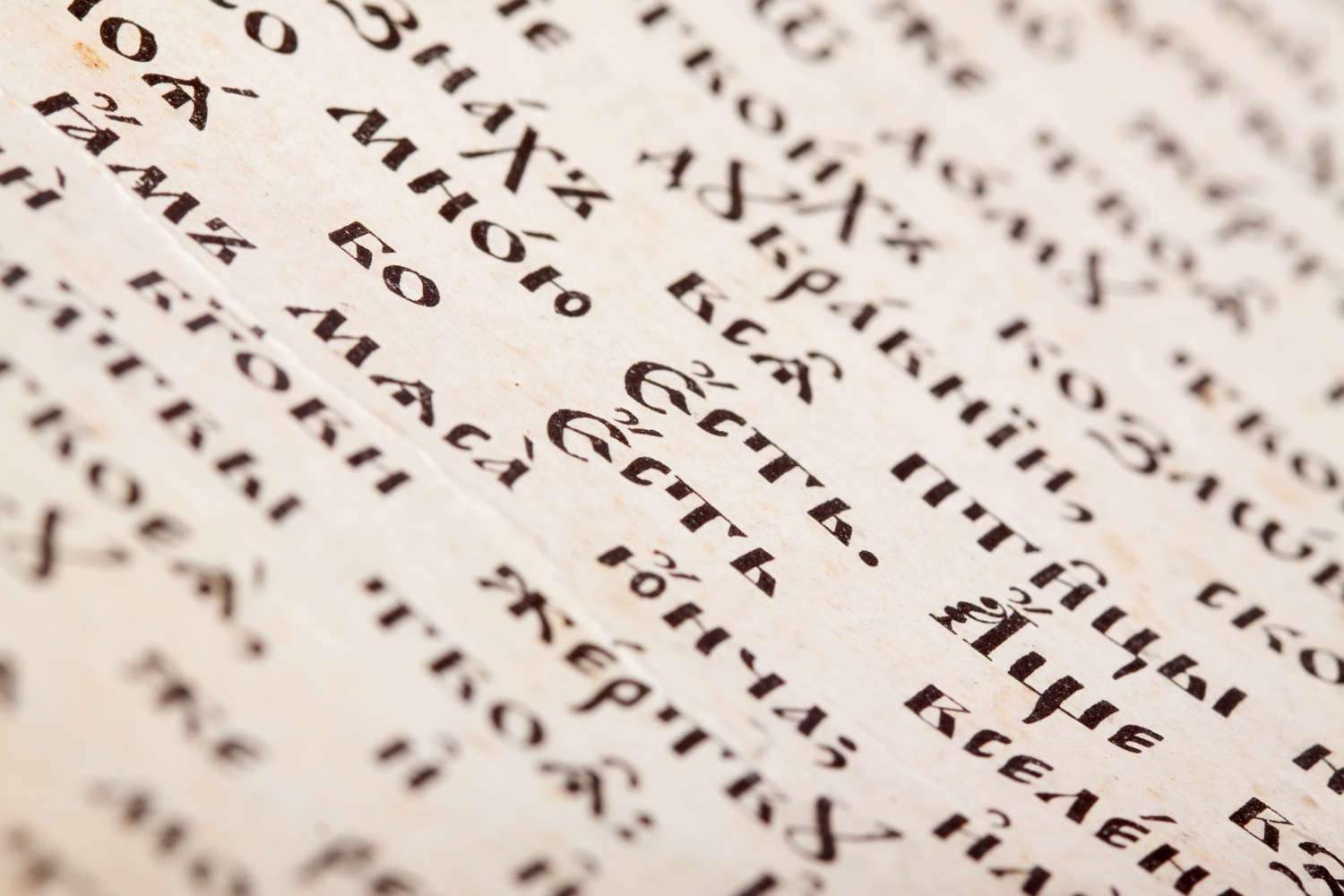
Every system here reflects three things: the sounds the language contains, the materials available to write on, and whether the aim was precision, speed, beauty or teachability.
The pattern worth noticing is that the most successful scripts are rarely the most elegant ones. Latin spread with empires and presses, Chinese characters persisted because they bridge languages that cannot understand one another, and the one script truly designed for ease of learning took centuries to be widely adopted in its own country.
Like our content? Follow us for more.