The American diner holds a cherished place in the nation’s heart, a democratic gathering spot where truckers, families, teenagers, and night-shift workers all shared the same counter and the same comforting food. The classic diner of the 1960s, with its distinctive look, sounds, and rituals, was an institution, and stepping inside meant entering a warm, familiar world of chrome, vinyl, and bottomless coffee. While diners have not disappeared entirely, the genuine old-school examples are dwindling, taking with them a whole set of features that defined the experience. Here is a fond and nostalgic tour of the things every classic American diner had in the 1960s, and why these beloved icons are gradually fading away.
The Tabletop Jukebox
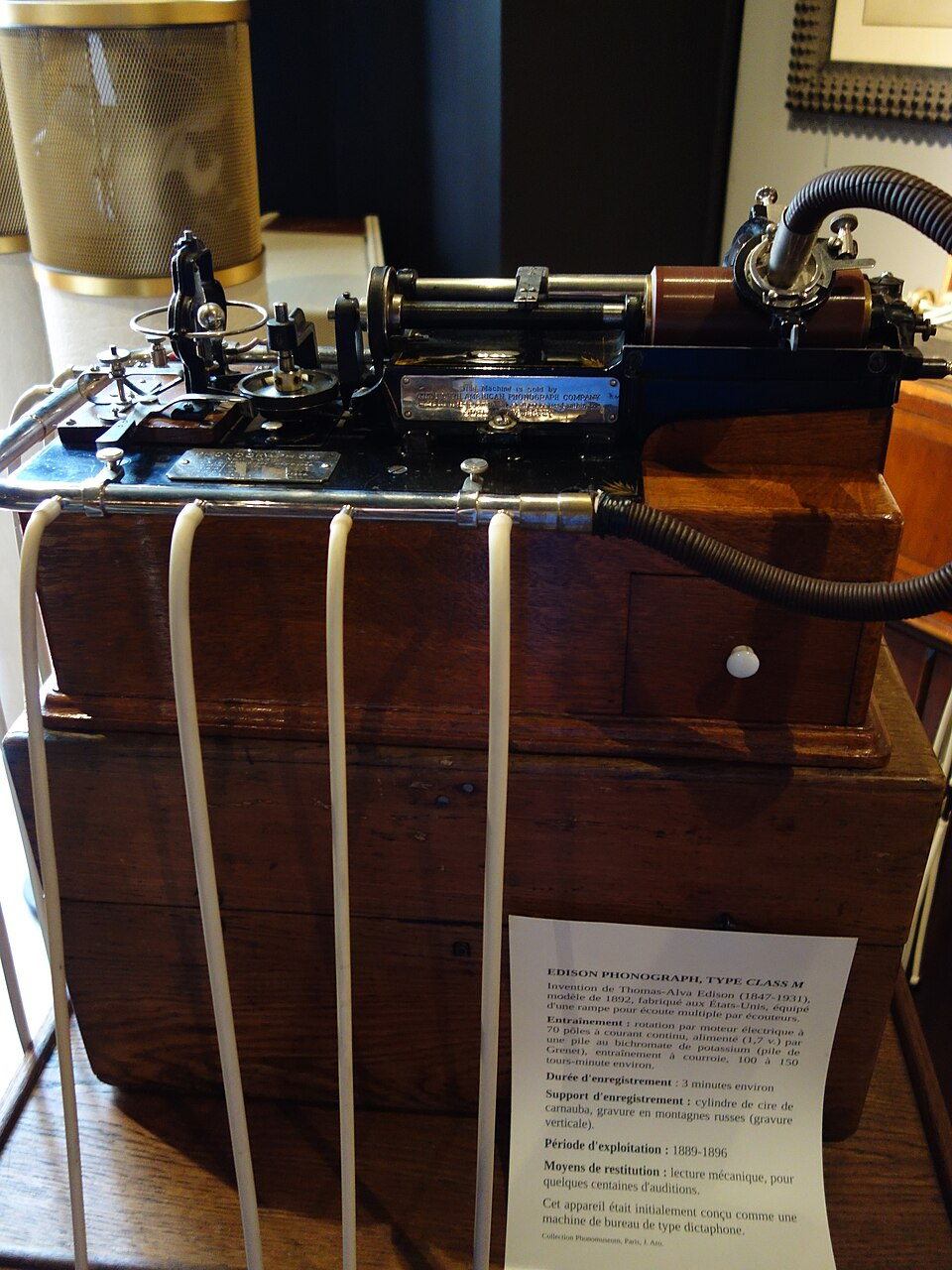
One of the most beloved features of the classic diner was the personal tabletop jukebox mounted at each booth. These small chrome-and-glass units let diners flip through song selections and drop in a coin to play their favorite tunes right from their seat, filling the diner with music chosen by the customers themselves.
Flipping through the metal pages of song titles and choosing a record to play was a small but delightful ritual, especially for kids and teenagers. The tabletop jukebox added a personal, interactive touch to the meal and contributed to the diner’s lively, social atmosphere. As music technology changed and many classic diners closed or modernized, these charming little jukeboxes became increasingly rare. Today they are a prized symbol of the golden age of the diner, evoking the era’s music and the simple pleasure of picking a song from your booth.
Like our content? Follow us for more.
Chrome, Formica, and Vinyl
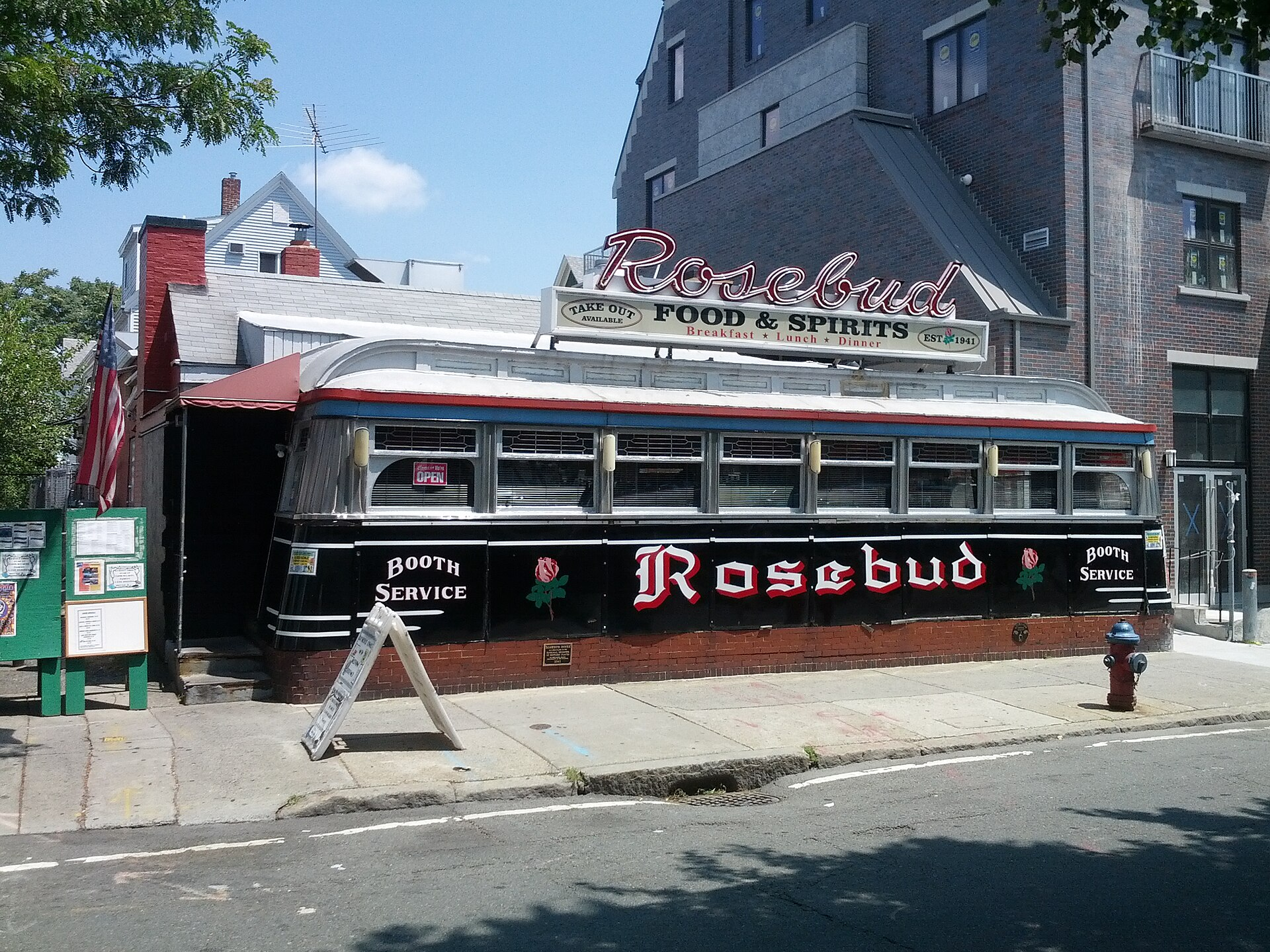
The classic diner had an unmistakable look defined by its materials: gleaming stainless steel and chrome surfaces, durable Formica countertops and tabletops, and booths upholstered in brightly colored vinyl. This sleek, shiny, easy-to-clean aesthetic gave the diner its distinctive, timeless appearance.
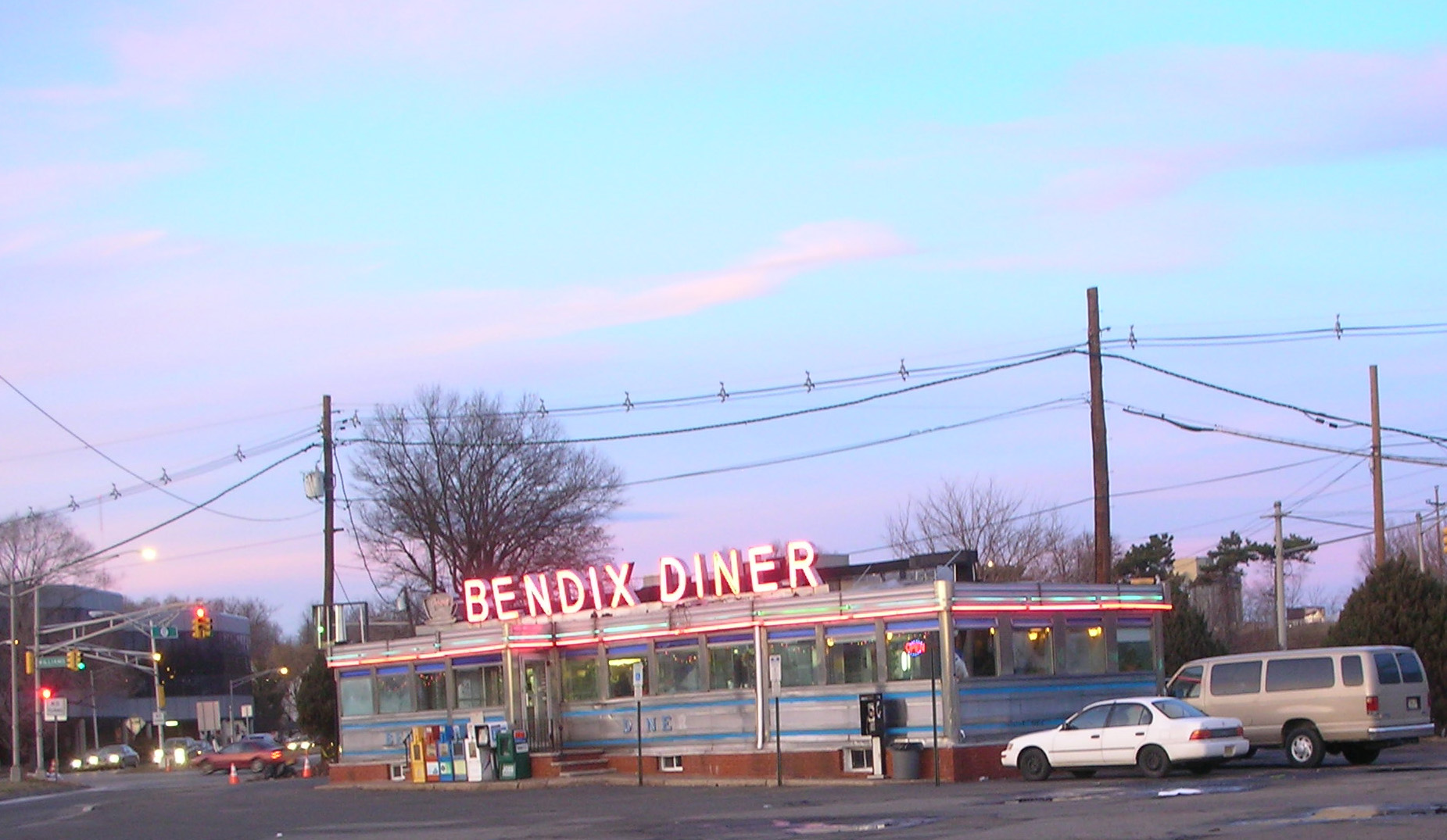
Many classic diners were even housed in distinctive prefabricated buildings with a streamlined, railcar-inspired look, their exteriors gleaming with stainless steel and neon. The combination of chrome, Formica, vinyl, and neon created an atmosphere that was at once modern for its time and now deeply nostalgic. As old diners close and newer restaurants adopt different styles, this classic look is becoming harder to find. The gleaming chrome diner remains one of the most iconic images of mid-century America, instantly recognizable and fondly remembered.
The Soda Fountain
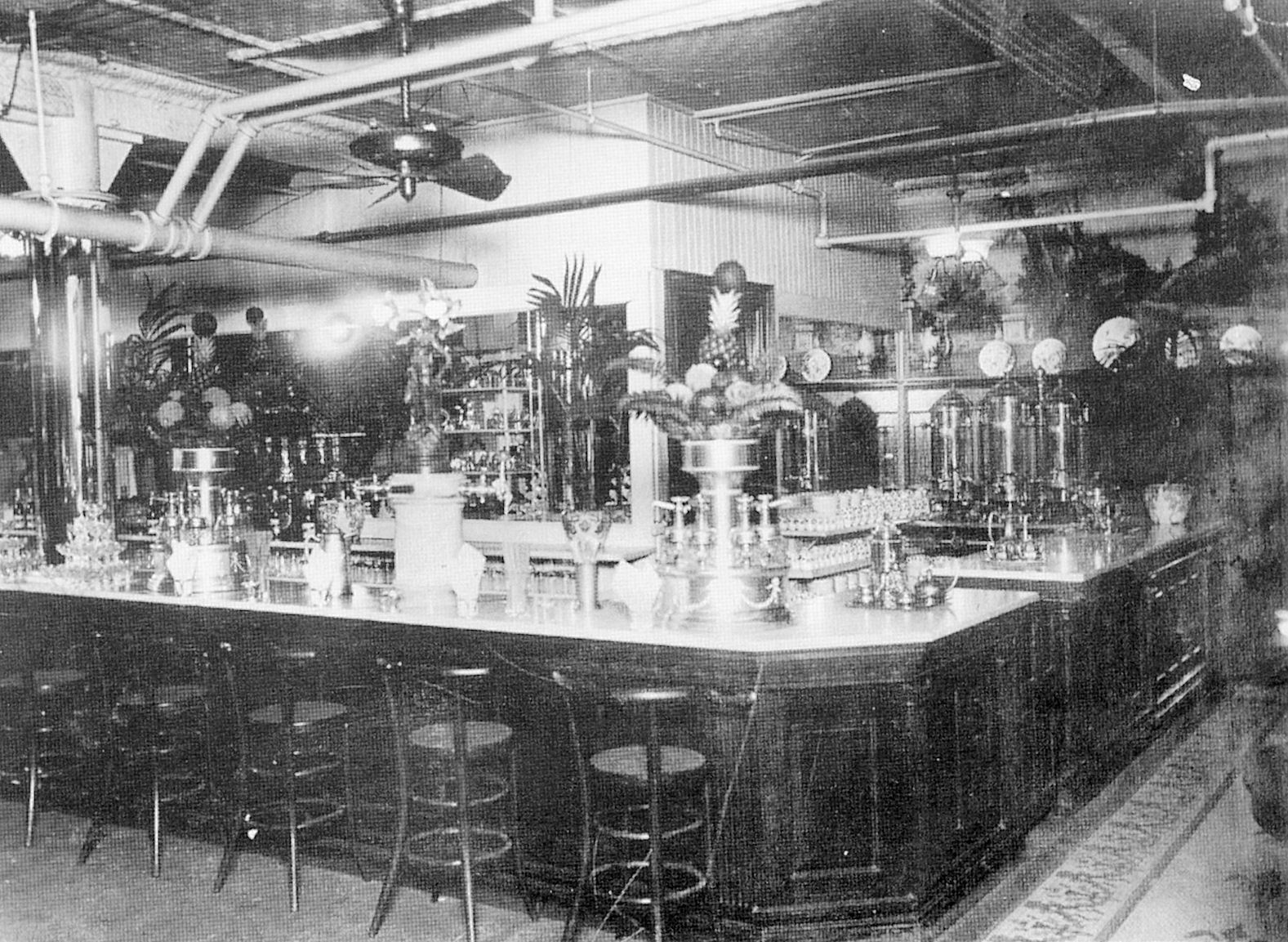
Behind the counter of many classic diners stood the soda fountain, where a skilled soda jerk crafted fizzy drinks, ice cream sodas, malts, milkshakes, and elaborate sundaes to order. The soda fountain was a centerpiece of the diner experience and a beloved destination, especially for young people.
Watching the soda jerk mix a cherry Coke from syrup and soda water, or build a towering sundae, was part of the fun. The soda fountain offered treats that were both delicious and a bit theatrical to prepare. As pre-made and bottled drinks took over and the old soda-fountain craft faded, this feature has become rare. The classic soda fountain, with its hand-crafted fizzy drinks and ice cream creations, is a cherished symbol of the era’s diners and drugstores, remembered fondly by all who enjoyed its treats.
The Spinning Pie Case
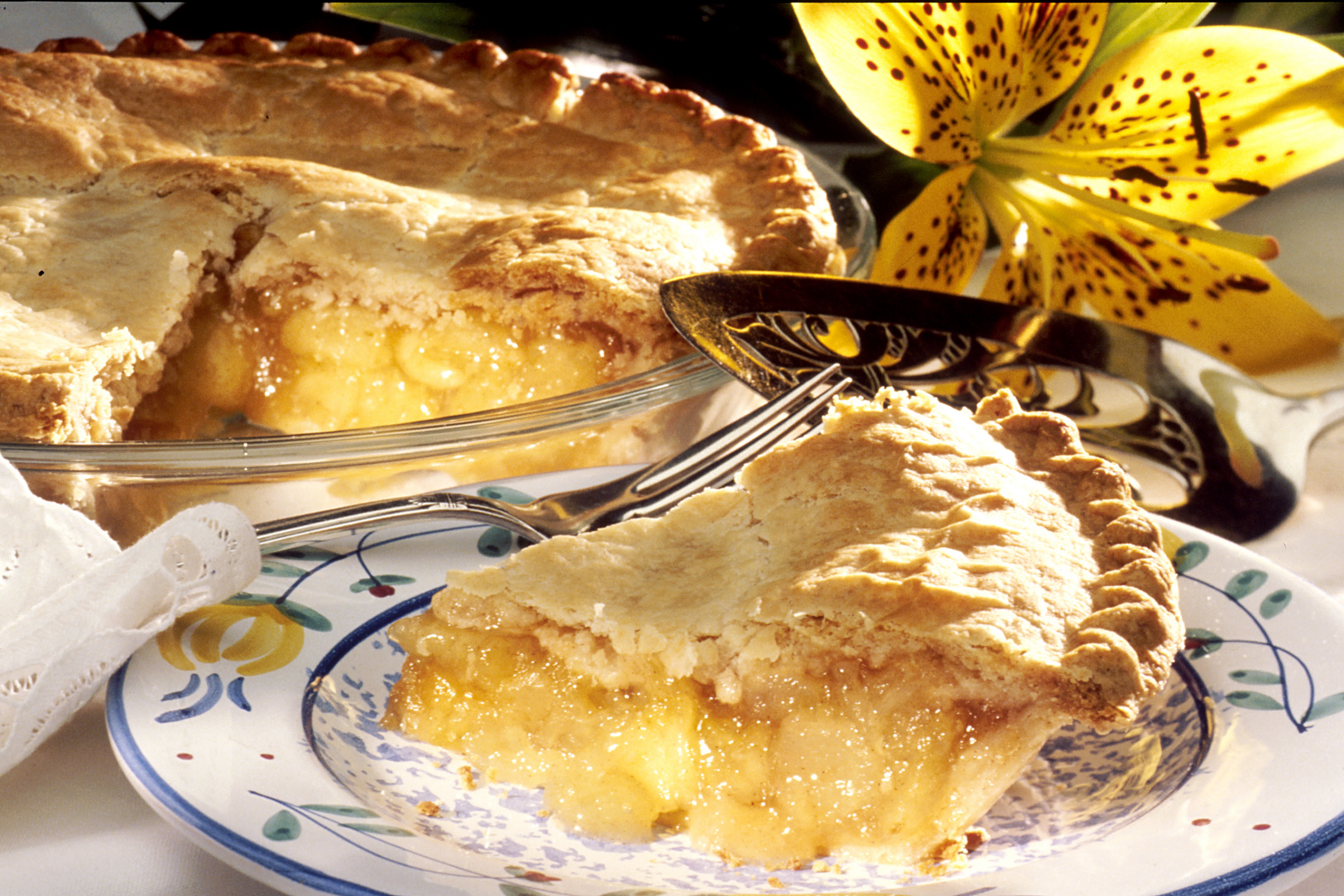
A mouthwatering fixture of the classic diner was the rotating, refrigerated pie and dessert case, usually positioned near the counter where everyone could see it. The slowly spinning display showed off slices of pie, cakes, and other desserts, tempting diners and serving as both advertisement and decoration.
Diners were famous for their pies, often made fresh, and the glass case full of slowly revolving desserts was a beloved sight that made it nearly impossible to skip dessert. The visual temptation of that turning case is a vivid memory for many. While some diners still feature pie cases, the classic rotating display has become less common as old diners disappear. The spinning pie case remains an iconic and irresistible symbol of the diner’s famous homestyle desserts and its warm, inviting atmosphere.
The Bottomless Cup of Coffee
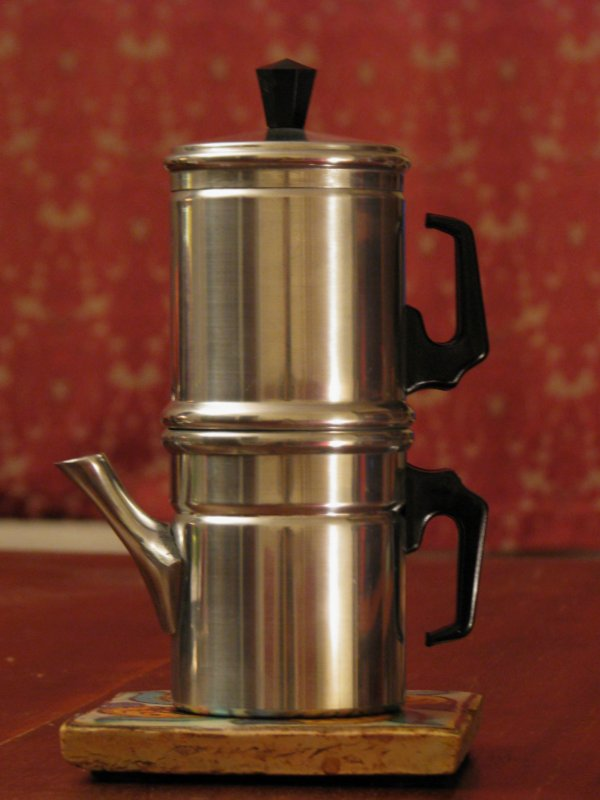
Central to the diner experience was coffee, served strong, hot, and endlessly refilled. The image of a waitress moving down the counter with a pot of coffee, topping off cups without being asked, is one of the most enduring symbols of the diner. The bottomless cup was an institution and a point of pride.
Diner coffee was famously affordable and freely refilled, making the diner a place where people could linger over conversation, read the newspaper, or simply pass the time for the price of a cup. This generosity was part of what made the diner a true community gathering spot, welcoming to all. While coffee remains central to diners, the specific culture of the endlessly refilled, cheap cup and the lingering it encouraged is part of the classic experience that has changed over the decades, even as it remains beloved in memory.
The Counter, Stools, and Open Kitchen
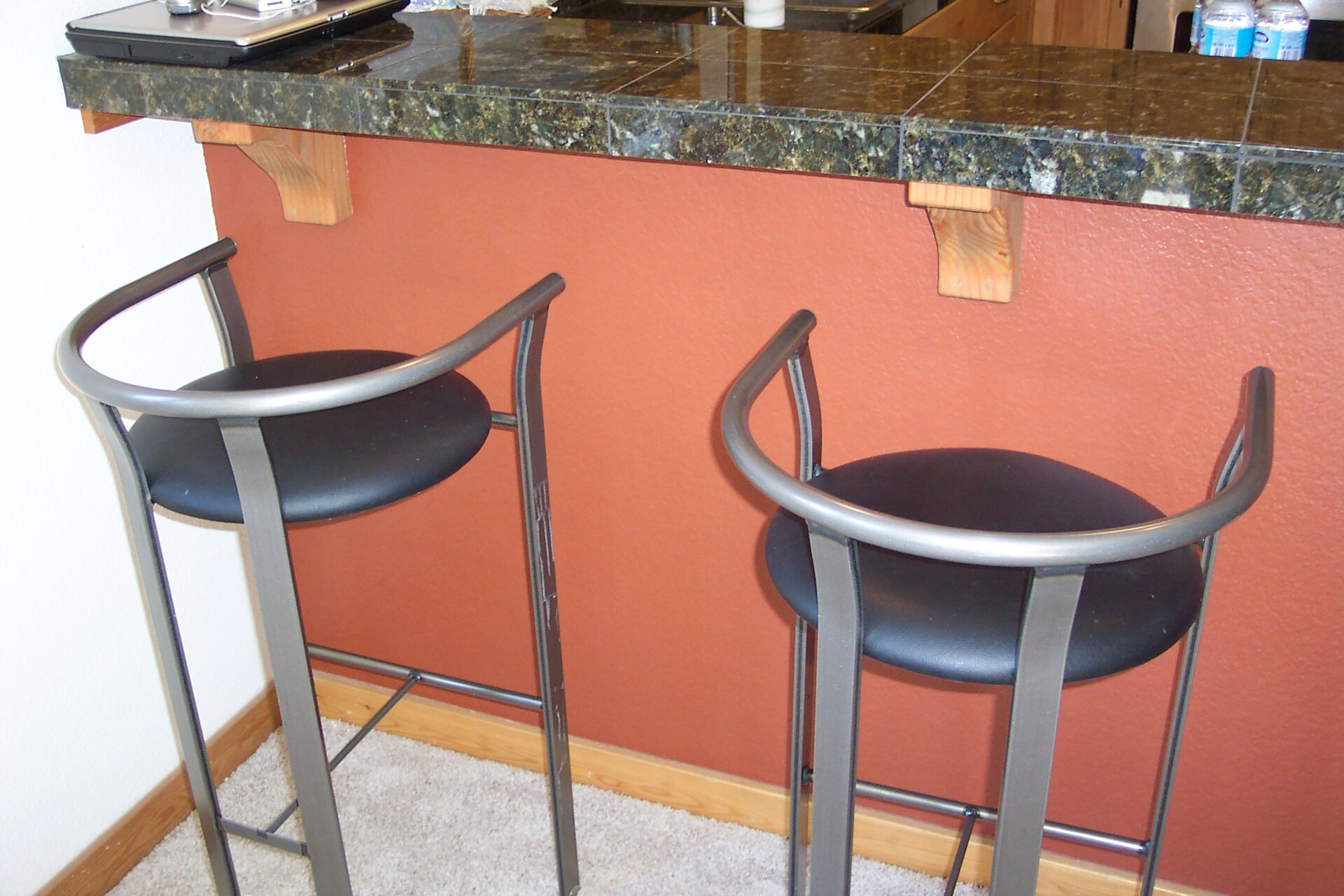
The classic diner was built around its long counter lined with swiveling stools, where solo diners and regulars sat to eat, chat with the staff, and watch the action. Behind the counter, the kitchen was often open to view, with the cook working the griddle in full sight of the customers.
This layout created a uniquely social, intimate atmosphere, where customers could watch their food being cooked, banter with the cook and waitstaff, and feel part of a familiar community. The counter was the social heart of the diner, where regulars had their usual spots and everyone was welcome. While counters and stools survive in many diners, the close-knit, watch-the-cook intimacy of the classic experience is part of what is fading as old diners give way to other dining formats. It remains a cherished aspect of diner culture.
The Menu, the Specials, and the Lingo
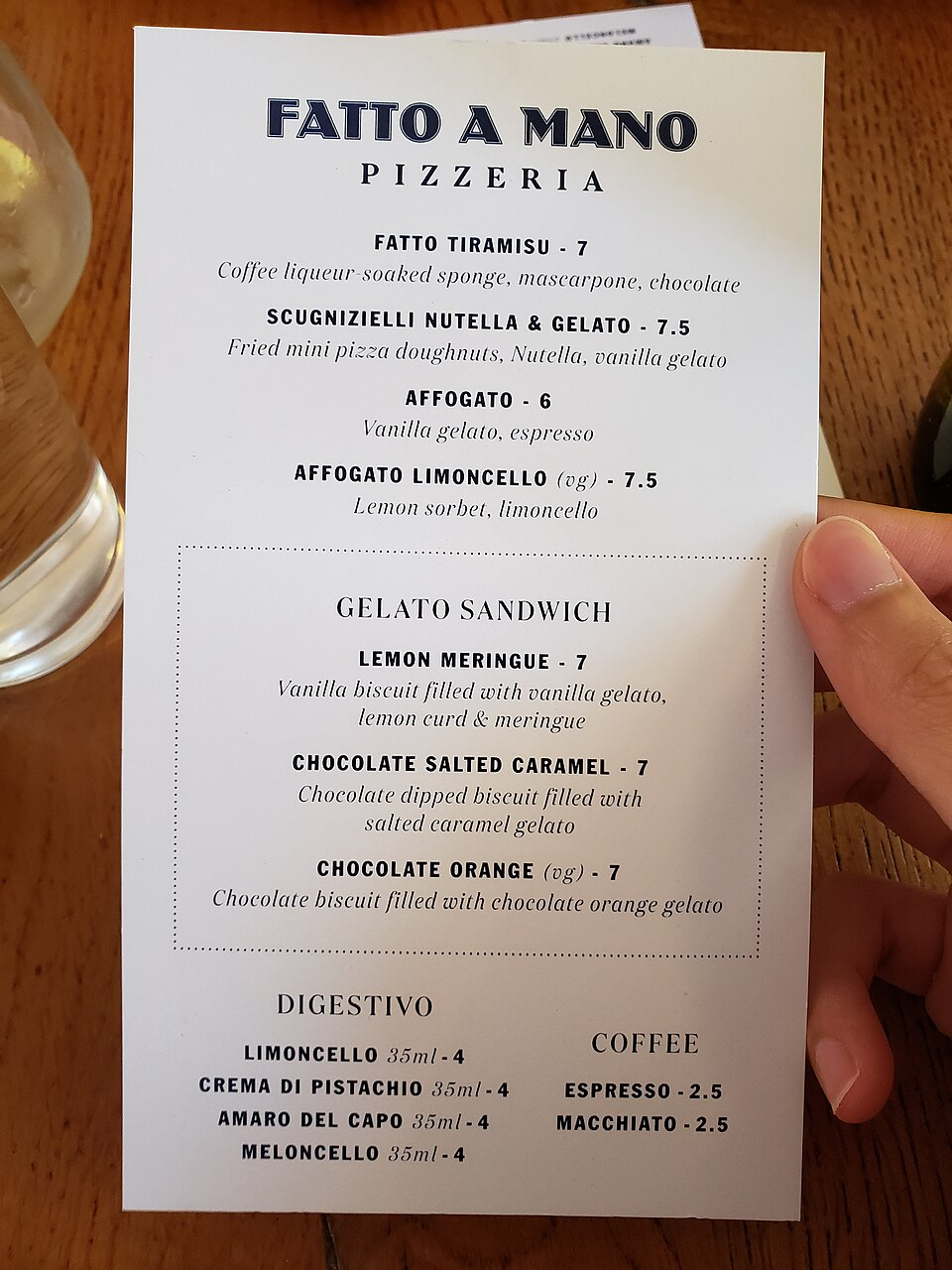
The classic diner had its own distinctive food culture, from the chalkboard “blue plate special” offering a complete affordable meal, to the enormous menus packed with comfort-food classics available at all hours. Breakfast served any time, hearty plates, and homestyle cooking were hallmarks of the diner.
Diners even had their own colorful slang, with waitstaff calling out orders to the cook using a whole vocabulary of memorable phrases for common dishes. This lively lingo added to the diner’s distinctive character and sense of fun. The combination of affordable comfort food, all-hours service, and the diner’s particular culture made it a beloved institution. As classic diners disappear, these traditions, the blue plate special, the colorful order-calling, the round-the-clock comfort food, are becoming rarer, surviving in the diners that still keep the old ways alive.
Why the Classic Diner Is Disappearing
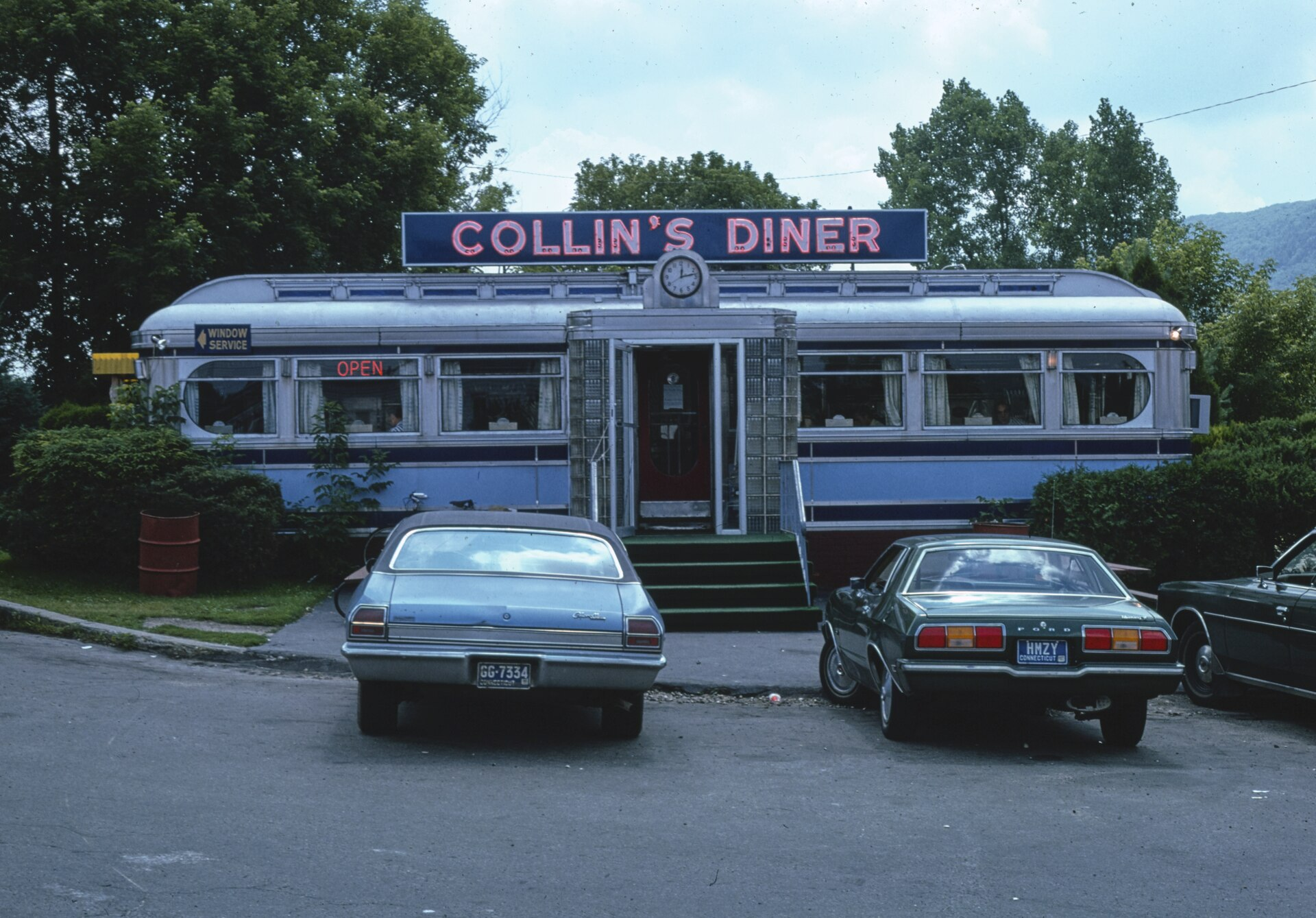
The fading of the classic diner reflects broad changes in the restaurant landscape and American life. The rise of fast-food chains offered quicker, cheaper alternatives that drew customers away, while changing tastes and dining habits reduced demand for the traditional diner experience. Many of the old independently owned diners struggled to compete and gradually closed their doors.
Rising costs, changing neighborhoods, and the passing of the generations who ran and frequented these establishments have all contributed to their decline. The distinctive prefabricated diner buildings have become harder to maintain, and many have been demolished or repurposed. Yet the classic diner retains a powerful hold on the American imagination, celebrated in film, art, and memory, and a number of beloved examples are cherished and preserved. For those who remember the tabletop jukebox, the spinning pie case, and the bottomless cup of coffee, the classic diner represents a warm, democratic, and distinctly American institution well worth remembering.
Like our content? Follow us for more.