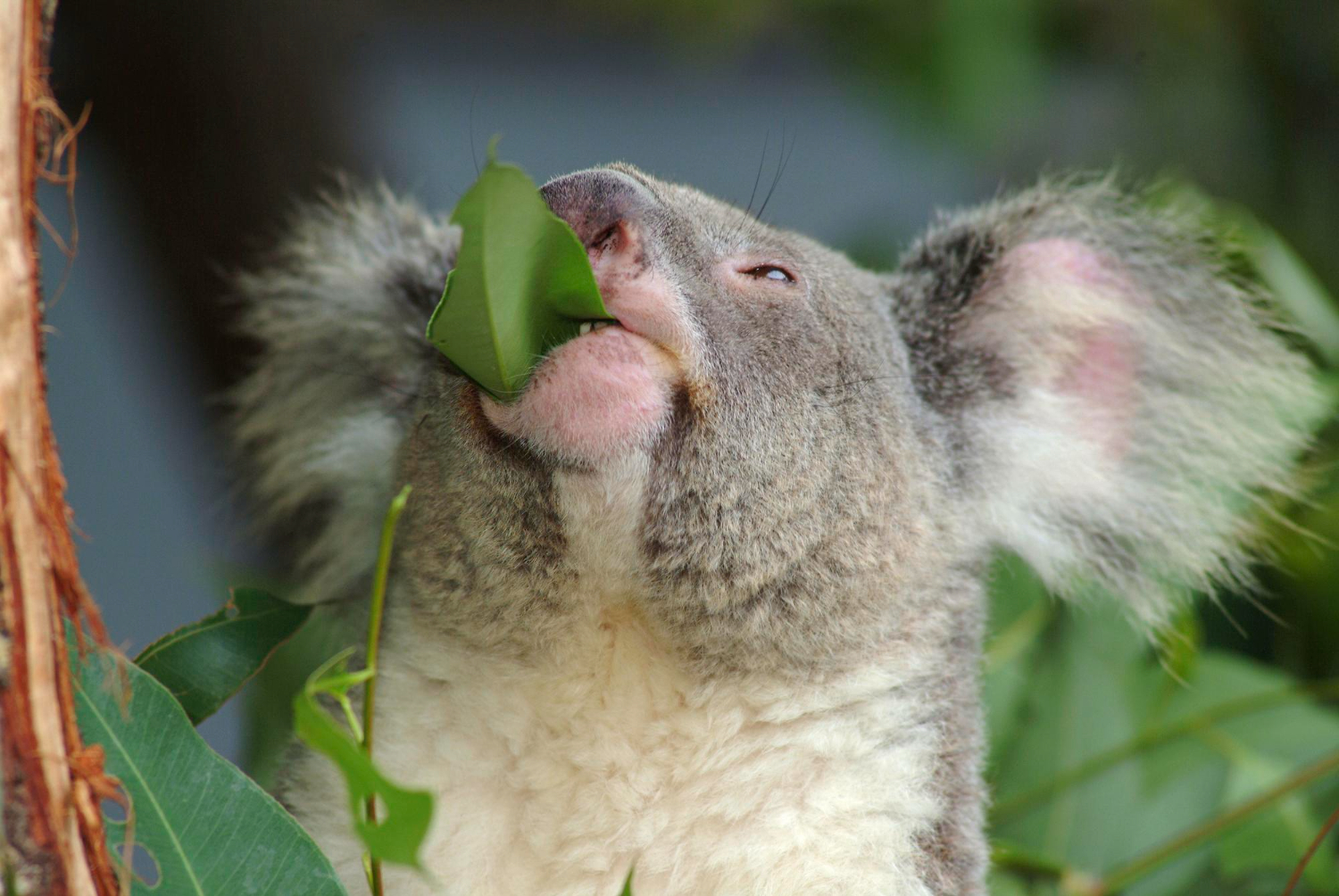
Fingerprints feel like a distinctly primate thing, and mostly they are. Humans have them, as do chimpanzees, orangutans and other primates, which makes sense given how recently we shared an ancestor.
Then there is the koala, a tree-dwelling Australian marsupial with no close relationship to primates whatsoever, whose fingertips are covered in ridge patterns essentially indistinguishable from ours.
This was not widely known until the mid-1990s, and the researcher who noticed it was surprised that nobody had looked properly before. Under a microscope, the fine detail matched human prints closely enough that he wondered whether a forensic examiner could tell them apart.
That observation spawned a viral claim that is not true, and a much more interesting scientific question that is still open. Here is what koala fingerprints actually tell us.
The Discovery
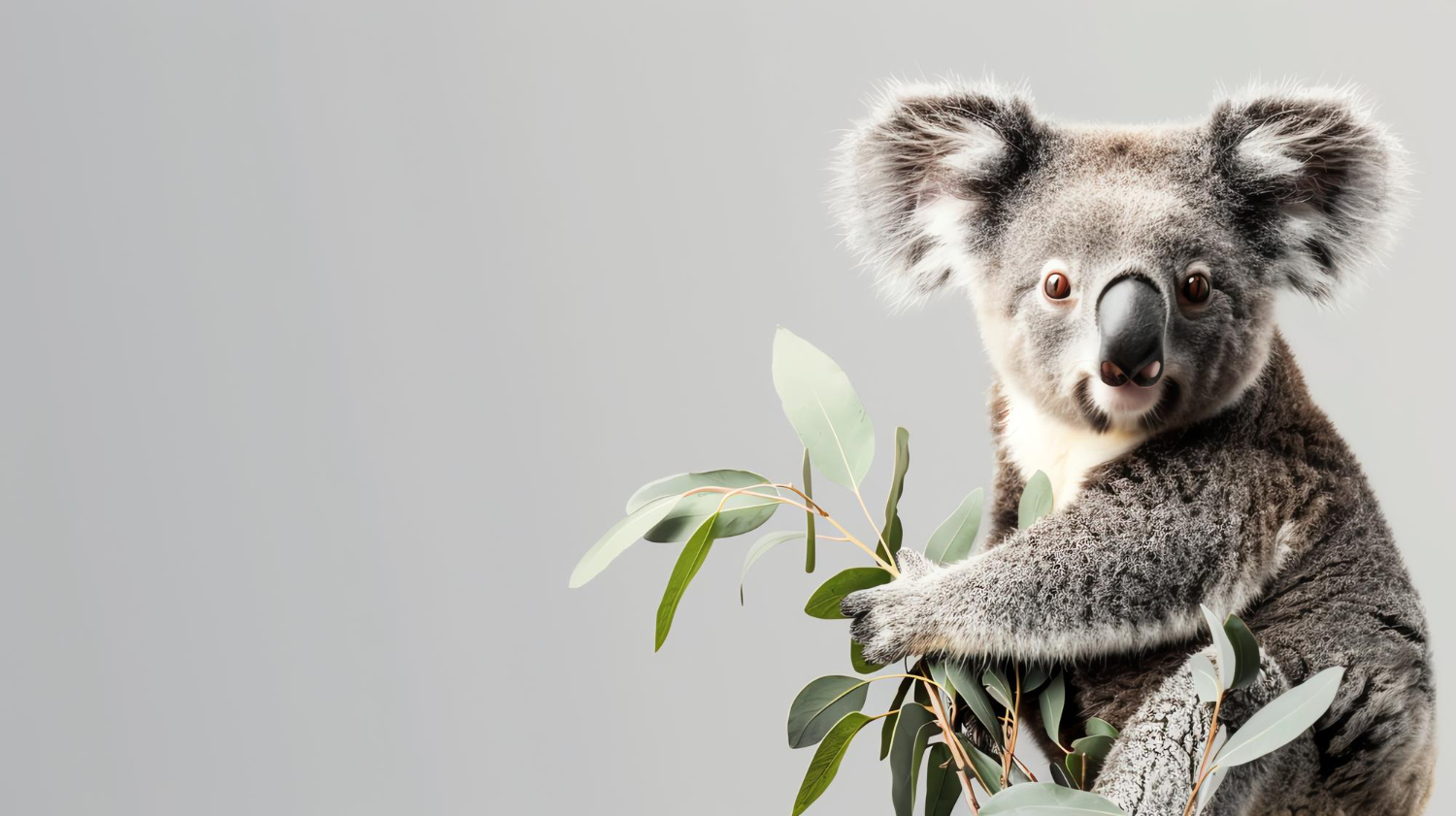
In the mid-1990s, Maciej Henneberg, a biological anthropologist and forensic scientist at the University of Adelaide, was working with koalas at a wildlife park near Adelaide when he noticed the ridges on their fingers.
They were not merely rough or textured. They showed loops, whorls and arches — the same broad categories used to classify human prints.
He looked closer, and the resemblance held at the level that matters forensically. Fingerprint identification depends less on the overall pattern than on minutiae: the points where ridges end, split in two, or form small islands. Those fine details are what examiners compare.
Henneberg’s research indicated that even careful analysis under a microscope could not reliably distinguish the loops and whorls on a koala’s fingers from human ones. He told The Independent in 1996 that it appeared nobody had bothered to study them in detail, and published his findings shortly afterward.
He concluded that koalas were the only non-primates known to possess such prints.
There is a related piece of history worth knowing. In 1975, British police fingerprinted six chimpanzees and two orangutans at London and Twycross zoos, partly to establish whether ape prints could be confused with human ones in casework. They determined that, without careful inspection, they were indistinguishable. That primates would resemble us is unsurprising; a marsupial doing so is not.
Like our content? Follow us for more.
The Claim That Is Not True
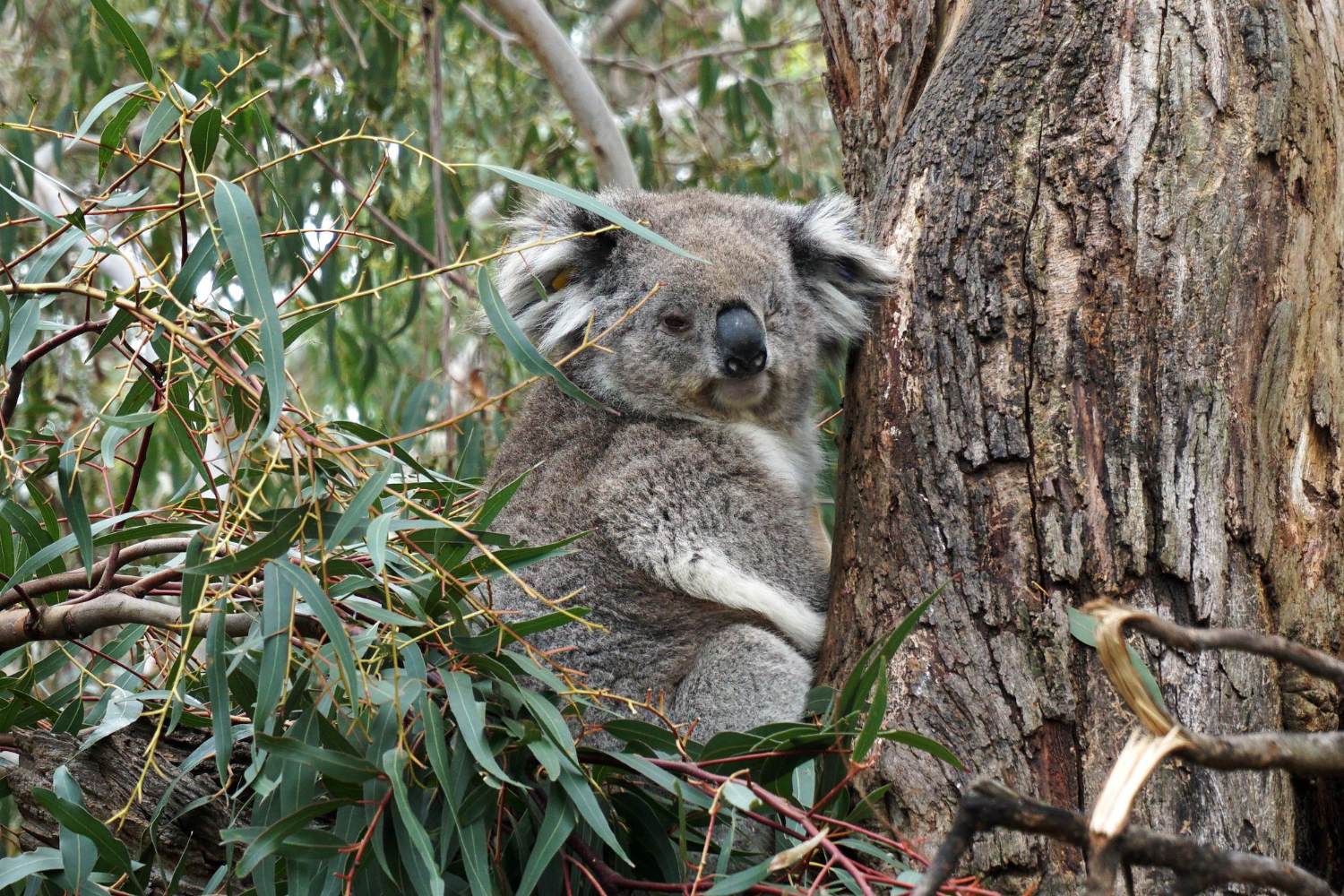
Henneberg’s finding generated a headline that has circulated ever since: that koala prints have actually confused crime scene investigators.
They have not. Snopes examined the claim and found no evidence to support it, noting posts from large accounts repeating it in 2022 and 2024. Australian police have confirmed they have never encountered koala prints misidentified as human at a crime scene.
Henneberg himself never said otherwise. His phrasing was carefully conditional: it is extremely unlikely that koala prints would be found at the scene of a crime, but police should at least be aware of the possibility.
That is the whole basis of the story. A careful scientist noted a theoretical possibility and recommended awareness; the internet converted it into documented cases.
It is worth being precise about what survives the correction, because the underlying fact is remarkable enough without embellishment. The prints really are nearly indistinguishable under microscopic examination. Researchers in controlled conditions have truly struggled to tell them apart. What has not happened is any actual forensic confusion in a real investigation.
How Fingerprints Are Compared
To see why the resemblance is striking rather than merely superficial, it helps to know what forensic comparison actually looks at.
Examiners work at three levels. The first is the overall pattern — loop, whorl or arch — which sorts prints into broad classes but identifies nobody, since millions of people share each type.
The second level is minutiae: the specific points where a ridge ends, splits into two, or forms a short island or a bridge. Their type, position and relationship to one another are what make a print individual, and identification traditionally rests on finding enough of them in agreement.
The third level is finer still — the shapes of ridge edges and the positions of sweat pores along them — used when image quality permits.
The koala finding is notable because the resemblance holds at the second level, not just the first. Sharing a whorl pattern would be unremarkable. Having minutiae that a trained examiner cannot confidently distinguish is a much stronger statement about how closely the two structures converged.
Convergent Evolution
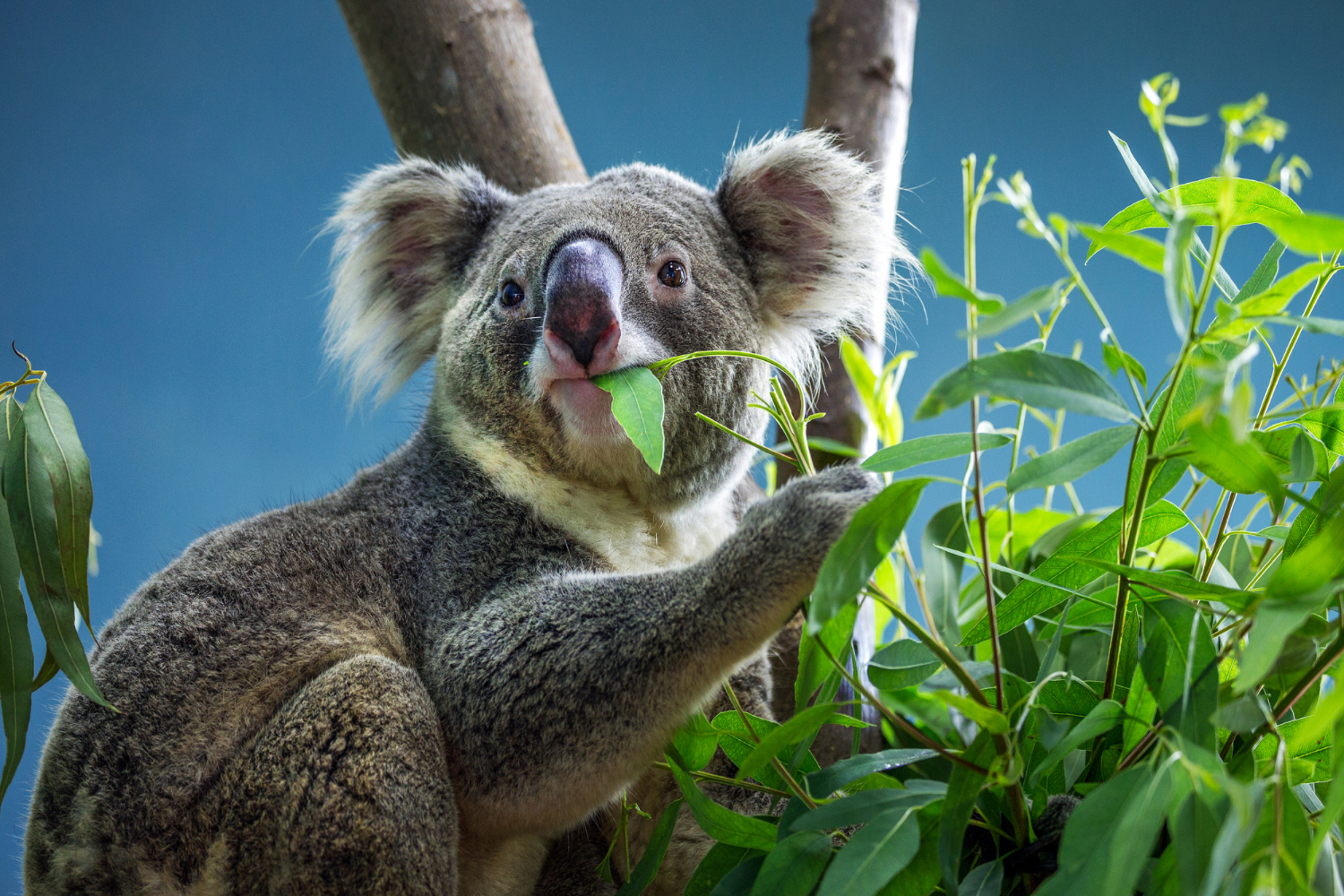
The scientific interest is in how this happened, and the answer is a textbook case of convergent evolution: unrelated species independently arriving at the same solution because they face the same problem.
The timeline makes the independence clear. Estimates for the last common ancestor of humans and koalas range from around 70 million years to more than 100 million, when marsupials split from the rest of the mammals. Whatever that animal was, it did not have fingerprints. Neither lineage inherited them from it.
The clinching evidence is what koalas’ own relatives look like. Wombats and kangaroos, far closer to koalas than any primate, do not have fingerprints. This means koalas developed them relatively recently and on their own, after diverging from those relatives.
Convergent evolution turns up repeatedly in nature. Bats and birds evolved wings separately from different limb structures. Sharks and dolphins arrived at similar streamlined body shapes from entirely different lineages.
The principle behind it is that there are only so many workable solutions to a given physical problem. When two species face the same challenge, they can be pushed toward the same answer regardless of how distantly related they are.
Why a Koala Would Need Them
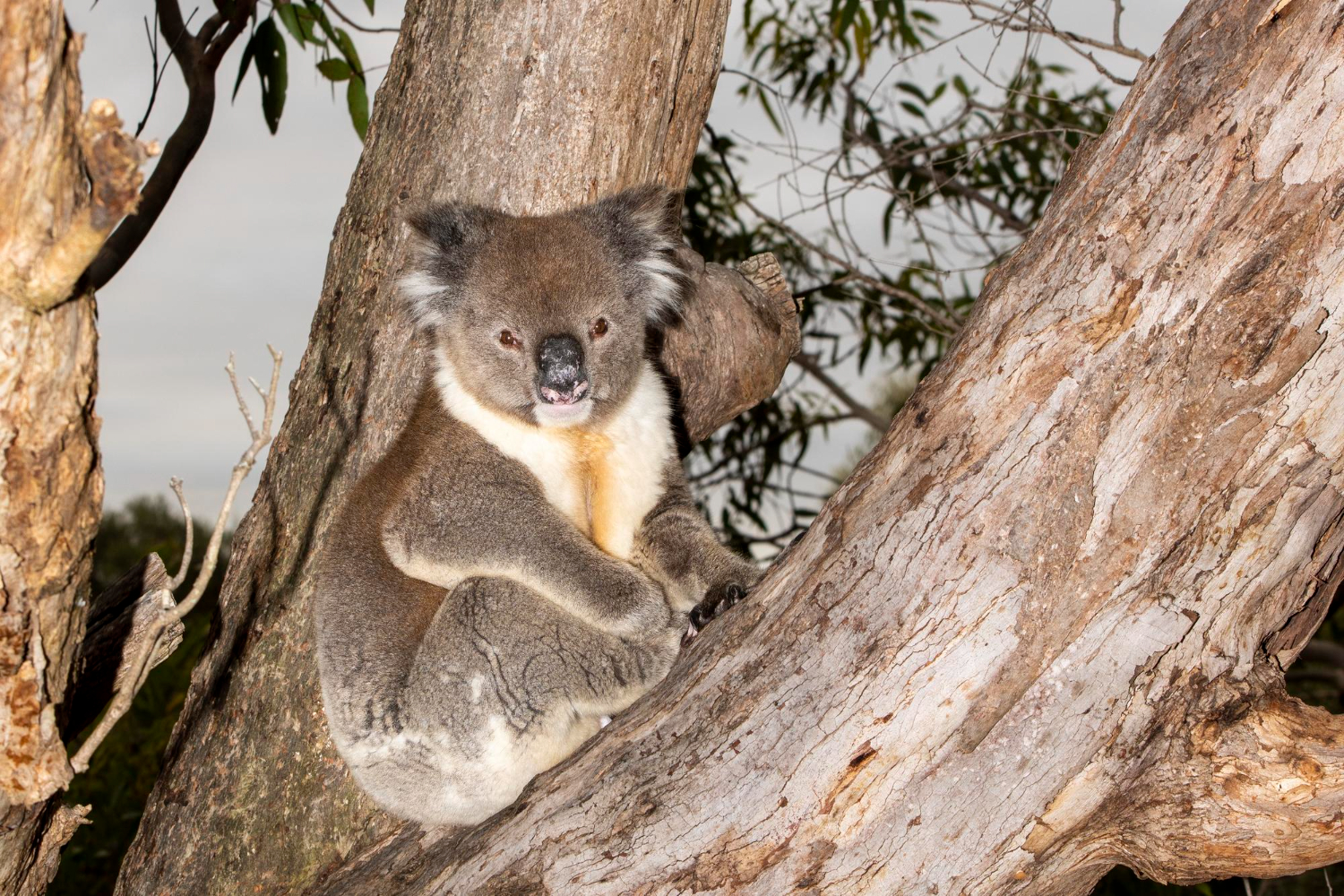
The functional explanation concerns what koalas actually do all day.
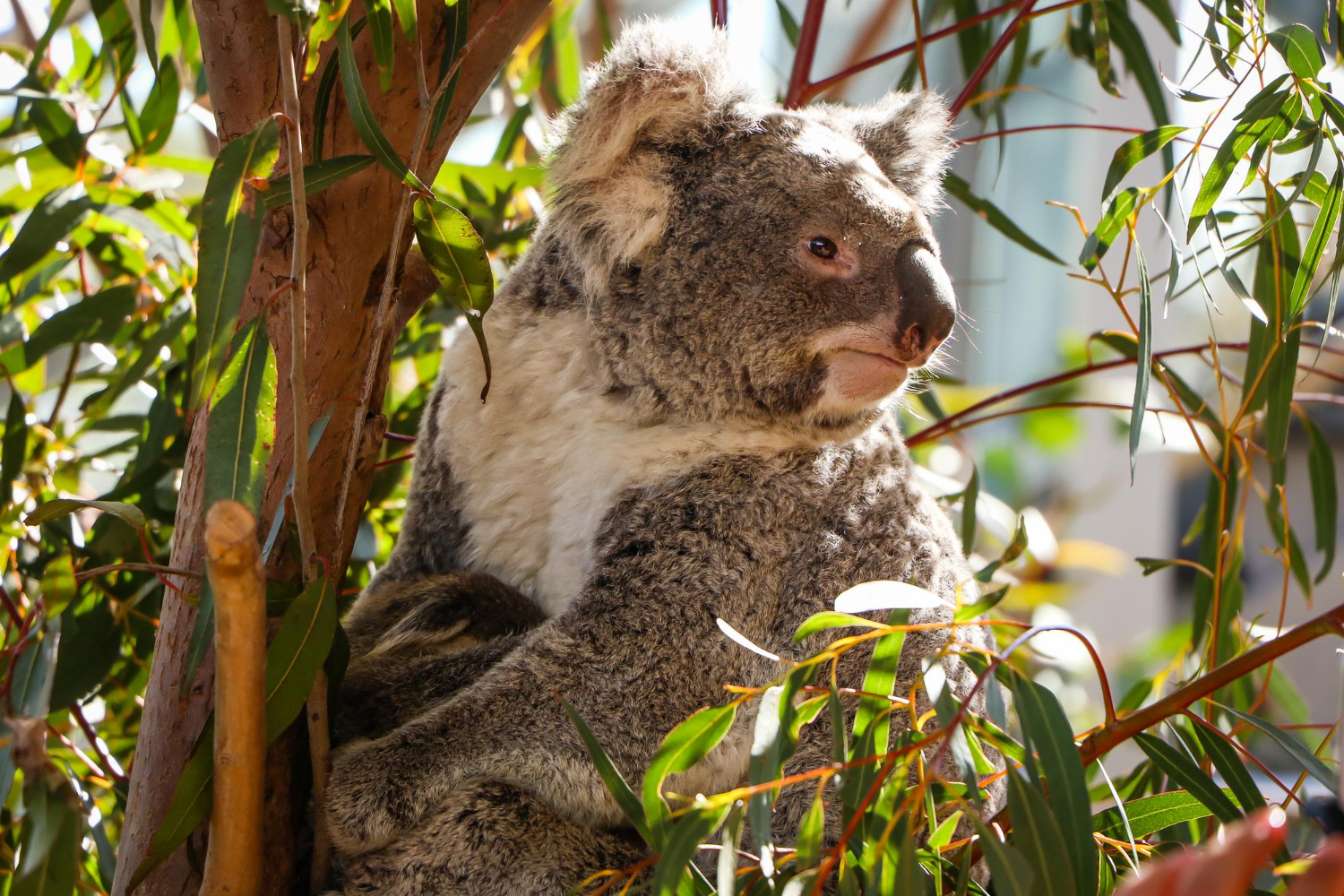
Koalas live almost entirely in eucalyptus trees, clinging to slender branches while feeding. Their diet is highly specialised and their feeding is selective: they choose particular leaves, at particular stages, from particular species.
That combination demands two things from a hand — secure grip on smooth branches, and fine tactile control for handling and selecting leaves.
Fingerprints appear to serve both. Ridged skin improves grip on smooth surfaces and enhances tactile sensitivity, which is the same account given for why primates have them.
Henneberg proposed that koala fingerprints evolved for exactly this: delicate feeding and climbing. The specialised, selective feeding behaviour is the pressure, and the ridges are the answer.
Their closest relatives, which do not feed this way, did not develop them — which is precisely the pattern you would expect if the trait tracks the behaviour rather than the ancestry.
What Else Koala Hands Do
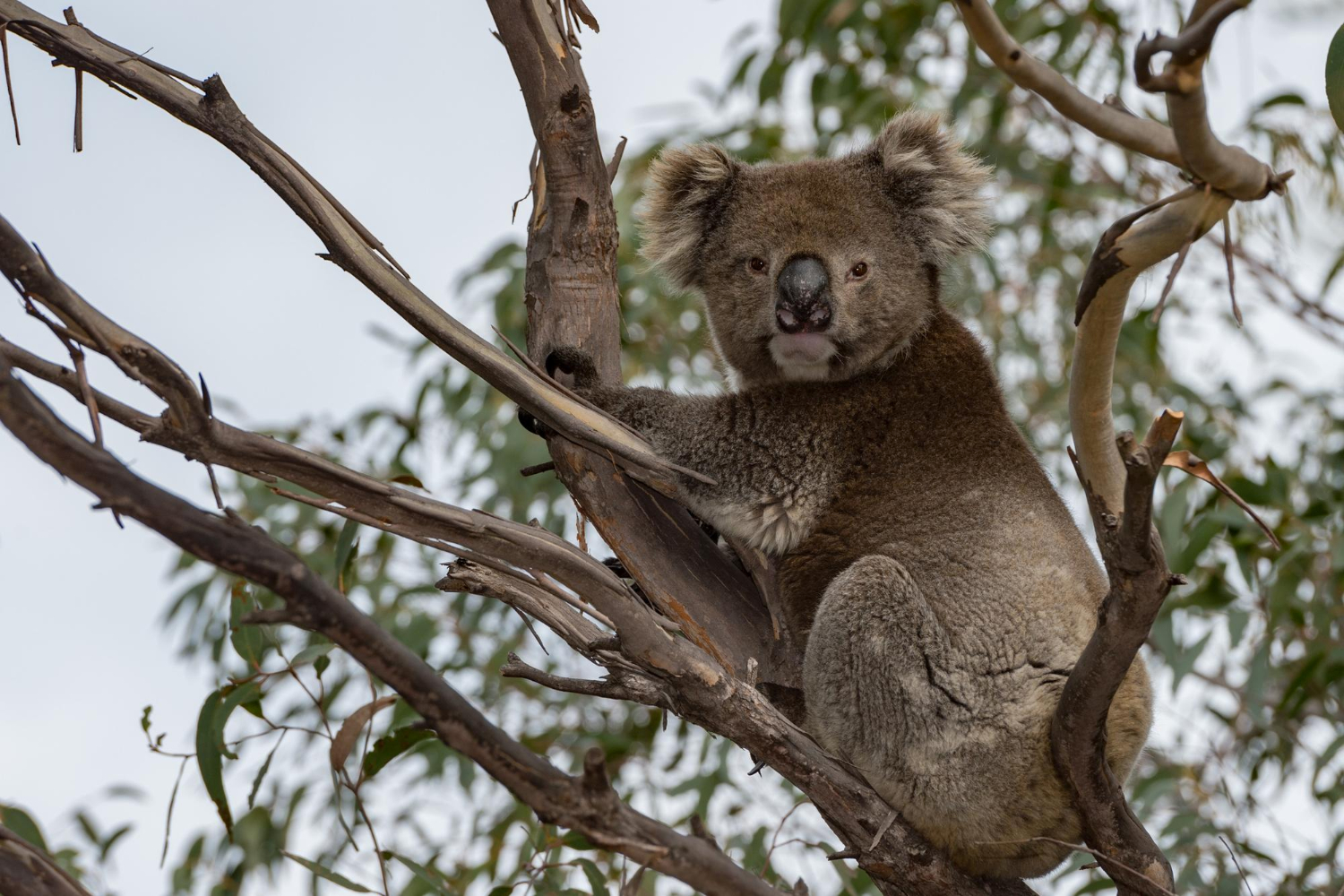
The fingerprints are one part of a hand built entirely around a single way of life, and the rest of it is equally unusual.
A koala’s forepaw has five digits arranged with two opposable thumbs set apart from three fingers, producing a grip more like a pair of pincers than a human hand. That arrangement is well suited to closing around a branch of roughly the right diameter.
The hind paws are different again, with an opposable big toe lacking a claw and two fused digits that function as a grooming comb.
All of this serves an animal that spends the overwhelming majority of its life in trees, moving slowly between branches and handling leaves with considerable selectivity. Koalas are notably particular about which eucalyptus species and which individual leaves they will eat.
The dietary specialisation explains the rest of the picture too. Eucalyptus is low in energy and hard to process, which is why koalas sleep for very long periods — figures of up to around 22 hours a day are commonly cited. The sleeping is a consequence of the diet, not laziness.
Seen together, the hands make sense as equipment: grip for slender branches, fine touch for selecting leaves, and a comb for maintaining the fur of an animal that is outdoors permanently.
The Bigger Question Nobody Has Settled
Here is the part that elevates this from trivia. The koala discovery did not solve a forensic puzzle; it sharpened a question about fingerprints in general that remains truly open.
We understand how fingerprints form in considerable detail. The broad pattern type — loop, whorl or arch — is inherited. The minutiae are not: they develop in the womb, shaped by factors including the composition of amniotic fluid, the position of the fetus, and what it touched during development.
That is why no two people share identical fingerprints, including identical twins, who have the same DNA but developed in different positions.
What is much less settled is why fingerprints exist at all. The intuitive answer is grip, and it is probably part of the story, but it has proven harder to demonstrate than expected — some research has found that ridged skin does not straightforwardly increase friction on smooth surfaces in the way the grip explanation predicts.
Alternative and complementary proposals include enhancing tactile sensitivity by amplifying vibrations as a fingertip moves across a surface, improving performance on wet surfaces by channelling water away, and allowing skin to stretch and deform without damage.
The koala is a useful data point precisely because it is independent. Whatever pressure produced fingerprints did so twice, in lineages separated by 100 million years, in animals that both grip and manipulate objects with fine control. That is evidence about function that no amount of studying primates alone could provide.
So the answer to why we have fingerprints is still not fully settled, and one of the better clues comes from an animal that sleeps twenty hours a day in a eucalyptus tree in Australia and has no idea it is participating in the argument.
Like our content? Follow us for more.