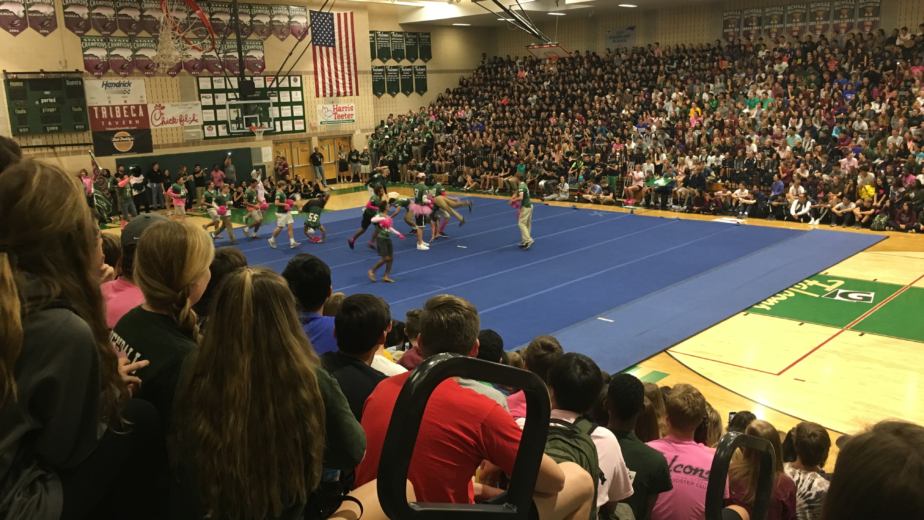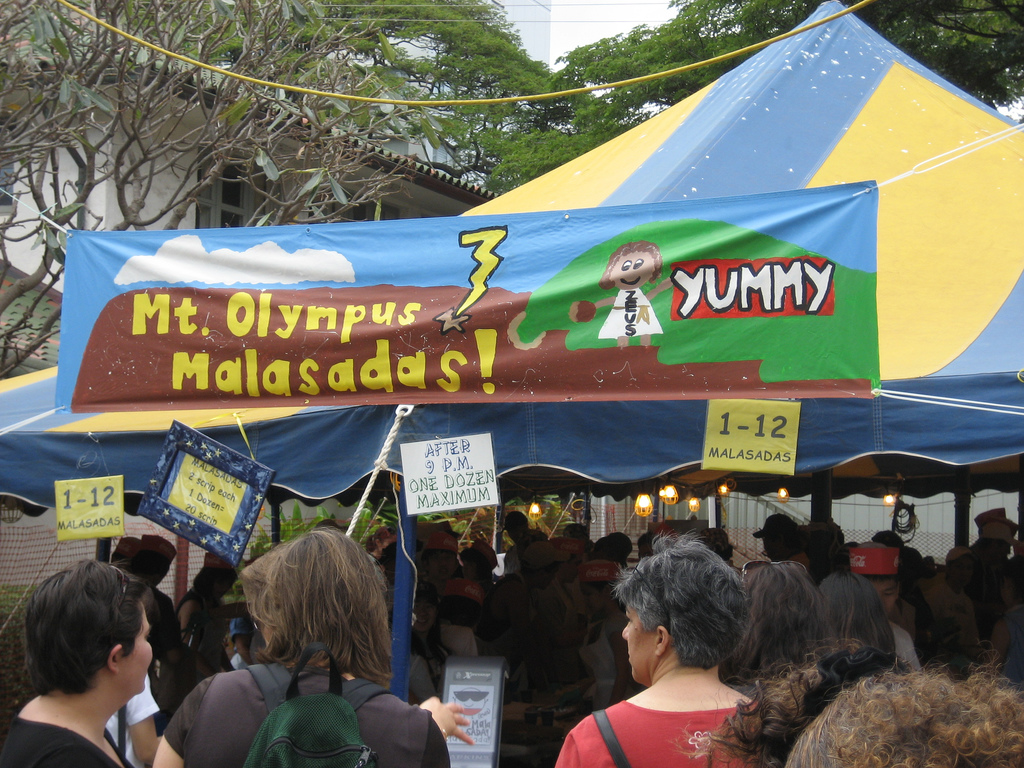
In 1975 the school carnival took over the whole gymnasium for one evening, with booths built from cardboard, plywood and crepe paper by parents the night before.
You bought a strip of perforated tickets at the door and spent those rather than money. The cakewalk ran all evening on donated cake. The fish pond was a hung sheet with somebody crouching behind it. The haunted house was a classroom with the lights off and a bowl of peeled grapes. And the teachers worked the booths, which was the actual reason anybody came.
Here are fourteen things every kid did at the school carnival in 1975, and what became of each one.
1. The Gymnasium Was Transformed Overnight by Parents
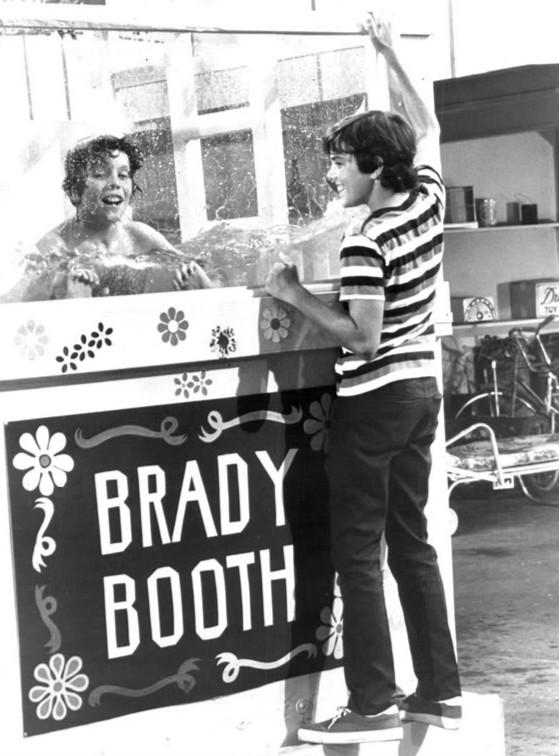
The carnival took over the whole building for one evening, and the conversion was done the night before and that afternoon by volunteers – booths built from cardboard, plywood, crepe paper and curtains, lighting rigged, the gym floor covered, corridors decorated to a theme.
Hired equipment, inflatables and packaged event suppliers where such events still run. The booths were constructed from stored materials reused year after year, with the frames stacked in a basement for the other three hundred and sixty-four days.
The reuse is why the booths looked the way they did. A fish pond frame built in 1963 and repainted eleven times, with a different theme stapled over it each year, acquires a particular appearance – and the parents setting it up had frequently played at it themselves as children, which is the detail that made the whole thing feel inherited.
Like our content? Follow us for more.
2. You Bought a Strip of Tickets and Spent Them Rather Than Money
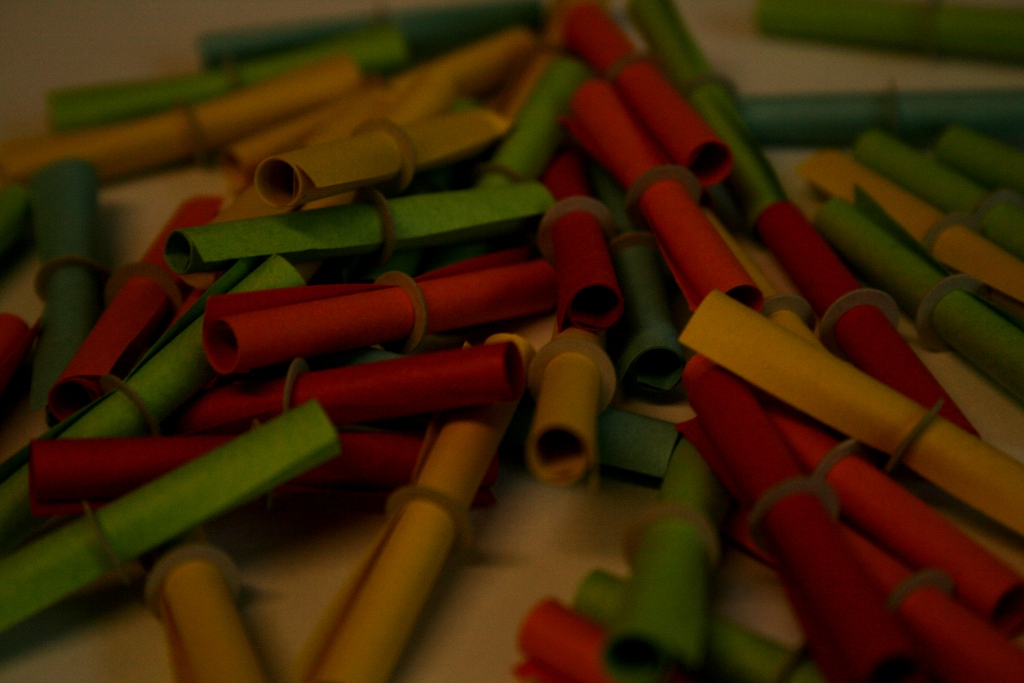
Admission got you nothing; you bought a strip of perforated paper tickets at a booth by the door and every game, prize and food item cost a stated number of tickets rather than cash.
Wristbands, cards, apps and in some places still a ticket strip. The ticket system existed for sound practical reasons: it put all the cash handling at one supervised booth, meant the booth volunteers never handled money, and sped up every transaction.
It also had a commercial effect everybody recognised. A strip of tickets is bought in advance, is awkward to get refunded and runs out at an inconvenient moment, which means parents bought more than they needed and the remainder went home in a pocket and was lost – and the unredeemed tickets were pure revenue.
3. The Cakewalk Was the Centre of the Whole Event
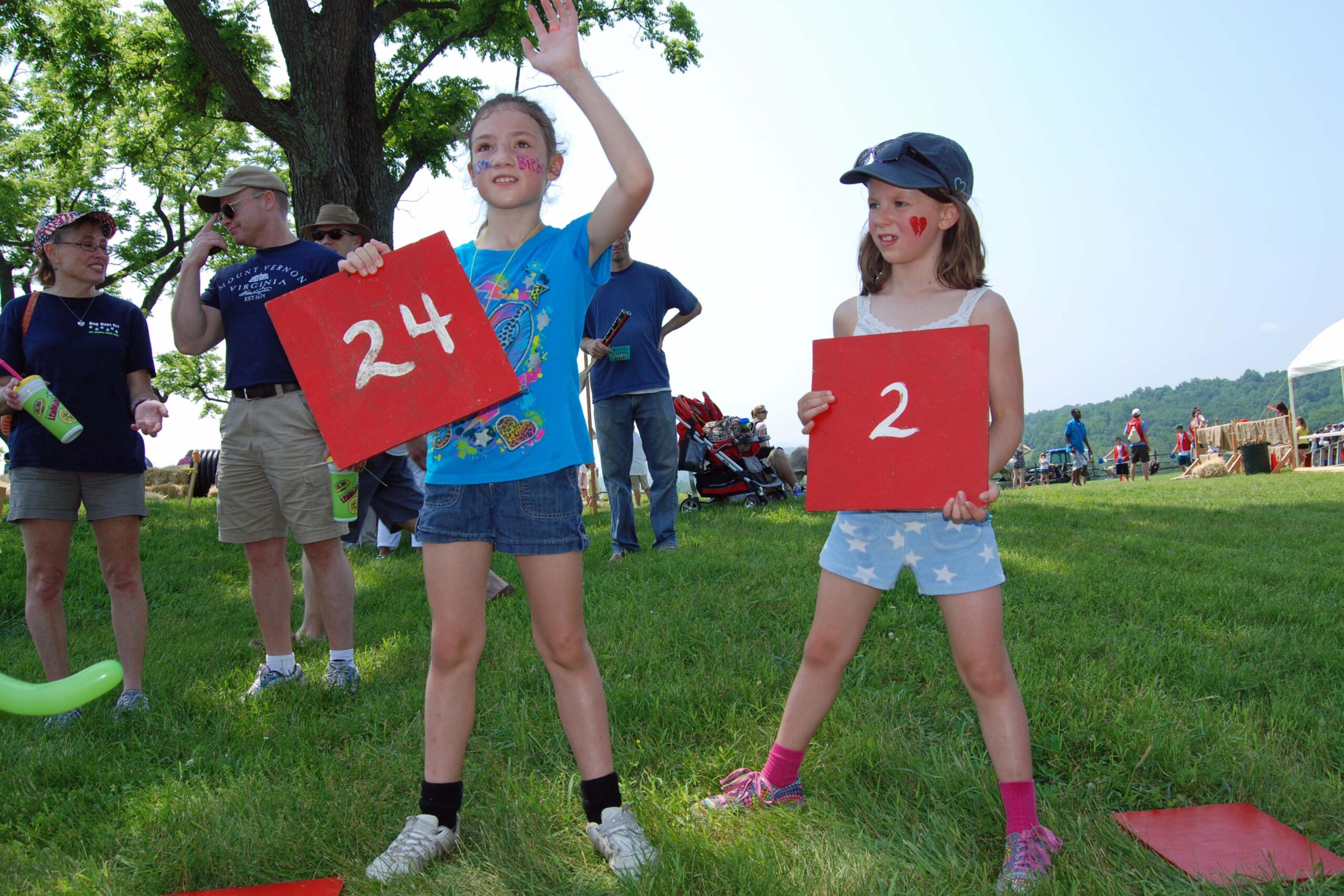
Numbered squares were laid out on the gym floor in a circle, players walked them while music played, the music stopped, a number was drawn, and whoever stood on it won a cake – donated by families and displayed on a table beside the circle.
Rarely run, and where it survives it is generally a smaller feature rather than the main attraction. The cakes were the draw: a table of thirty or forty home-baked cakes was a substantial display and winning one was a genuine prize.
The mechanism is beautifully efficient and that is why it dominated. It costs nothing but donated cake, accommodates any number of players, takes ninety seconds per round, requires no skill so a small child can win, and produces a visible winner carrying a cake through the crowd – which advertises it continuously for the whole evening.
4. The Fish Pond Was a Sheet and Somebody Crouching Behind It
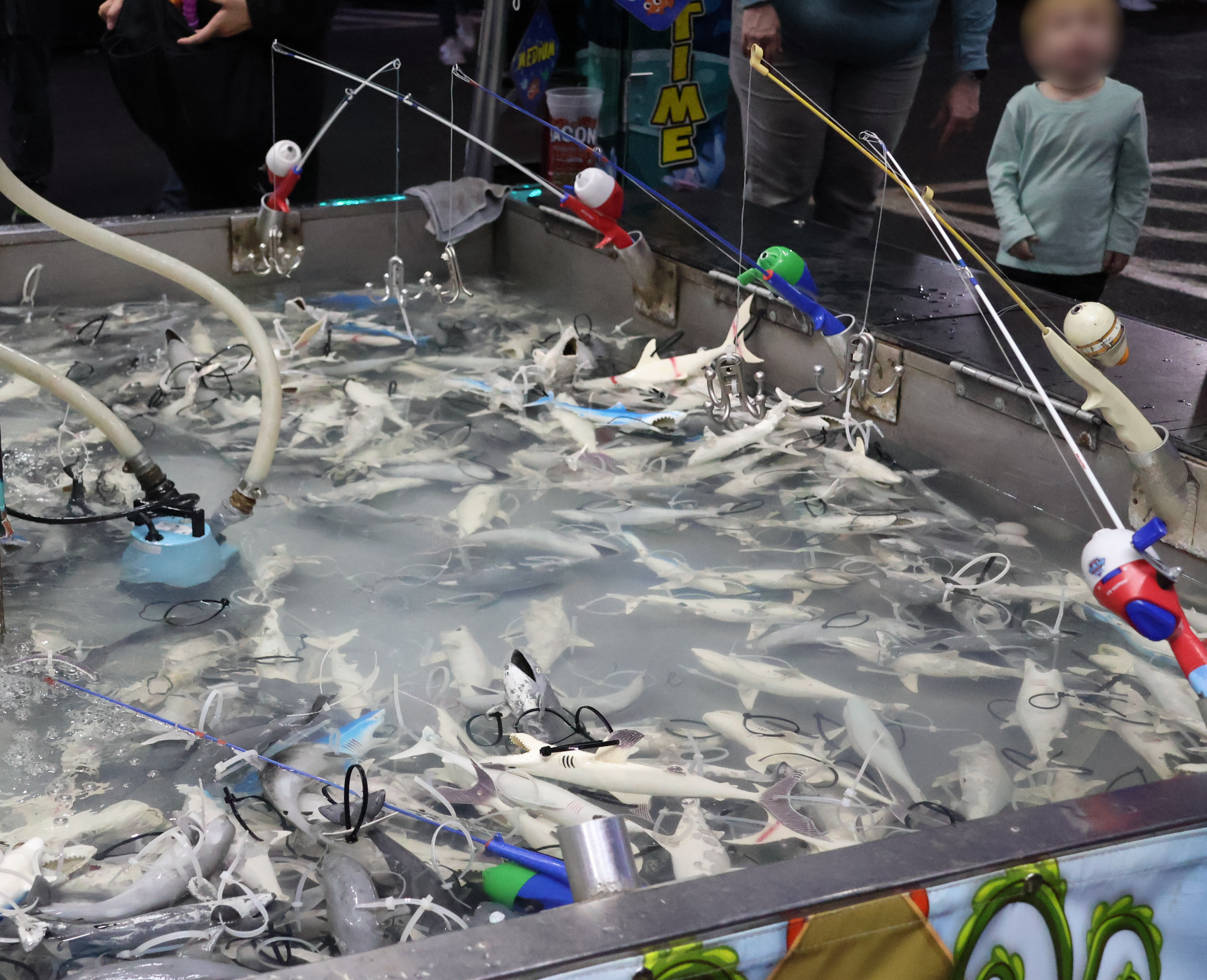
Small children were given a cane with a line and a clothes peg or hook, cast it over a painted screen or hung sheet, and an adult or older pupil crouched behind attached a wrapped prize and tugged the line.
Still run for younger children at events that have them. The design is specifically for an age group that cannot succeed at a game of skill, and the guaranteed catch was the point rather than a flaw.
It was also the booth everybody was eventually assigned to, and the accounts from the people who did it are consistent: an hour crouched behind a sheet in the dark, in the heat, attaching plastic novelties to a hook, with no view of the event at all – which is a fair description of a great deal of parental volunteering.
5. The Ring Toss Was Glass Bottles and It Was Nearly Impossible
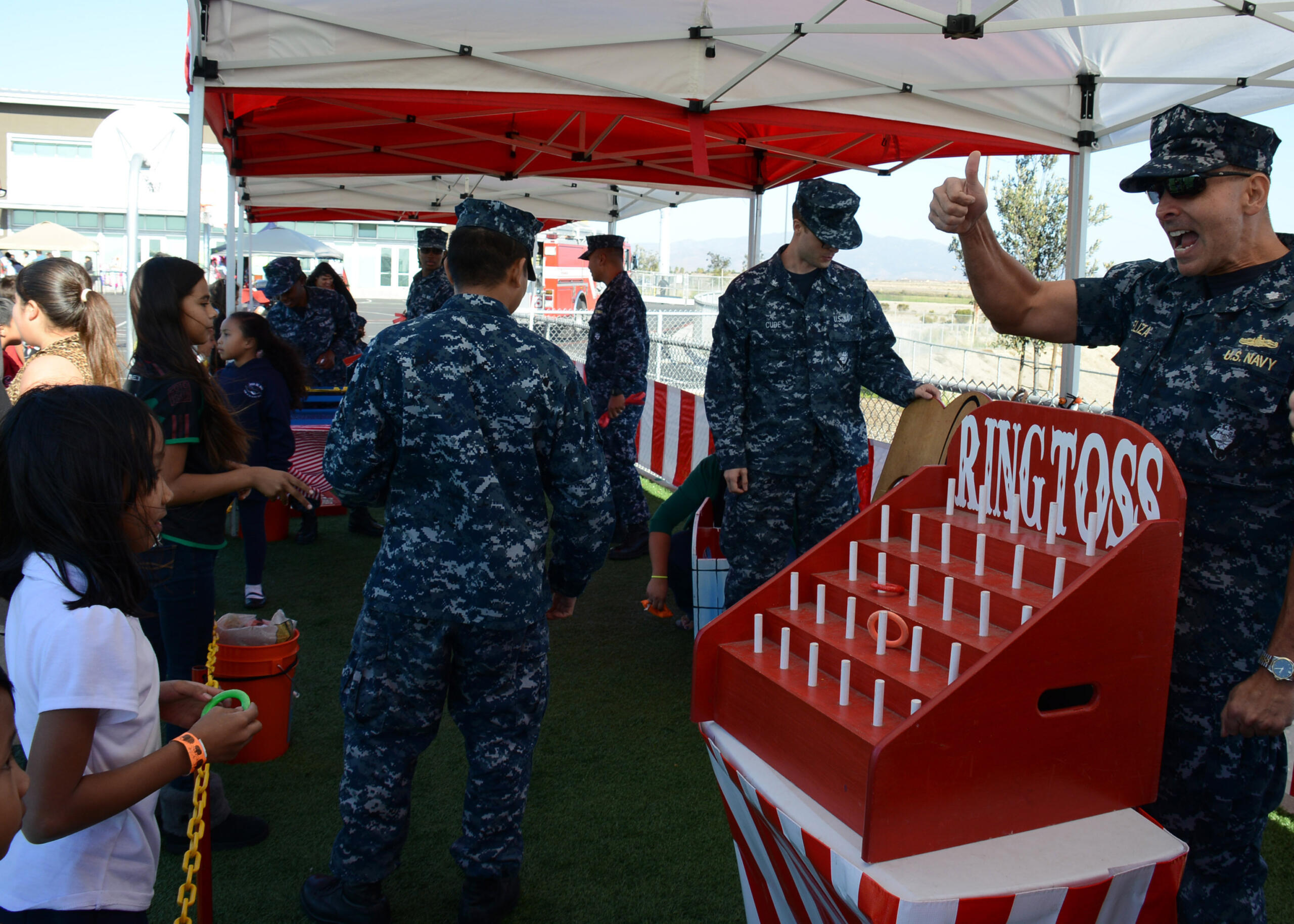
Glass bottles were arranged in a frame or crate and players threw wooden or rubber rings at them from a line, with a prize for a ring that settled over a neck.
Plastic or moulded targets where the game survives. The difficulty was not accidental: a ring only slightly larger than a bottle neck, thrown from a distance, has a low success rate and the odds were set deliberately by the spacing and the line.
The glass is the part that would not be permitted now. A booth containing several dozen glass bottles, with hard objects being thrown at them by children, in a crowded gymnasium with bare legs and open shoes, is a straightforward hazard – and the breakages were frequent enough that a broom was part of the booth’s standard equipment.
6. The Bean Bag Throw Was Built From a Painted Sheet of Plywood
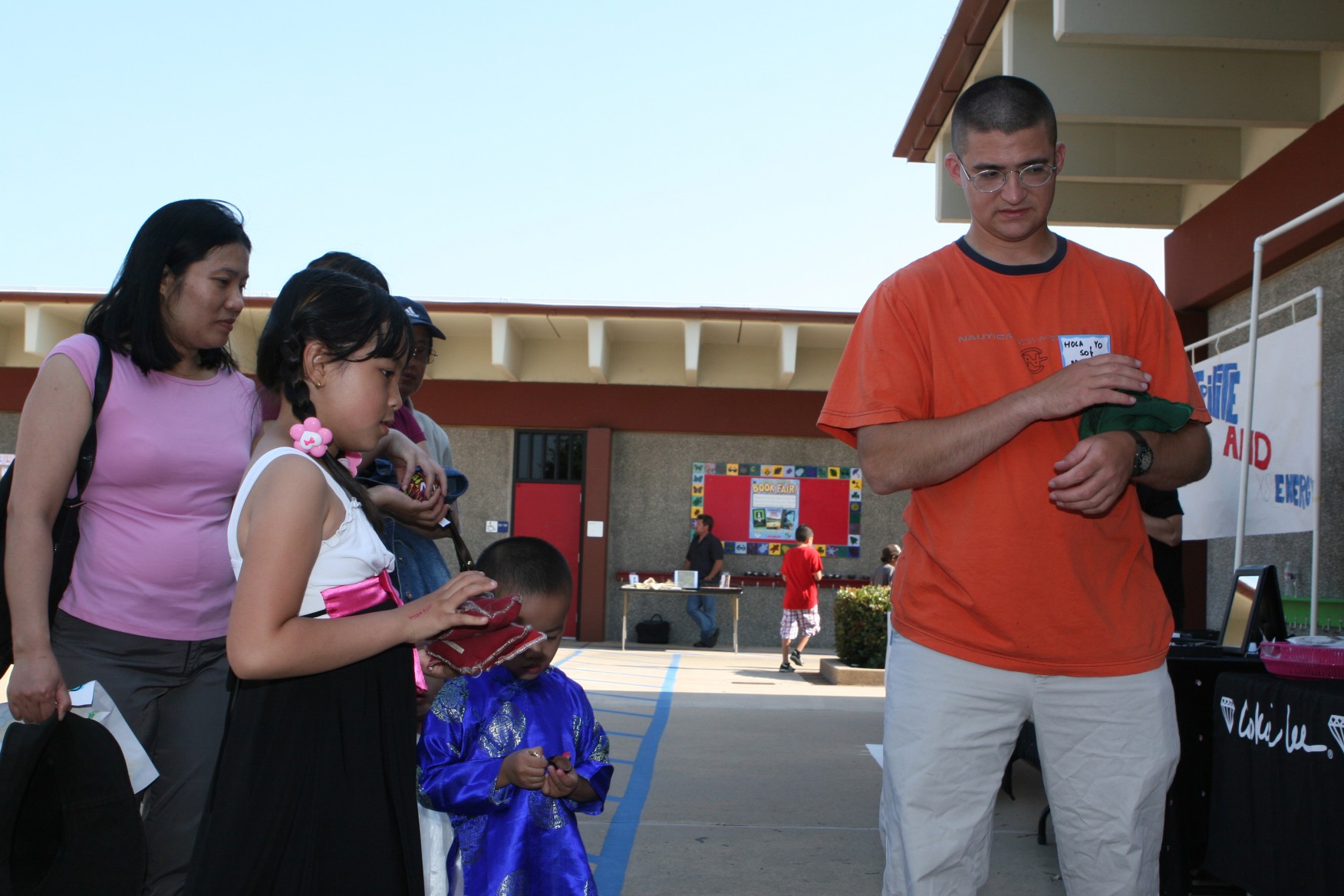
A board with holes cut in it, painted as a face, an animal or a theme figure, was propped at an angle and players threw canvas bean bags at the holes for points.
Commercially produced versions of exactly the same game, structurally unchanged. The board was made once by a parent with a jigsaw and lasted for decades, being repainted whenever the theme changed.
It is the single most durable element of the format. The game is cheap, safe, takes almost no space, works for every age, cannot really break and requires no staffing beyond somebody to hand the bags back – which is why it has outlived almost every other booth on this list.
7. The Penny Pitch Took Your Change and Gave Back Almost Nothing
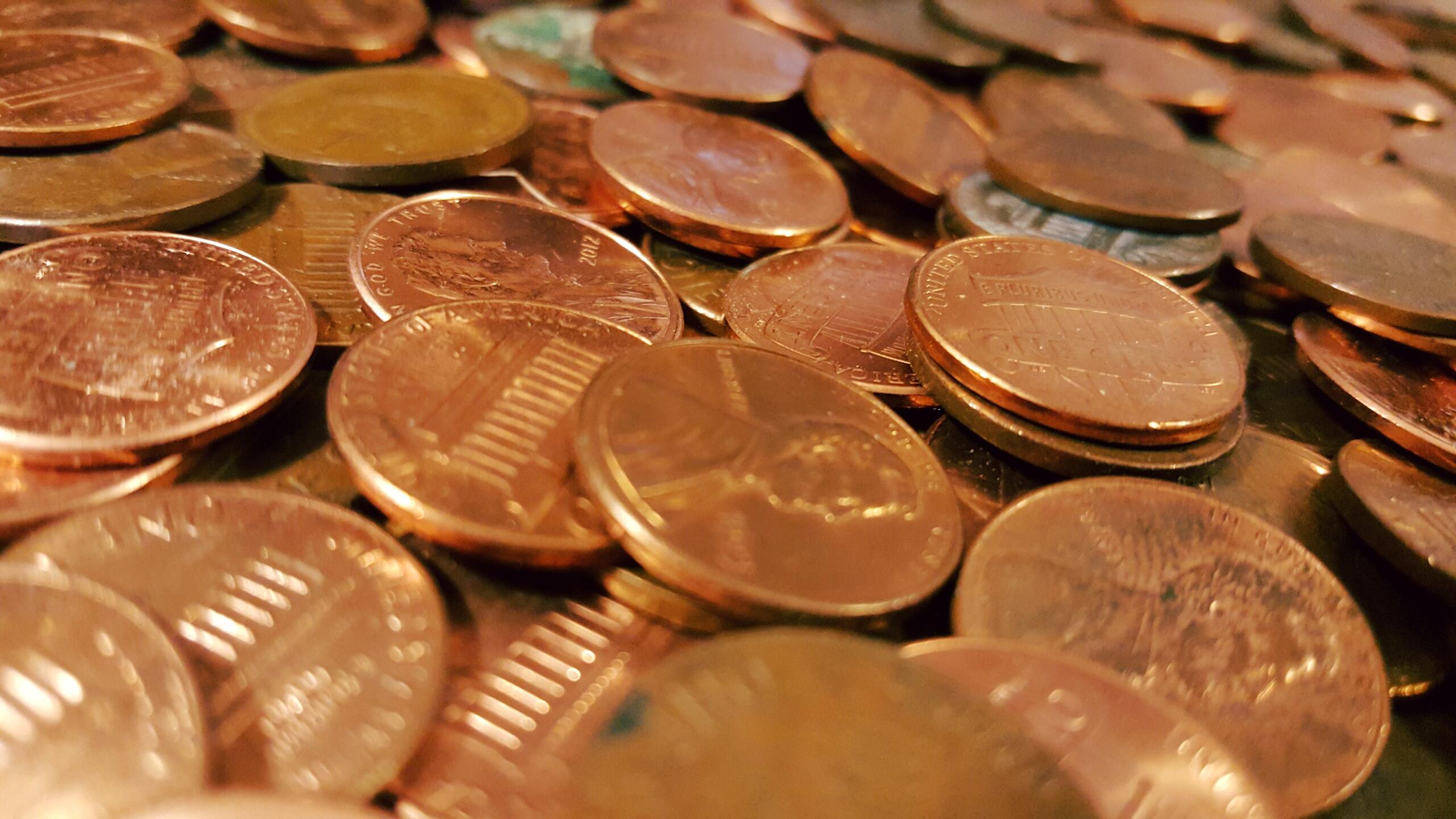
Coins were thrown at a tray or grid of glass dishes, saucers or marked squares, with a prize for a coin that landed and stayed in a dish rather than bouncing out.
Rare, and the coin-throwing format has largely disappeared. The economics were the clearest of any booth: players supplied the stake in actual currency, most coins bounced out, and the retained coins were the booth’s takings.
Everybody understood this and played anyway, which is worth noting. A game in which you throw your own money at a saucer and probably lose it was run by a school, in a gymnasium, for children, as a fundraiser – and nobody at the time saw any tension in that at all.
8. The Haunted House Was a Classroom With the Lights Off
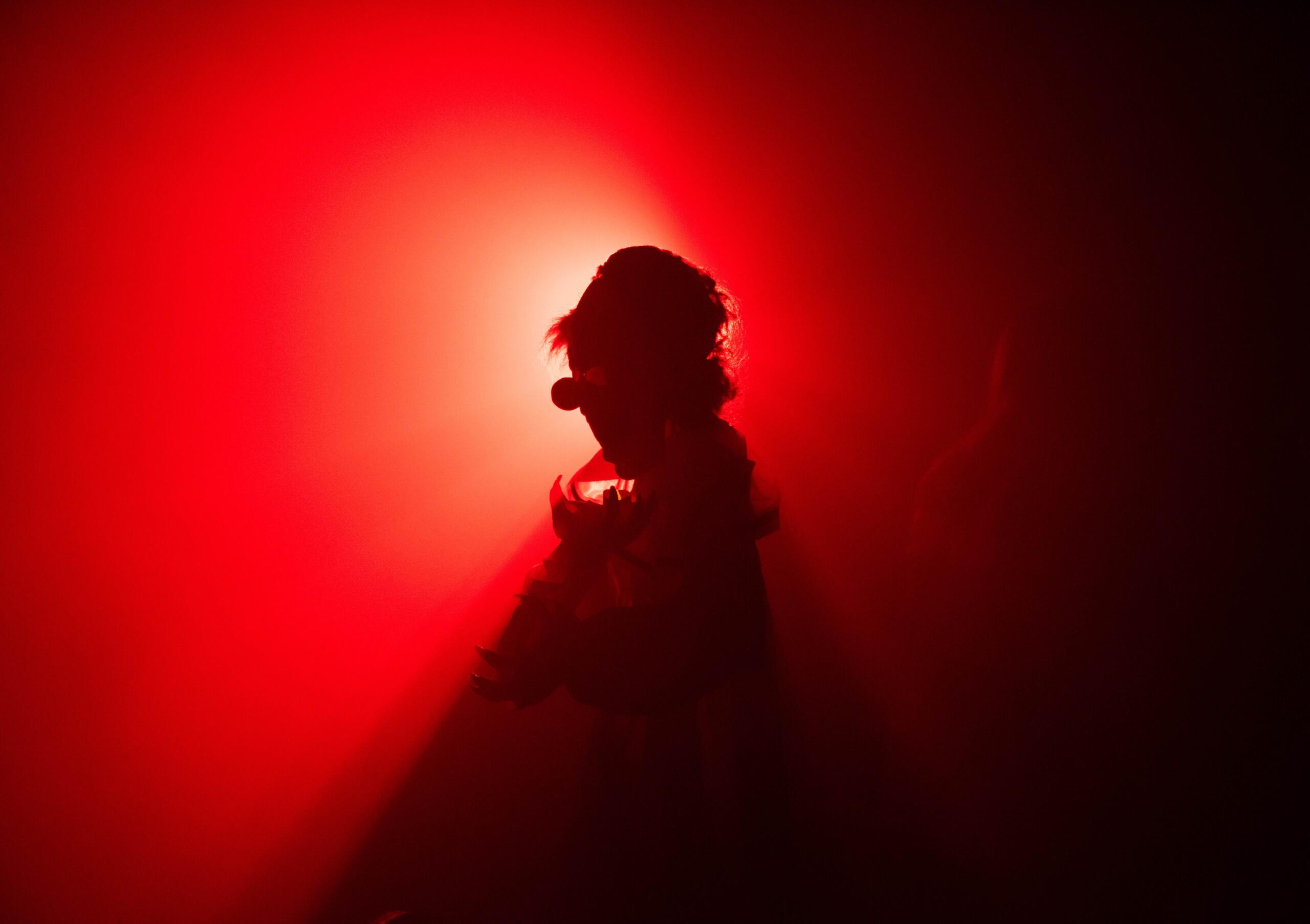
One room was converted – desks pushed aside, windows covered, a route marked with curtains and cardboard, and older pupils or parents positioned along it with props, sound effects and a bowl of peeled grapes.
Where it survives it is managed with lighting, defined routes, age guidance and somebody stationed at the exit. The 1970s version was dark, improvised, staffed by teenagers and genuinely frightening to small children.
The bowl of peeled grapes presented as eyeballs is the single most universally shared detail of the whole format, reported identically by people who grew up thousands of miles apart. Nobody knows who started it, it was never written down anywhere, and it appeared in essentially every school in the country – which makes it one of the purest pieces of American children’s folklore on record.
9. There Was a Fortune Teller and It Was Somebody’s Mother
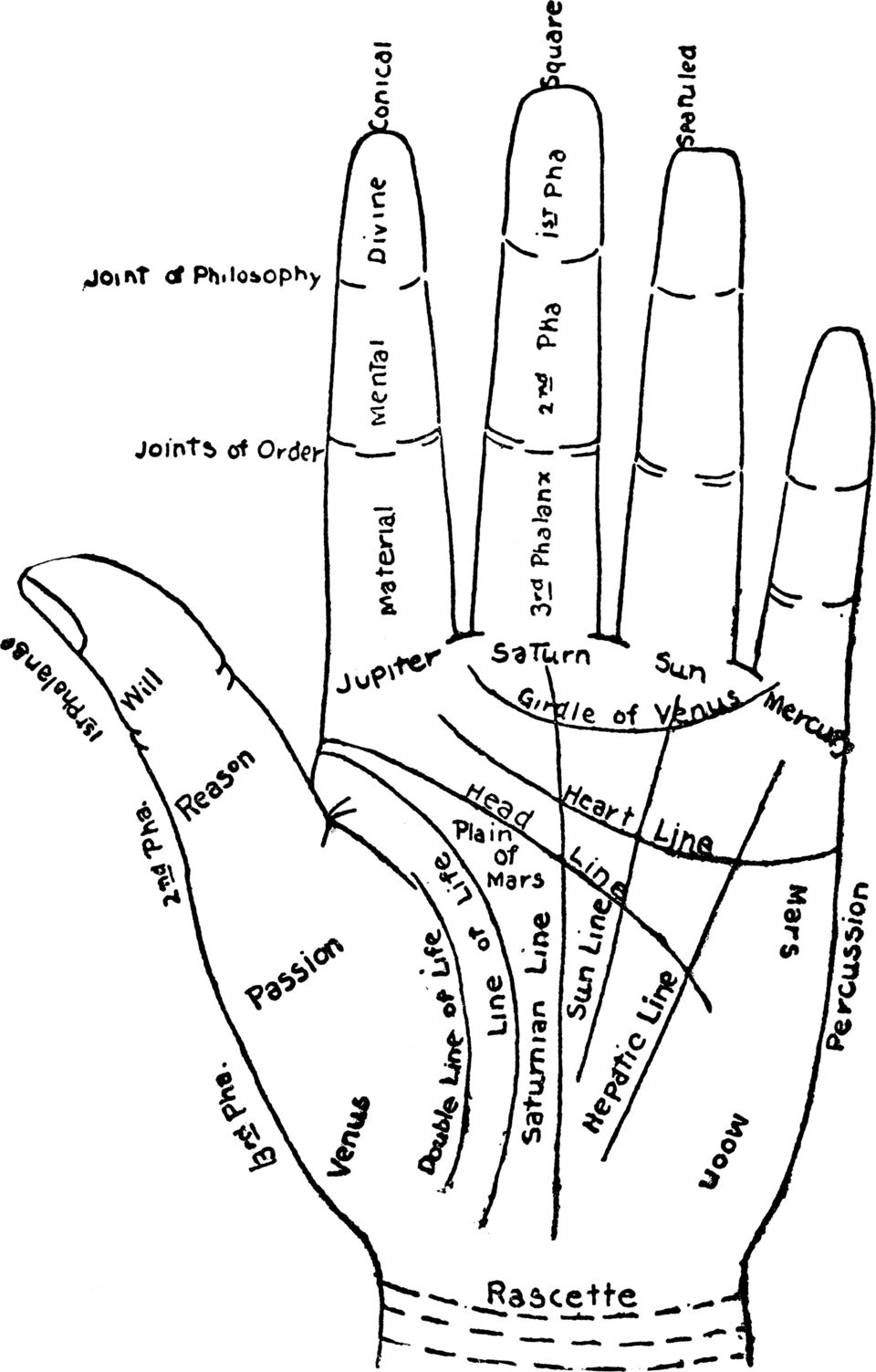
A booth with curtains, a table, a scarf and a crystal ball or a pack of cards was staffed by a parent in costume who told children’s fortunes in general and encouraging terms for a ticket or two.
Essentially gone, both because the costume conventions involved are now recognised as caricature and because the format sits awkwardly in a school. The predictions were deliberately vague, entirely positive and aimed at children.
The costuming is the reason this one is not revived rather than merely forgotten. The conventional presentation drew on a crude stereotype of Romani people that was unremarked at the time and is now plainly understood for what it was, and the booth’s disappearance belongs in the category of things that stopped for good reasons rather than through changing taste.
10. The Prize Table Was Visible From Everywhere and the Prizes Were Terrible
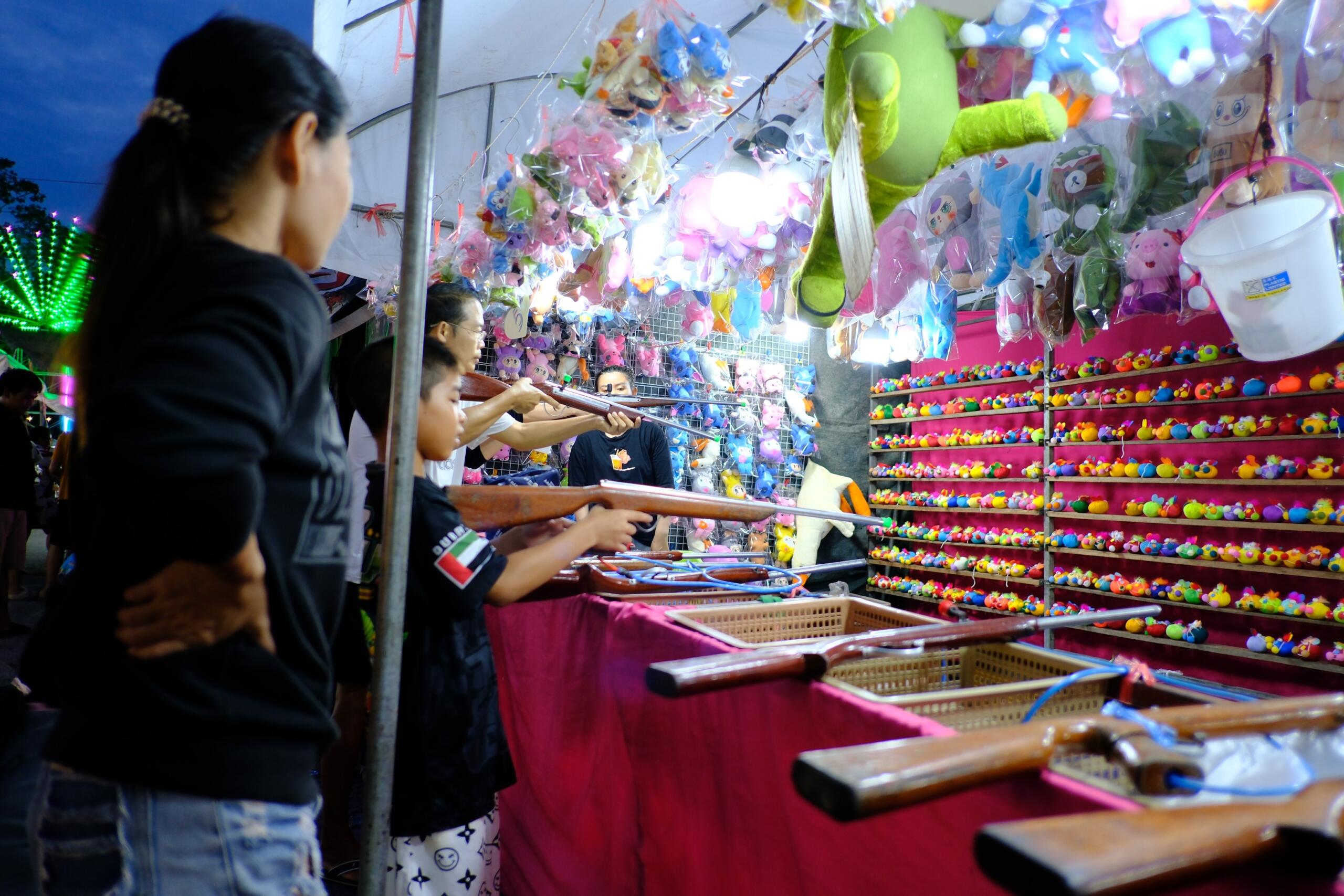
Winnings were redeemed at a central table stacked with plastic novelties, paper fans, finger traps, whistles, bouncing balls, erasers, parachute men and small cardboard puzzles – bought in bulk and worth very little.
Similar, with the same economics. The prizes were deliberately cheap because the point was participation rather than reward, and the display was positioned where every child in the building could see it continuously.
The visibility was the whole design and it worked on children exactly as intended. A table of desirable rubbish in plain view, redeemable only with tickets, generates a demand for tickets that has nothing to do with the games – and the prizes being worthless was never a secret to anybody except the people wanting them.
11. Cotton Candy and Popcorn Were Made on Site and the Machines Were Hired
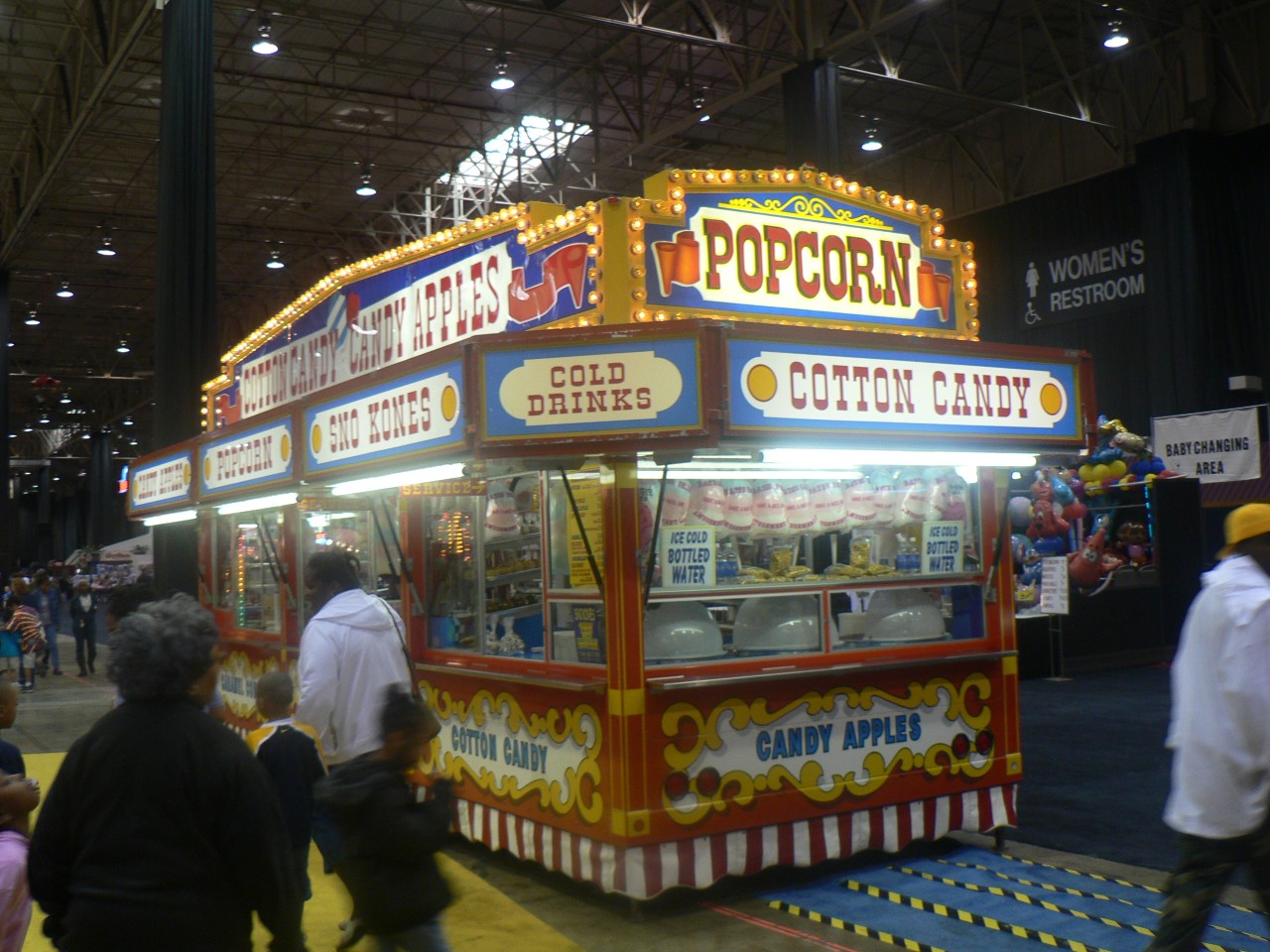
Confectionery and popcorn were produced during the event on hired machines, operated by parents who had been shown how an hour earlier, with the smell carrying through the whole building.
Catered provision with food hygiene requirements, allergen information and in a great many districts a prohibition on anything not commercially packaged. The machines were hot, open and operated by untrained volunteers in a crowded room.
The smell is what people name first, and it was doing commercial work. Cotton candy and popcorn both broadcast themselves through a building far more effectively than anything else that could have been sold, which is why they were the two things chosen – and the hired machines were the single largest expense of the evening.
12. You Could Pay to Have a Teacher or a Friend Arrested
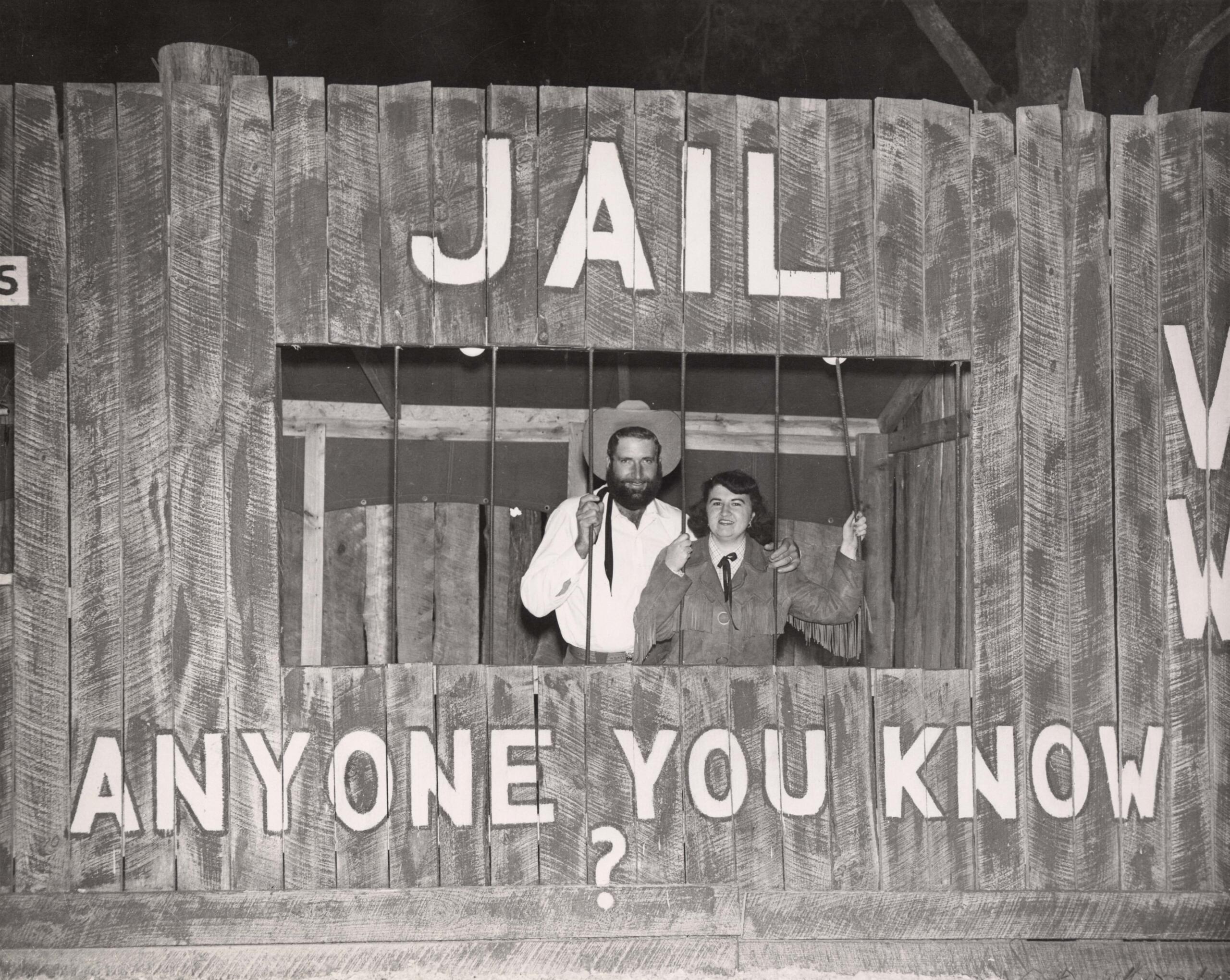
A jail booth – a cardboard or timber cage – operated on the principle that for a ticket you could have somebody taken into custody by student deputies and held for a few minutes until somebody paid their bail.
Gone. The appeal was entirely about inverting authority: for one ticket a child could have a teacher removed from circulation, and the teachers who agreed to it were considerably more popular afterwards.
It also had an obvious failure mode that everybody discovered. The system permits any child to have any other child seized and locked in a box, which is funny when it is a willing friend and is not funny when it is used on somebody unpopular – and the people who ran these booths remember having to decline requests, which is the reason the format quietly disappeared.
13. The Teachers Worked the Booths and That Was the Actual Draw
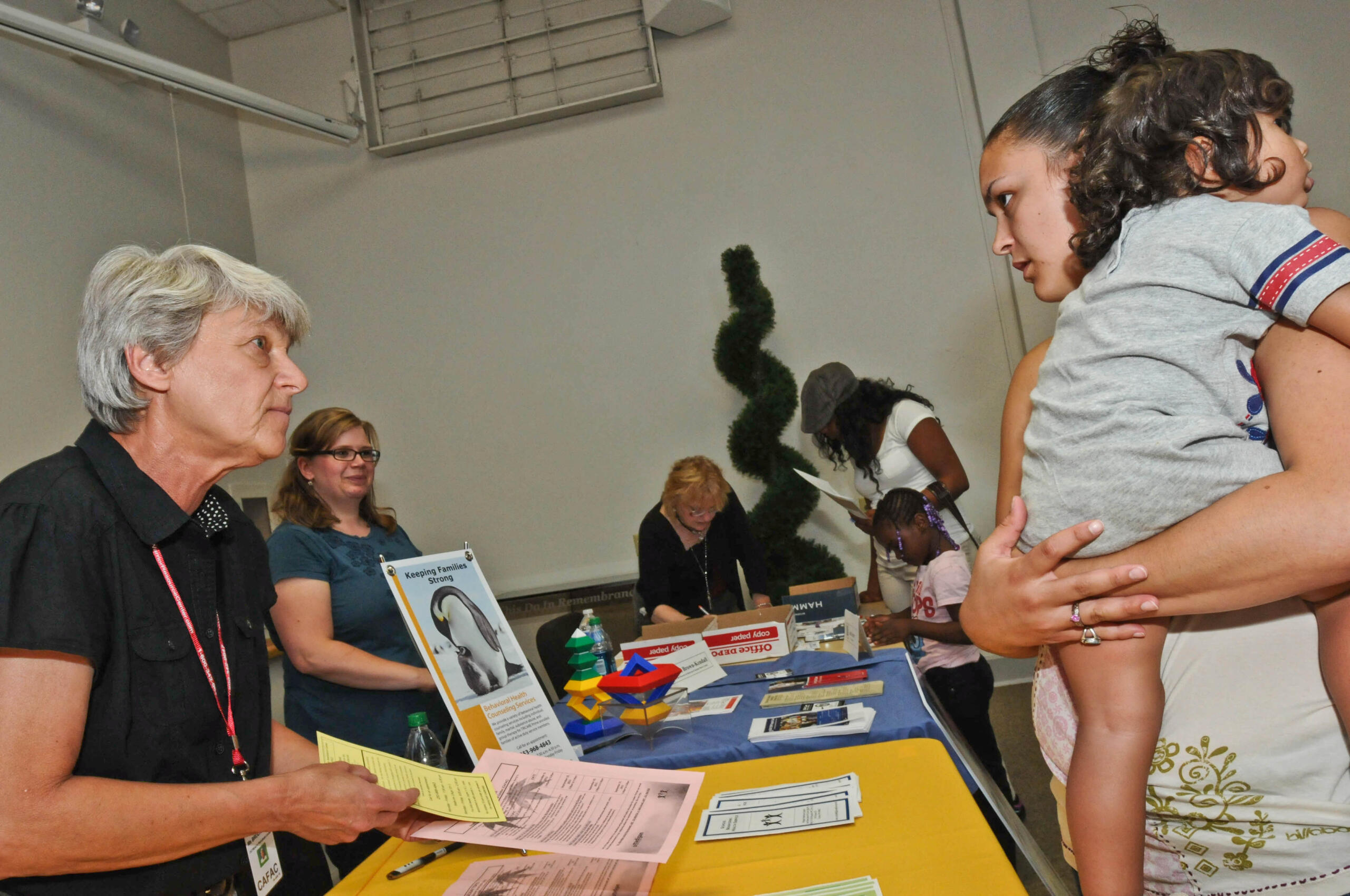
Staff volunteered to run games, sit in the jail, judge contests, operate the machines and appear in costume – and seeing teachers out of role was the thing children talked about afterwards.
Staff participation continues wherever such events run. It was voluntary, unpaid, took place on an evening after a working day, and it was the single most effective element in bringing families into the building.
That is the mechanism the whole event depended on and it is worth being plain about it. A carnival brings parents into a school, which is the actual purpose – and the reason parents come is that their children insist, and the reason children insist is that the teachers will be there behaving unlike teachers.
14. Then It Was Consolidated Into One Fundraiser and the Booths Went
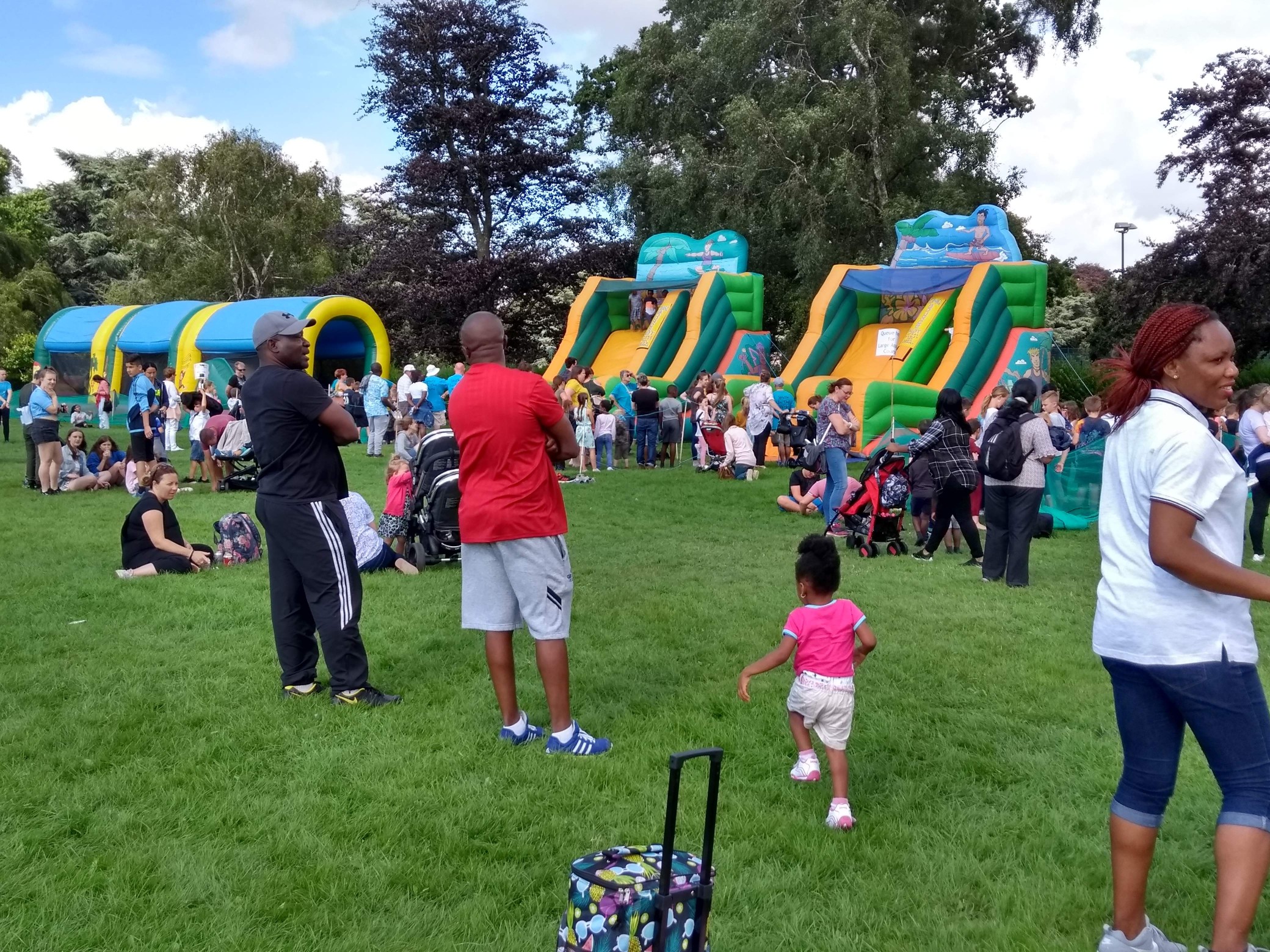
The format needed a volunteer base willing to build booths, staff them for an evening, bake dozens of cakes, hire and operate machines and dismantle everything the same night.
Replaced in most places by a single larger fundraising event with hired entertainment, by online giving campaigns, or by nothing. The booth-based carnival requires an enormous number of volunteer hours relative to the money it raises, and school fundraising has consolidated towards formats with a better return on effort.
Which is rational and loses the thing that made it work. A carnival raised modest sums and assembled the entire school community in one building for an evening, with parents running games for other people’s children and teachers in costume – and an online campaign raises more money and assembles nobody at all.
The Grapes Are the Most Interesting Thing in This Whole Piece
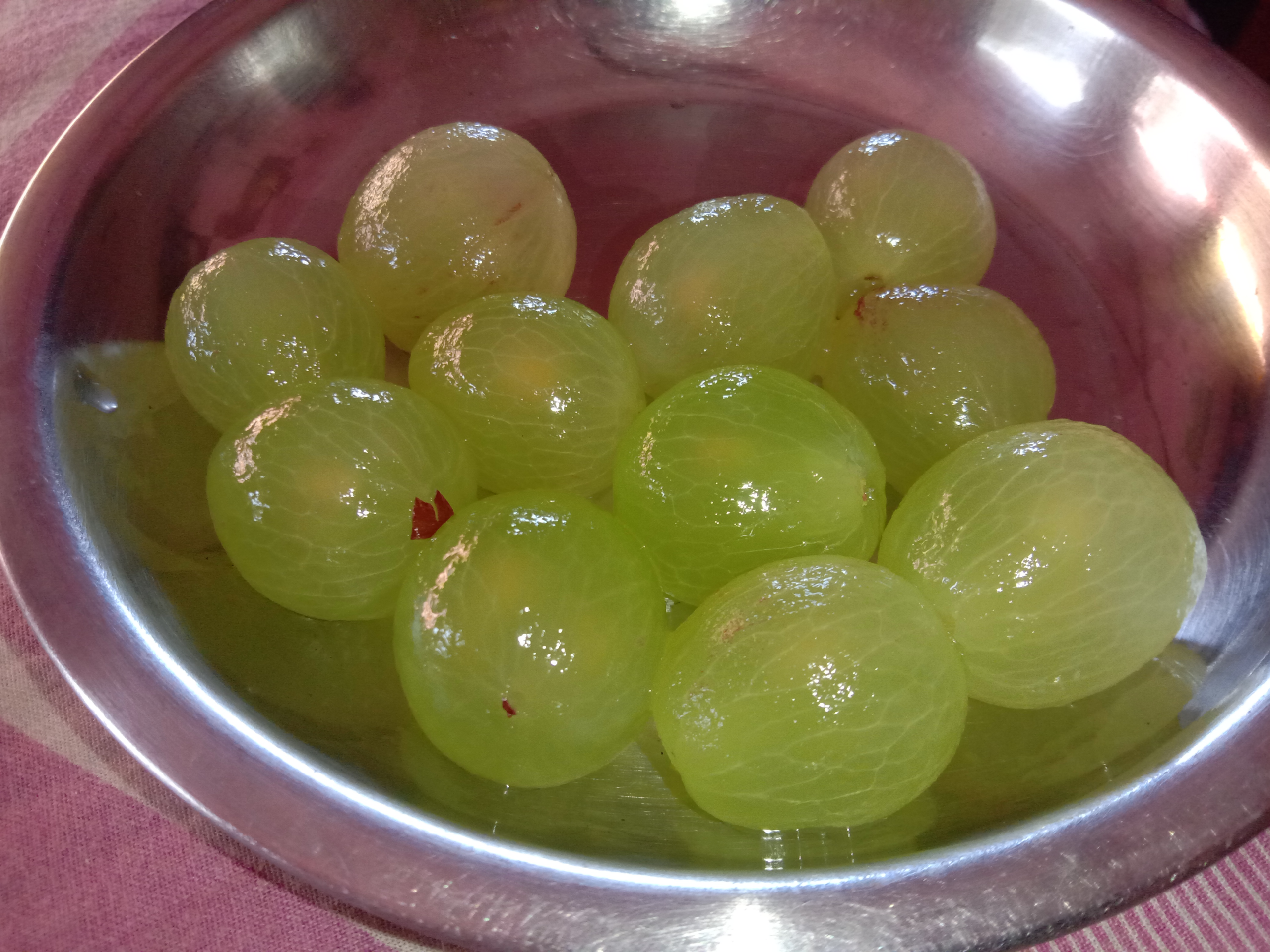
Set aside the booths and the tickets for a moment, because there is something genuinely remarkable buried in the haunted house.
A darkened classroom. A route marked with curtains. Older pupils stationed along it. And a bowl of peeled grapes, presented in the dark as eyeballs, for children to put their hands into.
That detail is reported, in almost identical terms, by people who went to school thousands of miles apart, in different states, in different decades, with no connection to each other whatsoever. Peeled grapes for eyeballs. Cold cooked spaghetti for intestines. A bowl of flour, a sponge soaked in water, a pile of dried corn.
Nobody organised this. There was no national programme, no instruction sheet, no supplier catalogue and no book that every school happened to own. The props were not bought from anybody. It spread person to person, year to year, from older pupils to younger ones and from one parent volunteer to another, and arrived at essentially every school in the country in the same form.
That is folklore, in the strict technical sense – transmitted orally, uncredited, varying slightly between locations, with the original source completely lost. The same process that produced nursery rhymes and playground chants was operating inside American schools in the 1970s, on a specific and verifiable detail, and it is still operating now.
Which is a useful reminder about this whole period. The things that were formally organised – the fundraising schemes, the prize catalogues, the packaged programmes – were run by companies and are well documented and have mostly disappeared. The things that spread by children telling other children are undocumented, unattributable and turn out to be the most durable element of all of it.
The booths went when the volunteer hours stopped being available. The ticket strips went to wristbands. The jail went for obvious reasons and the fortune teller went for better ones.
The grapes are still in the bowl.
If you went to one of these, you put your hand in that bowl and you knew perfectly well they were grapes.
And your mother spent an hour crouched behind a sheet attaching plastic novelties to a hook.
Like our content? Follow us for more.