In 1974 a great many American families bought things in exactly the opposite order from the way we do now. You paid first, in instalments, and the store kept the goods in a back room with your name on a tag until the balance cleared.
There was a deposit, a flat service fee of a few dollars, and a deadline. You carried a payment book and had it stamped. Christmas presents were chosen in August because sixteen weekly payments is how long a Christmas list took. And the children had no idea.
Here are fifteen things every American family did on layaway in 1974, and what replaced each of them.
1. The Store Held the Goods and You Paid Them Off in Instalments
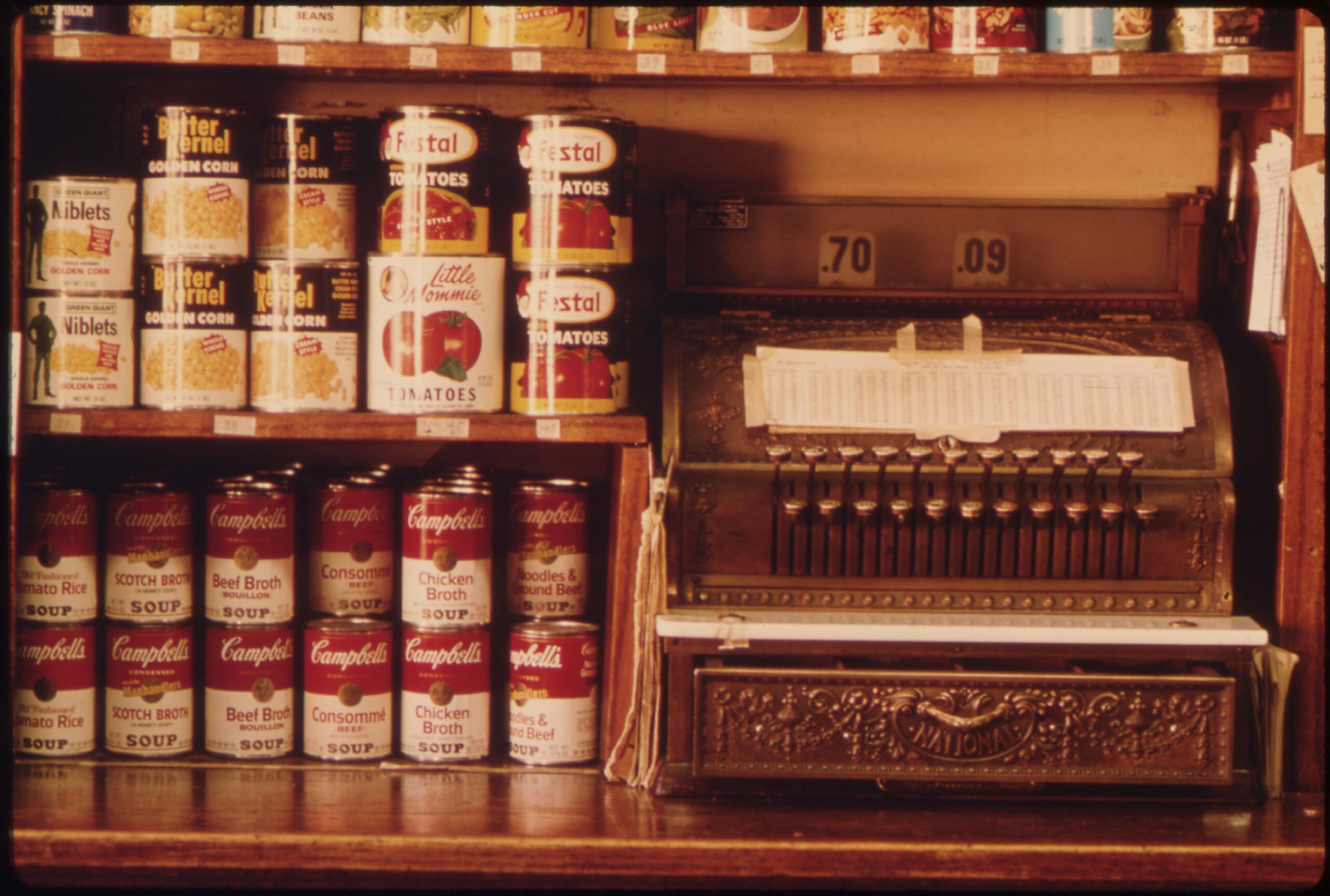
Layaway worked in the opposite direction from credit. You chose an item, paid a deposit, and the store took it off the sales floor and held it. You paid it off over weeks or months, and when the last payment cleared you took it home.
Credit cards, instalment finance, buy-now-pay-later services and store financing, all of which give you the goods first. Layaway gave you the goods last, which is the entire difference.
That ordering is why it has almost disappeared, and it is also why it worked. You could not get into debt on layaway, because you never had anything you had not paid for. The store carried no risk of non-payment, so it needed no credit check, no interest and no assessment of who you were.
Like our content? Follow us for more.
2. There Was a Layaway Counter, Usually at the Back
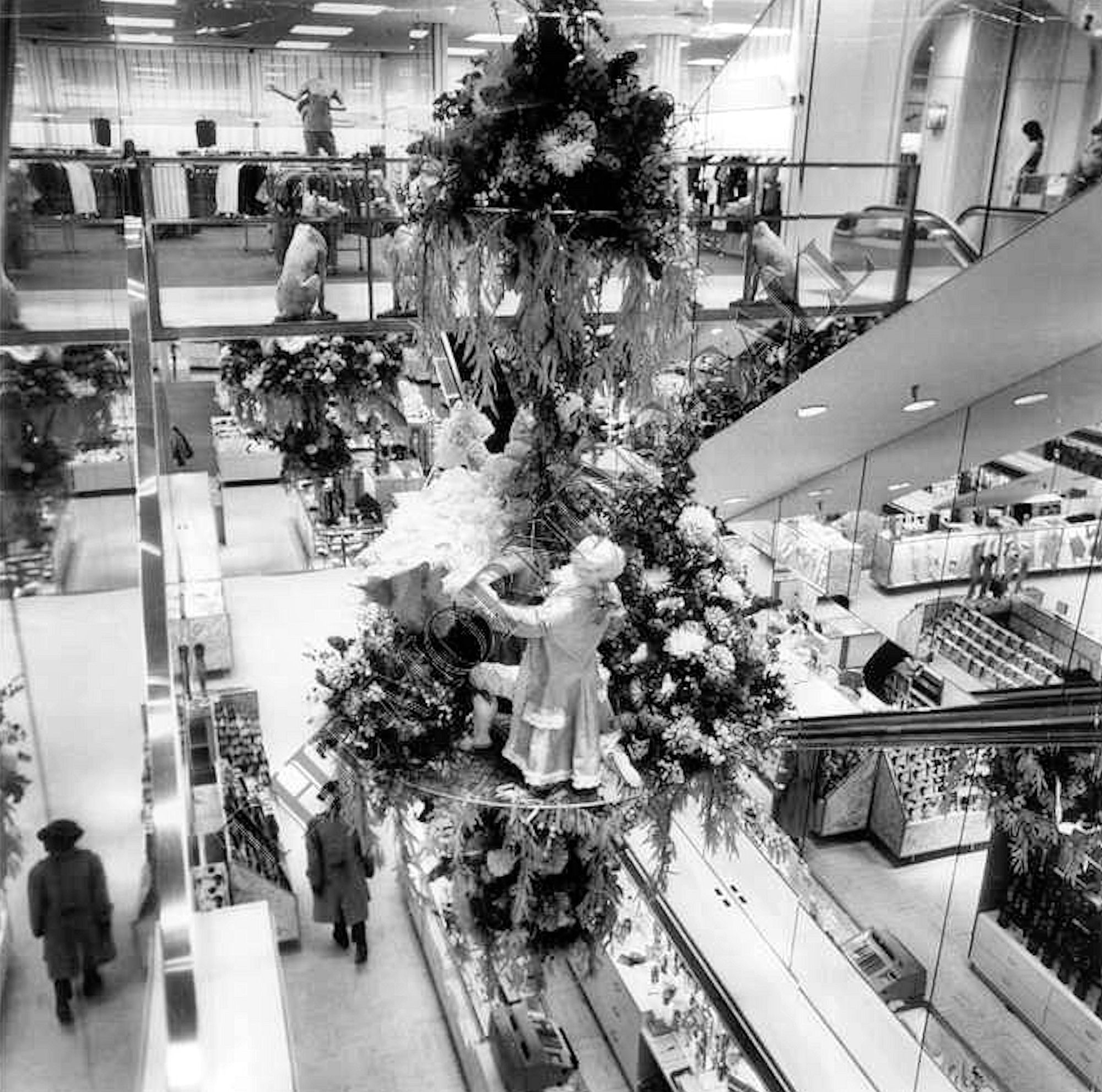
Larger stores ran a dedicated window or counter – frequently near the service desk, the catalogue department or a back corner – with a stockroom behind it full of tagged merchandise waiting to be collected.
An online account and an email reminder, where the service exists at all. The physical counter meant layaway was a visible, staffed department of the store with its own queue.
The queue is what people remember. You stood in it with a card or a book, handed over a few dollars, watched it written down, and left with nothing – which is a strange transaction to perform in public, and the location of the counter at the back of the store was not entirely an accident.
3. Your Goods Were Physically Set Aside With Your Name on Them
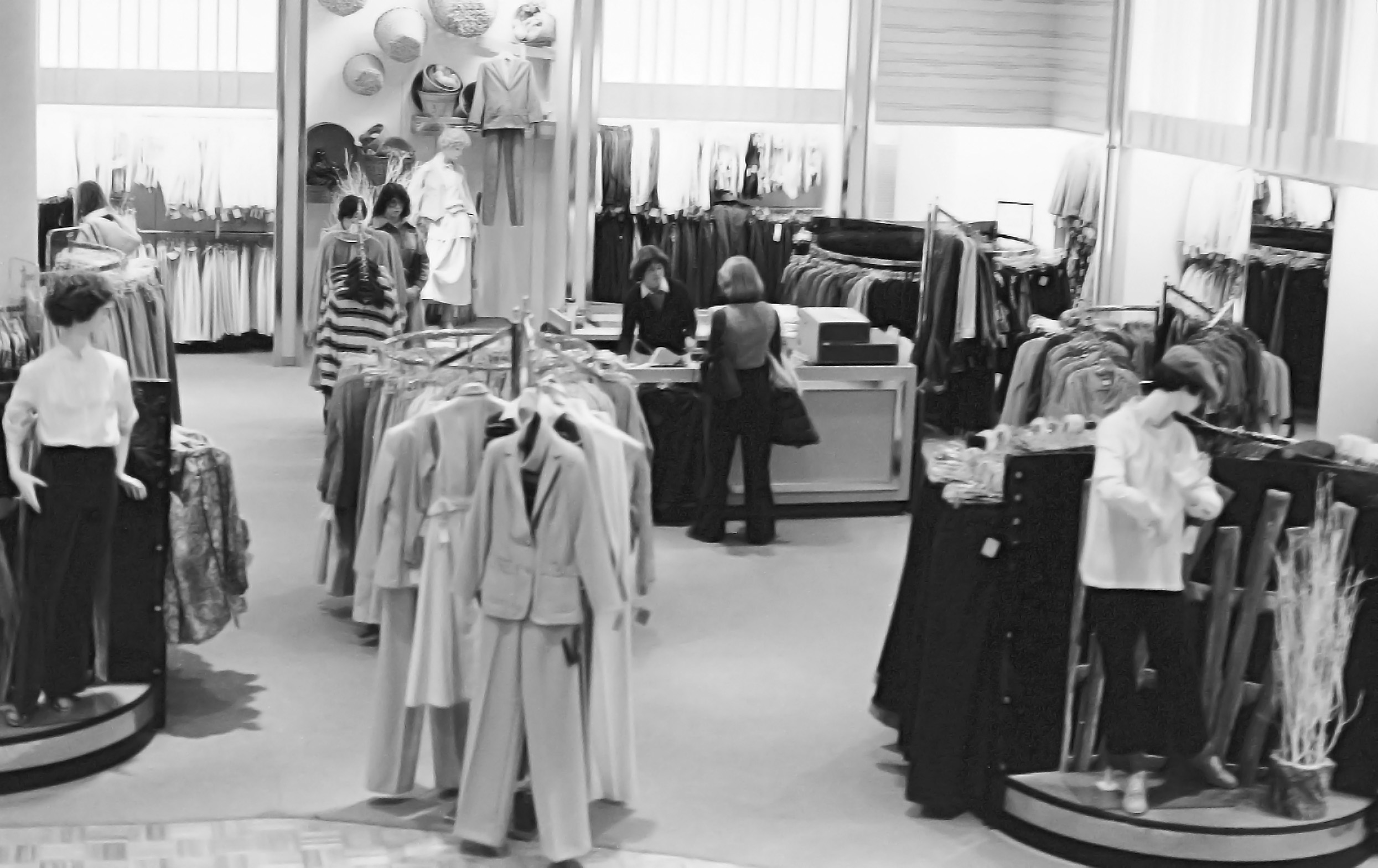
The item came off the shelf and went into the layaway room with a tag bearing your name, your account number and the balance, sitting there for the duration.
Inventory held as a number in a system, with the physical item still available for anybody to buy. The goods sitting in a back room with your name on them is the feature that made layaway feel like ownership before it was.
It also solved a real problem that modern retail does not have to think about. Stock was limited and unreliable, popular items sold out and were not restocked, and a toy you wanted in October would genuinely not be there in December – so paying to have one removed from circulation was buying certainty, not just time.
4. There Was a Deposit, a Service Fee, and a Deadline
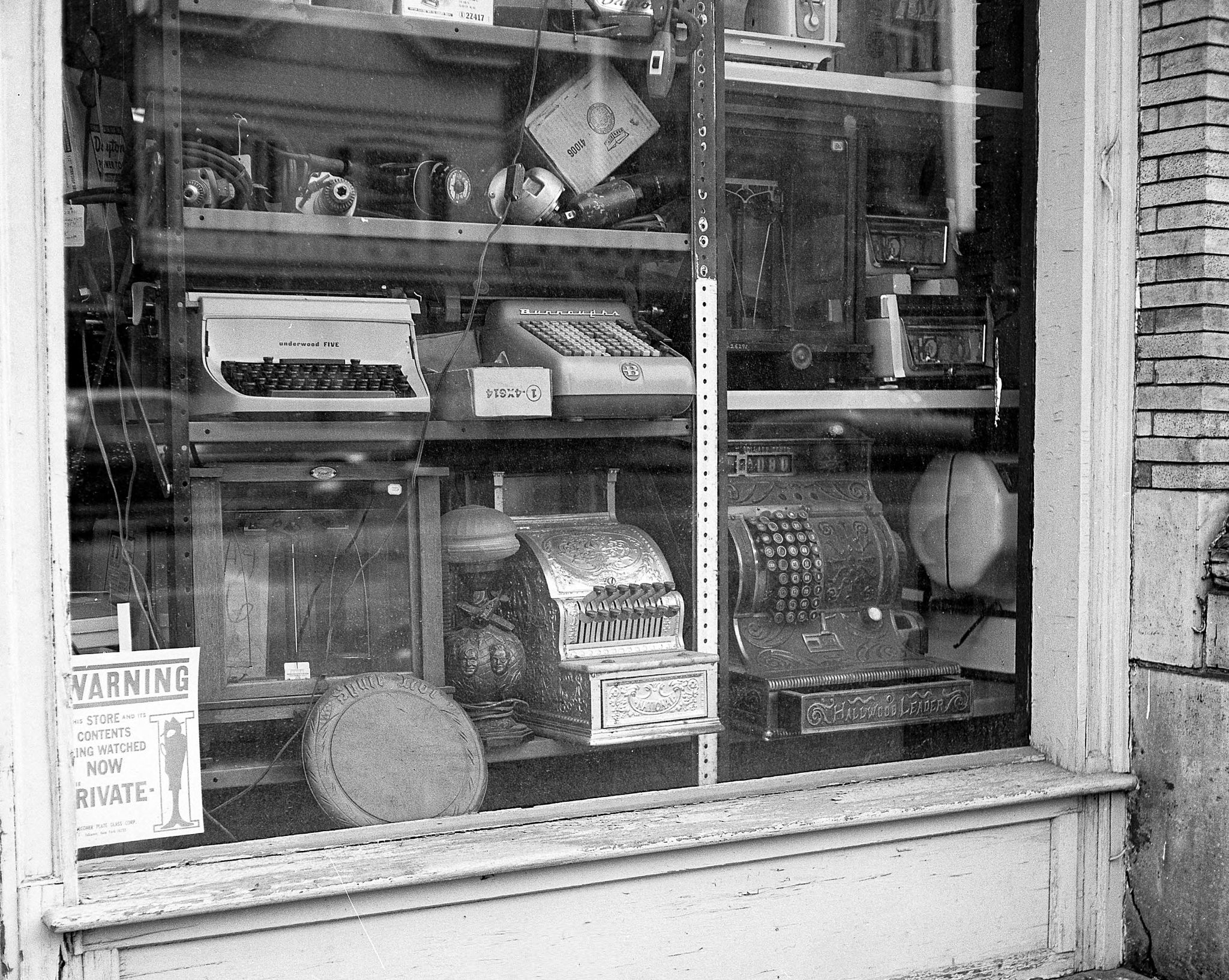
The arrangement required a deposit – commonly a tenth to a quarter of the price – a small non-refundable service charge for holding the goods, and a payment schedule with a final date, typically thirty to ninety days.
Interest rates, minimum payments and revolving balances with no end date. The layaway fee was a flat charge, disclosed up front, and it was the store’s entire compensation.
Which made the cost genuinely easy to compare, and favourable. A few dollars to hold a hundred-dollar item for two months is a knowable amount. The equivalent on revolving credit is a percentage that compounds for as long as the balance exists, and a great many households correctly identified which of those they could work out in their heads.
5. You Carried a Payment Book or a Card and It Got Stamped
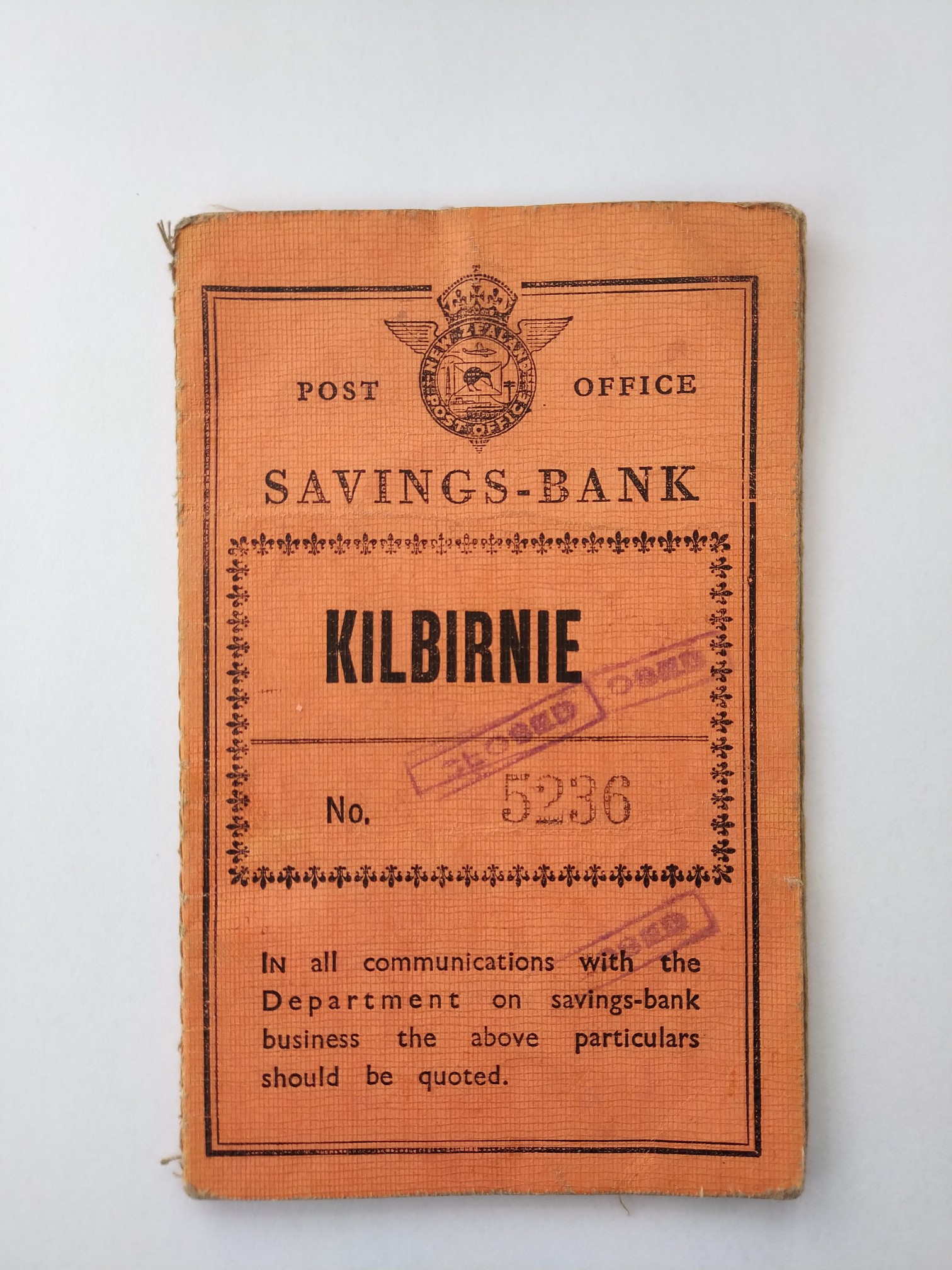
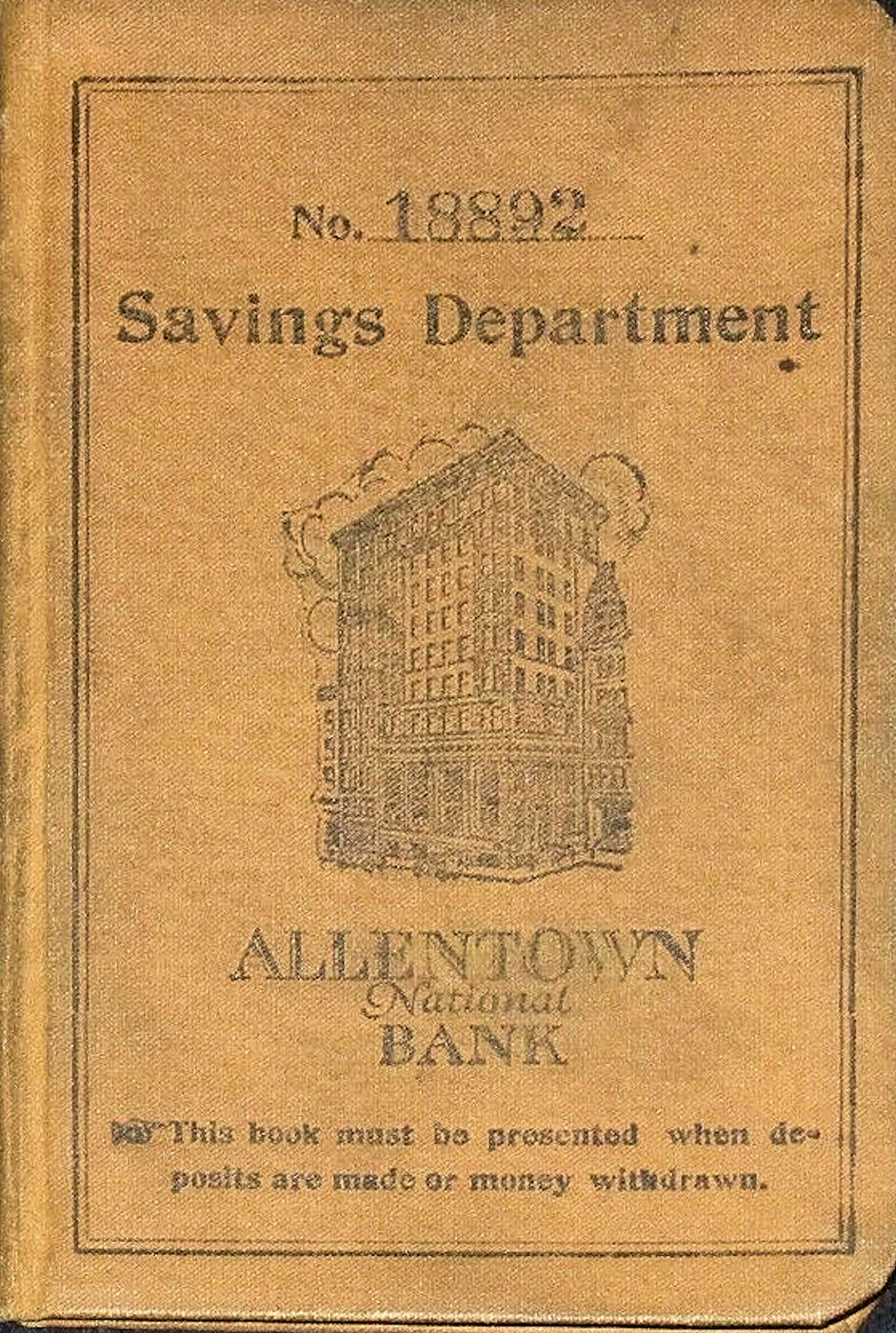
Each account came with a small printed book or a card recording the total, the payments made and the balance remaining, updated by hand or by a stamp at every visit.
An app showing a balance and a schedule. The paper record was the only copy either party had, and the customer carried it.
Losing it was a genuine problem. The store had its own ledger, so the money was not lost, but reconstructing an account without the book meant standing at the counter while somebody went through records by hand – and the book lived in a purse or a kitchen drawer for the duration, which is why so many turned up in houses for decades afterwards.
6. Christmas Layaway Started in August
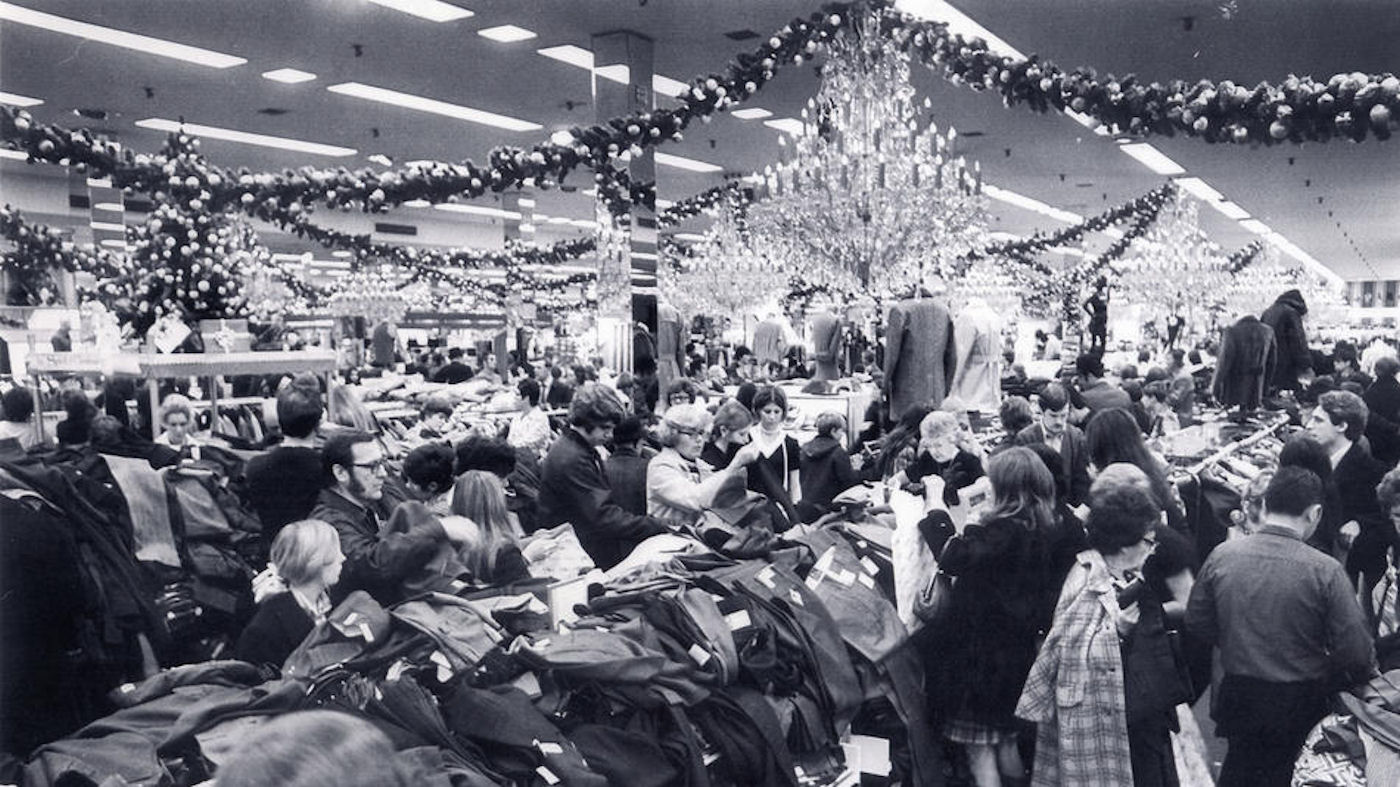
The great use of layaway was Christmas. Families selected presents in late summer or early autumn, when the stock was fresh and the selection complete, and paid them off across three or four months.
Seasonal credit promotions and deferred-payment offers. The August start was the standard practice for households on fixed or weekly wages, and retailers planned their stockrooms around it.
The timing was not sentiment, it was arithmetic. A household paying weekly needed sixteen weeks to clear a Christmas list, so the list had to be chosen in August – which meant parents decided on their children’s presents four months out, from whatever was on the shelves then, with no possibility of changing their minds later.
7. Children Had No Idea Their Presents Were Already Bought
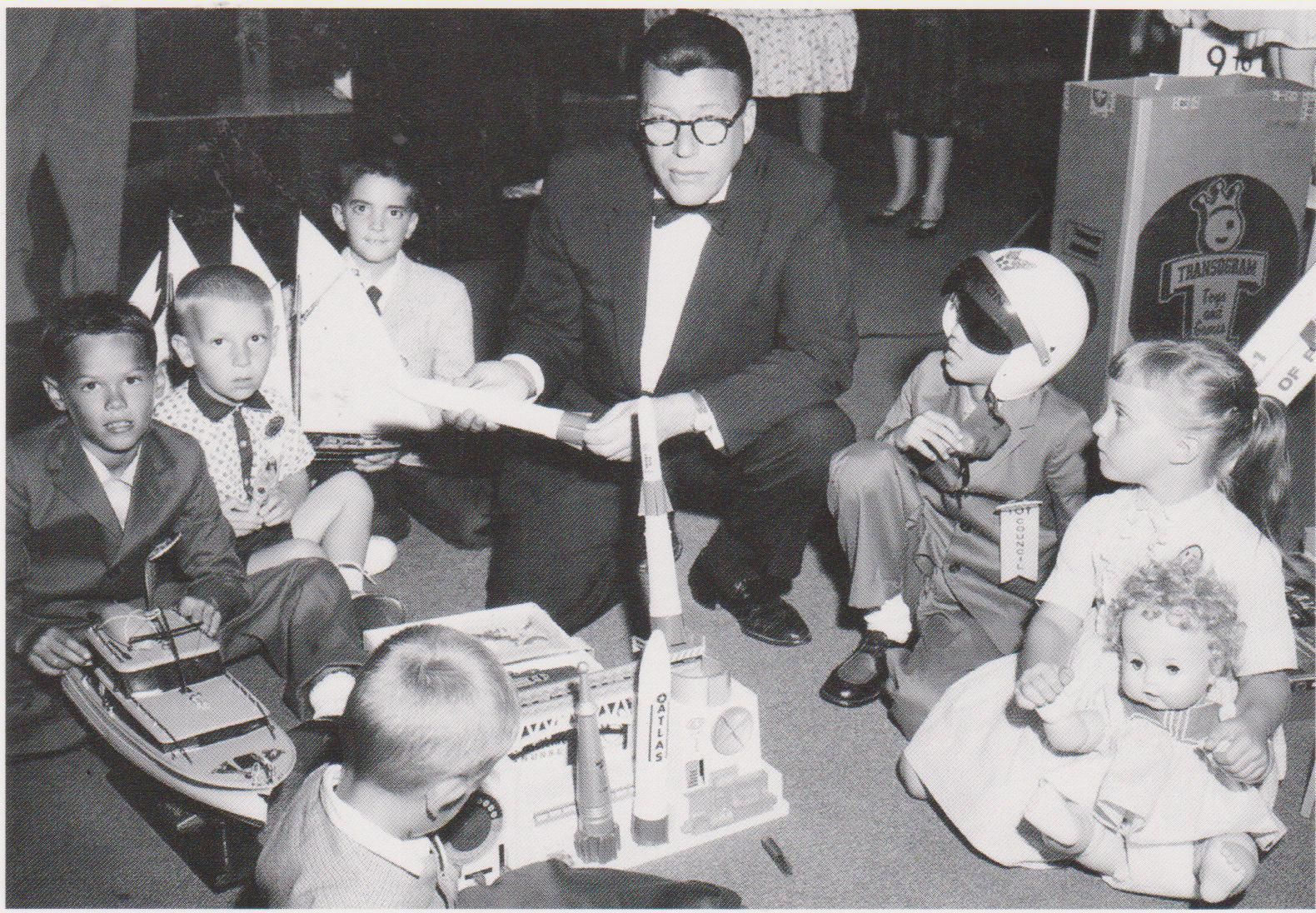
The goods sat in a store’s back room from September, fully selected, while children spent the autumn asking for them and being told nothing.
Online ordering and doorstep delivery days before. The long gap between the decision and the delivery was invisible to the children it was for.
Parents found this genuinely difficult and there are a lot of accounts of it. A child campaigning in November for something that had been paid off in October had to be managed without being told, and the risk ran the other way too – a child who changed their mind got the earlier choice, because the money was already committed and could not be moved.
8. If You Could Not Finish Paying, You Lost the Fee and Sometimes More
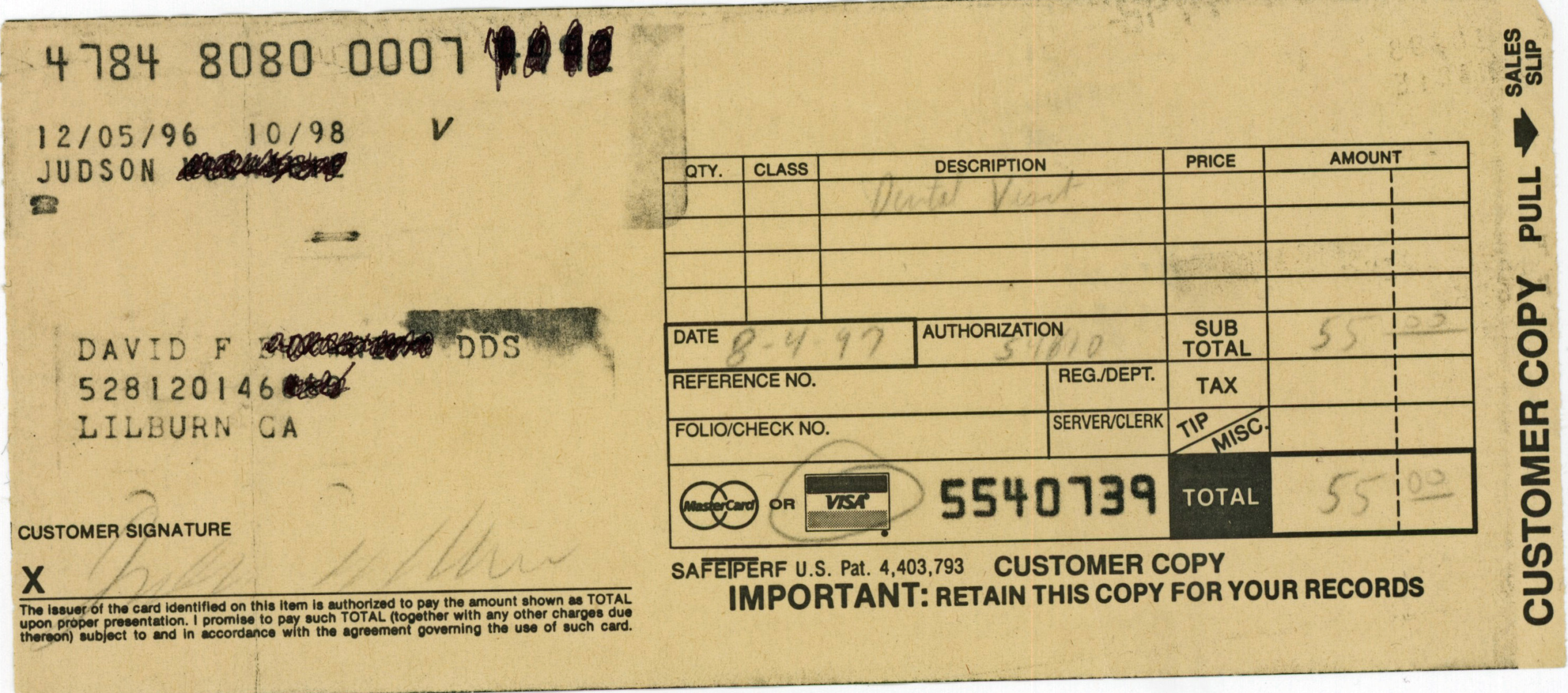
Default meant the store restocked the goods. Policies varied: some refunded the payments less the service charge, some imposed a restocking or cancellation fee, and some issued store credit rather than cash.
Missed-payment fees, interest penalties and credit reporting. Layaway default cost you the fee and the goods but could not follow you – it did not damage a credit record, because no credit had been extended.
That containment was the quiet virtue of the whole system. Failing on a layaway was a bad afternoon: you lost a few dollars and did not get the item. Failing on revolving credit in 1990 could follow a household for seven years – and the trade people made when they moved from one to the other was rarely explained to them in those terms.
9. It Was the Only Credit a Lot of Households Could Get
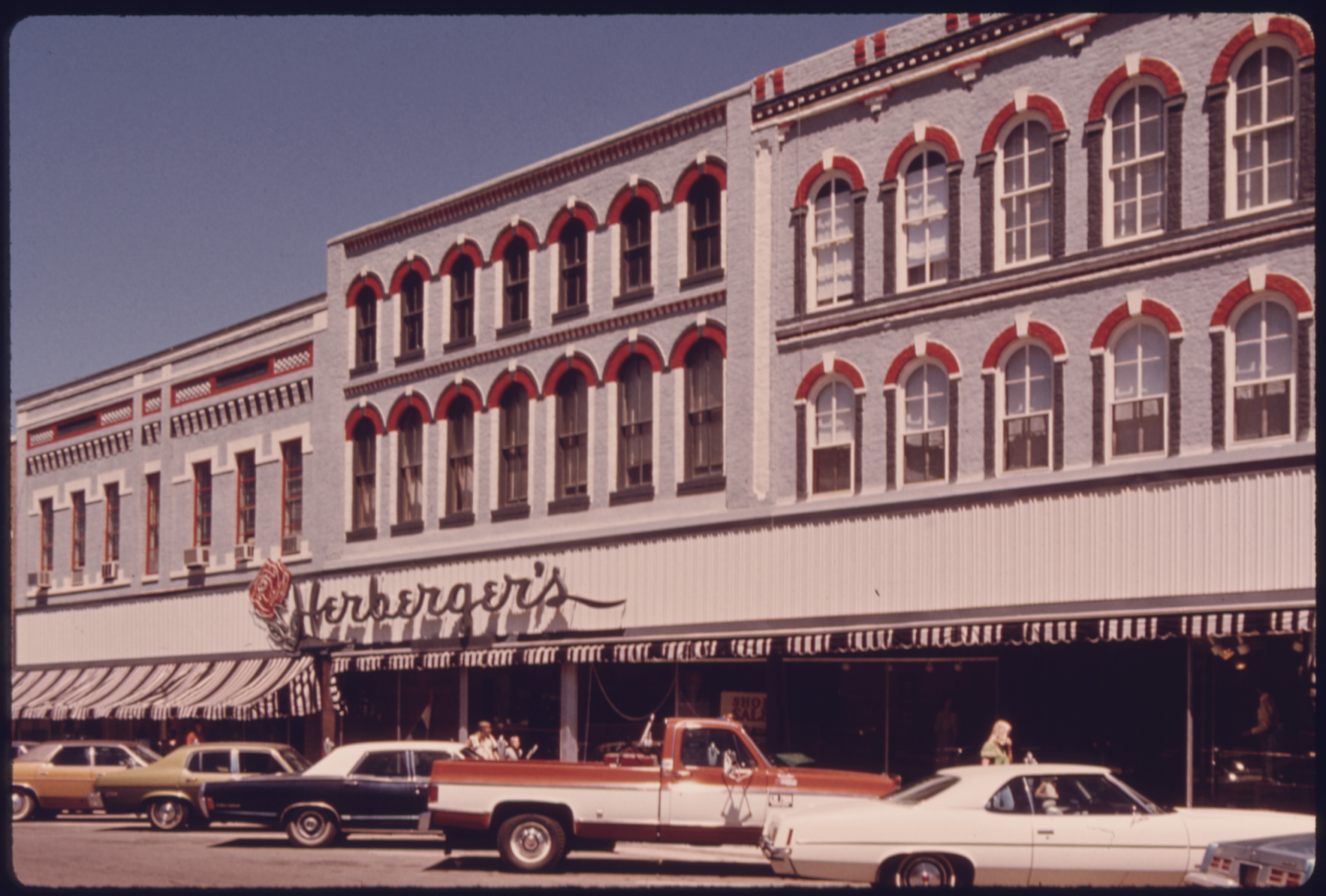
Access to formal credit in 1974 was limited and unevenly distributed. Many households – lower-income, rural, young, or simply without a banking relationship – had no card, no store account and no realistic route to one.
Widely available cards, instant approval at the register and alternative lenders. Layaway existed in part because the conventional system did not serve a very large number of people.
Which is the honest economic frame for it, and it cuts both ways. It was an ingenious workaround that let households without credit buy durable goods, on terms they could compute, with no risk of spiralling. It was also a workaround, needed because the credit system of the time excluded people on grounds that had little to do with whether they paid their bills.
10. Using It Was Something People Kept Quiet About
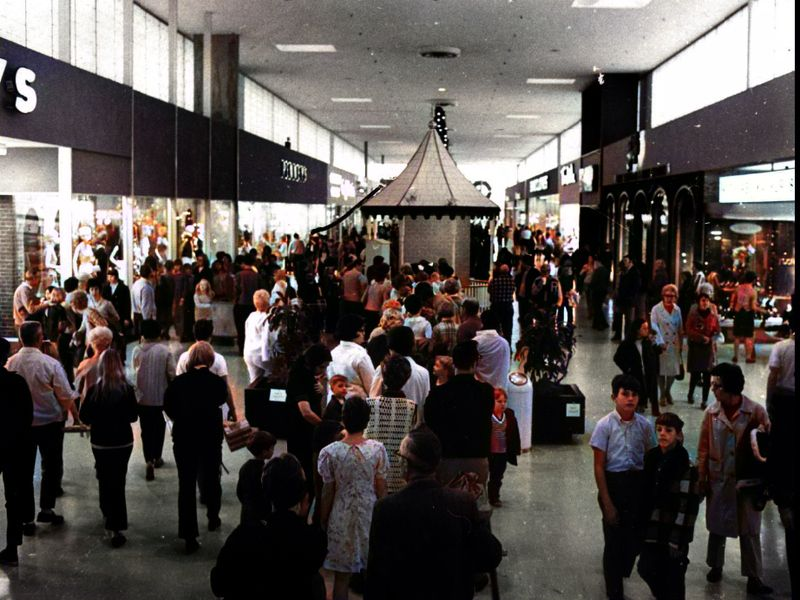
Layaway signalled that a household could not pay in full, and the queue at the counter was visible to anybody in the store.
Instalment services used openly and marketed to everybody, including people who could afford to pay outright. The stigma was real, local and discussed.
It shaped where people shopped. Households used layaway at stores in other neighbourhoods, sent a different family member, or went at quiet hours – and the fact that a thrifty, prudent, debt-free way of buying things carried social embarrassment while running up a credit balance did not is one of the odder inversions of the period.
11. Big Items Went on It, Not Small Ones
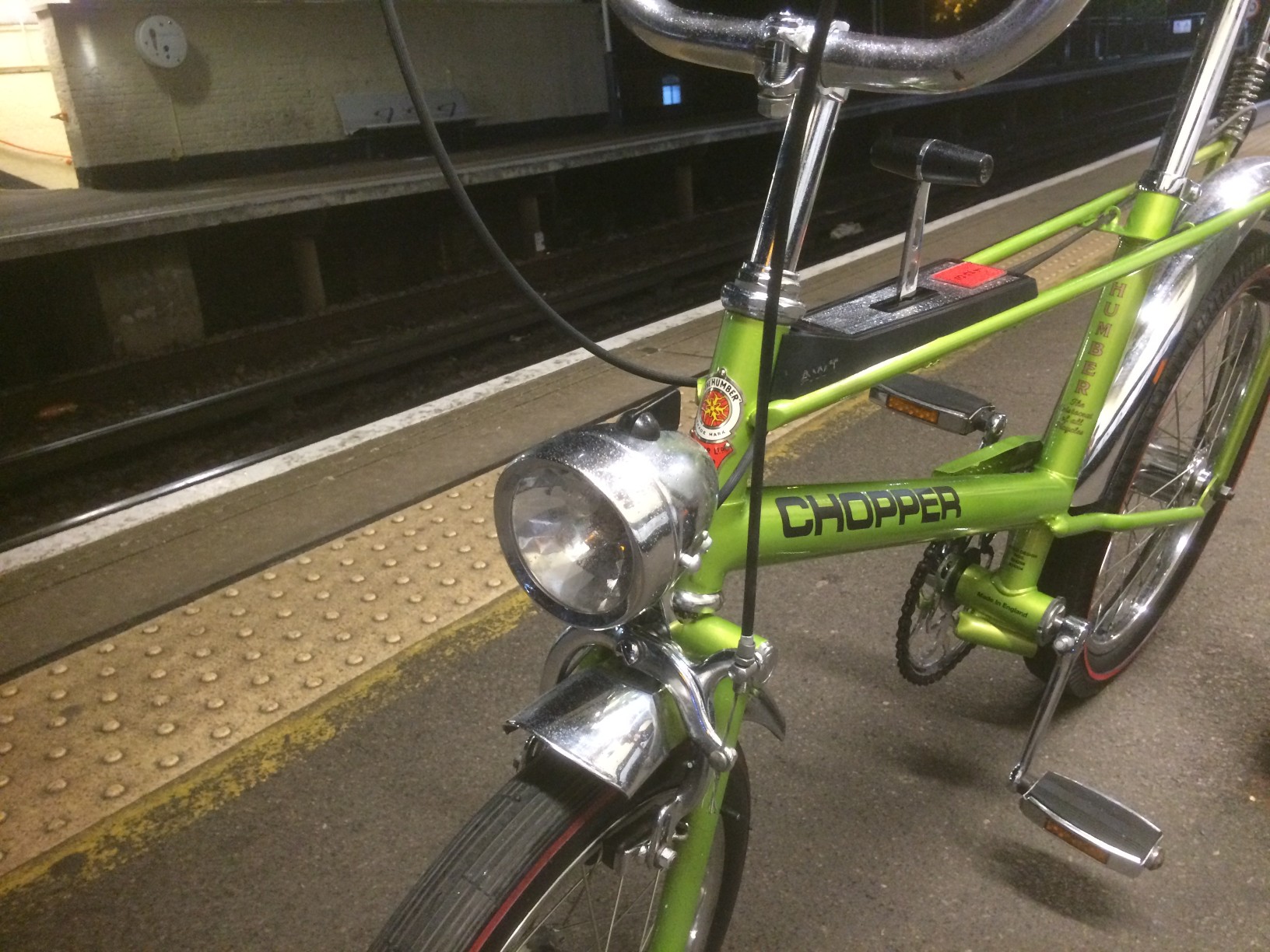
Layaway was for durable goods at a scale that mattered – a bicycle, a winter coat, a sewing machine, a television, a set of tyres, school clothes for several children, an engagement ring.
The same categories, financed instead. The threshold was set by the effort involved, because nobody opened an account and made six trips for a small purchase.
And the list tells you what these households were actually buying, which is not luxuries. Coats, shoes, school clothes, tyres and appliances – necessities with a price too large for one week’s wages – and the arrangement existed because the alternative was going without, not because anybody wanted a payment plan.
12. The Last Payment Was an Event
Clearing the balance meant the goods came out of the back room and went home with you, which made the final visit entirely different from the ten before it.
Delivery notifications. The collection trip was a recognised family occasion, planned for, and frequently the point at which children were finally told what had been happening.
People describe it in detail decades later. The walk to the counter with the last payment, the wait while somebody went to find the item, and carrying it out of the store – and the object itself carried the weight of the months it had taken, which is a relationship to a purchase that effectively no longer exists.
13. It Was a Savings Account the Store Enforced for You
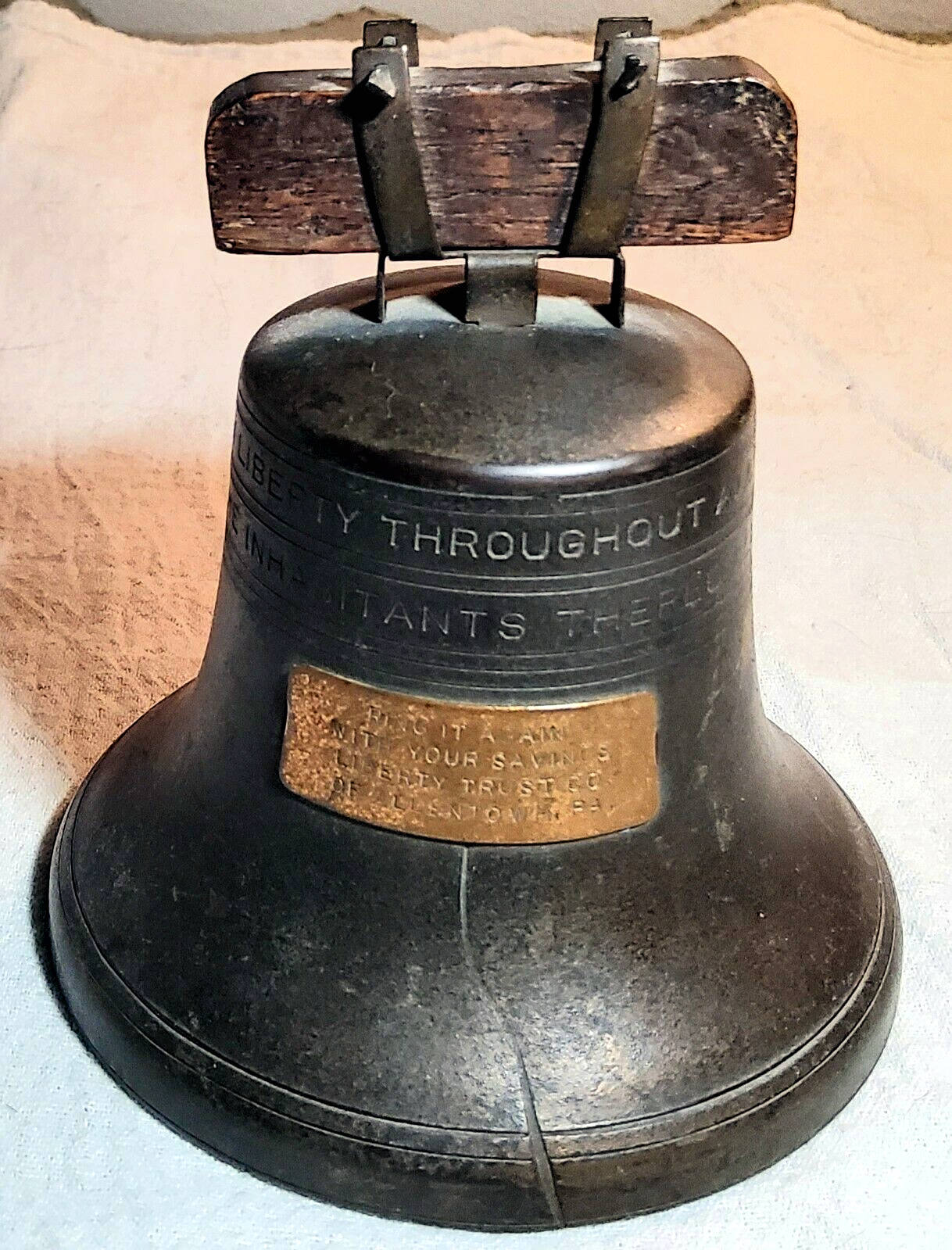
Economically, layaway is forced saving. You commit to a schedule, somebody else holds the goal, and there is a penalty for stopping – which is precisely the structure of a Christmas club or a savings plan.
Automated savings transfers and goal-based accounts that do the same thing with no retailer involved. Layaway achieved commitment by putting the object out of reach rather than the money.
And that is why it worked better than saving cash at home for the same purpose. Money in a jar can be spent on something else; a television in a stockroom cannot. The store was not providing credit, it was providing willpower – and charging a few dollars for it, which was a fair price.
14. Then the Credit Card Arrived and Offered the Opposite Deal
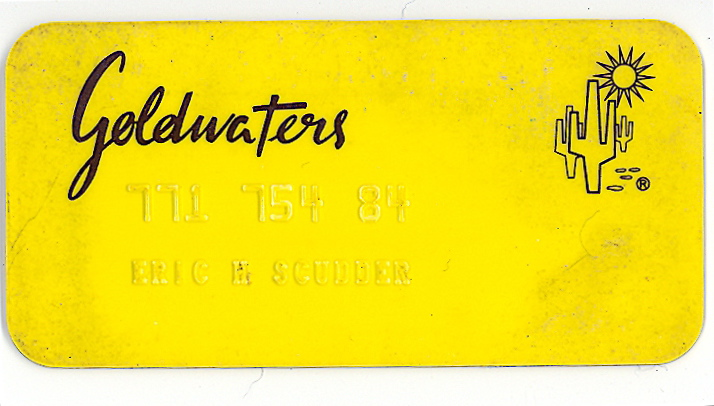
Through the later 1970s and the 1980s, general-purpose cards and store revolving accounts spread rapidly and were marketed hard, with approval at the register and the goods in your hands the same day.
Universal card acceptance. The card beat layaway on the single thing customers wanted most, which was having the item now, and retailers preferred it because a card is a completed sale.
Both sides had reasons to switch, and the retailer’s are the ones usually left out. Layaway tied up stockroom space, required staff, generated paperwork, and ended with a sale that might never happen. A card payment is immediate, final, and someone else’s risk – so stores withdrew the service, which they largely had by the 1990s.
15. Then It Came Back, Briefly, When Credit Got Frightening
The whole thing rested on households wanting durable goods they could not pay for at once, in an economy where credit was scarce, from retailers willing to hold stock and keep ledgers.
Layaway returned to major American retailers after the financial crisis of 2008, when households that had learned what revolving balances cost deliberately sought a way to buy without borrowing – and it has since been largely displaced again by instalment services that split a purchase into payments while handing the goods over on day one.
That arc is the most interesting thing about it. Layaway did not die of obsolescence; it lost to a product that offered the same instalments with the item delivered first, and it returned the moment people got frightened of exactly what that reversal costs. The modern services are not layaway. They are credit with the word removed – the goods arrive immediately, the risk sits with the buyer, and a missed payment has consequences that reach beyond the shop. Which means the question households faced in 1974 is still the live one, and the answer most of them gave then was the cautious one.
It Was Not Credit. It Was Willpower, Sold by the Dollar
The thing to understand about layaway is that it was not a lending product, and almost everything interesting about it follows from that.
In a credit transaction the seller hands over the goods and takes on the risk that you will not pay. That risk has to be priced, which is where interest comes from, and it has to be assessed, which is where credit checks come from. The whole apparatus exists because the buyer has the item and the seller has a promise.
Layaway inverted it completely. The store kept the goods. The customer had nothing but a payment book. There was no risk to price, so there was no interest – just a flat service charge of a few dollars for the stockroom space and the bookkeeping. There was no risk to assess, so there was no credit check, which is why it was available to households that the formal credit system of 1974 simply refused to serve.
And because the customer never possessed anything unpaid for, failure was contained. Default on a layaway cost you the service fee and the item. It could not compound, could not be sold to a collector, and could not follow you for seven years, because no credit had been extended in the first place.
What the store was actually selling was commitment.
Money set aside in a jar at home can be spent on something else, and usually is. A bicycle in a stockroom with your name on it cannot be. The retailer was providing an external constraint – a schedule, a deadline, a penalty and a goal held out of reach – which is the same mechanism as a savings club, except that the object was already chosen and could be pictured.
Then the card arrived and offered the exact reverse: the goods first, the payments later, the risk transferred to the buyer and priced as a percentage that compounds for as long as the balance exists. Customers took it, because having the thing now is genuinely what people want. Retailers pushed it, because a card payment is a finished sale with no stockroom, no ledger and no chance of the deal falling through.
Layaway came back after 2008, which is the detail that gives the game away. Households that had learned what a revolving balance costs went looking for a way to buy a washing machine without borrowing, and the old arrangement was waiting.
It has since been displaced again, by services that split a purchase into four payments and deliver on day one. Those are described in language borrowed from layaway and they are not layaway. The goods arrive first, the risk is the buyer’s, and a missed payment reaches beyond the shop.
Which leaves the choice that families made at that counter in 1974 exactly where it was. Pay first and wait, or take it now and find out what it costs.
They mostly waited. It is not obvious that we are better at this than they were.
If your family did this, somebody carried a payment book in a purse for four months.
And you got a present in December that had been sitting in a stockroom since August with your name on it.
Like our content? Follow us for more.