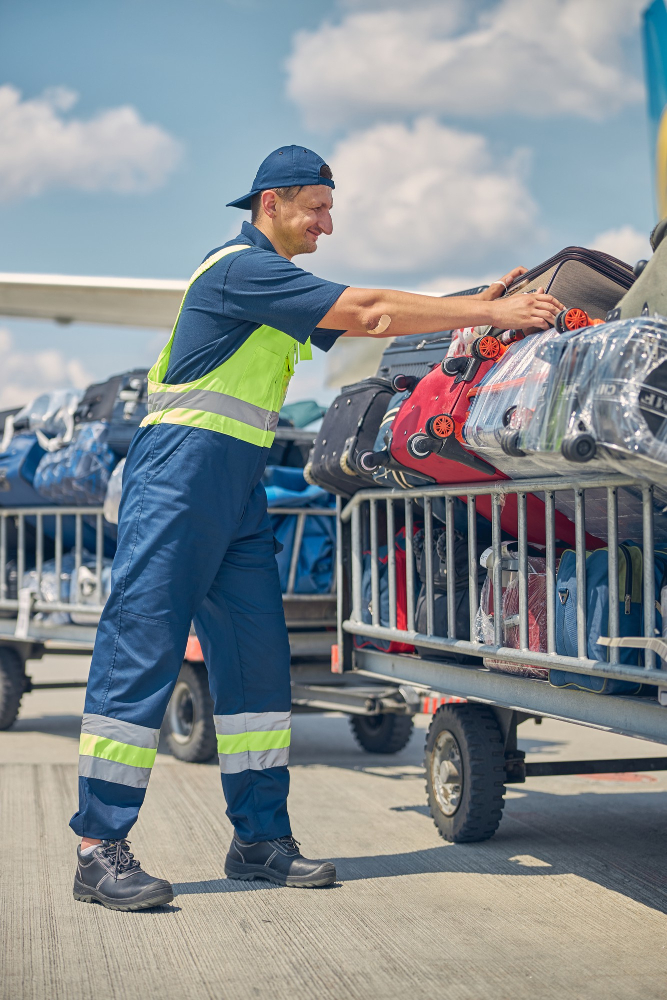
Bulky sports equipment is not heavy baggage. Airlines handle it as a separate product with its own allowance, its own charge, its own booking process and its own preparation requirements, and the constraint is handling rather than weight — long rigid items go through a different part of the baggage system.
That produces a set of failures that have nothing to do with how much a traveller is prepared to pay: finite space per flight, length limits rather than weight limits, batteries that cannot fly at all, and dangerous goods rules that no airline can waive. Here are fourteen things that decide whether the kit arrives with you.
1. Sports equipment is a separate product, booked in advance

Bulky and awkward items are not simply heavy baggage. Airlines handle them as a distinct category with its own allowance, its own charge and its own booking process, usually requiring the item to be declared and paid for before travel.
The reason is handling rather than weight. Long and rigid items go through a different part of the baggage system, sometimes by hand, and the airline needs to know they are coming in order to make space and arrange the handling.
Book the item with the airline directly when you book the ticket, get it confirmed in writing against the reference, and re-confirm after any change to the itinerary.
Like our content? Follow us for more.
2. There is a limit on how many of these items each flight will take
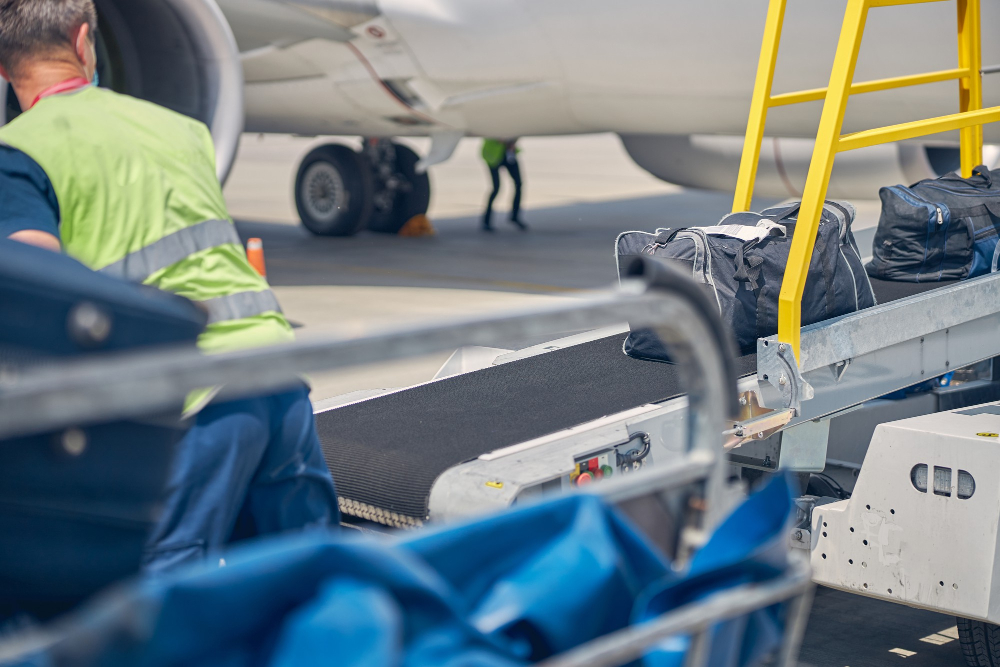
Hold space for oversized items is finite and allocated at the time of booking. On smaller aircraft the limit can be a handful of items for the whole flight, and once it is reached the airline will refuse further ones however much a traveller is willing to pay.
This is why a late booking fails. The traveller is not being refused a service; the space has already been promised to somebody who asked earlier.
Book early, and if you are travelling with a club or a family where several people have equipment, book all of it in one conversation so that the whole party is allocated together.
3. Size and weight limits are specific to the item, not to baggage generally
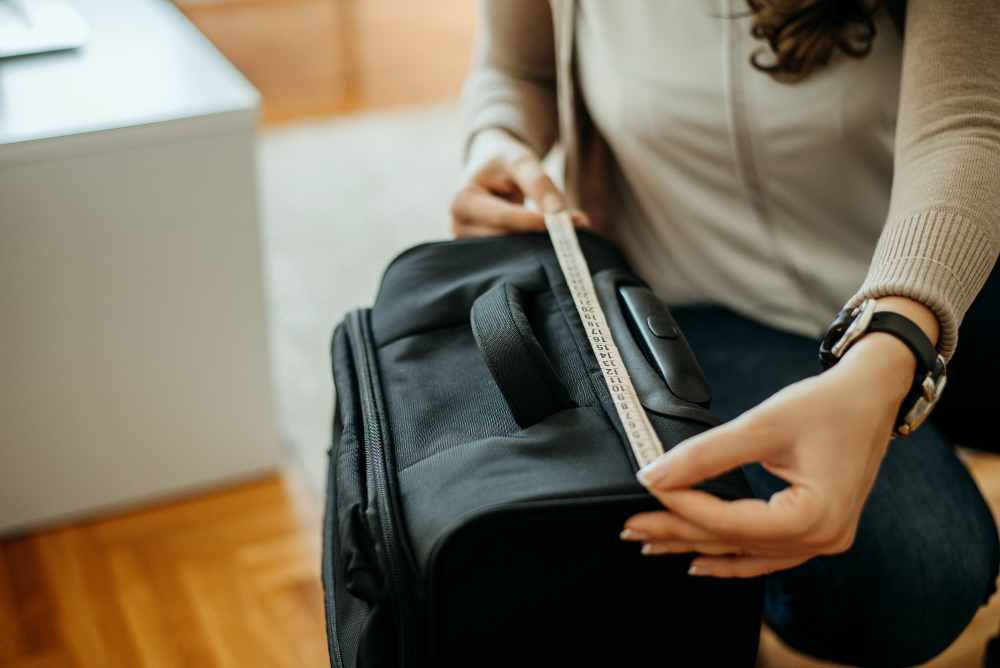
Each category has its own published envelope: a length limit for skis, a different one for a bicycle, a combined dimension figure for a board, and a weight ceiling that is frequently lower than the standard checked baggage allowance rather than higher.
Items over the stated envelope may be refused outright or may have to travel as air cargo on separate documentation, which is a different transaction with different timings and a different terminal.
Measure and weigh the packed item — case included — against the airline’s published figures for that specific category before you leave home.
4. Charges are per item and per leg, and much higher at the airport

The fee applies to each item on each flight, so a return with a connection is four charges rather than one, and the airport rate is routinely a substantial multiple of the online rate.
On a cheap fare the equipment can cost more than the seat, which is worth knowing before choosing a carrier. Some airlines include one item in certain fare types or for certain destinations, and some never do.
Price the whole journey including every leg’s equipment charge before comparing fares, and always pay in advance.
5. Liability for damage is limited and frequently excluded

Airlines cap liability for checked baggage, and conditions of carriage commonly exclude or restrict liability for fragile, valuable or inadequately packed items. Sports equipment falls into all three categories at once.
Some carriers require a declaration that the item is carried at the traveller’s own risk, and a signature on it. Travel insurance also frequently caps a single item at a level well below what a serious bicycle or set of clubs is worth.
Check the single-item limit in your travel insurance against the replacement value, and consider specialist cover for genuinely valuable equipment.
6. A hard case changes both the risk and the claim
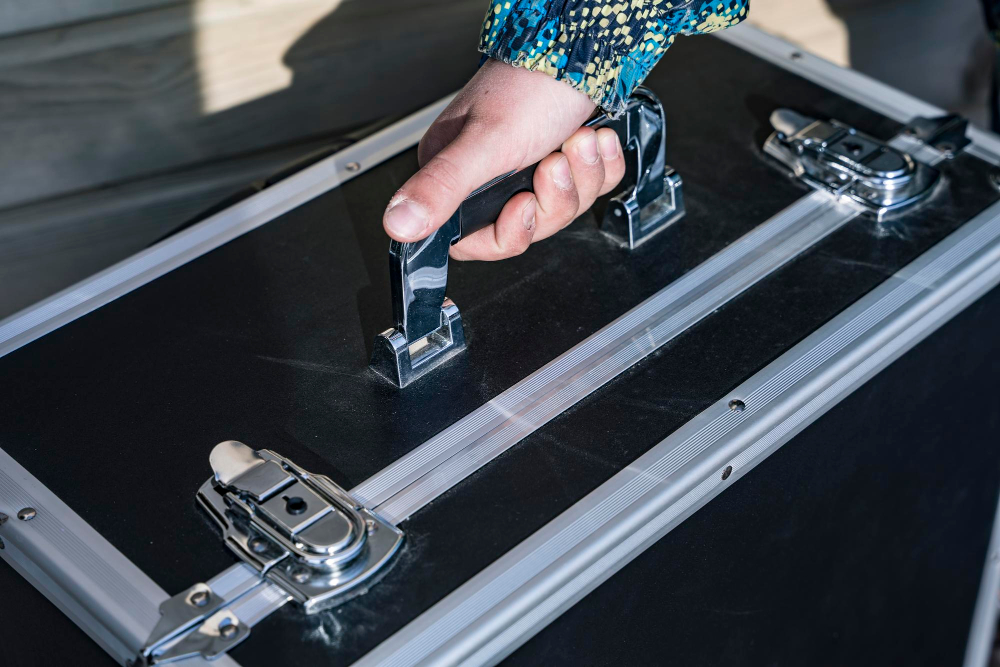
Soft bags are accepted for most categories and transmit everything that happens to them. A rigid case protects the contents, and more importantly is evidence of adequate packing if a claim becomes necessary.
Insurers and airlines both treat the question of whether an item was suitably packed as central to a claim, and a valuable item in a soft bag is where cover most often fails.
Use a hard case for anything you would not want to replace, and photograph the packed and unpacked item before handover.
7. Bicycles have a preparation list and it is enforced

Most airlines publish requirements for a bicycle: pedals removed or turned in, handlebars turned, tyres partially deflated on some carriers, chain protected, and the whole machine in a bag or box. A bicycle presented loose is usually refused.
The tyre deflation requirement is inconsistent between airlines and is not a pressure matter in the hold so much as a handling convention, but where it is published it is applied at the desk. Disc brake rotors and derailleurs are the parts that get bent.
Follow the specific airline’s published preparation list, protect the rotors and the rear derailleur with a spacer or a guard, and photograph the bike before it goes.
8. Anything with a battery is a different problem entirely
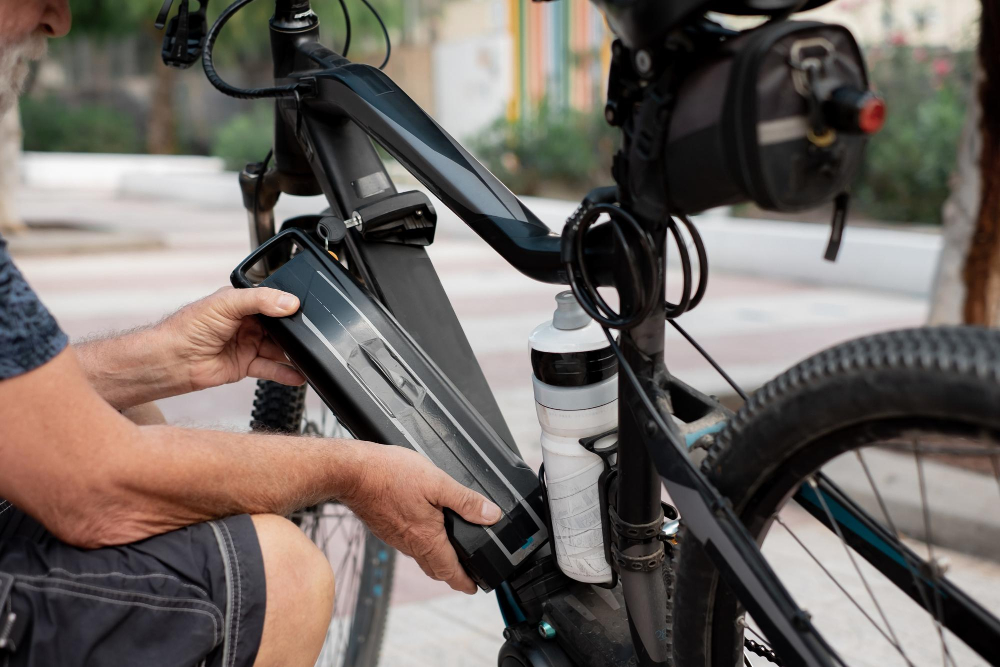
Electrically assisted bicycles, scooters, hoverboards and similar are prohibited by most airlines as checked or cabin baggage because of the size of the battery involved, and removing the battery does not generally solve it.
Smaller batteries in equipment — a bike computer, a dive torch, a camera — travel under the ordinary lithium battery rules: in the cabin, terminals protected, capacity within the airline’s published limits, spares counted individually.
If your equipment has a large battery, check the airline’s position before booking anything, because the answer is frequently that it cannot travel at all and a hire or a shipping arrangement is the only route.
9. Compressed gas cylinders are dangerous goods
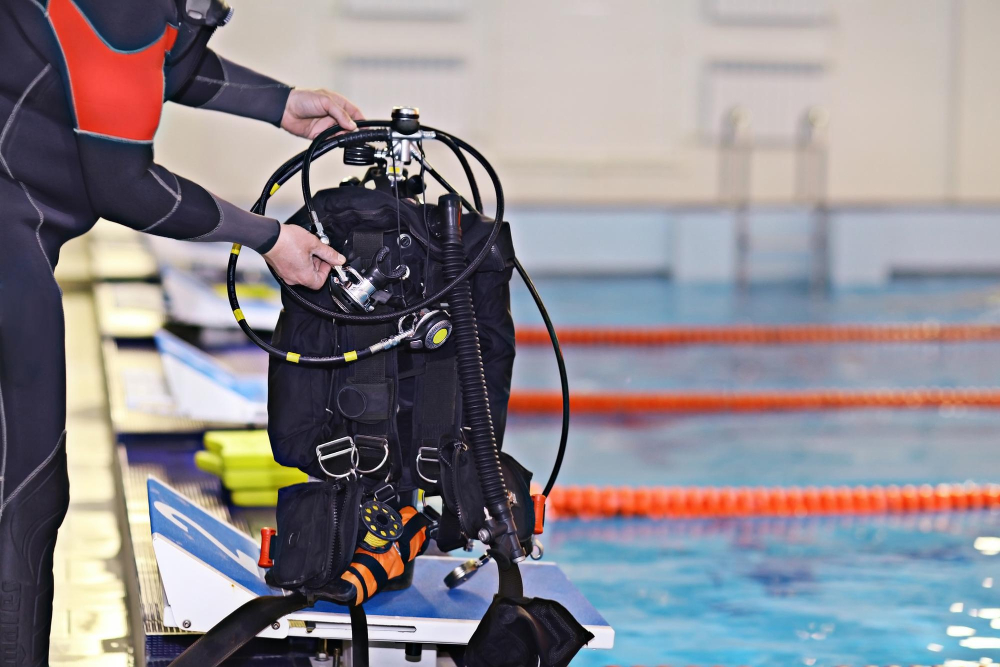
Diving cylinders, inflation cylinders for buoyancy devices and life jackets, and gas canisters of any kind are regulated as dangerous goods rather than as baggage. Cylinders are generally accepted only when completely empty with the valve removed so that the inside can be inspected.
Regulators, buoyancy devices and the rest of a dive kit travel normally; it is the cylinder and any cartridge that are restricted. The rules are set by international dangerous goods regulations rather than by the airline’s preference.
Travel with the cylinder empty and the valve out so it can be shown to be empty, and hire cylinders at the destination, which is what most divers do.
10. Camping stoves and fuel residue are prohibited even when empty
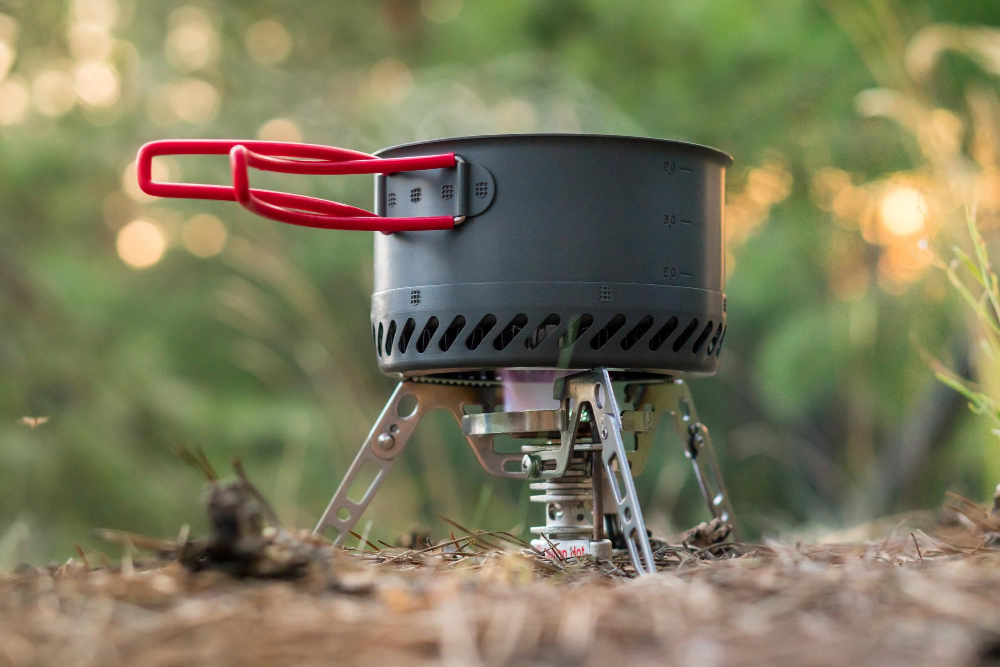
A stove or fuel bottle that has contained liquid fuel retains vapour, and airlines and regulators treat a container with fuel residue as a dangerous article. An apparently empty bottle is commonly refused.
Where a stove is carried at all it generally has to be demonstrably clean and free of odour, and some airlines will not accept one in any condition. Gas cartridges are prohibited outright, full or empty.
Leave the fuel bottle and the cartridges at home and buy fuel at the destination, which is the only reliable approach.
11. Firearms for sport are an entirely separate regime, and not one for an article
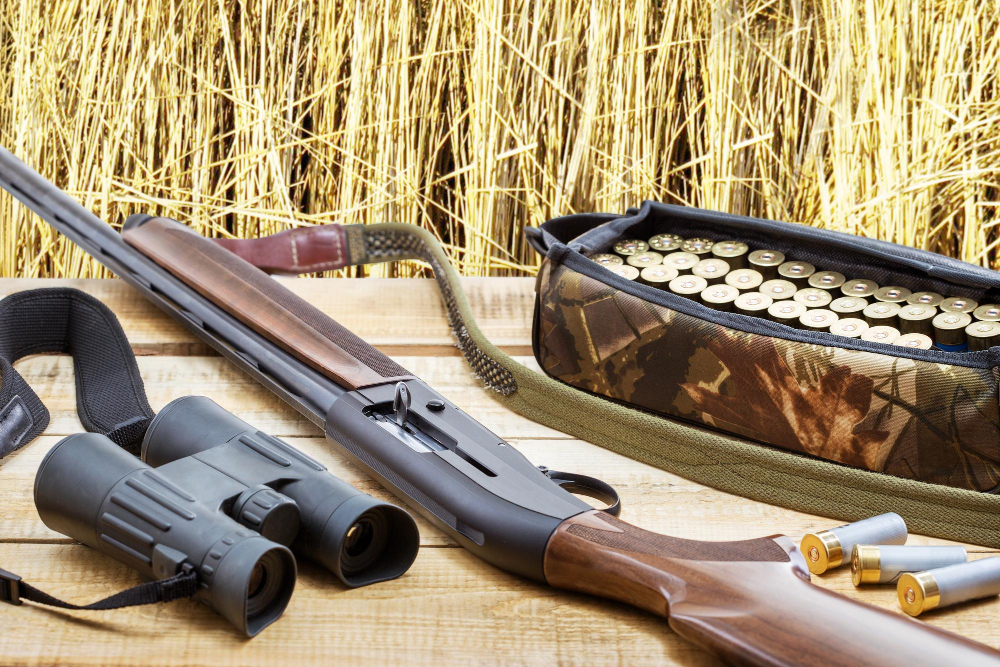
Sporting firearms and ammunition are governed by export and import licensing in every country involved, by police authorisation, by the airline’s own prior approval, and by dangerous goods rules for the ammunition — several separate permissions, each with its own lead time.
Nothing in this file addresses any of it, and nothing published generally should be relied on. The process runs through the relevant authorities in the departing, transiting and arriving countries, and through the airline’s dedicated channel.
If this applies to you, start with your own national authority and the airline’s specialist desk, months in advance, and follow their process precisely.
12. Snow sports kit is defined as a combination, and the definition matters
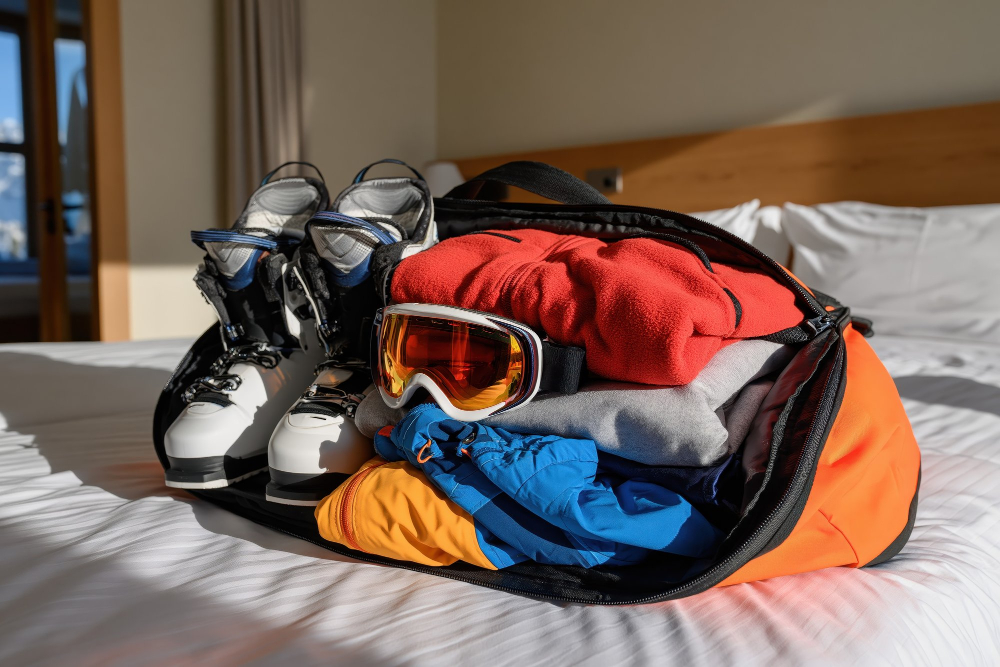
Airlines generally define a ski or snowboard item as the board or skis plus poles plus a boot bag, carried together as one allowance. Presenting the boots separately can mean a second charge.
The definition is published and varies: some carriers include a helmet, some count a boot bag as its own item, and some apply a different weight limit to the combination than to ordinary baggage.
Read the specific definition for your carrier and pack to match it, putting the boots in the bag the definition names rather than in a separate holdall.
13. Rods, clubs and racquets have their own quirks
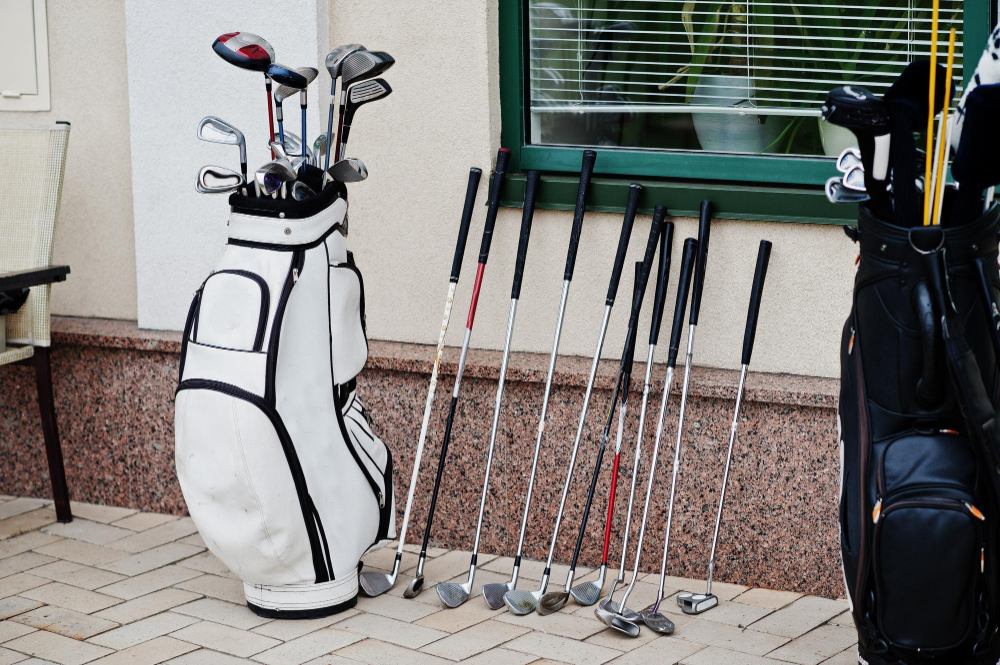
Fishing rods are frequently permitted in the cabin on some carriers and not others, golf bags have a length and weight envelope of their own, and racquet bags usually travel as ordinary baggage unless they are oversized.
The common failure is assuming that because an item is light it is unproblematic. The limit on most of these categories is length rather than weight, and a long rigid item is a handling problem at any weight.
Check the length limit rather than the weight limit for anything long and thin, and ask specifically about cabin carriage rather than assuming it.
14. And the sequence that gets equipment to the destination
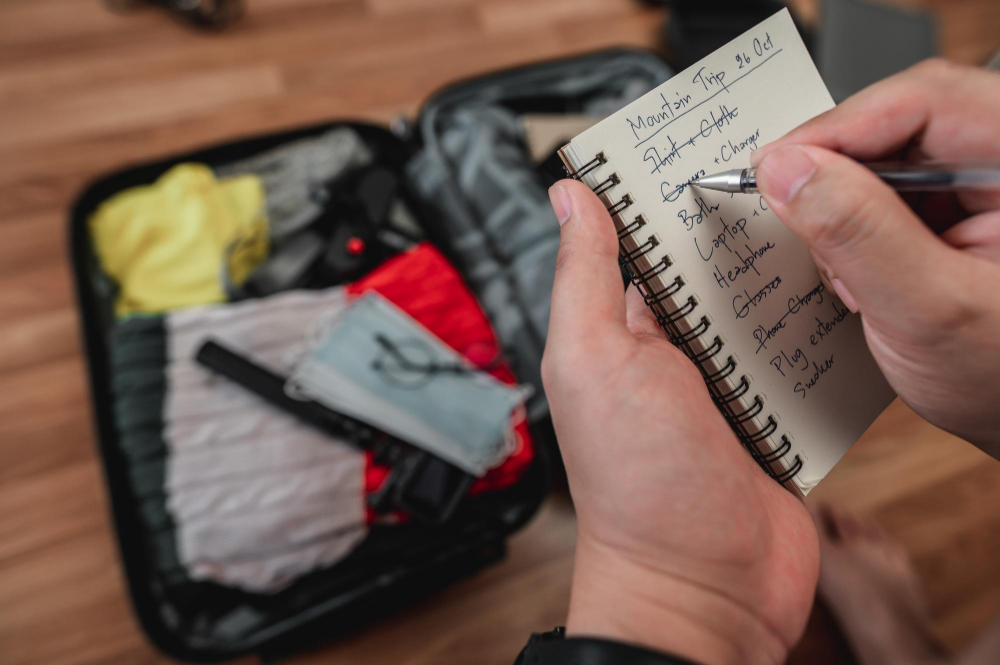
Before booking: find the airline’s published category, envelope, charge and preparation requirements for your specific item; check the per-leg cost across the whole journey; check the single-item limit in your insurance against the replacement value.
Then: book and pay for the item with the ticket, confirm in writing, pack in a hard case where the value justifies it, photograph the item packed and unpacked, follow the published preparation list, and report any damage at the airport before leaving the terminal.
The honest summary: the space for oversized items on each flight is finite and allocated when you book, the limit that catches people is length rather than weight, anything with a large battery frequently cannot fly at all, cylinders must be empty with the valve out, fuel bottles and gas cartridges should be left at home, and a valuable item in a soft bag is where insurance claims fail.
Three categories, three kinds of problem

The first is commercial and is solved by booking early. Space for oversized items is finite and allocated at booking, charges apply per item and per leg so a return with a connection is four of them, and the airport rate is a substantial multiple of the online one. On a cheap fare the equipment can cost more than the seat, which belongs in the comparison before a carrier is chosen.
The second is physical and is solved by reading the right number. Each category has its own published envelope and the binding constraint is usually length rather than weight. A long thin item is a handling problem at any weight, and an item over the envelope either is refused or has to travel as air cargo, which is a different transaction at a different terminal. Bicycles have a published preparation list that is applied at the desk, and a snow sports allowance is defined as a specific combination of board, poles and boot bag that has to be packed to match.
The third is regulatory and cannot be negotiated at all. Large batteries — electric bikes, scooters, hoverboards — are prohibited by most airlines whether or not the battery is removed. Compressed gas cylinders are accepted only completely empty with the valve out so the inside can be inspected. Fuel bottles and stoves retain vapour and are refused even when they look empty, and gas cartridges are prohibited full or empty. Sporting firearms are a separate licensing regime entirely, which this file does not address and which runs through national authorities and the airline’s specialist desk months in advance.
Before booking, find four things for your specific item on your specific airline: the category it falls into, the size and weight envelope, the charge on every leg of the journey, and the preparation requirements. Then check the single-item limit in your travel insurance against what the equipment would cost to replace, because that limit is usually well below it.
Then do it in order: book and pay for the item with the ticket and get it confirmed in writing, pack in a hard case for anything you would not want to replace, photograph it packed and unpacked, follow the published preparation list, and report any damage at the airport before you leave the terminal.
And leave three things at home. The fuel bottle, the gas cartridges, and the cylinder unless it is empty with the valve out — hiring cylinders at the destination is what most divers do anyway.
Like our content? Follow us for more.