

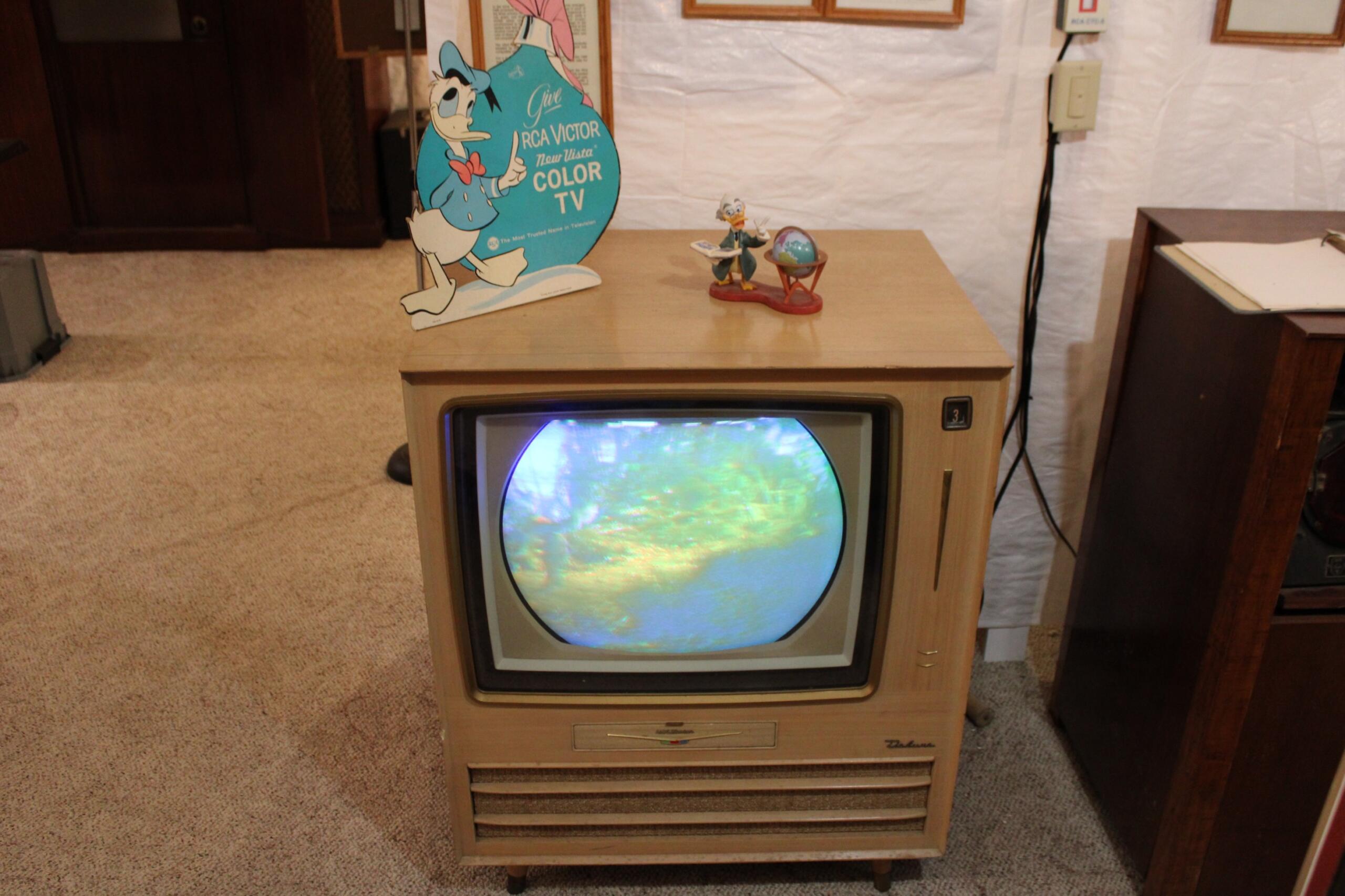
In 1968 the arrival of a colour television in an American house was an event with a date, and people still remember the date.
It cost a startling amount of money, it came in a wooden cabinet standing on its own legs, and it took the better part of a minute to come on. It had controls for colour intensity and hue that nothing could set correctly on its own, the picture drifted all evening, and one person in every family was the one who got up and fixed it while everybody else shouted advice.
Neighbours came to watch. The old black-and-white set went to a bedroom. And the reason the colour never stopped drifting was a decision made years before anybody bought one. Here are fourteen things every American family remembers.
Like our content? Follow us for more.
1. It Cost a Genuinely Startling Amount of Money
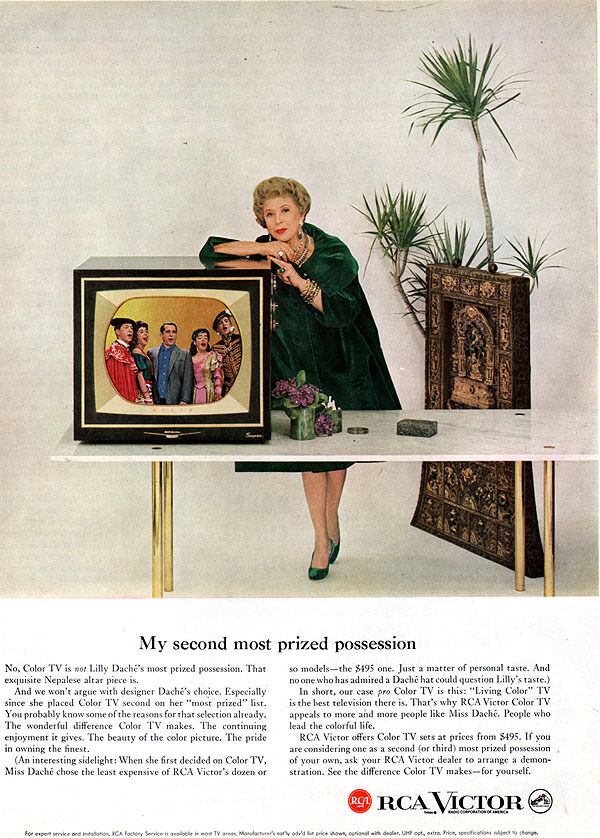
A colour set in the middle 1960s represented a very large purchase – a substantial fraction of a household’s annual income for the better models, and more than many families spent on anything except a car.
A television costing a small fraction of a week’s wages, bought casually, frequently as a replacement for a working set, and in most households not the only one.
The price explains everything else about how the thing was treated. A purchase at that level was financed, insured, positioned carefully, protected from children and discussed with neighbours – and it is why a colour set was not simply bought but acquired, as an event with a date people remember.
2. The Decision Took Months and Involved Everybody
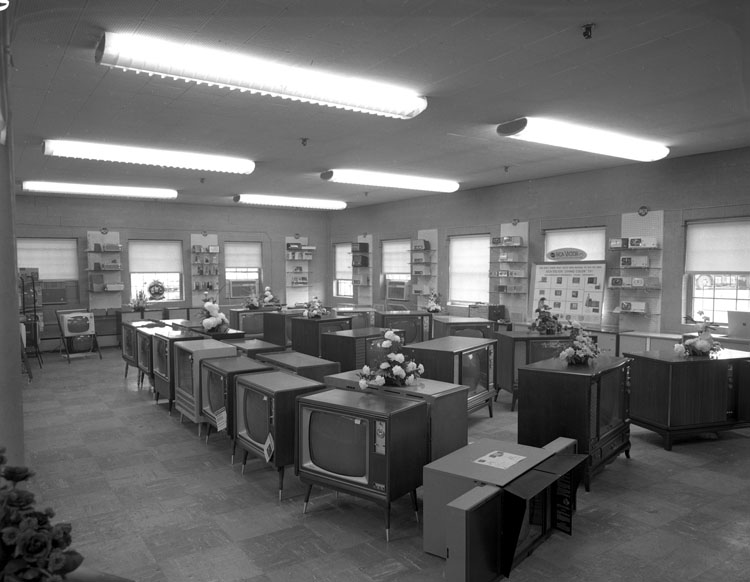
Buying one was a household project: looking at sets in stores over weeks, comparing screen sizes and cabinets, working out terms, consulting people who already had one, and arriving at a decision slowly.
A purchase made in minutes, frequently without seeing the object, chosen on specifications read on a screen.
The slowness came from the stakes and from genuine uncertainty. Sets differed substantially in picture quality and reliability, the technology was new enough that opinions mattered, and the money involved meant a bad choice could not be corrected for years.
3. The Set Was Furniture, Not an Appliance
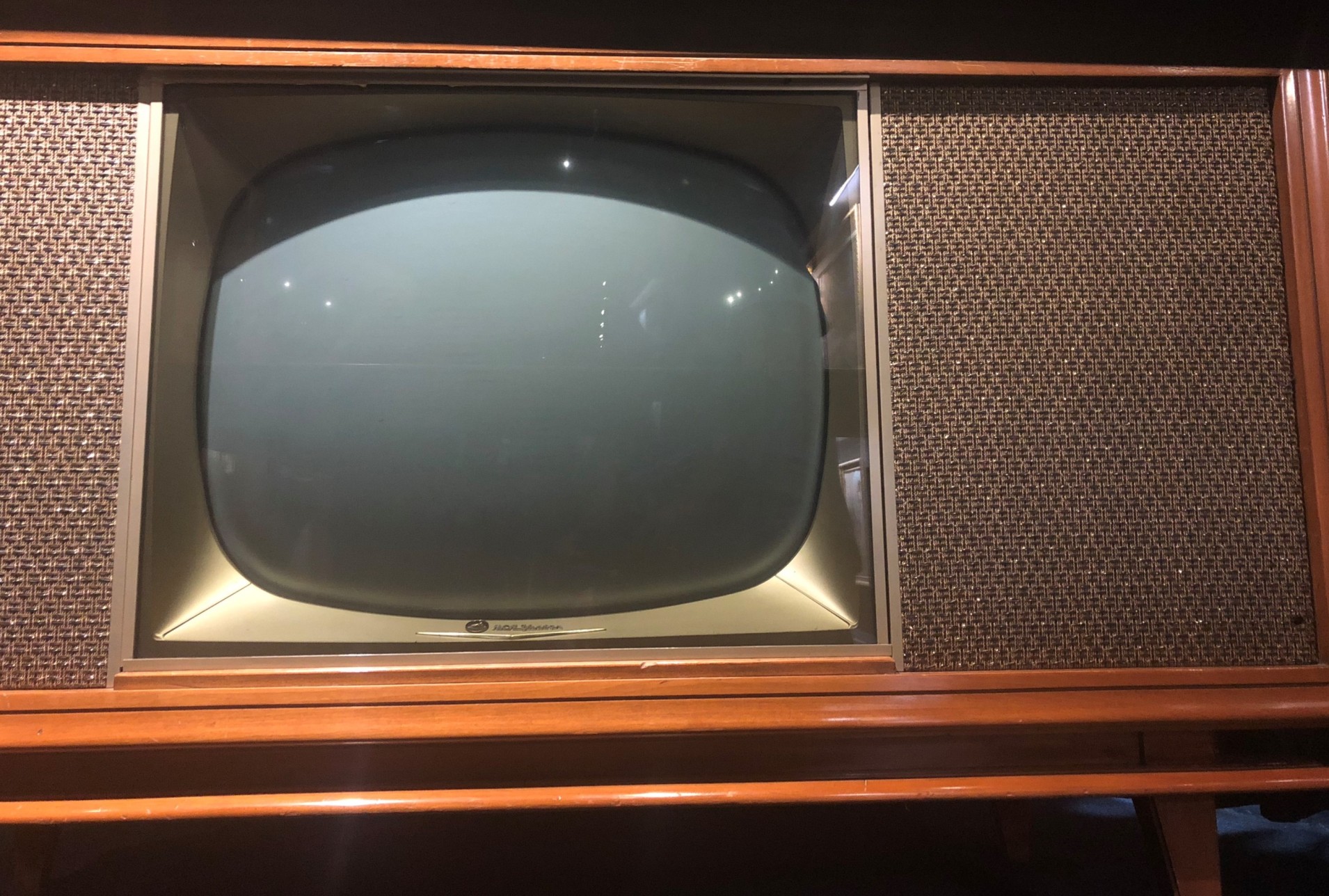
Most colour sets arrived in a wooden cabinet standing on its own legs, finished to match a living room, with doors on some models and a fabric-covered speaker grille – a piece of furniture containing a screen.
A panel hung on a wall or standing on a slim base, designed to disappear visually and occupying no floor area at all.
The cabinet existed for a reason beyond taste. The electronics were large, heavy and hot, the picture tube was enormous and deep, and all of it needed a ventilated box – so the designers made the necessary box into furniture, which is why a 1968 set is a sideboard and a modern one is a sheet of glass.
4. There Were Three Separate Colour Controls and You Used All of Them
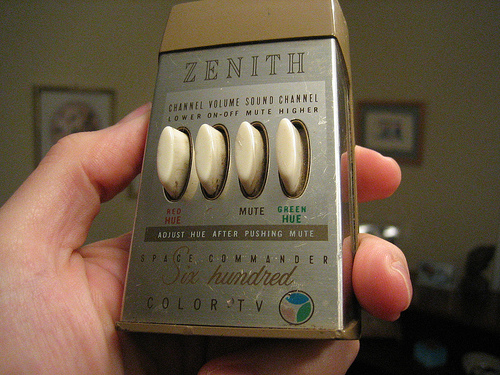
Besides brightness and contrast, a colour set had controls for the intensity of the colour and for its hue – and setting a picture correctly meant balancing several of them against each other by eye.
Automatic adjustment, with the equivalent controls buried in menus most people never open and set adequately at the factory.
Which made watching television a small ongoing technical task. There was no correct setting the set could find on its own, so every household arrived at its own compromise – and a visitor could tell instantly that somebody else’s television was set wrong, because it was.
5. The Colour Drifted and Somebody Was Always Fixing It
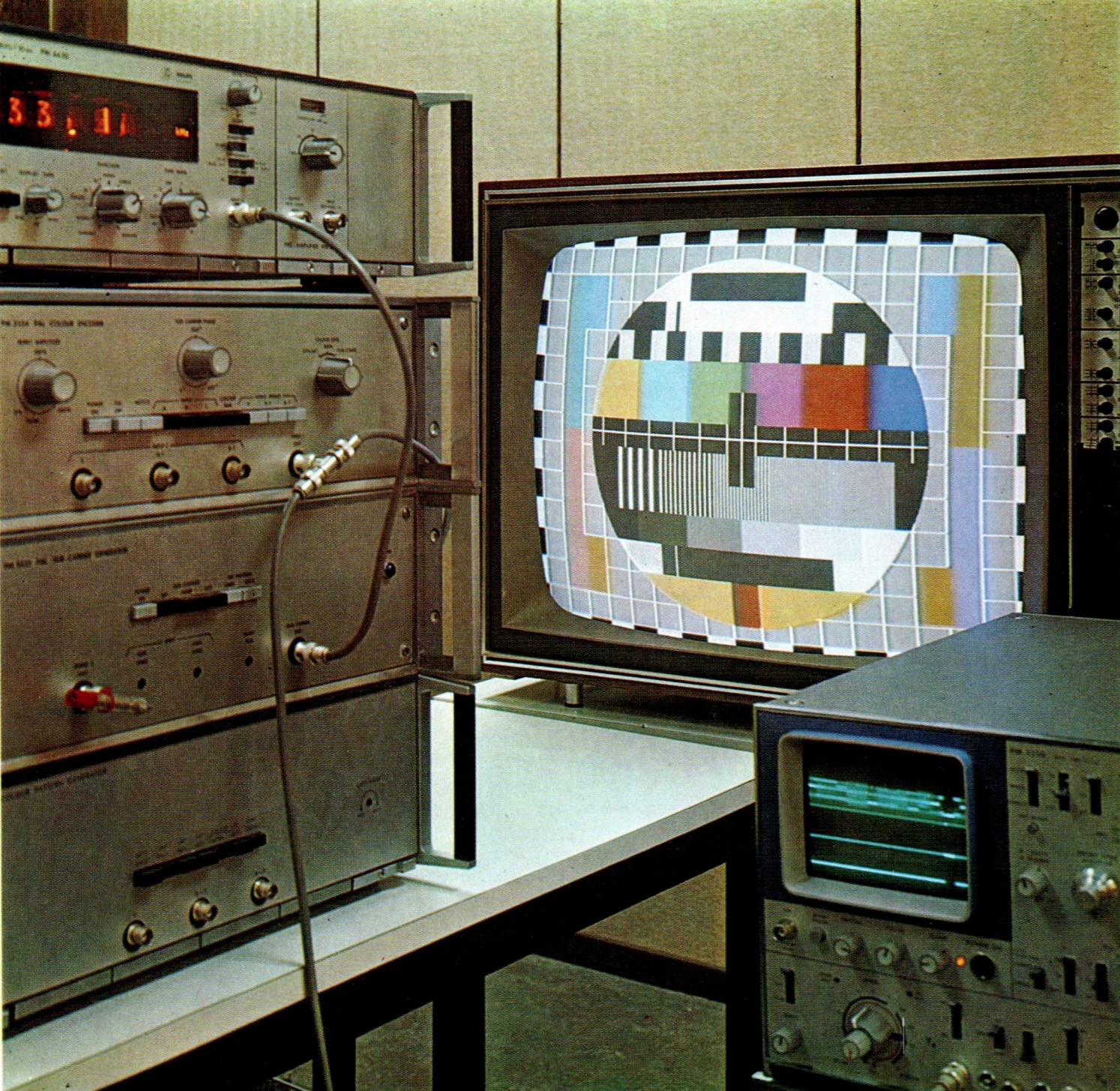
Colour accuracy wandered – with warm-up, with the hours of use, with the particular broadcast, with the age of the components – so the picture required periodic correction, usually by whoever cared most.
Stable colour that does not drift within a session or across years, needing no intervention of any kind from the viewer.
The drift created a household role. One person in the family was the one who adjusted the television, and that person did it several times an evening, standing up and crouching at the front of the cabinet while everybody else gave contradictory instructions.
6. Faces Were the Test, and They Went Green or Orange
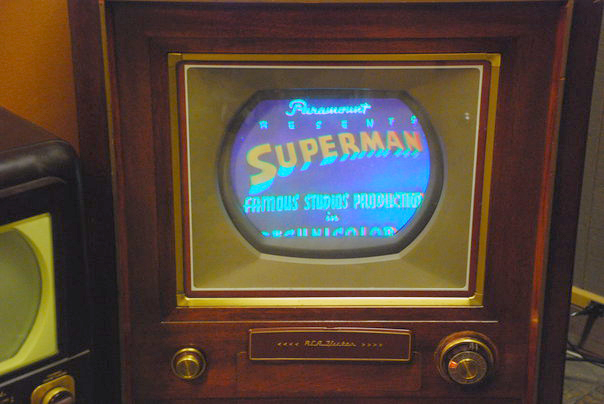
The universal reference for a correct picture was skin, because everybody knows what a face should look like – and a mis-set colour control produced people who were visibly green, orange or sunburnt.
Automatic correction that holds skin tones steady, with the whole category of visibly wrong-coloured faces having disappeared from ordinary viewing.
Faces were used because nothing else gives the eye a reliable anchor. Grass can be any green and a shirt can be any blue, but a human face is a narrow target that everybody can judge instantly – so the adjustment was always made on a close-up and never on a landscape.
7. Somebody Announced That the Programme Was in Colour

Broadcasts carried a spoken or captioned announcement that what followed was being presented in colour, delivered as genuine news, because for most of the audience it was not.
Nothing, obviously – and the announcements survive as the single most dated-sounding artefact of the whole period, precisely because they were not nostalgic at the time.
The announcement was commercially necessary rather than decorative. Networks and advertisers had invested heavily in colour production and needed the audience to know which programmes justified buying a set, so the fact was stated explicitly and repeatedly for years.
8. Only Some Programmes Were in Colour, and You Planned Around Them
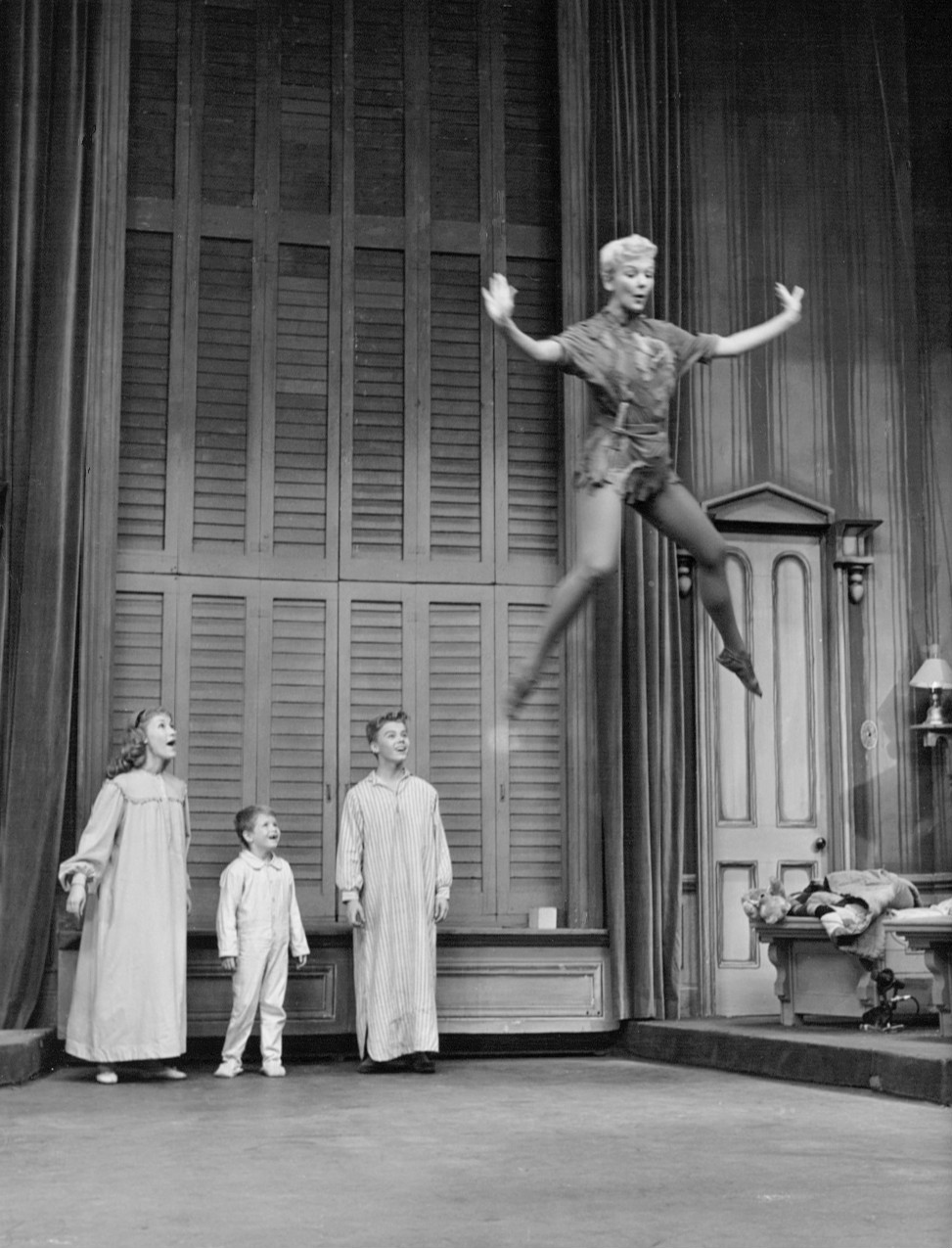
Through the middle 1960s a schedule was mixed – some shows in colour, some not, with listings marking which was which – so a household with a new set sought out the colour broadcasts deliberately.
Universal colour, with the distinction so completely gone that listings have carried no such marking for decades.
This produced a brief and specific behaviour that lasted only a few years. A family that had just spent an enormous sum wanted to see the thing they had paid for, so programmes were chosen partly on whether they would demonstrate the purchase – which is a peculiar basis for watching television and everybody did it.
9. It Took Time to Come On, and the Colour Arrived Last
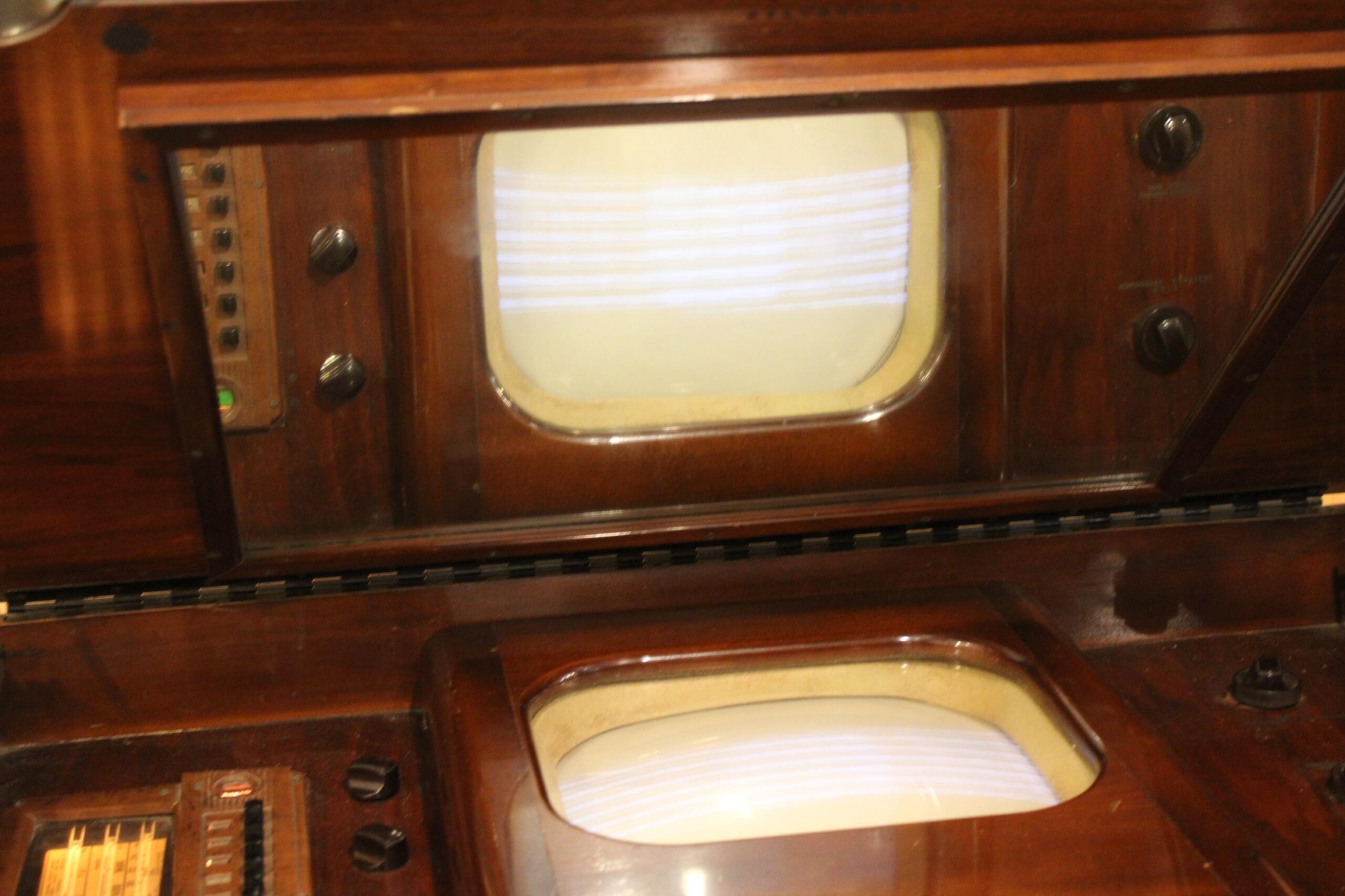
Switching on produced sound first, then a dim picture, then a full one, over something between ten seconds and a minute – and on many sets the colour settled noticeably after the picture had.
Instant display from standby, or a few seconds from cold, with no warm-up sequence and nothing arriving in stages.
The delay was inherent to how the set worked, since heated components have to reach temperature before anything functions – and it meant that turning on a television was a thing you did slightly in advance, which is why people switched it on and then went to get something.
10. The Edges Got Coloured Fringes When It Drifted
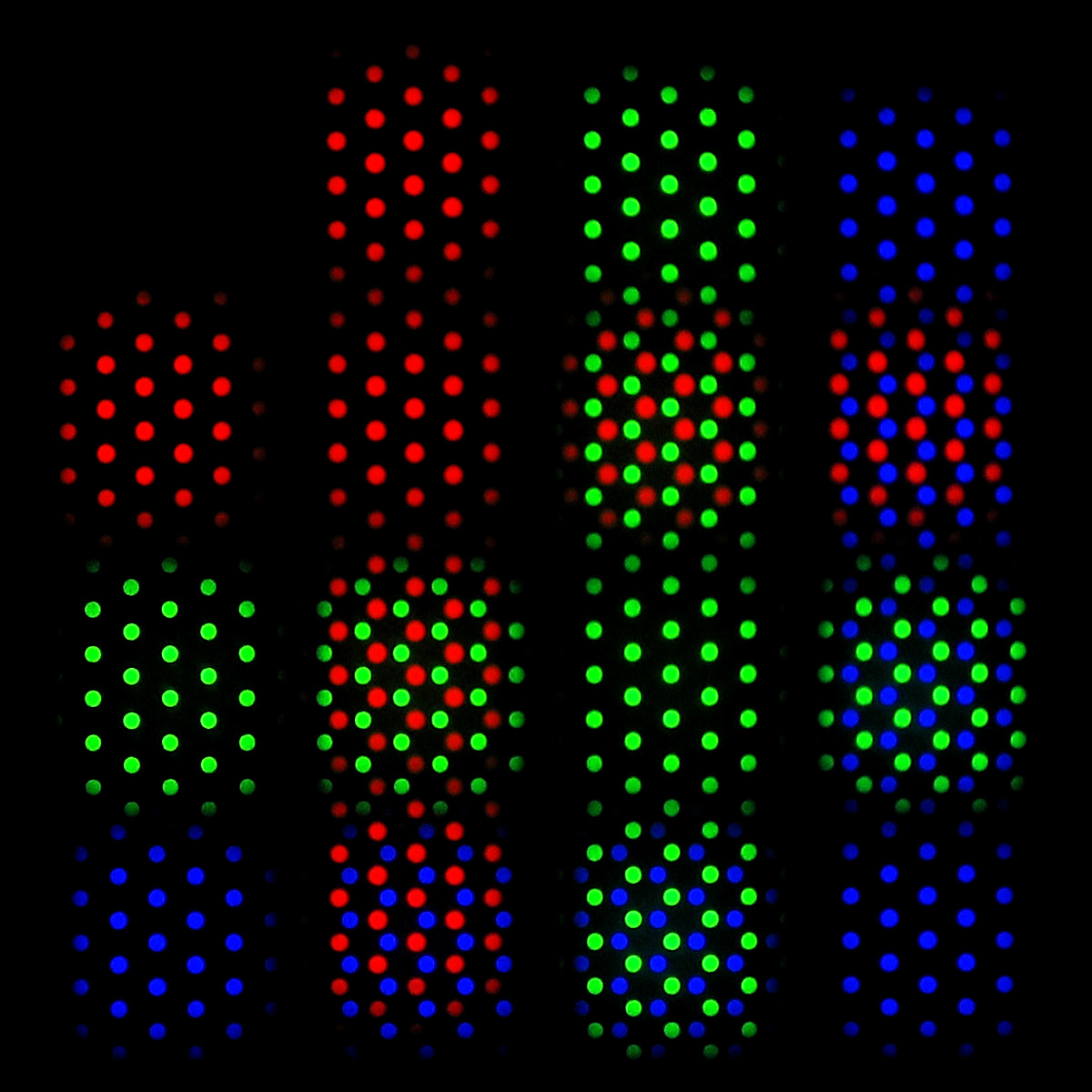
A colour picture tube paints the image three times, in three colours, and if the three are not aligned precisely the edges of objects show coloured outlines – red on one side of a white line and blue on the other.
Nothing, because the three-beam architecture that caused it is gone entirely and modern displays have no equivalent alignment to lose.
Misalignment came on gradually over years, which meant households stopped noticing their own. Somebody would visit, see an obvious coloured fringe on every caption, say so, and get told that the television was perfectly fine – which it had been, four years earlier.
11. The Picture Tube Was the Expensive Part and It Faded
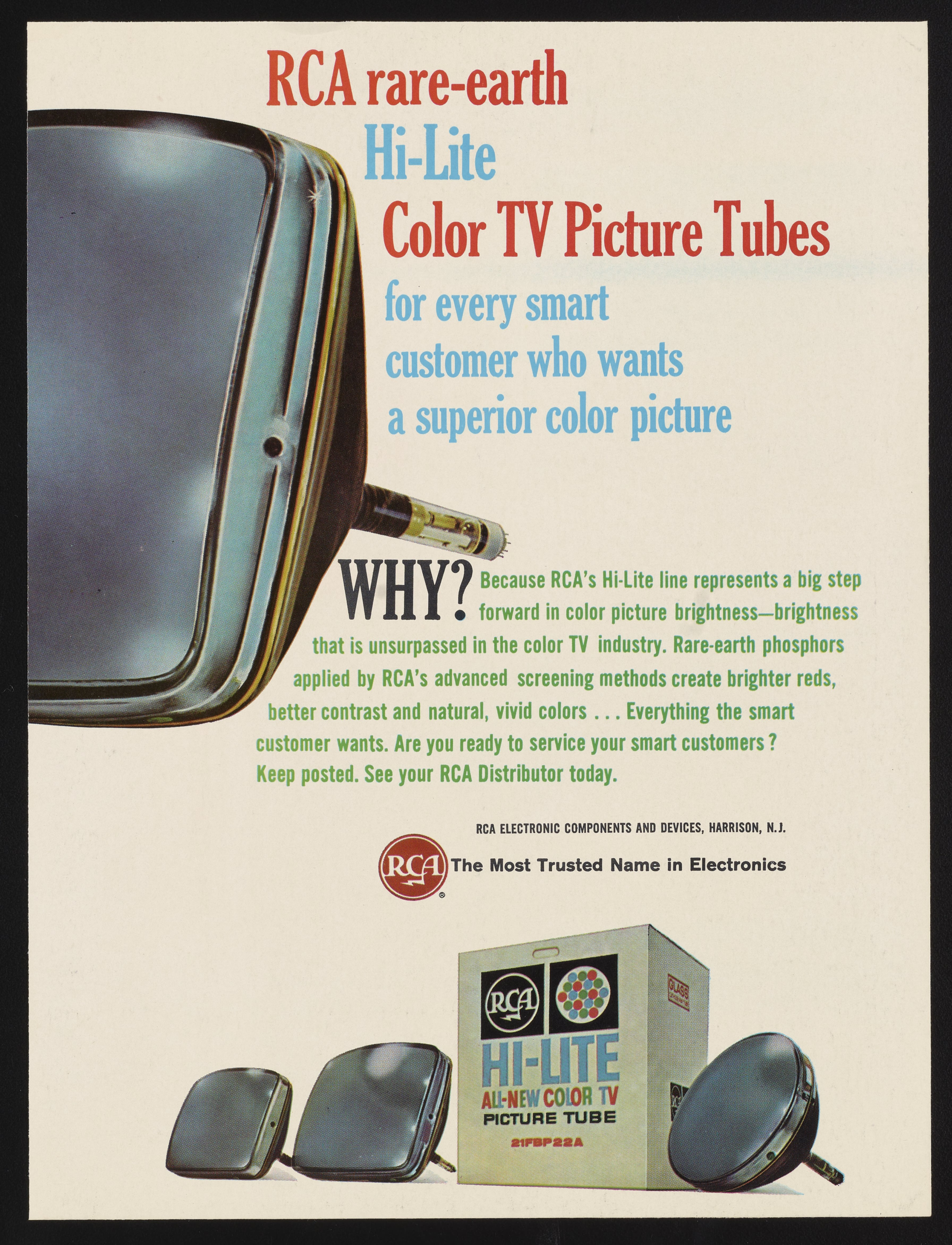
The tube was the single most costly component, it was enormous and heavy, and its brightness declined with use – so an old set went dim and lost colour depth even when everything else worked perfectly.
Panels whose backlighting also declines, far more slowly, over a life long enough that most sets are replaced for other reasons long before brightness becomes the problem.
Tube fade is why so many colour sets ended up as second televisions rather than as repairs. Replacing the tube cost a large share of the price of a new set, so a faded one got demoted to a bedroom and something brighter was bought for the living room.
12. Neighbours Came to Watch
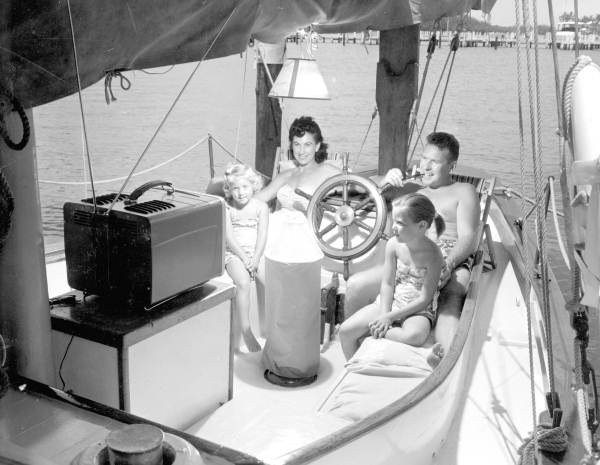
In the first few years the household with a colour set received visitors for specific broadcasts – a sports event, a holiday special, a parade, a space launch – and the living room filled up with people from the street.
Nothing comparable. Shared viewing of a scarce screen has no modern equivalent, since screens are not scarce and the sharing happens through the broadcast rather than in a room.
It is a short-lived phenomenon worth recording because it only works during the transition. Before colour, nobody visits to watch television; after it is universal, nobody needs to – so there is a window of about five years in which a colour set made a household briefly into a venue.
13. The Old Set Did Not Leave the House
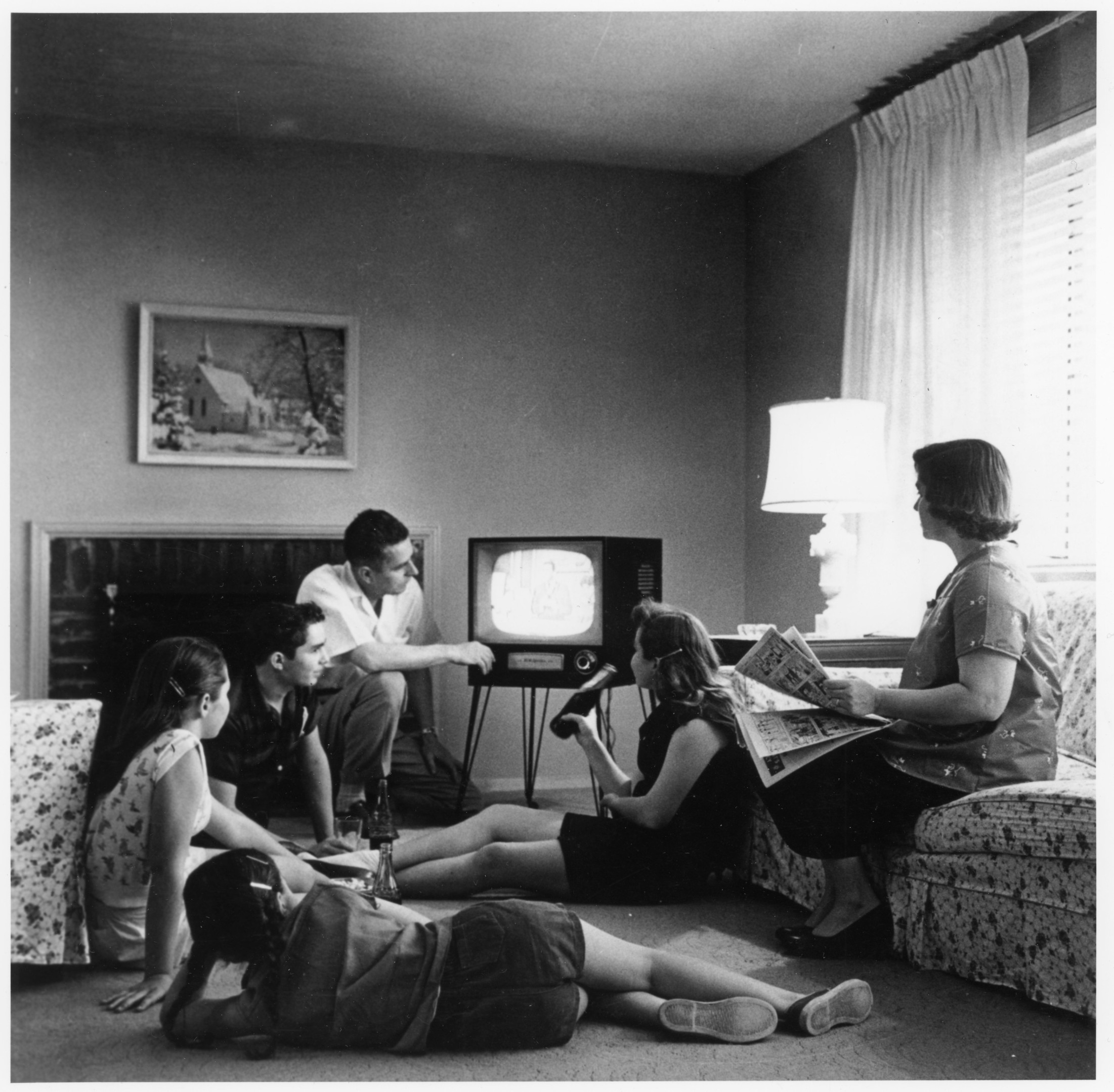
The black-and-white television was not sold or discarded. It moved – to a bedroom, a kitchen, a basement or a workshop – becoming the household’s second set and frequently working for another decade.
The same migration, with the displaced set usually going to a bedroom, a garage or a guest room, which is the one item on this list that has survived essentially unchanged.
And it was how most American households came to own two televisions. The second set did not arrive as a purchase but as a leftover, which is why the arrival of colour and the arrival of multi-set households were the same event.
14. Then It Turns Out the Colour Was Deliberately Compromised
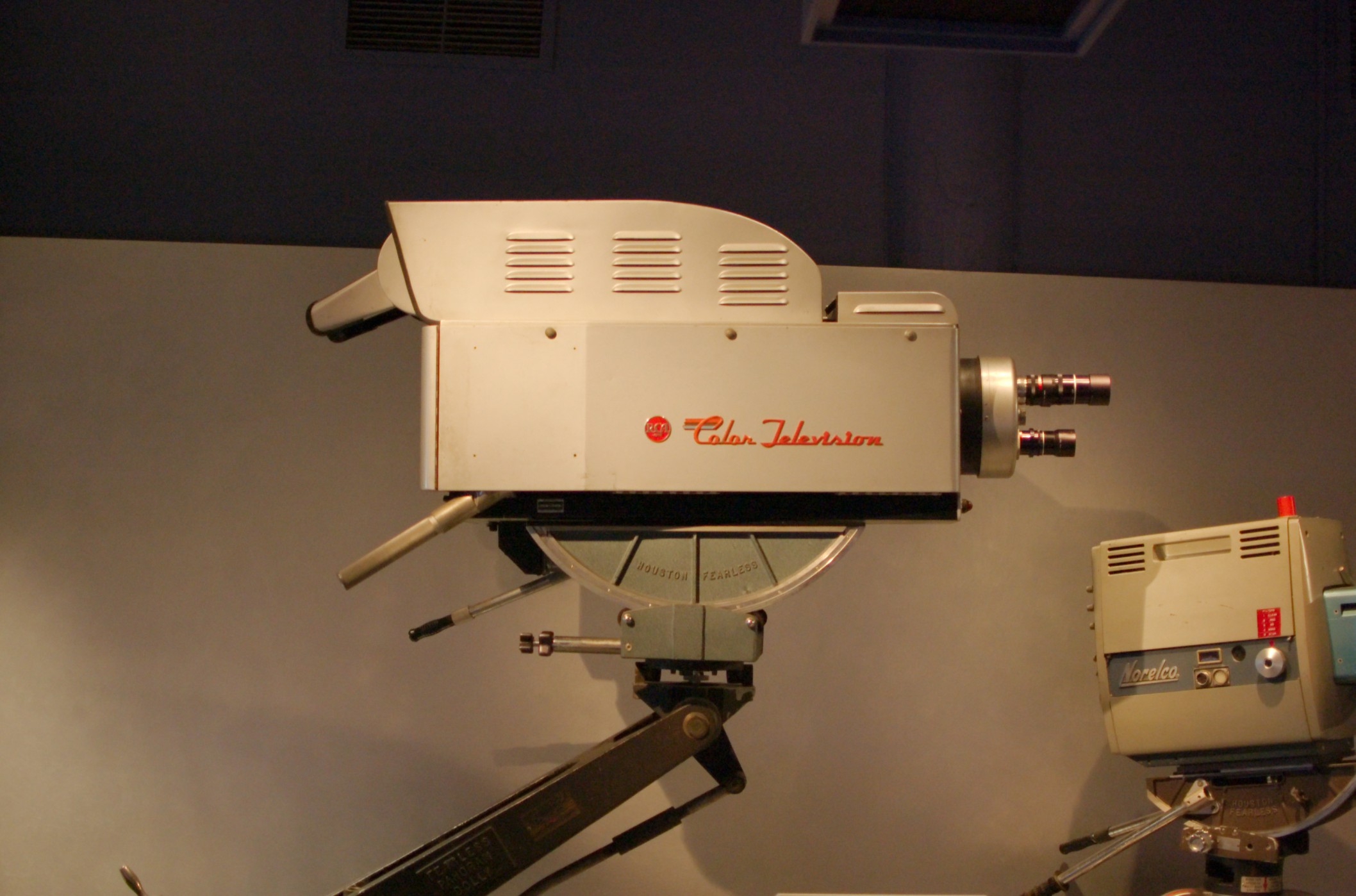
The colour picture was the result of an engineering decision made years earlier under one overriding constraint: the new colour broadcasts had to produce a perfectly normal picture on the millions of black-and-white sets already in American homes.
A system with no such obligation, in which a new broadcast standard is simply incompatible with old equipment and viewers are expected to replace it – which is why picture quality has improved in steps rather than being held back.
And that constraint is why American colour behaved the way it did for forty years. Rather than broadcasting a fresh signal that older sets could not use, the colour information was tucked into the existing black-and-white signal in a way those sets would simply ignore – so an old television saw a normal picture and a new one extracted the colour from the gaps. It worked, and the cost of making it work was a colour signal squeezed into space that was never designed for it: limited, fragile, prone to drifting hue, and the reason every colour set in the country needed a tint control and somebody to keep turning it. Which is a remarkable thing to have chosen. An entire nation accepted four decades of unstable colour so that nobody who had already bought a television would be left with a useless one – and almost nobody watching their father crouch in front of the cabinet at seven in the evening knew that was what they were looking at.
Four Decades of Bad Colour, on Purpose
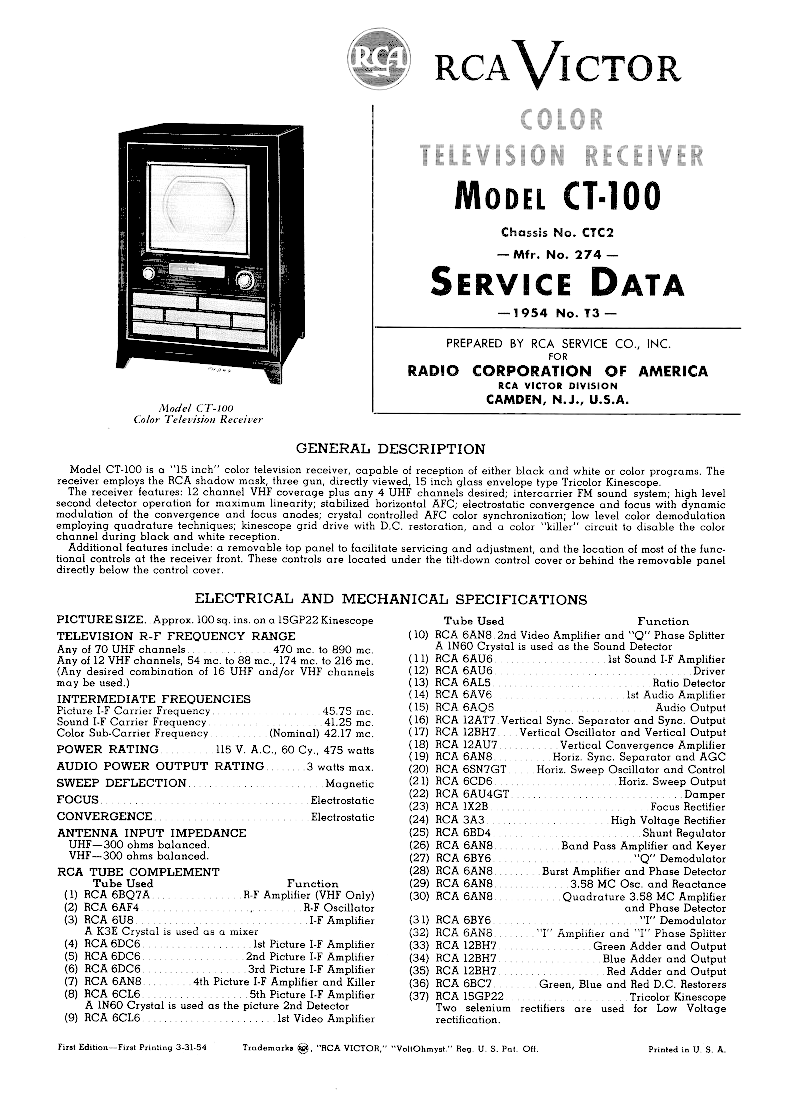
There is a detail about American colour television that explains nearly everything people remember about it, and it was invisible at the time.
The colour was deliberately compromised, as a design choice, to protect people who had not bought it.
Here is the problem the engineers were handed. By the time colour broadcasting was ready, American households already owned tens of millions of black-and-white televisions. Those sets were expensive, they were new, and they worked. Any new colour broadcast that those sets could not display would turn every one of them into furniture overnight.
There were two ways out. Broadcast a separate, properly designed colour signal and accept that existing sets could not receive it – which gives the best possible picture and strands the installed base. Or hide the colour inside the existing signal, in such a way that an old set would simply not see it.
The second path was chosen, and it worked. The colour information was tucked into the existing black-and-white transmission in the spaces where it would not disturb anything, so a 1952 television receiving a 1968 colour broadcast showed an ordinary, correct, black-and-white picture and knew nothing about it. A colour set, receiving exactly the same transmission, pulled the colour back out of the gaps.
That is a genuinely elegant piece of engineering and it carried a permanent cost.
The colour was squeezed into space that had not been designed to hold it. There was not much room, the information was fragile, and it was vulnerable to everything – the strength of the signal, the quality of the set, the age of the components, the temperature of the room. Which is precisely why an American colour television needed a hue control at all, and why that control needed turning several times an evening, and why one person in every household became the one who did it.
Everything people remember about early colour – the green faces, the orange faces, the drift, the crouching in front of the cabinet, the arguments about whether it was right – traces back to a decision made before most of those households had bought a set.
And the decision was not a mistake. It was a choice to accept a worse picture, permanently, so that nobody who had already spent serious money on a television would be punished for having bought it early. That is close to the opposite of how new standards are introduced now, where incompatibility is the normal cost of improvement and replacement is the expected response.
So an entire country watched forty years of slightly unstable colour, for the sake of people who had bought a television in 1953.
Nobody shouting at their father to leave it alone, it was fine before, had any idea that was what the argument was about.
If you were there, you remember who in your family was allowed to touch the colour control, and who was not.
And you remember that the old set went upstairs and kept working for years.
Like our content? Follow us for more.

