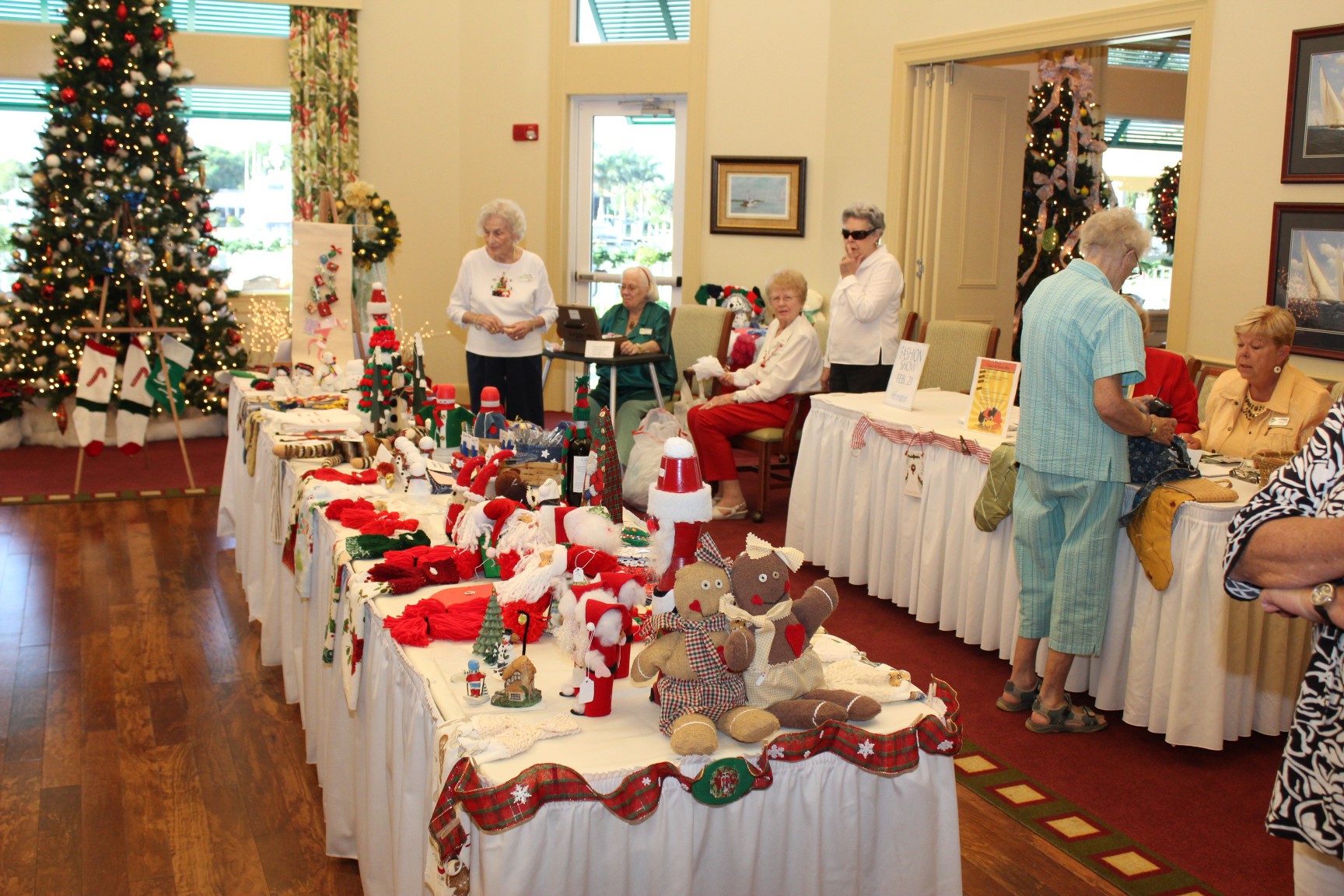
In 1974 an American church bazaar was a shop that existed for one afternoon a year, and everything in it had been made by the congregation’s women in the preceding fifty-one weeks, to a plan, with a committee tracking what was coming.
The fancy work table priced forty hours of crochet at a few dollars. The preserves carried the maker’s name on the label, and people bought a particular woman’s pickles. The baked goods were stripped in the first hour. And the money went into a cigar box and was counted on a table in front of everybody.
Here are sixteen things every American church bazaar sold in 1974, and what happened to each of them.
1. The Stock Had Been Made Over the Previous Twelve Months
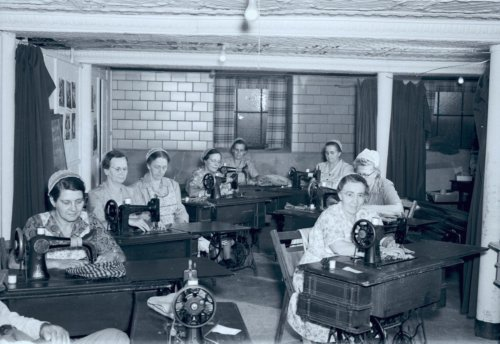
The bazaar was a shop that existed for one day a year, and everything in it had been produced by the congregation’s women in the fifty-one weeks beforehand – deliberately, to a plan, with a committee tracking what was coming.
Purchased goods, catalogue fundraising, online auctions and direct appeals. The idea of a year of unpaid skilled production being converted into institutional cash in a single afternoon has no modern equivalent.
Which makes it a manufacturing operation rather than an event. A guild of thirty women producing through the year, meeting monthly, assigning who makes what, is a supply chain with a production schedule – and the bazaar was simply the day the inventory was sold.
Like our content? Follow us for more.
2. The Fancy Work Table Was the Serious Money
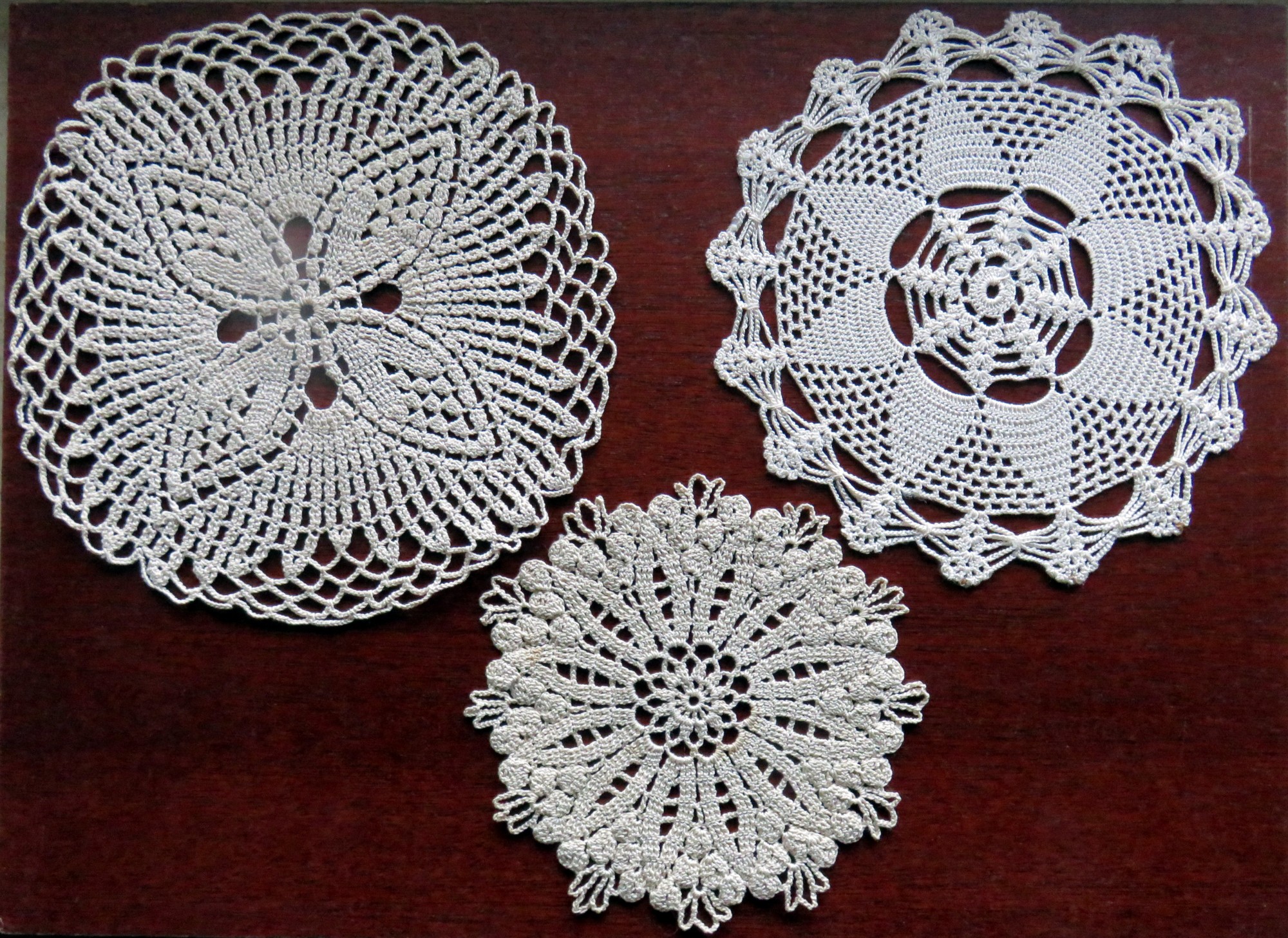
Hand-worked goods occupied the best table: crocheted doilies and edgings, knitted baby sets, embroidered pillowcases and tea towels, tatted lace, quilted potholders, aprons, crocheted afghans and knitted slippers.
Mass-produced equivalents at a fraction of the price, and genuine handwork sold online at prices reflecting the hours in it. The table priced a week of skilled work at a few dollars.
And the pricing was the whole problem, acknowledged at the time. A crocheted afghan represents perhaps forty hours. Priced at what the congregation would pay, it returned a few cents an hour – which the women knew perfectly well and did anyway, because the point was the institution rather than the rate.
3. The Country Store Sold What People Had Put Up
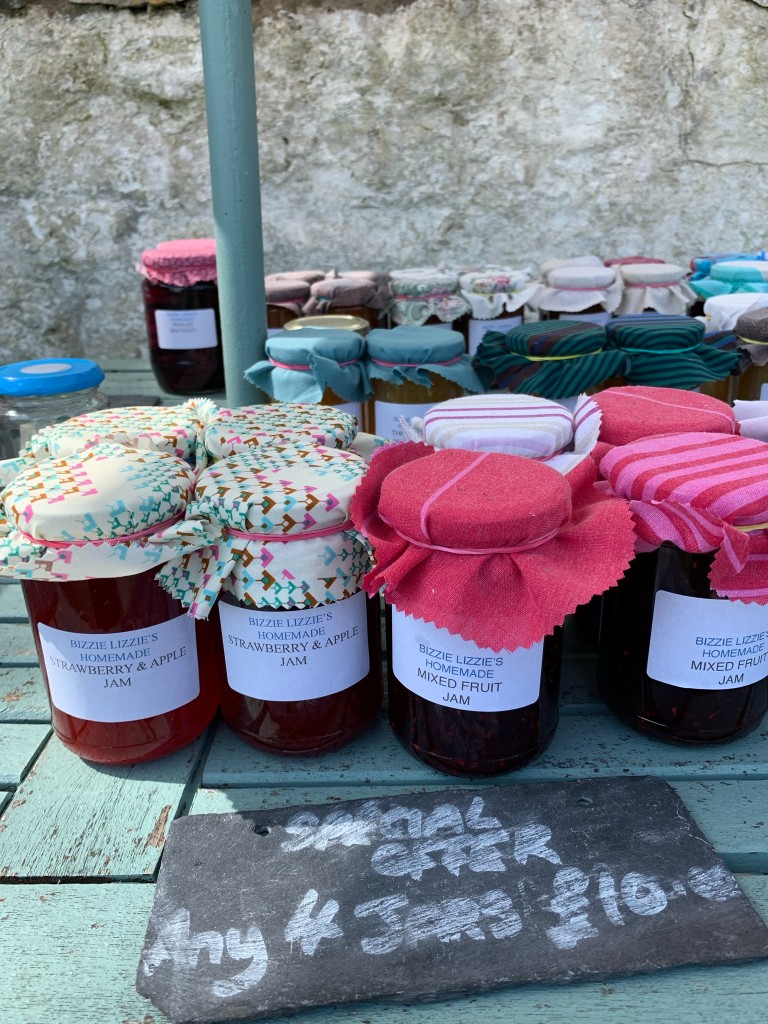
A separate table carried preserves: jams, jellies, pickles, relish, chow-chow, apple butter, canned fruit and in rural congregations eggs, honey and garden produce – in labelled jars with the maker’s name on them.
Commercial preserves, farmers’ markets and small producers selling at cost-reflective prices. Cottage food rules now govern what may be sold and how it must be labelled, which the church table predated entirely.
The maker’s name on the label was the product. People bought a particular woman’s bread-and-butter pickles, specifically, having had them before, and a jar with the wrong name on it was a different purchase – which is brand loyalty operating at a scale of about forty jars.
4. The Baked Goods Sold Out in the First Hour and Everybody Knew Why
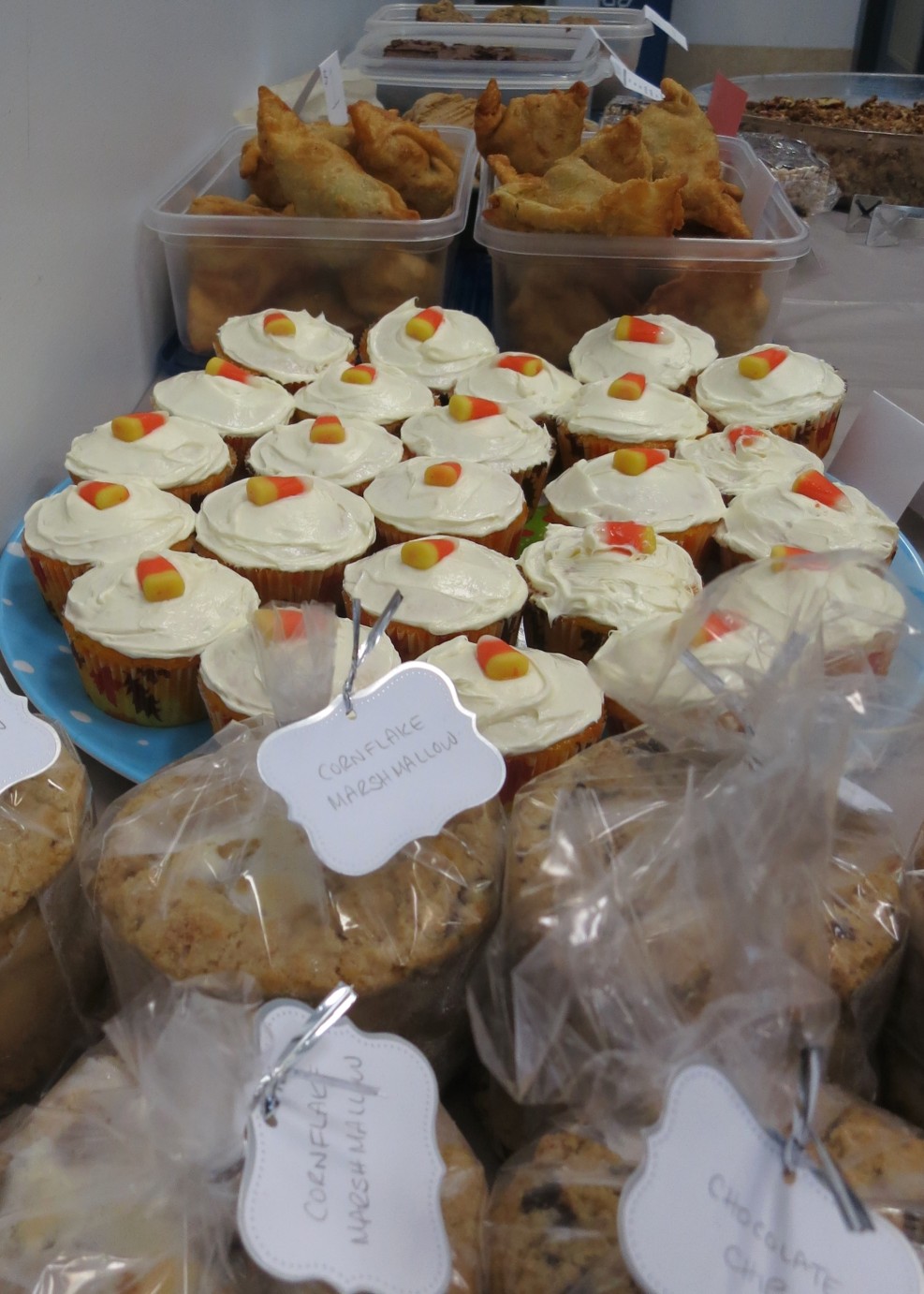
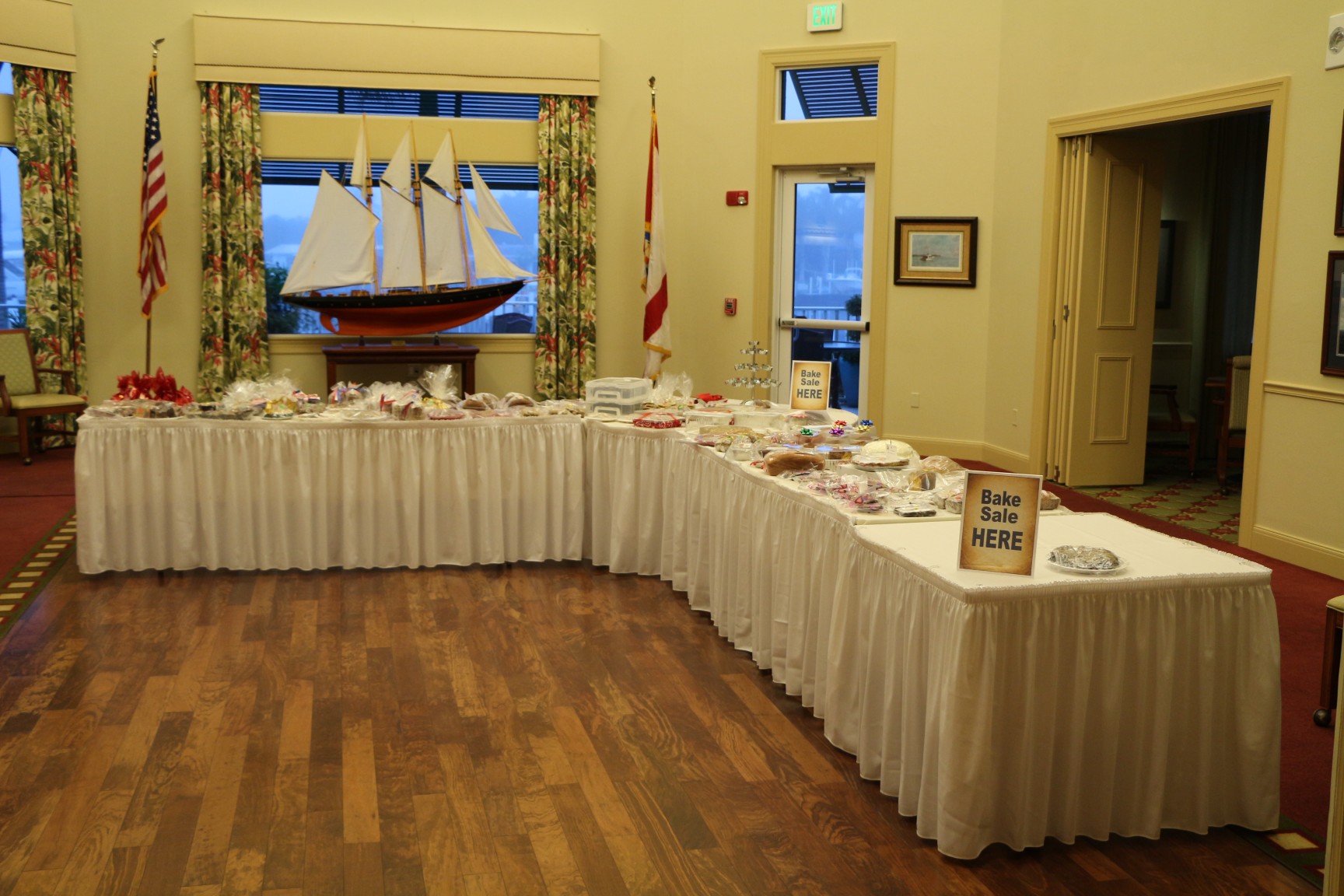
Cakes, pies, breads, rolls, cookies and candy were brought in that morning, put on a table and sold – and the table was stripped before the bazaar was properly open.
Bake sales still happen, now subject to food handling rules in many jurisdictions and considerably reduced. The early sell-out was a fixed feature and it was about reputation.
Buyers were not purchasing cake, they were purchasing a named woman’s cake, and the hierarchy was precise and publicly known. Certain pies were spoken for before they arrived, people arrived early specifically for one item, and the woman whose cake went first had a standing in that congregation that nothing else conferred.
5. The White Elephant Table Was the Congregation’s Own Surplus
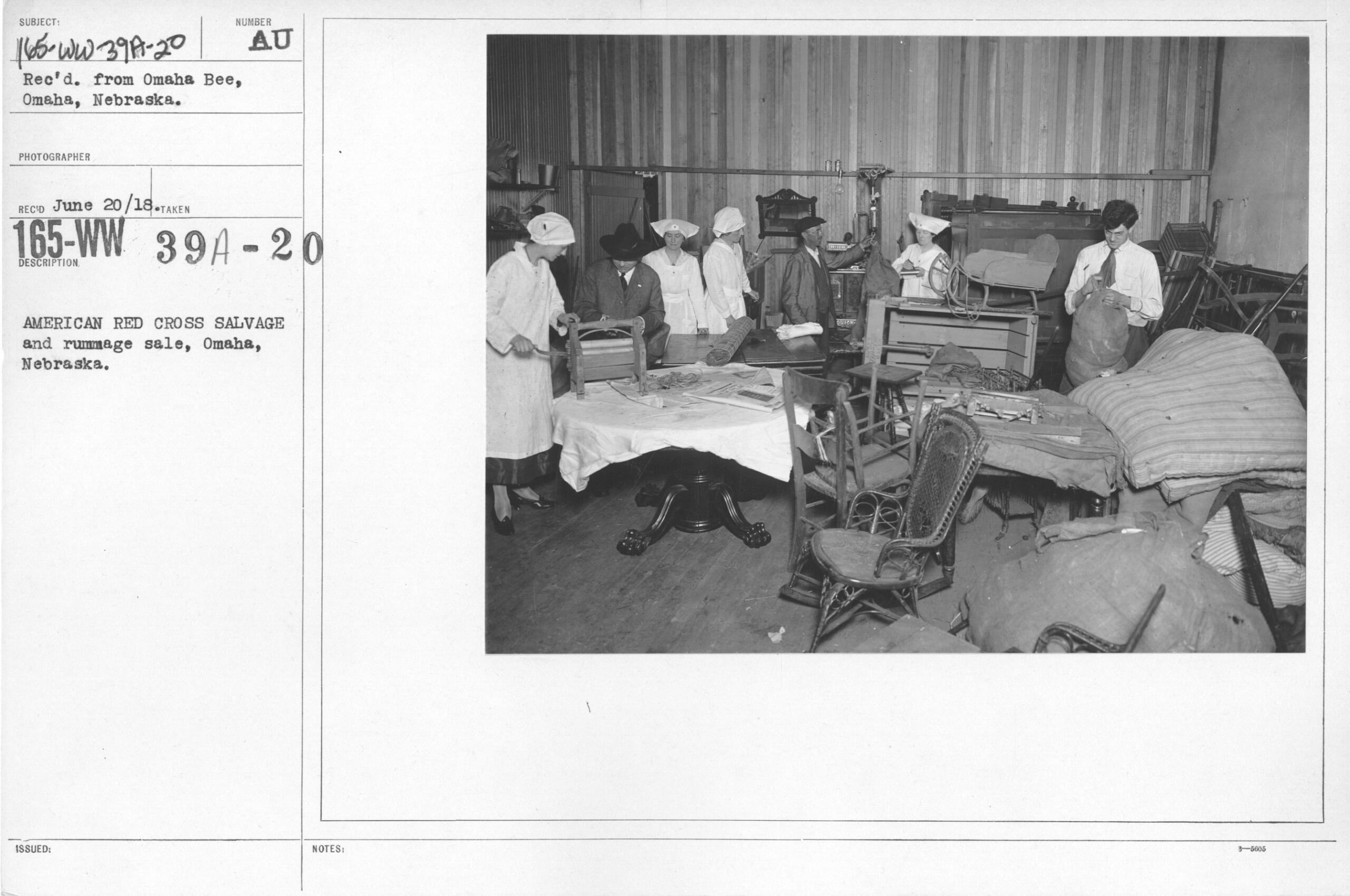
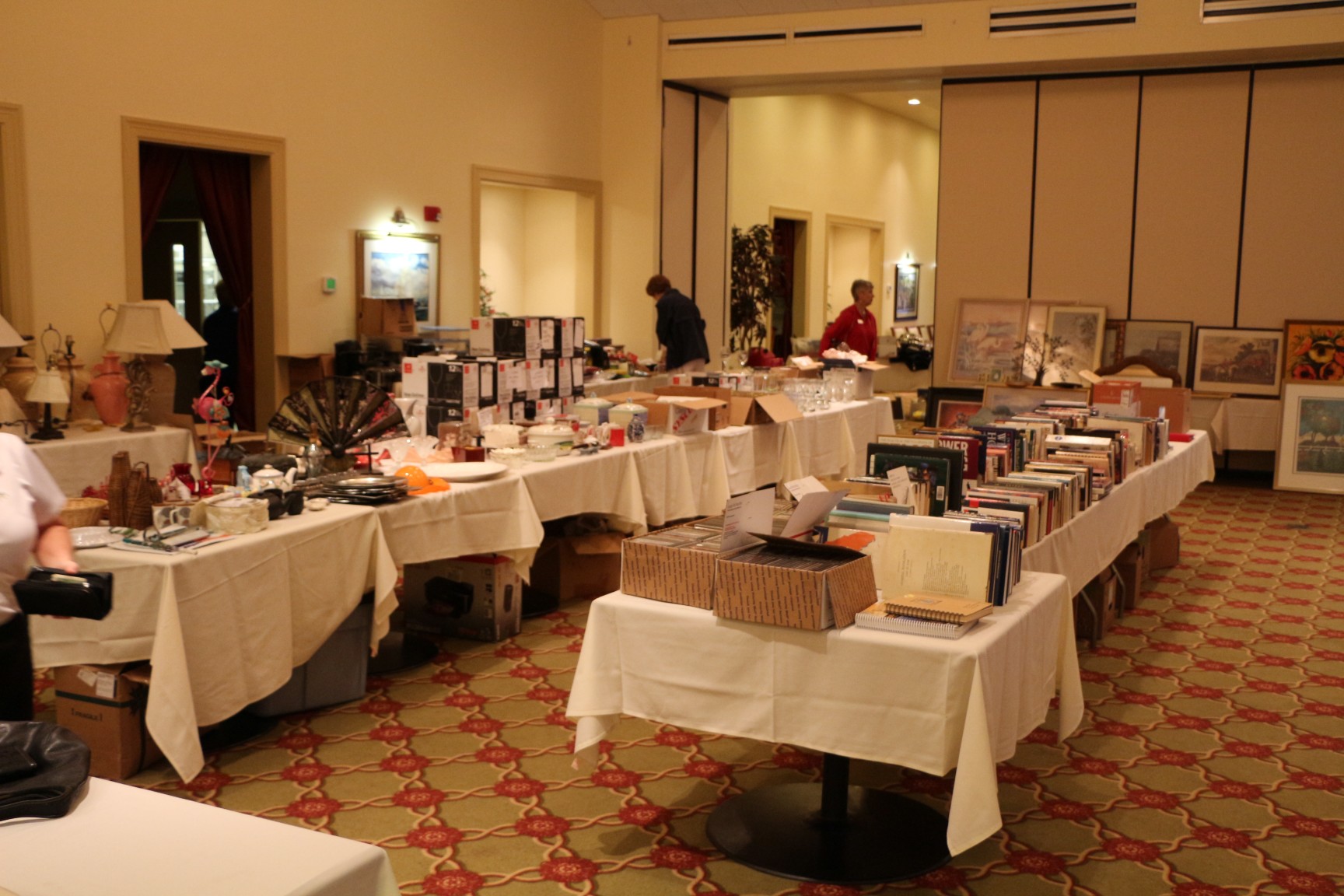
One table held donated household goods – china, ornaments, vases, picture frames, kitchenware, linens, small appliances and the gifts people had been given and never used.
Thrift stores, consignment, online marketplaces and charity shops that do this continuously and professionally. The one-day table was a periodic clearing of a closed community’s accumulated surplus.
It was also, discreetly, a redistribution system. Everybody present knew roughly which household had donated what, and everybody present knew which households were buying it cheaply because they needed it – and the convention was that nobody said so.
6. The Quilt Was Raffled Rather Than Sold
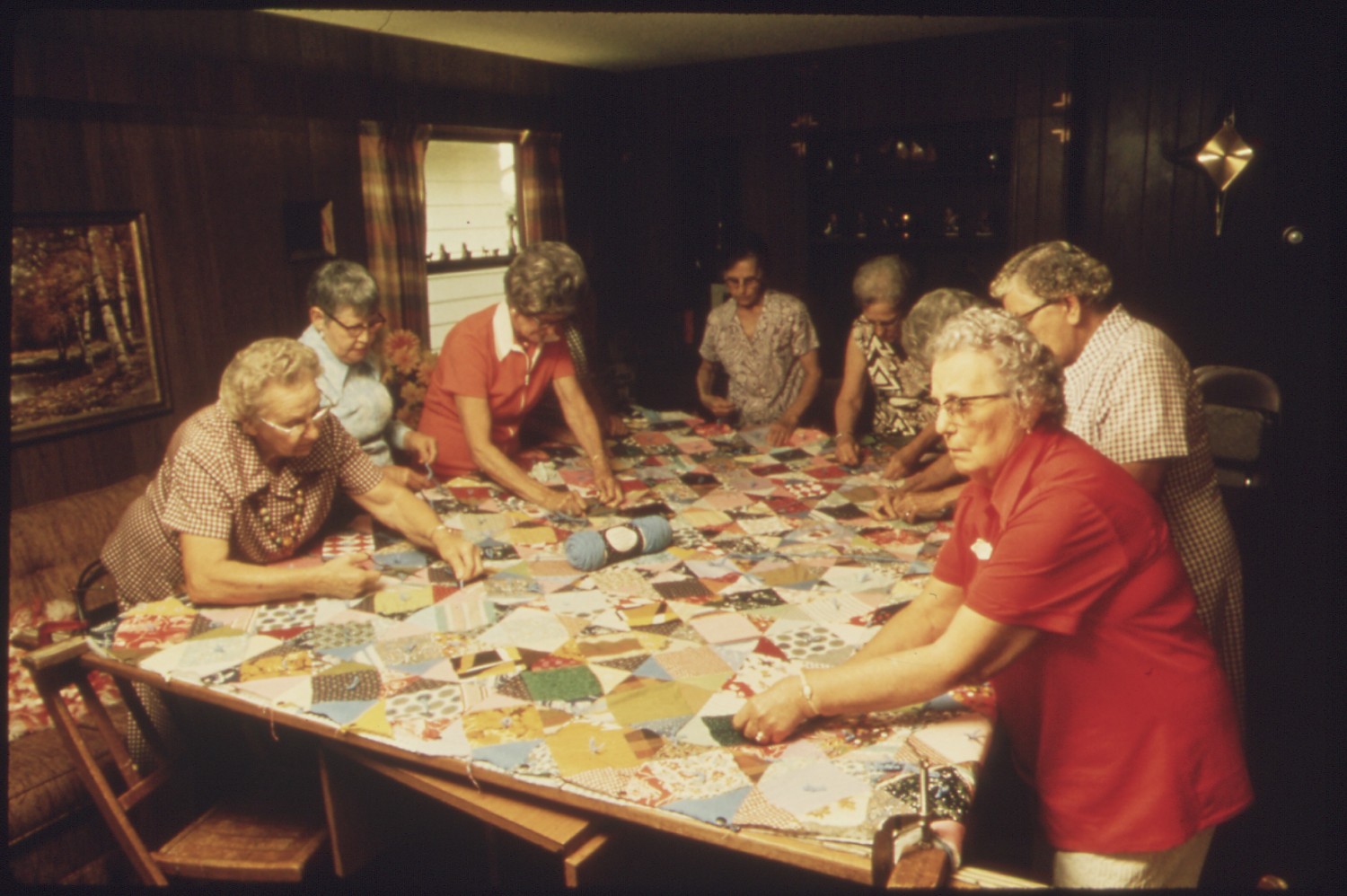
The single most valuable item – a full-size quilt, pieced and quilted by a group over months – was not priced. Tickets were sold for it over weeks, and the draw happened once the sale closed.
Raffles still exist and are regulated as gambling in many jurisdictions, with licensing, record-keeping and restrictions that a church table in 1974 did not consider.
The reason for raffling rather than selling is straightforward arithmetic. A quilt representing two hundred collective hours cannot be sold for what it is worth to anybody in that congregation – but two hundred people will each pay for a ticket, and the total exceeds any price the object could command.
7. Pricing Was Done by Judgement, With No Tags
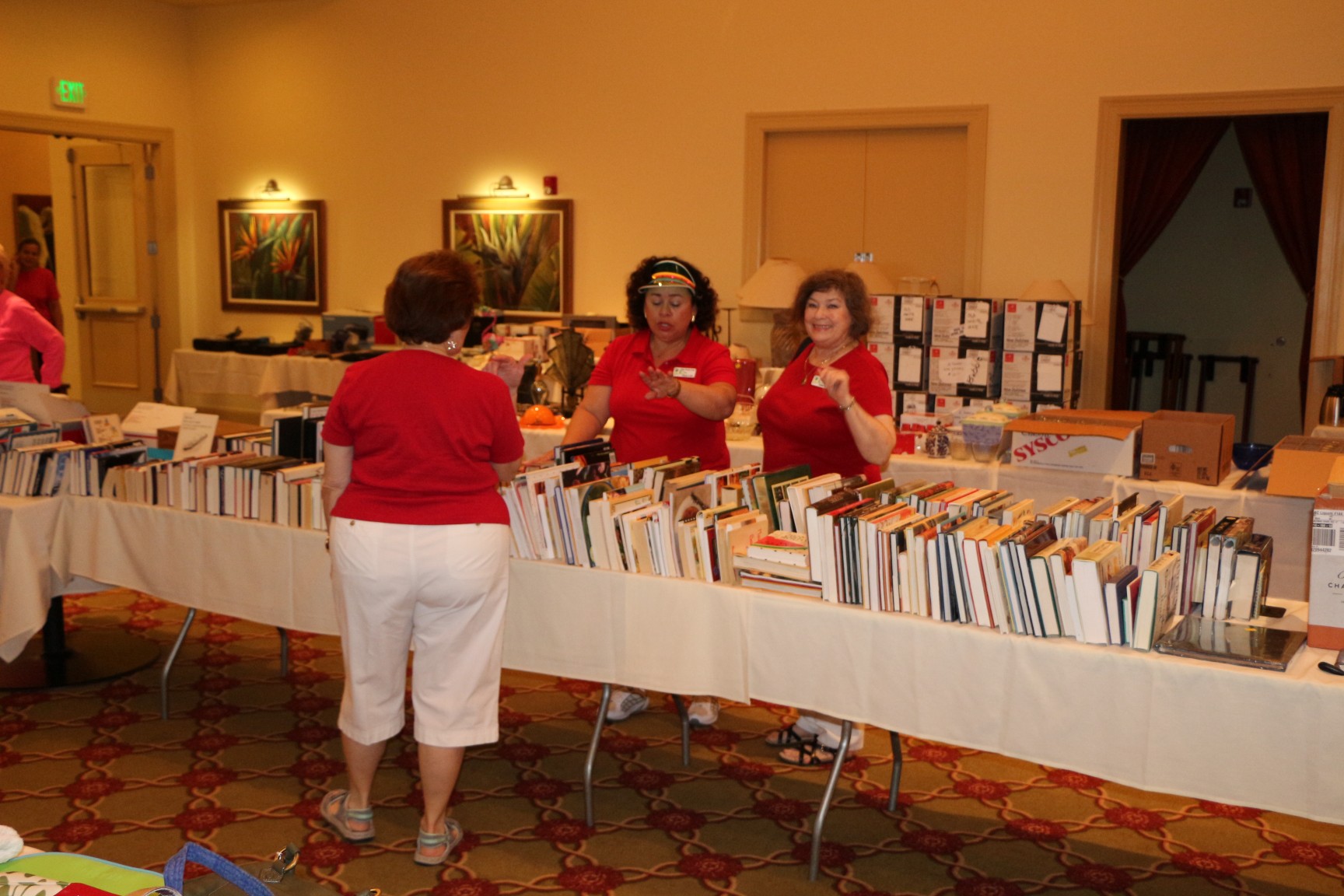
A great deal of the stock carried no price. A woman behind the table named a figure, adjusted it for who was asking, and took what was offered.
Priced goods, card readers and published prices. The discretionary pricing was the system’s redistributive mechanism and it was entirely informal.
Which is how a bazaar managed to be a fundraiser and a charity simultaneously without ever saying so. The same item cost more to somebody who could obviously pay and less to somebody who obviously could not, decided in the moment, by a woman who knew both of them – and no accounting captured any of it.
8. The Money Went Into a Cigar Box and Was Counted on a Table
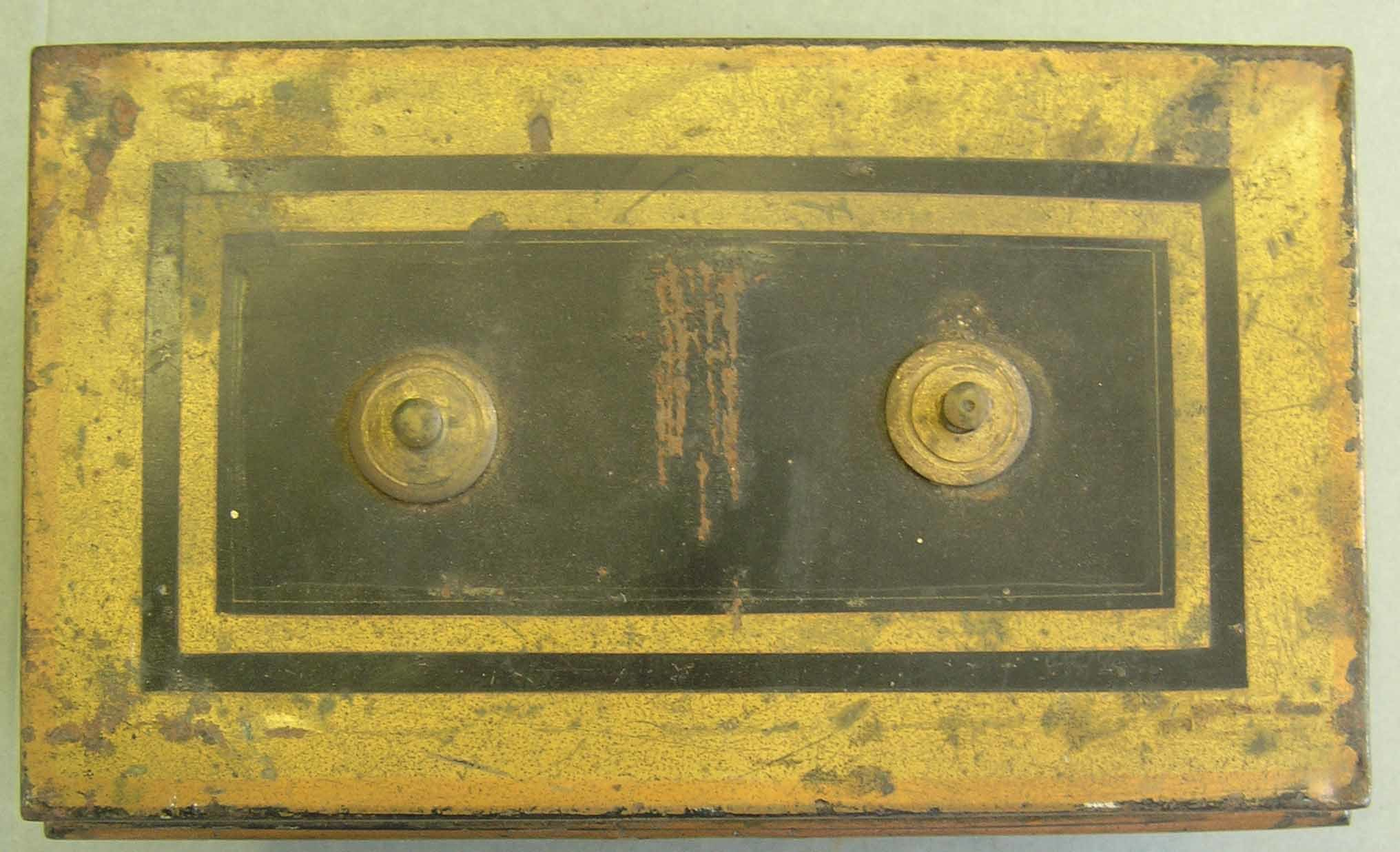
Takings were cash, held in a cigar box or a tin under the table, and once the sale closed the committee counted it in the hall, in front of each other, and wrote the total on a piece of paper.
Card payment, electronic transfer and accounted bookkeeping, with far more rigorous controls than a tin under a table.
The public count was the control. Nobody designed it as an audit, but three women counting cash together at a table where anybody could see them is a reasonable safeguard – and the announcement of the total, out loud, to whoever was still in the hall, was the moment the whole year’s work got its number.
9. The Lunch Counter Was a Full Kitchen Operation
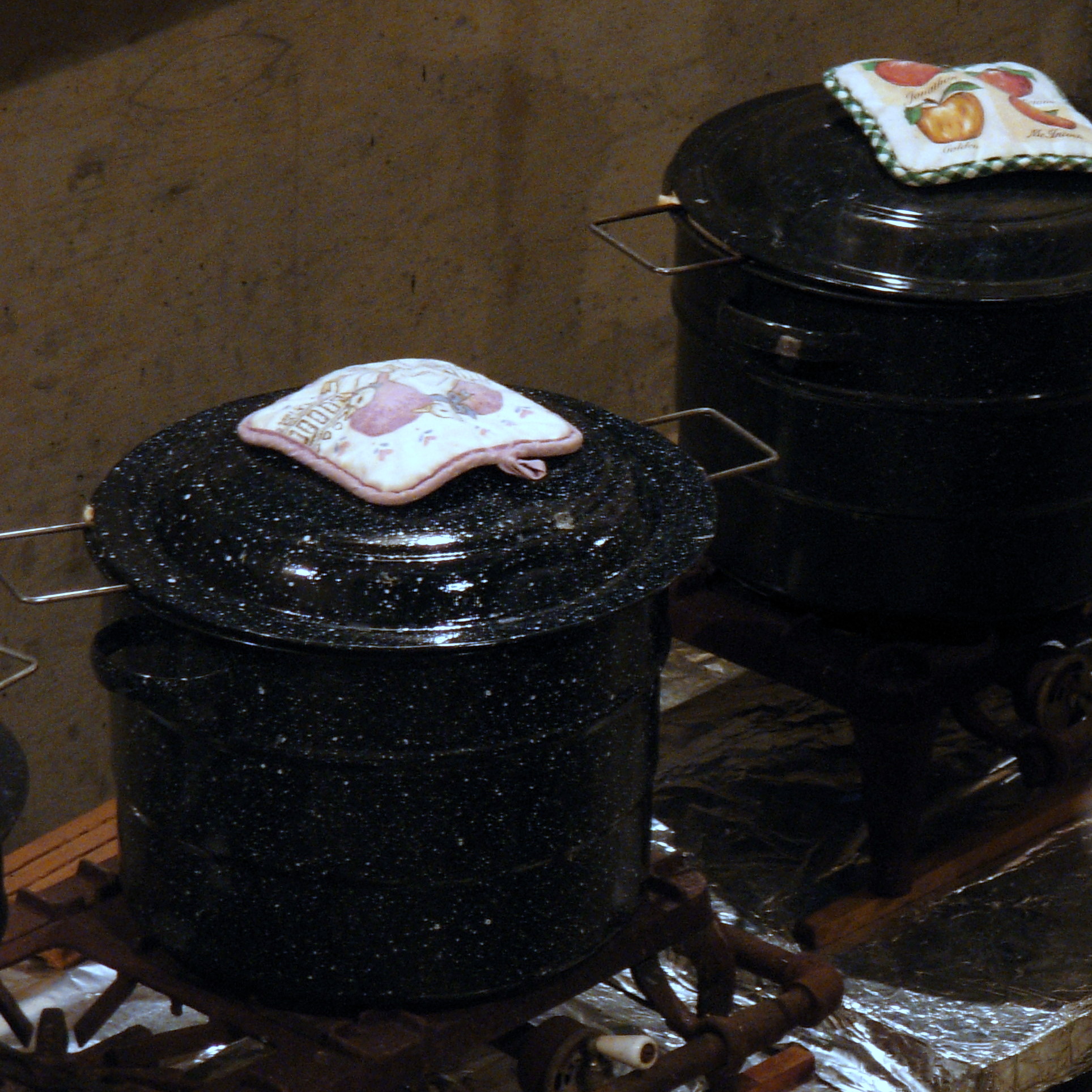
A hot meal was served through the middle of the day from the church kitchen – soup, sandwiches, a casserole, pie and coffee – cooked and served by a different set of volunteers from the ones running the tables.
Catering, food trucks or no food at all, with commercial kitchen and food handling requirements that a church basement kitchen frequently cannot now meet without investment.
The kitchen crew was a separate institution with its own hierarchy, and the division of labour was understood by everybody. Working the tables was a different job from working the kitchen, people did one or the other for decades, and the two groups had opinions about each other.
10. Men Did the Setup, the Lifting and the Parking
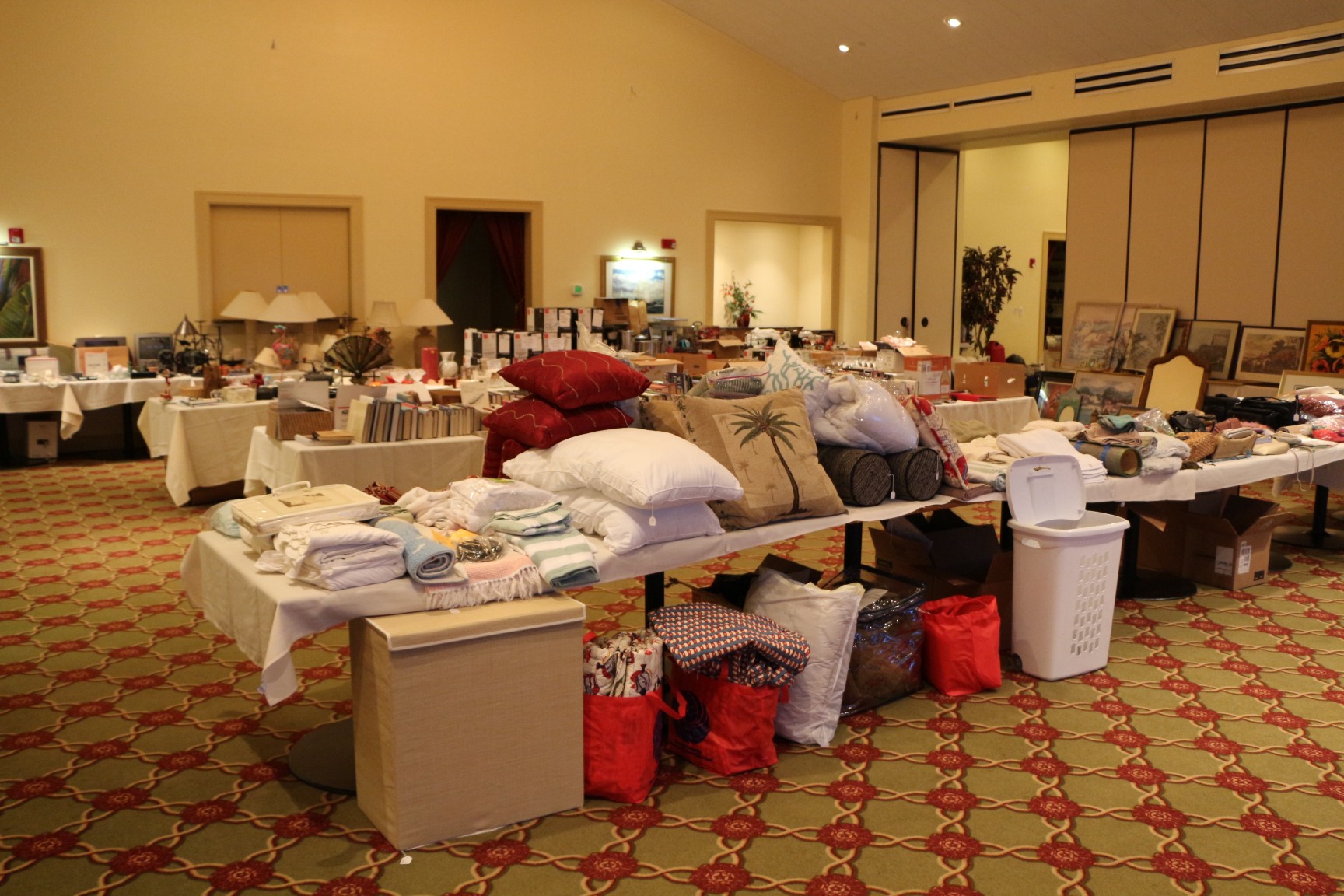
The division was absolute and nobody discussed it. Women produced the goods, priced them, staffed the tables and ran the kitchen. Men moved the tables, carried things, directed the parking, handled the money at the end and took it to the bank.
A far less rigidly divided arrangement in most congregations, with volunteering distributed by availability and inclination rather than assigned by sex.
It is worth recording accurately because the labour and the credit were distributed differently. The event’s entire inventory, pricing, selling and catering was women’s work, performed over a year, and the public acknowledgement at the end frequently went to whoever chaired the committee – which a great many of the women involved noticed.
11. Children Were Given a Dollar and Sent Round
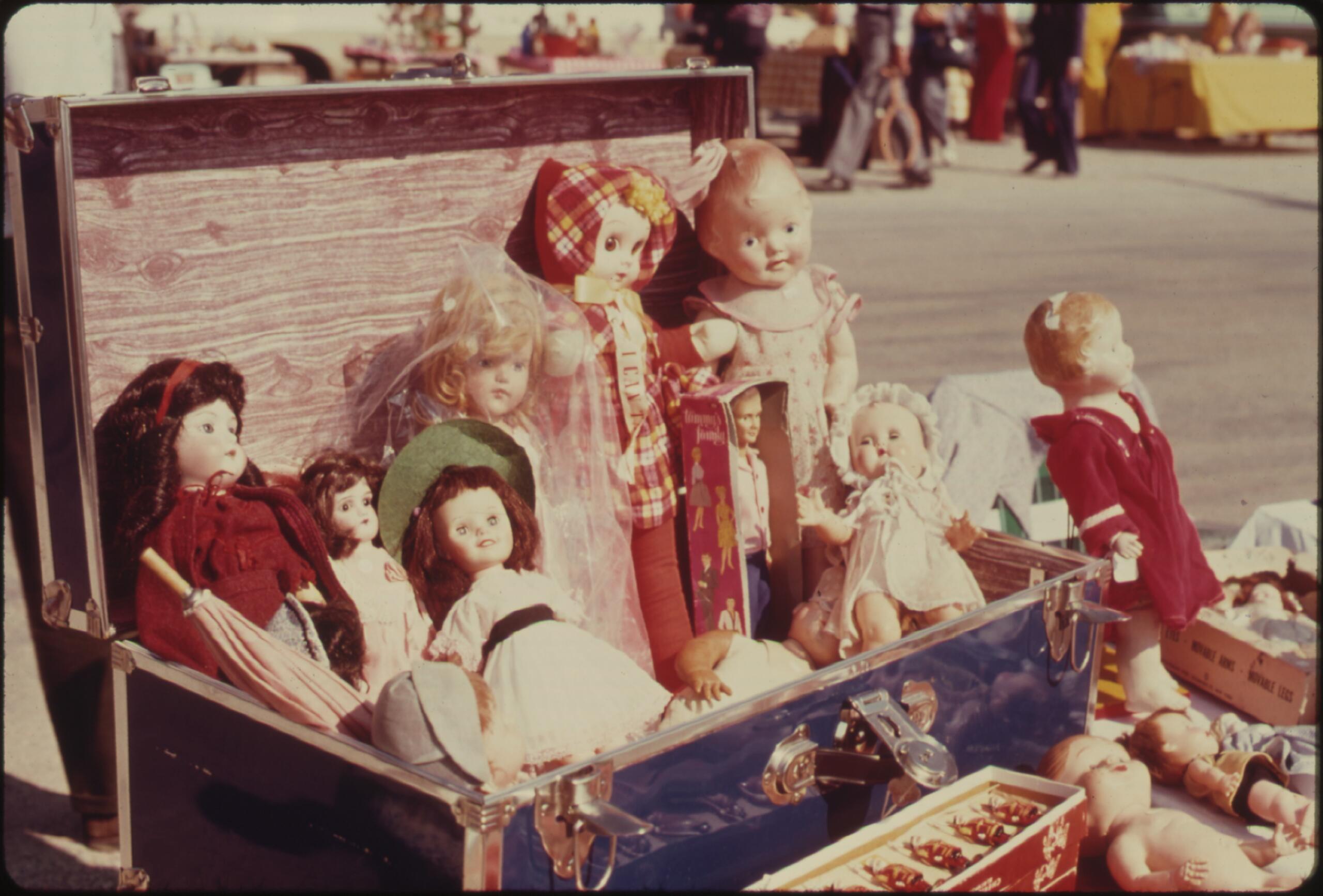
Children were handed a small amount of money and released into the hall to spend it, which they did on the white elephant table and the candy, buying objects of no use to anybody.
Supervised participation, structured children’s activities and a general expectation that a child is accompanied.
The freedom was the appeal and the purchases were the point. A child buying a chipped china dog for a quarter, with their own money, from a woman they knew, in a building full of adults who all knew them, is a first independent commercial transaction – and a surprising number of people still own the object.
12. It Was Always on the Same Weekend and the Whole Town Came
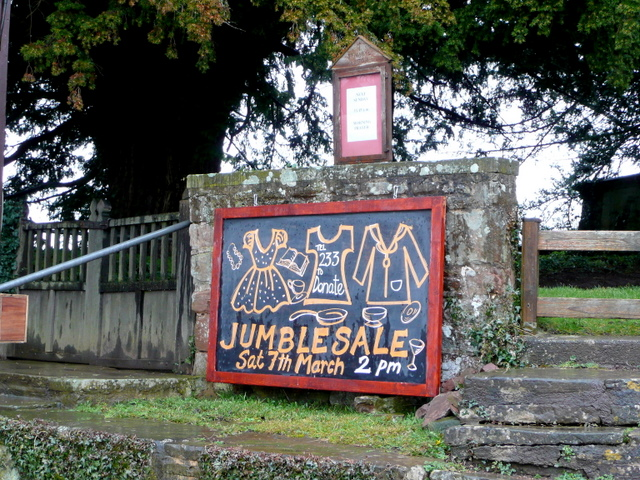
The date was fixed – the first Saturday in November, the weekend before Thanksgiving, the second Sunday in Advent – and it did not move, for decades, so that everybody knew when it was without being told.
Events scheduled around availability and promoted each time. The permanent date meant the bazaar needed no advertising, which is the single biggest advantage a recurring event can have.
And attendance was not limited to the congregation. People came who did not attend that church, or any church, because the goods were good and cheap and the lunch was worth having – which made the bazaar one of the few occasions when a congregation’s work was visible to the whole town.
13. The Proceeds Had a Named Purpose Announced in Advance
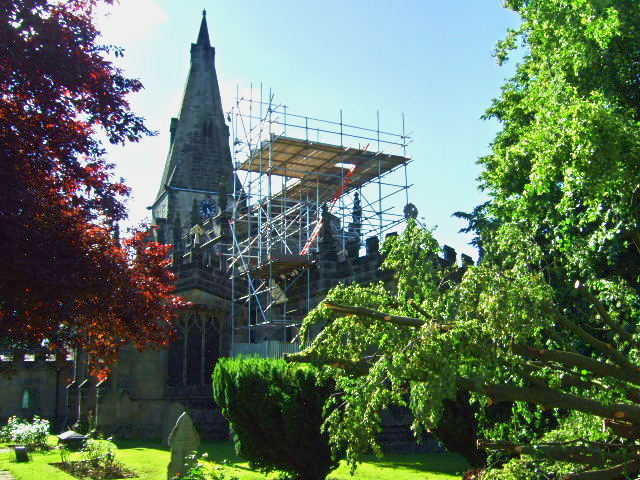
The money was for something specific and stated: a new roof, the organ fund, a mission, the furnace, Sunday school supplies, a family in difficulty.
General funds, designated giving and capital campaigns, with the same specificity but without the direct line from an afternoon’s selling to an object.
The directness is what made the work sustainable. Forty hours of crochet is abstract; forty hours of crochet that is part of a roof is not – and a congregation that could point at a roof and say that the bazaar paid for it had a reason to do it again next year.
14. Everything Unsold Went to the Next One
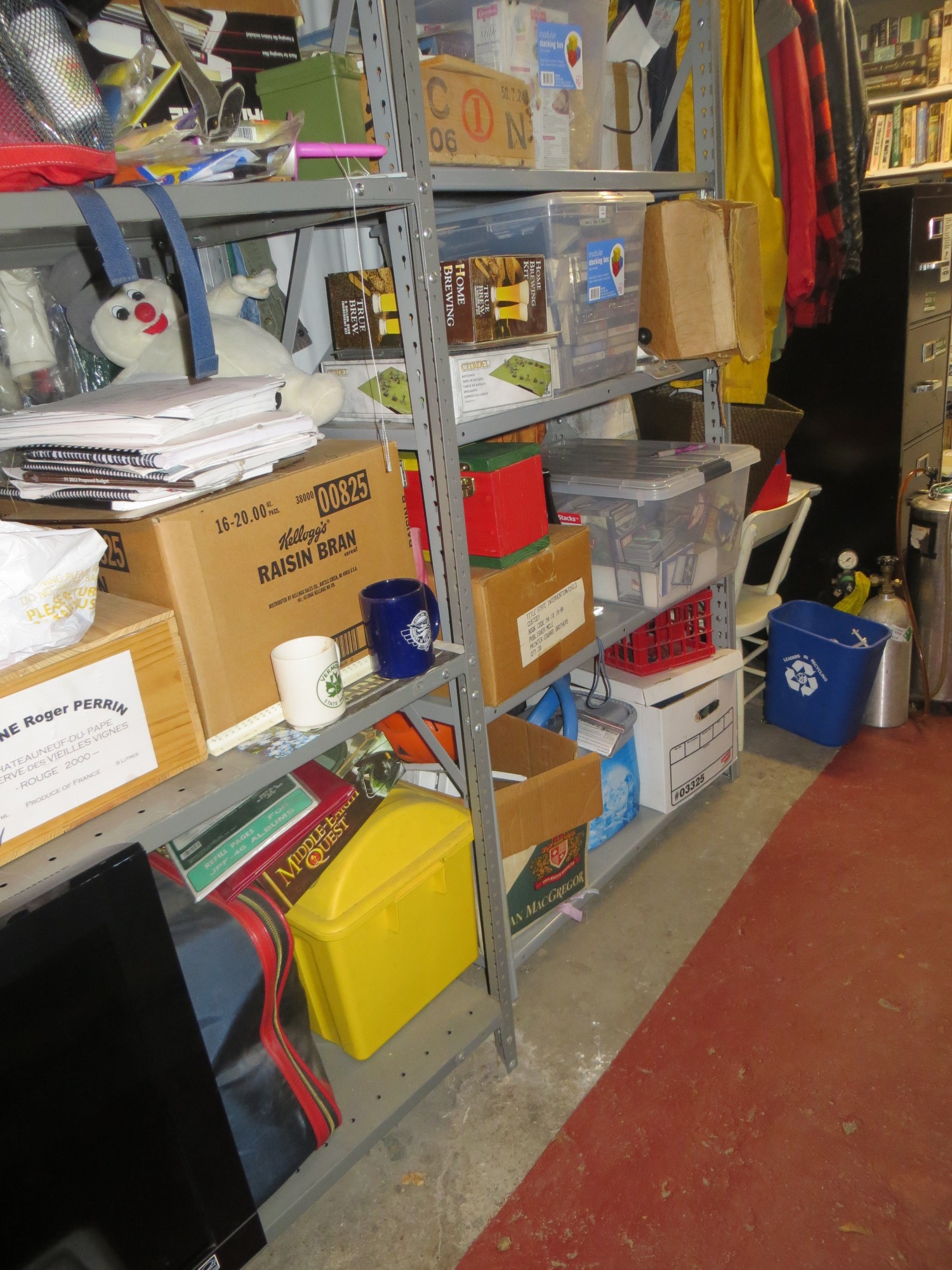
Leftover white elephant goods, unsold handwork and surplus stock were boxed up and stored – in a basement, a closet or somebody’s attic – and brought out again the following year.
Donation to a charity shop, disposal, or online listing. The multi-year circulation of unsellable items was a standing joke within every congregation that ran one of these.
Certain objects became famous. A particular ornament, vase or piece of china that appeared at every bazaar for fifteen years, was bought by somebody as a joke and donated back, is a specific institutional memory that a great many American congregations possess independently.
15. The Women Who Ran It Had Done So for Thirty Years
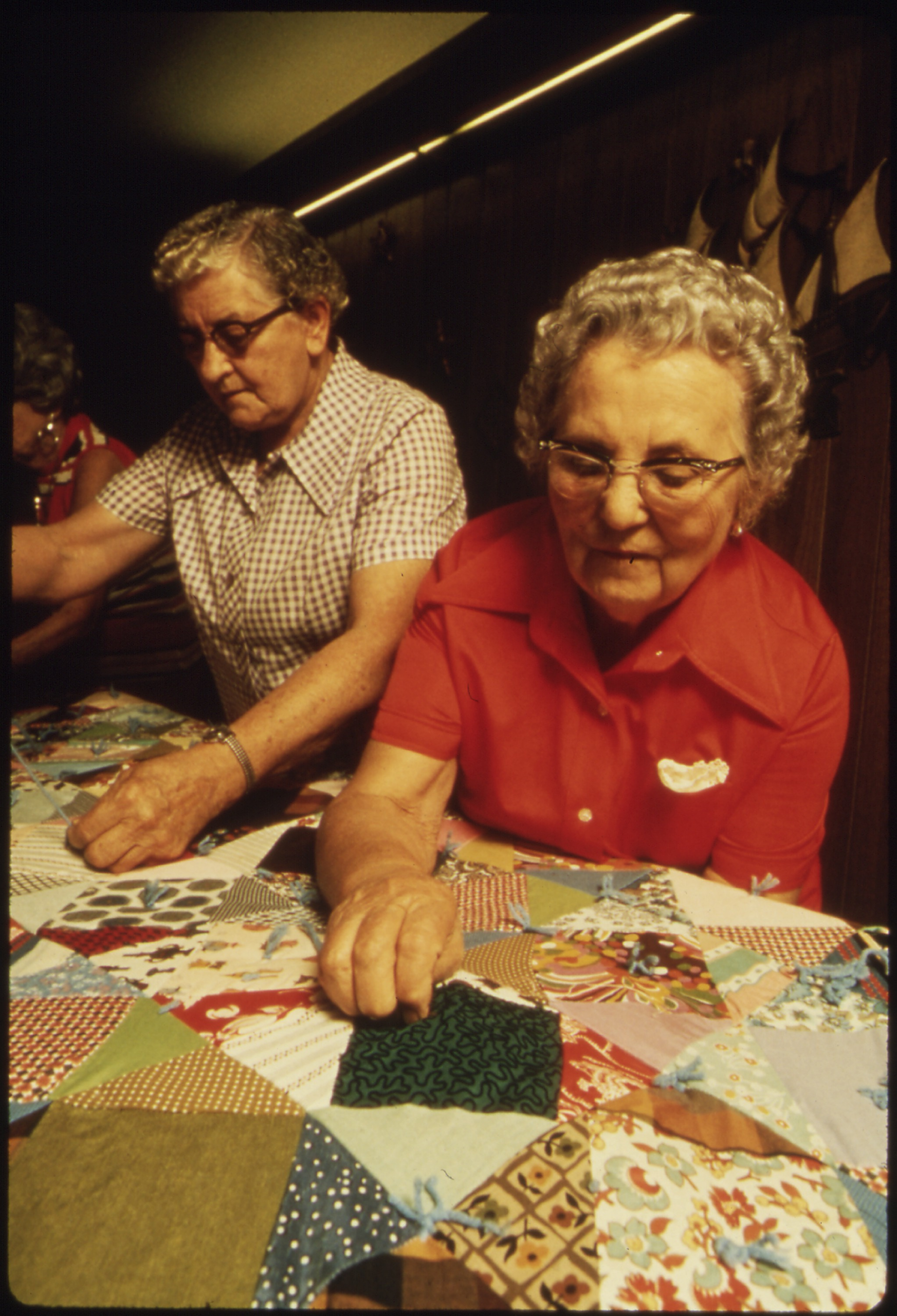
Organisation rested on a small number of women who had run it for decades, knew every supplier, every table, every price and every rivalry, and had no formal authority of any kind.
Rotating volunteer committees with documented procedures, shared drives and handover notes – which is more resilient and considerably less knowledgeable.
The dependency was total and it is how these events ended. When the three women who knew how it worked became too old, or died, or moved to be near their children, nothing written down was sufficient to replace them – and a great many bazaars stopped within two years of one particular person stopping.
16. Then the Makers Went to Work and the Supply Chain Collapsed
The entire event rested on a large reserve of skilled unpaid daytime labour – women at home, with time, who could crochet, knit, embroider, quilt, preserve and bake to a standard people would pay for.
That reserve went into paid employment across the following two decades, which was a straightforwardly good development and which removed the bazaar’s production capacity completely.
And this is the honest explanation, rather than any decline in generosity or faith. The bazaar was not a fundraising idea that fell out of fashion; it was a business whose sole supplier stopped trading. Nobody has fifty-one weeks of spare evenings and nobody is going to crochet an afghan to be sold for eight dollars, because their time now has a price attached to it and that price is known. At the same time manufactured goods got cheap enough that handmade items stopped undercutting shops, which removed the customer argument as well. So what replaced it is a direct appeal, an online auction or a purchased-goods sale – all of which raise money with no production attached, which is more efficient and raises less, and none of which gives a congregation a year of something to do together.
The Supplier Stopped Trading
Church bazaars are usually explained by decline – fewer people in congregations, less community spirit, a general unwillingness to volunteer. Those explanations are available and they are mostly wrong about this particular event.
The bazaar was a business, and it had exactly one supplier.
Its entire inventory came from a reserve of skilled unpaid daytime labour: women at home, with hours available, who could crochet, knit, embroider, quilt, tat, preserve and bake to a standard that other people would pay money for. Thirty women producing through a year, meeting monthly, with a committee assigning who made what, is a production schedule – and the bazaar was simply the day the stock was sold.
Across the following two decades that reserve went into paid employment. That was a straightforwardly good development and nobody should frame it otherwise. It also removed the bazaar’s manufacturing capacity, completely and permanently.
Nobody has fifty-one spare weeks any more. More to the point, nobody is going to produce an afghan representing forty hours to be sold for eight dollars once their time has a known price attached to it. The women who did that in 1974 knew exactly what the rate came to and did it anyway, because the point was the institution – but they were able to do it because the alternative use of those hours was not a wage.
And the customer side went at the same time. Manufactured goods became cheap enough that a handmade potholder, apron or baby set stopped undercutting a shop, so the buyer’s argument disappeared alongside the maker’s.
Which leaves the modern alternatives: a direct appeal, an online auction, a sale of purchased goods, a catalogue scheme. All of them raise money with no production attached. All of them are more efficient per hour of volunteer time, and all of them raise considerably less.
But the thing they really do not supply is the year.
A bazaar gave a congregation twelve months of something to do together – a monthly meeting with a purpose, an assignment, a reason for thirty women to sit in a room with their work in their laps and talk. The afternoon of selling was the smallest part of it. An online auction has no such year, and it cannot be given one.
So the bazaar did not fail. Its supply chain was absorbed into the paid economy, which is where it should have been all along – and the thing nobody has replaced is not the fundraising.
If your family went to these, you were handed a dollar and sent round, and you bought something useless.
And it is probably still in a drawer, which is more than can be said for most things anybody has bought since.
Like our content? Follow us for more.