In 1974 a substantial proportion of American household clothing started in a shop full of upright bolts, a long cutting table with brass measuring tacks set into its edge, and a cabinet of flat drawers filed by pattern number.
You chose from a catalogue on a lectern and wrote down a number. The back of the pattern envelope told you exactly how much cloth to buy, cross-referenced by width and by whether the fabric had a nap. A clerk measured and cut it in one stroke. And making it yourself was genuinely cheaper than buying it.
Here are sixteen things every American woman did at the fabric store in 1974, and what happened to each of them.
1. The Bolts Stood on End in Racks and You Walked Between Them
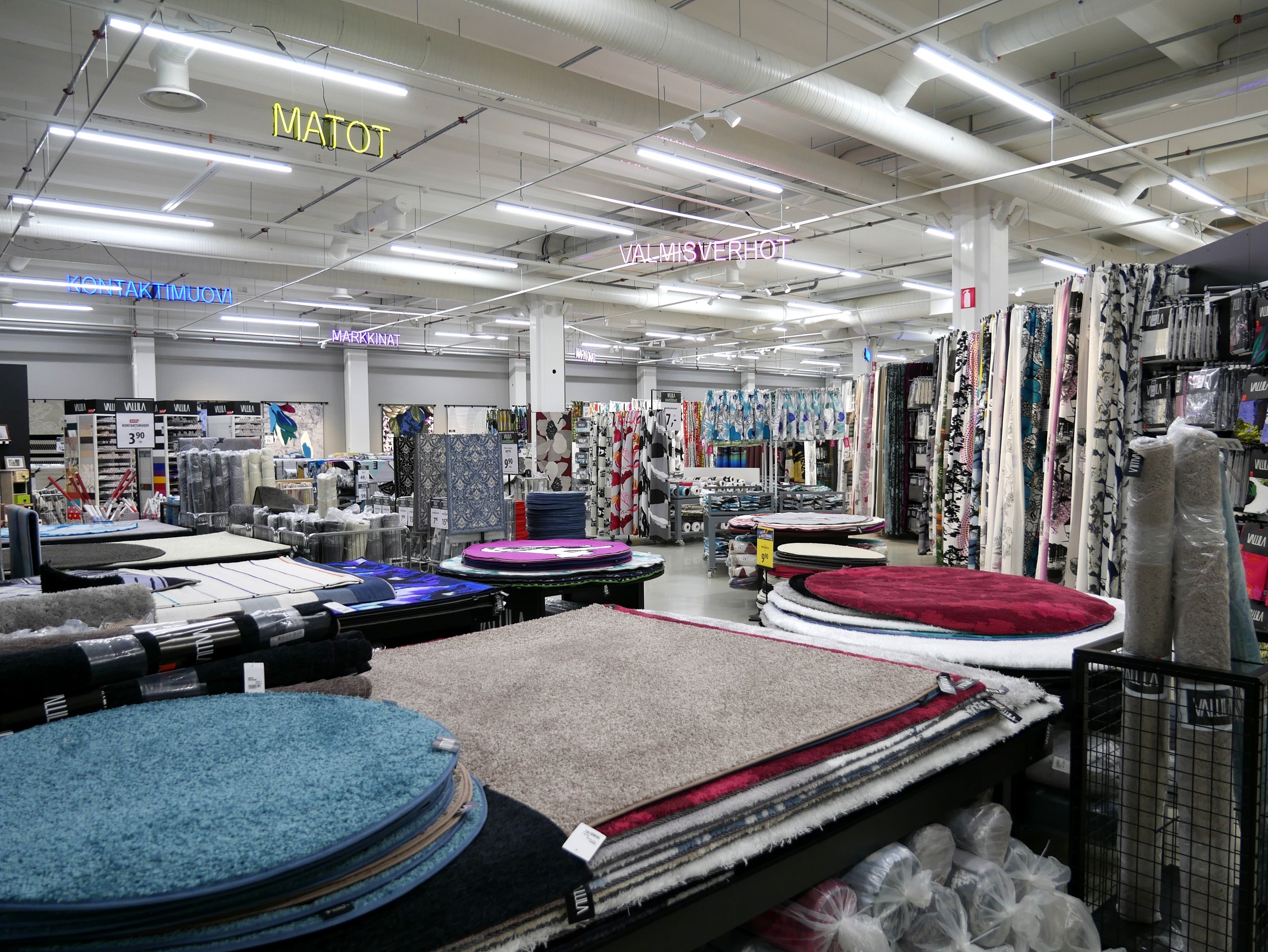
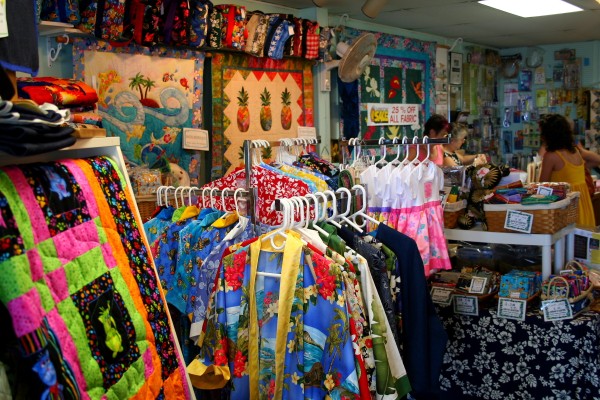
Fabric was stored wound on flat rectangular boards – bolts – stood upright in slotted racks so that the folded edge faced out, arranged by type and colour, in aisles you walked down and pulled things out of.
A much smaller department in a craft chain, or a specialist quilting shop, or an online swatch and a shipped cut. The warehouse of upright bolts you could walk into has largely gone.
Standing them on end was a merchandising decision and it worked. You could see a hundred fabrics at once, pull a bolt out a few inches to see the drape, hold it up against your own arm, and compare two by standing them side by side – which is a set of judgements nobody has ever managed to make from a photograph.
Like our content? Follow us for more.
2. You Bought It by the Yard and Somebody Cut It in Front of You
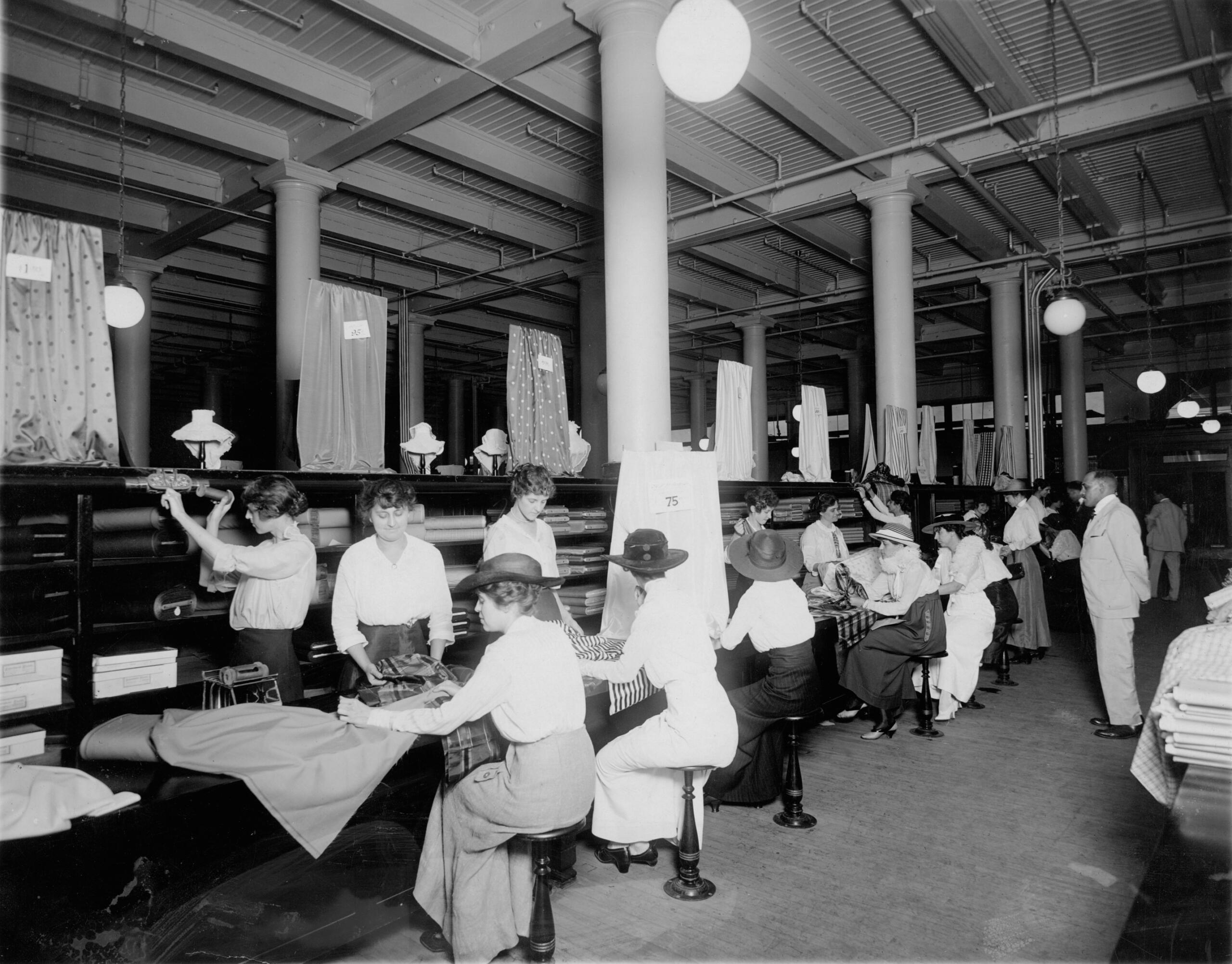
A clerk carried the bolt to a long table, unrolled the length you asked for, measured it against brass tacks set into the table edge at one-yard intervals, folded it, and cut across with heavy shears in one stroke.
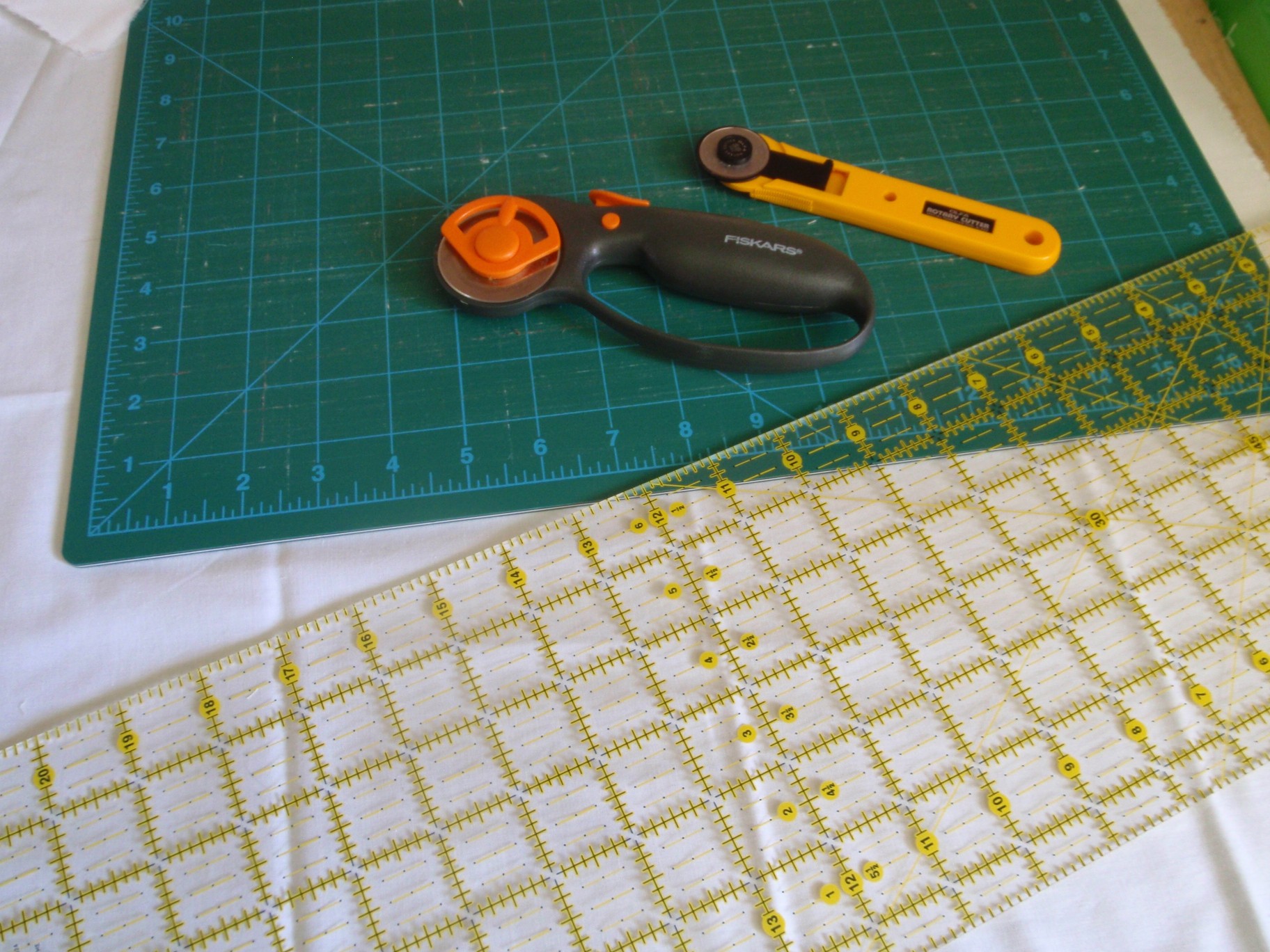
Pre-cut packaged lengths, rotary cutters on mats in quilting shops, and shipped cuts measured in a warehouse. The public single-stroke cut across a full width was a small performance and the clerk’s competence was visible.
The measuring tacks are the detail worth noticing. A commercial measurement made in front of a customer, against a fixed reference set into the furniture, is the same arrangement as a shop scale or a taxi meter – the instrument was built into the premises so that both parties could watch it.
3. The Patterns Lived in a Cabinet of Flat Drawers, Filed by Number
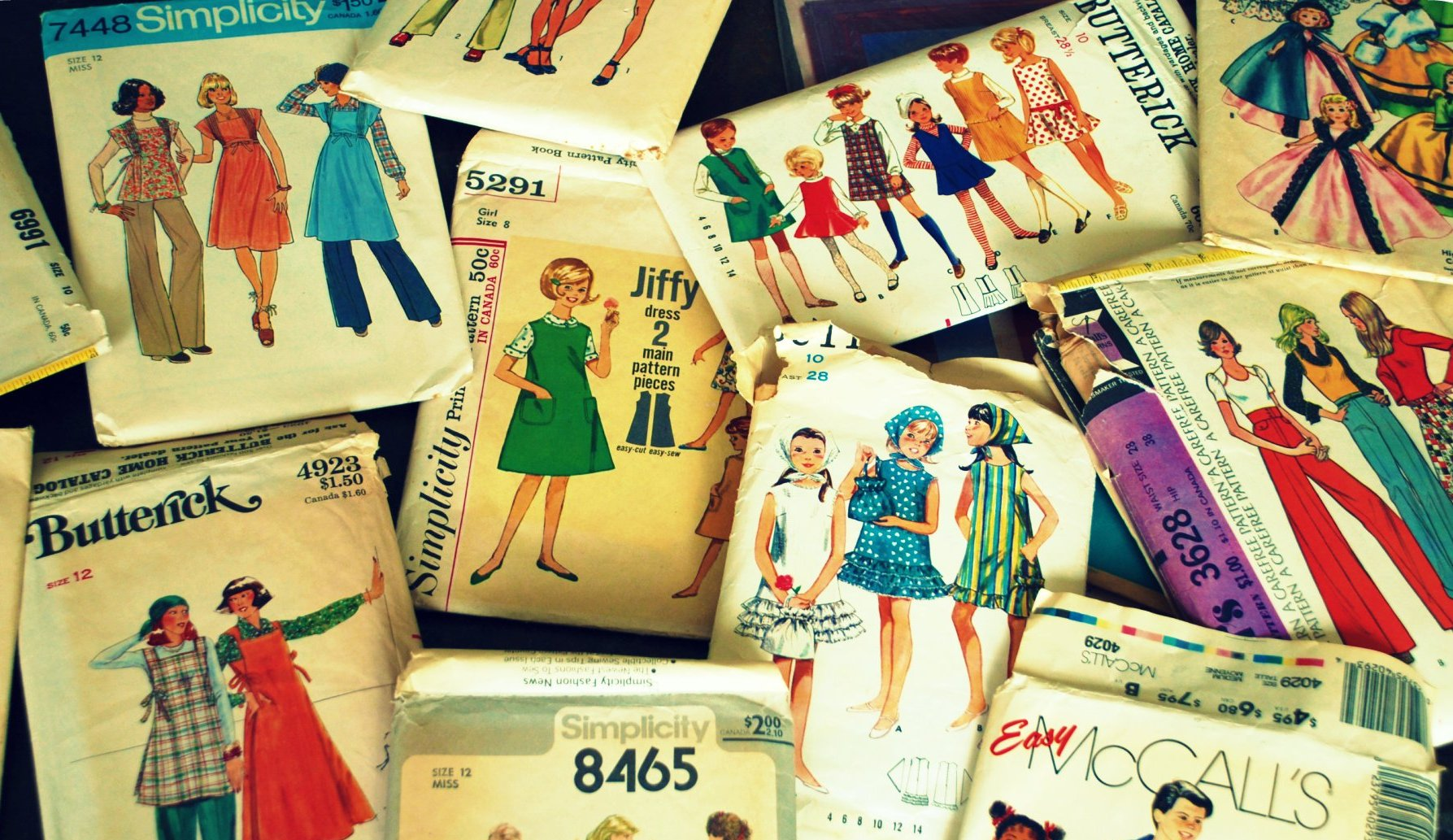
Paper patterns were stored in a bank of wide shallow drawers, filed by maker and number, and you did not browse them. You browsed a catalogue on a stand, wrote down the number, and a clerk pulled the envelope.
Digital pattern libraries, instant downloads printed at home or at a copy shop, and projector-based cutting that removes paper entirely – alongside the same envelopes, still sold.
The catalogue was the actual shopping experience and it was enormous. Several inches thick, on a lectern, with every style photographed or illustrated, indexed by garment type and by size – and women stood at it for a long time, in a queue, with a pencil.
4. Everything You Needed to Know Was Printed on the Back of the Envelope
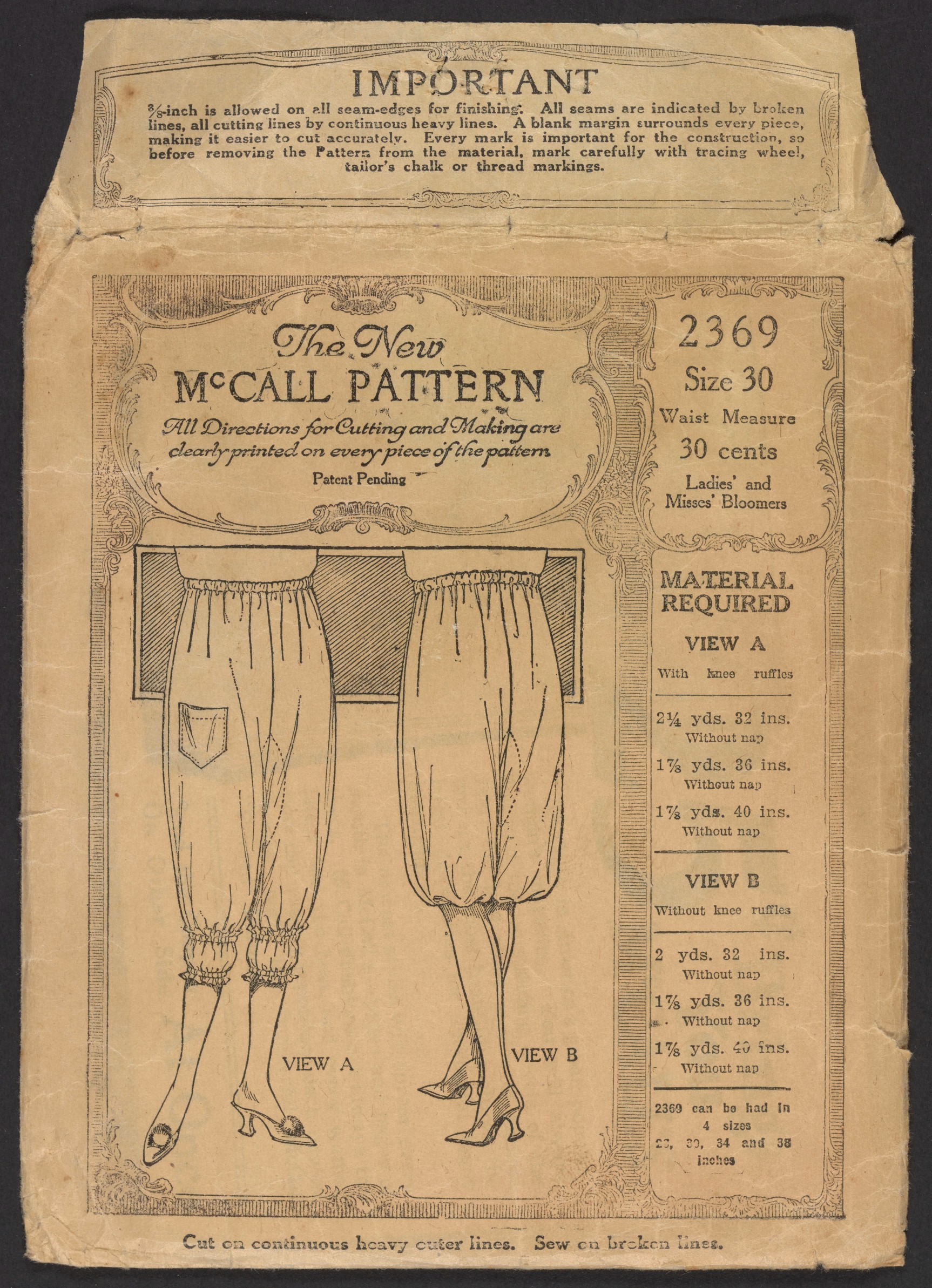
The reverse of a pattern envelope carried a yardage chart: how much fabric the garment needed, cross-referenced by size, by fabric width and by whether the cloth had a nap or a one-way print, plus the full notions list and the finished measurements.
The same information, now also available before purchase on a website. The printed chart was the whole planning document for the project and it had to be read correctly before anything was bought.
Getting that chart wrong was the expensive mistake. Fabric comes in different widths, a napped or directional cloth needs all the pieces laid the same way and therefore more of it, and a woman who bought the figure for the wrong width went home with insufficient cloth from a bolt that might not be there next week.
5. The Notions Wall Was a Wall
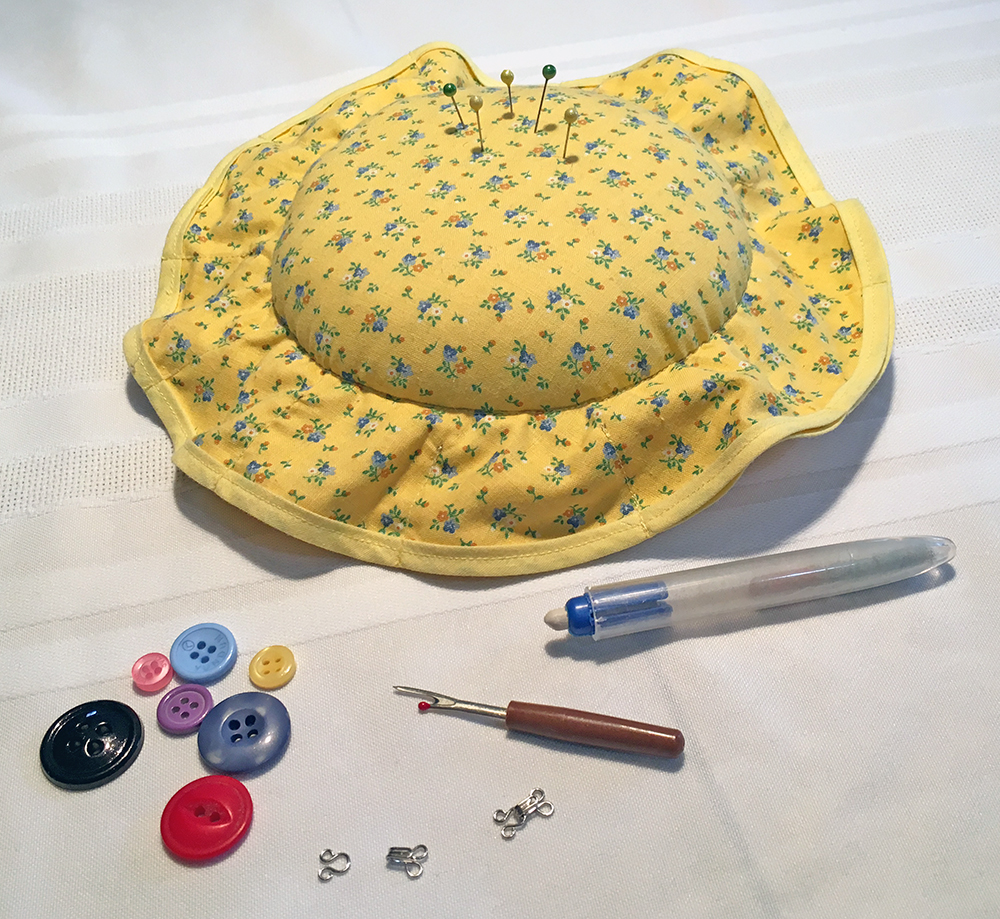
One side of the store was components: zippers by length and colour, thread on a graduated colour wall, bias tape, hooks, snaps, elastic, interfacing, seam binding, shoulder pads, boning, grosgrain, lace, rickrack, piping and buttons on cards.
A considerably smaller selection in general craft retail, with specialist suppliers online. The colour-matching operation at that wall is what has been lost rather than the items themselves.
Because matching was done by eye, with the fabric in your hand, against the actual spool. You took the cloth to the thread wall and held it against candidates in daylight if there was any, and the clerk had opinions – which is a task a screen cannot do and which is why thread is the single hardest thing to buy remotely.
6. The Remnant Bin Was Where the Real Shopping Happened
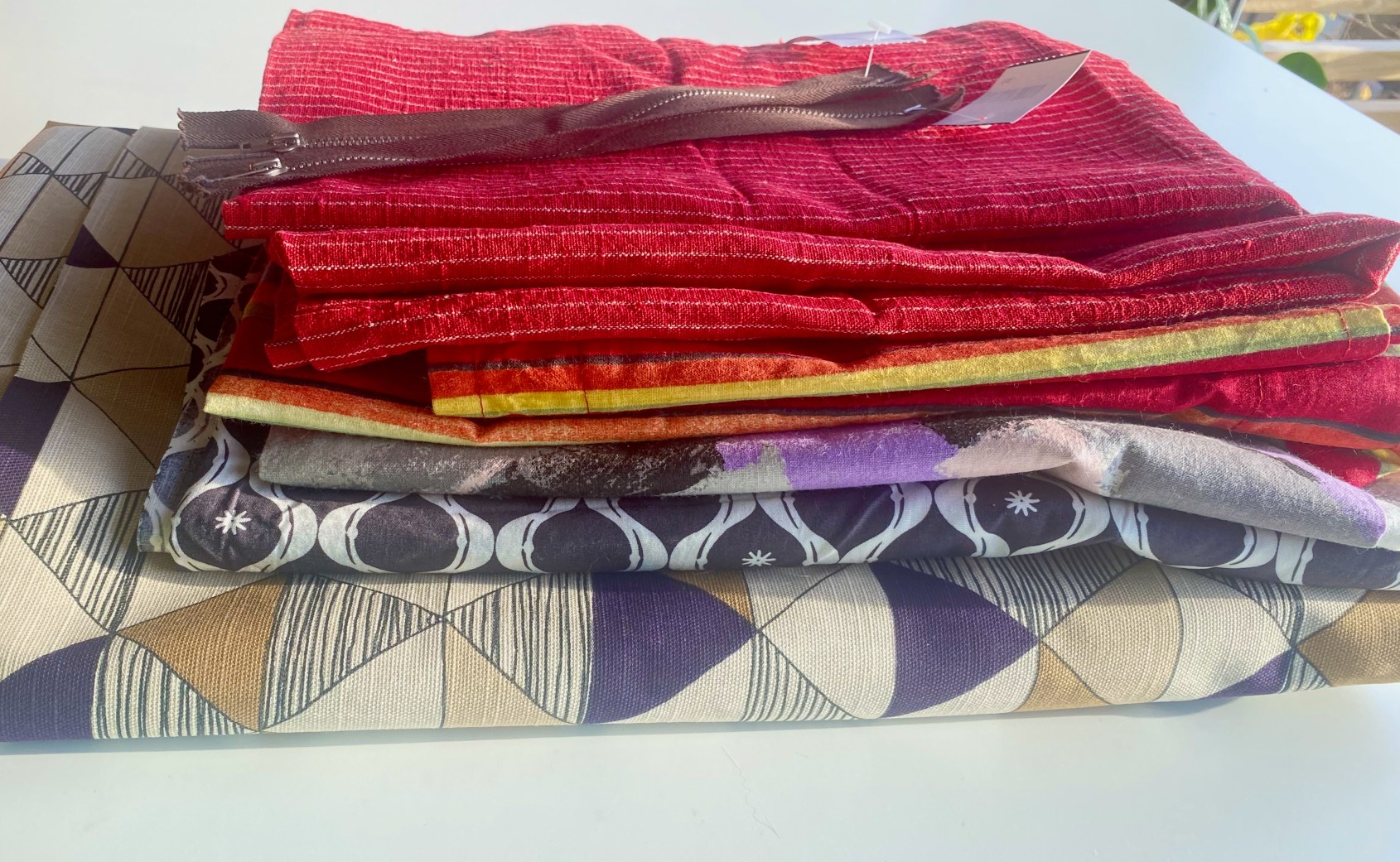
The ends of bolts – a yard and a half, two yards, whatever was left – were folded, priced down and put in a bin or on a table by the door.
Remnant and fat-quarter bundles in quilting shops, and discounted cuts online. The bin was a browse rather than a purchase, and it was picked over constantly.
It is also where a great many children’s clothes came from. A remnant too short for an adult garment is exactly enough for a child’s dress or a pair of shorts, which means a household with a sewing machine could clothe small children almost entirely from the discount table at a fraction of retail.
7. Making It Yourself Was Genuinely Cheaper and That Was the Point
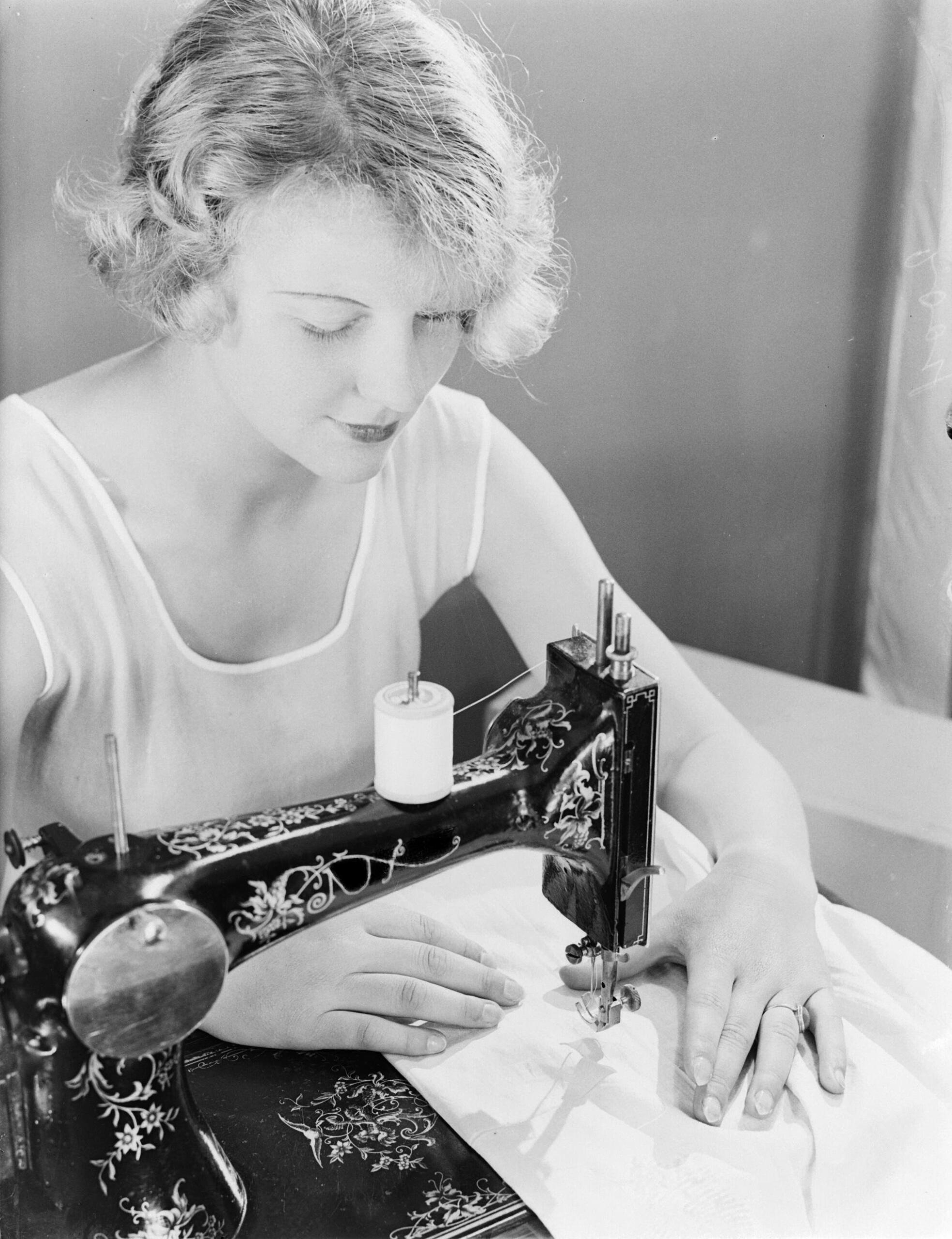
A woman making a dress in 1974 was not pursuing a hobby. Fabric, a pattern and notions cost substantially less than the equivalent ready-made garment, and the labour was her own.
The arithmetic has inverted completely. Fabric, a pattern, thread and notions now cost more than a comparable finished garment, before counting a single hour of the maker’s time.
Which is the single most important fact about the whole subject, and it is why the stores were as numerous as they were. These were not craft shops. They were where a substantial proportion of American household clothing was sourced, by people doing a calculation, and the calculation came out in favour of the fabric store.
8. You Could Get Something That Fitted, Which Shops Could Not Supply
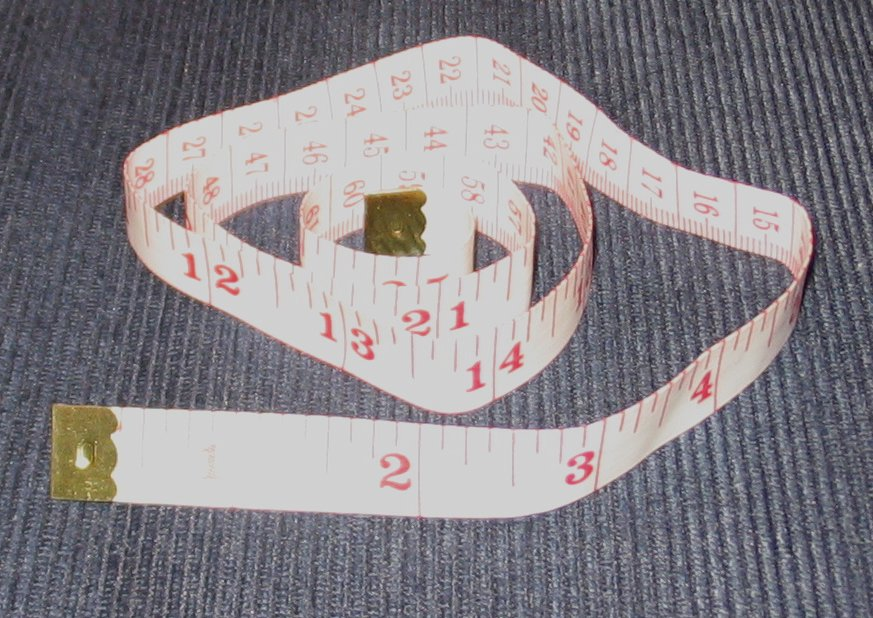
Ready-to-wear came in standardised sizes drafted to an average, and a great many people are not average – so a woman who was tall, short, broad-shouldered, long-waisted or any combination had a choice between alteration and making.
Far wider size ranges, stretch fabrics that accommodate variation, petite and tall lines, and online returns – plus alteration services. Fit is still a real problem and it is a much smaller one.
Fit was frequently the actual reason rather than cost. A pattern can be lengthened, narrowed, adjusted at the shoulder and re-cut to a measurement, which is a capability no shop offered – and the people who sewed most were frequently the people ready-to-wear served worst.
9. The Store Was Where You Found Out How to Do It
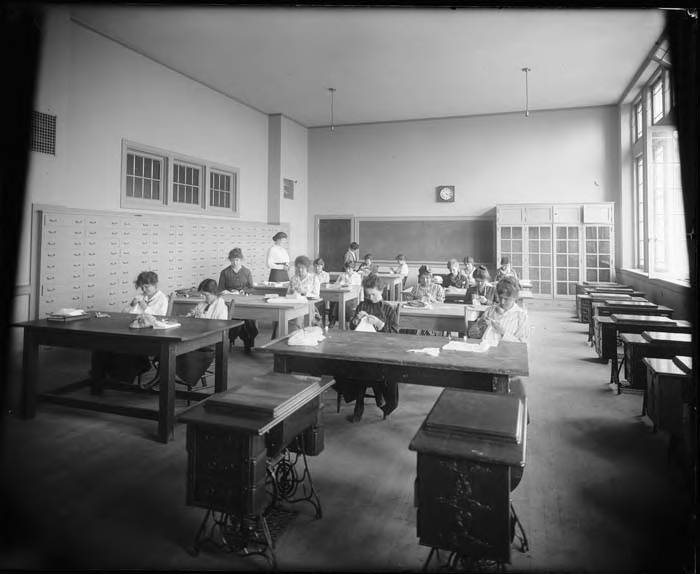
Staff were experienced sewers, frequently older women, who advised on fabric choice for a pattern, warned you off a cloth that would not drape, explained an unfamiliar instruction and told you how much ease to allow.
Video tutorials, online communities and pattern-maker support, which are more comprehensive and available at two in the morning – and considerably less good at looking at the cloth you are holding and telling you it is wrong for that pattern.
That advice was free, immediate and specific, and it was the store’s competitive advantage over a catalogue. A clerk who had made that pattern herself and could tell you which step to be careful at was supplying something no printed instruction could.
10. Nothing Was Pre-Shrunk and You Had to Deal With It
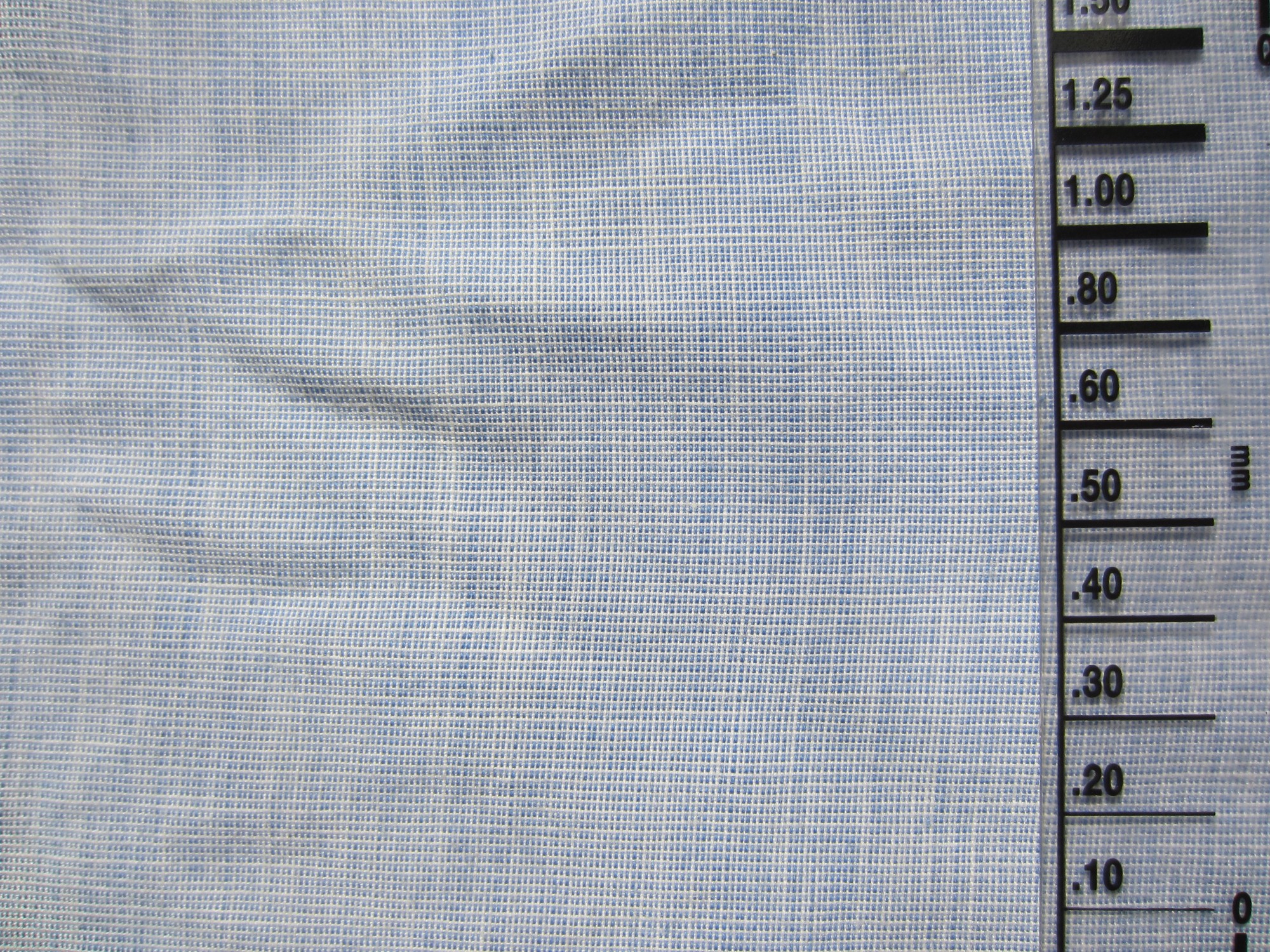
Natural fibres of that period shrank, by varying and not entirely predictable amounts, so cloth was washed before cutting – and a garment cut from unwashed fabric could come out of its first laundering a size smaller.
Far more pre-treated and stabilised fabric, synthetic and blended cloth that does not shrink appreciably, and clear care information on the bolt end.
It was one of several ways a project could be destroyed after all the work was done. Shrinkage, dye bleeding in the first wash, and a fabric that pressed badly were all discovered at the end, on a finished garment, by somebody who had spent two evenings on it.
11. A Project Took Several Evenings and Everybody Knew What You Were Making
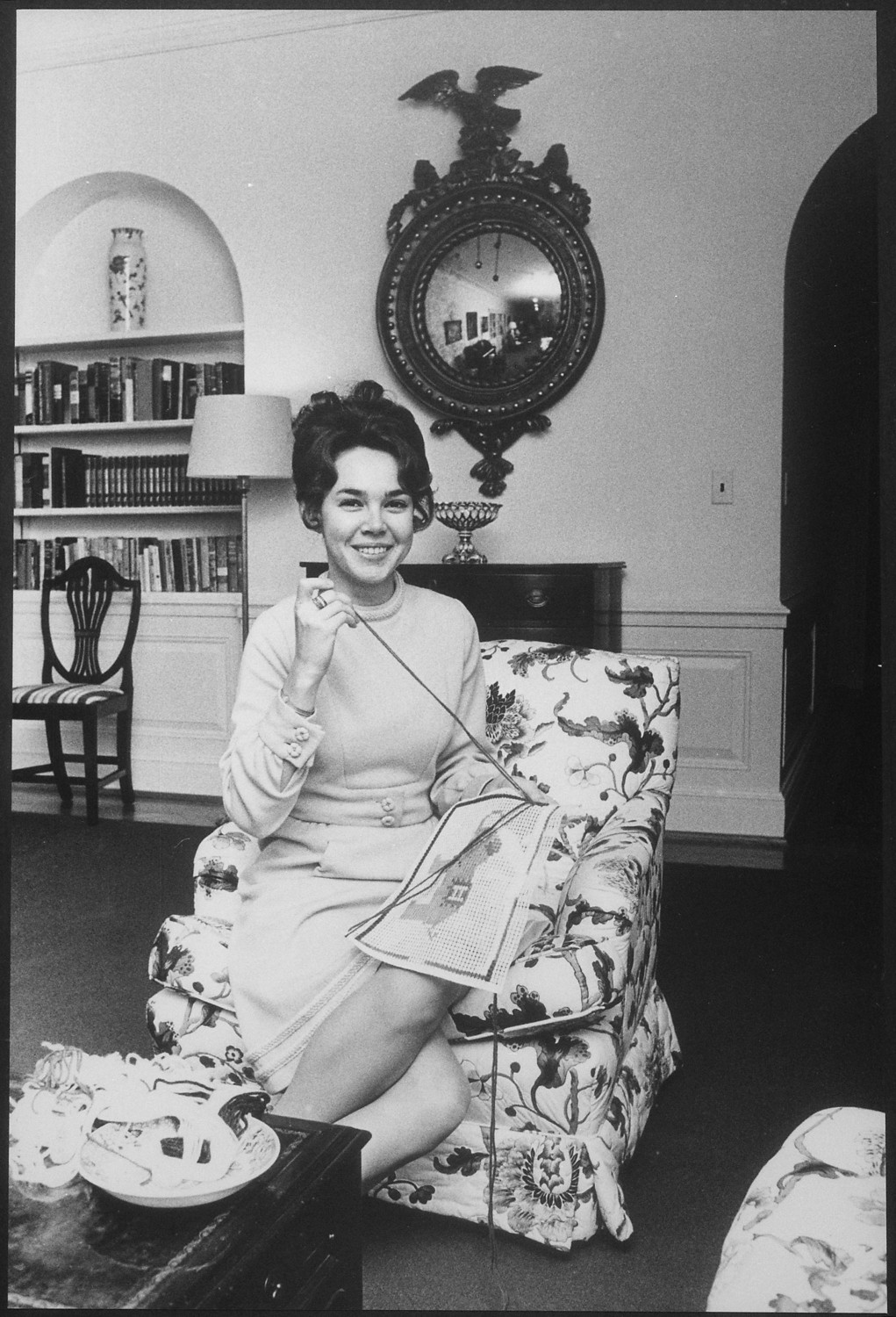
A garment was cut out on a floor or a table, pinned, basted, sewn in stages, fitted on the person it was for, adjusted, hemmed and pressed – over days, in a house where the pieces were visible the whole time.
The same process for anybody who sews, with better equipment – and a near-total absence of it as a routine household activity, so nobody else in the house is aware of it.
The visibility is what people remember. A dress in progress occupied the dining table, got moved for meals, was tried on in the kitchen, was commented on by everybody, and arrived at the event with a history that the whole household had watched.
12. Children Were Measured Against the Door Frame and Then Against a Pattern
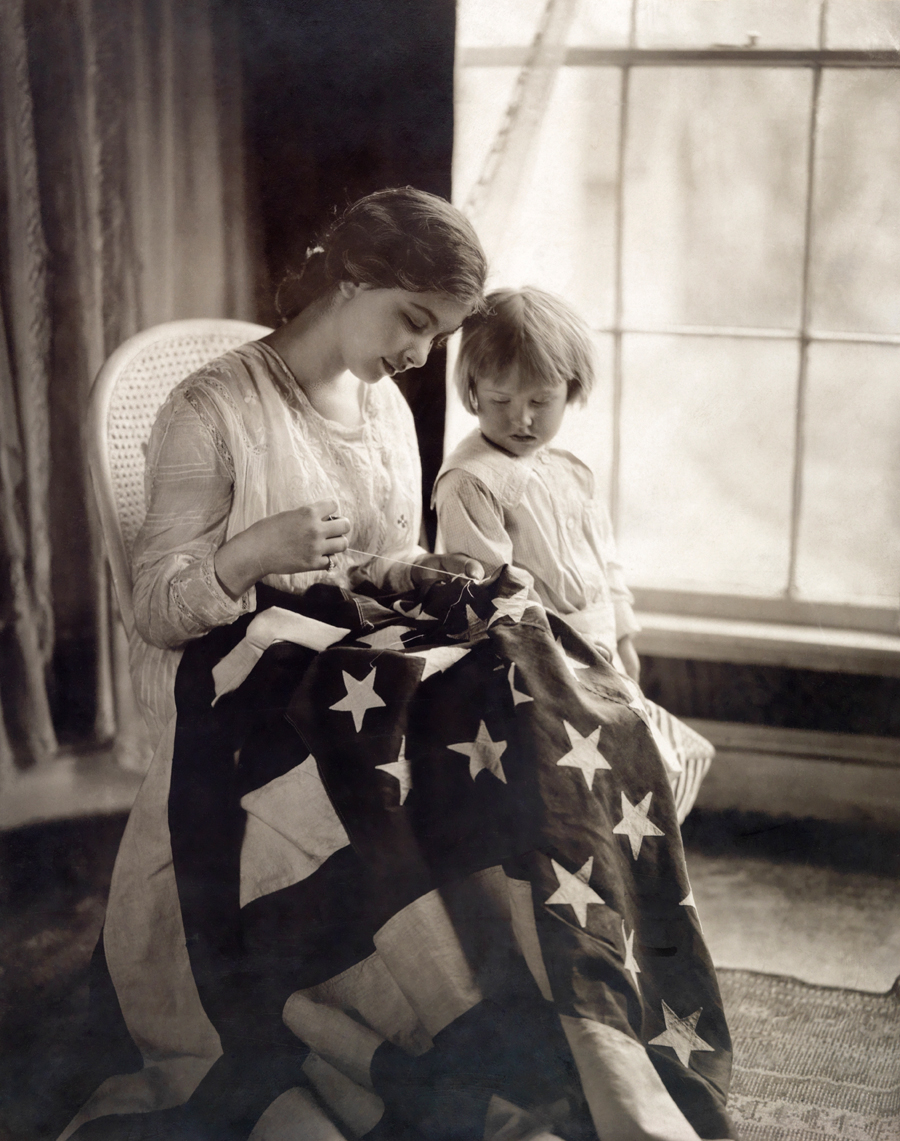
Making for a growing child meant measuring them repeatedly, adding length for growth, and in many households cutting a size up and taking it in so it could be let out the following year.
Buying the next size, cheaply, when needed. Building growth into a garment is a skill with no modern application outside specialist dressmaking.
It produced garments designed to be altered, which almost nothing now is. Deep hems to be let down, generous seam allowances to be let out, and tucks at the shoulder to be released – all put in deliberately so that one dress would fit a child for three years.
13. The Good Fabric Was Bought for an Occasion and Discussed First
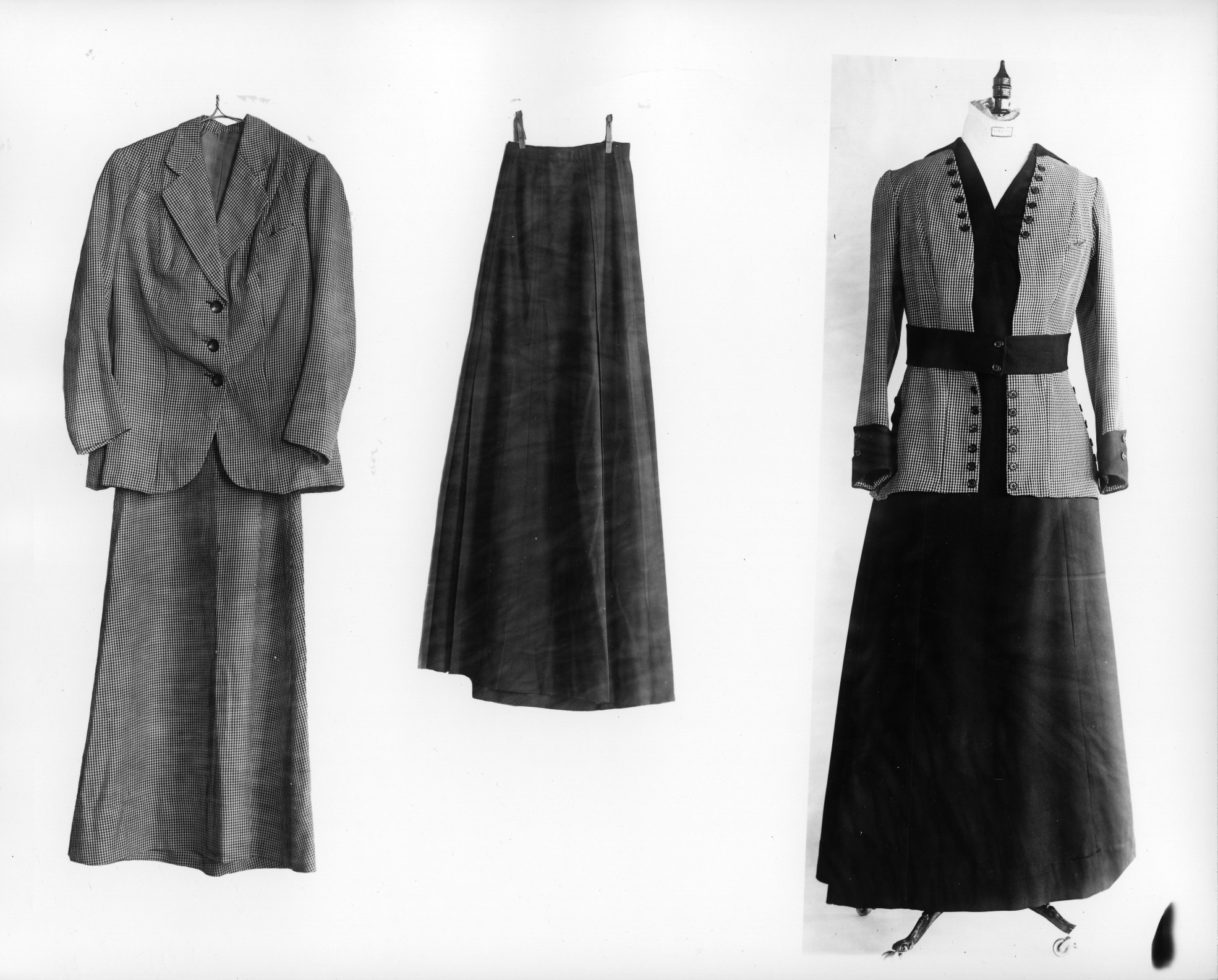
An expensive cloth – wool, good cotton, later a synthetic with a particular finish – for a wedding, a graduation, a confirmation or a Christmas dress was a planned purchase, considered over more than one visit.
An occasion garment is bought ready-made, frequently online, and may be worn once. The planned fabric purchase as a family event has no equivalent.
And the decision was collective. A mother and a daughter at a bolt rack, with a catalogue, arguing about a pattern and a colour and a price, over two visits, is a negotiation about identity conducted through merchandise – and it is why so many women remember the specific fabric of a specific dress fifty years later.
14. The Mistakes Were Expensive and Unrecoverable
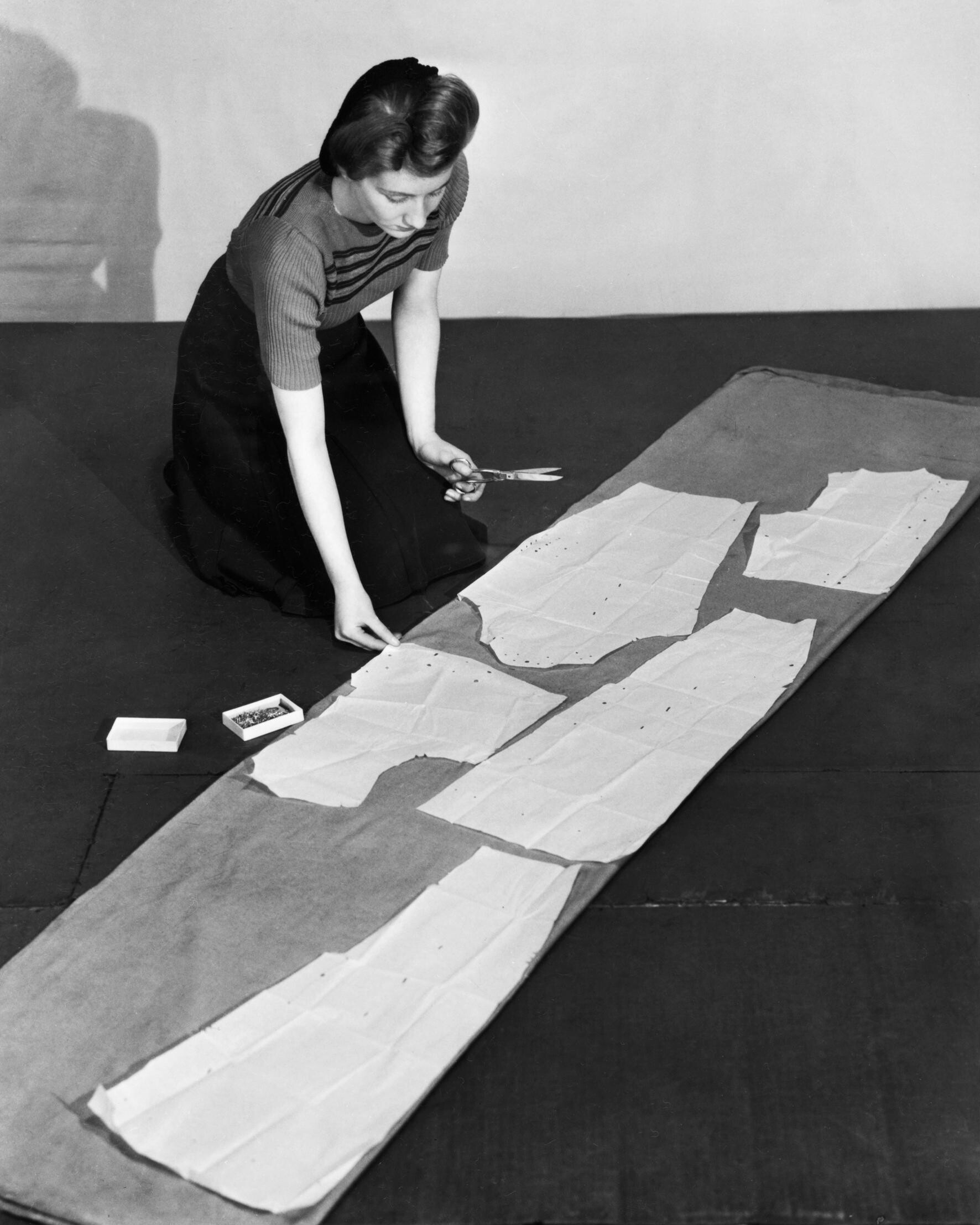
Cloth cut wrong is cut wrong. A piece laid against the grain, reversed on a directional print, cut from the yardage for the wrong width, or shortened past recovery cannot be uncut.
Identical in principle, and much less consequential because the materials cost less relative to income and a replacement cut can be ordered the same day.
Which is why the whole practice had so much checking in it. Pinning the pattern down and counting the pieces before cutting, cutting the largest pieces first in case of a shortage, and measuring twice – all of it a response to a material you could not get more of and had already paid for.
15. Every Town Had One and Then None of Them Did
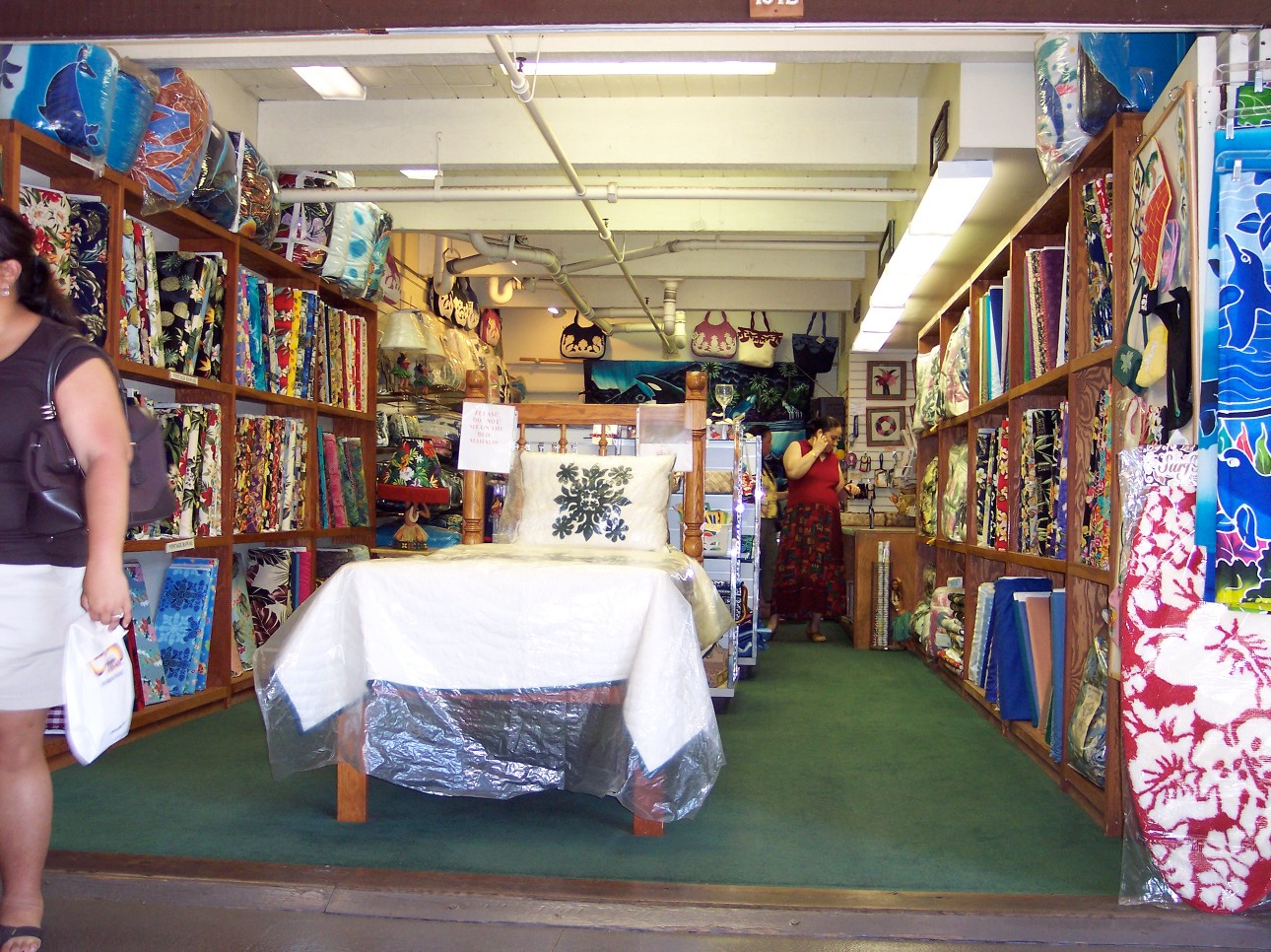
Fabric and notions were sold in dedicated stores, in the fabric department of every department store, in variety stores and by mail – and a town of any size supported at least one.
A small number of national craft chains with a reduced fabric department, independent quilting shops, and online retail. The dedicated general dress-fabric store has very largely gone.
The collapse was quick and it was not a mystery. Imported ready-to-wear prices fell through the 1980s and 1990s to a point where the fabric alone cost more than the garment, home sewing for economy stopped making sense, and a retail category that existed to serve that calculation lost its reason to exist.
16. Then the Quilters Kept the Lights On
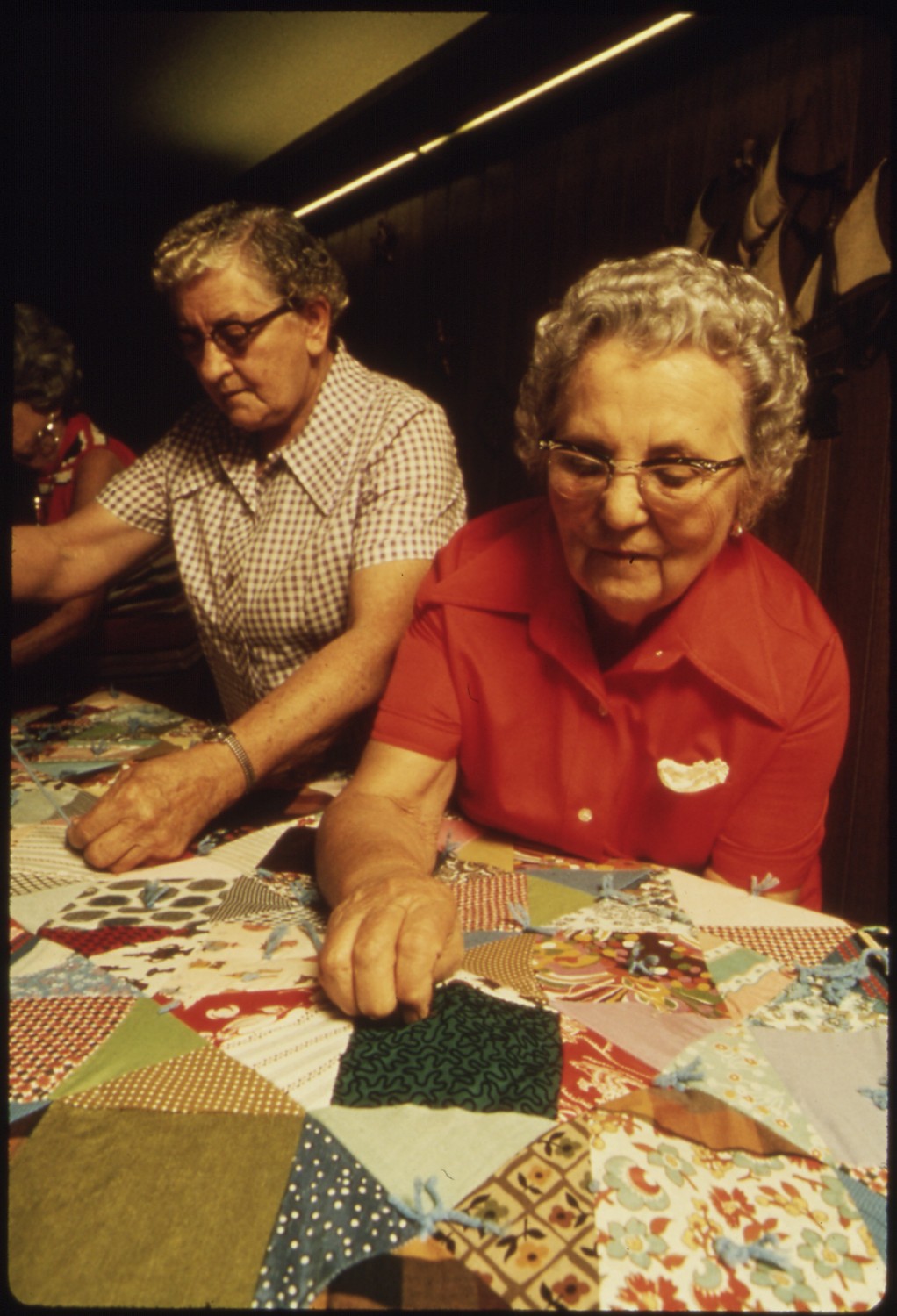
All of it rested on one sum: that cloth plus a pattern plus a woman’s own evening cost less than a finished dress in a shop.
That sum reversed, and what survived is the part of sewing where it never applied. Quilting shops – with better fabric, specialist cotton, rotary cutting, and a substantial community around them – are a healthy business, and so is making for fit, for costume and for the pleasure of it.
The reason is straightforward and worth stating. You cannot buy the quilt. A pieced quilt in chosen fabrics, made by a named person for a named recipient, has no ready-made equivalent at any price, so no amount of cheap manufacturing competes with it – whereas a plain cotton dress has a factory-made equivalent for less than the cloth. So sewing did not die. It retreated, completely and permanently, to the things that cannot be bought: the garment that fits a particular body, the costume nobody sells, and the object whose whole value is that somebody made it for you.
Sewing Retreated to What Cannot Be Bought
Everything in this story turns on a single sum, and the sum changed sign.
In 1974, fabric plus a pattern plus thread plus notions cost less than the equivalent finished garment in a shop. The maker’s hours did not enter the calculation, because those hours had no alternative use and no price attached to them. So a household with a sewing machine could clothe itself more cheaply than it could buy clothes, and a retail category existed to serve exactly that – which is why a town of any size had a fabric store, and why every department store had a fabric department.
Then imported ready-to-wear prices fell through the 1980s and 1990s, and kept falling. The crossover is not subtle: a plain cotton dress can now be bought finished for less than the cloth to make one, before a single hour of anybody’s time is counted.
Once that happened, sewing for economy stopped making any sense whatsoever, and the retail category that existed to serve it had no reason to exist. It went quickly and almost completely, and nobody should pretend otherwise or call it a mystery.
But look at what survived, because the pattern is exact.
Quilting shops are a healthy business – better fabric, specialist cotton, rotary cutting, classes, and a substantial community. Dressmaking for fit survives. Costume survives. Making a specific thing for a specific person survives.
And every one of those is a case where the cheap factory cannot compete, because there is no factory version.
You cannot buy the quilt. A pieced quilt in chosen fabrics, made by a named person for a named recipient, has no ready-made equivalent at any price – so the collapse in manufacturing costs did nothing to it. You cannot buy a garment cut to one body’s actual measurements with the shoulder adjusted and the waist where that waist is. You cannot buy the costume nobody makes.
So the honest conclusion is not that sewing died or that a craft was lost. It retreated, permanently and completely, out of everything that a factory can do and into the things a factory cannot do at all.
What went with it was not skill. It was the ordinariness – the fact that a dress in progress occupied the dining table for three evenings while the whole household walked past it, and that a mother and a daughter stood at a bolt rack arguing about a colour as a routine piece of family business rather than as a hobby.
If you grew up with this, somebody in your house measured you against a door frame and then against a pattern.
And you can still describe the exact fabric of one particular dress, which you were there for the buying of.
Like our content? Follow us for more.