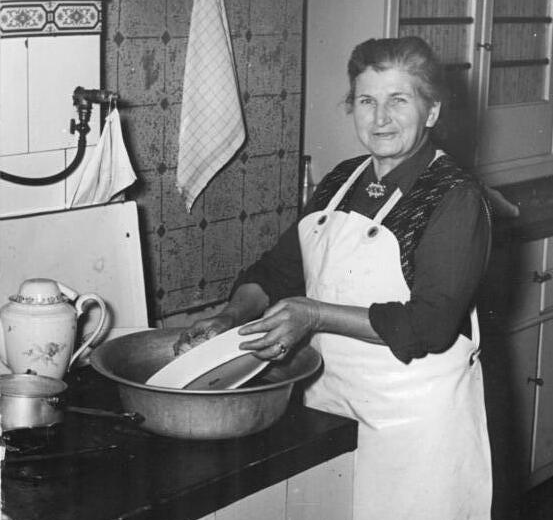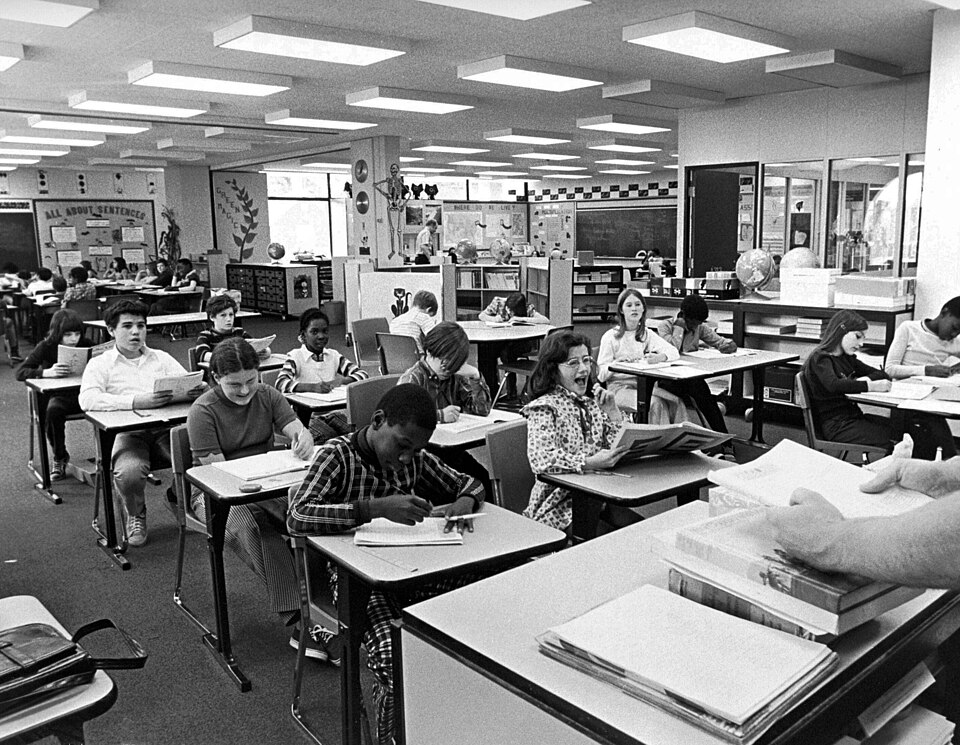
In 1970 the entire relationship between a household and a school was conducted in about five minutes, once a year, in the evening, with a queue outside the door and nothing written down. The parent sat on a chair built for a nine-year-old. The child was usually not in the room. The schedule collapsed within the first hour, the language was moderate enough to require decoding in the car afterwards, and anything genuinely serious had already been arranged for a different day. Here are fourteen things every family did on parents night in 1970, and why almost nobody would want it back. The preparation on the household side was considerable and had almost nothing to do with the child. Houses were tidied, clothes were chosen and people set off early, which is a strange amount of effort to put into a conversation lasting five minutes about somebody else’s handwriting. The explanation is that a great many parents experienced the appointment as a verdict on themselves rather than on their child, and behaved accordingly. The queue did the rest. Appointments cut to five minutes overran within the first hour without fail, which meant everybody spent longer sitting in a corridor than they did in the classroom, on chairs built for nine-year-olds, within earshot of the conversation ahead of them, with no established etiquette for any of it. A social situation that nobody has worked out the rules for is one people remember, and the corridor is remembered considerably more vividly than the appointment. Nobody at the school intended that and nobody in the household would have said it out loud, and it happened in enormous numbers of homes on the same evening every year.
1. It Was the Only Time Most Parents Entered the Building
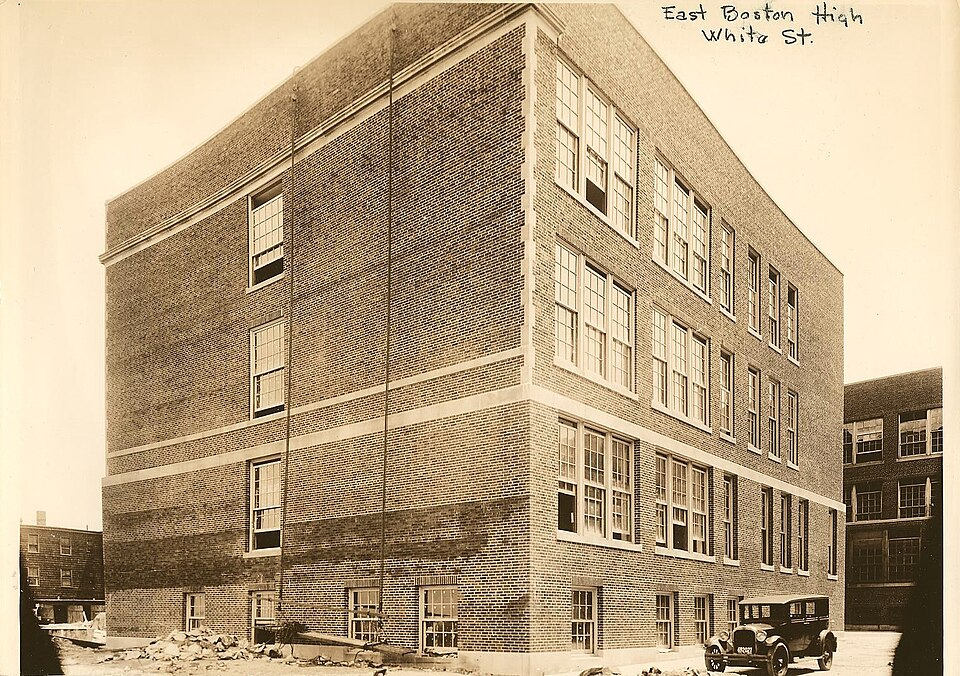
Many adults set foot inside their child’s school once a year, on that evening, and at no other point.
The rarity is the fact that governs everything else about it. An institution a child spends six hours a day in, five days a week, for years, was in most cases entirely unknown to the people paying for it and responsible for the child inside it.
That made the visit disproportionately significant. A single evening had to carry the entire relationship between a household and a school, which is far more weight than one conversation can reasonably bear.
Like our content? Follow us for more.
2. Children Were Usually Not Invited
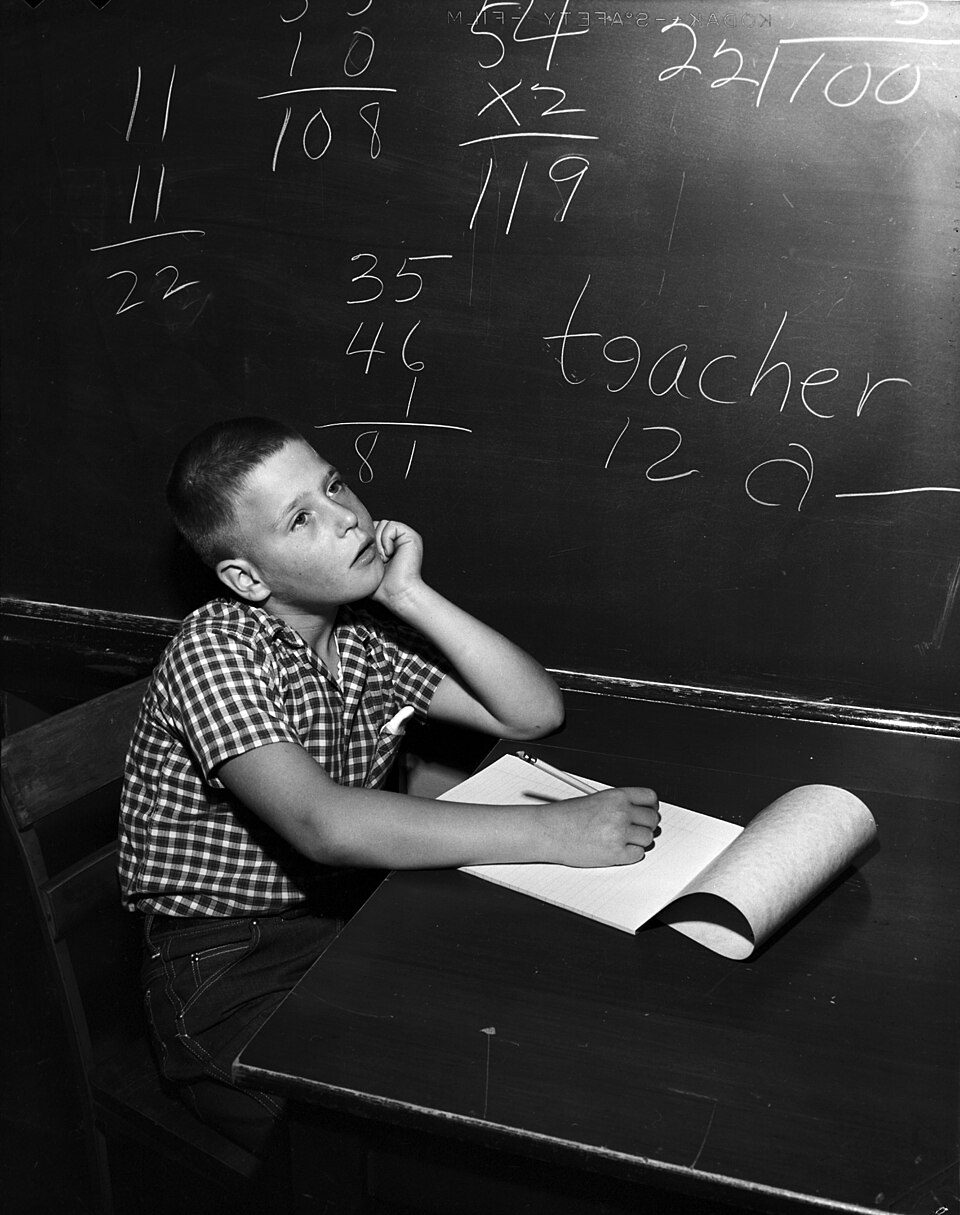
The evening was conducted between adults, and the pupil whose entire year was being discussed frequently was not in the room.
The exclusion is the detail that looks strangest now. A conversation about a child’s progress, conducted by two adults in the child’s absence, denies the one person who knows most about the situation any opportunity to say anything.
The waiting was its own experience. Children sat in corridors, in cars or at home with no information at all for an hour, and the walk back afterwards was conducted in a silence that could mean anything.
3. The House Was Cleaned for It and Nobody Admits Why
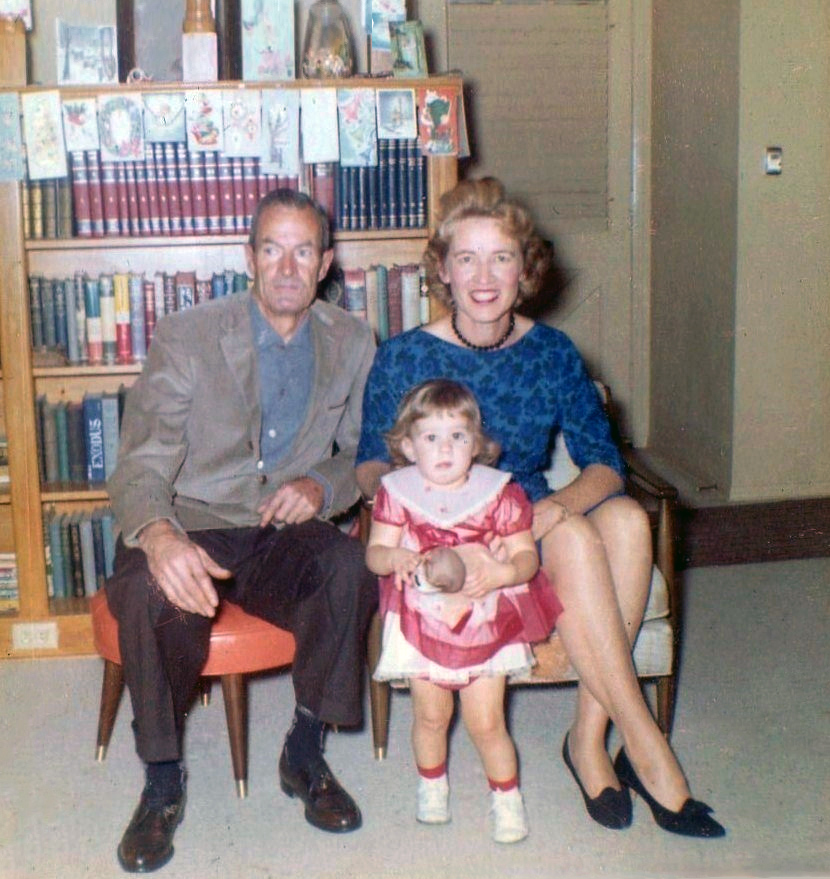
A remarkable number of households tidied, changed clothes and prepared as though they were the ones being inspected.
The behaviour reveals who felt they were on trial. A parent going to discuss their child’s work frequently experienced the appointment as a verdict on their household, which is not what anybody intended and is exactly how it landed.
Clothes were a particular concern. A parent dressing deliberately to attend a short meeting about a nine-year-old is doing something that has very little to do with the nine-year-old.
4. The Work Was on Display Before Anybody Sat Down
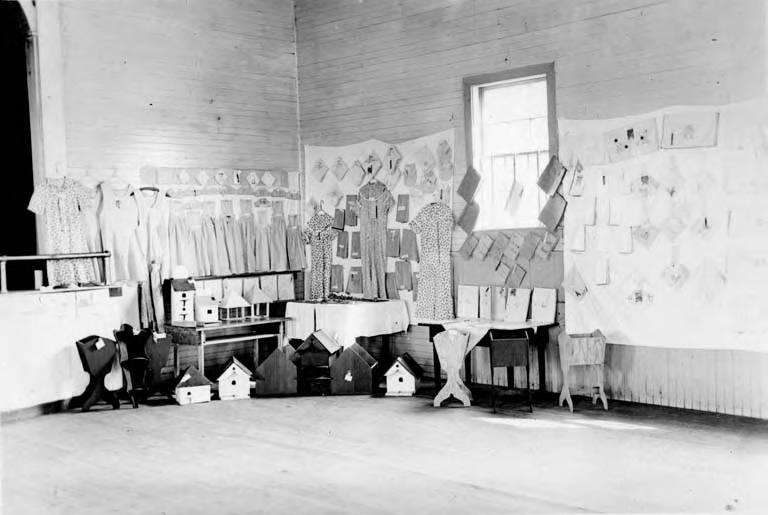
Books, folders and exercise work were laid out so that parents could see what their child had produced.
The display did a great deal of the talking. A folder of a term’s work answers most questions before they are asked, and a parent who has read it arrives at the conversation already knowing roughly what is coming.
Comparison was unavoidable. Thirty folders laid out on thirty desks is an invitation to look at more than one, and a substantial proportion of parents did exactly that without anybody suggesting it.
5. The Appointments Ran Late Immediately
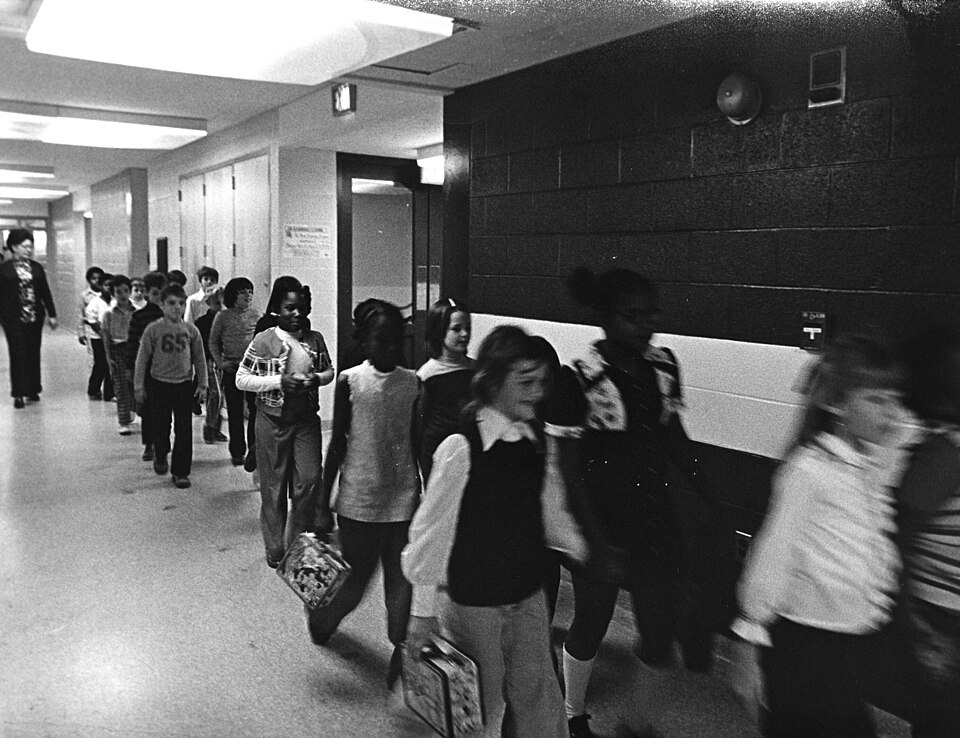
A schedule of short slots collapsed within the first hour and everybody waited considerably longer than they had been told.
The arithmetic guaranteed it. A conversation allotted five minutes takes seven, thirty of them in sequence produces an hour of overrun, and the queue outside the door grew steadily all evening.
The waiting was conducted in a specific kind of silence. Adults sitting on children’s chairs in a corridor, within earshot of each other, avoiding eye contact, is a social situation with no established etiquette at all.
6. Sitting on a Child’s Chair Was the Great Leveller
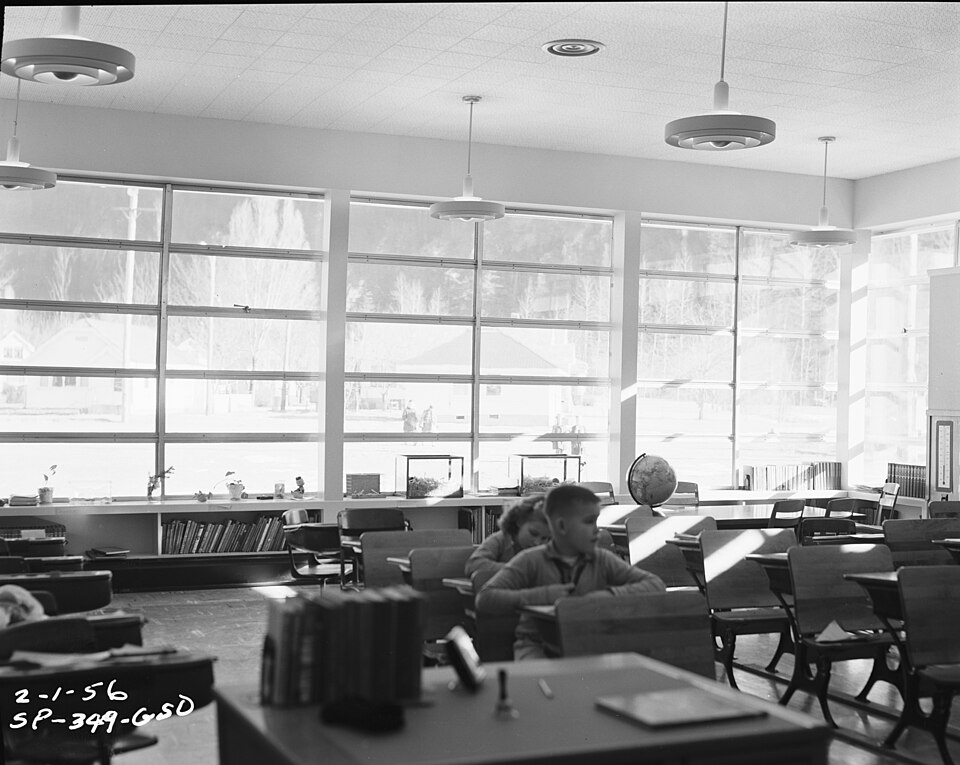
Adults were seated on furniture built for people a third of their size, and nobody was comfortable.
The physical absurdity was universal and was remarked on by everybody afterwards. A grown man with his knees somewhere near his chin is not in a strong position to conduct a difficult conversation, which may have been accidental or may not.
It also reversed the usual relationship. A parent in a classroom is on somebody else’s ground, using somebody else’s furniture, at somebody else’s invitation, which is exactly the position their child occupies every day.
7. The Teacher Had Thirty of These to Get Through

The same evening that was a single significant appointment for a household was the thirtieth conversation of the night for the person delivering it.
The asymmetry is enormous and was invisible from the parents’ side. An adult on their fourth hour of consecutive short meetings is not operating at the same level as somebody who has been preparing for this all week.
It also explains the phrasing. Teachers developed a small set of formulations that could be delivered quickly and accurately, and parents who compared notes afterwards sometimes noticed the same sentences recurring.
8. Everything Was Said Carefully and Decoded Later
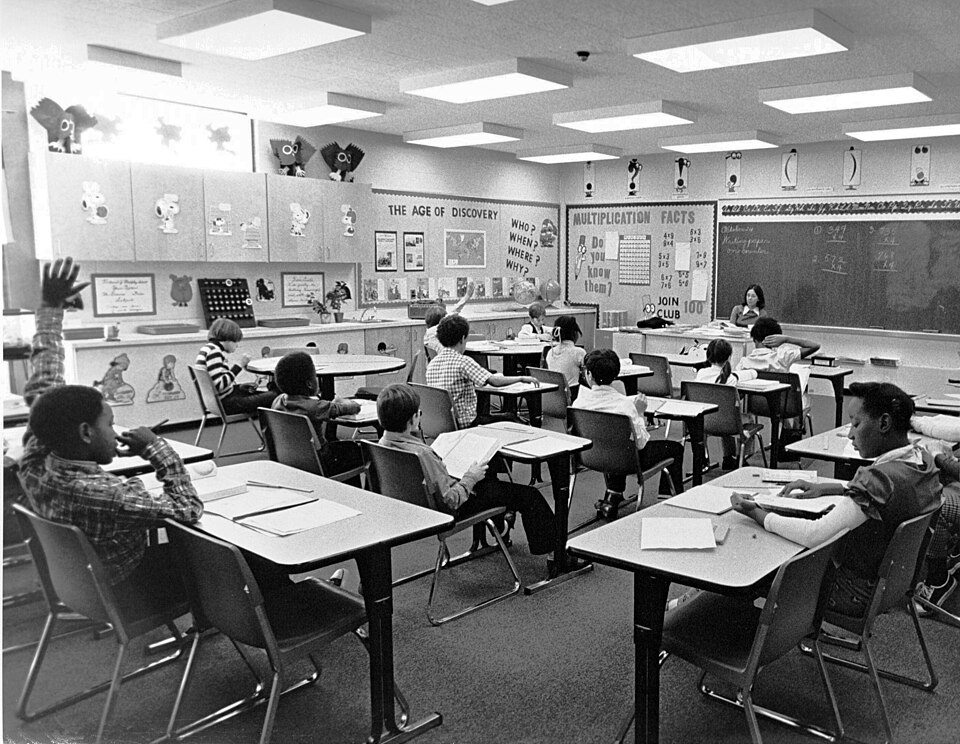
The language was deliberately moderate, and most of the real content was in the qualifications rather than the statements.
The decoding took place in the car. A parent repeating a phrase and asking what it actually meant is the most reliably reported part of the whole evening, and the interpretation was frequently wrong in both directions.
Children became expert at this by proxy. A child told what had been said, in the exact words, could often work out what was meant considerably faster than the adults could, because they knew the teacher.
9. The Serious Conversations Happened Somewhere Else
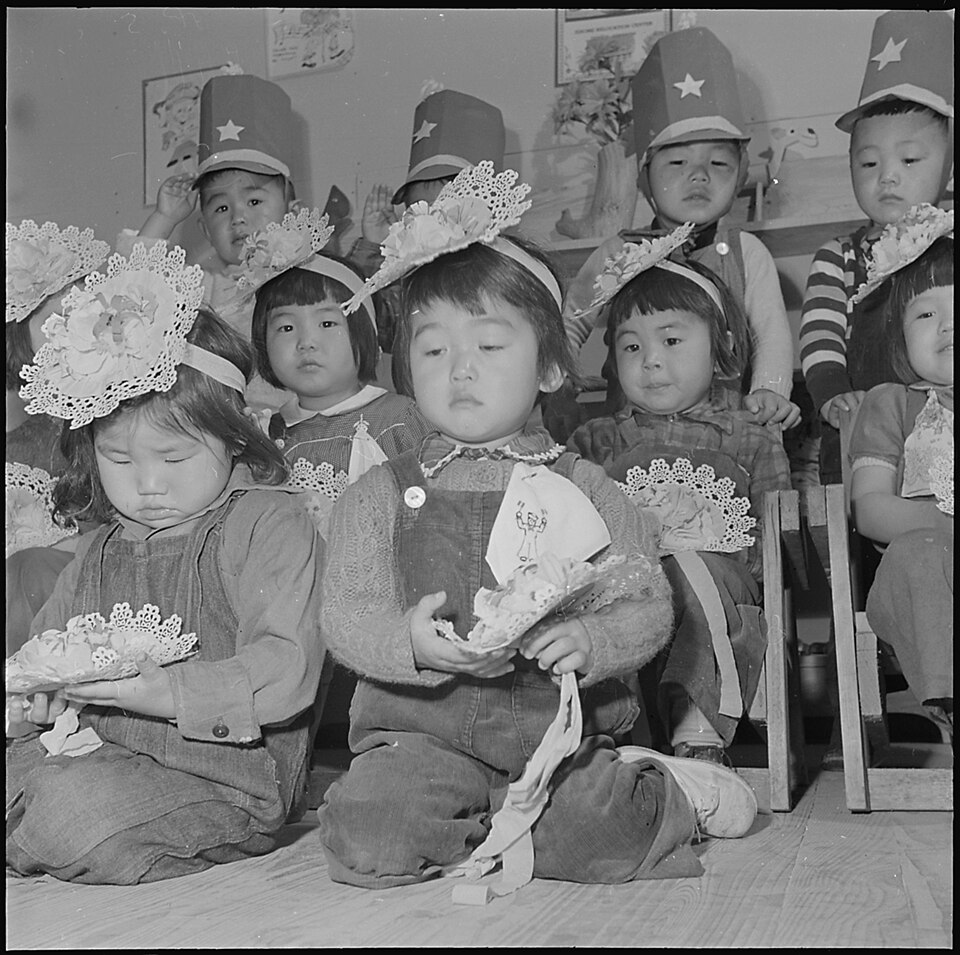
Anything genuinely difficult was not handled in a five-minute slot with a queue outside the door.
The format precluded it. A real problem requires time, privacy and an absence of other people waiting, and none of those were available, so a teacher with something substantial to say arranged to say it another day.
That made the evening mostly reassuring by design. The appointments that happened on the night were the routine ones, which is why most parents came away with the impression that everything was broadly fine.
10. Both Parents Attending Was Not the Norm
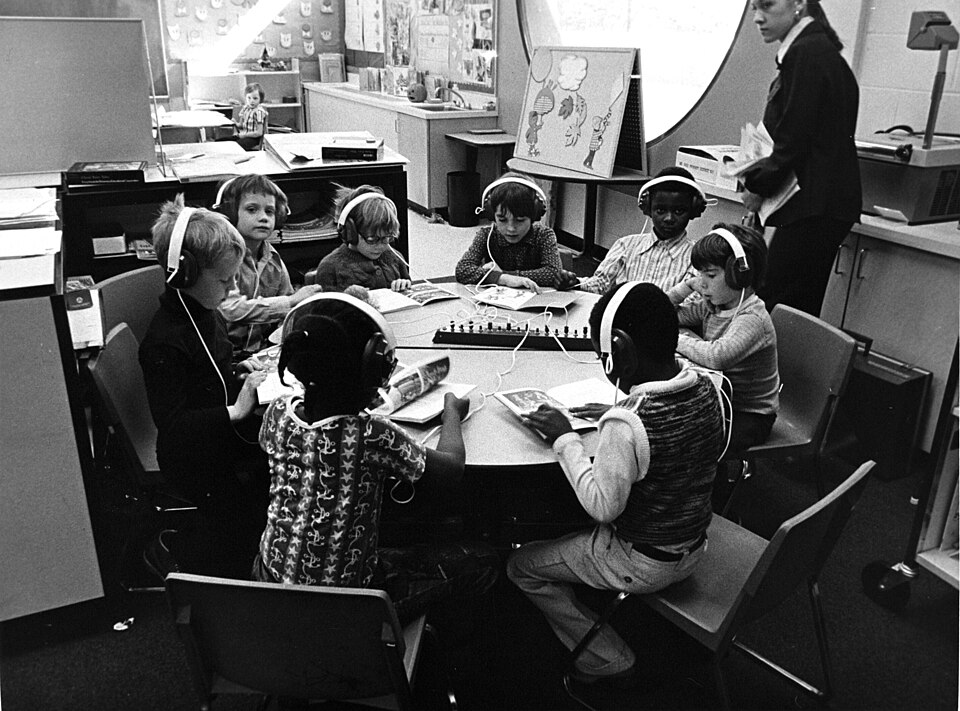
In most households one adult went, and which one varied by family and by what the week allowed.
The practicalities decided it. Working hours, other children and the sheer awkwardness of the evening meant that one person generally attended and reported back, which introduced a second layer of interpretation.
The report was never complete. Anybody relaying a conversation summarises it, and the version that reached the rest of the household had already been through one person’s filter before anybody discussed it.
11. Siblings Were Mentioned Whether or Not They Were Relevant
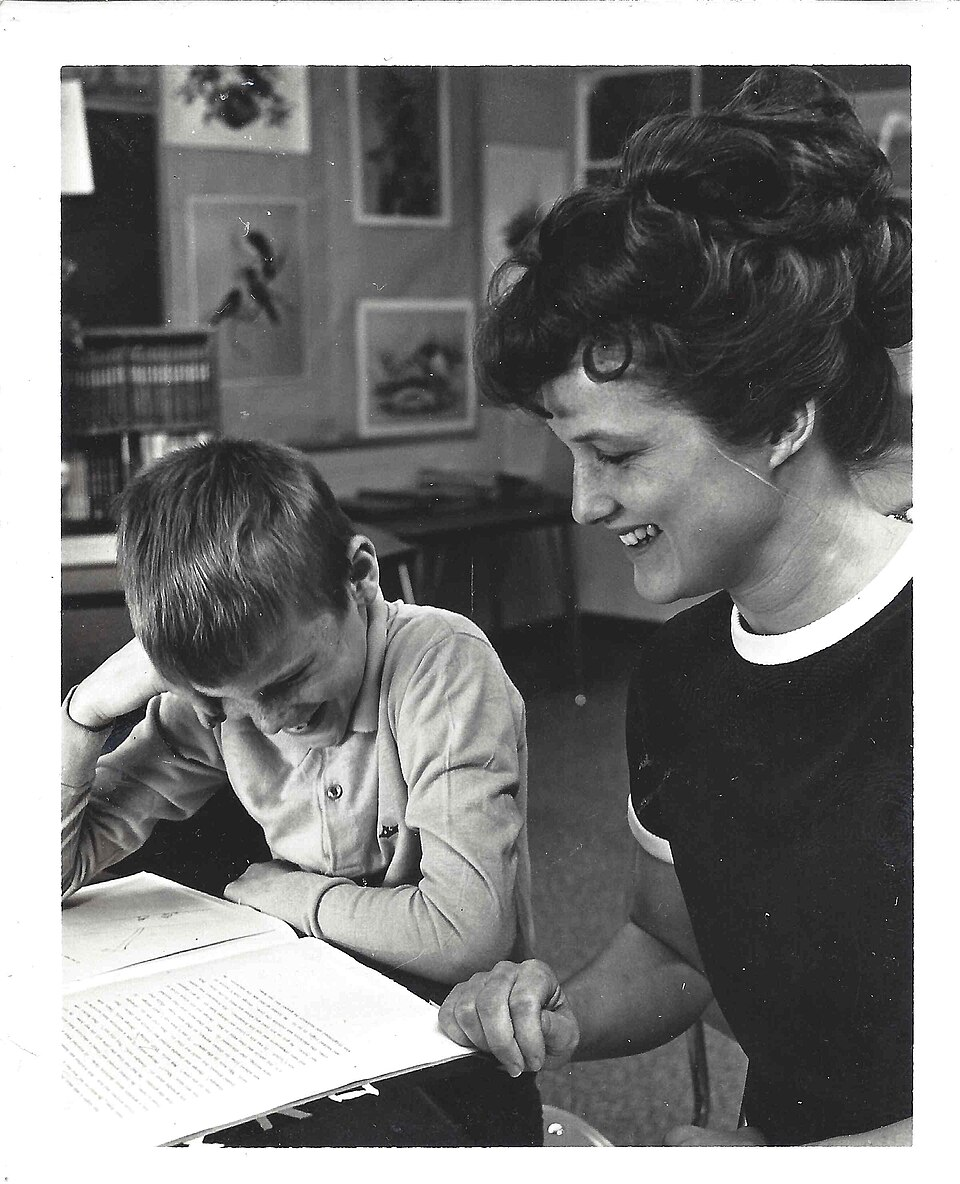
A teacher who had taught an older brother or sister brought it up, and the comparison was unavoidable.
The reference was usually meant warmly and landed variously. A child following a sibling through the same school was being measured against them by a person who had known them both, which is a position nobody chose.
Children knew it was happening. A younger sibling arriving in a classroom where their brother or sister was remembered had already worked out that this evening would include a comparison, and had frequently been dreading it for weeks.
12. The Drive Home Was the Part That Mattered
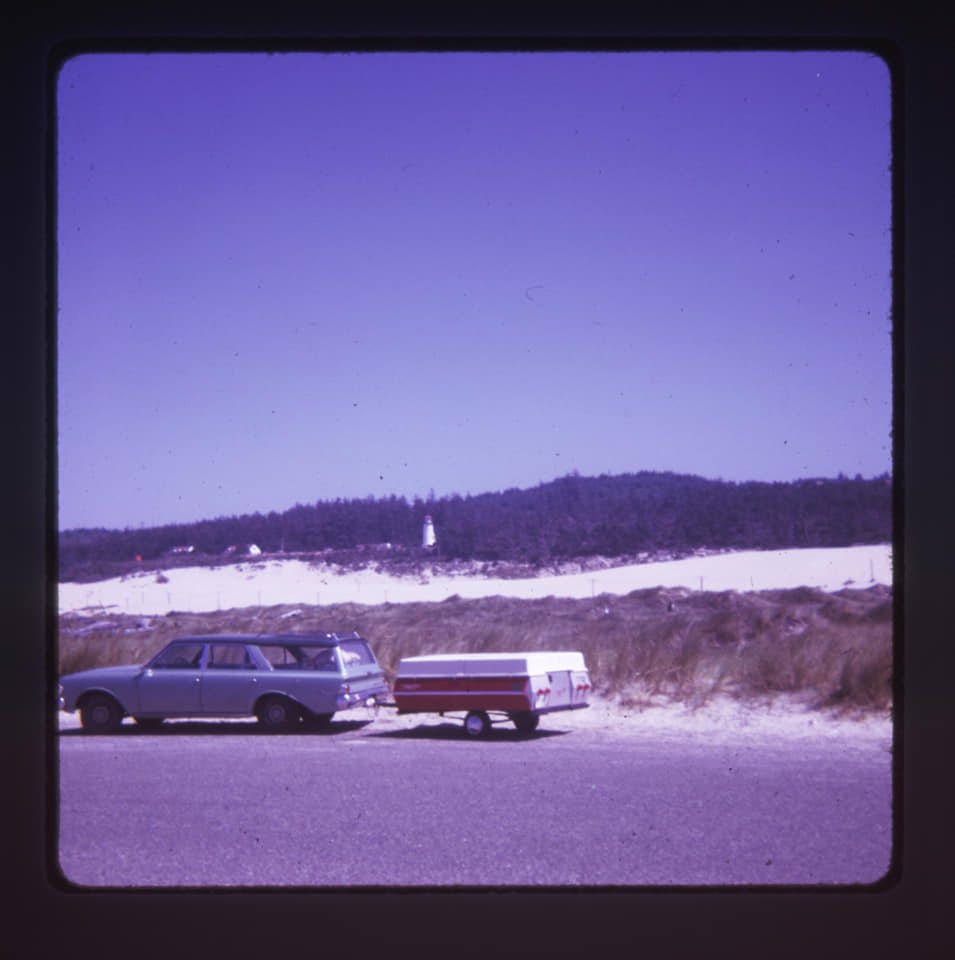
Whatever was said in the classroom was delivered to the child afterwards, in a car, by somebody who had been in the room.
That is where the evening actually took effect. The teacher spoke to a parent, the parent spoke to the child, and the second conversation was the one that determined what, if anything, happened next.
The tone was set in the first ten seconds. A child could tell from how the adult got into the car whether the news was good, and almost everybody who experienced this remembers the arrival rather than the conversation.
13. Nothing Was Written Down for the Household
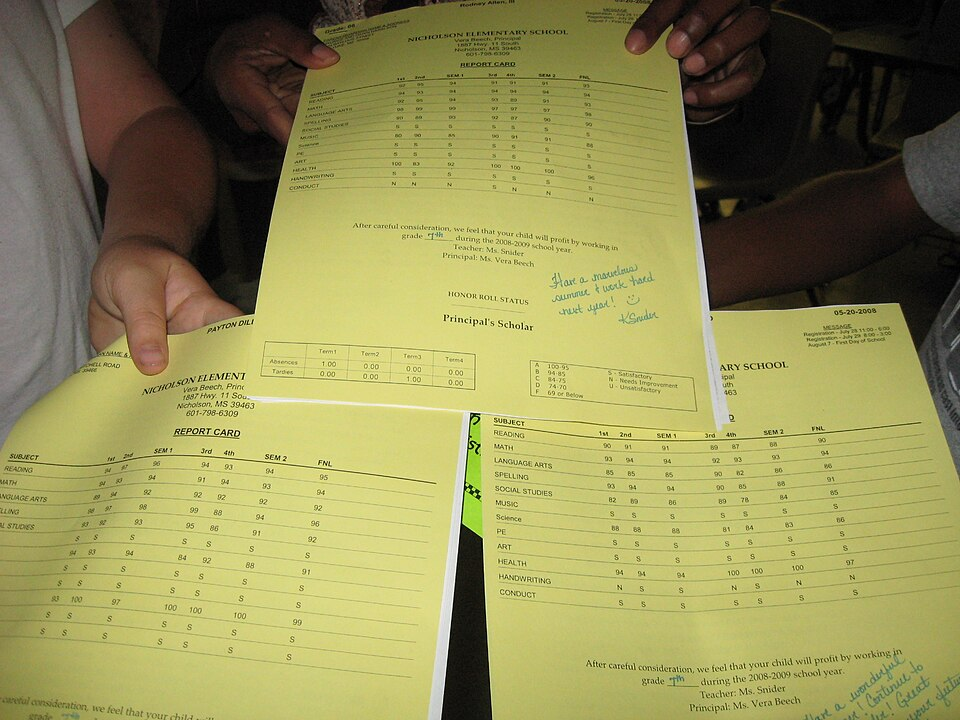
The whole evening was verbal, and a parent left with nothing but what they could remember.
The absence of a record is the biggest practical difference from now. A conversation that produces no document is a conversation nobody can check, revisit or act on precisely, and disagreements about what had been said were impossible to resolve.
Memory did all the work and did it badly. A five-minute conversation recalled a fortnight later is substantially reconstructed, and what a household eventually acted on bore an uncertain relationship to what had actually been said.
14. Then the Contact Became Continuous
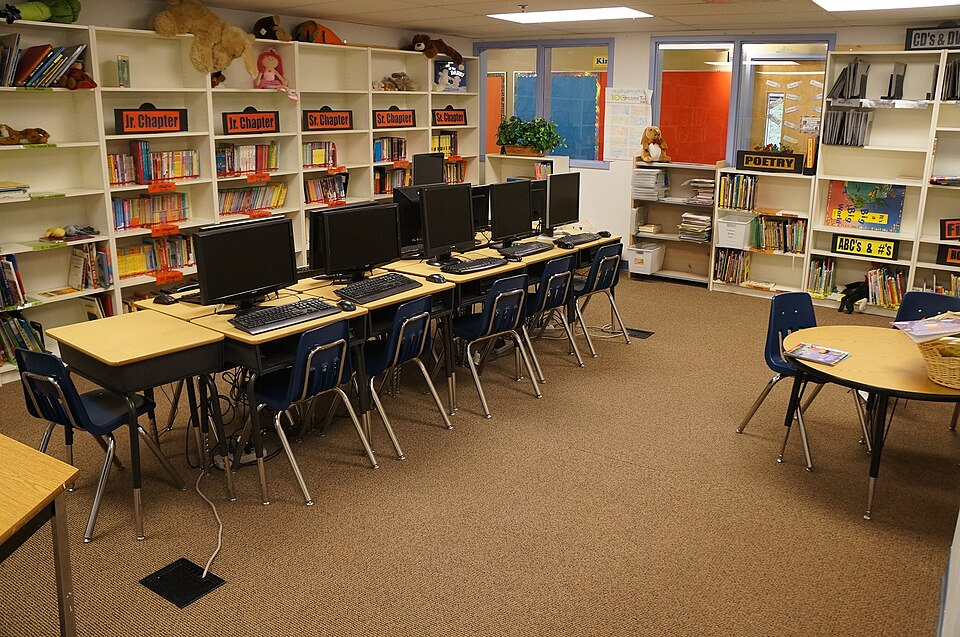
Written reports, email, portals, logged assessments and direct access to teachers replaced the single annual evening entirely.
The improvement is real and almost nobody would go back. Continuous, written, checkable communication solves every structural problem the old format had – the compression, the queue, the lack of record and the reliance on one adult’s recollection.
What went was the visit. One evening a year when the people who paid for a building actually stood inside it, sat on the furniture their children sat on, looked at thirty folders laid out on thirty desks and found out what the place was actually like. One evening, five minutes, a queue outside the door, and nothing written down afterwards by anybody.
What One Evening Was Being Asked to Carry
Read in order, the fourteen describe a structure under far more load than it could bear. A household’s entire formal contact with an institution its child spent six hours a day inside was compressed into a single short conversation, held once, with no record made and no way to check afterwards what had been said. The teacher was on their thirtieth version of it. The parent had cleaned the house for it and was sitting on furniture a third of the right size. The child, who knew more about the situation than either of them, was waiting in a corridor. And the language was deliberately moderate, which meant the actual content had to be inferred later from the qualifications rather than taken from the statements – a process conducted in a car by two people who were guessing. The folders on the desks were doing more work than the conversation. A term’s output laid out in order answers most of the obvious questions before anybody opens their mouth, which is why so many parents arrived at the appointment already knowing roughly what they were going to hear. The asymmetry on the other side of the desk was equally invisible. What was a once-a-year appointment for the household was the thirtieth consecutive short meeting of the evening for the person delivering it, somewhere in a fourth hour, and the small set of carefully neutral formulations teachers fell back on was a practical response to exactly that rather than evasiveness. It also guaranteed comparison: thirty folders on thirty desks is an invitation nobody could refuse, and a substantial proportion of the adults in that room looked at more than the one they had come for. That was the only moment in the year when a household could see its child’s work set beside everybody else’s, and no written report before or since has offered anything equivalent.
Everything about the replacement is better. Written, continuous, checkable contact solves every structural problem the single evening had: the compression, the queue, the absent record, the reliance on one adult’s recollection of five minutes a fortnight earlier. Nobody is campaigning to go back. What went with it is the visit itself – one evening a year when the people who paid for a building stood inside it, sat on the furniture their children sat on all day, looked at thirty folders laid out on thirty desks, and found out what the place was actually like.
Like our content? Follow us for more.