These were machines built to beat a single bottleneck, and they look absurd until you count.
Preserving fruit in quantity means processing hundreds of individual pieces one at a time. If removing a stone takes four seconds by hand and one second with a device, that device turns four hours of work into one – which is exactly why a household would buy a machine that does one operation on one kind of fruit and nothing else.
And speed was only half the argument. Cutting a stone out with a knife opens the fruit, loses the juice and leaves it in pieces, while a plunger pushing the stone through a hole leaves the flesh otherwise intact. So the machine was not just faster than a knife – it produced a better product than a knife could. Here are fourteen things every woman knew.
1. These Were Machines Built to Beat a Single Bottleneck
A pitter or a seeder did one operation on one kind of fruit, and it existed because that operation was the slowest step in a much larger job.
Pitted and seeded fruit bought ready.
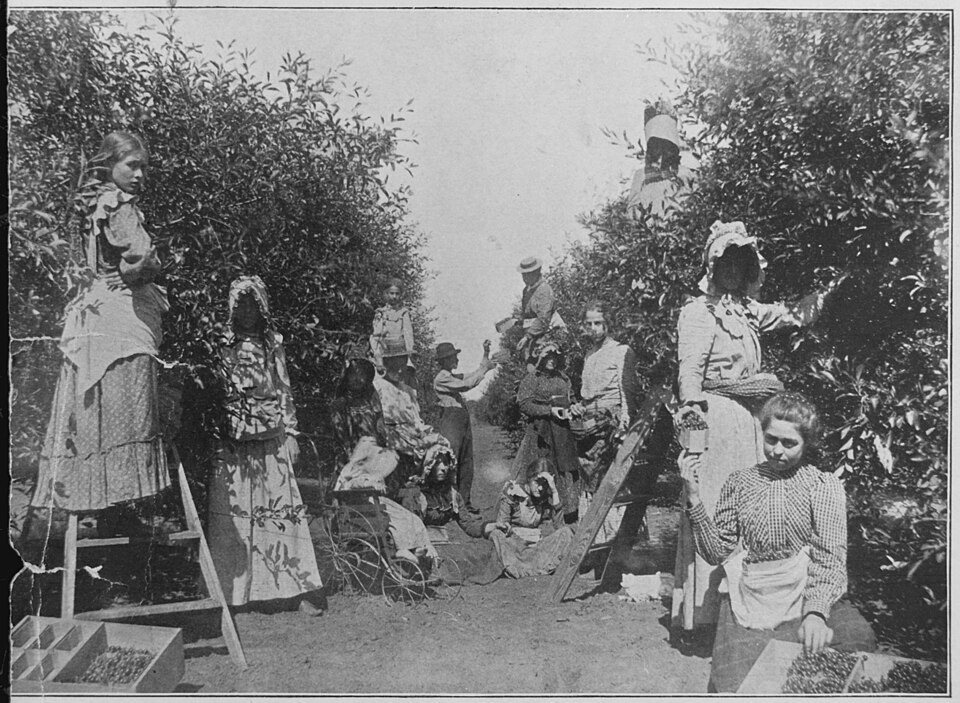
Start with why a household would own a machine this specialised, because it looks absurd until you count. Preserving fruit in quantity means processing hundreds of individual pieces, and if removing the stone takes four seconds by hand, a device that takes one turns four hours into one – which is why a single-purpose machine was worth buying.
Like our content? Follow us for more.
2. Doing It by Hand Destroyed the Fruit
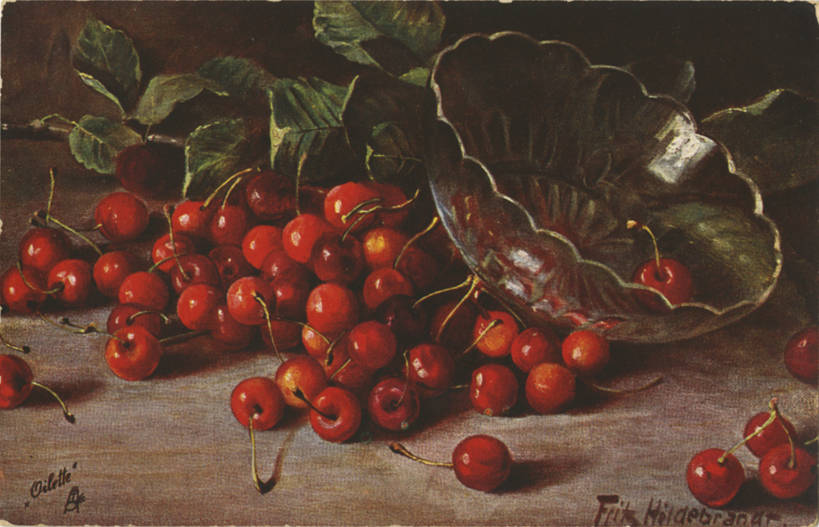
Cutting a stone out with a knife opens the fruit, loses juice and leaves it in pieces, which matters when the result has to look like fruit.
Not applicable in the same way.
The quality argument is at least as important as the speed argument and it is the less obvious one. A pierced fruit that keeps its shape is worth more than a cut one, so the machine is not only faster – it produces a different and better product than a knife can.
3. The Mechanism Was Usually a Pin Pushing Through a Hole
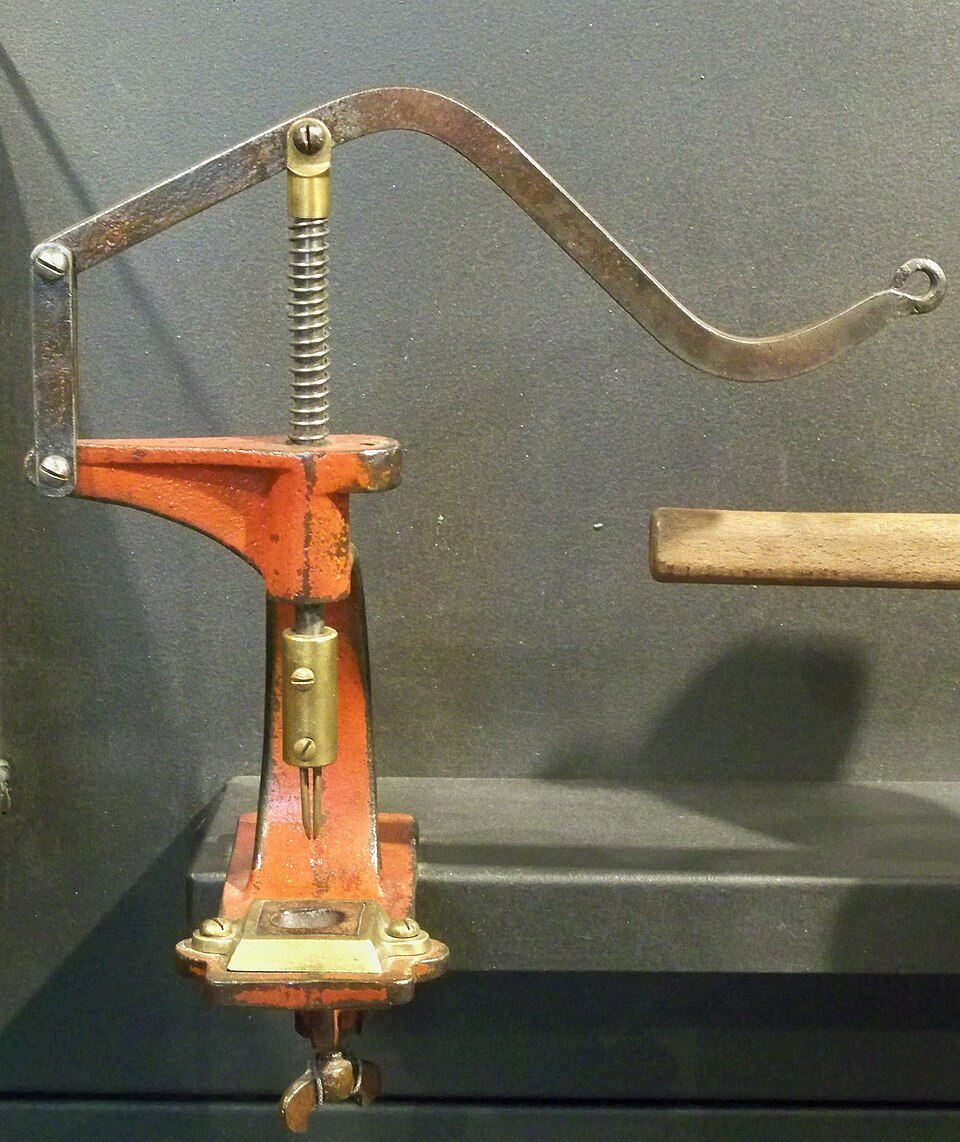
The fruit sat in a shaped cup and a plunger drove the stone out through an opening on the far side, leaving the flesh otherwise intact.
Not applicable.
The engineering is beautifully simple and the whole trick is in the alignment. A rod, a cup and a hole in the right place turn an awkward extraction into a straight push – and because nothing cuts, the fruit closes behind the stone rather than falling apart.
4. The Cup Had to Fit the Fruit or Nothing Worked
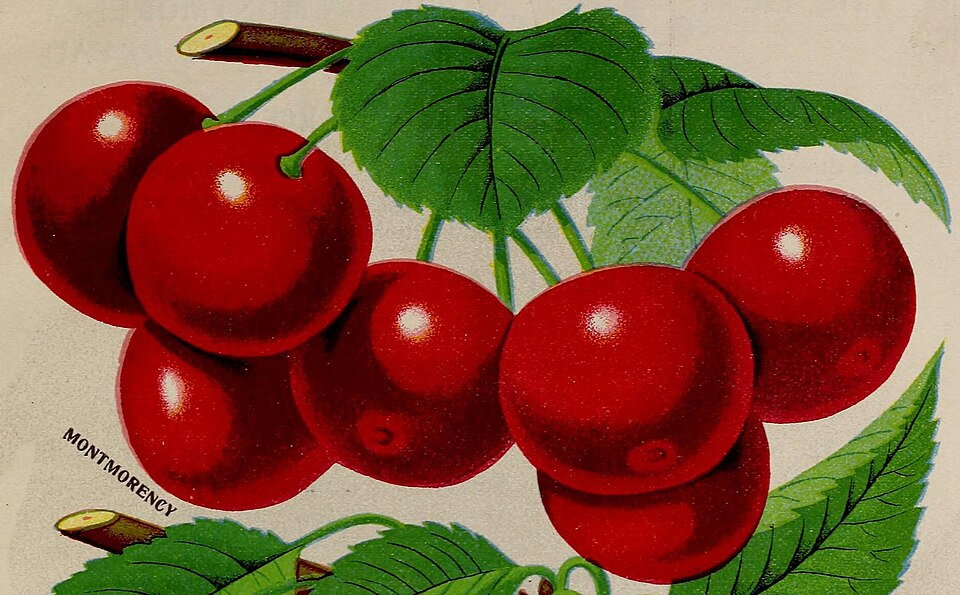
Fruit too large jammed, fruit too small rolled and got pierced off centre, so each machine suited a narrow range of sizes.
Not applicable.
The size dependence is the real limitation of all of these and it is why there were so many patterns. A rigid cup is a fixed geometry while fruit varies constantly, so the operator was sorting by size before the machine ever touched anything.
5. A Raisin Seeder Worked on a Completely Different Principle
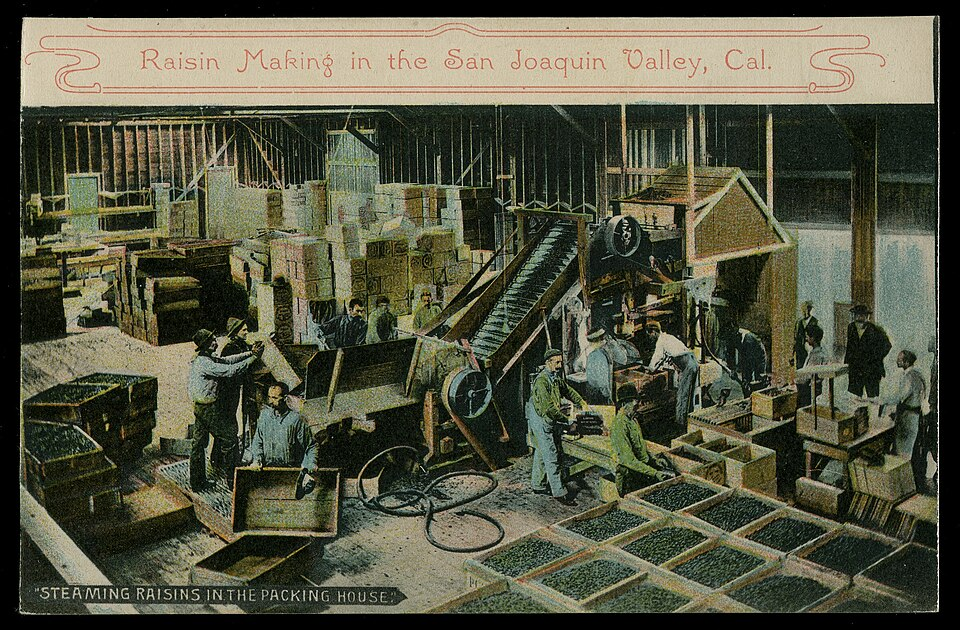
Dried fruit was fed between rollers or wires that gripped the seeds and pulled them out, because a plunger cannot push through something leathery.
Seedless varieties.
The seeder deserves separating out because people assume it is the same device and it is not. A dried fruit is tough and sticky rather than soft and wet, so the mechanism has to grip and separate rather than pierce and push – a different problem entirely.
6. Wetting the Dried Fruit First Was Not Optional

Raisins were softened before seeding, because dry ones tore and clogged the mechanism within a handful.
Not applicable.
The preparation step is the one everybody skipped once and never skipped again. Softening changes the material from brittle to pliable, which is the difference between the fruit releasing its seeds and the fruit simply disintegrating in the machine.
7. They Clamped to the Table and the Table Mattered
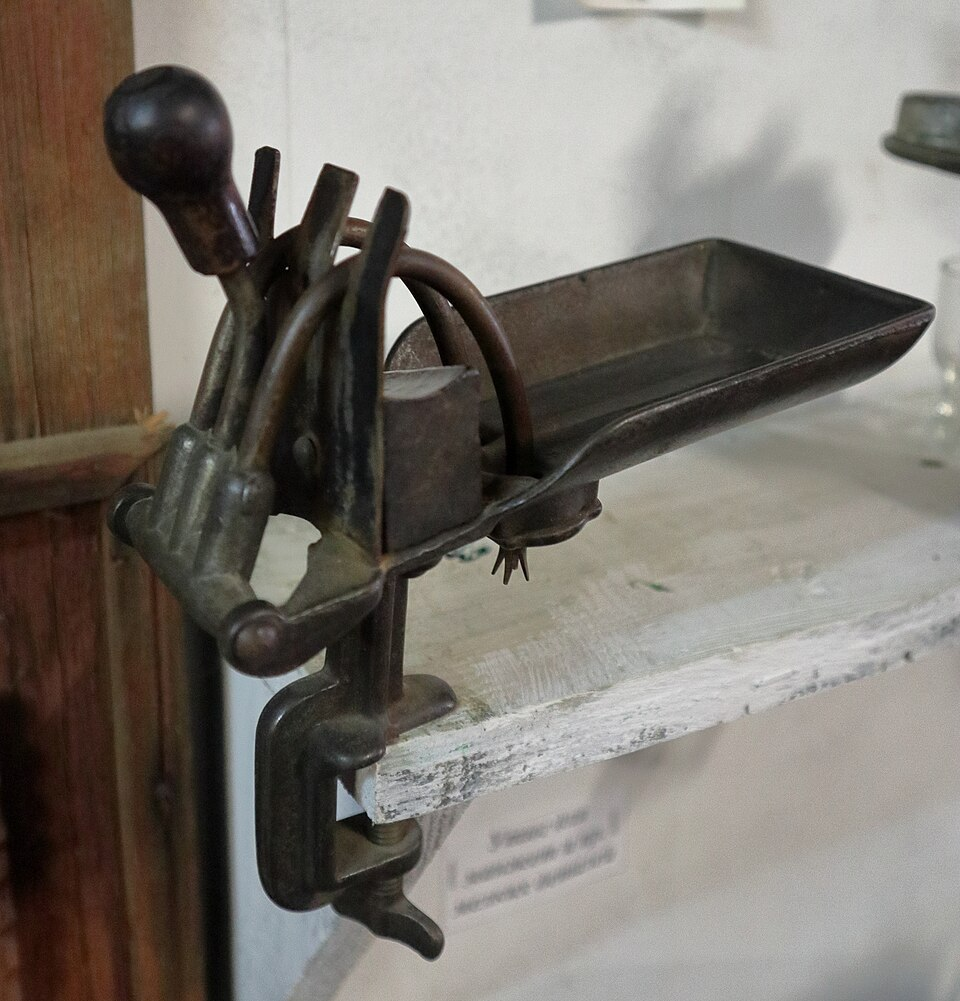
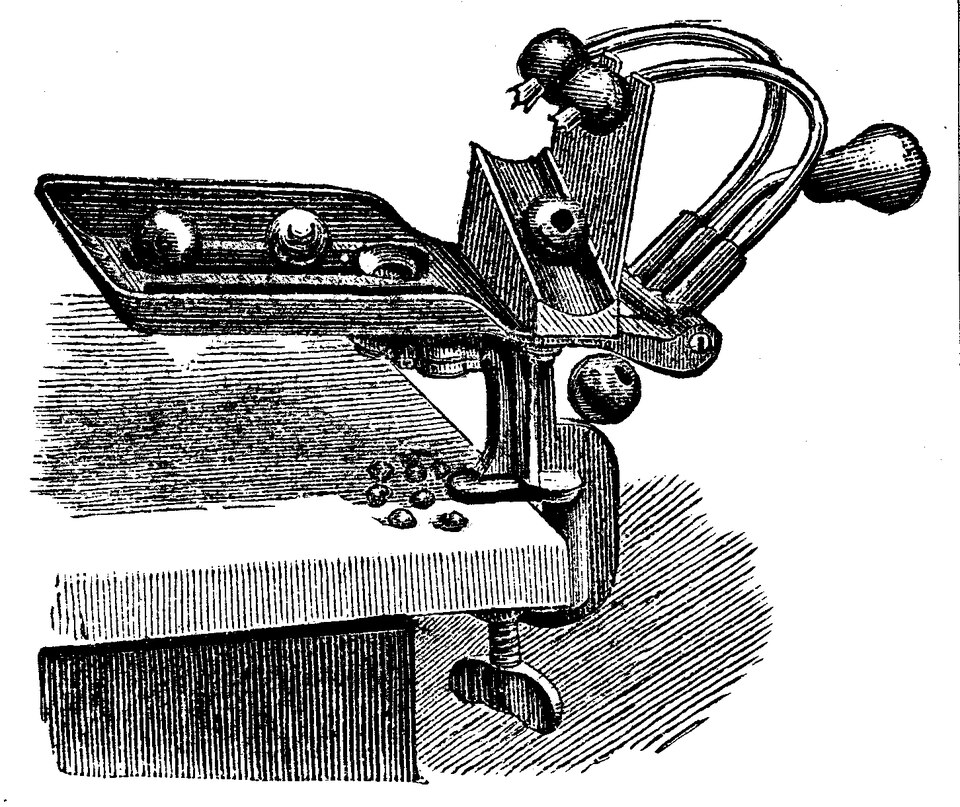
Most of these fixed to a table edge with a screw clamp, which means the device needed a stable surface of the right thickness.
Not applicable.
The clamp is the forgotten half of every small kitchen machine and it imposed its own requirements. A hand-cranked device pushes back against the operator, so it has to be anchored to something solid – and a table too thick, too thin or too flimsy made the machine useless.
8. The Mess Was Significant and It Was Planned For
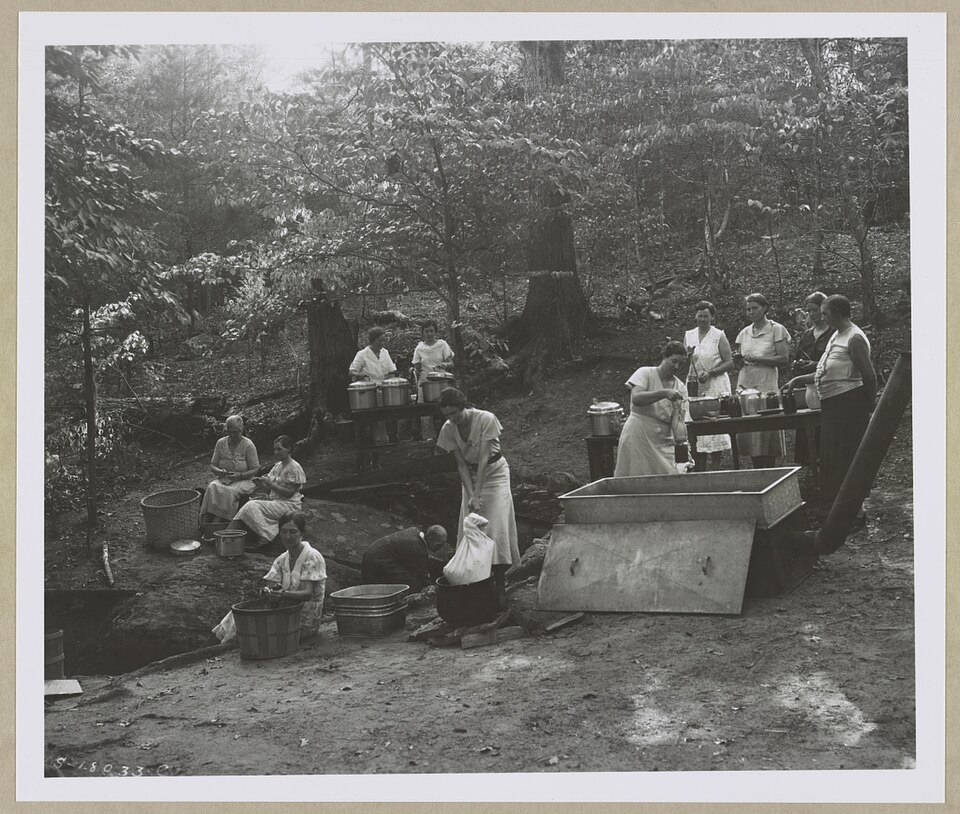
Juice, pulp and stones all came out in different directions, which meant pans, cloths and a working position chosen for cleaning up afterwards.
Not applicable.
The spatter is the honest part of the picture and it determined where the work happened. A machine that ejects a wet stone at speed and leaks juice from its cup needs catching arrangements on two sides, which is why this work was not done in the middle of a tidy kitchen.
9. Seedless Varieties Made the Seeder Obsolete First

Breeding and selection produced dried fruit with no seeds at all, which eliminated the operation rather than speeding it up.
Universal.
This is the most interesting ending in the whole category, because the problem was solved in the plant rather than in the kitchen. A tool made unnecessary by changing the raw material is a different kind of obsolescence from one replaced by a better tool.
10. Commercial Canning Took the Rest of the Work Away

Fruit processed and sold in jars and cans removed the reason for a household to handle quantities large enough to need a machine.
Universal.
The second ending is about scale moving out of the house and it is the pattern across all of this. The machines existed because households processed in bulk, so when the bulk processing moved elsewhere the machines had nothing left to be fast at.
11. The Devices Survived Because They Looked Like Something
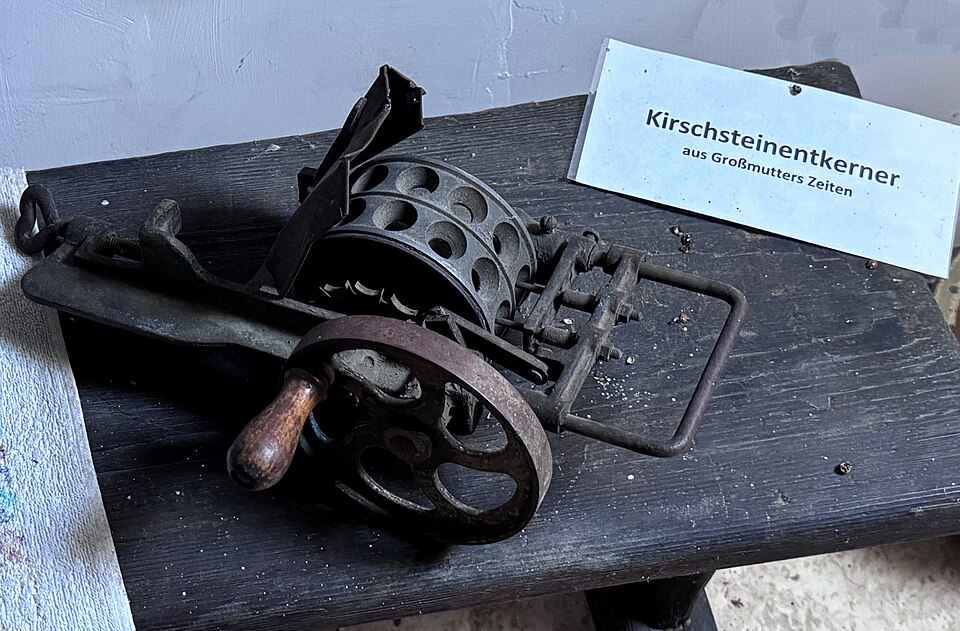
Cast iron frames, turned handles and visible linkages made these attractive objects, which is why they ended up on shelves rather than in scrap.
Collected.
Appearance is why we still have them and it is largely accidental. A machine whose working parts are exposed and whose frame is decorated iron reads as an ornament once it stops working – so the ones nobody needed were kept for the wrong reasons.
12. Nobody Can Identify Half of Them Now
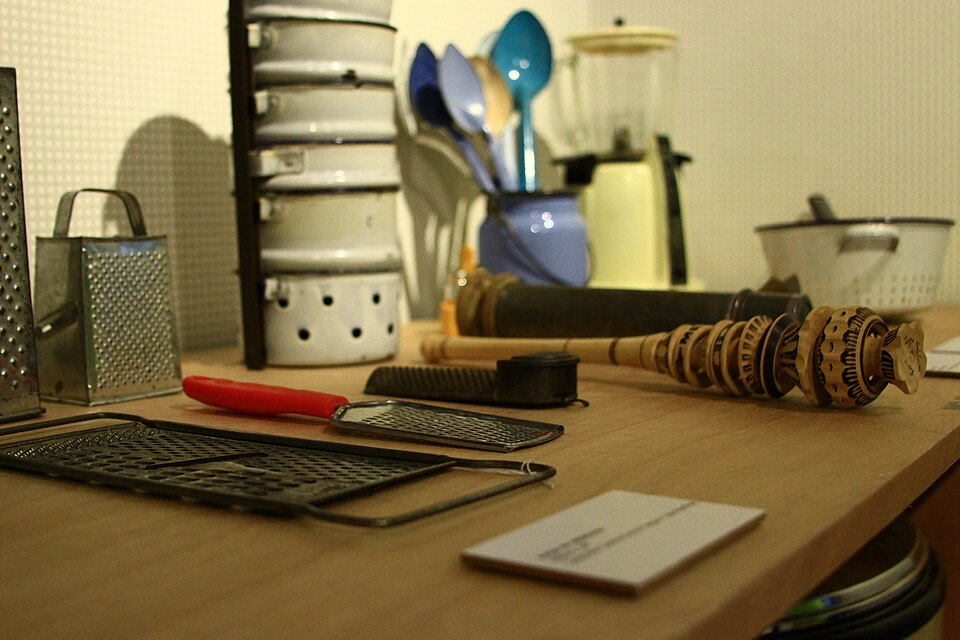
Small cast iron kitchen machines are frequently unidentifiable, because the fruit they suited and the job they did have both disappeared.
Not applicable.
The identification problem is the clearest evidence of how specialised these were. An object built for one operation on one fruit at one scale becomes meaningless once any of those three things changes, which is why so many sit in cases labelled unknown.
13. The Whole Category Was a Response to Doing Everything at Home
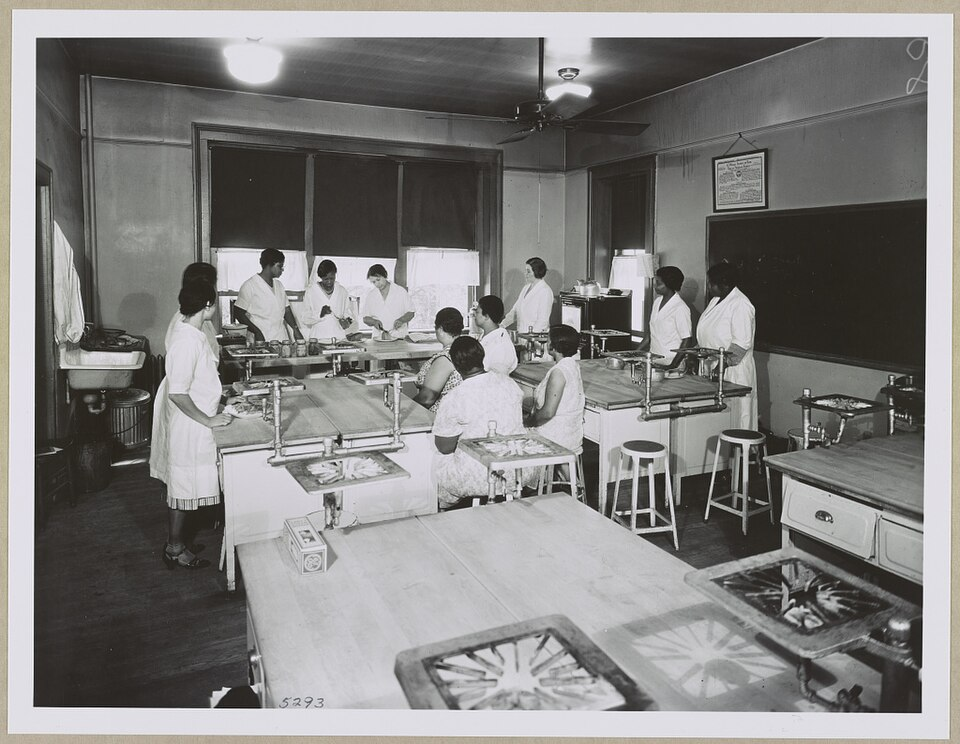
Dozens of single-purpose kitchen machines existed for the same reason: households processed raw materials in quantities that justified specialised tools.
Not applicable.
Seeing the category rather than the object is the useful shift and it reframes all of them. These were not gadgets bought on a whim – they were capital equipment for a small production operation, and they vanished when the operation did.
14. And by 1964 They Were Curiosities on a Kitchen Shelf
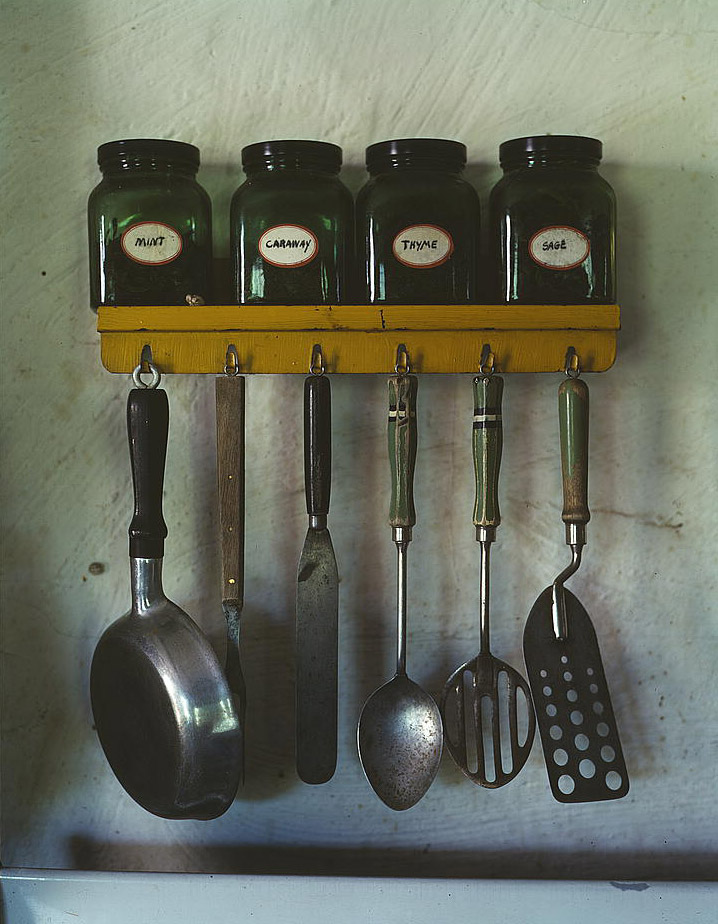
The pitters and seeders stood among other unexplained iron objects, admired for their construction and used for nothing at all.
Decorative.
And what deserves the last word is that these were capital equipment for a small factory that happened to be a kitchen. A household preserving fruit in bulk processes hundreds of pieces, so a device that cuts four seconds to one converts four hours into one – and it also produces a better result, because a fruit pierced by a plunger keeps its shape while one cut open with a knife does not. The mechanism was a rod, a cup and a hole in exactly the right place; the dried fruit version had to grip and pull instead, because you cannot push a plunger through something leathery; and both demanded preparation, sorting and a solidly clamped table before they did anything at all. Then seedless varieties removed the job from the plant and commercial canning removed the scale from the house, and what is left is a shelf of beautiful iron objects that nobody can name.
They Were Capital Equipment for a Factory in a Kitchen

Small cast iron kitchen machines look like the height of Victorian over-specialisation, and they make complete sense the moment you treat the kitchen as a production facility.
Begin with the arithmetic, because it is the entire justification. Preserving fruit in bulk means handling hundreds of individual pieces. A step that takes four seconds by hand and one by machine turns four hours into one – and that is why a device for one operation on one fruit was worth owning.
The quality argument is the less obvious half and it matters as much. A knife cutting a stone out opens the fruit, loses juice and leaves it in fragments, which is a real loss when the finished product is supposed to look like fruit. A plunger pushing the stone through a hole leaves the flesh otherwise whole – so the machine produced something a knife could not.
The mechanism is beautifully simple and the whole trick is alignment. A shaped cup to hold the fruit, a rod to push, and a hole in exactly the right place on the far side. Nothing cuts, so the flesh closes behind the departing stone instead of falling open.
Its limitation follows directly from that rigidity. A fixed cup is a fixed geometry and fruit is not uniform, so anything too large jammed and anything too small rolled and got pierced off centre. Which means the operator was sorting by size before the machine touched anything – and it is why so many different patterns and sizes were made.
The raisin seeder is a different machine and people routinely assume it is the same one. Dried fruit is tough, leathery and sticky rather than soft and wet, so a plunger is useless: the mechanism has to grip the seeds and pull them out, through rollers or wires. A different problem, solved differently.
And it had a preparation step nobody skipped twice. Raisins were softened first, because dry ones tear and clog the mechanism within a handful. Softening turns the material from brittle to pliable, which is the difference between releasing the seeds and disintegrating in the machine.
Two practical realities applied to all of them.
They clamped to a table edge, which made the table part of the machine. A hand-cranked device pushes back against its operator, so it has to be anchored to something solid – and a table too thick, too thin or too flimsy made the whole thing unusable.
And the mess was significant and planned for. Juice, pulp and stones leave in different directions, so the work needed pans and cloths on two sides and a position chosen for the cleaning up afterwards. This was not done in the middle of a tidy kitchen.
Then they ended, twice, in two interestingly different ways.
Seedless varieties killed the seeder outright, and that is the most unusual obsolescence in this whole category: the problem was solved in the plant rather than in the kitchen. A tool made pointless by changing the raw material is not the same as a tool replaced by a better tool.
And commercial canning killed the rest. The machines existed because households processed in bulk; once the bulk processing moved out of the house, there was nothing left for them to be fast at.
What survives, survives for the wrong reason. Cast iron frames, turned handles and exposed linkages make these attractive objects, so they went onto shelves rather than into scrap – kept because they look like something, not because anybody remembered what they did.
Which is why half of them cannot be identified now. An object built for one operation on one fruit at one scale becomes meaningless once any of those three changes, and all three changed. That is the clearest possible measure of how specialised they were.
The useful shift is to see the category instead of the object. These were not gadgets bought on a whim. They were capital equipment for a small production operation, and they disappeared with the operation – leaving a shelf of handsome iron machines labelled unknown.
If you see one on a shelf, look for the hole opposite the plunger.
That hole is the entire invention.
Like our content? Follow us for more.