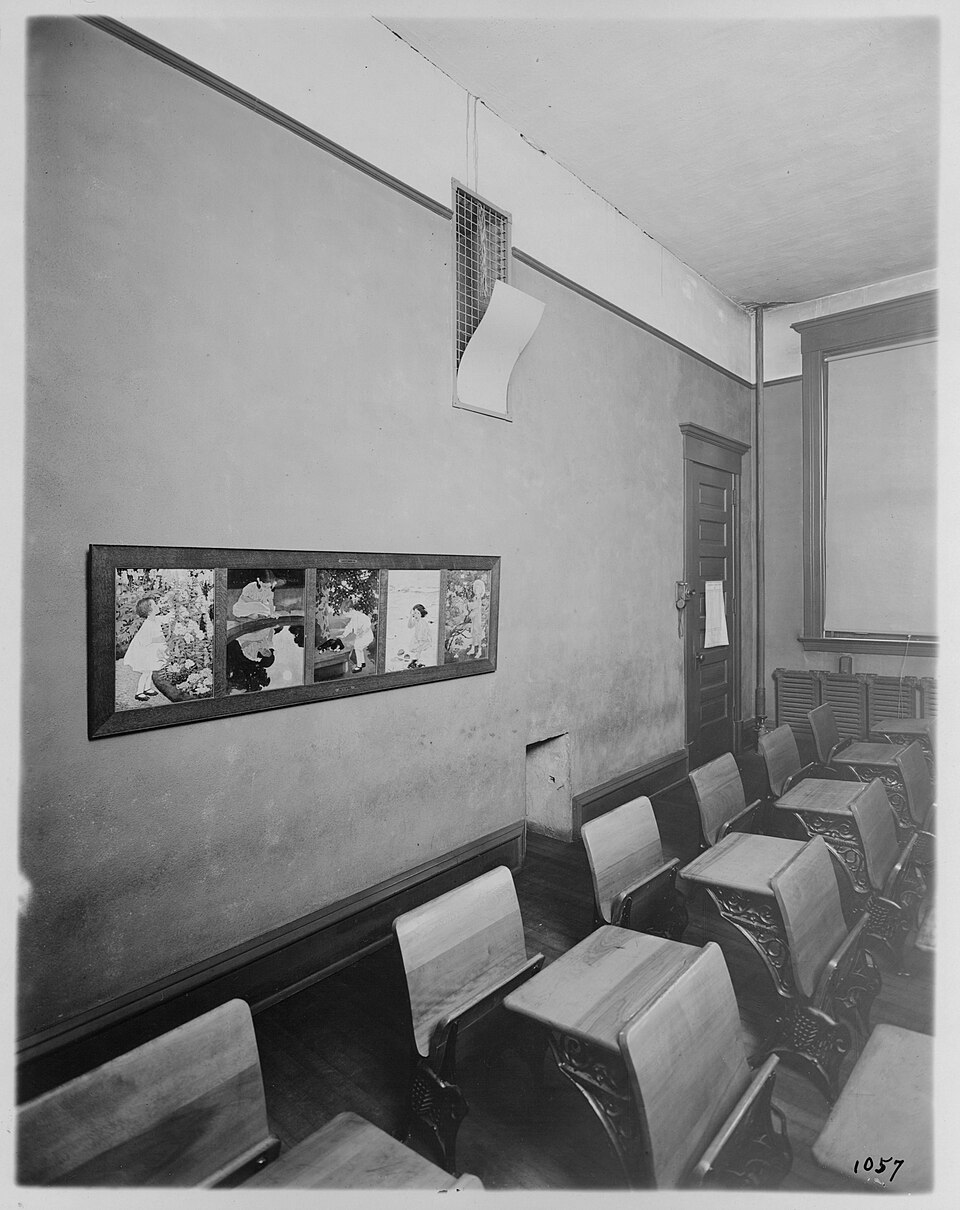
In 1962 classroom windows were set high in the wall on purpose, well above where any child could get to them, which meant a room of thirty people could only be aired using a long wooden pole kept in the corner. A child was chosen to do it, the choice meant something, the job was considerably harder than it looked and the whole room watched every attempt. The height was not an oversight. Windows placed above a child’s reach remove distraction, escape and anything being dropped into the street in one decision, and every classroom built in that period made it. Having created the problem deliberately, the building then needed an instrument to solve it, which is how a plain wooden stick came to occupy a permanent position in the corner of several hundred thousand rooms and to be one of the few objects in any of them that children actively wanted to be handed. Here are fourteen things every classroom did with the window pole in 1962, and what disappeared when buildings stopped having windows anybody could open. The need was real rather than ceremonial. Thirty people in a sealed room produce heat and stale air faster than any building of that period could deal with, the heating was frequently excessive and controlled from somewhere else entirely, and by two in the afternoon a room that had been tolerable at nine was not. The pole came out at roughly the same time every day without anybody scheduling it, and then came out again twenty minutes later when the children sitting directly beneath the open window complained about the cold.
1. The Windows Were Deliberately Out of Reach
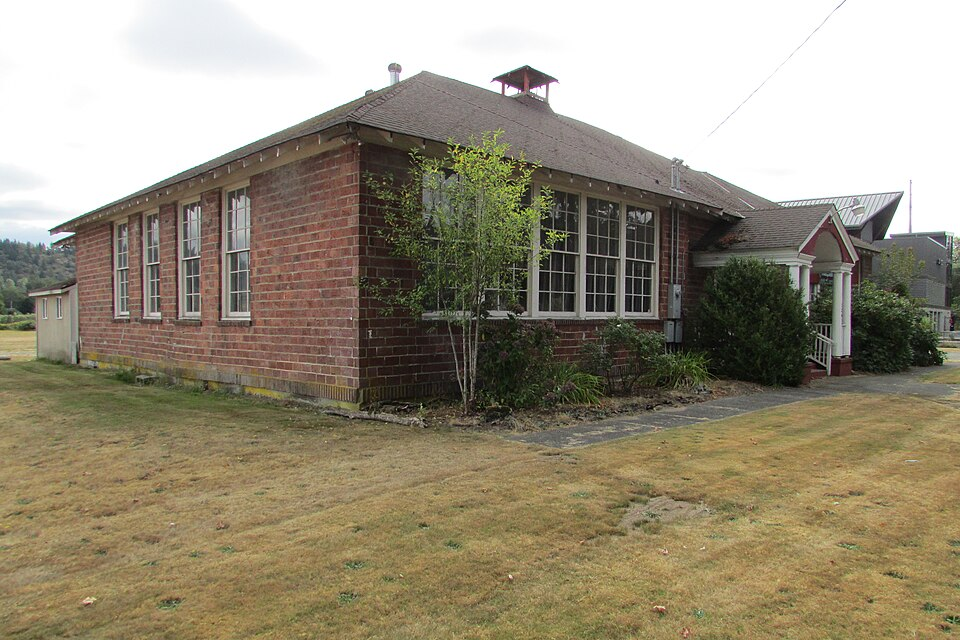
Classroom windows were set high in the wall, well above where any child could get to them.
The height was a design decision rather than an accident. A room full of children with accessible windows is a room with a continuous supply of distraction, escape and things being dropped out, and putting the glass eight feet up removes all three problems at once.
It also meant nobody could see out. A window placed above head height admits light and sky and nothing else, which is precisely what an architect designing a room for concentration would want and exactly what the people inside it resented.
Like our content? Follow us for more.
2. Opening Them Required a Specific Object
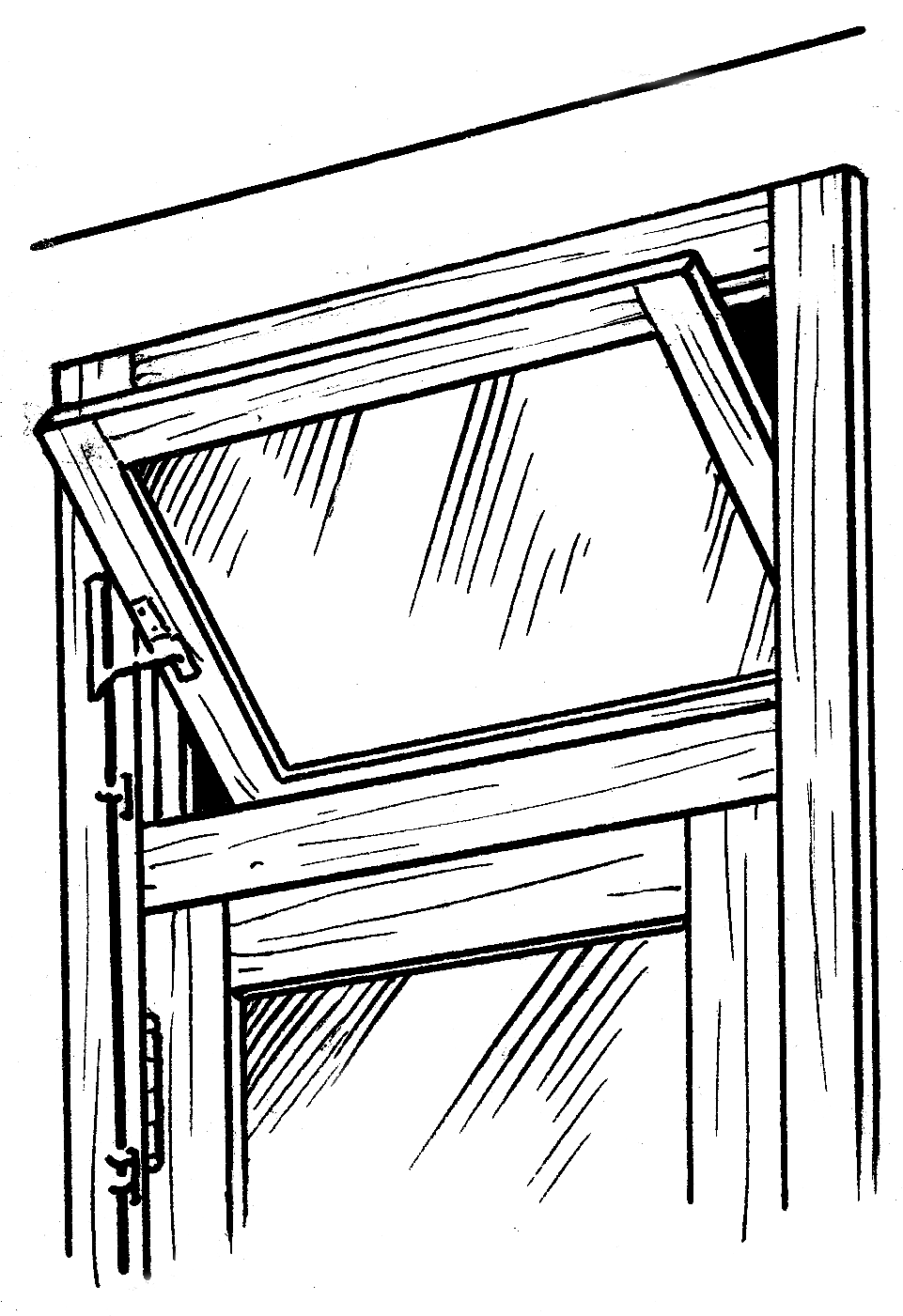
A long pole with a hook or a fitting on the end was kept in the corner, and nothing else would do the job.
The tool existed because the problem did. A window that cannot be reached needs an instrument, and the pole was a purpose-built answer to a condition the building had created on purpose.
It lived in a particular place and everybody knew where. A single object used daily in one room acquires a permanent location within about a week, and a pole out of position was noticed immediately by thirty people.
3. Using It Was a Job and the Job Was Given Out
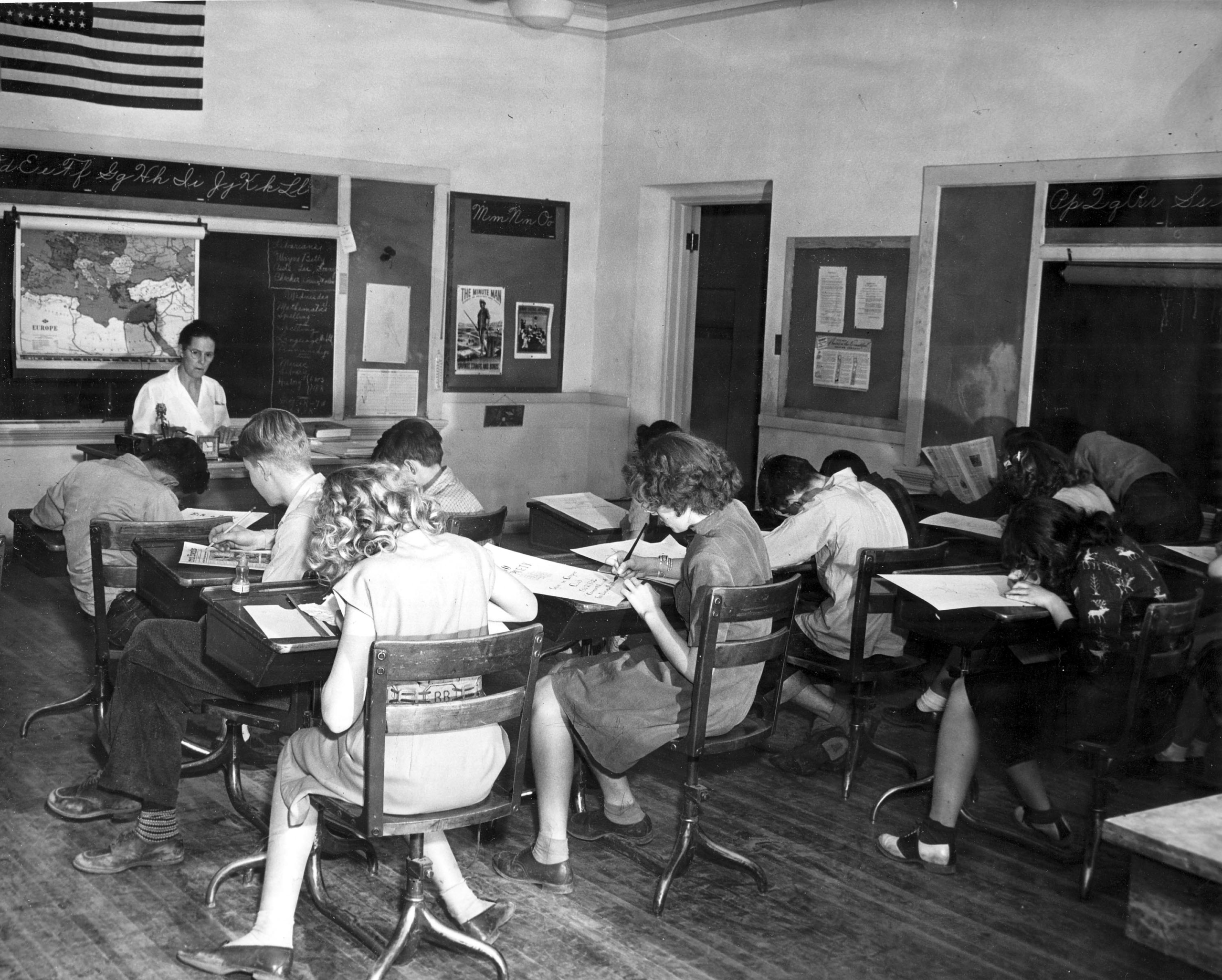
A child was chosen to do it, the choice meant something, and the selection was made by the teacher.
The appointment was small and genuinely sought after. A task that involves standing up, moving about, handling an object and being watched by the whole room is worth having when the alternative is sitting still.
Height was the usual criterion. The tallest children in the class got it by default, which is one of the very few occasions in a school where being tall conferred an actual advantage rather than just attention.
4. It Was Harder Than It Looked
Engaging a fitting eight feet up, on the end of a long pole, while a room watched, defeated a surprising number of people.
The physics are against the operator. A long pole magnifies every small movement of the hands, so a hook that is almost in position swings widely, and the difficulty increases the closer you get.
Failure was public and brief. A child who could not do it after several attempts handed the pole to somebody else, and the whole room had watched every attempt, which is a considerable amount of pressure attached to opening a window.
5. The Room Needed It More Than Anybody Admitted
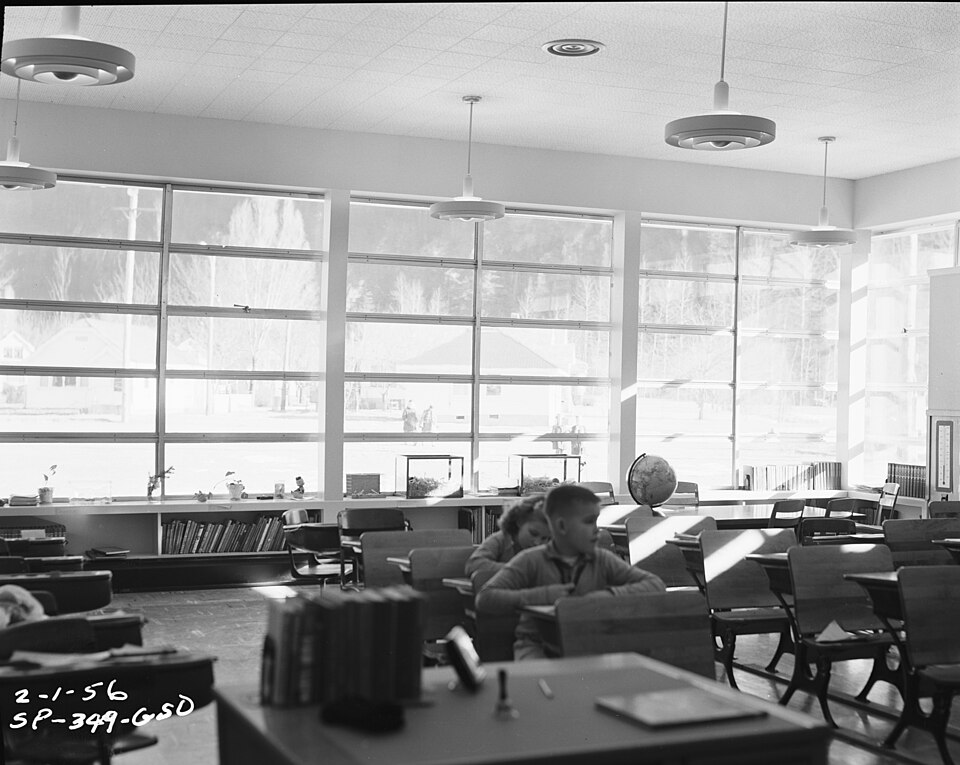
Thirty people in a sealed room produce heat and stale air faster than any building of that period could handle.
The need was constant and the provision was minimal. Heating was frequently excessive and ventilation frequently absent, which meant the only available control over the atmosphere in the room was the window and the pole.
The afternoon was always worse. A room that was tolerable at nine was unbearable by two, and the pole came out at roughly the same time every day without anybody scheduling it.
6. The Radiator Was the Other Half of the Problem
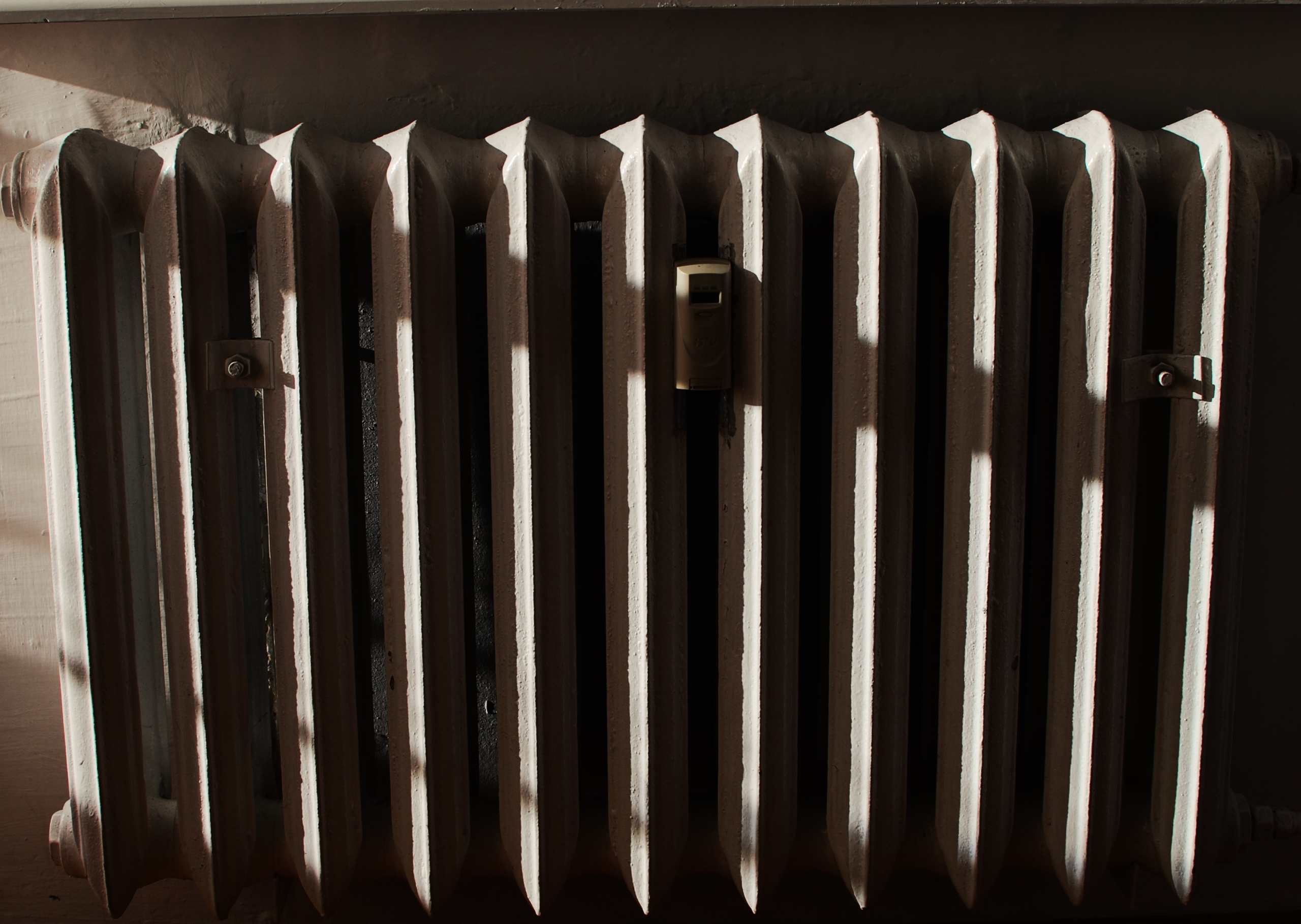
Heating in these buildings was difficult to control and was frequently either absent or overwhelming.
The combination produced the familiar absurdity. A room heated to an uncomfortable degree, with a window open at the top in the middle of winter, is a system fighting itself, and everybody in it understood that perfectly well.
Nobody could do anything about the heat itself. The valve was somewhere else, the system served the whole building, and the window was the only thing in the room that any occupant could actually adjust.
7. The Draught Produced a Permanent Argument
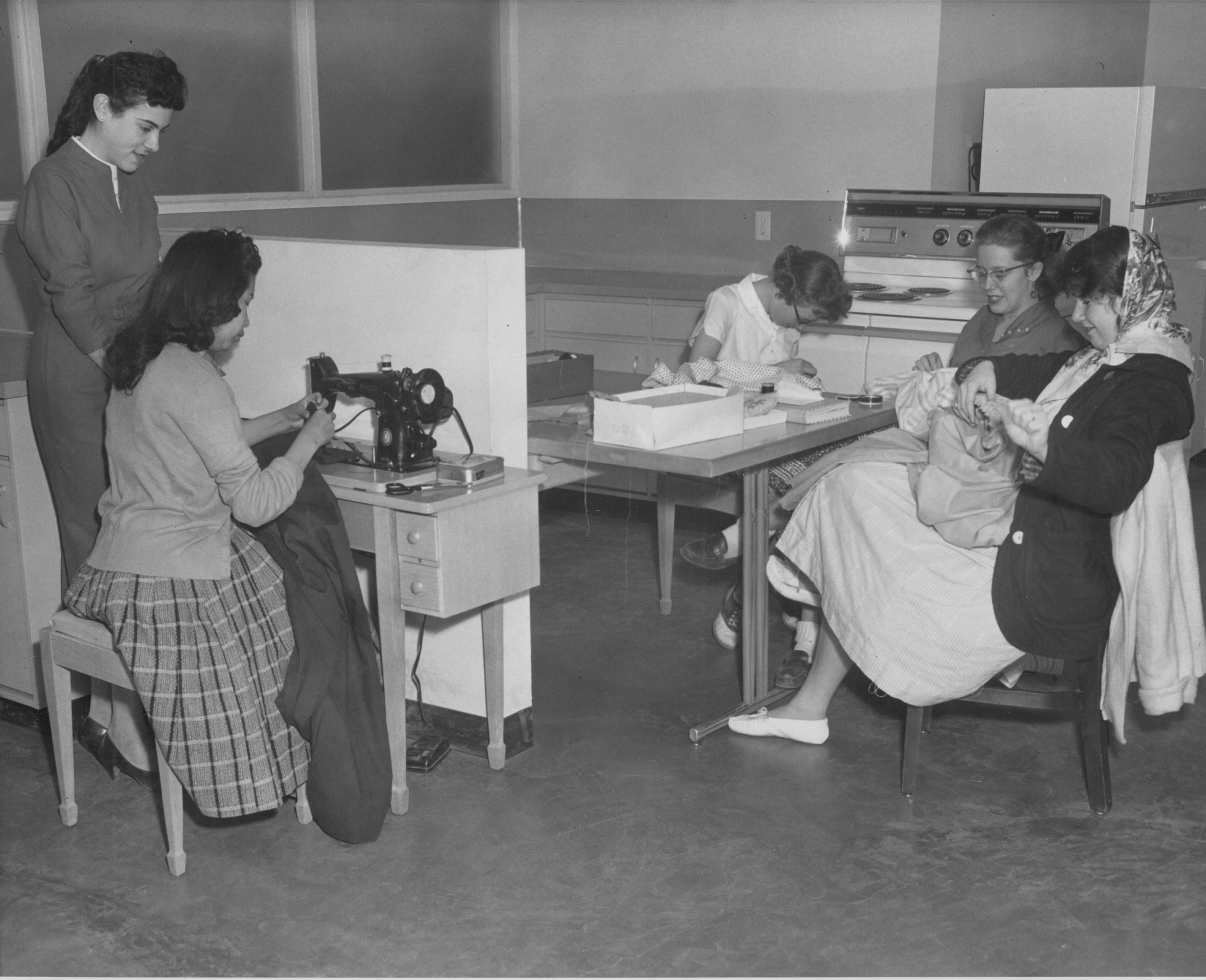
Children sitting under an open window were cold, children at the back were still hot, and both had opinions.
The disagreement was unresolvable by design. A single opening at one point in a large room cannot produce an even result, so any setting that helps one part of the class makes another part worse.
The teacher arbitrated and could not win. Whatever was decided, some proportion of the room disagreed, and the pole came out again twenty minutes later to change the setting back.
8. The Sounds From Outside Came In With the Air
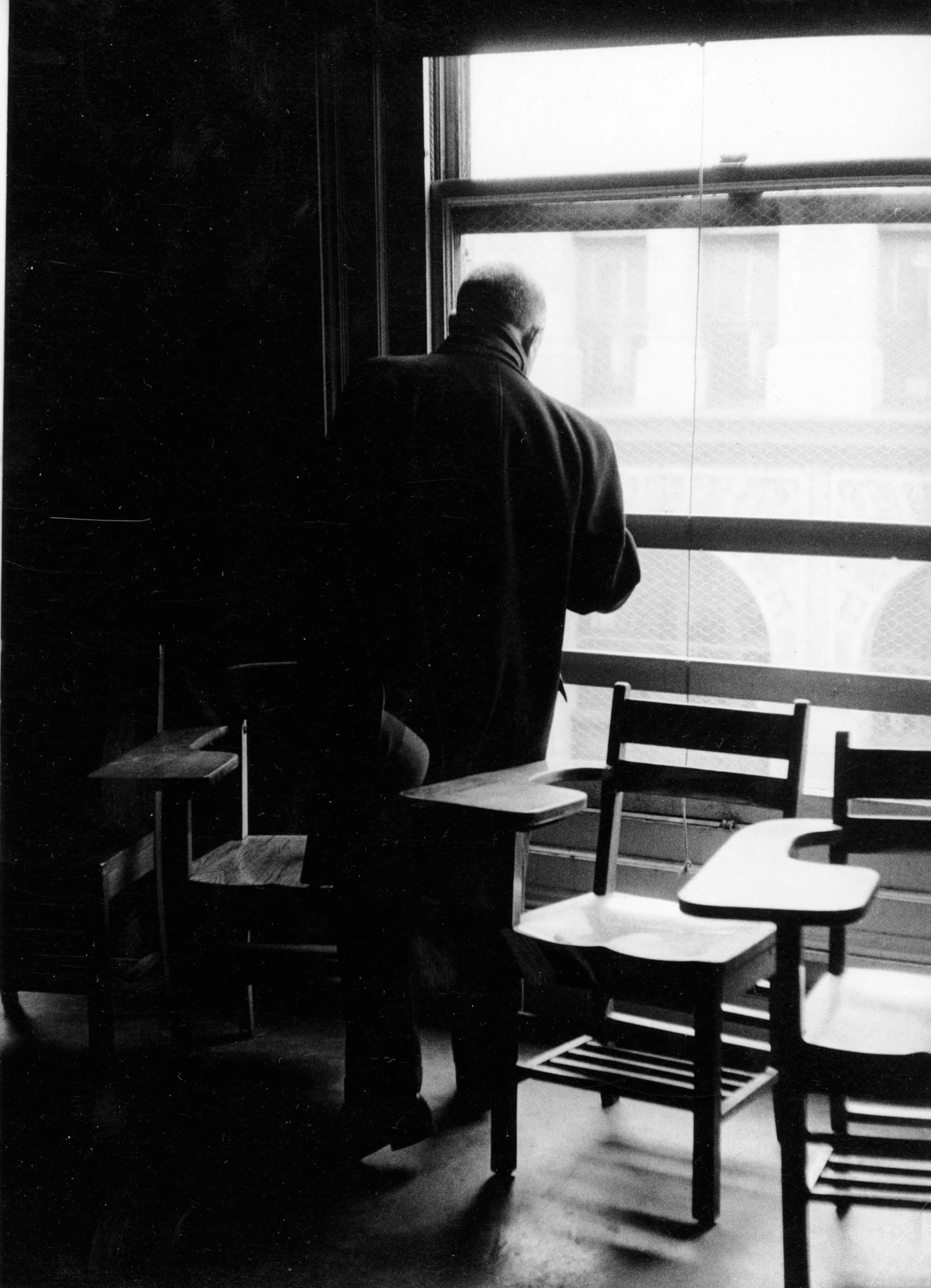
An open window admitted everything happening beyond the building, which was the most interesting thing available.
The distraction was immediate and considerable. A room that has been sealed all morning suddenly connected to traffic, weather, voices and whatever was happening outside is a room in which nobody is listening to anything else.
Teachers weighed it constantly. The choice between a stifling room full of attentive children and a fresh one full of distracted ones was made several times a day, usually on the basis of how bad the air had got.
9. The Pole Was Also a Temptation
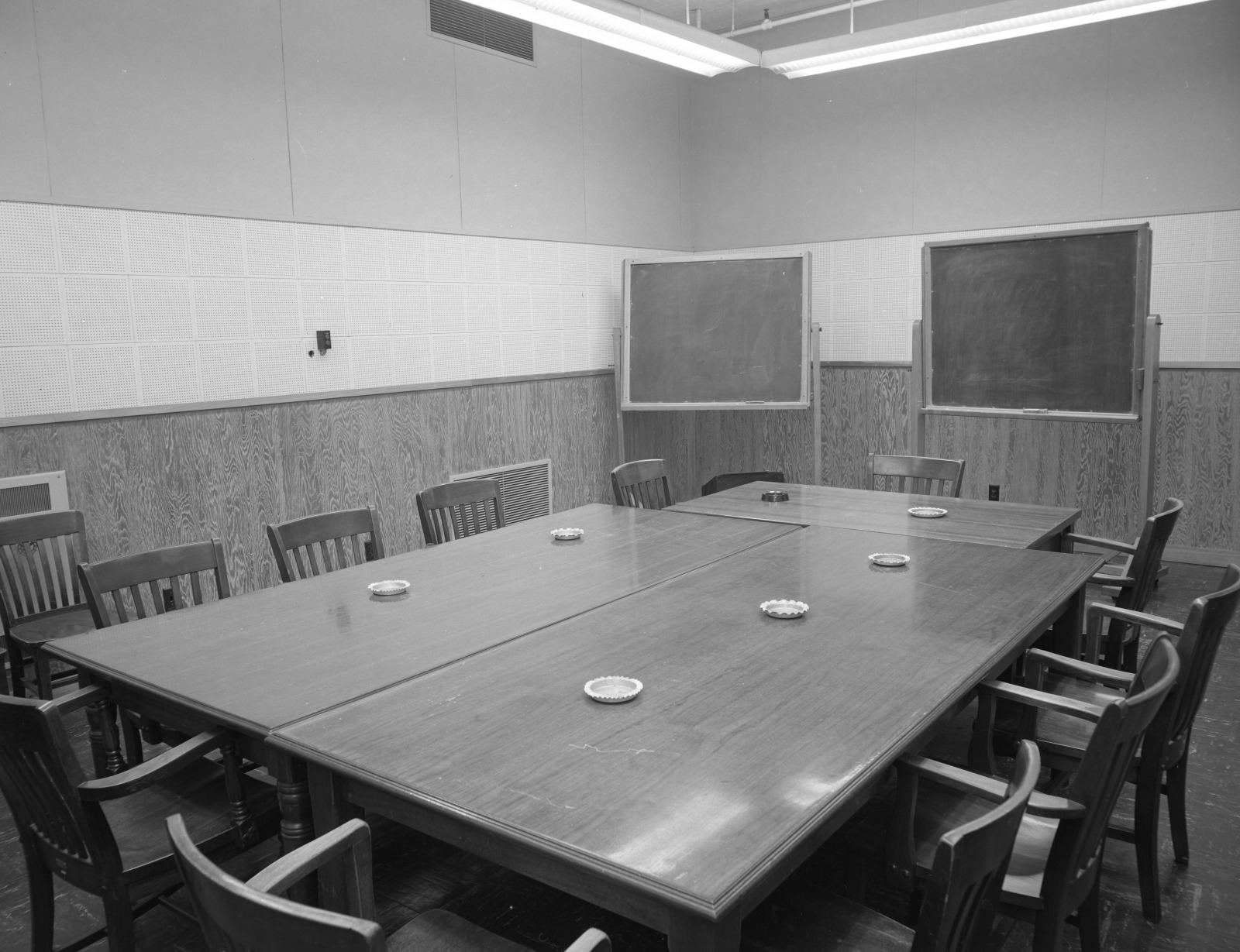
A long object in a room full of children is not going to be used only for its intended purpose.
The misuse was mild, universal and entirely predictable. A child holding something eight feet long will, at some point, do something with it that is not opening a window, and the whole room will find that funny.
Which is why it was controlled. The pole was handed out, used and returned under supervision, and it did not simply stand in the corner available to anybody who wanted it.
10. Closing Up Was Part of the End of the Day
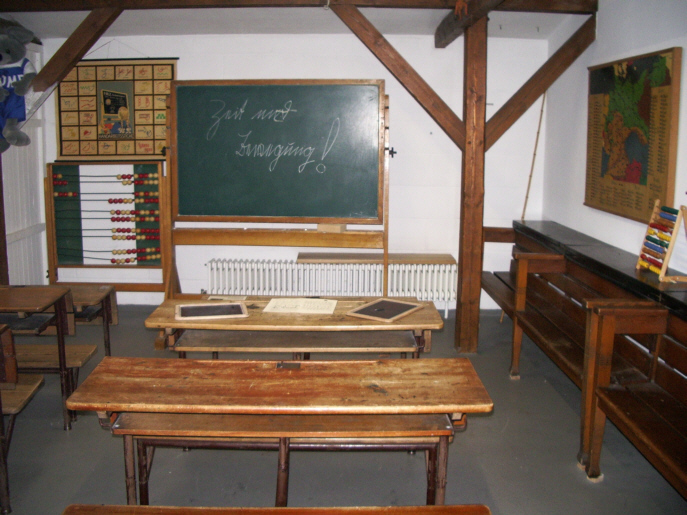
Everything opened had to be shut before the room was left, and the job fell to whoever had opened it.
The symmetry was enforced. A building left open overnight is a building with weather in it, so the closing was checked, and a child who had enjoyed the morning’s privilege discovered that it came with an evening obligation.
It was also the last task before leaving. The closing of the windows marked the end of the day in the same way as the chairs going up, and children associated the sound with going home.
11. The High Windows Shaped What the Room Felt Like
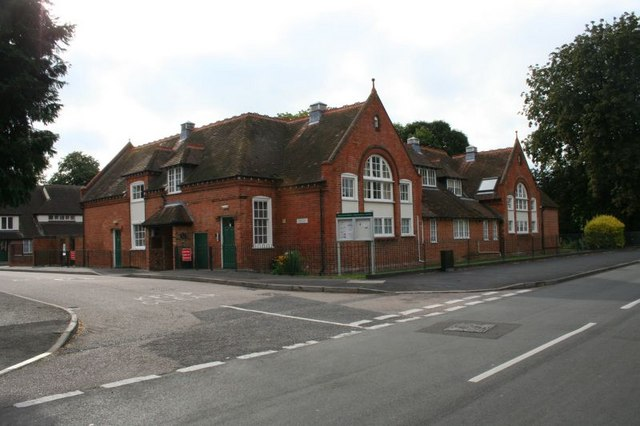
Light came from above, nobody could see out and the room was effectively sealed off from its surroundings.
The effect on the experience of being in there was substantial. A room with a view is connected to a place; a room with high windows is a container, and children spent six hours a day in a container by design.
That is why everybody remembers the sky. The only thing visible from a seated position was weather, which means an entire generation watched clouds for years because it was the only thing there was to look at.
12. Fresh Air Was Treated as a Positive Good
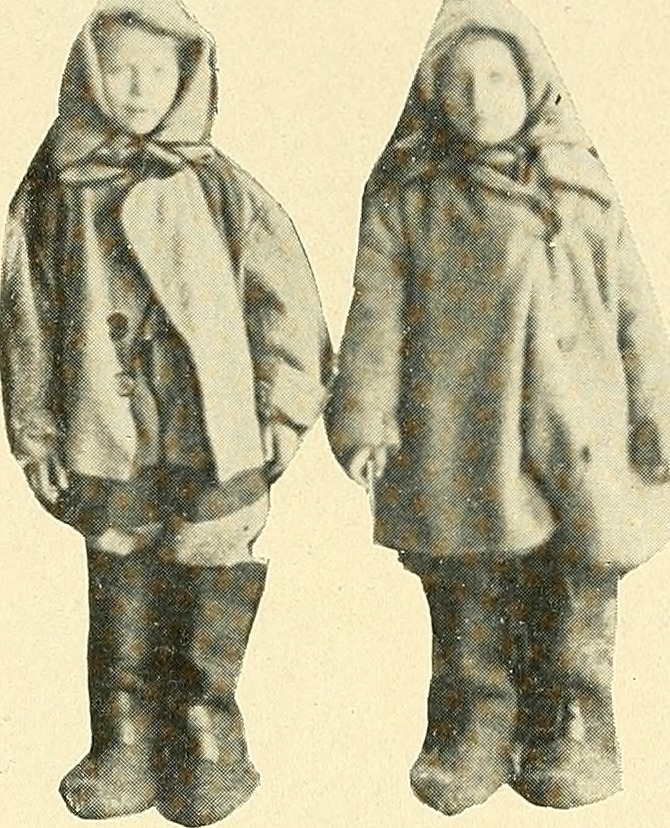
Opening the windows was understood as beneficial in itself and was done for reasons beyond temperature.
The conviction was strongly held and widely shared. Airing a room was regarded as a hygienic practice rather than a comfort measure, and the belief was applied in weather that made it genuinely unpleasant.
Children were sent outside for the same reason. The room was aired and so were the occupants, and the two practices came from the same set of assumptions about what an indoor space does to people.
13. The Same Pole Did Several Other Jobs
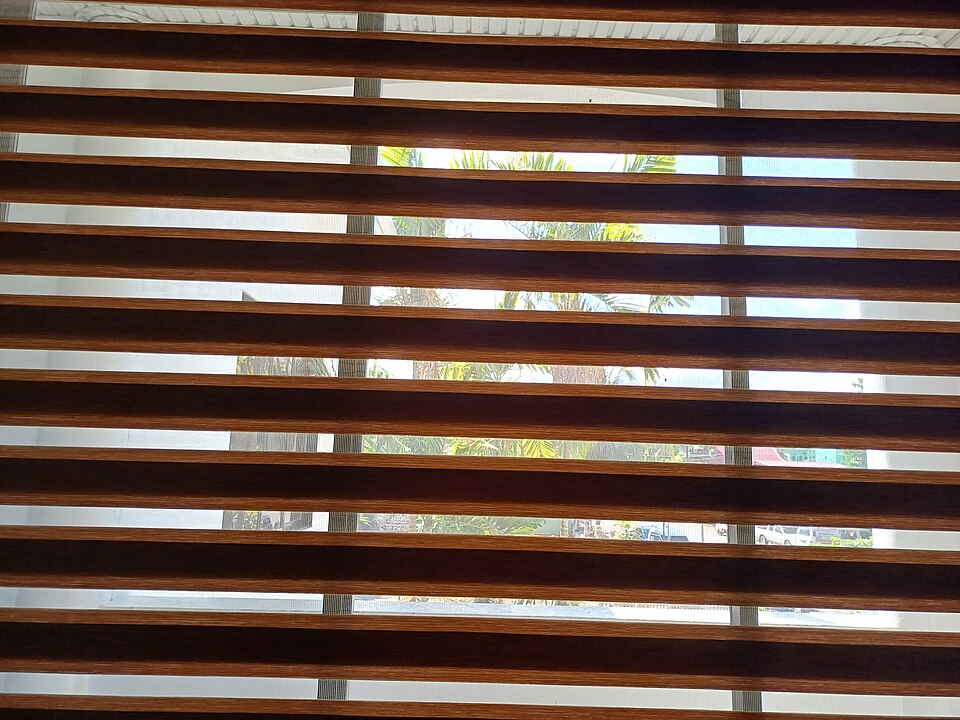
Retrieving things from high places, adjusting blinds and reaching whatever else was out of range all fell to it.
The versatility is why it survived. An object with one function in a room of thirty children competes for space; an object with four is always worth keeping, and the pole accumulated jobs as the years went on.
It also became the room’s problem-solver. Anything stuck, high or out of reach was dealt with by sending for it, which gave a simple wooden stick a standing in the room that its purpose alone would not explain.
14. Then the Buildings Stopped Having Openable Windows at All
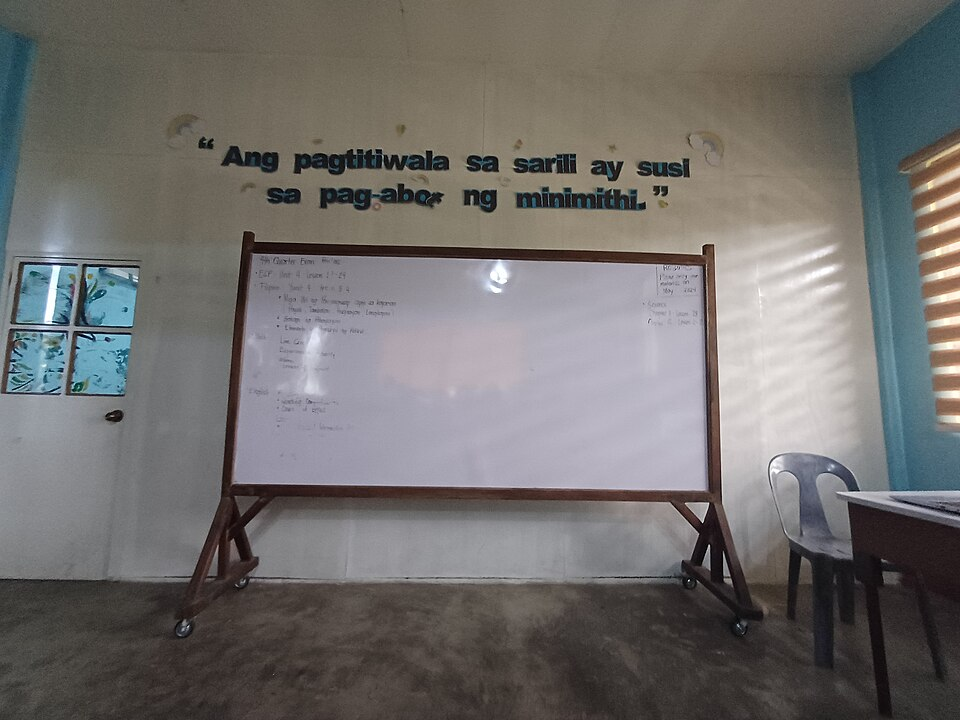
Sealed units, mechanical ventilation and air conditioning removed both the window and the need for anybody to reach it.
The improvement is genuine and the trade-off is specific. A mechanically ventilated room is more comfortable, more consistent and entirely out of the occupants’ hands, which is the opposite of a window and a pole.
What went was the only control the room had. One object, in the corner, handed to a tall child, that let thirty people do something about the air they were breathing – and the last connection to whatever was happening outside the building.
What One Wooden Stick Was Actually For
Read in order, the fourteen describe the only lever the occupants of a room had. Everything else about a classroom in 1962 was decided elsewhere: the heating served a whole building and the valve was somewhere else, the windows had been placed deliberately out of reach, and nobody inside could see out of them. The pole was the single exception – one object, in the corner, that allowed thirty people to change something about the space they were sitting in. That is why the job mattered so much more than its difficulty warranted, why the draught produced a permanent and unresolvable argument, and why the same stick quietly accumulated every other high-reaching task in the room until it had a standing that its actual purpose could not explain. The windows themselves deserve their own note, because the decision to put them out of reach shaped the whole experience of being in the room. Glass set eight feet up admits light and sky and nothing else. Nobody seated could see a street, a field, a gate or another person, which is exactly what an architect designing a room for concentration would want and exactly what the people inside it resented every day for years. The draught was the other permanent feature, and it could not be fixed: a single opening at one end of a large room cannot produce an even result, so any setting that helped the back made the front colder and any setting that helped the front left the back stifling. The teacher arbitrated several times a day and lost every time. The by-product is that an entire generation of children watched clouds, in enormous quantities, for no reason except that weather was the only thing in view. That is not a small thing to have had in common, and it ended the moment the glass came down to eye level and the air started being handled by a machine.
Sealed buildings are better by most measures and nobody misses an unheated January draught across the back row. Mechanical ventilation is more consistent, more comfortable and entirely out of the occupants’ hands, which is precisely the trade. What went with the pole was the only control the room had over its own air, and the last connection to whatever happened to be going on outside – the traffic, the weather and the voices that came in with it, all of which arrived together the moment somebody eight feet below finally got the hook into place. And the small, entirely genuine pleasure of being the person sent to do it.
Like our content? Follow us for more.