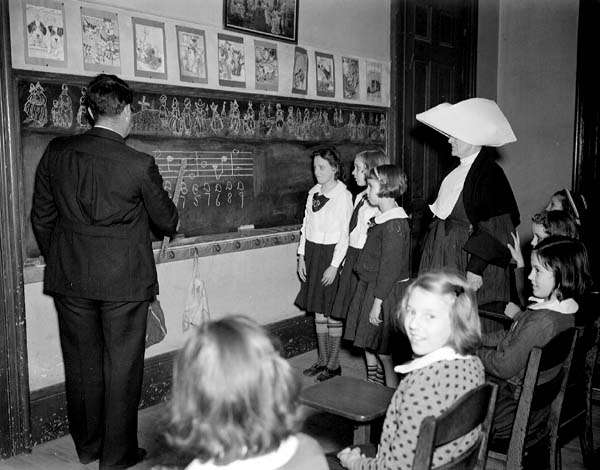
In 1964 a classroom depended entirely on one writing surface, and that surface only worked if the felt blocks used to clear it were emptied regularly. The only method available was to take them outside and hit them against each other, or against a wall, until the dust stopped coming out. The job was given to two children at a time, during a lesson, with no adult present, and it was understood by everybody involved to be a reward rather than a chore. Here are twelve things every class did with the chalkboard erasers in 1964, and why the errand mattered a great deal more than the dust did. The dependency behind it is the part that is easy to miss from here. A classroom in 1964 had exactly one display surface. There was no second board, no screen, no projector in most rooms, no handout and no copying machine worth the name, which meant that everything a teacher wanted thirty people to see at once had to go onto a single wall and then come off again before the next thing could go on. If that surface stopped working, the lesson stopped with it. A felt block so loaded with dust that it smeared instead of clearing was therefore not a minor inconvenience; it was the room’s only instrument failing, and the only available repair was to send two children outside to beat the dust out of it against a wall.
The result was a small daily economy that every classroom ran without anybody describing it. A necessary job that took four minutes and required no ability at all could be handed out as a reward, because the reward was never the job. What was actually being distributed was permission: five minutes beyond the walls, in the middle of a lesson, with a legitimate reason to be there and no adult watching. Children competed for it, studied the criteria, failed to work them out, and came back with their sleeves grey as proof. Coming back clean was worse than coming back filthy, because a spotless child had obviously not hit them hard enough, and the state of somebody’s cuffs was inspected on return with considerably more interest than the erasers were.
It was almost always a pair, and the pairing had nothing to do with the work. One person can empty two blocks perfectly well; two children outside a building are supervising each other, which is a different problem being solved by the same decision. The consequence was that the errand became social rather than practical. Who you were sent with mattered more than whether you were sent, and a great many friendships in a school year were conducted mostly in four-minute instalments against an outside wall, out of earshot of anybody, while a cloud of chalk dust settled on both participants.
1. The Job Existed Because the Dust Had Nowhere Else to Go
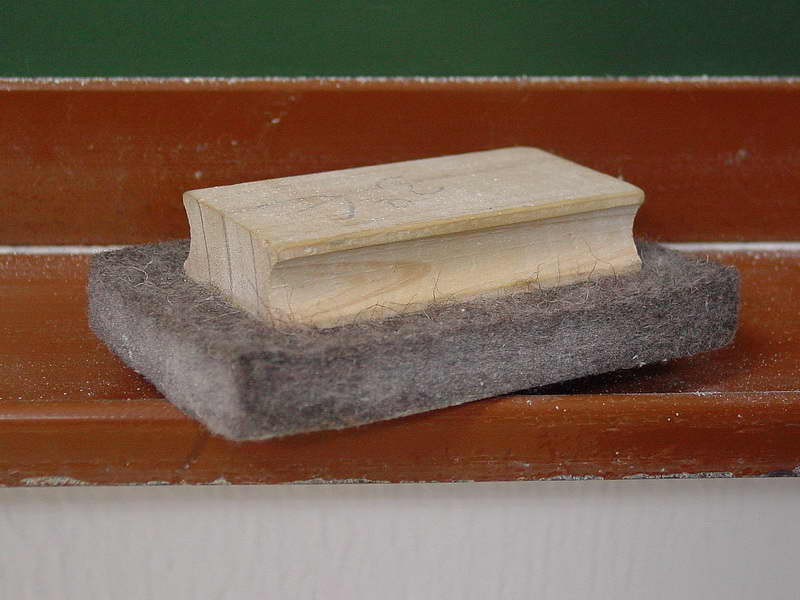
A felt block used all day accumulates everything it has wiped off, and at a certain point it stops removing anything and starts redistributing it.
The mechanism is the whole explanation. A loaded eraser smears rather than cleans, which produces a surface that cannot be written on clearly, which makes the room progressively less usable as the week goes on.
So the maintenance was not optional. A classroom that depended entirely on one writing surface had to keep that surface working, and the only available method was to take the dust outside and get rid of it by force.
Like our content? Follow us for more.
2. It Was Done by Hitting Them Together Outside
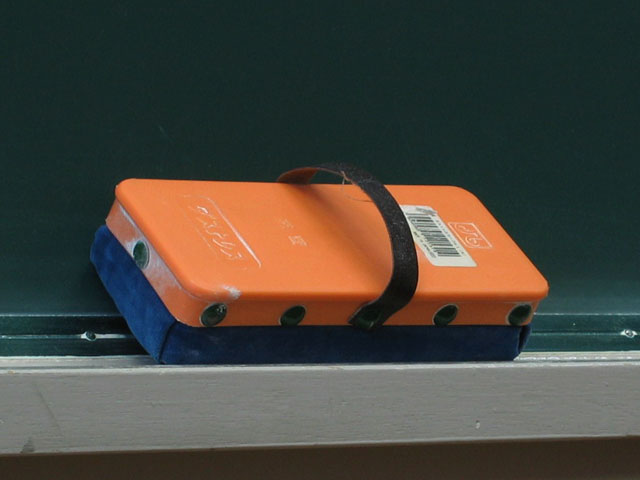
Two blocks were struck against each other, or against a wall, until the dust stopped coming out of them.
The method was crude and completely effective. Nothing else available would shift compacted dust out of felt, and the impact had to be hard enough to be satisfying, which it reliably was.
The cloud was the point. A visible discharge of several days’ accumulation, produced by your own effort, is a form of immediate feedback that almost nothing else in a school day offered.
3. It Was a Privilege and Everybody Understood That
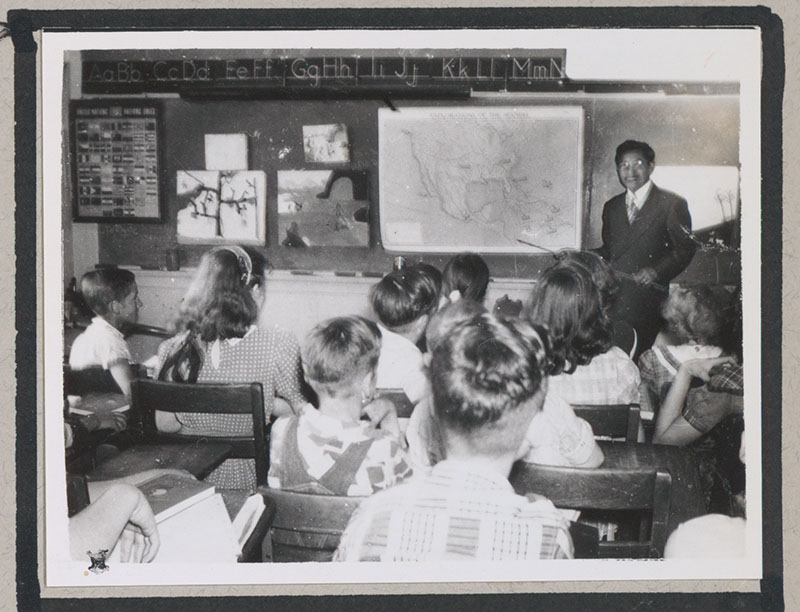
Being chosen to do it was a reward, and the selection was made by the teacher for reasons that were never stated.
The appeal had nothing to do with the task. Being sent outside, during lesson time, with a legitimate reason and no supervision, is the most valuable thing a classroom could offer, and the dust was incidental.
The criteria were opaque and intensely studied. Children worked hard at identifying what produced the appointment, and almost nobody concluded correctly, because teachers were frequently choosing somebody who needed to leave the room for a few minutes.
4. It Was Always a Two-Person Job and It Did Not Need to Be
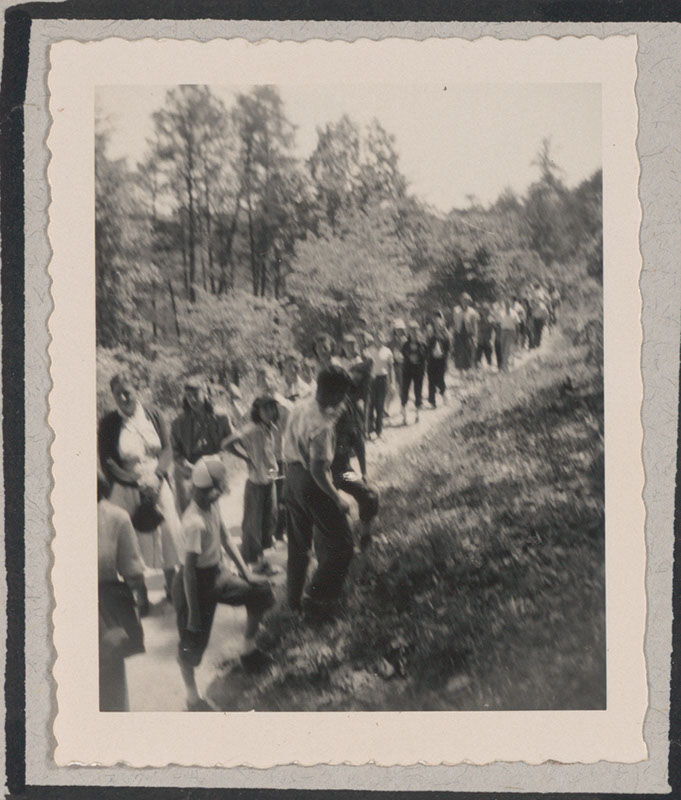
Children went in pairs, which doubled the labour available for a task that required one person.
The pairing was deliberate and had nothing to do with efficiency. Two children outside are supervising each other, the task takes the same amount of time and nobody is alone in a corridor, which solves several problems at once.
It also made it social. The real content of the errand was five minutes of conversation outside the building with one other person, which is why being sent with somebody you liked mattered considerably more than being sent at all.
5. Everybody Came Back Covered in It
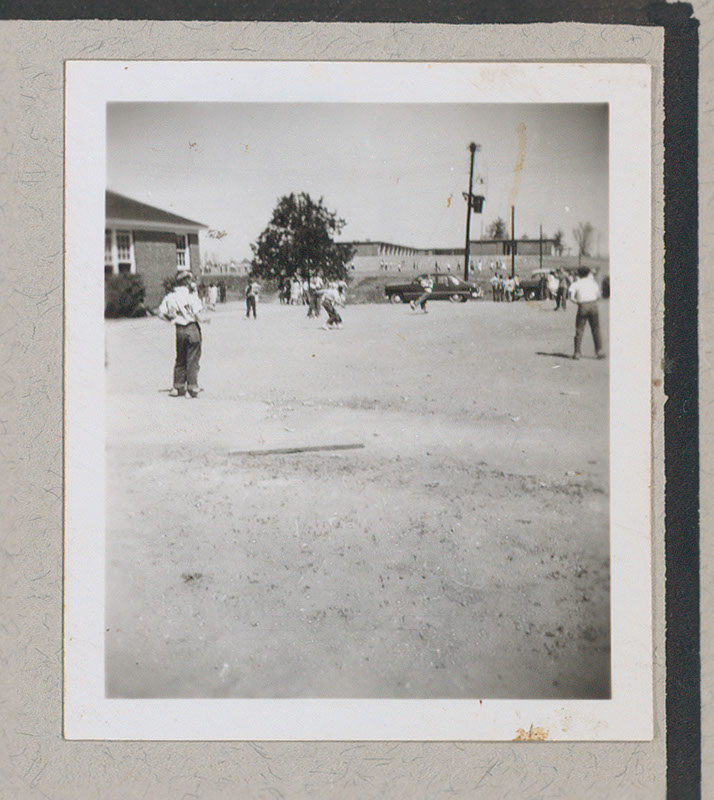
The dust went on clothes, in hair and on hands, and returning clean was a sign the job had not been done properly.
The evidence was visible and was treated as proof. A child who came back spotless had clearly not struck them hard enough, and the state of their sleeves was examined with more interest than the erasers were.
Nobody minded. A small amount of mess acquired in the course of a legitimate task is an entirely different proposition from mess acquired any other way, and it was worn back into the room with some pride.
6. The Marks on the Wall Lasted for Years
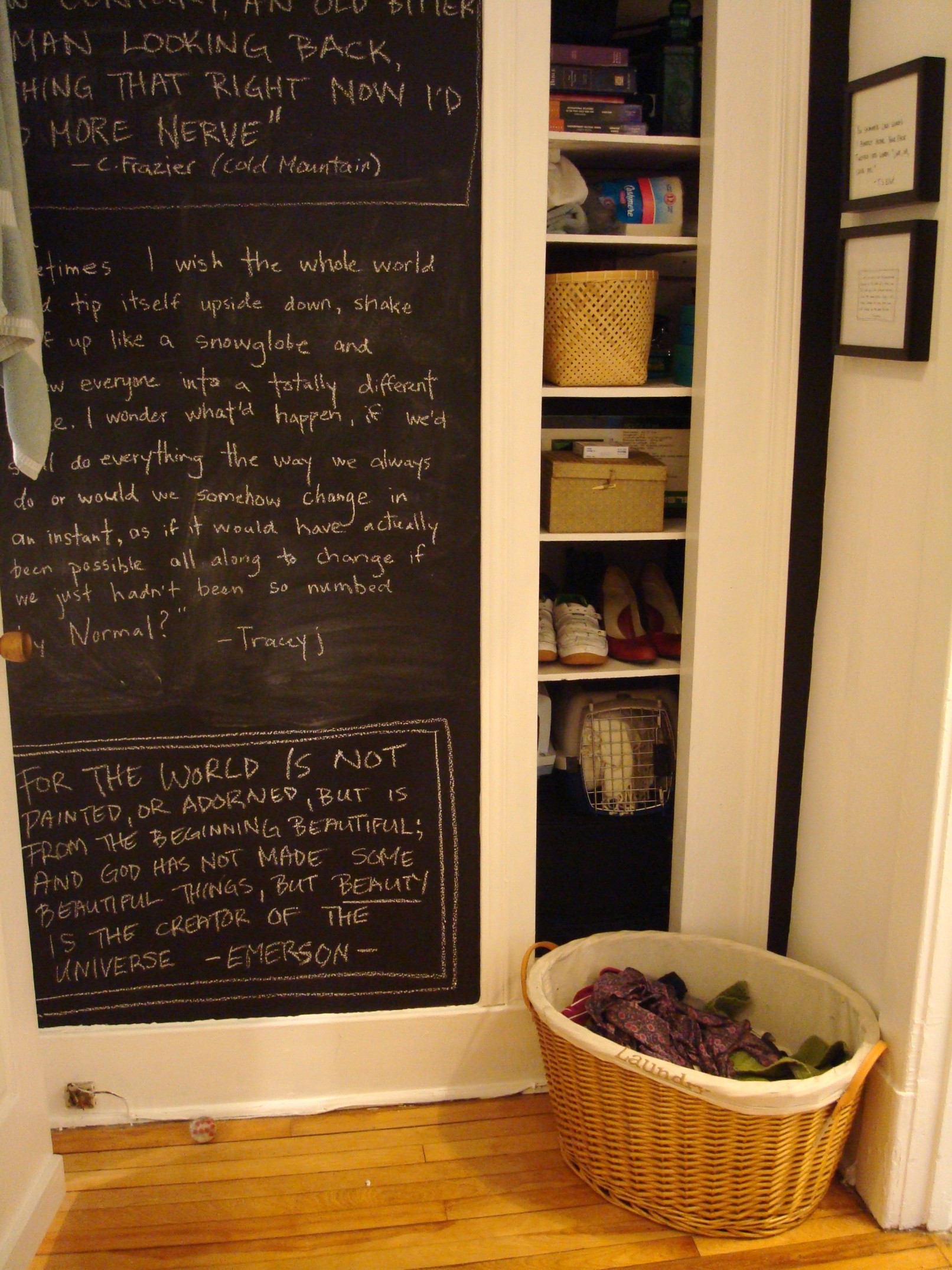
The outside wall where it was done accumulated a permanent pale patch that no weather ever quite removed.
The mark is the only physical trace the practice left. Generations of children struck erasers against the same two square feet of brickwork, and the result was a visible stain that outlasted everybody who made it.
It also located the activity precisely. Anybody who attended a school in this period can identify exactly where it was done, because the wall said so for decades afterwards.
7. The Dust Got Everywhere Regardless
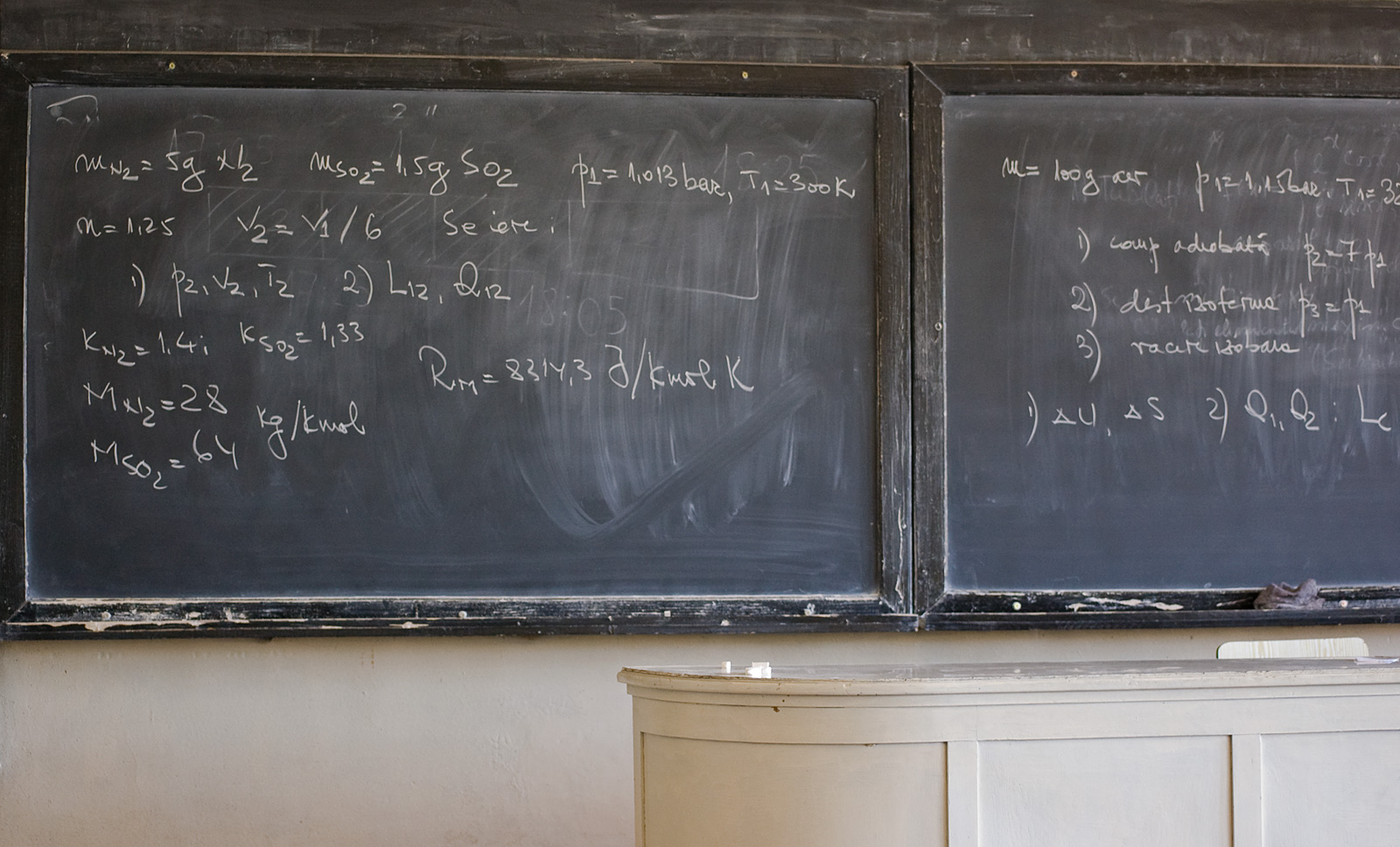
However thoroughly the blocks were cleaned outside, the room was permanently slightly coated.
The battle was unwinnable and everybody knew it. A surface written on and wiped thirty times a day produces a continuous supply of fine particles, and no amount of outdoor maintenance kept a classroom genuinely free of it.
The ledge below the board was the evidence. It accumulated continuously, was wiped periodically and was always loaded again by the following afternoon.
8. The Supply of Them Was Always Inadequate
A room generally had fewer usable blocks than it needed, and the good one was identified and protected.
The scarcity was mundane and real. Erasers wore out, went missing and got ruined, and replacement was slow enough that a classroom usually operated with one decent block and several that barely worked.
The good one was tracked. Everybody in the room knew which it was, where it lived and who had used it last, which is a surprising amount of attention to pay to a piece of felt.
9. Using It Wet Was the Cardinal Sin
A board cleaned with water had to dry before it could be written on, which cost the room ten minutes.
The prohibition was practical rather than fussy. A wet surface is unusable, and a teacher mid-lesson who finds the board unavailable has lost the only instrument they have for explaining anything.
It also ruined the blocks. A felt eraser that has been wet is permanently worse, and the child responsible had reduced the room’s already inadequate supply by one.
10. Writing on the Board Was a Separate Privilege Entirely
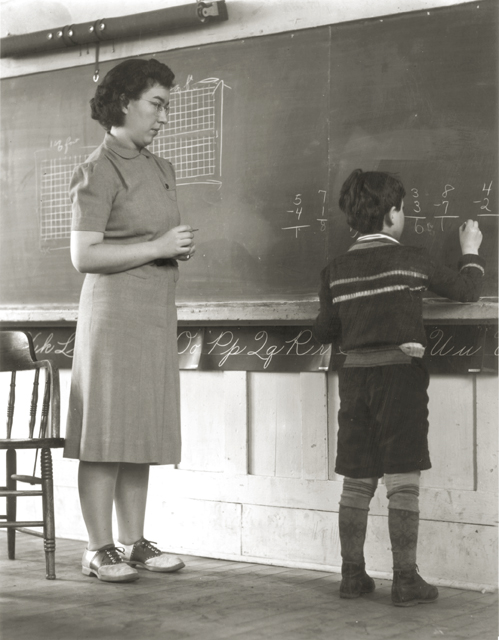
Being allowed to write on it was a different reward, awarded for different reasons, and valued higher.
The hierarchy was clear to everybody. Cleaning is a task and writing is a performance, and the child standing at the front with chalk in their hand had the entire room’s attention in a way the eraser errand never provided.
It also exposed handwriting. A child writing on a vertical surface, at speed, in front of thirty people, produces something considerably worse than their normal work, and everybody could see it.
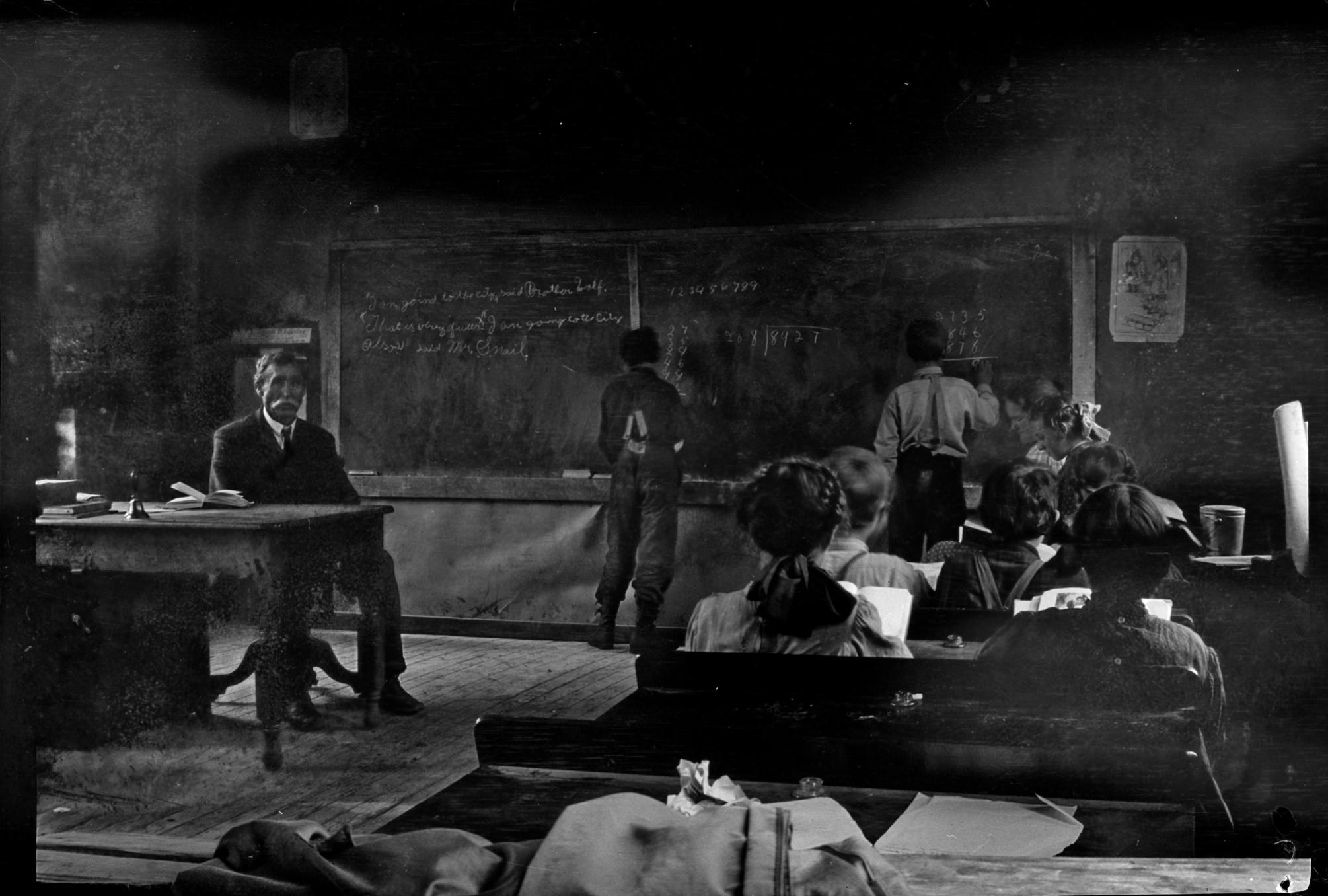
11. The Whole System Depended on One Surface
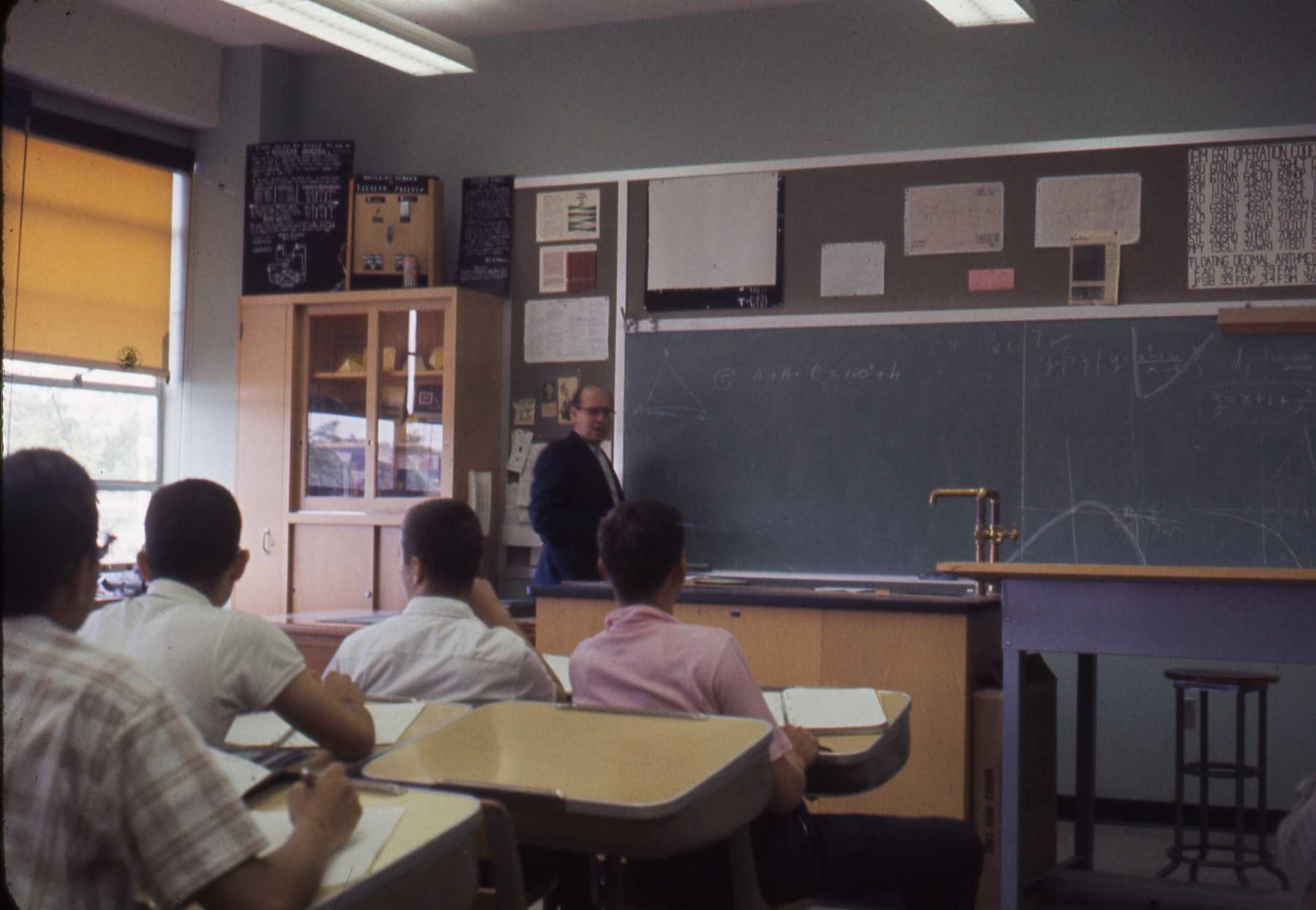
Everything a teacher needed to show the room went on a single board, and if it stopped working the lesson stopped with it.
The dependency is easy to underestimate now. There was no second display, no handout, no screen and no alternative, so the condition of one wall determined whether anything could be taught at all.
That is why the maintenance was taken seriously. A job that looks trivial was in fact keeping the room’s only instrument operational, and the children sent out to do it were performing a genuinely necessary task.
12. Then the Surface Changed and the Dust Stopped
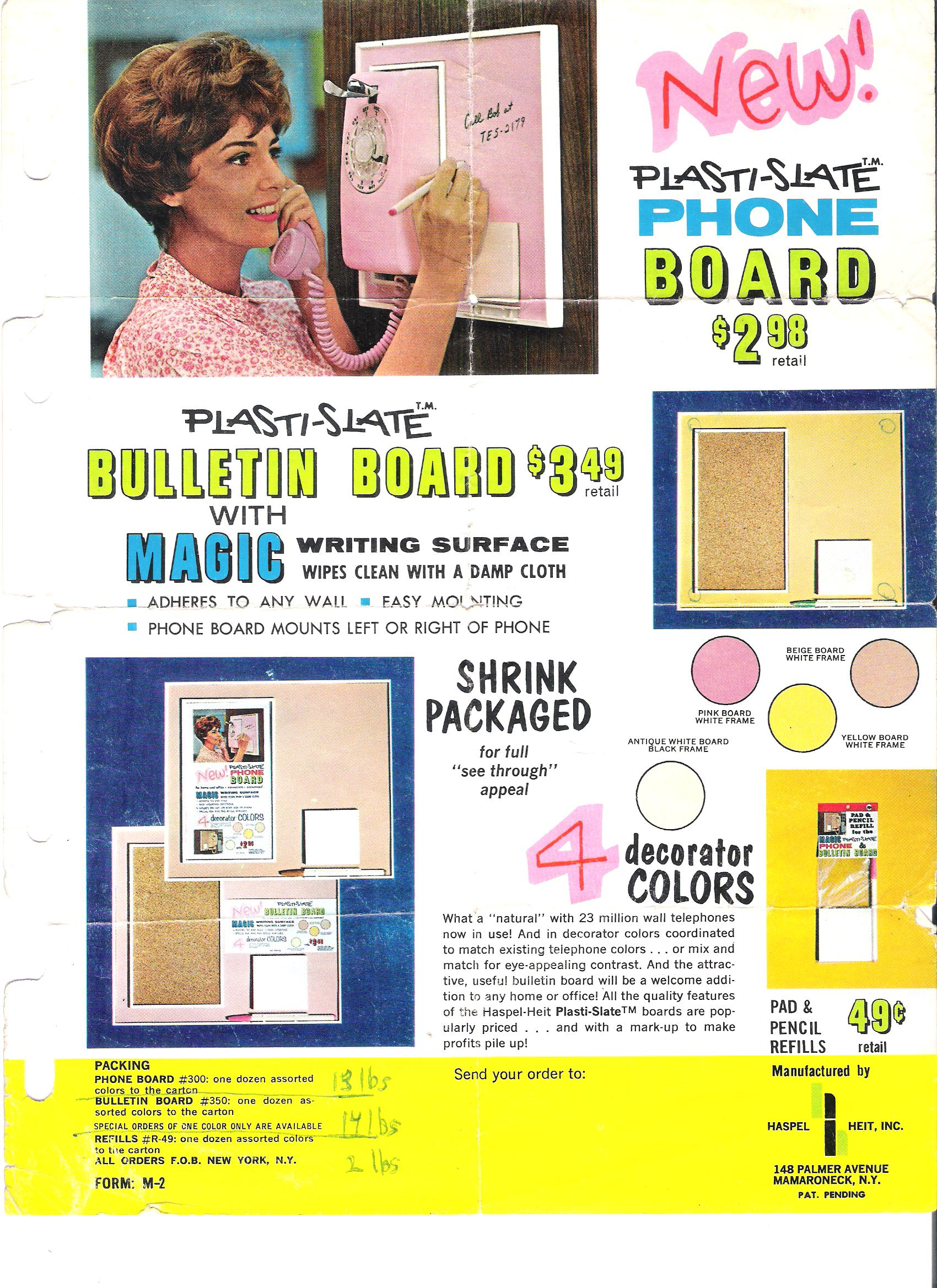
Later boards required no erasing of that kind, and then displays appeared that required no cleaning at all.
The improvement was total and immediate. A room with no chalk dust is cleaner, healthier and considerably easier to maintain, and nobody who taught in both would choose to go back.
What went was the errand. Two children sent outside during a lesson, with a legitimate reason and no adult, to hit two blocks of felt against a wall until a cloud came out of them – and five minutes of conversation that was the entire actual point.
Why a Trivial Job Was Worth Having
Read in order, the twelve describe an errand whose stated purpose and actual value were entirely different things. The task itself required one person, took about four minutes and involved no skill whatsoever. It was given to two children because two children outside supervise each other, which means the pairing was never about the work. What was actually being handed out was five minutes beyond the walls of the room, during lesson time, with a legitimate reason to be there and nobody watching – which is the single most valuable commodity a classroom had to distribute. The dust on the sleeves afterwards was proof of having done it properly, the pale patch on the brickwork recorded that generations had done it before, and the conversation outside was the part anybody remembers. The scarcity around the whole business is the other thing worth recording. Rooms rarely had enough usable blocks, so one good eraser was identified, tracked and protected by thirty people who all knew where it lived and who had used it last. Ruining one by wetting it reduced the supply by a unit and was treated accordingly. For a piece of felt costing almost nothing, that is a remarkable amount of collective attention, and it only makes sense once you remember that the board behind it was the single thing the room could not operate without. And the dust never actually went away. However hard the blocks were struck outside, a surface written on and wiped thirty times a day produces fine particles continuously, so the ledge under the board refilled by the following afternoon and the room stayed permanently, faintly coated for the entire school year. The errand did not solve that and was never going to. It kept one instrument working for another day, which was all anybody asked of it.
The practice ended because the problem did. Later surfaces needed no erasing of that kind, and the displays that followed need no cleaning at all; a room without chalk dust in it is cleaner and easier to keep, and nobody who worked in both would choose otherwise. What went with the dust is the errand attached to it: a legitimate reason to be outside a building during a lesson, awarded by an adult for reasons never explained, carried out by two children who hit two blocks of felt against a wall for four minutes and then stood talking for another five because nobody was expecting them back yet. The pale patch is still on a good many walls, two square feet of brickwork lightened by several decades of children doing exactly the same thing in exactly the same place, and it is the only physical record the practice ever produced.
Like our content? Follow us for more.