In 1964 the dictionary was too heavy to carry, which meant it lived permanently on a stand of its own in a fixed corner, and consulting it required leaving your seat and walking across the room in front of everybody. Finding a word took an estimate, a guess and a correction. Almost nobody got through the process without reading three or four other entries on the way, and an argument about a word was settled there, by two people standing at the same page, with no appeal available to either of them. Here are twelve things every American kid did at the dictionary stand in 1964, and what disappeared when the answer stopped requiring a journey.
The weight is where all of it starts. A reference work claiming to contain an entire language has to be physically enormous, and once an object is that heavy it stops being something anybody fetches and becomes somewhere anybody goes. That single fact reorganised everything around it: the furniture built to hold it, the fixed position it occupied for years, the public nature of every consultation, and the deterrent effect of having to announce in front of thirty people that you did not know something. None of that was anybody’s intention. The publisher produced a book, somebody built a stand for it, and the behaviour of an entire room arranged itself around the consequences.
The searching was a skill in its own right and it was genuinely taught. A thousand pages, one letter to go on, and a judgement about roughly where in the block that word would fall – opened, assessed, corrected, assessed again. Children got visibly faster at it over a couple of years and the fast ones were admired for it by other children, which is a reasonably clear sign that everybody understood it as an ability rather than a chore. The indexed thumb cuts cut down the problem and never solved it, because getting to the letter is the easy half. The copy itself was usually a decade old and nobody noticed, because a dictionary gives no indication of its own age: a word coined after it went to press is simply absent, and a child who cannot find something concludes that it is not a word. Replacement was rare. The thing was expensive, enormous and apparently permanent, and a school or a household bought one and expected it to outlast most of the furniture around it, which in a great many cases it did.
1. It Was Too Heavy to Pick Up and That Was the Point
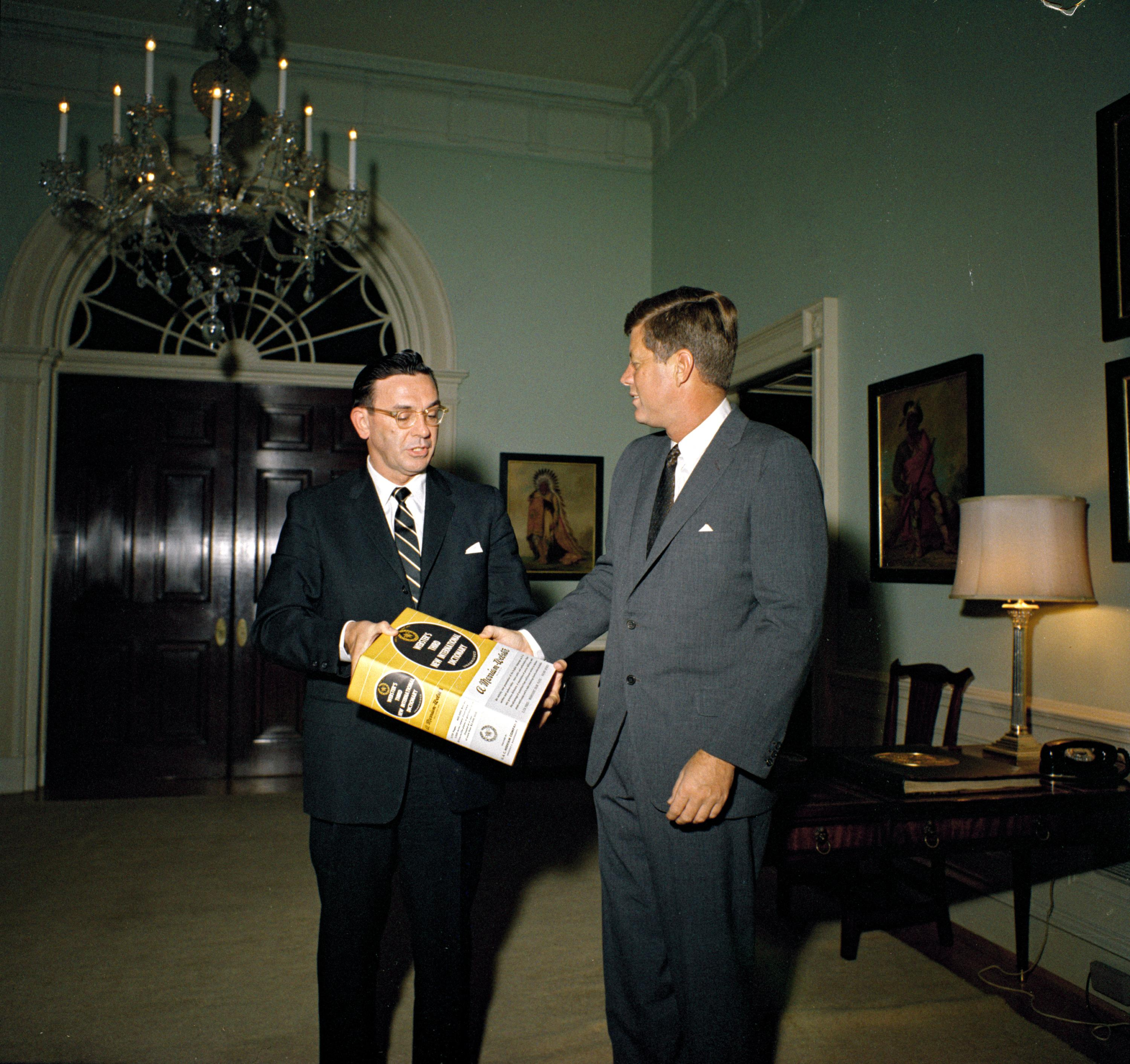
The volume was large enough that moving it was a two-handed operation, which is why it lived permanently on something built to hold it.
The weight was not a design failure. A reference work containing everything had to be physically enormous, and once an object is that heavy it stops being something you fetch and becomes something you go to.
That changed how it was used entirely. A book you carry to your seat is consulted privately; a book you walk across a room to stand in front of is consulted publicly, and everybody in the room can see you doing it.
Like our content? Follow us for more.
2. The Stand Made It a Piece of Furniture
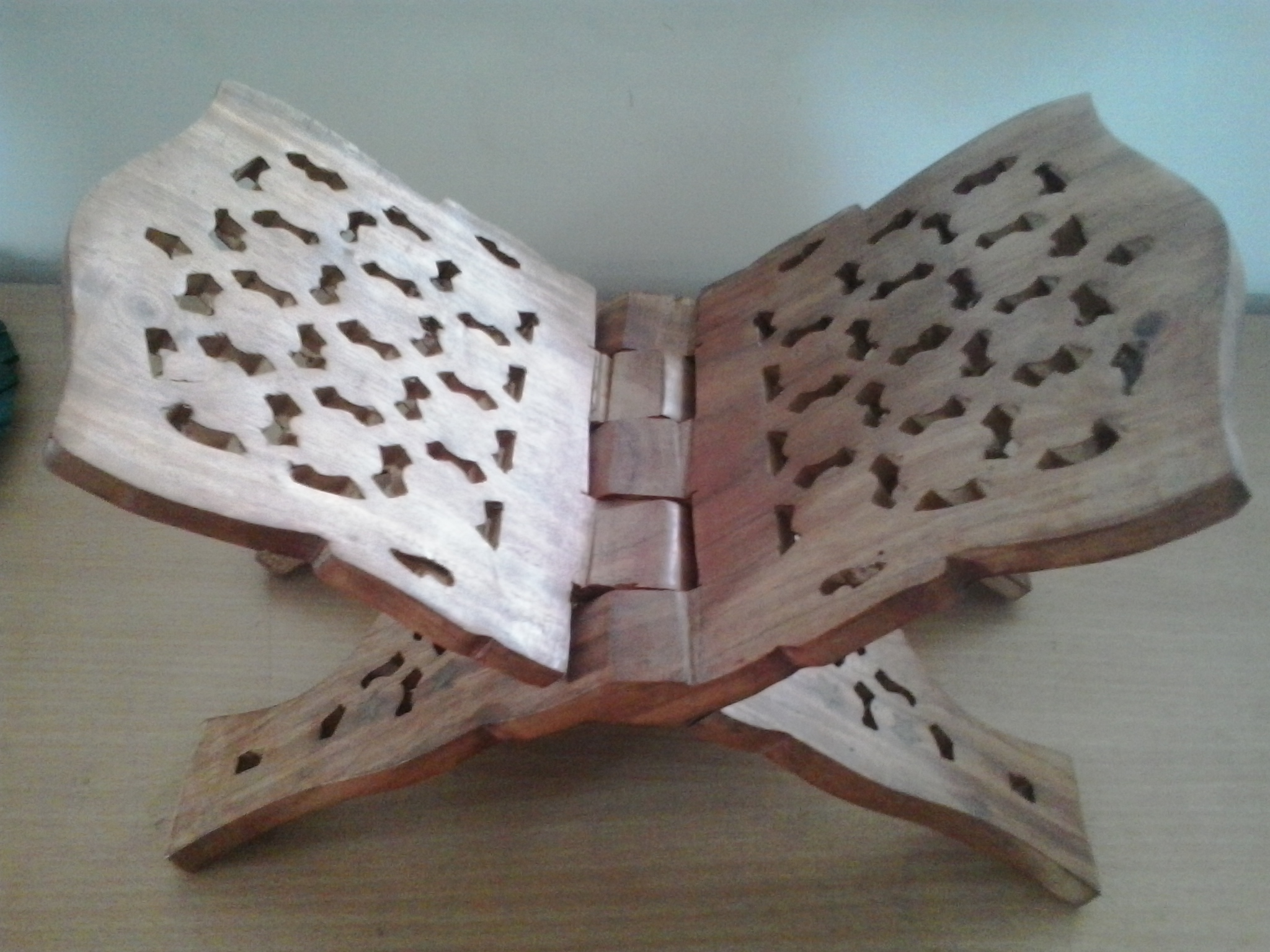
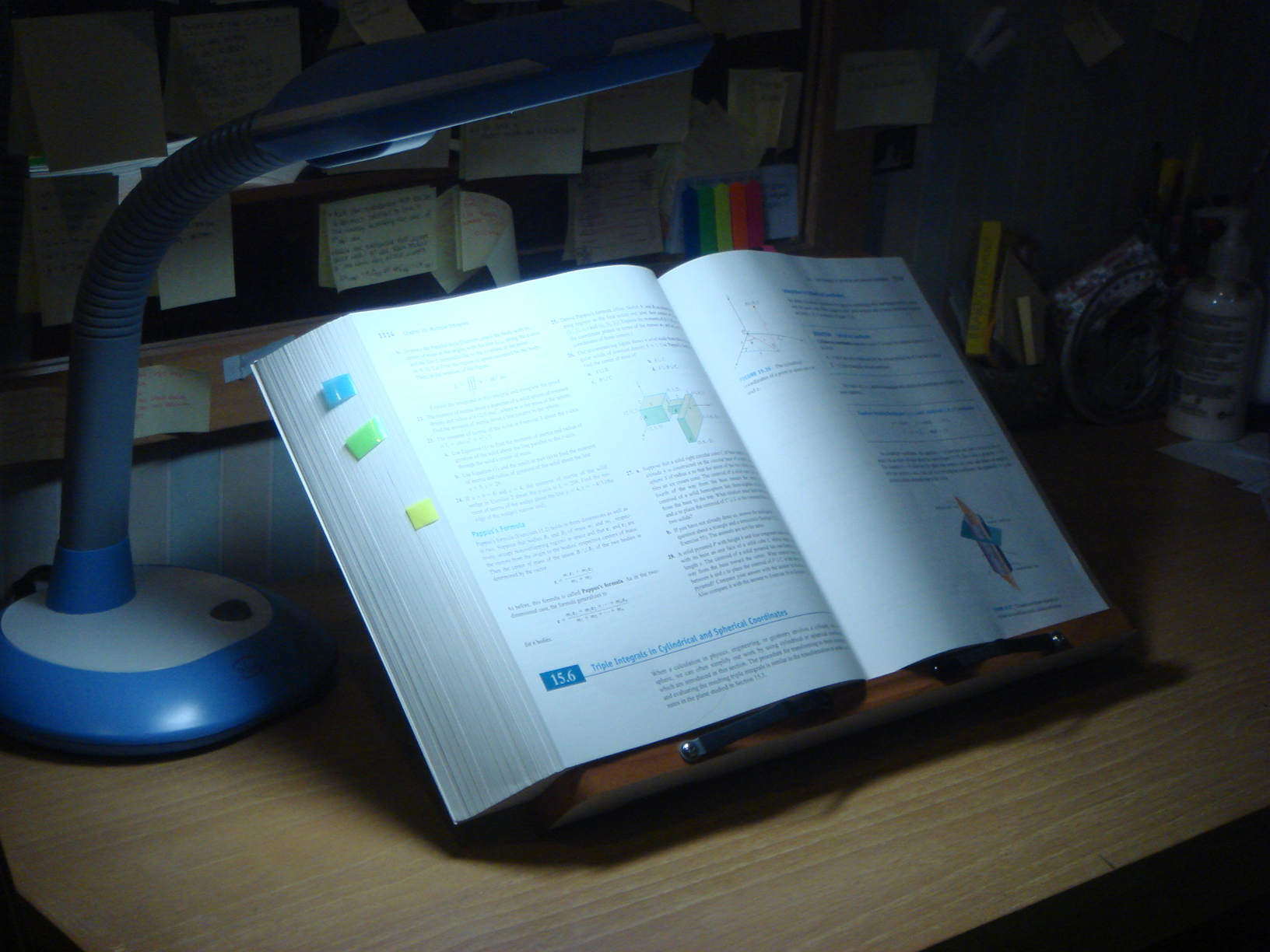
A sloped wooden stand, frequently with the book chained or simply never moved, turned a reference work into a fixture.
The installation is what gave it its standing. Nothing else in a classroom or a house was given its own dedicated furniture, and a book with a stand of its own is making a claim about its importance that nobody had to explain.
It also fixed its position permanently. The dictionary was in the same corner for years, which meant every child in a school knew exactly where to go without ever having been told.
3. Looking Something Up Was a Physical Journey
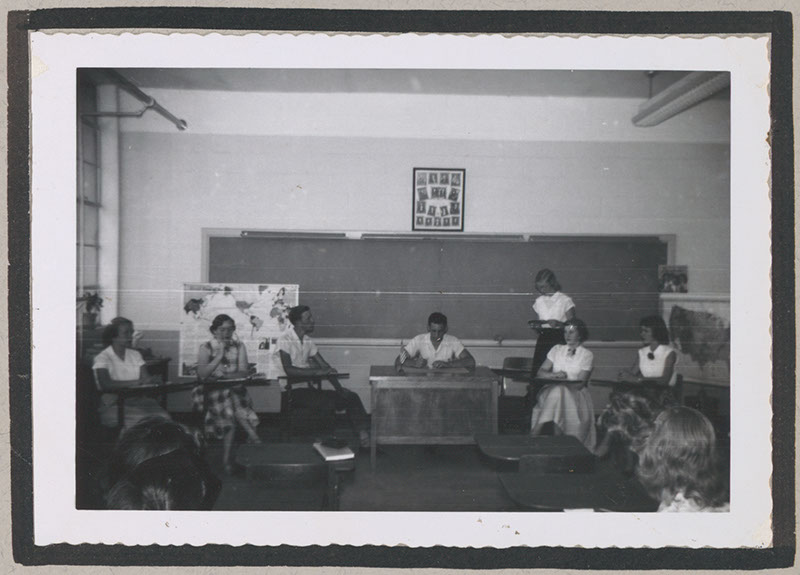
You left your seat, crossed the room, stood at the stand and worked through the pages while standing.
The effort was the thing that shaped the behaviour. A consultation requiring a walk is a consultation somebody has decided to make, which filtered out idle curiosity and concentrated usage on questions people actually wanted answered.
It also had a public cost. Standing at the dictionary announced that you did not know something, in front of everybody, which is a meaningful deterrent and one that nobody designed deliberately.
4. Getting to the Right Page Was a Skill in Itself
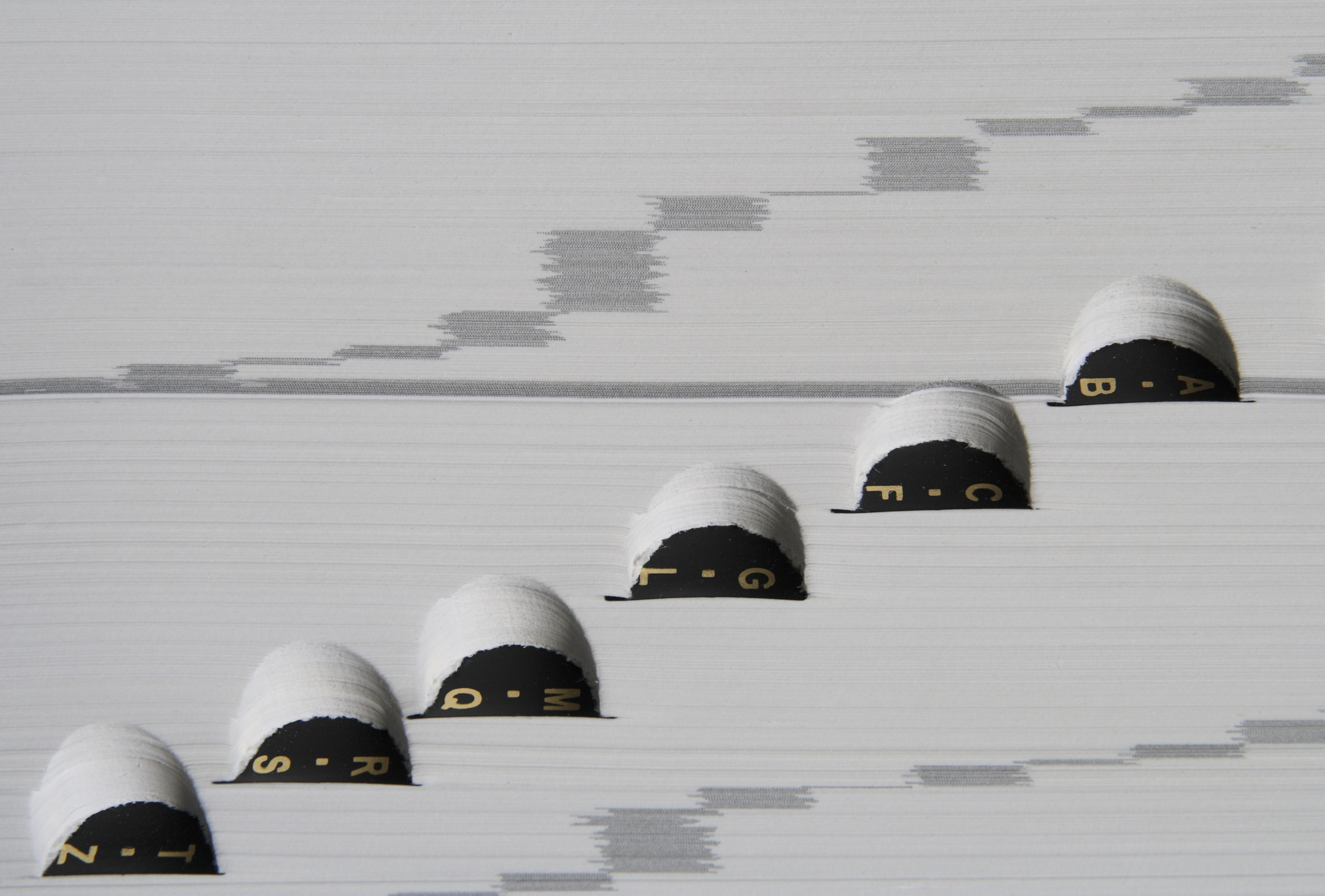
Finding a word required estimating where it fell, opening roughly there and correcting, and this took practice.
The estimation is a genuine ability and it was taught. Children learned to judge a position in a thousand pages from a single letter, which is a piece of mental arithmetic nobody would describe as one.
The thumb cuts helped and did not solve it. An indexed edge gets you to a letter, and everything after that is still a search, which is why speed at this was noticed and admired by other children.
5. You Always Read Something Else on the Way
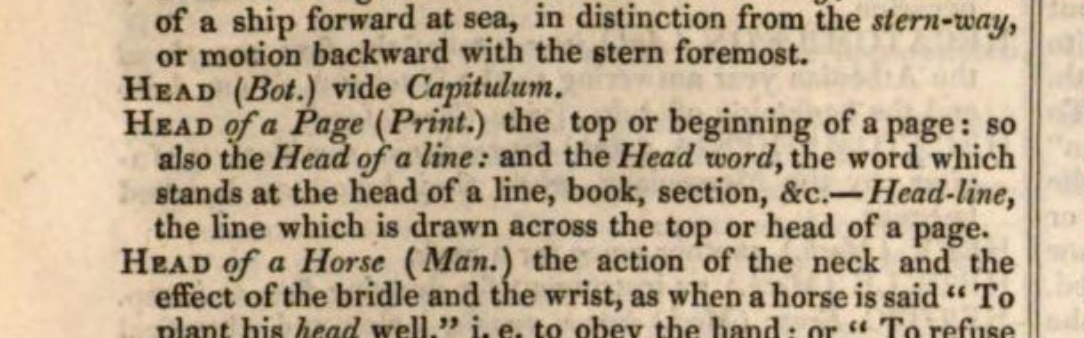
Nobody looked up one word. The page contained others, and the others were frequently more interesting.
The distraction was the most valuable thing about the whole arrangement. A reader looking for one item encounters fifty more on the way to it, and a significant proportion of what anybody learned from that book was never what they went to it for.
The time spent was accordingly unpredictable. A child sent to check one spelling could be gone for ten minutes, and the explanation was always the same and never a lie.
6. It Was the Authority and There Was No Appeal
An argument about a word was settled by walking to the stand, and the result was final.
The finality was accepted by everybody including the adults. A single physical copy of an agreed reference, in the room, that both parties could read at once, settles a dispute more effectively than any amount of discussion.
That function has no real equivalent now. A disagreement resolved by two people looking at the same page together is a different event from one resolved by somebody reading something off a screen to somebody else.
7. The Edition Was Years Old and Nobody Minded
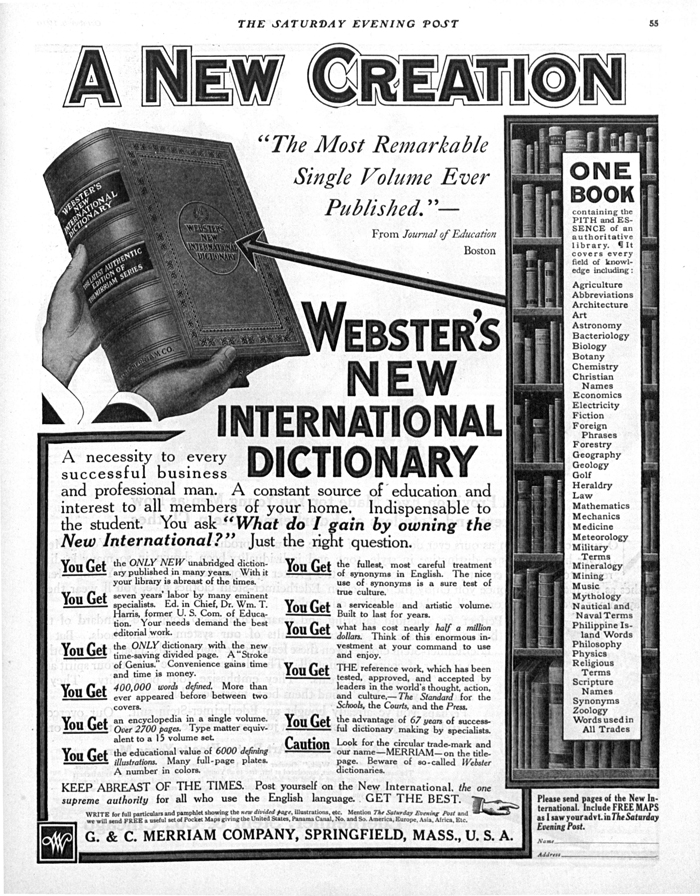
The copy in use had frequently been there a decade or more, and its contents reflected that.
The staleness was invisible. A dictionary does not announce that it is outdated, and a word coined after it was printed simply was not in it, which produced the occasional confident and entirely wrong conclusion.
Replacement was rare. The thing was expensive, enormous and apparently permanent, and a school or a household bought one and expected it to last the better part of a generation.
8. It Was Treated With More Care Than Any Other Book
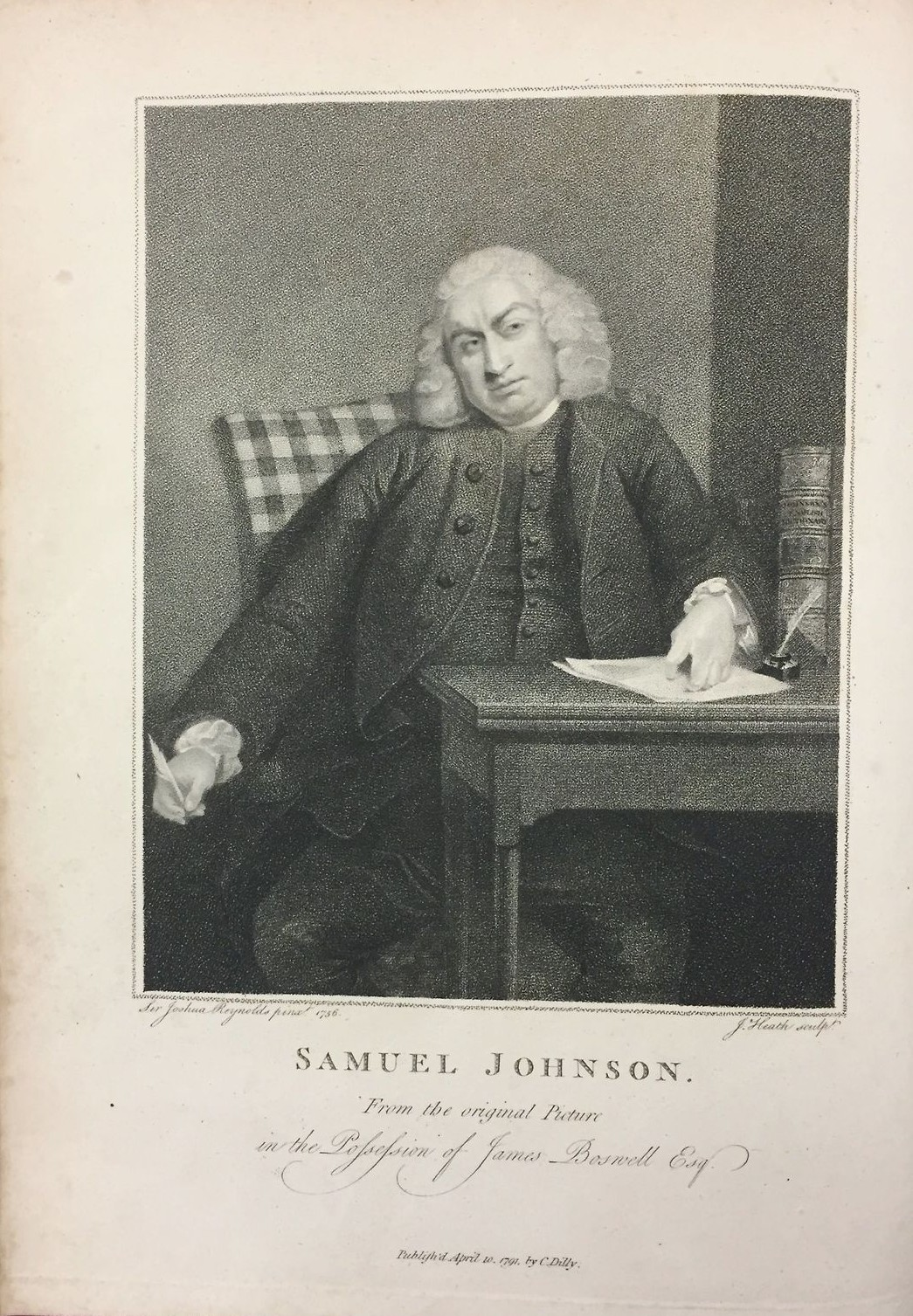
Nobody wrote in it, nobody folded its pages and nobody took it away.
The deference was learned by observation rather than instruction. Children copied how adults handled it, and the handling was noticeably more careful than for anything else on a shelf.
The pages themselves demanded it. Thin paper tears easily, and a book that size with that paper teaches respect through consequence rather than through rules.
9. Looking Up a Rude Word Was Universal
Every single child who had access to one did this, and every single adult knew they did.
The behaviour was entirely predictable and essentially harmless. A reference work containing every word in the language is going to be tested on exactly the words a child is not supposed to say, and the testing happened in every school in the country.
The result was almost always disappointing. A clinical definition of something a child has heard whispered is a reliable anticlimax, which is probably the most effective thing the book ever did on that subject.
10. Being Sent to It Was a Teaching Method
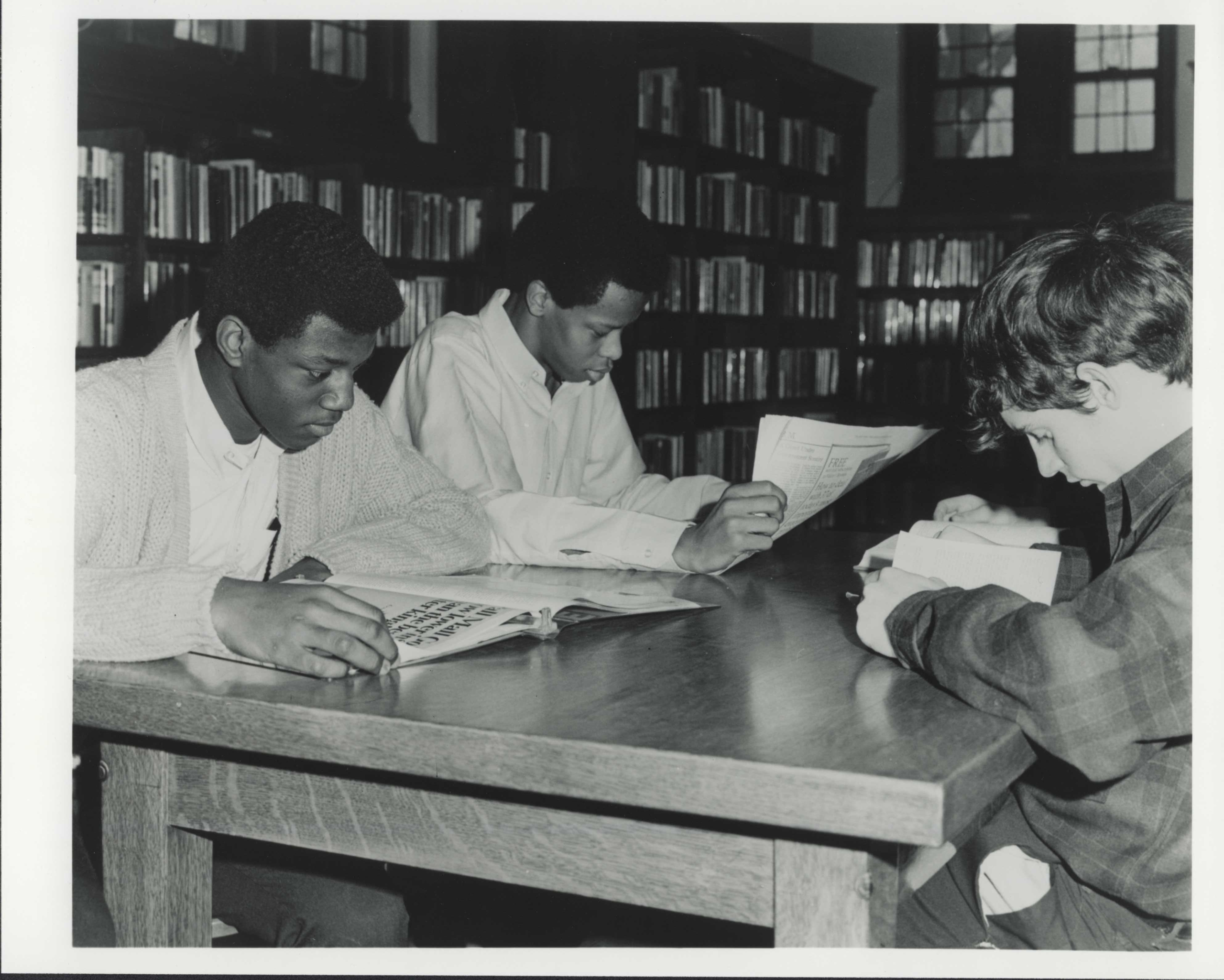
The standard response to a question was frequently an instruction to go and find out.
The deflection was deliberate and defensible. A child who looks something up remembers it better than one who is told, and the walk, the search and the discovery do considerably more work than an answer delivered across a room.
It was also convenient. A teacher asked something they did not know had a dignified and genuinely useful way of handling it, which is a situation every adult who taught has been in.
11. The Household Version Sat in the Same Place for Decades
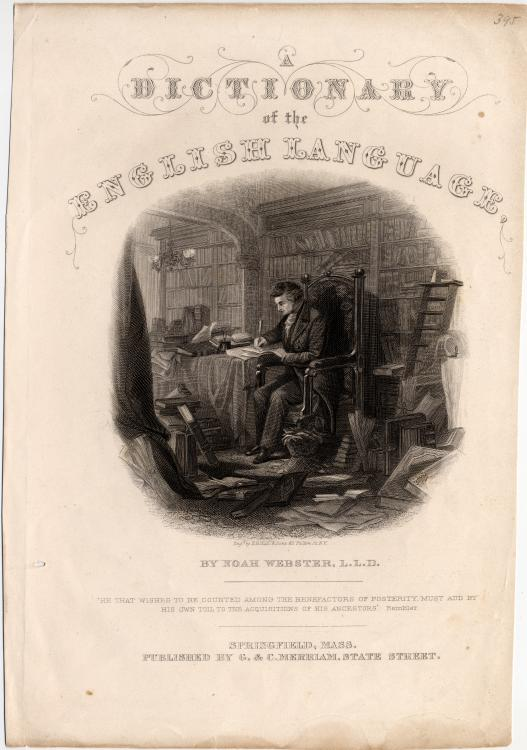
Houses that had one kept it somewhere fixed, and it frequently outlasted the people who bought it.
The permanence made it a landmark. A book that does not move for thirty years becomes part of the geography of a house, and children who grew up with one can describe exactly where it stood.
They are still in the world. These volumes survive in enormous numbers precisely because they were too big to throw away casually and too respected to be treated as ordinary books.
12. Then the Answer Arrived Without the Walk
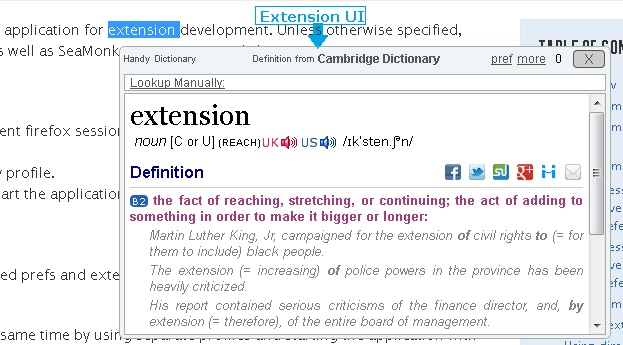
Search removed the journey, the estimation, the page, the accidental discoveries and the queue.
The improvement is absolute on the stated task. Finding a definition is now instant, accurate, current and free, and the old method loses on every single one of those measures without exception.
What went was everything that was not the definition. The walk across the room, the public admission that you did not know, the estimation of where a letter falls in a thousand pages, the fifty other words encountered on the way, and an argument settled for good by two people standing at the same page.
What the Journey Was Doing
Read in order, the twelve describe a system in which almost everything of value was a side effect. The stated job – supplying a definition – is the one thing that has been improved beyond recognition, and nobody would argue otherwise. What the old arrangement produced alongside it was a walk across a room, an estimate of where a letter falls in a thousand pages, a public admission of not knowing, a queue behind somebody slower than you, and fifty entries encountered on the way to the one you wanted. That last one is the real loss. A reader searching a physical page passes everything adjacent to their target, which means a substantial proportion of what anybody learned from that book was never what they went to it for.
The authority function is the other half of it and is equally gone. An argument about a word ended at the stand, settled by two people reading the same page at the same time, with the result accepted by both because there was nothing else to appeal to. A single agreed physical copy in the room does something that a screen cannot: both parties see the same thing simultaneously, neither is reading it out to the other, and the disagreement is over. The incidental reading deserves one further note, because it is the part people describe most fondly and the part that was least deliberate. Nobody opened that book intending to read anything except the word they had come for. What happened instead is that a page carries forty entries, the eye goes across them on the way, three or four turn out to be more interesting than the target, and ten minutes disappear. A child sent to check a single spelling could reasonably be gone for a quarter of an hour, and the explanation given on return was always the same one and was almost never a lie. The care taken with the object was the other thing children absorbed without being told. Nobody wrote in it, nobody folded a page and nobody carried it off, and the deference was learned entirely by watching how adults handled it. The paper helped: thin stock tears if it is treated carelessly, so a book of that size teaches its own handling through consequence rather than through any rule anybody had to state.
Nothing about the replacement is worse at the job. Definitions are now instant, current, accurate and free, and the old method loses on every measure that was ever stated for it. What went is everything that was never stated: the walk, the estimate, the thumb cuts, the admission of ignorance in front of a room, the three entries you read instead of the one you came for, and the argument ended for good by two people standing shoulder to shoulder at the same open page. The books themselves are mostly still around, because they were too large to throw out casually and too respected to be treated like ordinary books – and a great many of them are still sitting exactly where somebody put them in 1964. Too heavy to move, on furniture built for nothing else, open at whatever page the last person left them at.
Like our content? Follow us for more.