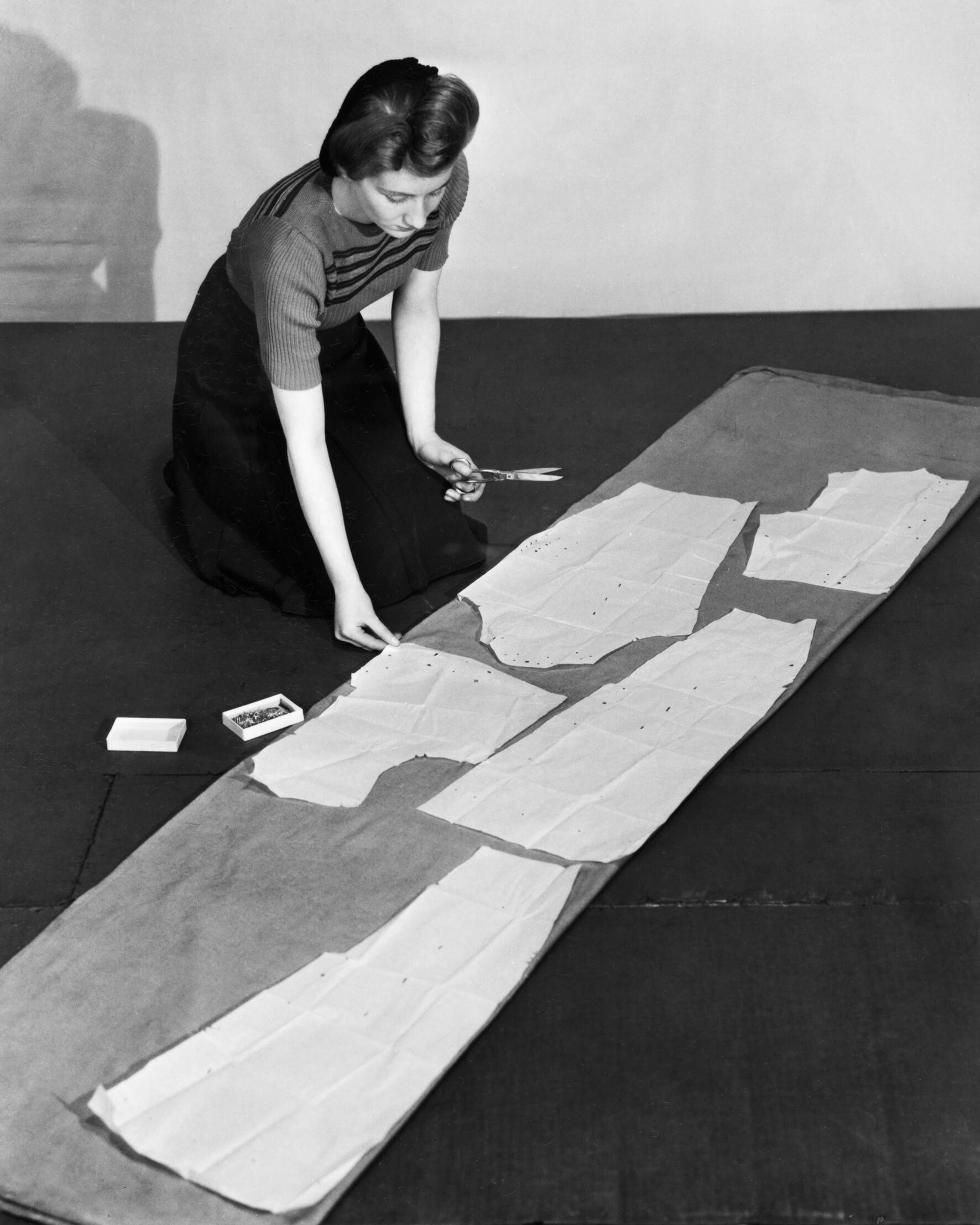
Making clothes was cheaper than buying them, and that one fact is the entire reason this happened.
Fabric and a pattern cost substantially less than a finished garment, so a household that could sew dressed its children for a fraction of the price. The relationship has since inverted completely, which is why the practice vanished – when labour at home is free and cloth is dear relative to finished goods, sewing wins, and the moment mass production reversed that ratio it lost its whole justification.
The case was strongest for children specifically, because children grow. A garment is outgrown in a season or two regardless of condition, which makes paying full price for something with a known short life a bad deal – and that is exactly the problem home sewing was best at solving. Here are sixteen things every mother knew.
1. Making It Was Cheaper Than Buying It, and That Was the Whole Reason
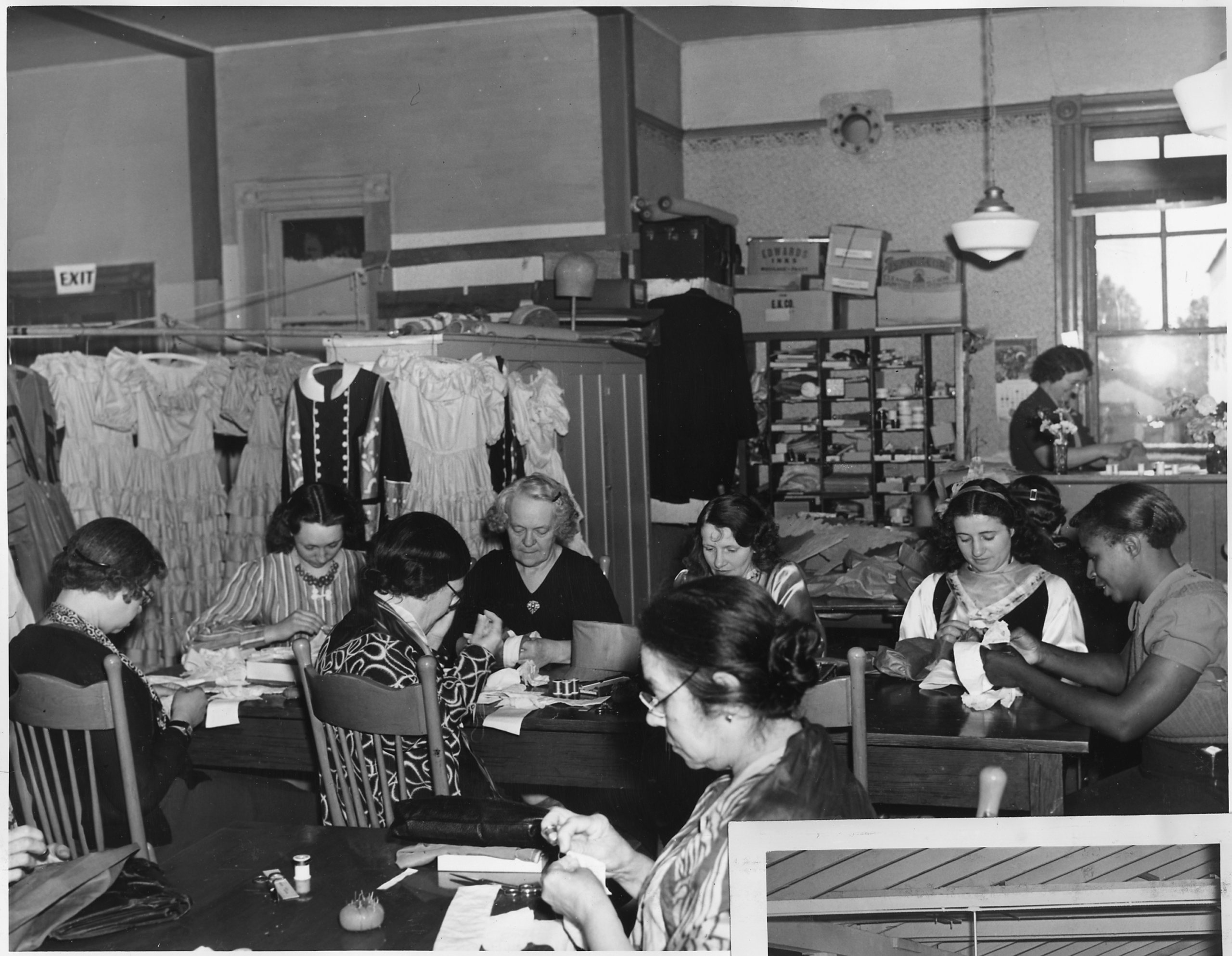
Fabric plus a pattern cost substantially less than a finished garment, so a household that could sew dressed its children for a fraction of the price.
Buying is far cheaper than making.
Start with the economics, because the relationship has completely inverted and that inversion explains everything. When labour at home is free and cloth is expensive relative to a finished item, sewing wins – and the moment mass production reversed that ratio, the entire practice lost its justification.
Like our content? Follow us for more.
2. Children Grow, Which Makes Buying Especially Bad Value
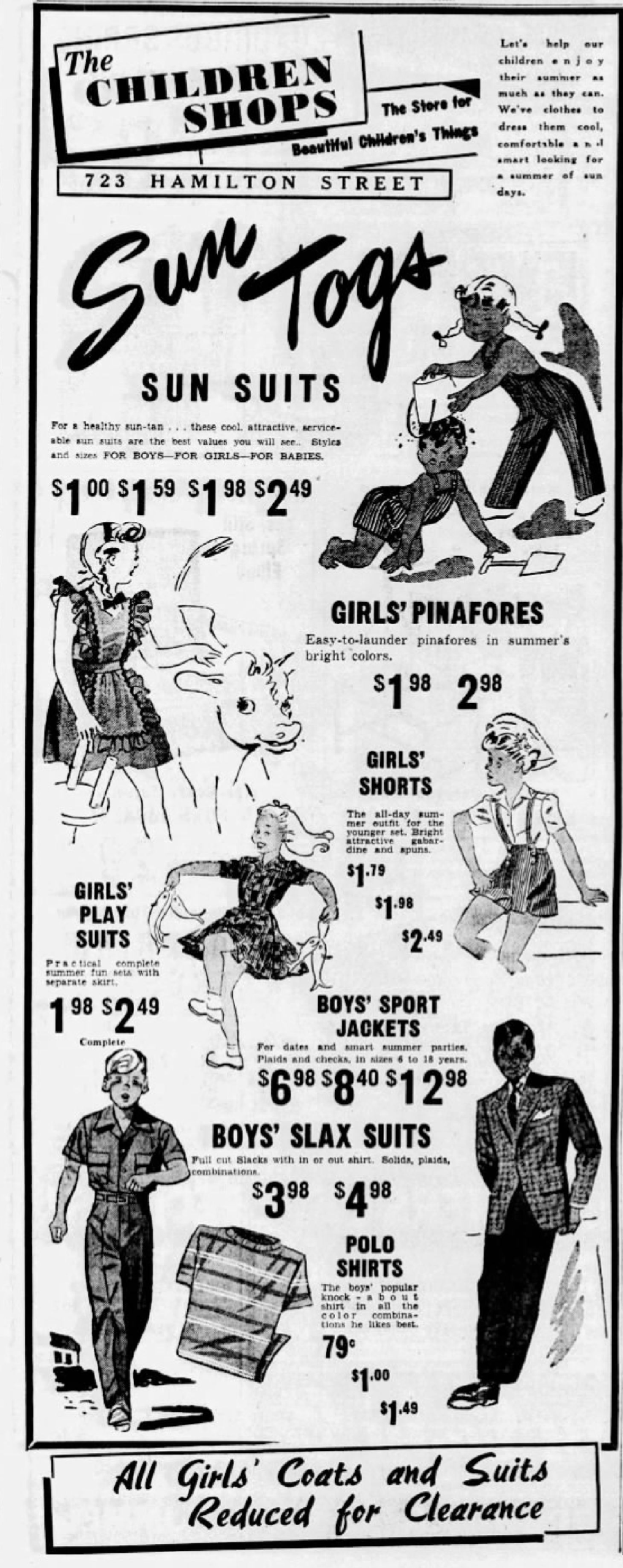
A child outgrows a garment in a season or two regardless of its condition, so money spent on a bought one is money spent on something with a known short life.
Still true, but absorbed by low prices.
The growth problem is what made children’s clothing specifically worth making. Nobody wants to pay full price for something that will be too small by spring, so the case for home sewing was far stronger for children than for adults.
3. Seams Were Left Generous So Garments Could Be Let Out
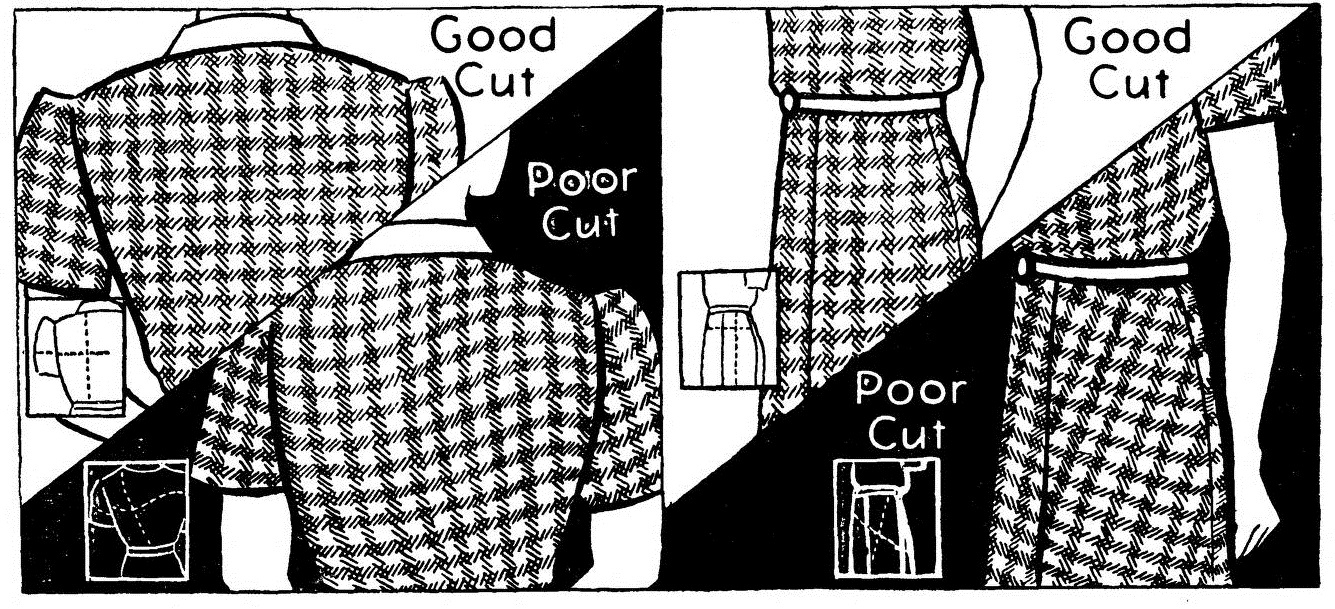
Hems, side seams and shoulders were cut with extra fabric folded inside, waiting to be released as the child got bigger.
Cut to size, with nothing spare.
Designing in future alterations is the single cleverest thing in the whole practice. A home-made garment carries its own extension built into it, which converts a one-season item into a two or three-season one at no extra cost in material.
4. Hems Showed Where They Had Been Let Down
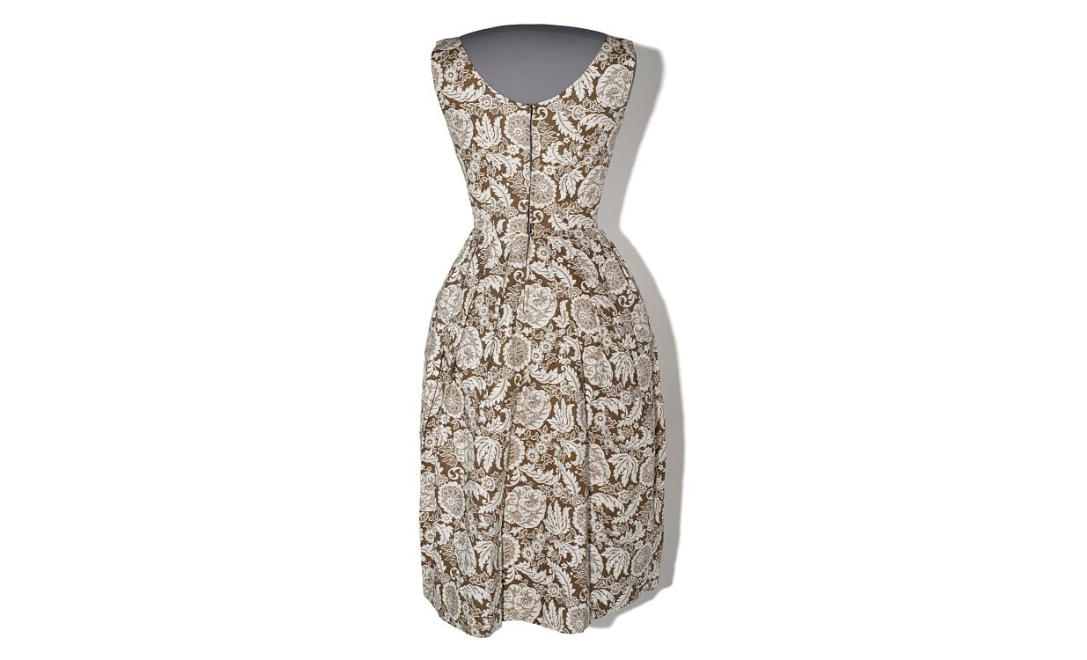
Letting down a hem leaves a line – a crease, a faded mark or a difference in colour – which everybody could read.
Not applicable.
That line was legible social information and it cut both ways. It showed thrift and competence to some eyes and showed that a family could not buy new to others, which is why so many people remember the hem line specifically.
5. Patterns Were Bought Once and Used Repeatedly
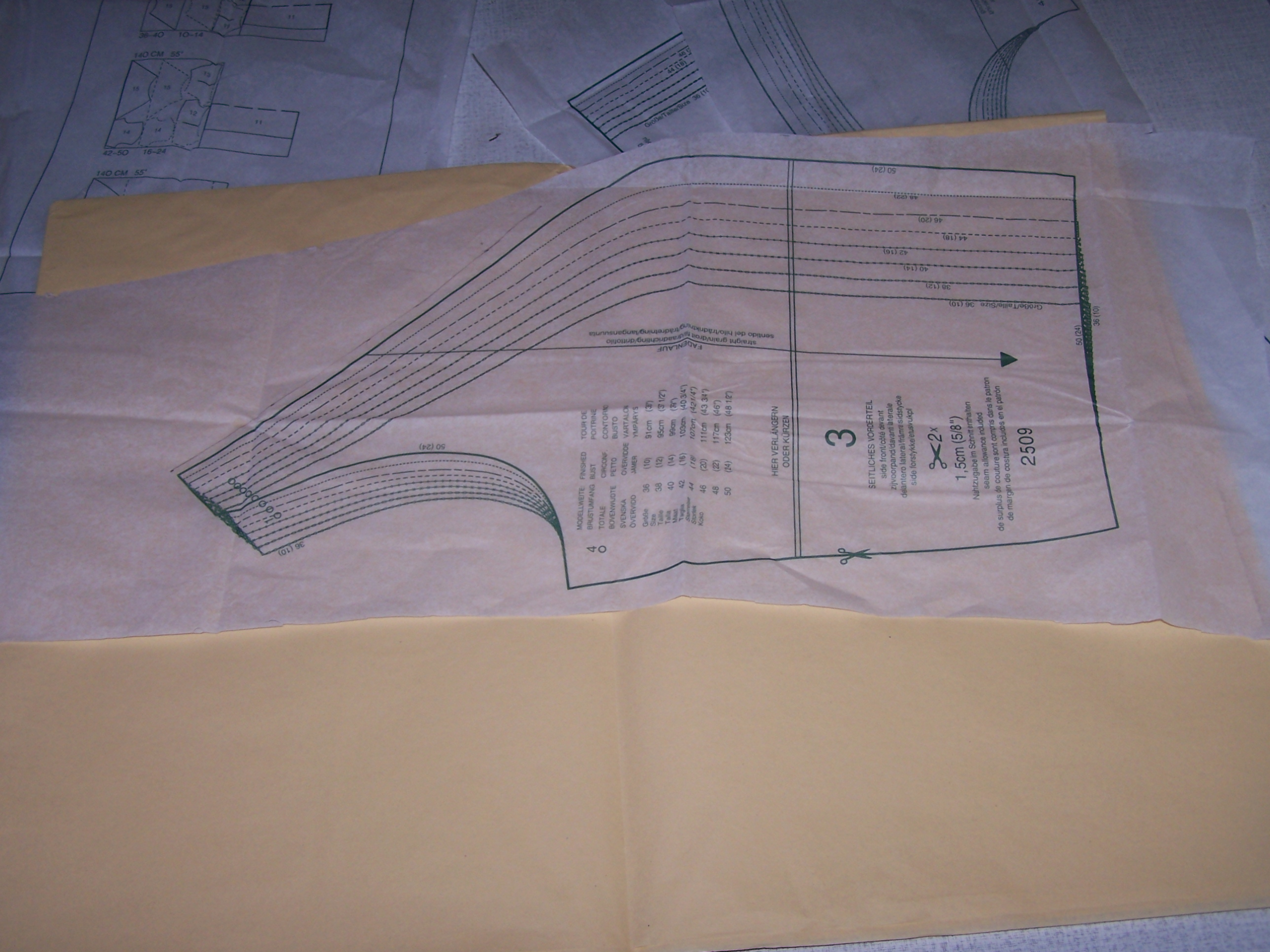
A paper pattern cost little, was kept, and was cut out again in a larger size or a different fabric for years.
Not applicable.
The pattern’s reusability is where the real saving lived. The design is purchased once and amortised across a decade of children, which means the marginal cost of the next garment is only the cloth – and that is the arithmetic that made the practice viable.
6. Flour Sacks and Feed Sacks Were Genuine Fabric
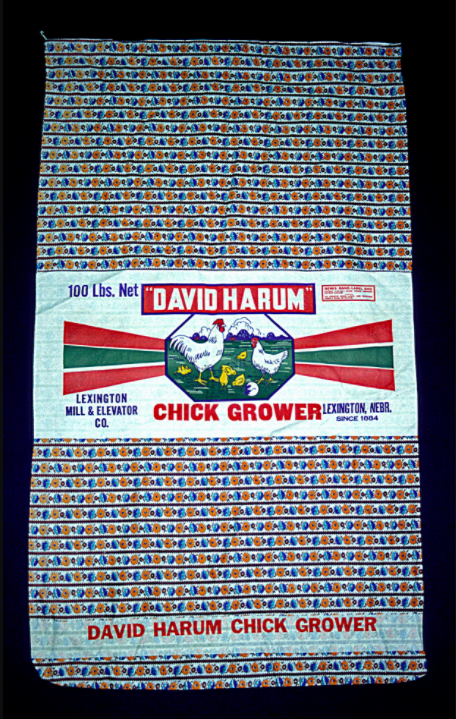
Bulk goods came in printed cotton sacks deliberately designed to be reused as cloth, and manufacturers competed on the patterns.
Not applicable.
This is one of the most elegant arrangements of the period and it was entirely deliberate on both sides. A company that printed an attractive pattern on its sacks sold more flour, and a household that needed cloth got it as a by-product of buying food it was buying anyway.
7. Matching Sacks Had to Be Collected
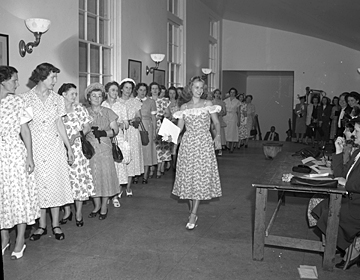
A dress needed several sacks of the same print, which meant tracking down matching ones across shops, neighbours and time.
Not applicable.
The collecting problem turned a material into a small quest. You could not simply buy three yards – you had to find three sacks that matched, which involved asking neighbours, waiting for deliveries and trading with other households.
8. Everything Was Fitted to a Specific Child
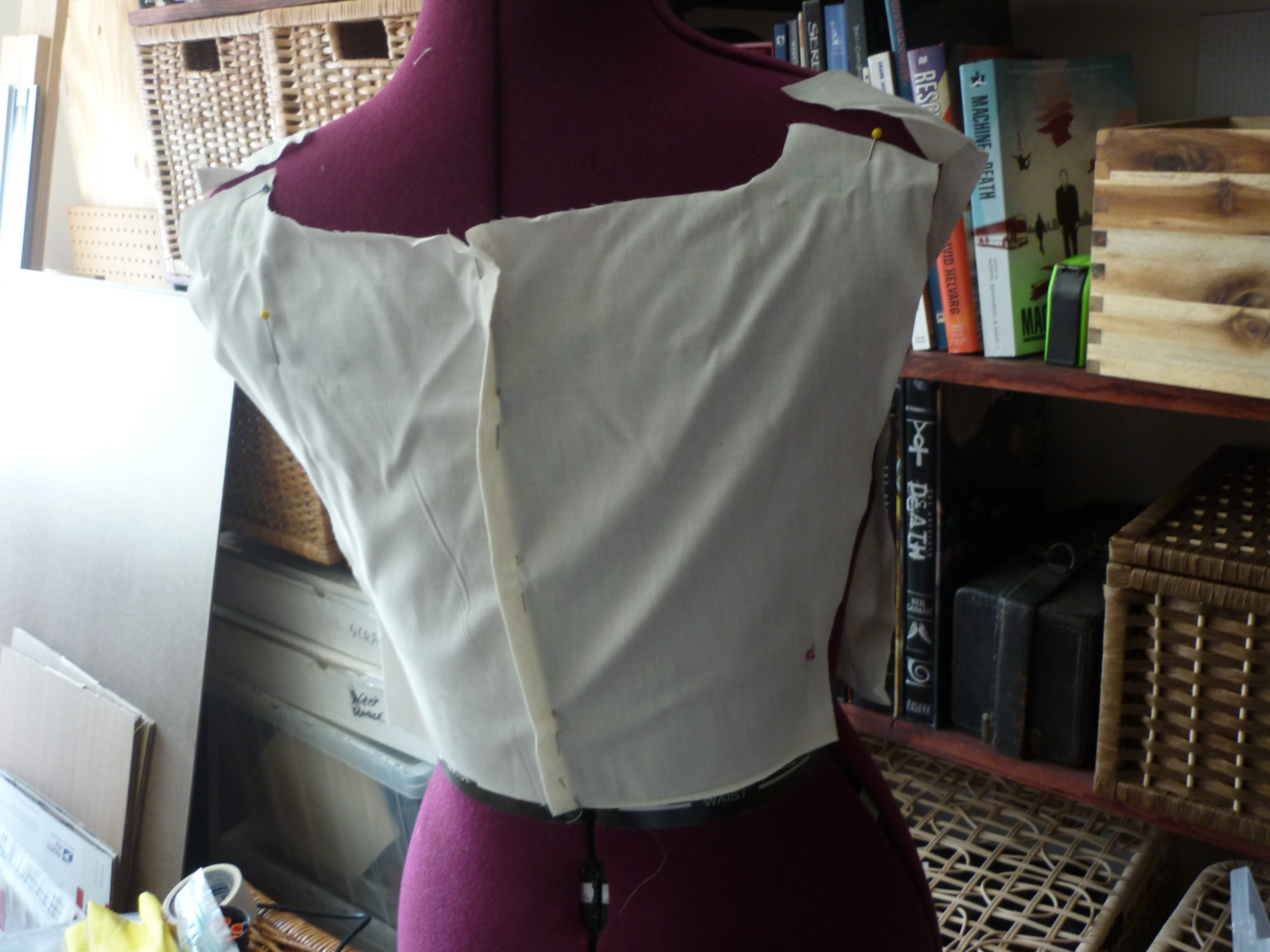
A home-made garment was measured, pinned and adjusted on the actual person, which produced a fit no bought item matched.
Standard sizes.
Fitting is the genuine advantage that survived the economics. Bought clothing is cut for an average body and most children are not average, so a garment pinned on the child itself fits in a way sizing cannot – and everybody who had both could tell the difference.
9. Good Fabric Was Rescued From Worn-Out Clothes
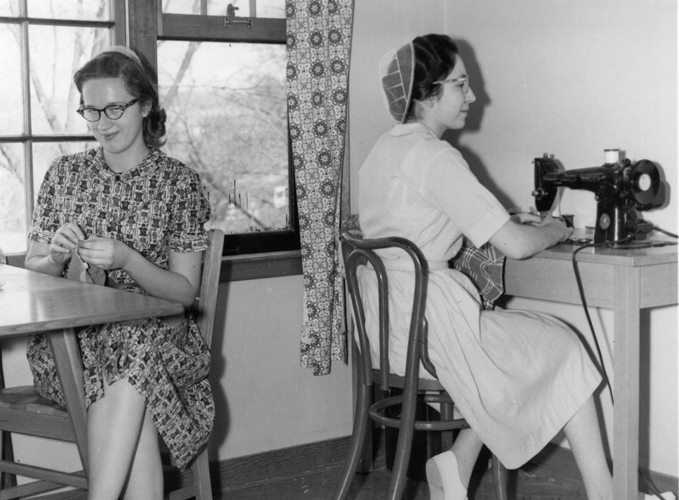
Adult garments past saving were taken apart, and the sound sections were cut down into something for a child.
Discarded.
Cutting down is the step before the rag bag and it has a logic. The parts of a garment that wear out are specific and small, so most of the cloth in a worn adult coat is still perfectly good – and a child needs much less of it.
10. The Order of Inheritance Was Fixed and Everybody Knew It
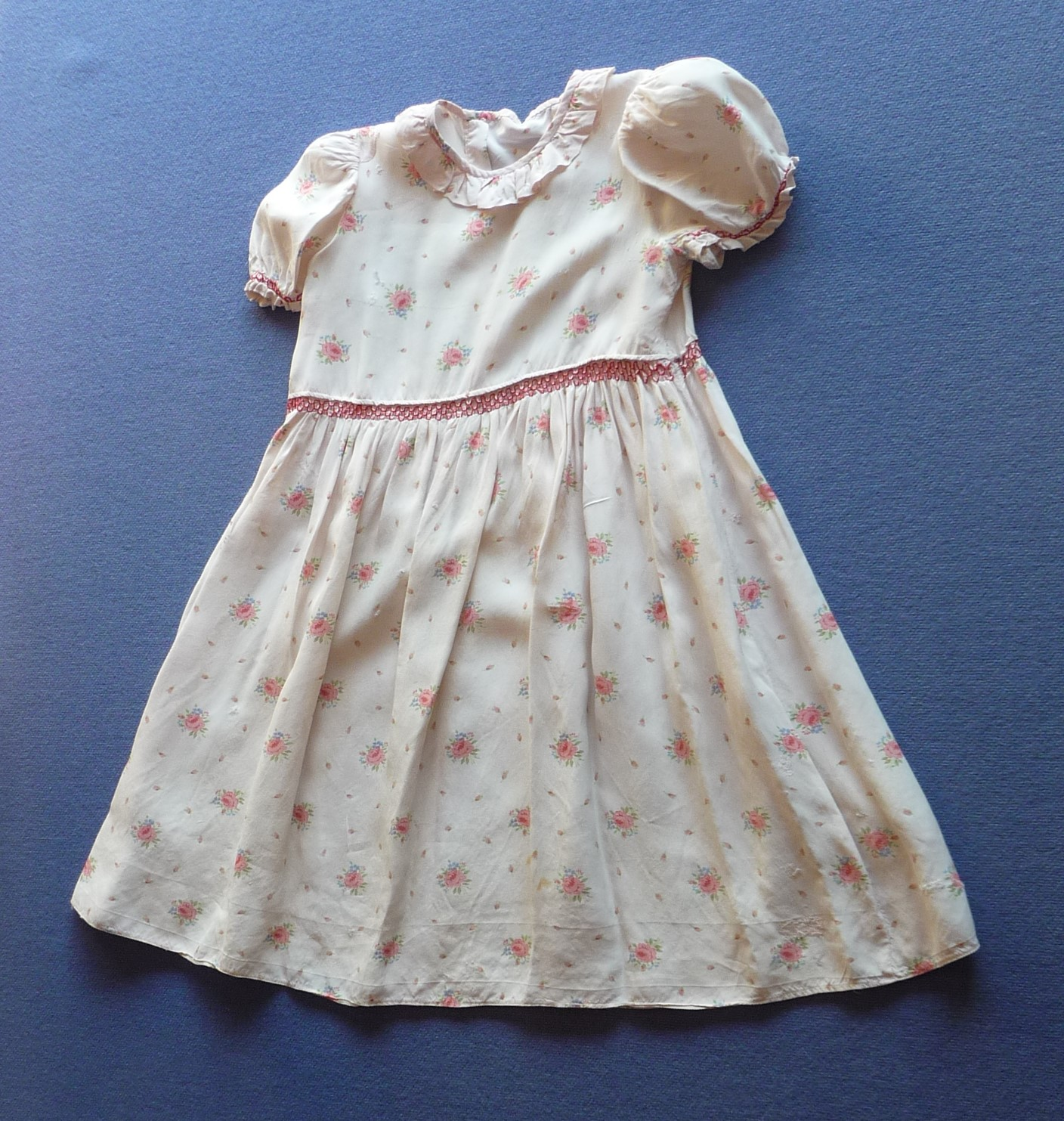
A garment moved from older child to younger, then to a smaller cousin or neighbour, then to rags, in a known sequence.
Mostly ends at donation.
The sequence meant a garment had a career rather than a lifespan. Each stage had a different standard of acceptable condition, so something no longer good enough for school was still good enough for play, and the thing was used until it physically could not be used.
11. Boys and Girls Were Sewn For Very Differently
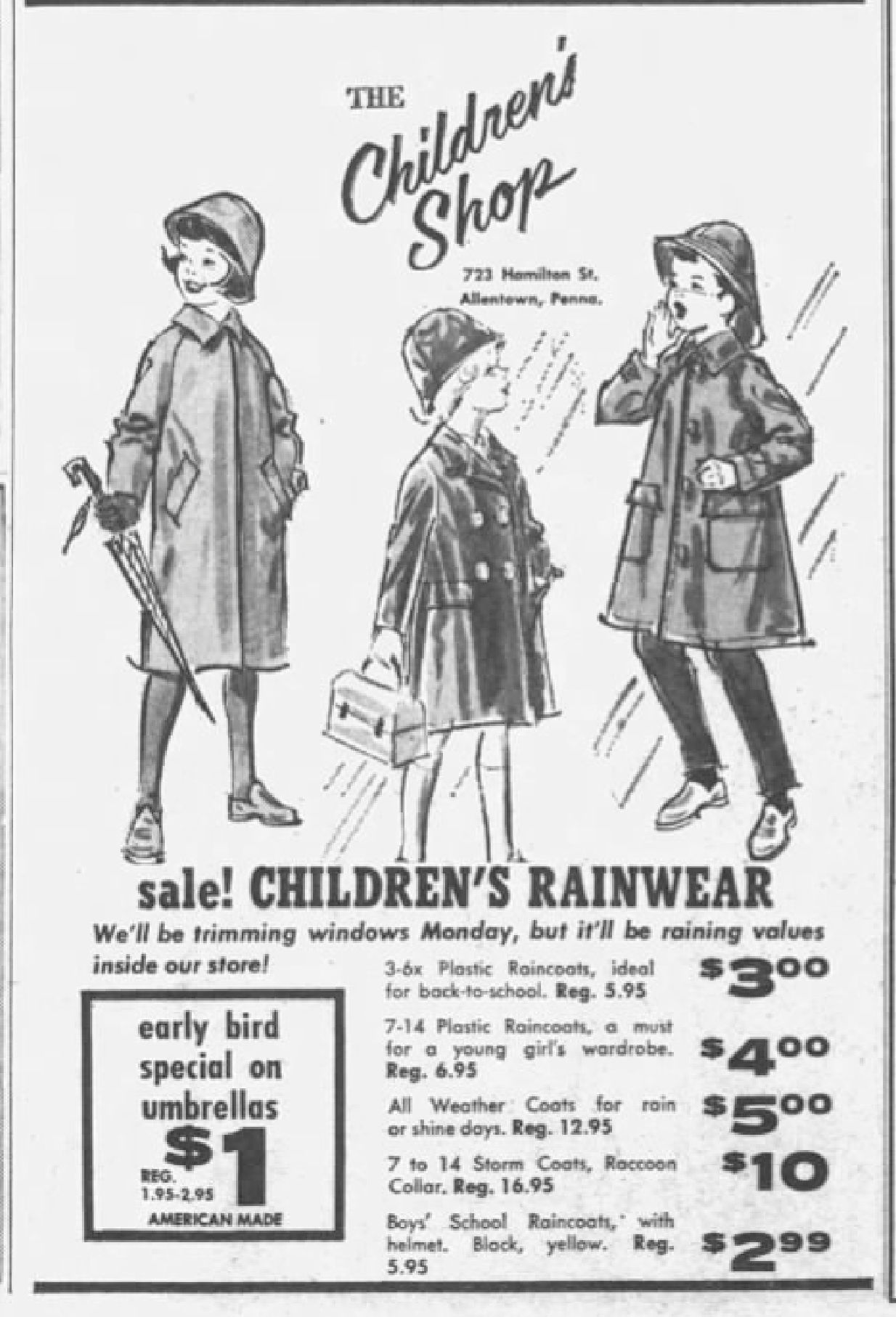
Girls’ clothes offered far more scope for home sewing, while boys’ trousers and shirts were more often bought, which shaped who got what.
Less divergent.
The asymmetry is worth naming because it determined how the saving fell. A household that could make dresses but not durable work trousers was saving money on one child and spending it on another, purely as a function of what home sewing could produce well.
12. The Machine Was the Household’s Most Valuable Tool
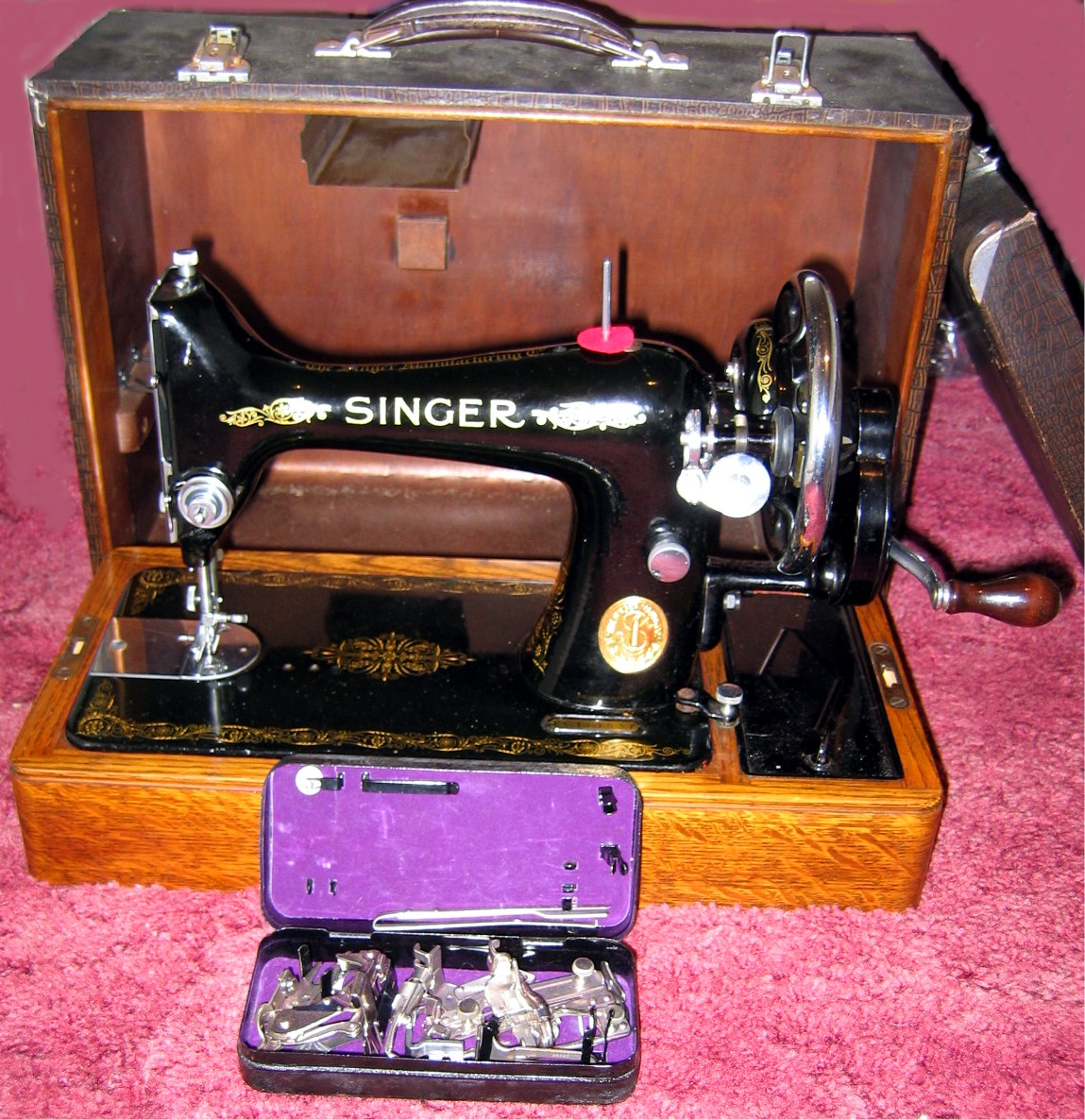
A sewing machine cost real money, was maintained, was often bought on instalments and was expected to last a lifetime.
Rare in households.
The capital investment tells you how seriously this was taken. Nobody buys an expensive durable machine for an occasional hobby, so the presence of one in a house is evidence that clothing production was a standing household function.
13. Girls Learned It Because They Would Need It
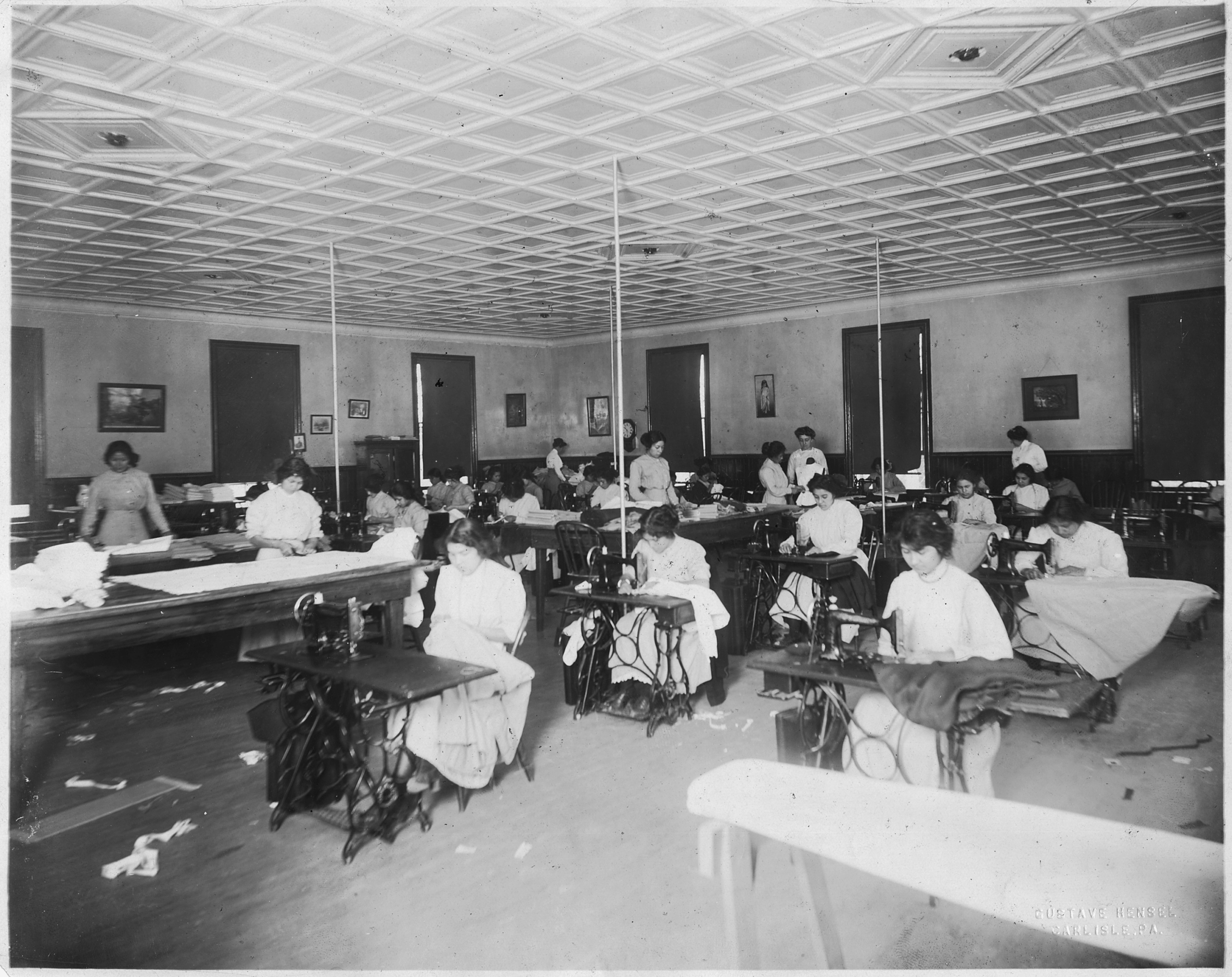
Sewing was taught at home and at school as a practical necessity rather than a craft, on the assumption that every woman would run a household wardrobe.
Taught rarely, as a hobby.
The training was vocational in intent, which is how it was described at the time. It was a skill with a direct economic return, taught to one half of the population because that half was expected to be responsible for clothing a family.
14. Then Ready-Made Clothing Got Cheaper Than Cloth
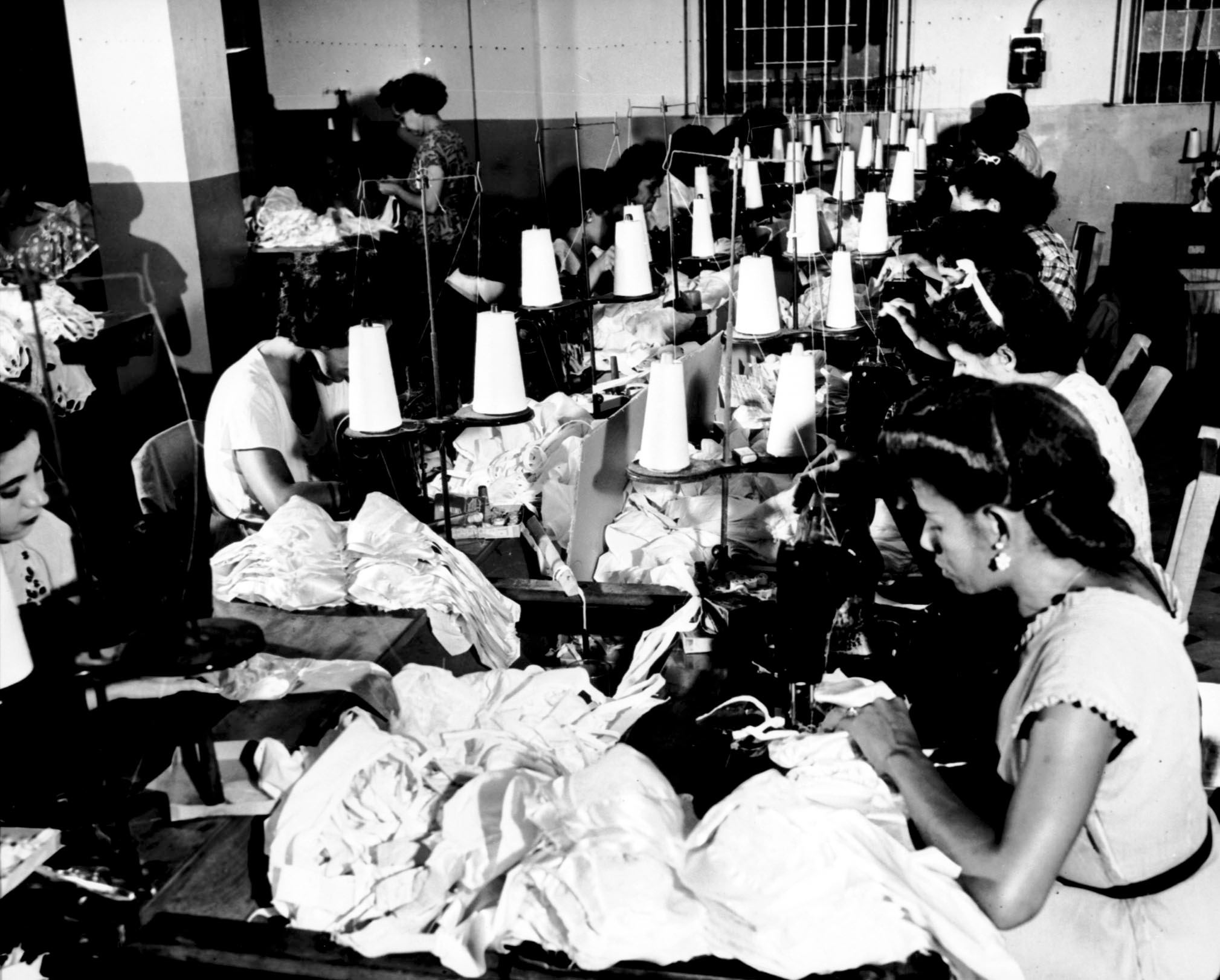
Mass production and imported manufacturing drove finished garment prices below what the fabric alone cost a home sewer.
Universal.
This is the decisive reversal and it is purely arithmetic. Once a finished shirt costs less than the material to make one, no amount of skill makes sewing worthwhile – and the practice did not decline gradually but lost its entire economic basis at once.
15. Sewing Survived as a Craft, Which Is a Different Thing
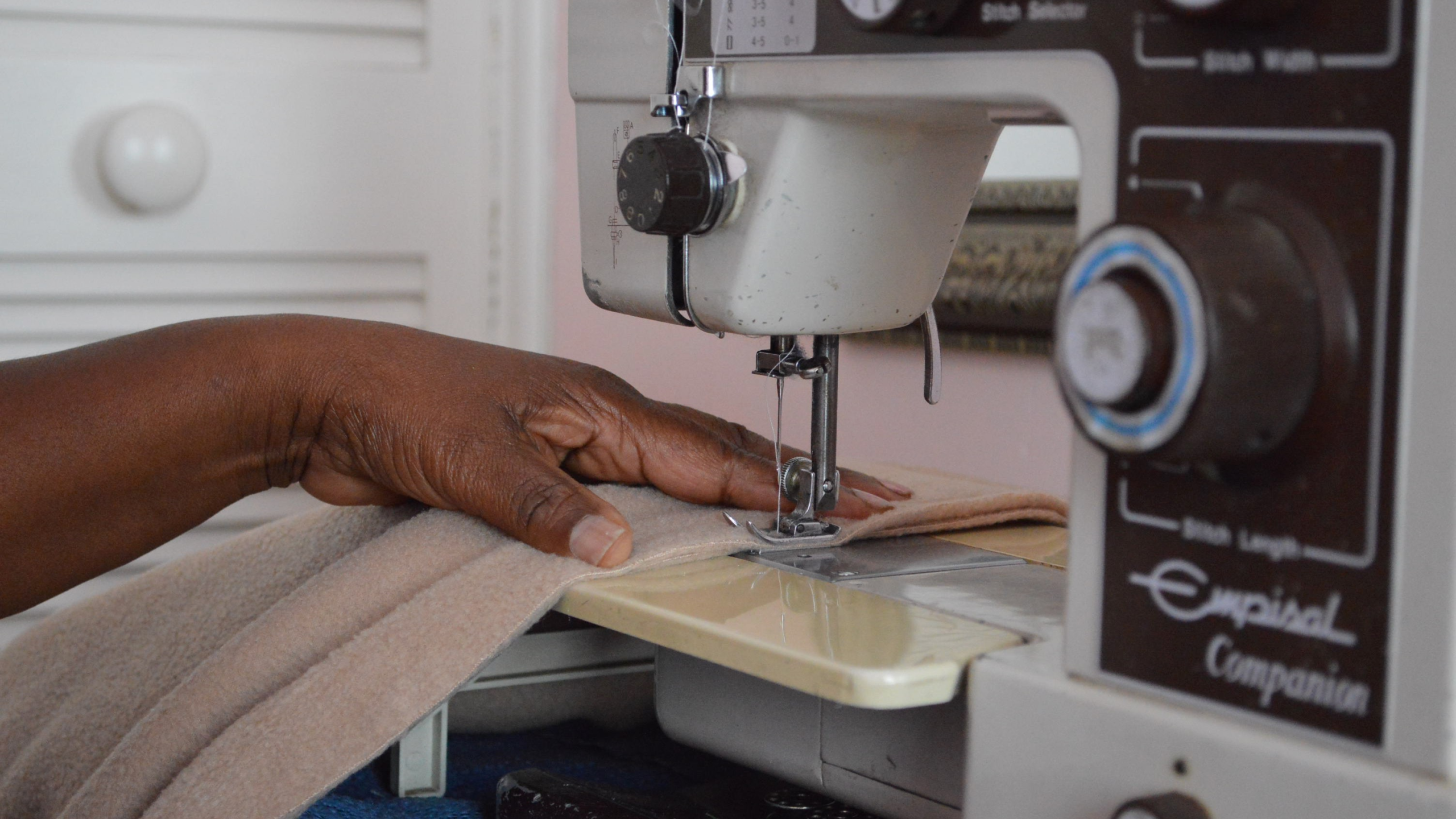
Home sewing continues, now chosen for fit, quality, pleasure or individuality rather than because it is cheaper.
A hobby.
The survival is real and the motivation inverted completely. What was a necessity performed by people who often did not enjoy it became an elective practice performed by people who do – and the skills are the same while the reason for having them is the opposite.
16. And by 1962 Most Households Were Already Buying More Than They Made
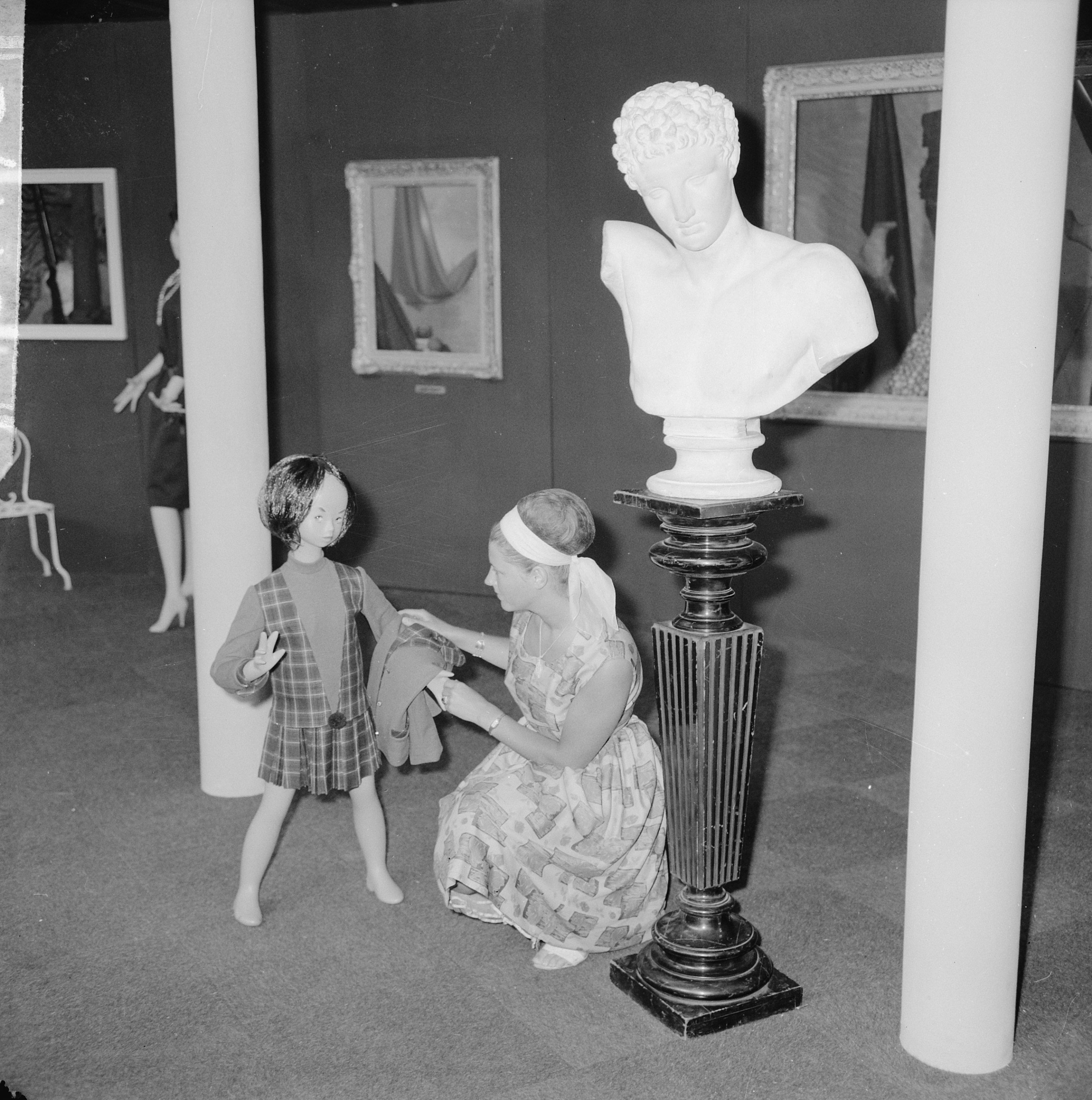
The machine stayed in the corner, used for mending and alterations, while new clothes increasingly came from a shop.
Universal.
And what deserves the last word is that this was a manufacturing operation run in a front room by a person nobody paid. The arithmetic worked because home labour was free, cloth was dear relative to finished goods, and the pattern – the only part that cost anything beyond fabric – was bought once and used for a decade. On top of that sat a set of genuinely clever adaptations: seams cut generous so a garment could be let out as a child grew, sacks printed to be reused as cloth by companies that knew exactly what households would do with them, worn adult coats cut down because the parts that wear out are small, and a fixed order of inheritance in which each stage had its own standard of acceptable condition. The fit was better than anything bought, and that advantage still holds. Everything else was destroyed by one number: the day a finished shirt cost less than the cloth to make one, the whole practice stopped being thrift and became a choice.
It Was a Manufacturing Operation Run by Somebody Nobody Paid
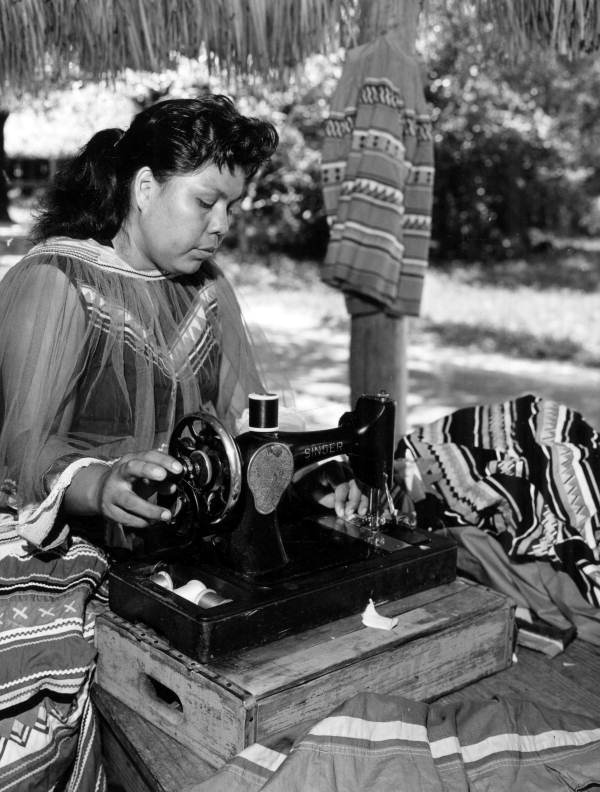
Home sewing is remembered as a domestic craft, and in 1962 it was production – a small clothing works in a front room, operated by a person who was not paid for it, and it made economic sense.
The arithmetic had three parts. Home labour cost nothing. Cloth was cheap relative to a finished garment. And the pattern, which is the only design cost, was bought once and cut out again for years in larger sizes and different fabrics, so the marginal cost of the next garment was just the material.
The case was strongest for children because children grow, which makes a bought garment money spent on something with a known short life.
On that base sat a set of genuinely clever adaptations.
Seams were cut generous. Hems, sides and shoulders carried extra fabric folded inside, waiting to be let out as the child got bigger – so the garment contained its own extension and a one-season item became a two or three-season one at no extra cost in material. The line a let-down hem leaves was legible to everybody, and it cut both ways: thrift and competence to some eyes, an inability to buy new to others.
Printed sacks were real fabric. Bulk goods came in cotton sacks designed to be reused, and manufacturers competed on the patterns – which is one of the most elegant arrangements of the period and entirely deliberate on both sides. A company that printed an attractive sack sold more flour; a household got cloth as a by-product of food it was buying anyway. The catch was matching: a dress needed several sacks of the same print, so you could not just buy three yards but had to find three that matched, across shops, neighbours and time.
Worn adult clothes were cut down, because the parts of a garment that wear out are small and specific, so most of the cloth in a finished coat is still sound – and a child needs much less of it.
And a garment had a career rather than a lifespan, moving from older child to younger to a cousin or neighbour and finally to rags, with each stage carrying its own standard of acceptable condition. Something no longer good enough for school was still good enough for play.
Two facts about who this involved deserve stating.
The division was not even. Girls’ clothes gave far more scope for home sewing, while boys’ trousers and durable shirts were more often bought – so the saving fell unevenly across the children of the same household, purely as a function of what home sewing could produce well.
And the skill was taught vocationally, to one half of the population, on the explicit assumption that every woman would be responsible for clothing a family. It was described at the time as a practical necessity rather than a craft, and the machine itself was serious capital – expensive, maintained, often bought on instalments and expected to last a lifetime. Nobody buys a machine like that for an occasional hobby.
Then one number destroyed the whole thing. Mass production and imported manufacturing drove finished garment prices below what the fabric alone cost a home sewer – and once a shirt costs less than the cloth to make one, no amount of skill makes sewing worthwhile. The practice did not decline gradually. It lost its economic basis at a stroke.
One advantage survived, and it is the real one. A garment pinned and fitted on an actual child fits in a way standard sizing cannot, because bought clothing is cut for an average body and most children are not average.
Which is why sewing continues, inverted. What was a necessity done by people who often did not enjoy it is now an elective practice done by people who do. Same skills, opposite reason.
If you can see the old hem line on a childhood photograph, that is a design decision.
Somebody cut that garment with the next year already folded inside it.
Like our content? Follow us for more.