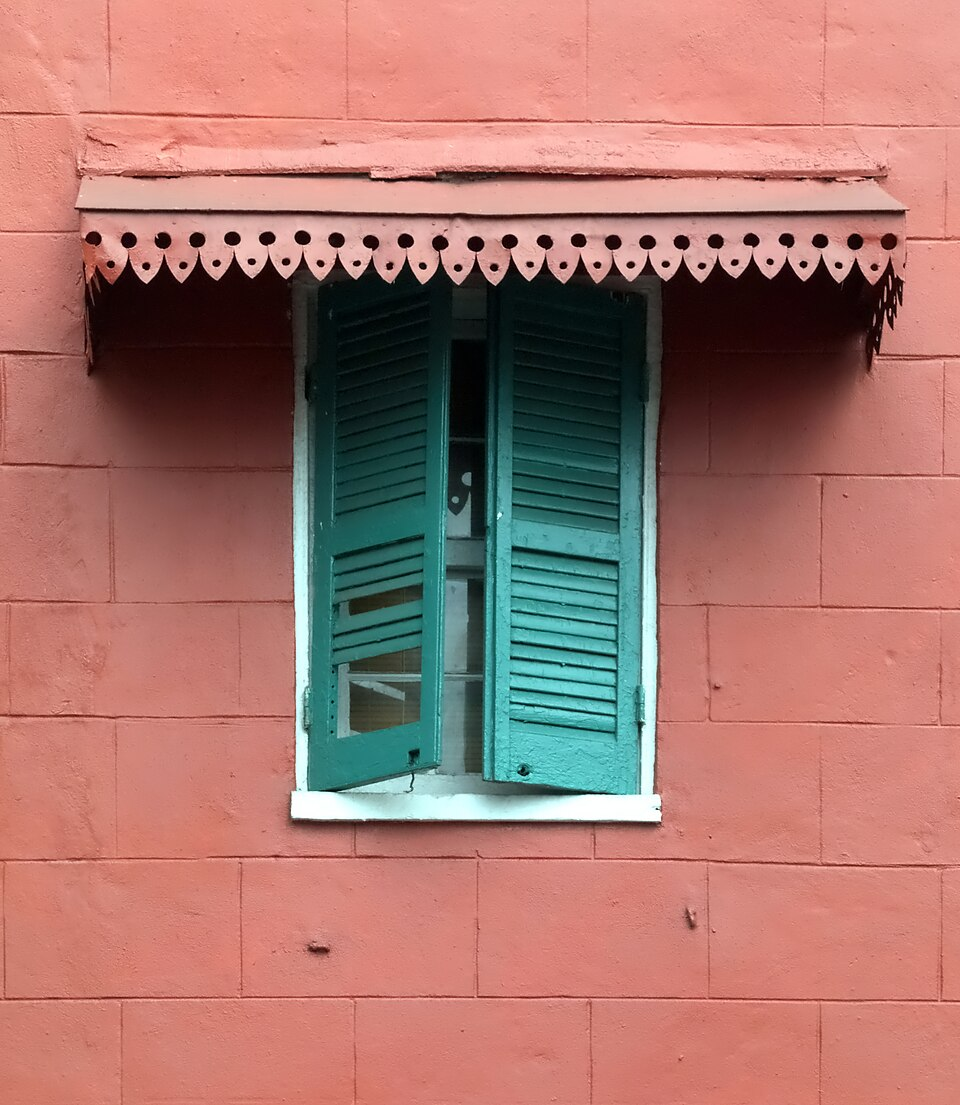
Shutters were working parts of the house, not trim.
They were hinged, latched and closed regularly – which is why the original ones are sized to the opening they cover and the modern ones are not. A real shutter closes over the glass completely, so a pair must together equal the full width of the window. Anything narrower than half the opening was never meant to close over anything at all.
And they were taken seriously for a plain economic reason. A pane of glass was a significant expense and fragile; the panel in front of it was cheap timber. Closing the cheap thing over the expensive thing before a storm was simply arithmetic, and that is before you count what else the panel was doing. Here are fifteen things every homeowner once knew.
1. Shutters Were Working Parts of the House, Not Trim
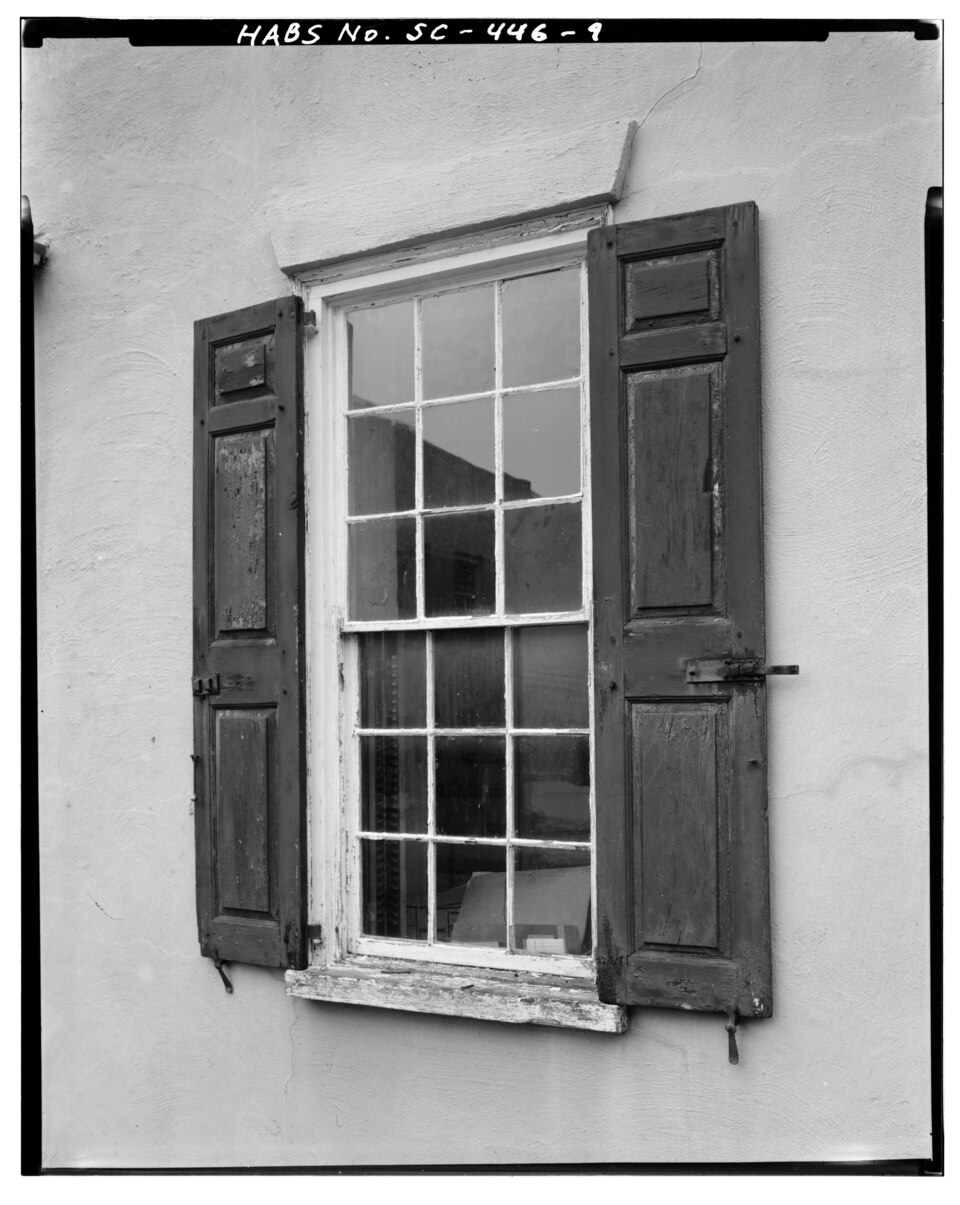
They were hinged, latched and closed regularly, which is why the originals are sized to the opening and the modern ones are not.
Fixed decoration, screwed to the wall.
Start with the distinction, because it is the whole subject. A real shutter closes over the glass and covers it completely, so a pair must together equal the width of the opening – and anything narrower than half the window was never intended to close over anything.
Like our content? Follow us for more.
2. A Closed Shutter Was Worth More Than the Glass It Covered
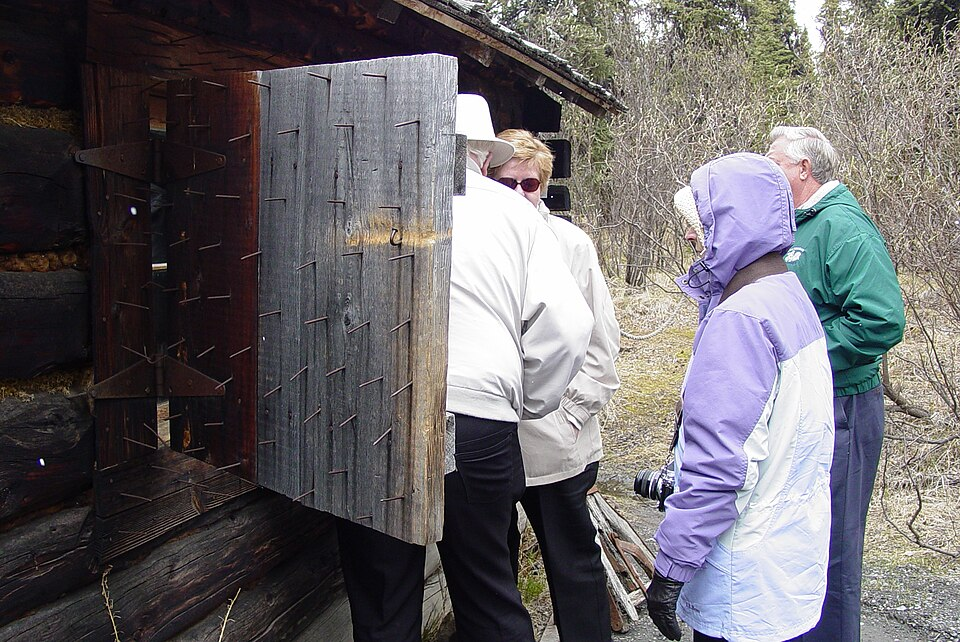
A single pane was expensive and fragile, and a solid wooden panel in front of it absorbed hail, branches and thrown stones.
Replaceable glazing and insurance.
The economics explain why these were taken seriously and it is a matter of relative cost. Glass was a significant expense and the shutter protecting it was cheap timber, so closing the cheap thing over the expensive thing before a storm was simply arithmetic.
3. They Were the Insulation a House Did Not Otherwise Have
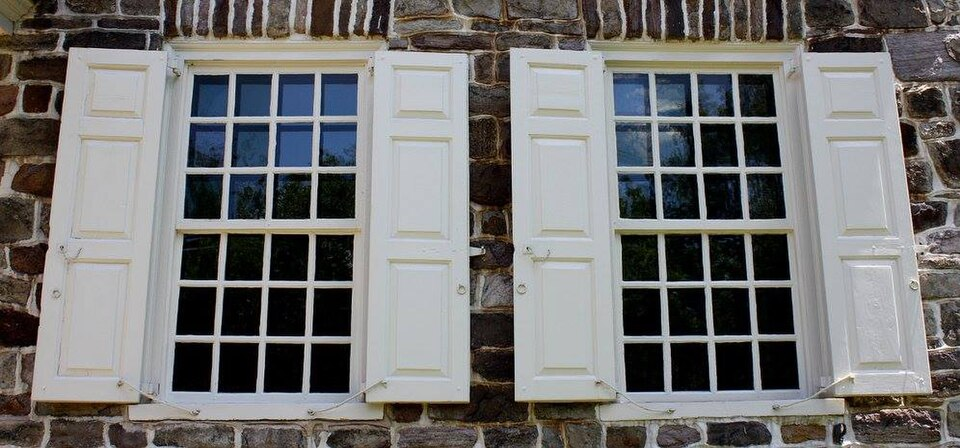
A wooden panel against a window traps a layer of still air, which reduces heat loss through the weakest part of a wall.
Double glazing and sealed units.
The thermal function is the one that surprises people and the physics is sound. Glass is the worst-performing part of any wall, and a panel in front of it creates a trapped air gap – so shutting them at nightfall was a direct and immediate reduction in how much fuel the house needed.
4. Louvres Let a Shutter Be Closed and Open at Once
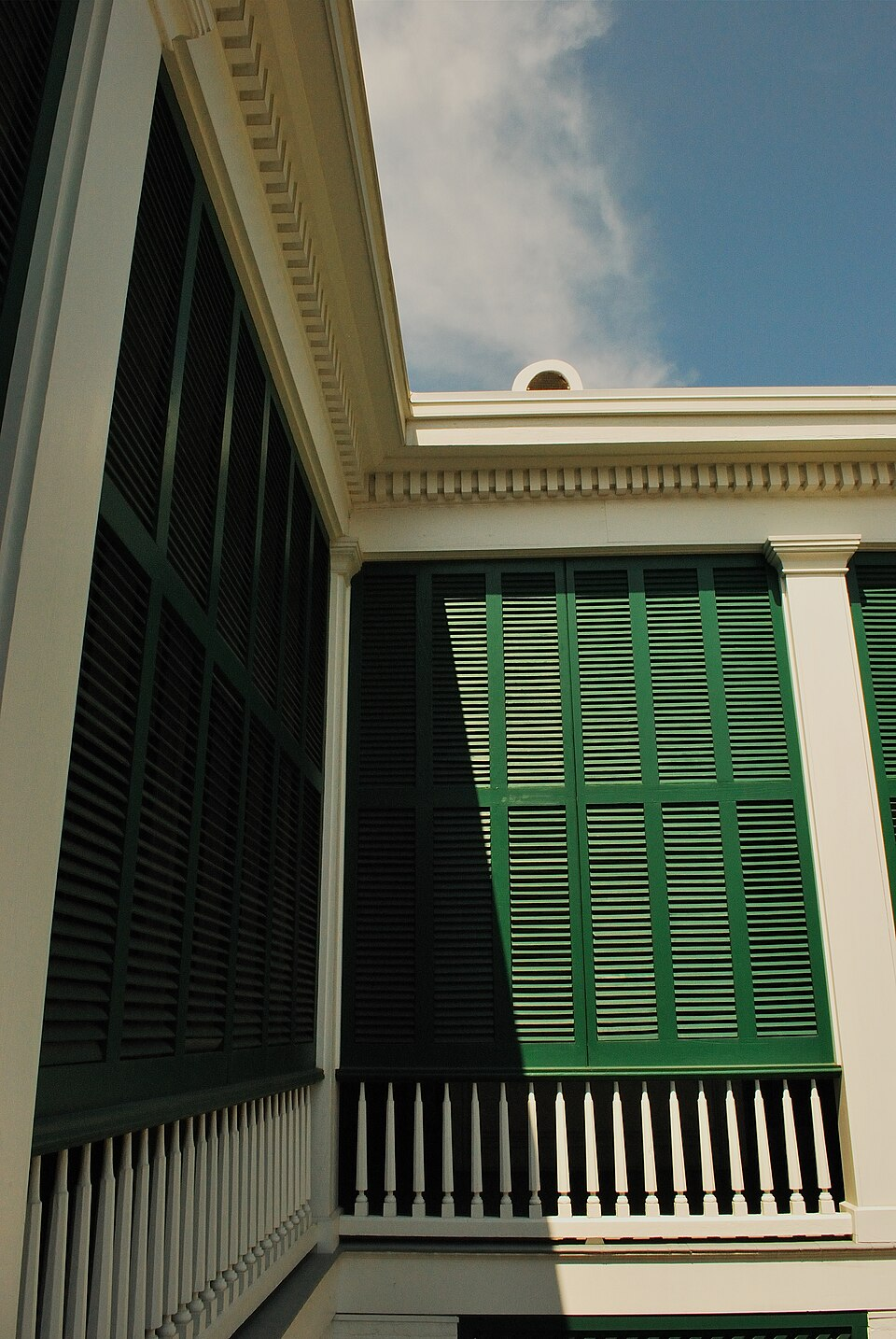
Angled slats block direct sun and rain while still admitting air, which is an entirely different job from a solid panel.
Not applicable in the same way.
The louvre is the clever version and it solves two problems with one geometry. Slats sloped downward and outward shed water and block a high sun while leaving a clear path for air to pass – which means a room can be shaded and ventilated at the same time.
5. The Slat Angle Was a Decision About Latitude
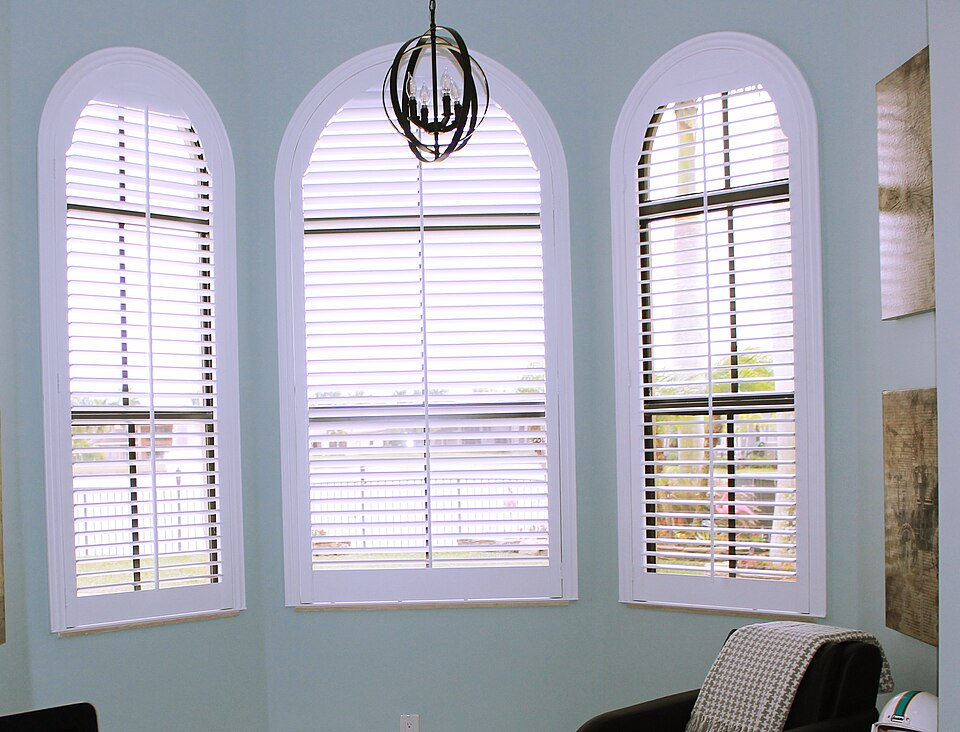
The pitch of the slats determined which sun angles were blocked, so the same shutter performed differently in different places.
Not applicable.
The directional nature of the thing is the detail nobody notices and it was understood by the people building them. A fixed slat angle admits light from below the cut-off and blocks it above, so a shutter is effectively tuned to a range of sun heights.
6. Interior Shutters Were a Different Object Entirely
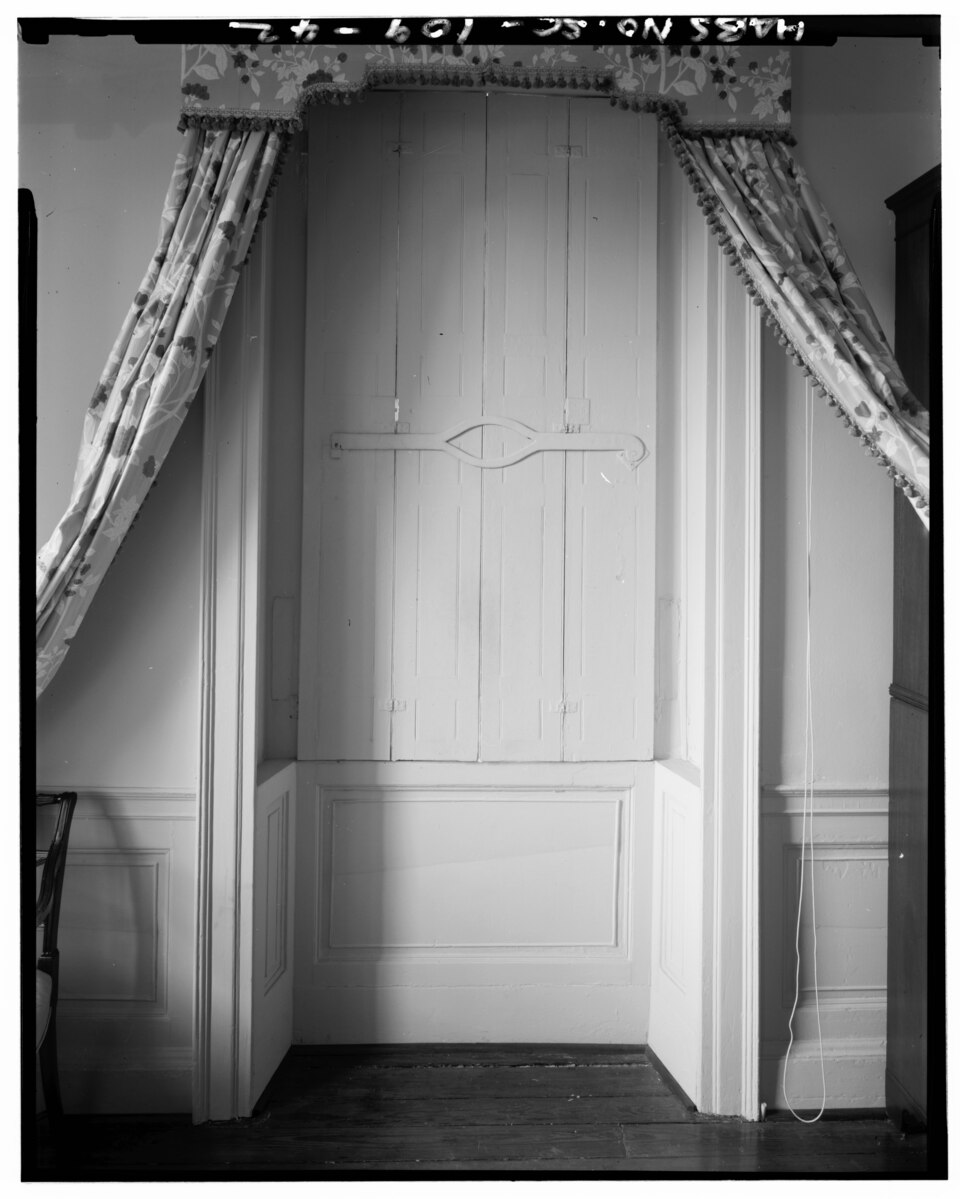
Panels hinged inside the window, folding into the reveal, gave darkness and security without anybody going outside.
Not applicable.
The interior version solves the operating problem and it was the more convenient choice. Closing an outside shutter means opening the window or going out into the weather, while an inside panel is reached from a warm dry room – which matters on the night it is actually needed.
7. Closing Them Was an Evening Routine Somebody Owned
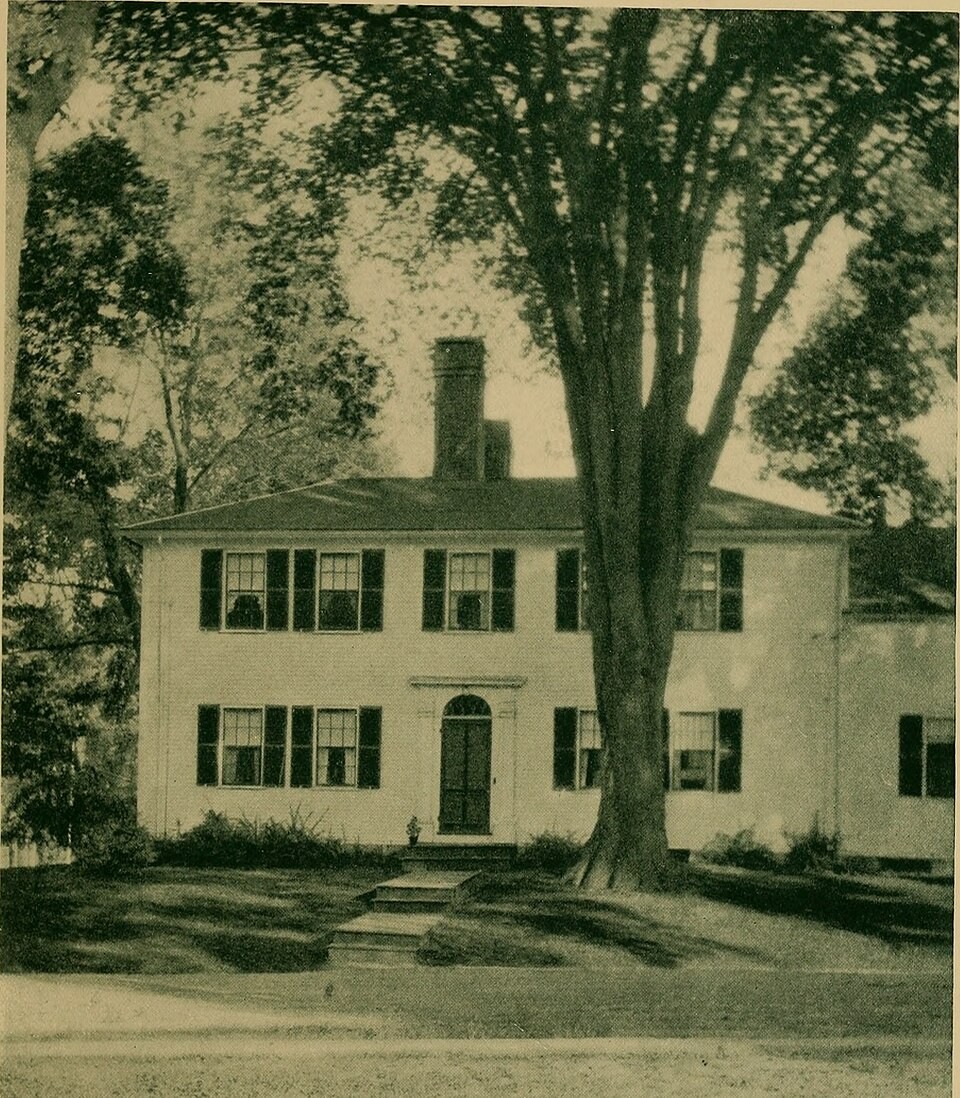
Going round the house at dusk to close and latch every shutter was a daily task with a known order, usually done by the same person.
Not applicable.
The routine is the human half of the subject and it was a real job. A house with many windows requires a circuit of the building twice a day, which is the kind of small recurring task that organises an evening without anybody thinking of it as work.
8. The Latch Was the Part That Mattered Most
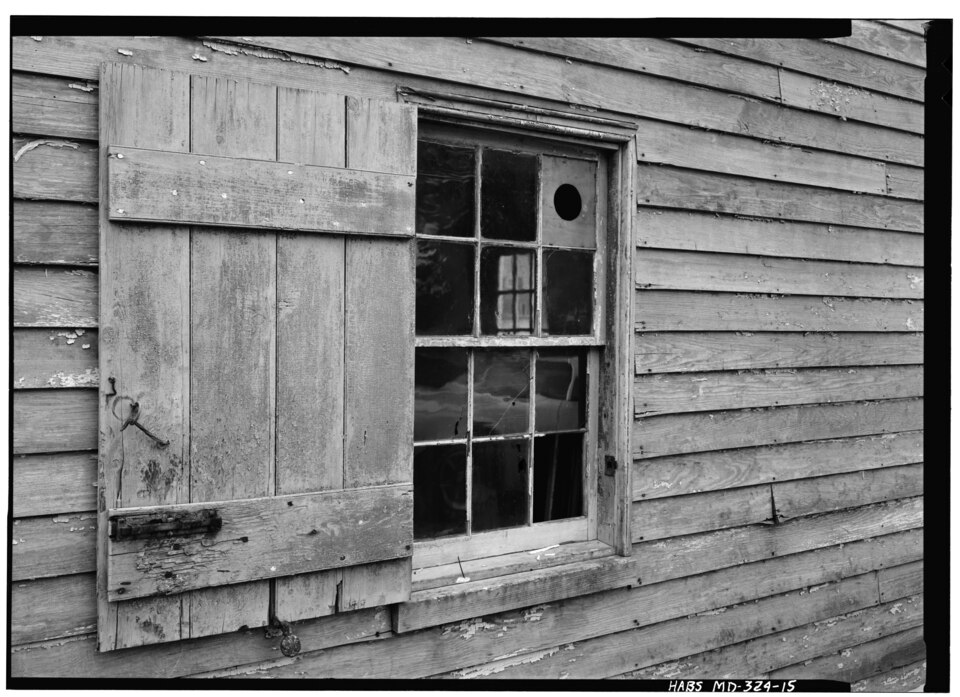
A shutter not positively fastened banged all night in wind and tore its own hinges off, so the fastening was more important than the panel.
Not applicable.
The hardware is where these failed and the reason is mechanical. A large flat panel on hinges is a lever with the wind behind it, so a latch that merely holds it approximately will let it move – and movement under load destroys the hinge rather than the catch.
9. The Little Iron Dog Held It Open
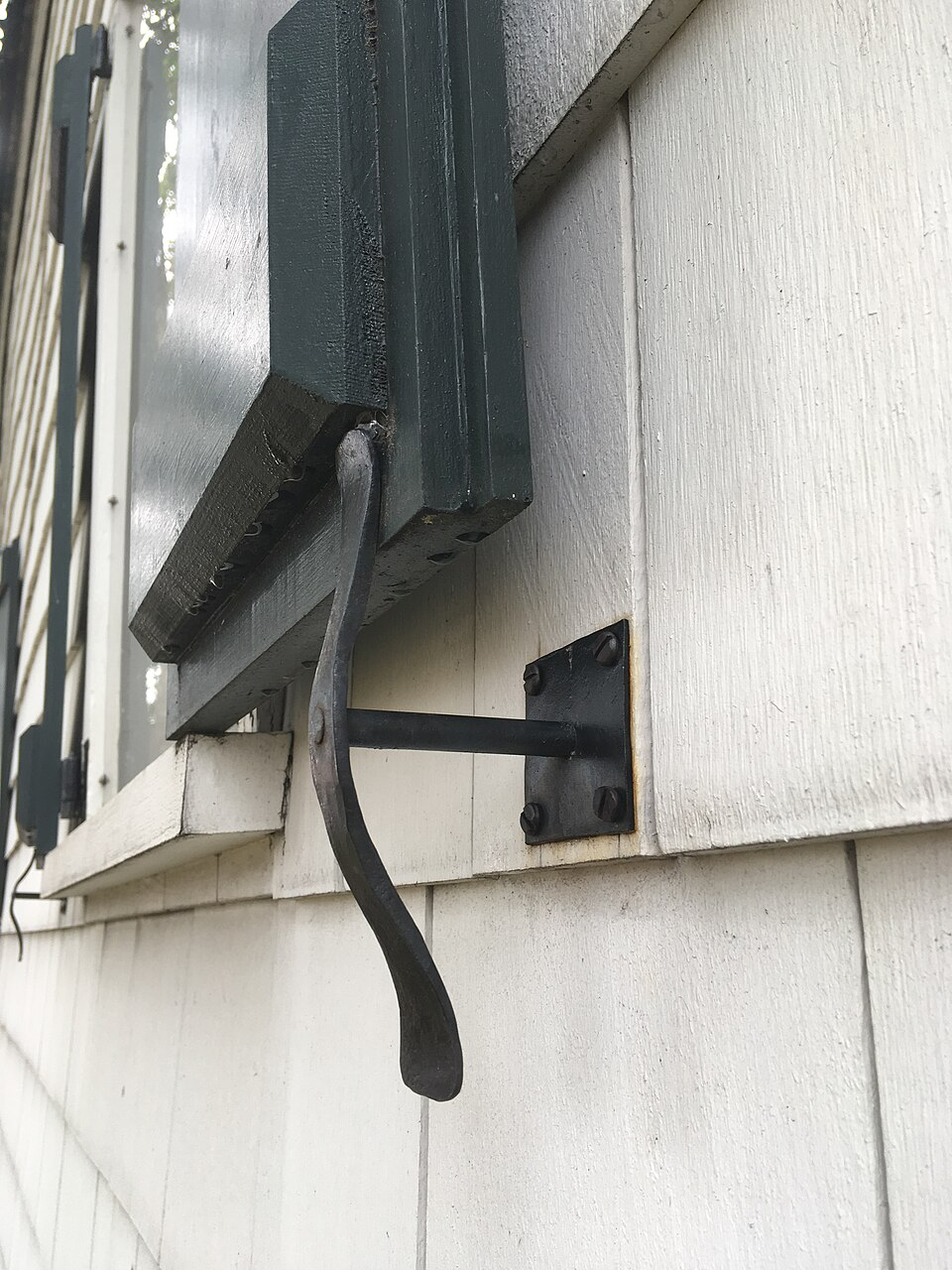
A pivoting cast catch set into the wall, often shaped as an animal or a figure, stopped the open shutter from swinging in the wind.
Not applicable.
The holdback is the surviving evidence most people walk past and it is the nicest piece of ironwork on a house. A shutter left open needs restraining as much as a closed one, and the solution was a small weighted pivot that drops over the edge of the panel.
10. They Were Closed Against Storms Before Anything Else
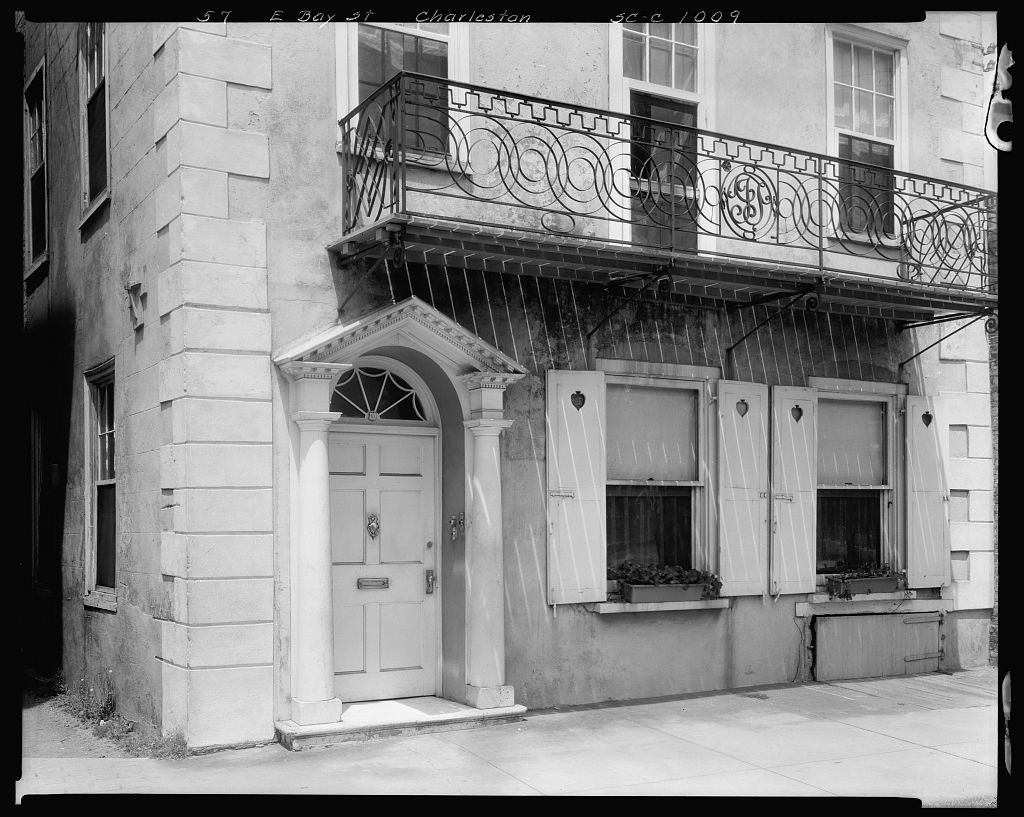
When weather came, shuttering the windows was the first action, ahead of bringing in anything from outside.
Not applicable.
The priority order tells you how the risk was ranked and it was rational. A broken window admits the weather into the house and ruins everything inside, so protecting the openings outranks protecting the contents of the yard.
11. Painting Them Was a Job That Came Round Constantly
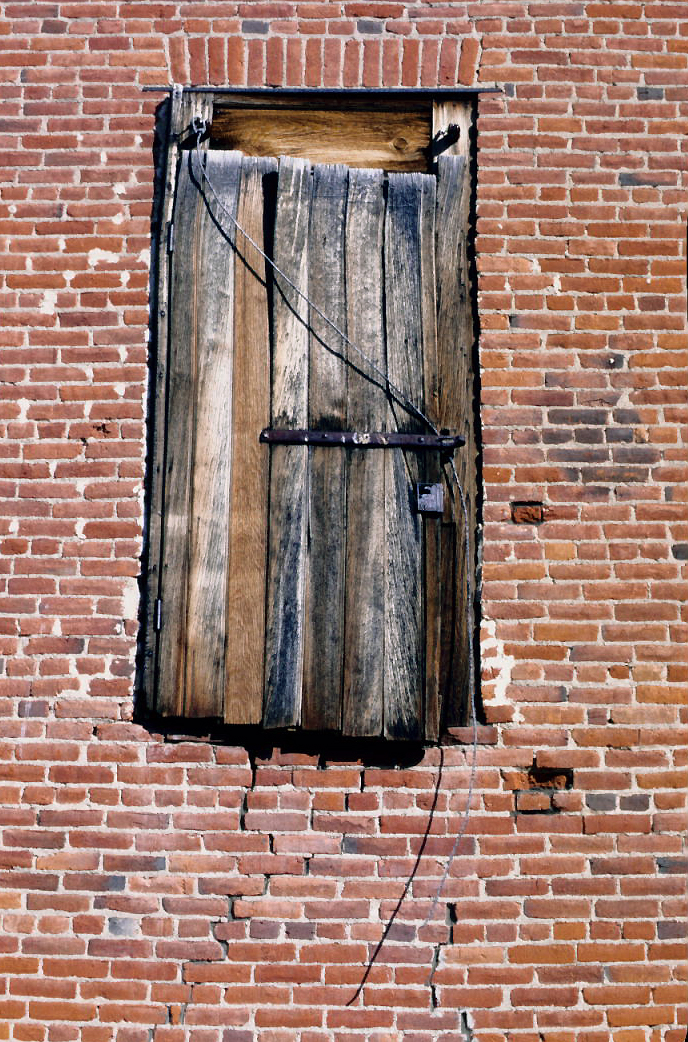
Shutters are thin exterior woodwork with many edges and joints, fully exposed on both faces, which means they fail faster than the house behind them.
Not applicable.
The maintenance burden is the honest complaint and it follows from the geometry. A panel with slats has an enormous surface area relative to its size and every slat edge is a place water sits – so the painting interval is shorter than for anything else on the building.
12. A Missing Shutter Was Hard to Replace
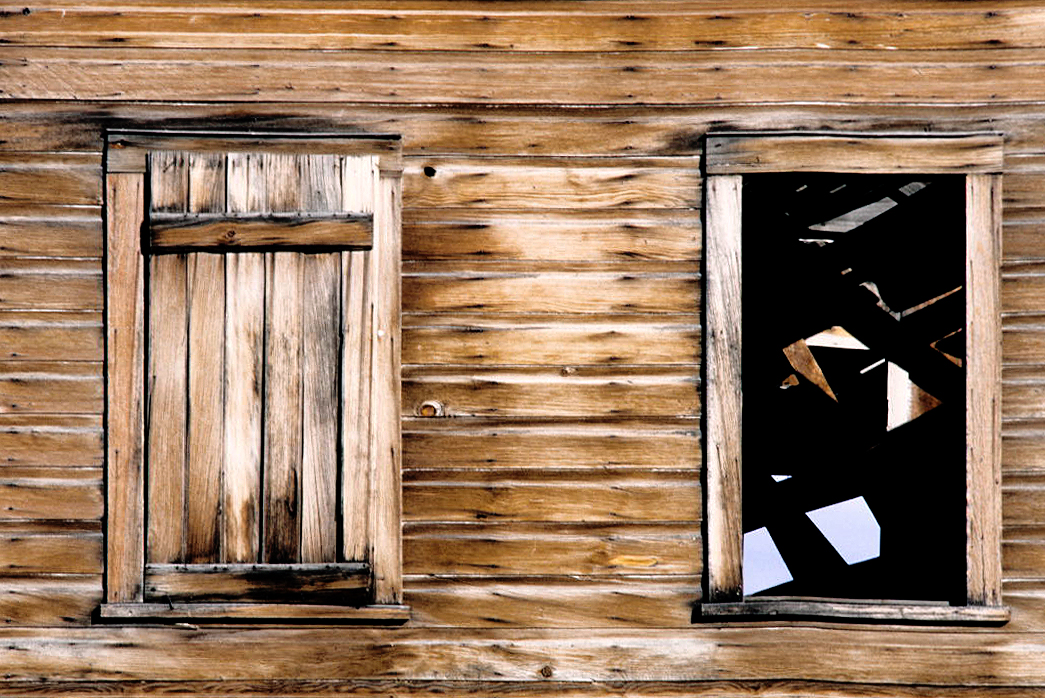
Each pair was made to fit one opening, so a lost or broken shutter meant matching dimensions, slat spacing and hardware rather than buying one.
Standard sizes.
Individual fitting is why so many houses lost them permanently and the barrier was practical. Replacing a made-to-order panel costs far more than leaving the gap, so one storm could begin a slow process that ended with no shutters on the house at all.
13. Then Storm Windows and Screens Did the Jobs Separately
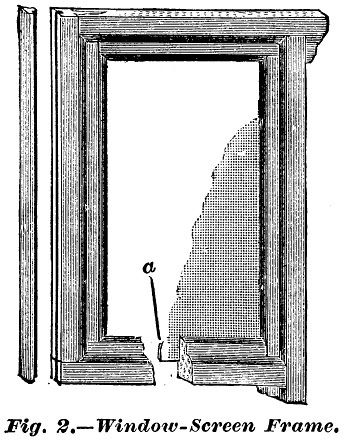
A second glazed sash handled the insulation, a wire screen handled the air and the insects, and neither needed closing by hand.
Universal.
The replacement is a division of labour and it is why shutters lost their purpose. One object doing four jobs moderately well is beaten by three objects each doing one job properly – especially when none of them has to be operated twice a day.
14. The Hinges and Latches Outlasted the Shutters
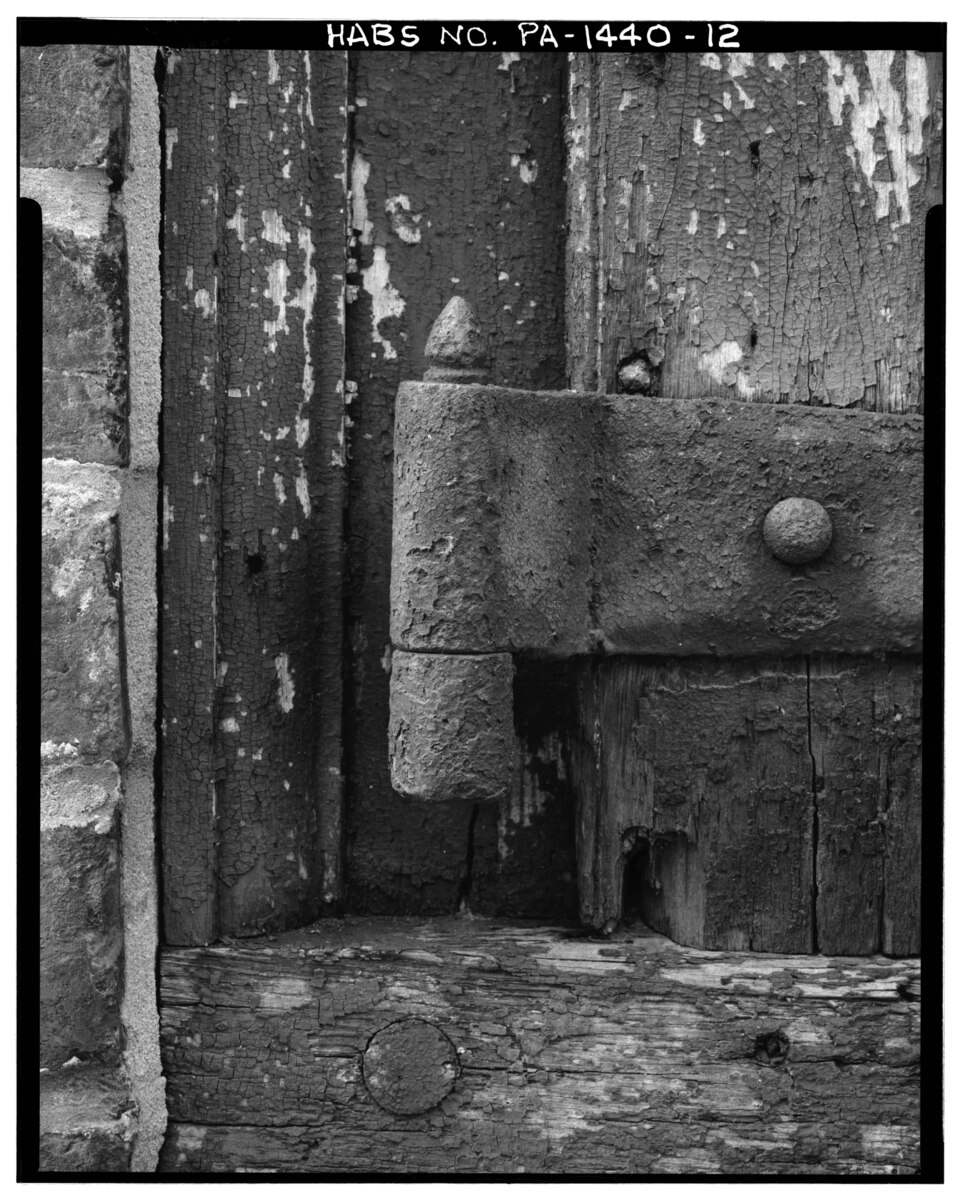
Pintles, hinges and holdbacks stayed in the brick and clapboard after the panels were gone, which is how you can tell a house once had them.
Still there, unnoticed.
The surviving ironwork is the best evidence available and it is easy to read. A row of pintles set into masonry serves no purpose without a shutter, so their presence proves the house had working ones – and their spacing tells you how wide the panels were.
15. And by 1964 They Were Screwed to the Wall as Decoration
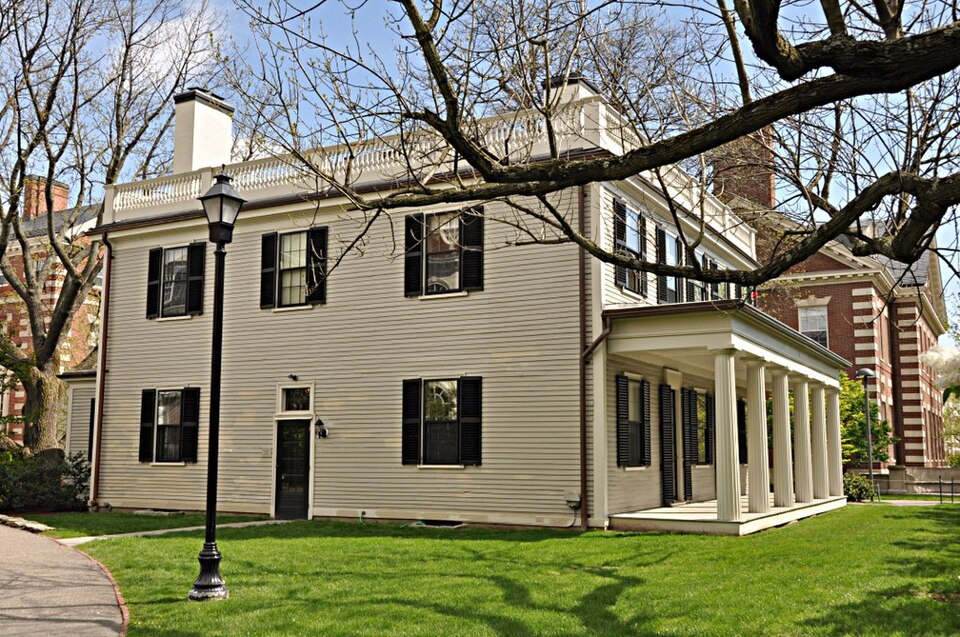
Panels too narrow to cover the glass, fixed permanently open, were installed on houses that had never had working shutters at all.
The standard.
And what deserves the last word is that the decorative version is a picture of something that used to do four jobs at once. A real shutter protected the most expensive and fragile part of the wall, trapped a layer of still air in front of the worst-insulated part of the house, blocked a high sun while still letting air through if its slats were angled for it, and made a room dark and secure. It needed a latch strong enough to stop the wind using it as a lever, a holdback to restrain it when open, paint more often than anything else on the building, and somebody to walk the house twice a day. Storm windows and screens then did those jobs separately and better, without being touched – and the panels came off, leaving the pintles in the brickwork, which is the only reason anybody can still tell.
The Decorative Ones Are a Picture of Something That Worked
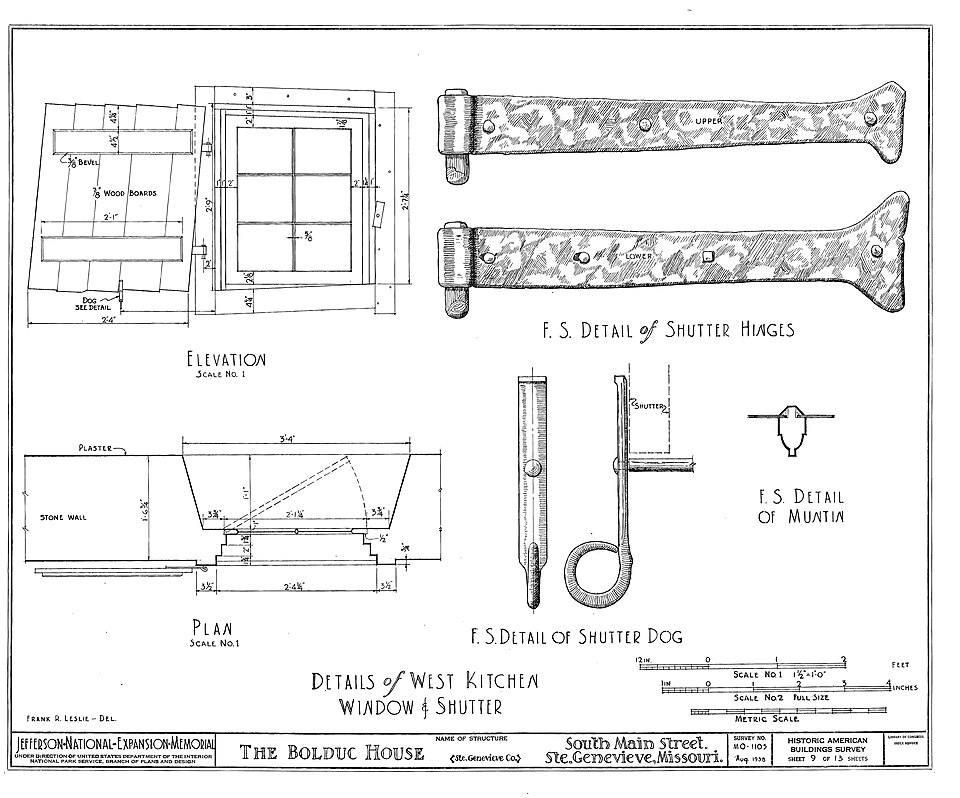
Shutters are the clearest case in American domestic architecture of an object surviving as an image of itself.
The test is dimensional and it takes a second. A working shutter closes over the glass, so a pair must together equal the width of the opening. Anything narrower than half the window never closed over anything, whatever it is screwed to.
Now what the real ones did, because it was four separate jobs.
They protected the glass, and the economics made that obvious. A pane was a significant expense and fragile; the panel in front of it was cheap timber that absorbed hail, branches and thrown stones. Closing the cheap thing over the expensive thing is arithmetic.
They insulated, which is the function that surprises people. Glass is the worst-performing part of any wall, and a wooden panel in front of it traps a layer of still air – so closing up at nightfall produced an immediate reduction in how much fuel the house needed.
They controlled sun and air, if their slats were angled. This is the clever version: slats sloped down and outward shed water and block a high sun while leaving a clear path for air, so a room can be shaded and ventilated at the same time. And the slat angle is effectively a tuning decision, because a fixed pitch admits light from below a cut-off and blocks it above – the same shutter performs differently at different latitudes.
And they made a room dark and secure, which is the job interior shutters did better. Panels hinged inside the window and folding into the reveal give darkness without anybody going out into the weather – and that convenience matters most on exactly the night the shutter is needed.
The hardware is where the whole thing lived or died.
The latch mattered more than the panel. A large flat shutter on hinges is a lever with the wind behind it, so a fastening that holds it only approximately lets it move – and movement under load tears out the hinge rather than breaking the catch.
And the holdback is the nicest ironwork on a house: a small pivoting cast catch set into the wall, often shaped as an animal or a figure, dropping over the edge of the open panel. An open shutter needs restraining every bit as much as a closed one.
The human side was a routine somebody owned. A circuit of the building at dusk and again in the morning, in a known order, every day – the kind of small recurring task that shapes an evening without being thought of as work. And when weather came, shuttering the windows was the first action, ahead of bringing anything in from the yard, because a broken window lets the storm into the house and ruins everything in it.
Two things killed them.
Maintenance, which follows from the geometry. A slatted panel has an enormous surface area for its size, fully exposed on both faces, with every slat edge a place water sits – so the painting interval is shorter than for anything else on the building.
And replacement, which was effectively impossible. Each pair was made for one opening, so a lost shutter meant matching dimensions, slat spacing and hardware rather than buying one. It cost far more than leaving the gap – which is how one storm could begin a slow process ending with no shutters on the house at all.
Then storm windows and screens arrived and divided the work up. A second glazed sash takes the insulation, a wire screen takes the air and the insects, and neither needs operating twice a day. One object doing four jobs moderately is beaten by three objects doing one each properly, especially when nobody has to touch them.
What is left is the ironwork. Pintles, hinges and holdbacks stayed in the brick and the clapboard after the panels went, and they serve no purpose without a shutter – so their presence proves a house had working ones, and their spacing tells you how wide the panels were.
Which is worth knowing, because the panels screwed flat to the wall of a new house tell you nothing except that somebody liked the look of a building that worked differently.
If you want to know whether a house ever had working shutters, look for the pintles.
They are still in the wall, and they only make sense if something hung on them.
Like our content? Follow us for more.