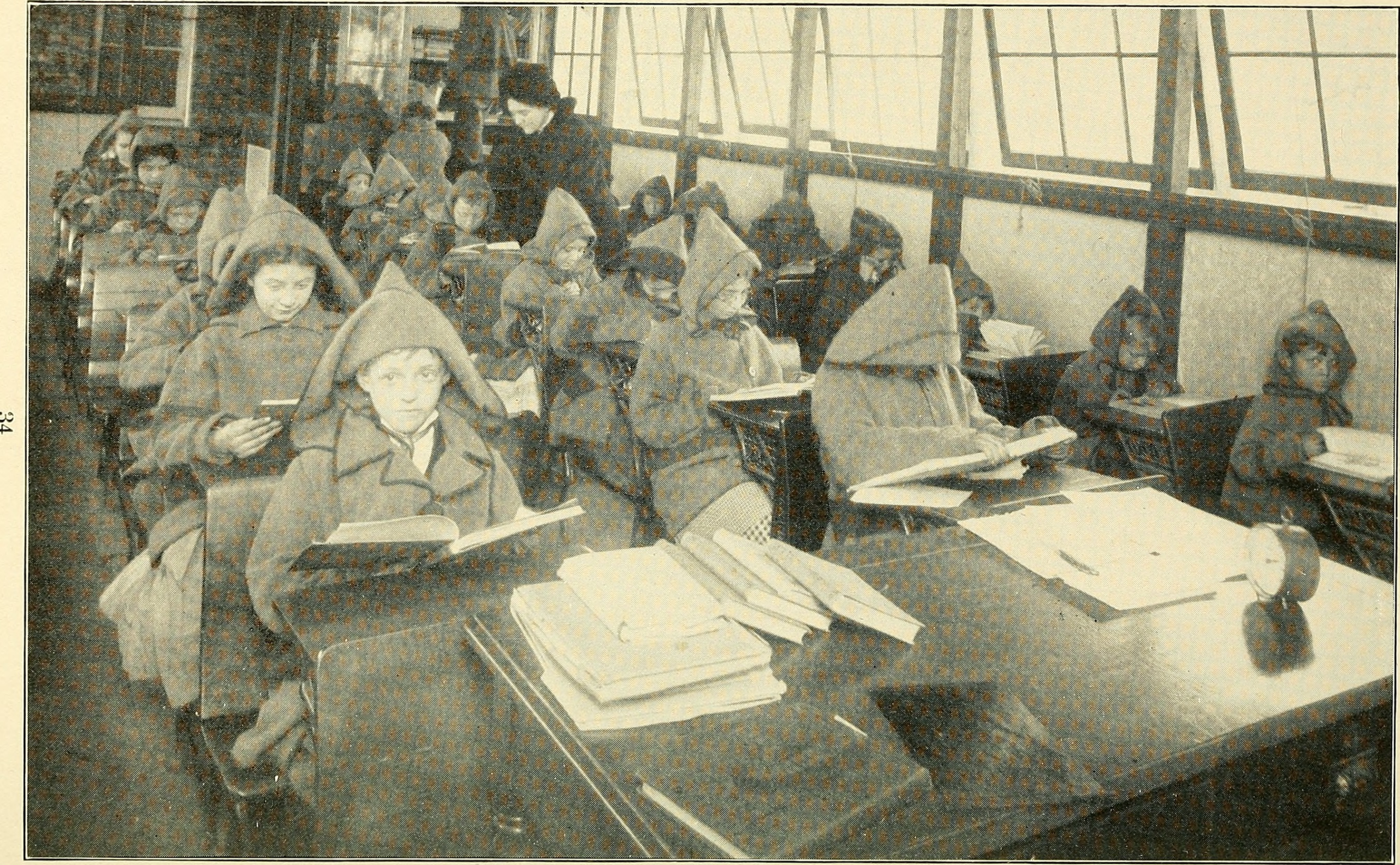
Anyone who attended an American school decades ago remembers things that would cause an uproar today. Schools in the mid-to-late twentieth century operated under very different ideas about safety, discipline, supervision, and health, and many once-routine practices have since been banned, restricted, or gradually retired as awareness evolved. Some changes reflect genuine progress in protecting students; others are simply a sign of how much cultural norms have shifted. Looking back at them is a fascinating, sometimes jaw-dropping window into how much school life has changed in just a generation or two. Here are once-common US school practices, many from the 1970s and 1980s, that would never fly in a classroom or schoolyard today.
Corporal Punishment
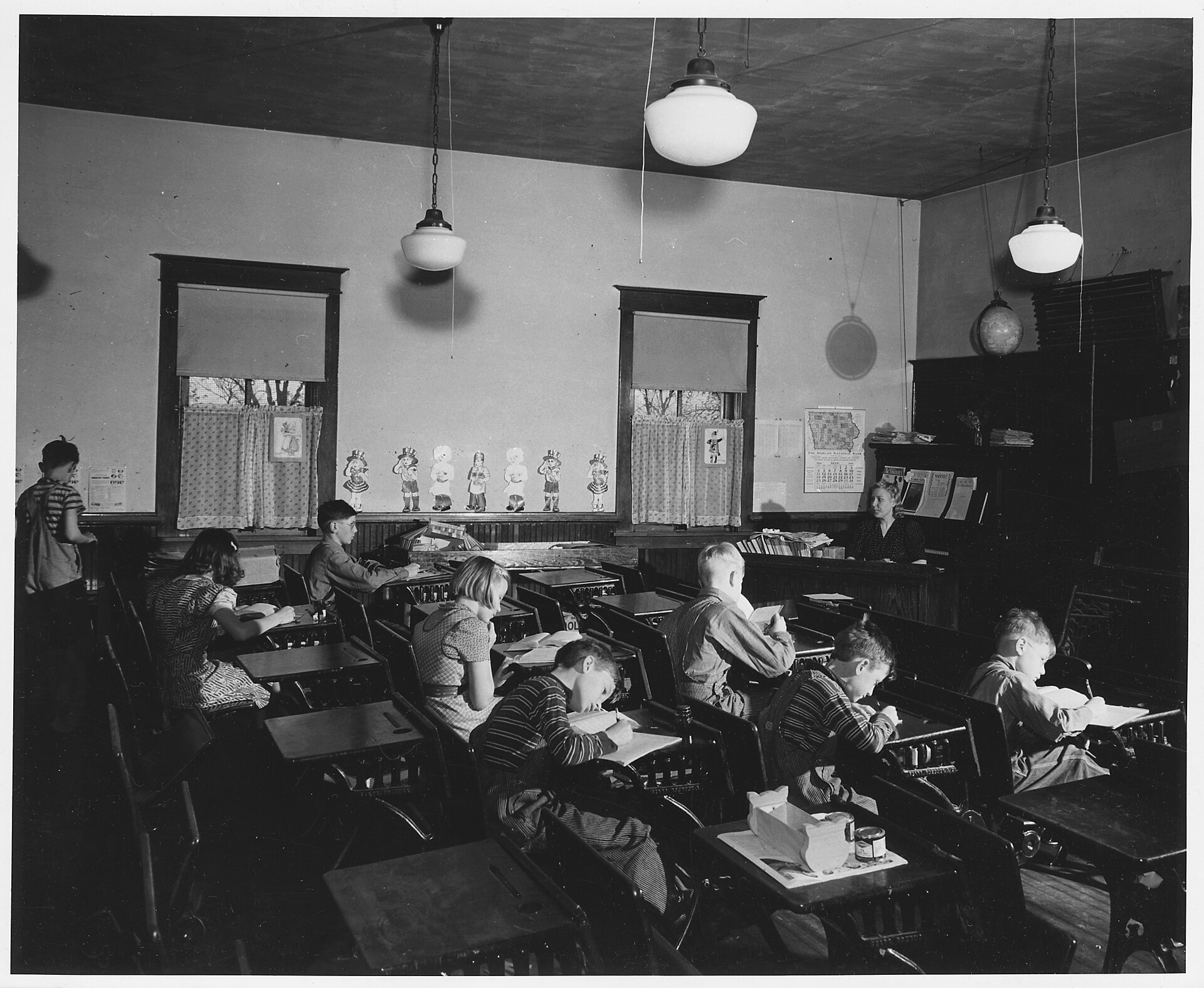
For much of the twentieth century, physical discipline was a routine part of American schooling, and students could be paddled or otherwise physically punished by teachers and administrators for misbehavior. It was widely accepted at the time as a normal disciplinary tool. Attitudes have changed dramatically since then, driven by research on child development and a growing consensus against physical punishment, and the practice has been banned in schools across much of the country. While a number of states have outlawed it entirely, the shift has been gradual and uneven. For most students today, the idea that a teacher could physically discipline them is shocking, a stark example of how profoundly approaches to discipline and student wellbeing have transformed over the decades.
Designated Smoking Areas
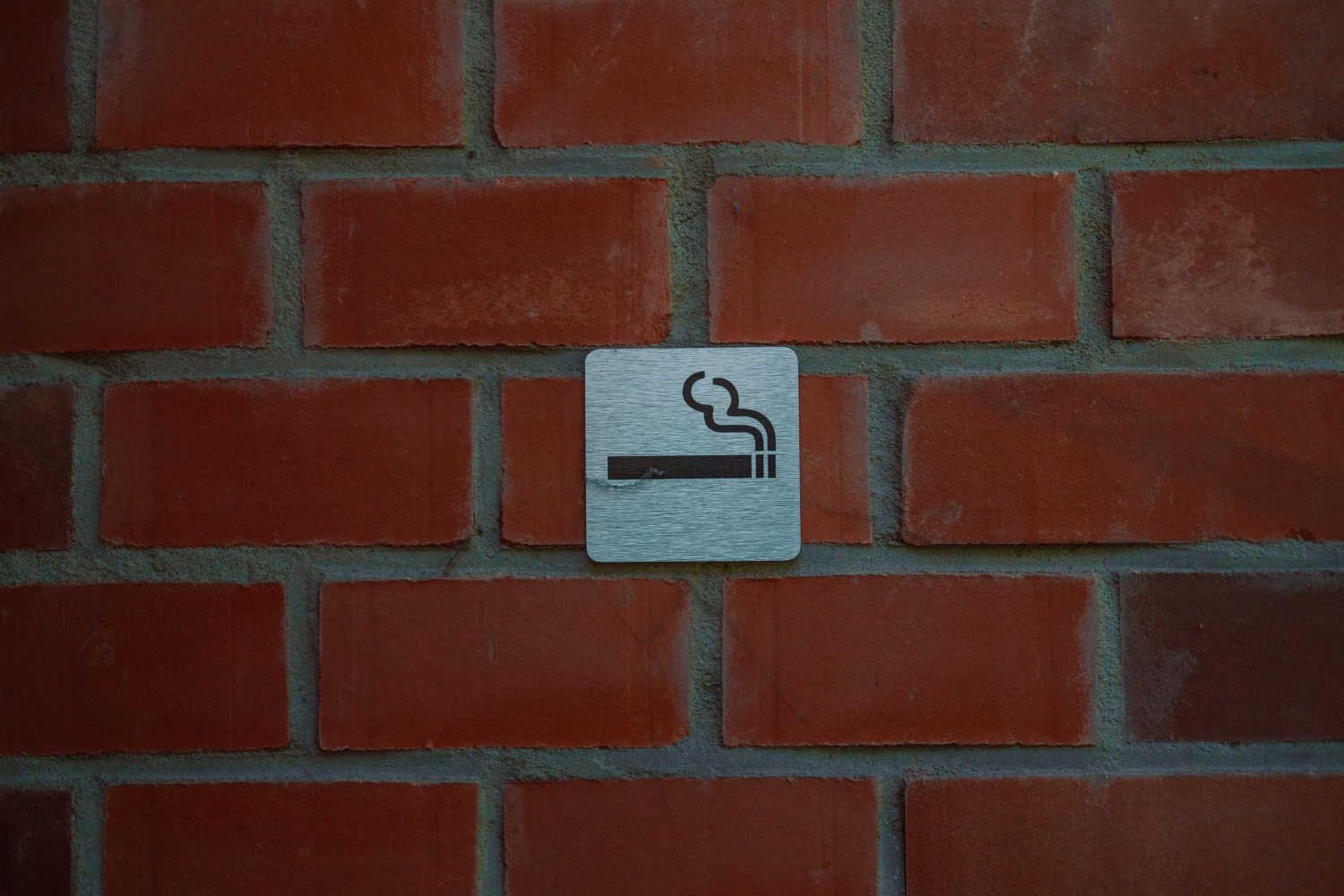
It’s almost hard to believe now, but many schools once had designated smoking areas, and not just for staff. Through the 1970s and into the 1980s, some high schools provided outdoor smoking sections where older students were permitted to light up, and smoking among teachers in faculty lounges was commonplace. At the time, the health risks of smoking were far less emphasized in policy, and tobacco use was woven into everyday adult life. As the dangers became undeniable and attitudes shifted, schools moved to ban smoking entirely on campus for students and staff alike. Today, the notion of a high school with an on-site student smoking area is genuinely startling, and a vivid reminder of how much public health awareness has reshaped daily life.
Dangerous Playground Equipment
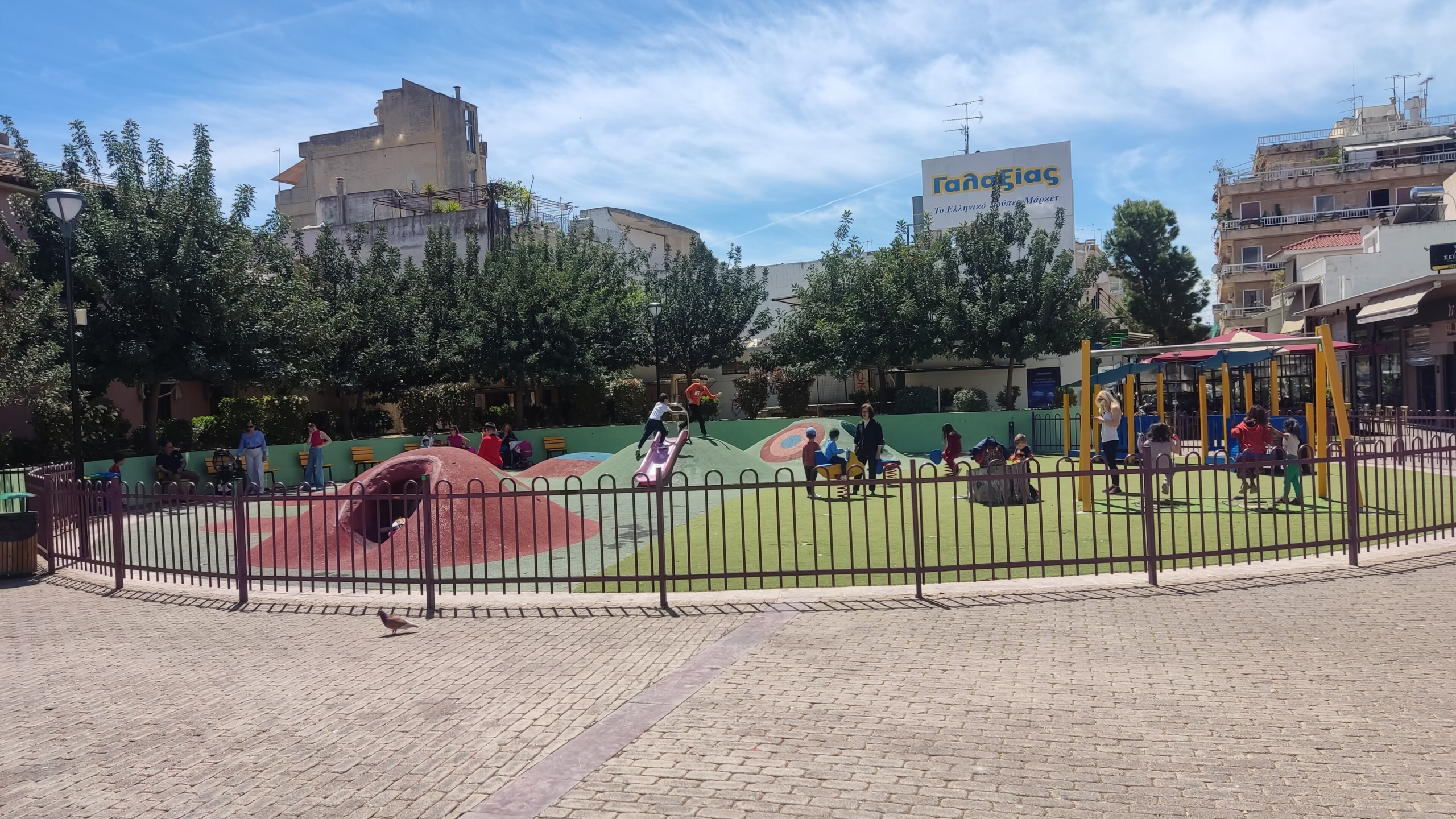
The playgrounds of past decades were a different, riskier world. Towering metal slides that turned scorching in the sun, tall monkey bars and jungle gyms set over hard-packed dirt or solid asphalt, fast-spinning merry-go-rounds, and heavy seesaws were standard fixtures. Falls onto unforgiving surfaces were common, and injuries came with the territory. As safety research advanced and concerns about injuries grew, much of this equipment was redesigned or removed, replaced by lower structures over soft, cushioned surfaces like rubber matting or wood chips. The classic metal playground of the 1970s and 1980s has largely vanished. While some look back fondly on those daredevil playgrounds, the changes reflect a serious, well-founded effort to reduce the kinds of injuries that were once simply accepted as part of childhood.
Dodgeball and Rough PE Games
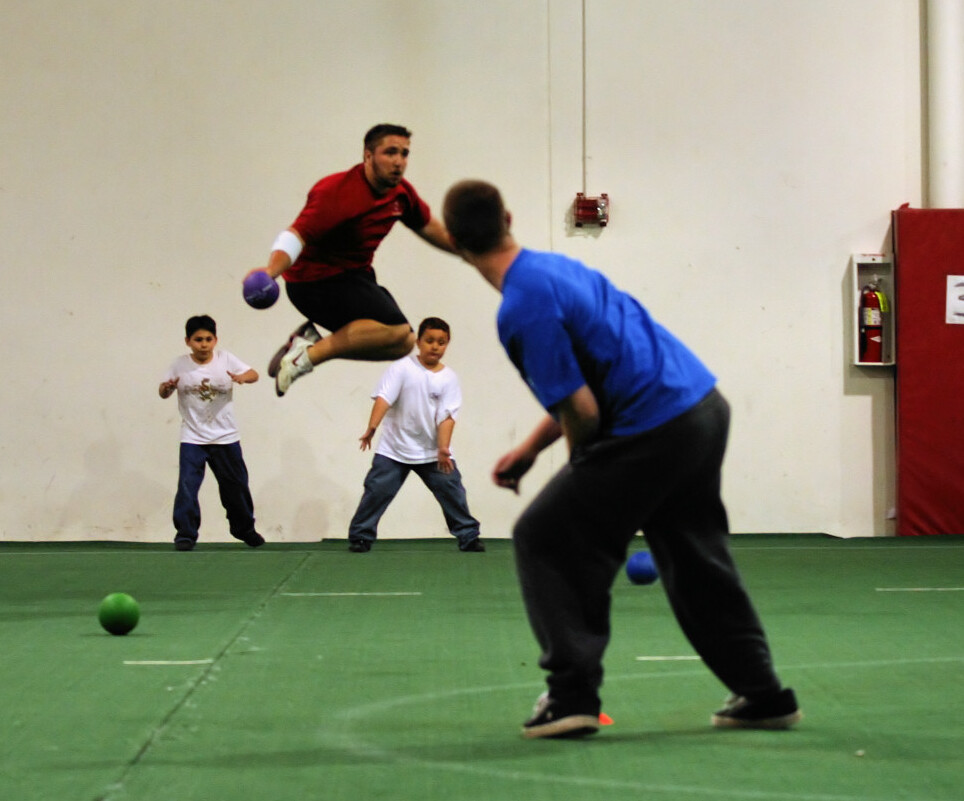
Physical education once embraced games that have since fallen out of favor, with dodgeball the most famous example. The game, in which students hurl balls at one another to eliminate opponents, was a gym-class staple for generations. In more recent years, however, many school districts have restricted or banned dodgeball, with critics arguing it can encourage aggression and single out or target less athletic kids, raising concerns about both safety and emotional wellbeing. The debate has been spirited, with defenders insisting it’s harmless fun. Regardless of where one lands, the result is that a game once considered a default PE activity is now absent or off-limits in many schools, a clear marker of evolving thinking about inclusion and student comfort in gym class.
Hazardous Materials in Science Class

Science classrooms of the past handled materials that would set off alarms today. Students might play with liquid mercury from a broken thermometer, rolling the shimmering beads across a desk, or handle chemicals and conduct experiments with minimal protective equipment. Mercury, now known to be toxic, was once treated almost as a curiosity. As understanding of chemical hazards grew, schools banned mercury thermometers and tightened rules around handling dangerous substances, introducing strict safety protocols, goggles, and supervised procedures. The casual exposure to toxic materials that some older students remember is unthinkable in a modern lab. It’s one of the clearest examples of how scientific knowledge about everyday hazards has transformed school safety, turning once-routine demonstrations into carefully controlled, protected activities, or eliminating them altogether.
Public Shaming as Discipline

Disciplinary methods of earlier eras often relied on public embarrassment in ways considered harmful today. The infamous “dunce cap,” a pointed hat placed on a struggling or misbehaving student who was then made to sit in the corner, is the classic image, but public shaming took many forms, from writing punishments on the board to singling students out in front of peers. These tactics were once seen as legitimate ways to enforce discipline. Modern understanding of child psychology has recognized the lasting emotional harm such humiliation can cause, and schools have moved decisively away from shame-based discipline toward more constructive, supportive approaches. The shift reflects a broader transformation in how educators think about motivation, behavior, and the emotional wellbeing of children in their care.
Lax Supervision and Open Campuses
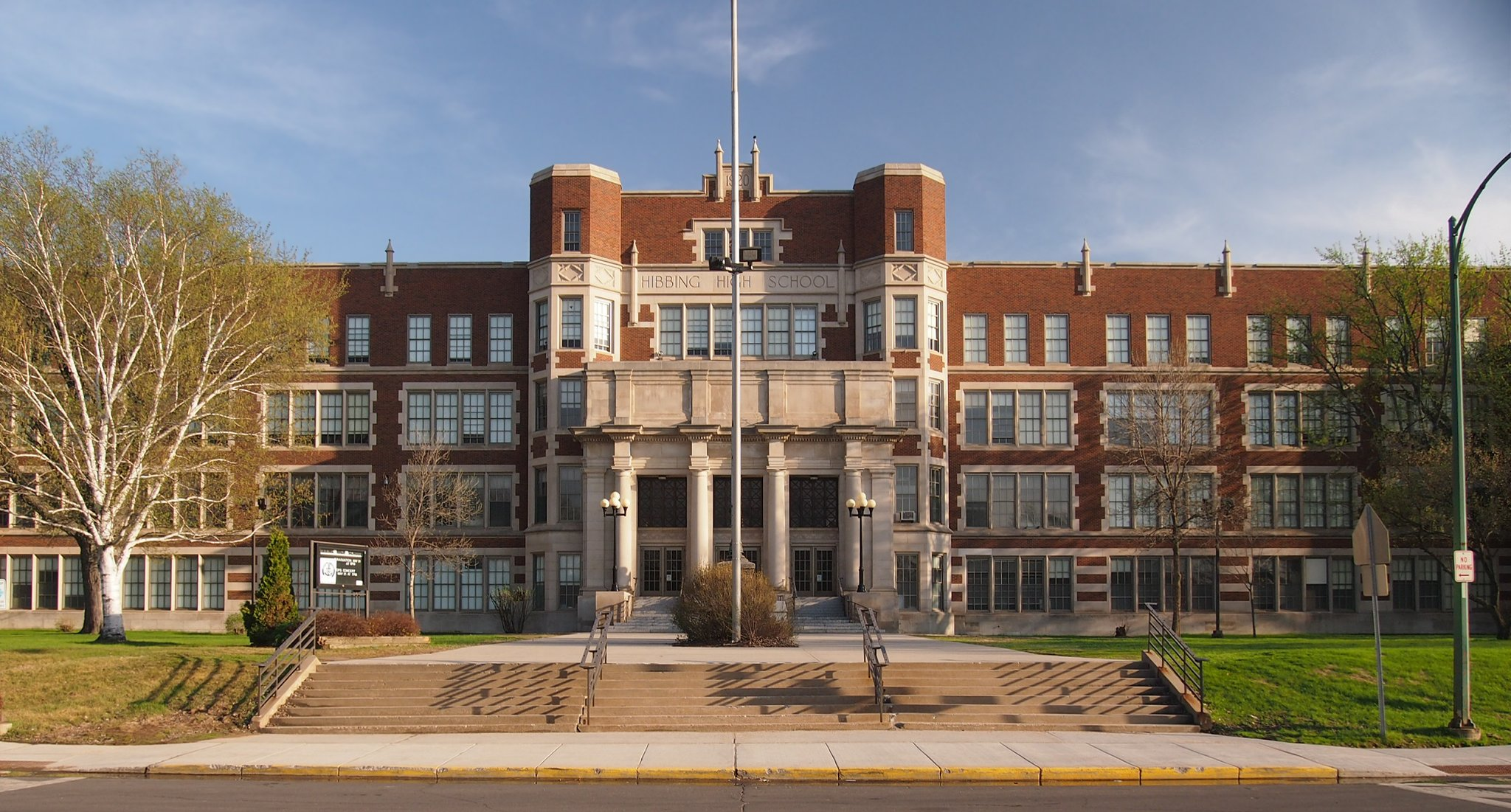
School life decades ago often involved far less supervision than today. Many high schools had open-campus policies that let students leave during free periods or lunch to head off-site, sometimes driving themselves, with little oversight. Younger children frequently walked or biked to and from school alone from a young age, and playground and field-trip supervision was looser. In an era before heightened safety concerns, this independence was simply normal. Schools have since tightened supervision considerably, with stricter sign-out procedures, closed campuses, and closer monitoring of students throughout the day. While some lament the loss of that earlier freedom, the changes reflect evolving priorities around student safety and liability, and a markedly different relationship between schools and the children in their charge.
Risky Games and Activities
Beyond organized PE, schools once permitted or overlooked all manner of activities now deemed too dangerous. Certain backyard-style games made their way into school settings, and field days or gym classes sometimes featured equipment and stunts that would never pass a modern safety review. Lawn darts, the heavy, pointed yard game, are a famous example of a once-popular pastime later pulled from the market over safety concerns, and the broader culture of the time tolerated far more physical risk in children’s play generally. As liability awareness and safety standards rose, schools eliminated activities with meaningful injury potential. The trend mirrors the redesign of playgrounds: a deliberate move away from the accepted hazards of earlier decades toward a more cautious, protective approach to anything involving students’ physical safety.
Different Norms Around Food and Health
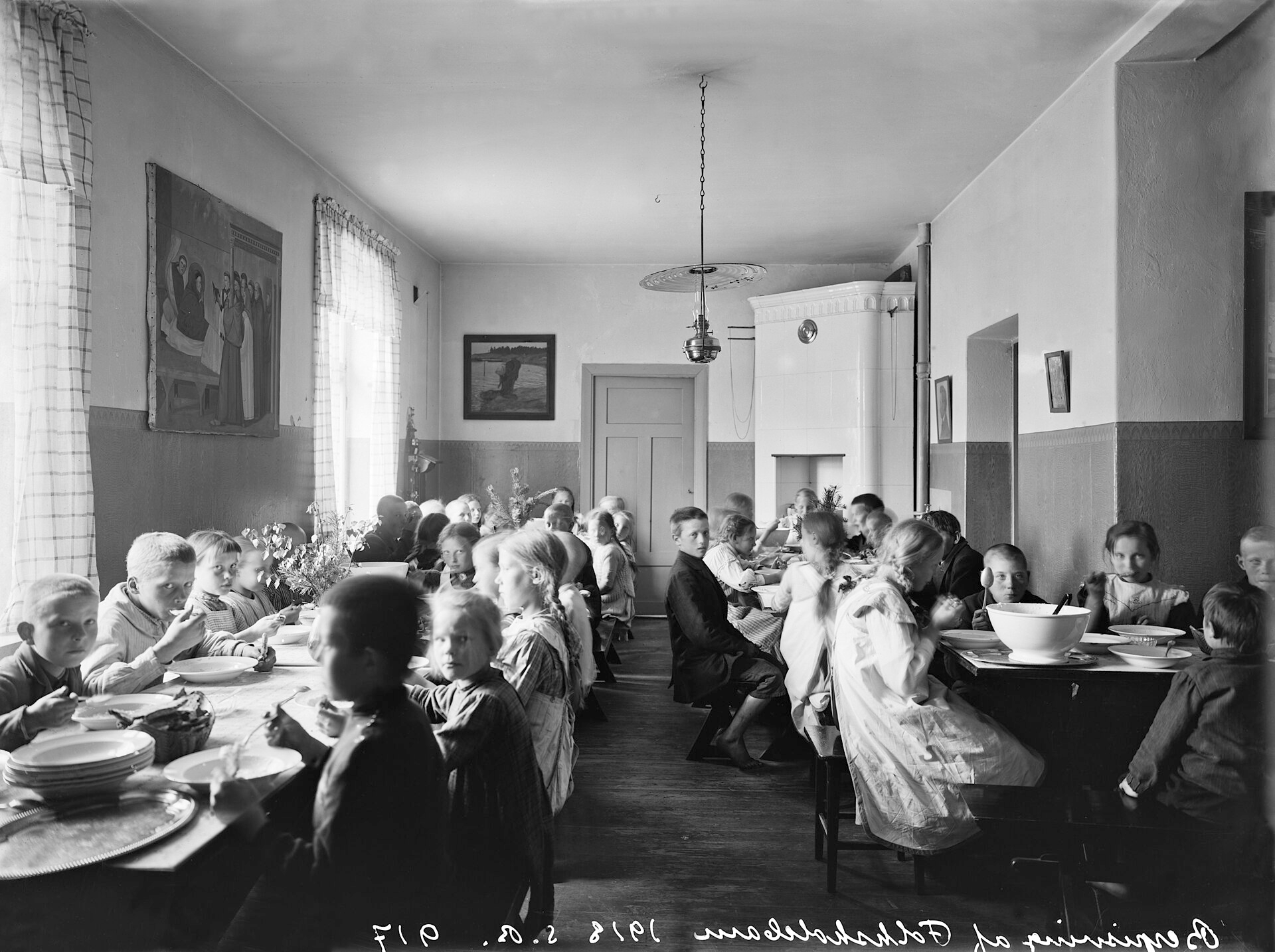
Everyday health and food practices in schools have also changed enormously. In past decades, awareness of food allergies was minimal, and there were few of the careful accommodations, allergy-free tables, ingredient labeling, or schoolwide bans on certain foods, that are now common in response to serious, sometimes life-threatening allergies. Vending machines stocked with sugary sodas and snacks were standard, and nutritional guidelines for cafeteria meals were far looser. As medical understanding of allergies and childhood nutrition advanced, schools introduced significant changes to protect vulnerable students and promote healthier eating. The contrast highlights how much has been learned about children’s health, turning practices once given little thought into carefully managed policies designed to keep every student safe and well.
A Different Era of Education
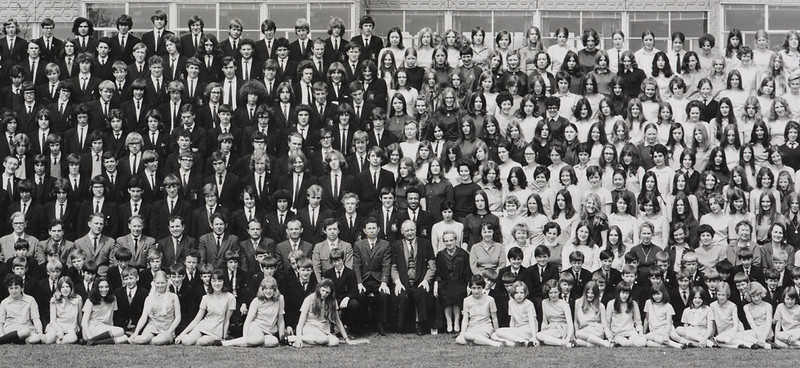
Looking back at these once-common school practices reveals just how dramatically attitudes toward safety, discipline, and student wellbeing have shifted in a generation or two. Much of what was routine in the 1970s and 1980s, physical discipline, smoking areas, daredevil playgrounds, toxic science demos, shame-based punishment, has been banned or abandoned, largely for good reasons rooted in better understanding of children’s safety and emotional health. Other changes simply reflect evolving cultural norms. For those who lived through that era, the memories are vivid, and the changes can feel like both progress and the loss of a certain freedom. Either way, this then-and-now look offers a striking measure of how profoundly school life has been transformed.