People arrived without warning and nobody minded, because there was no practical way to warn anybody.
That is the fact the entire custom rests on. If you cannot call ahead, you either arrive unannounced or you do not go – so an elaborate etiquette grew up to make unannounced arrival workable for both sides, and every element of it solves part of that problem.
The first solution was timing. Visiting concentrated into Sunday afternoon, a known block when people were home, dressed and expecting the possibility of callers. Nobody had to be ready all week; they had to be ready then, and everybody knew it – which is a coordination mechanism that requires no communication whatsoever. Here are sixteen things every family did.
1. People Arrived Without Warning and Nobody Minded
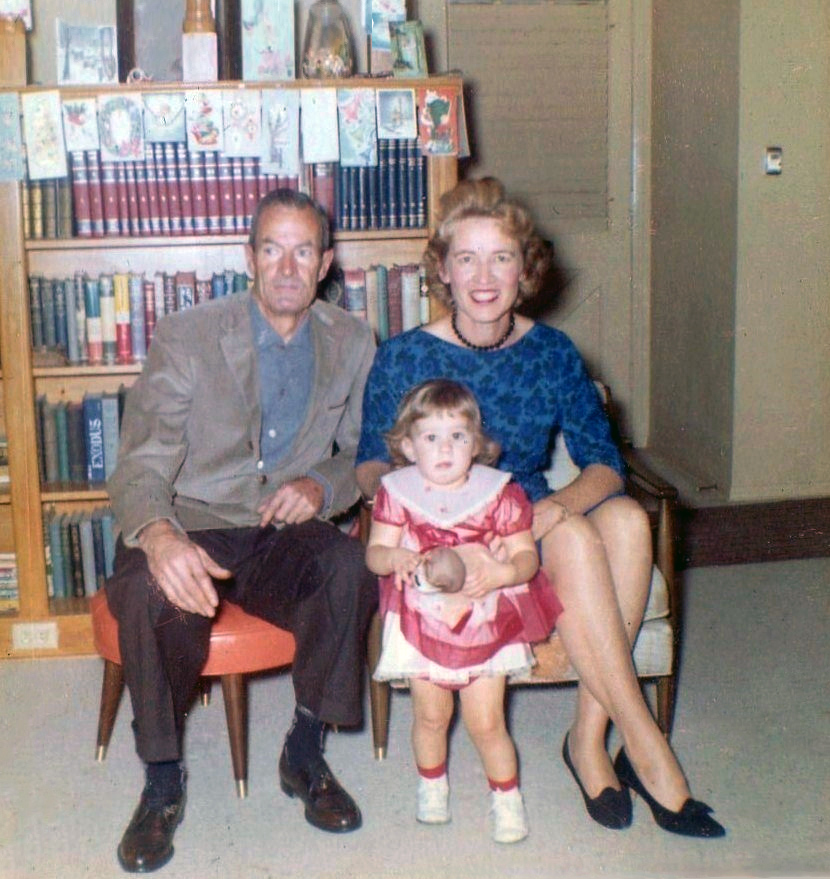
Dropping in unannounced was the ordinary way to see somebody, because there was no practical way to tell them you were coming.
Arranged days or weeks ahead.
Start with the absence of a telephone in most of these exchanges, because that is what made the custom necessary. If you cannot call ahead, either you arrive unannounced or you do not go – so a whole etiquette grew up to make arriving unannounced workable for both sides.
Like our content? Follow us for more.
2. Sunday Afternoon Was the Agreed Window
Visiting concentrated into a known block of time, which meant people were home, dressed and expecting the possibility of callers.
No equivalent window.
Concentrating the practice into a predictable window is the solution to the unannounced problem. Nobody has to be ready all week – they have to be ready on Sunday afternoon, and everybody knows that, which is a coordination mechanism requiring no communication at all.
3. The Caller Stayed Standing Until Invited to Sit
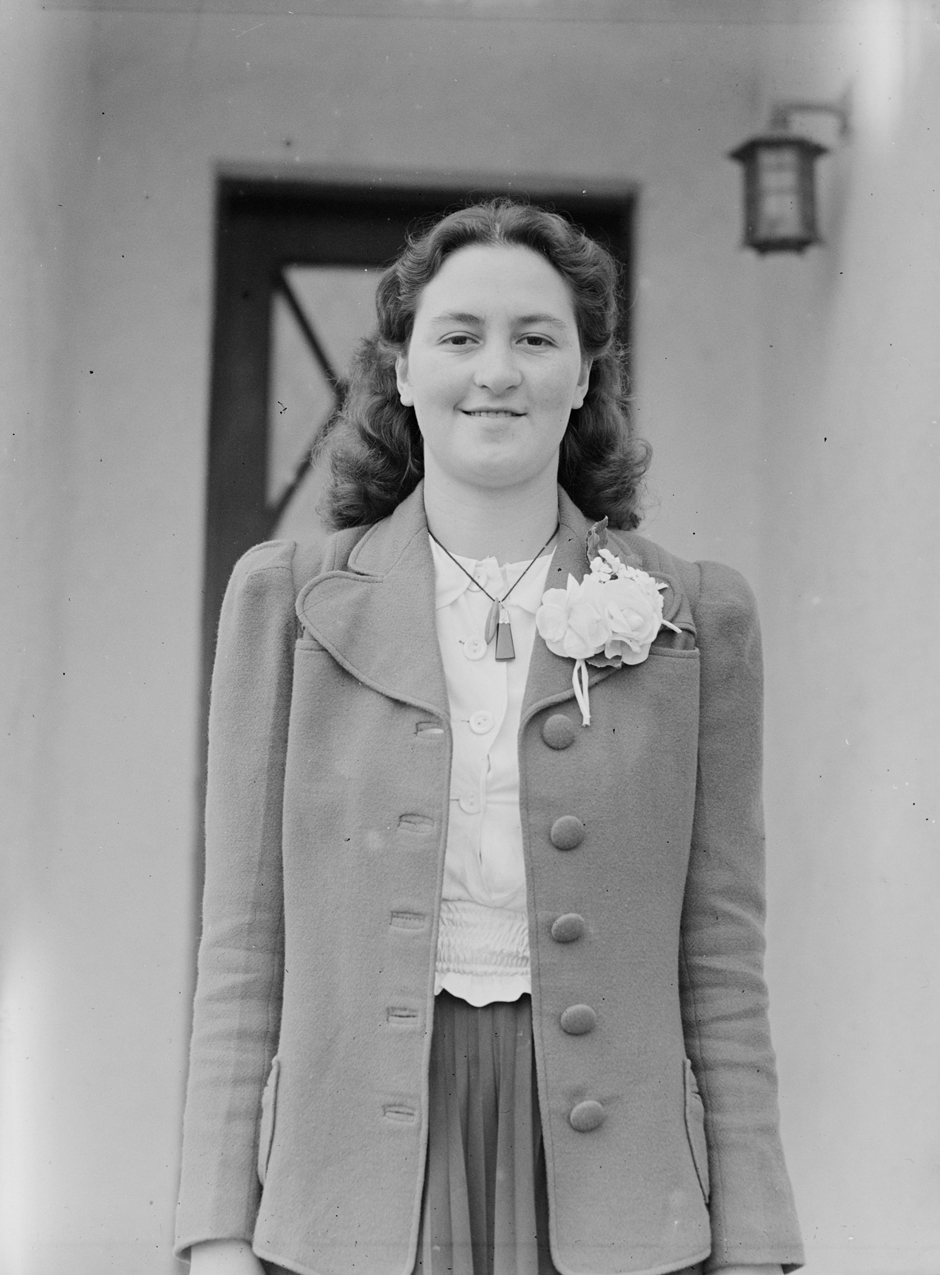
Arriving did not mean entering. There was a sequence – door, hall, invitation, seat – and each step was a decision by the host.
Not applicable.
The staged admission gave both parties an exit. A caller who was not welcome could be dealt with at the door without insult, and a caller who sensed a bad moment could leave after two minutes – which is what made unannounced arrival tolerable.
4. Something Was Always Produced to Eat or Drink
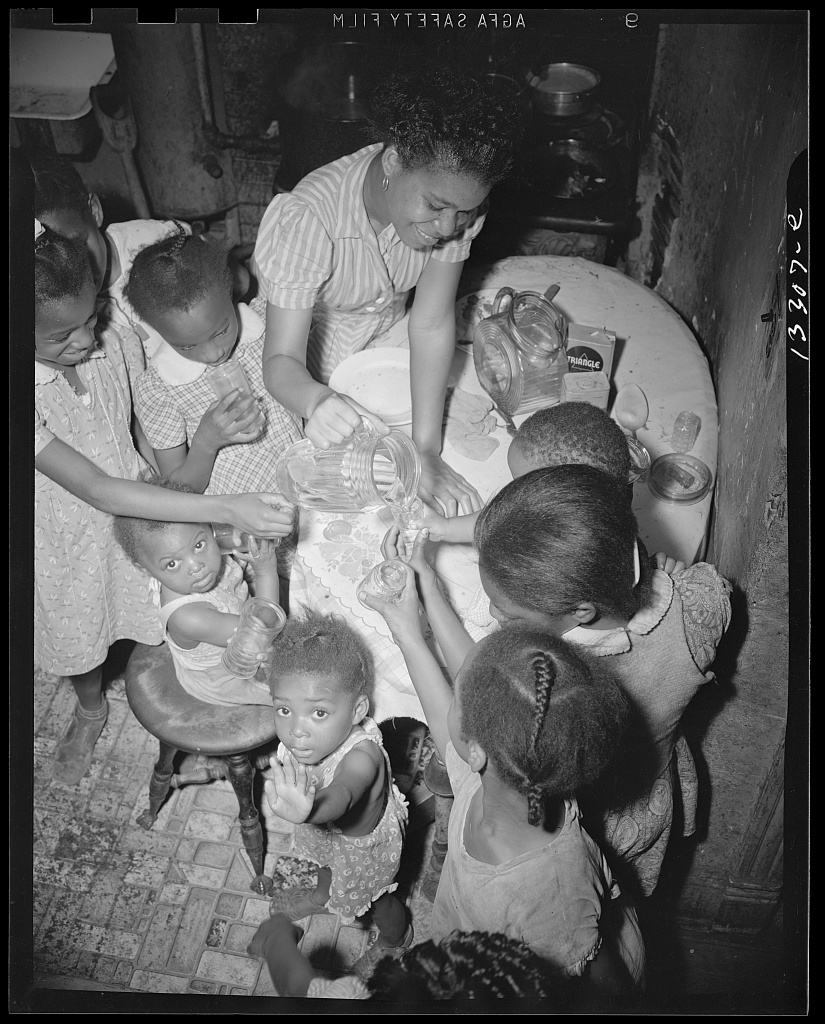
Coffee, a cold drink, cake or whatever was in the house appeared without being offered as a question, because refusing to serve anything would have been the insult.
Offered, and often declined.
The obligation ran one way and it was absolute. A household had to be able to produce something at any moment, which is a real standing requirement – and it explains why a cake or a tin of something was kept against the possibility of callers nobody expected.
5. Keeping Something in the House for Visitors Was a Standing Duty
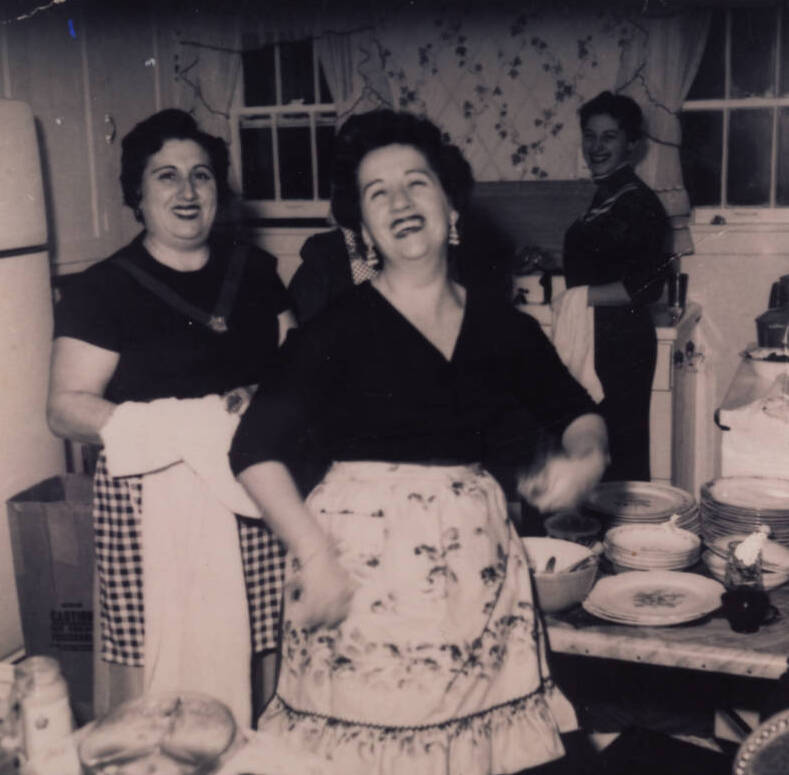
A reserve existed specifically for unexpected company, and running out of it was a small domestic failure.
Not applicable.
The visitor reserve is the hidden cost of the whole custom. Hospitality that must be instant requires permanent stock, so the practice imposed a continuous obligation on the household long before anybody actually knocked.
6. The Room You Were Shown Into Said Everything
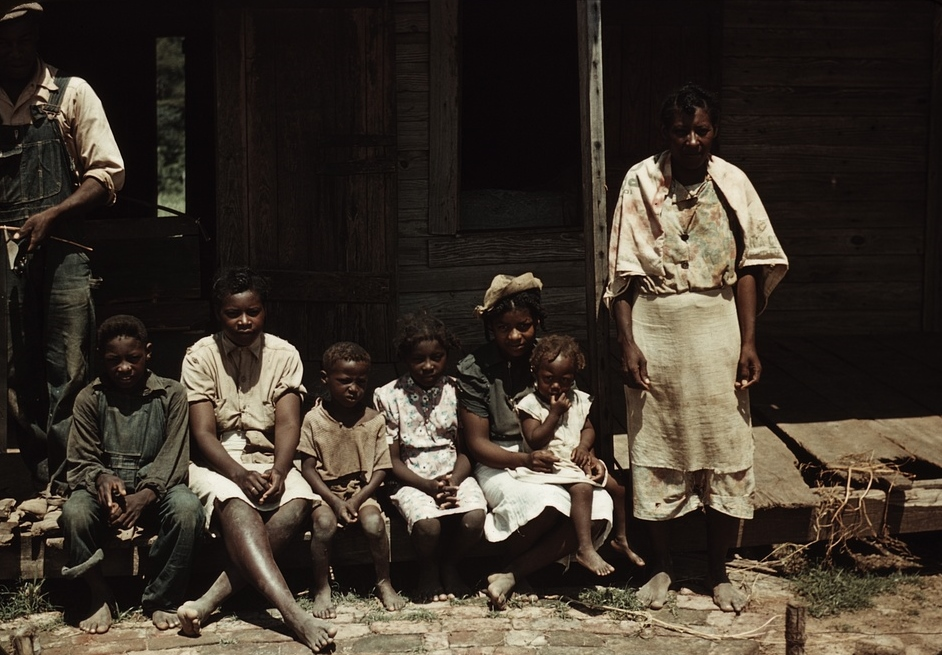
Front room, kitchen or back porch each meant something specific about the relationship, and the choice was made in the first few seconds.
Not applicable.
Room assignment was the most precise social instrument in the house. The parlour for formality and strangers, the kitchen for intimacy, the porch for the in-between – and everybody involved read the choice instantly and correctly.
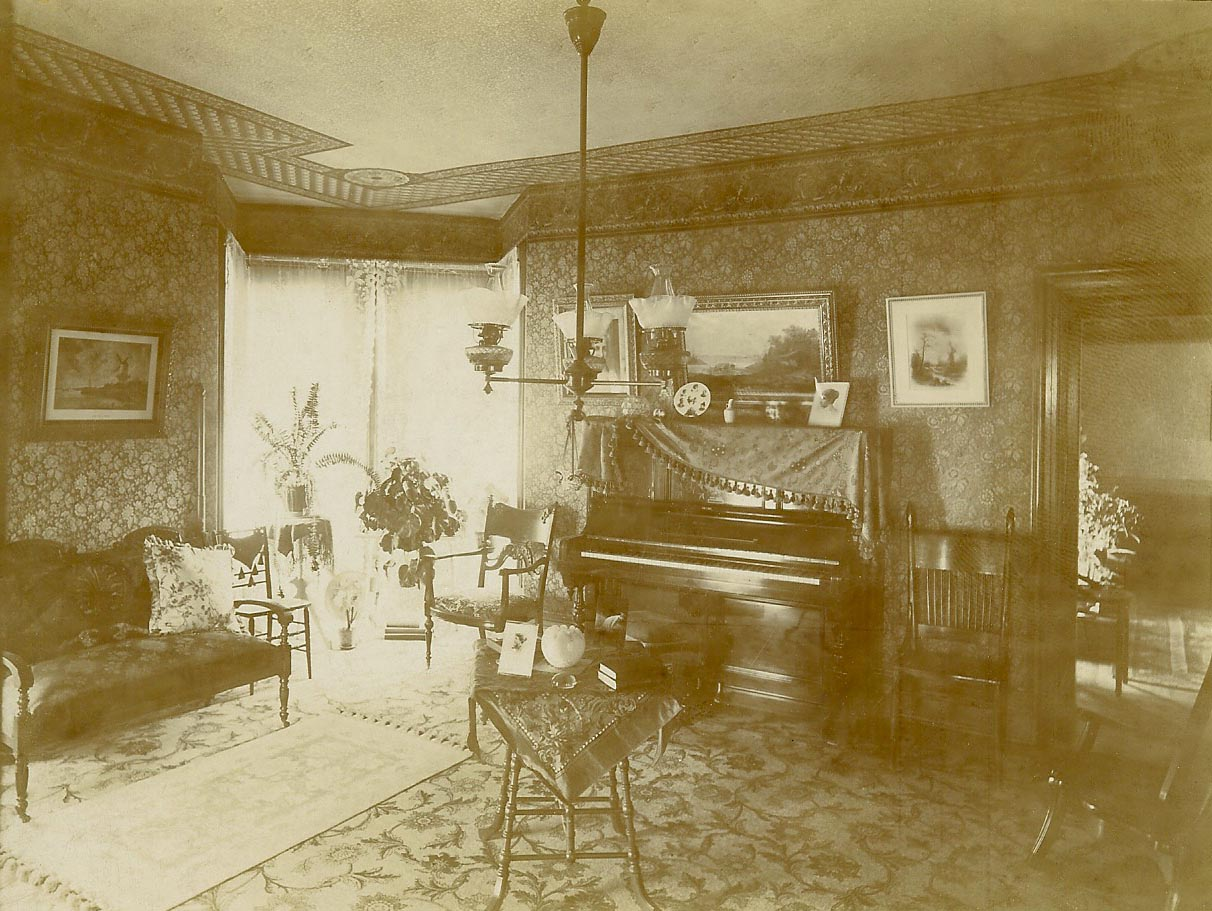
7. The Parlour Existed for Exactly This
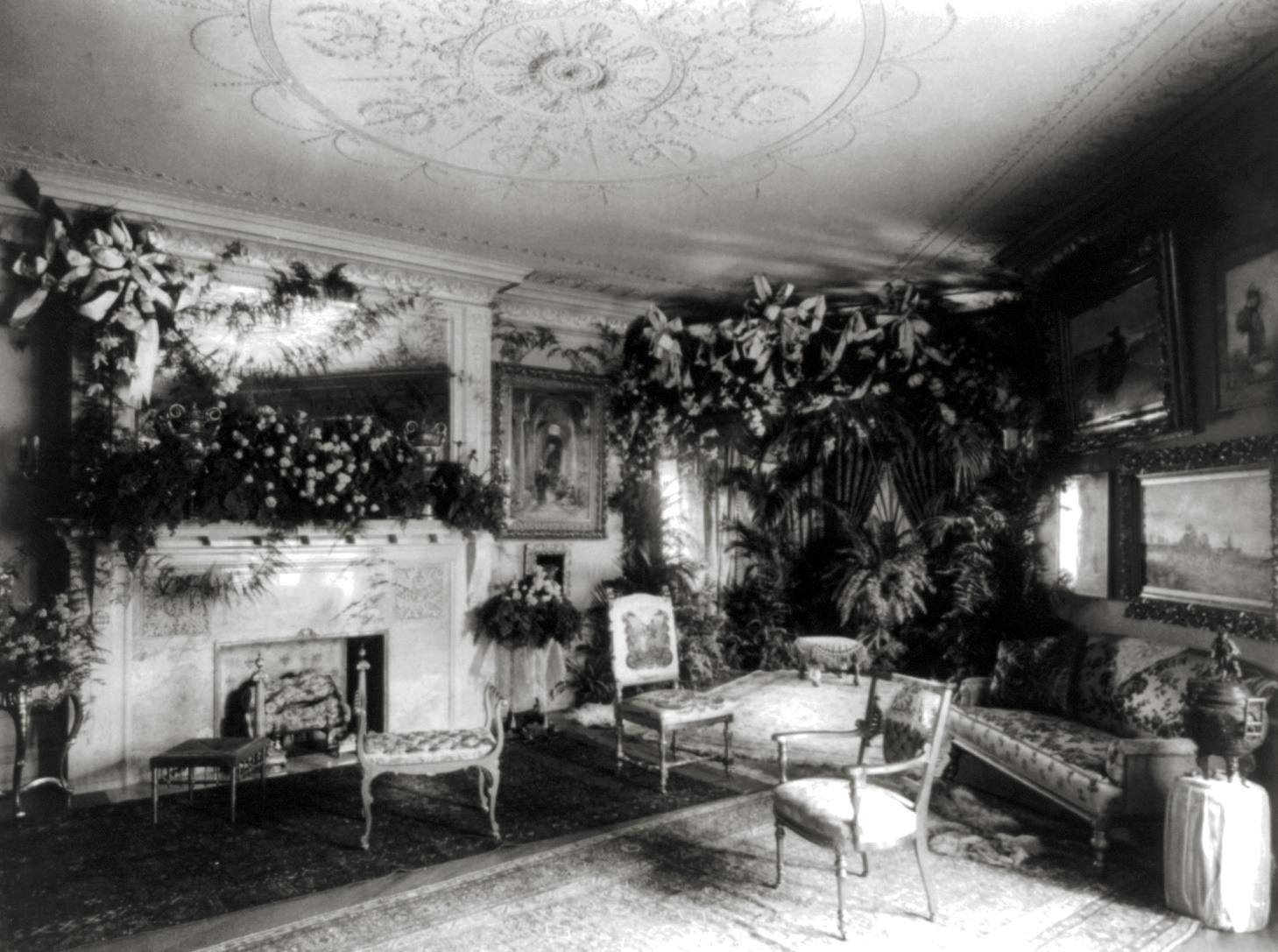
A front room kept clean, furnished better than the rest of the house and barely used was maintained for the arrival of people who mattered.
Repurposed or absent.
Holding an entire room in reserve is an enormous commitment of space, and it only makes sense if visiting is frequent and consequential. The parlour is physical evidence of how seriously households took the possibility of being called upon.
8. Length of Stay Was Signalled, Not Stated
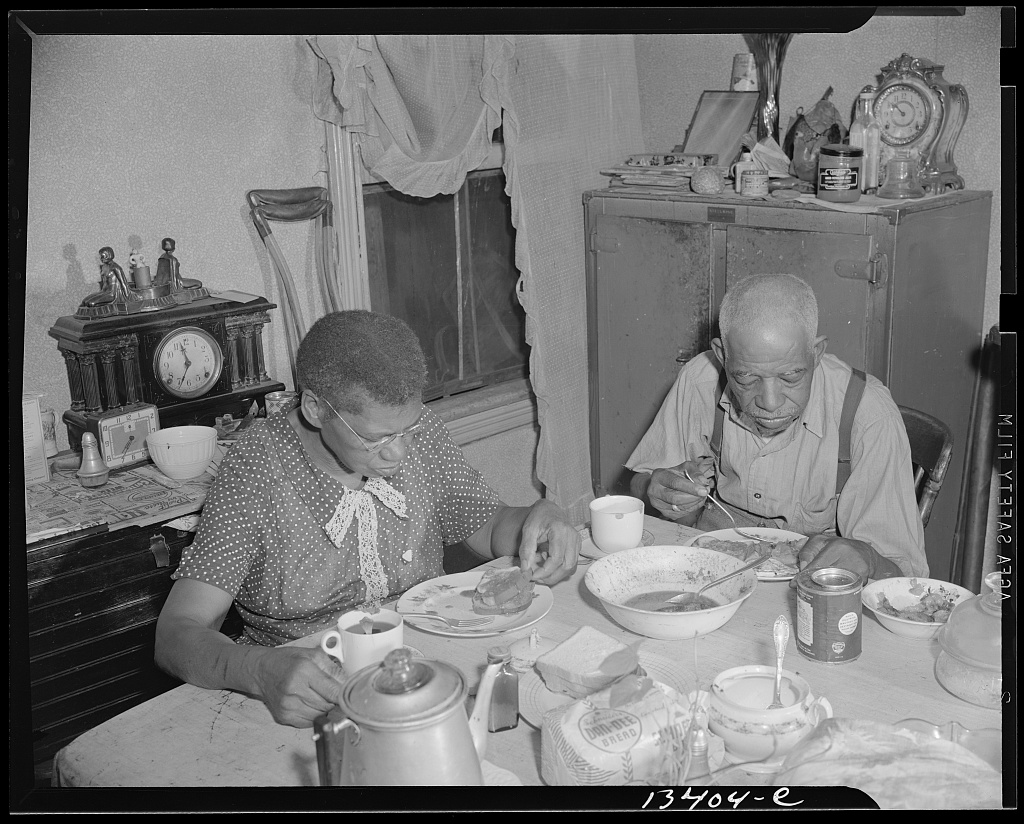
Keeping a coat on, perching on the edge of a chair or accepting a second cup each communicated how long the visit was going to be.
Stated explicitly.
The signalling system removed the need for anybody to be rude. You never had to say how long you were staying or ask somebody to leave, because the information passed through posture, props and the acceptance or refusal of a refill.
There is a second reason the room mattered, and it is about work rather than status. A caller shown into the kitchen was being told, in effect, that the household was going to carry on with what it was doing – the shelling, the ironing, the washing up – and that the visitor was welcome to sit in the middle of it. The parlour stopped all of that; the kitchen did not. So the choice was also a statement about whether the visit was going to interrupt the afternoon or simply join it, which is a distinction that mattered enormously to whoever was running the house.
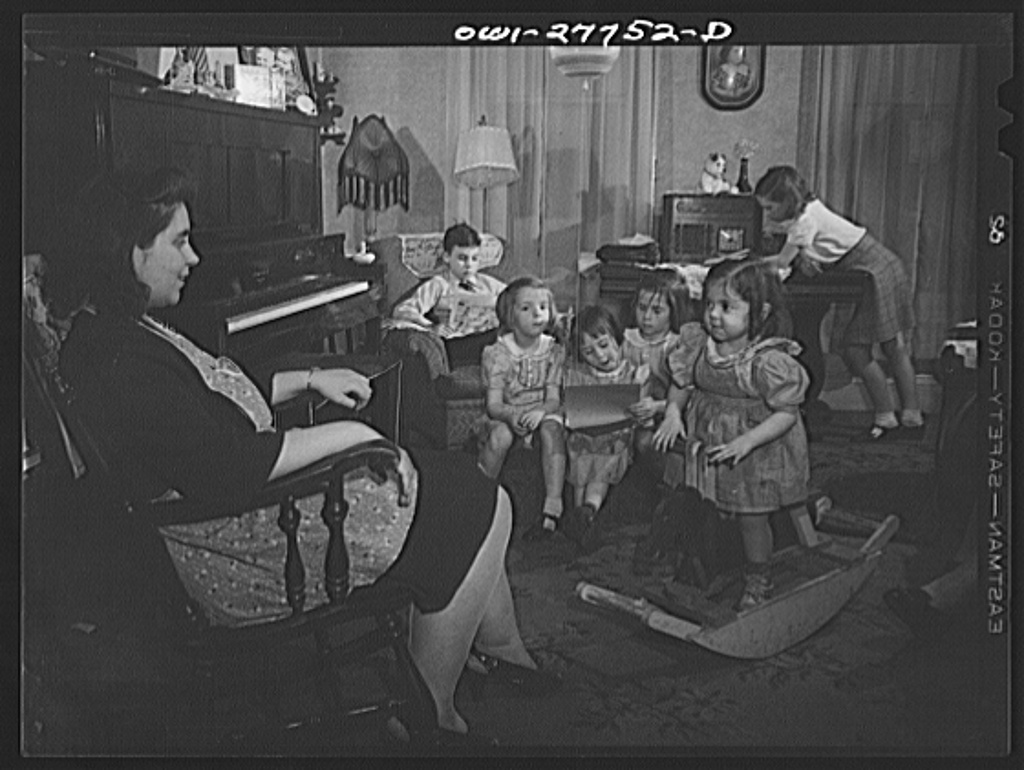
9. Children Were Present and Expected to Perform
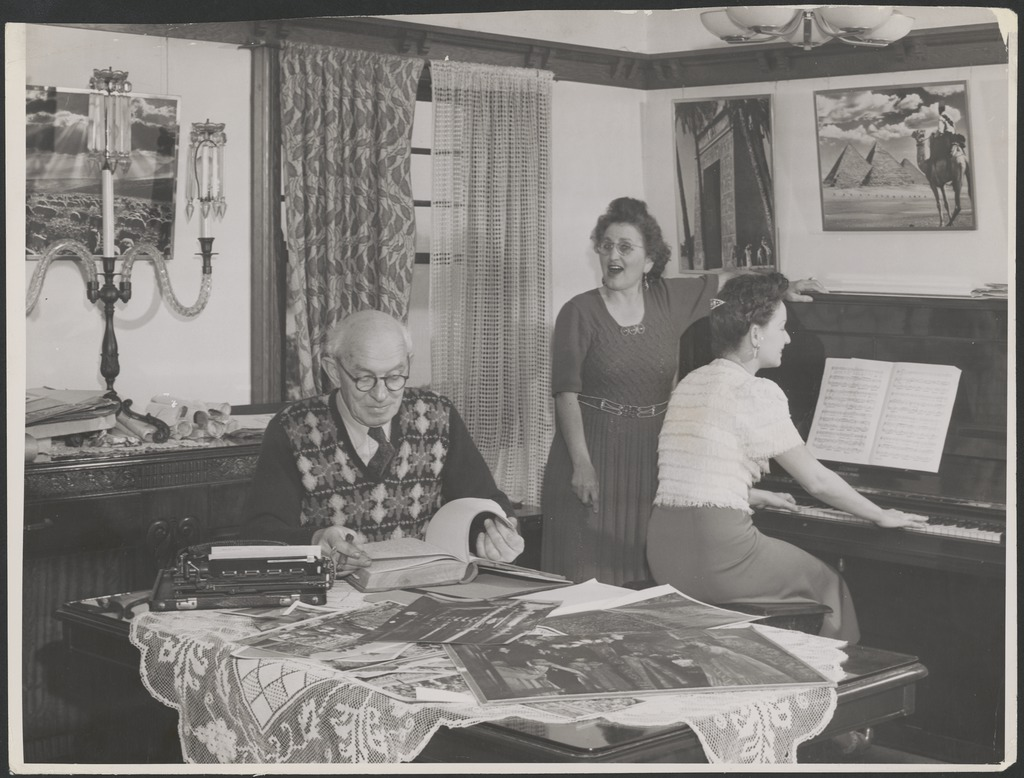
Children stayed in the room, greeted visitors, answered questions and sometimes recited or played something before being released.
Usually elsewhere.
The performance requirement was universal and widely disliked. It was also genuine training – a child who has greeted two hundred adults and answered their questions has practised something most people now acquire late or not at all.
10. Returning a Visit Was an Obligation With a Clock on It
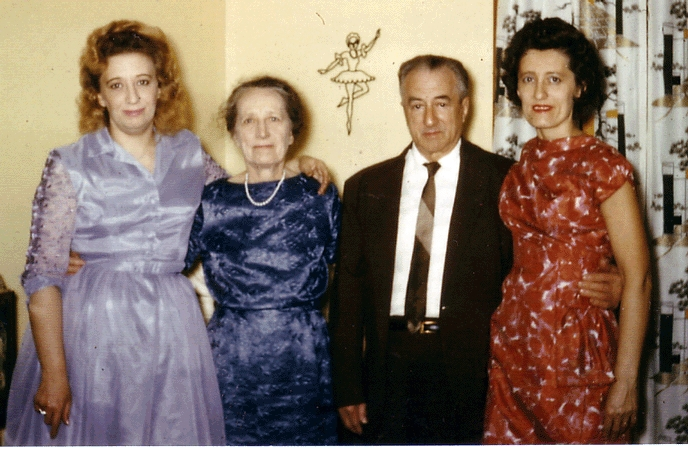
If somebody called on you, you were expected to call on them within a reasonable time, and failing to do so was noticed.
Not applicable.
Reciprocity is what kept the whole network circulating. Each visit created a debt, which guaranteed a return visit, which created another debt – a self-sustaining mechanism that required nobody to organise anything.
11. The News Travelled With the Caller
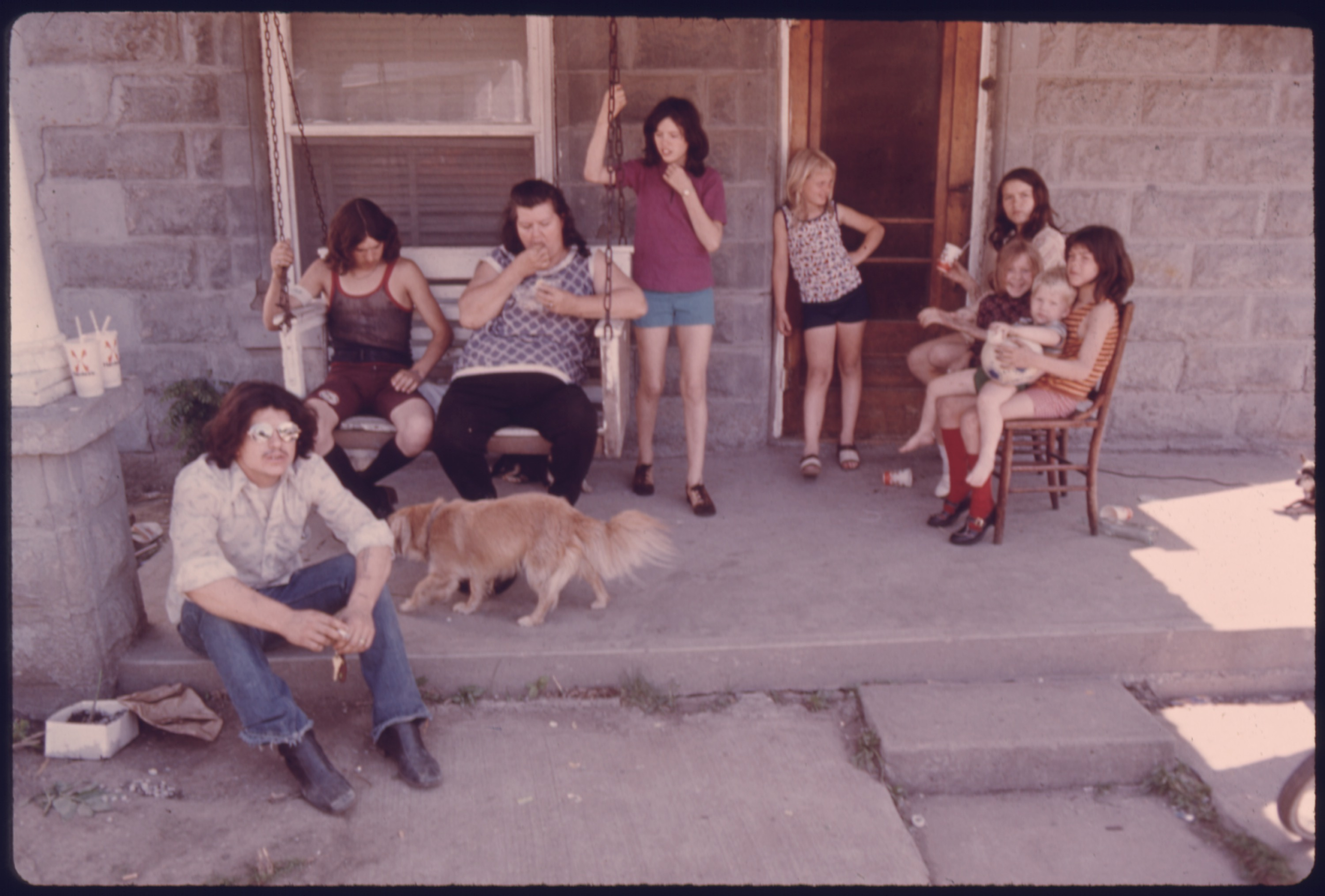
Visiting was the information system – who was ill, who had moved, who was getting married, what something cost – delivered in person.
Delivered electronically.
The informational function is the one most easily forgotten and it was probably the primary one. A household that received no callers knew nothing, which made visiting a practical necessity rather than merely a pleasure.
12. Driving to Visit Relatives Took Up the Whole Afternoon
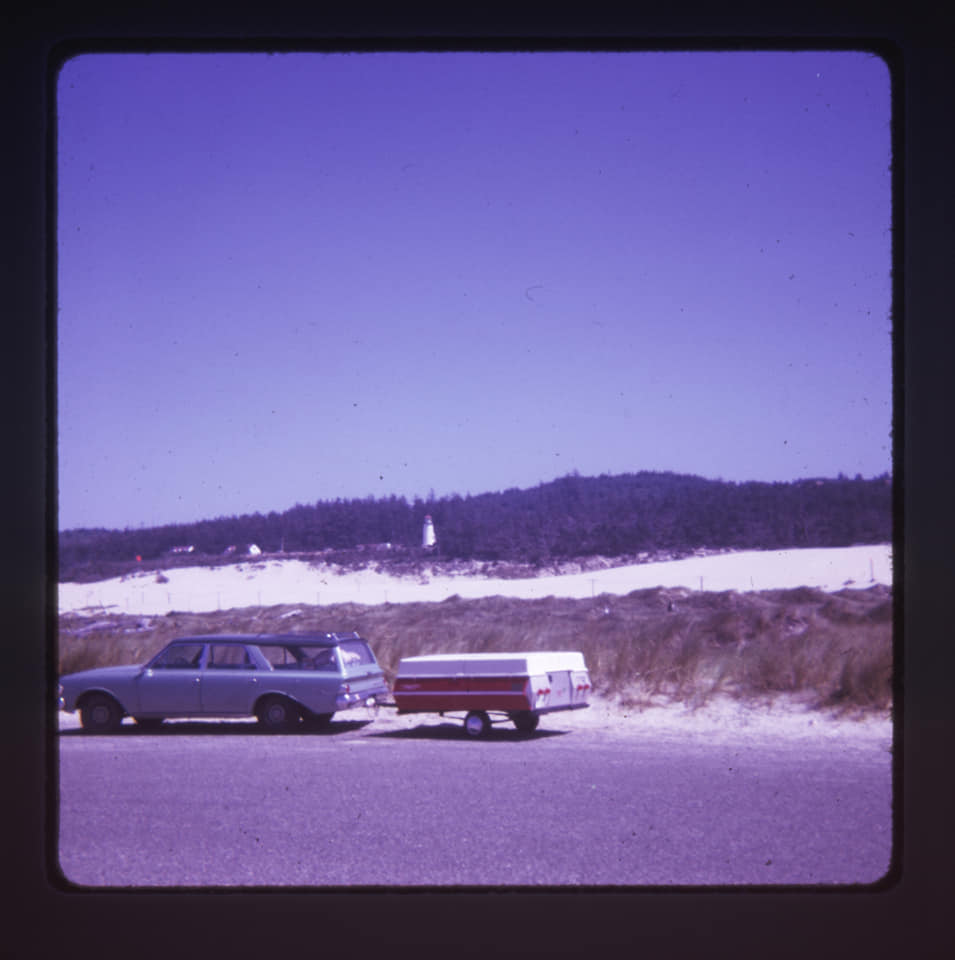
Sunday visiting often meant a drive to another town, a few hours there and a drive back, which consumed the only free day of the week.
Rare.
The time commitment shows how high a priority this was. Spending an entire day off travelling to sit in somebody’s front room is a serious allocation of a week’s scarce free time, repeated most weeks, by most families.
It is worth noticing what this did to the geography of a friendship. A circuit of unannounced visiting can only extend as far as somebody is willing to travel on the chance of finding a person at home – which in practice meant a few streets on foot, or an afternoon’s drive at the outside. So the people you actually saw were, overwhelmingly, the people who were near enough to call on speculatively, and the relationships that thrived were the ones that distance did not make a gamble.
13. Not Being Home Was Itself a Message
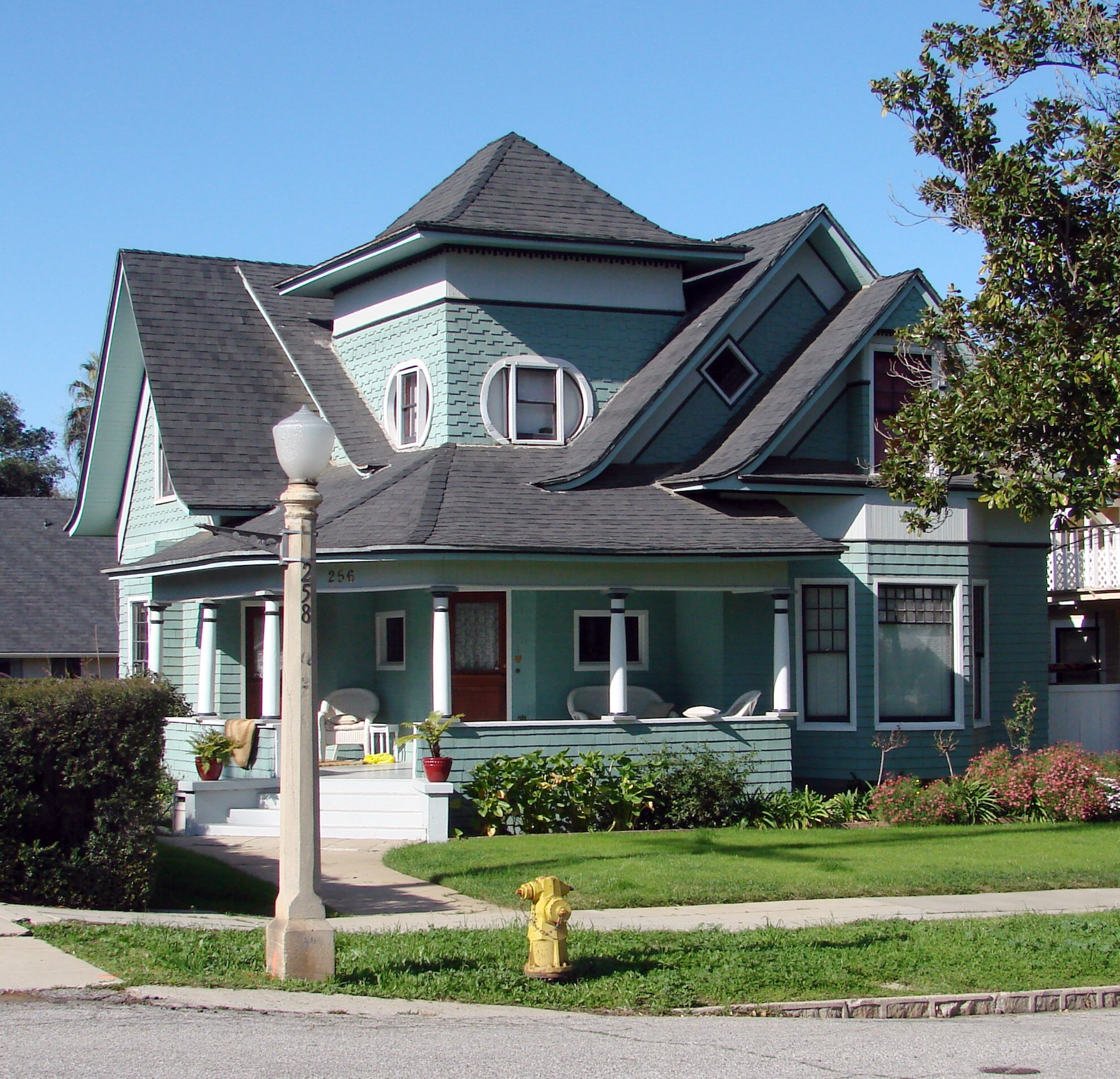
A household that was repeatedly out when people called was understood to be withdrawing from the circuit, and the calls eventually stopped.
Not applicable.
Absence functioned as a signal because presence was the default. You did not have to refuse anybody – you simply had to be unavailable often enough, and the network quietly adjusted without anybody having a conversation about it.
14. Then the Telephone Made Dropping In Rude

Once everybody could be called first, arriving without calling stopped being normal and started being an imposition.
Universal.
This is the exact mechanism of the change and it is worth stating precisely. The telephone did not make visiting harder – it made not calling ahead a choice, and once something is a choice, choosing not to do it becomes a statement about how much consideration you were willing to extend.
15. Television and the Car Finished What the Telephone Started
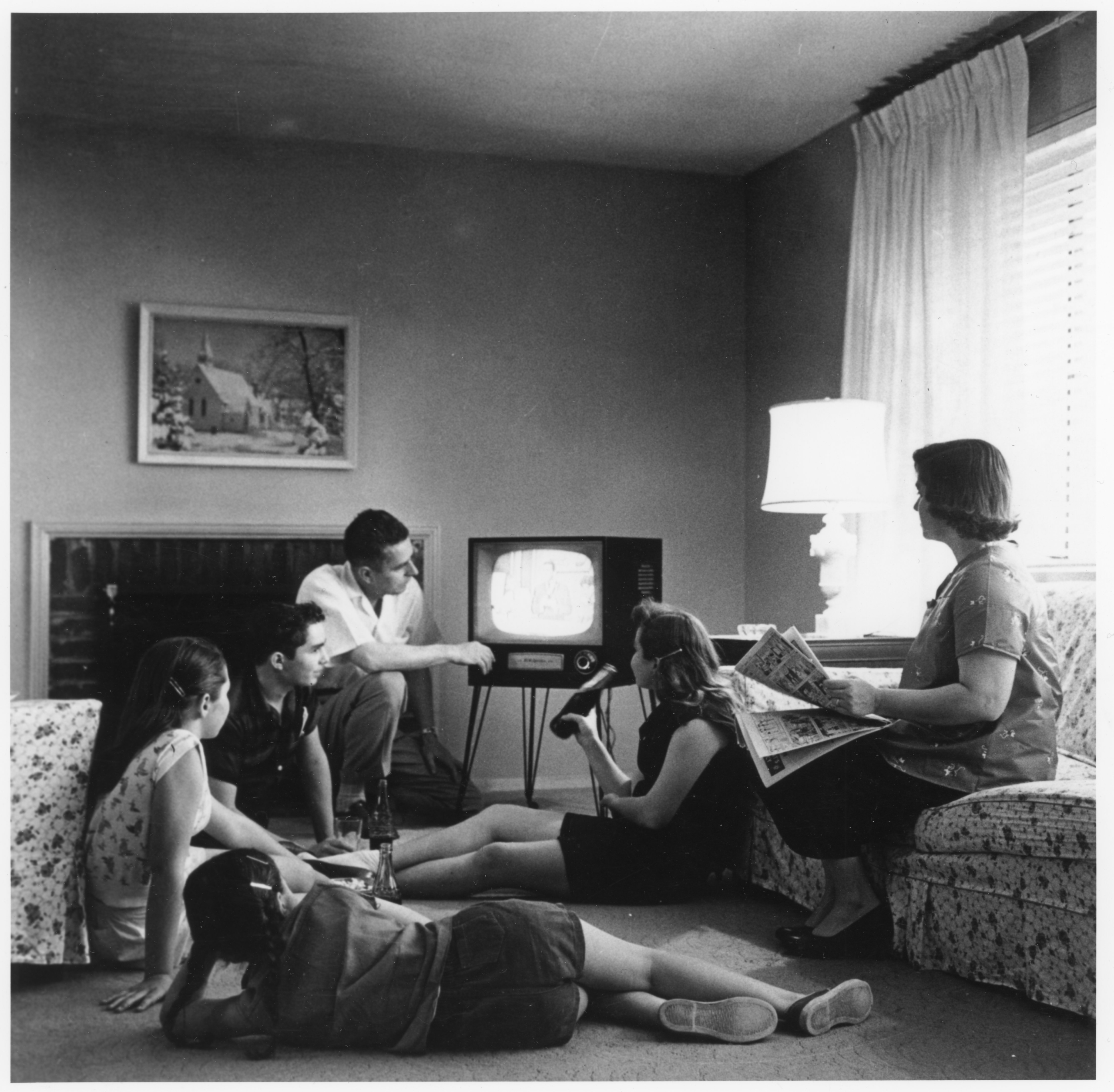
Evening entertainment at home removed the reason to seek company, and easy travel widened the circle beyond anybody you could casually drop in on.
Universal.
The two changes worked in opposite directions and had the same effect. One gave people something to do at home alone, the other scattered the people they knew across distances no afternoon could cover – and the local circuit lost both its purpose and its participants.
16. And by 1960 the Parlour Was Already Being Repurposed
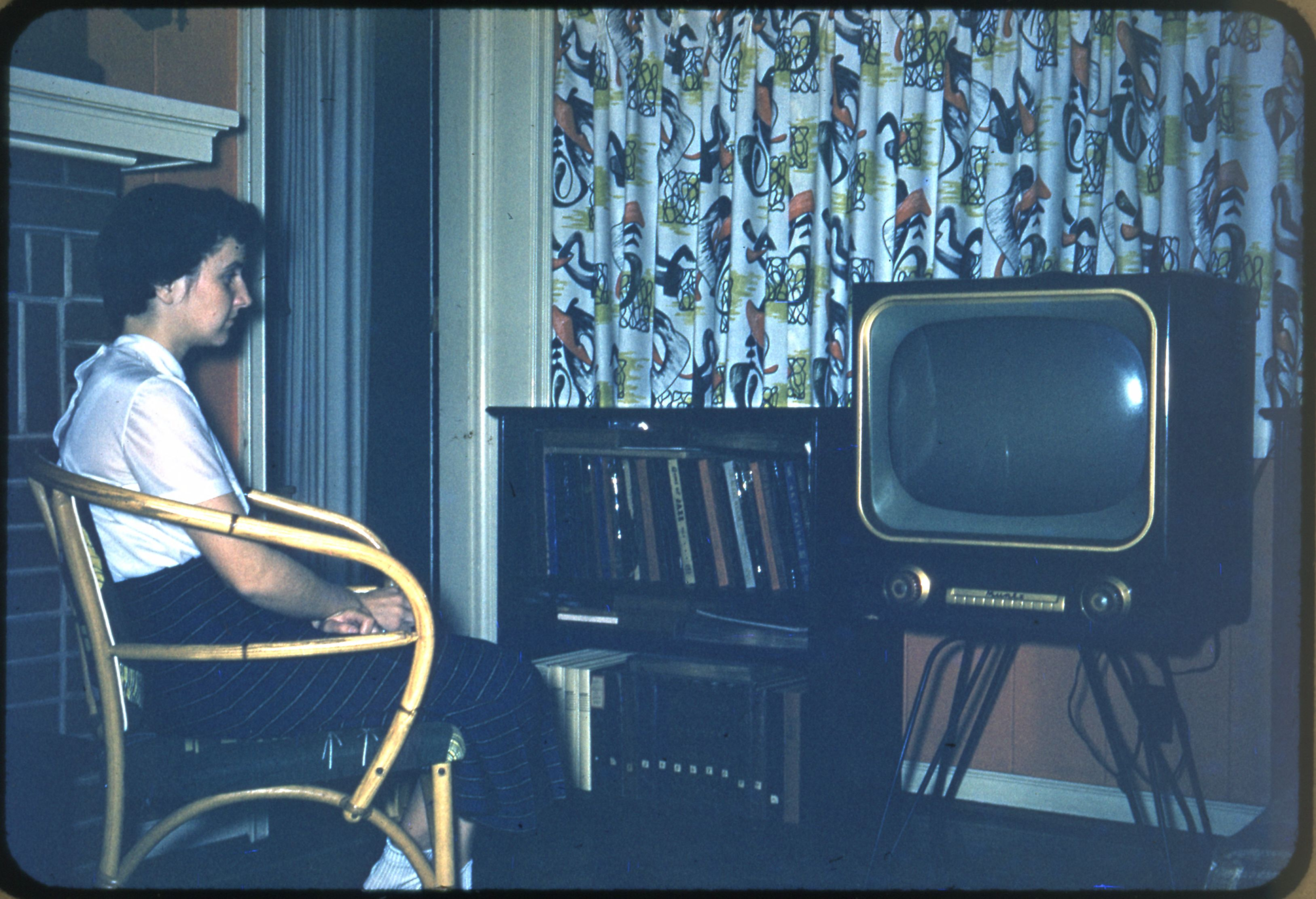
Front rooms were turning into television rooms and family rooms, which is the clearest physical evidence of a custom in retreat.
Universal.
And what deserves the last word is that this was a system for seeing people without being able to contact them. Everything in it solves that one problem: the fixed Sunday window meant nobody had to be ready all week, the staged admission at the door gave both sides an honourable exit, posture and a second cup communicated length of stay so nobody had to say anything awkward, and reciprocity guaranteed the next visit without anybody organising it. A household paid for all of this continuously – an entire room held in reserve, a permanent stock of something to serve, and a Sunday afternoon that could not be spent any other way. And the telephone ended it not by making visiting difficult but by making calling ahead possible, which turned an ordinary arrival into a decision not to be considerate.
It Was a System for Seeing People You Could Not Contact
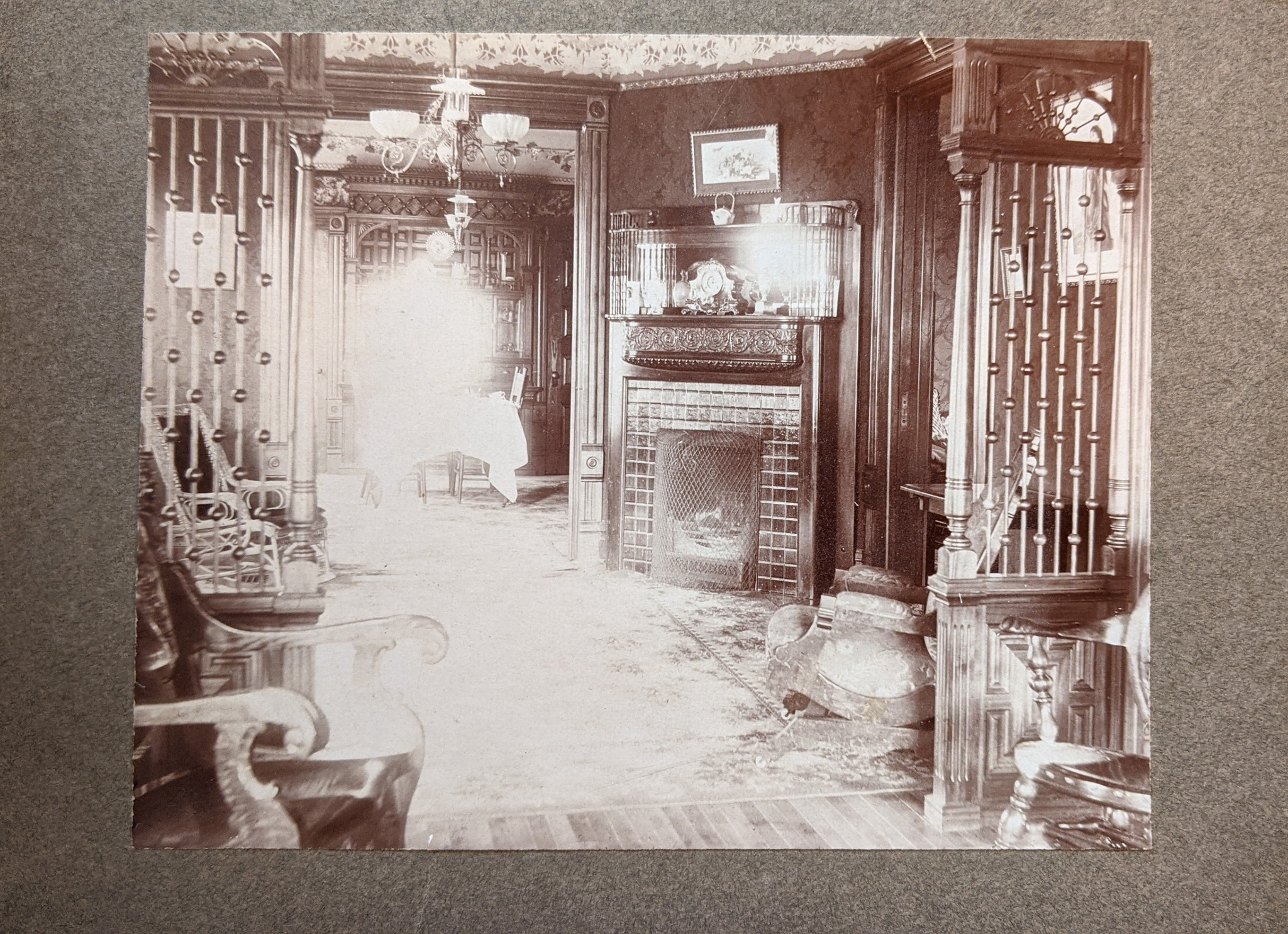
Dropping in unannounced reads now as an imposition, and in 1960 it was the only available method, which is why there was an entire apparatus built to make it work.
The problem was simple: no way to tell anybody you were coming. Everything else is a solution to it.
Timing solved the readiness problem. Visiting concentrated into Sunday afternoon, so nobody had to be prepared all week – and because everybody knew the window, it coordinated a whole neighbourhood without a single message being sent.
Staged admission solved the awkwardness. Arriving did not mean entering: door, hall, invitation, seat, each step a decision by the host. A caller who was not welcome could be handled at the door without insult, and one who sensed a bad moment could leave after two minutes. That graduated entry is precisely what made unannounced arrival tolerable.
Room assignment carried the social information, and it was the most precise instrument in the house. Front room for formality and strangers, kitchen for intimacy, back porch for the in-between – chosen in the first few seconds and read instantly by everybody.
Which is what the parlour was for. An entire room, kept clean, furnished better than anywhere else and barely used, held in reserve for people who mattered. Holding a whole room empty only makes sense if visiting is frequent and consequential, which makes the parlour physical proof of how seriously this was taken.
Signalling solved the exit problem. Keeping a coat on, perching on a chair edge, accepting or refusing a second cup – length of stay was communicated continuously without anybody stating it, so nobody ever had to say how long they were staying or ask somebody to go.
And reciprocity kept it running. A visit created an obligation to return it within a reasonable time, and failing to was noticed. Each visit generated the next one, so the network sustained itself with nobody organising anything.
The costs fell on the household, continuously.
Something had to be produced to eat or drink, immediately, as a matter of obligation rather than offer – which means a reserve had to exist permanently against callers nobody expected, and running out of it was a small domestic failure. Hospitality that must be instant requires standing stock.
And the time was enormous. Sunday visiting often meant driving to another town, a few hours there and a drive back, consuming the only free day of the week – repeated most weeks, by most families.
Children were part of the performance: present, greeting, answering questions, sometimes reciting something before release. Widely disliked, and genuine training – a child who has greeted two hundred adults has practised something most people now acquire late or not at all.
There was even a way to withdraw without saying so. A household repeatedly out when people called was understood to be leaving the circuit, and the calls quietly stopped. Absence worked as a signal because presence was the default.
Then three changes finished it, and the first is the one that matters.
The telephone did not make visiting harder. It made calling ahead possible – and once something is possible, not doing it becomes a choice, and the choice reads as a failure to extend consideration. Dropping in became rude the moment it stopped being necessary.
Television then supplied something to do at home alone, removing the reason to seek company. And the car scattered everybody’s acquaintances across distances no afternoon could cover.
So the circuit lost its purpose and its participants at the same time, and the front rooms became television rooms – which is the clearest physical evidence of a custom in retreat that anybody could ask for.
If your grandparents had a room nobody sat in, it was not waste.
It was held empty on purpose, for people who might arrive on a Sunday
Like our content? Follow us for more.
.