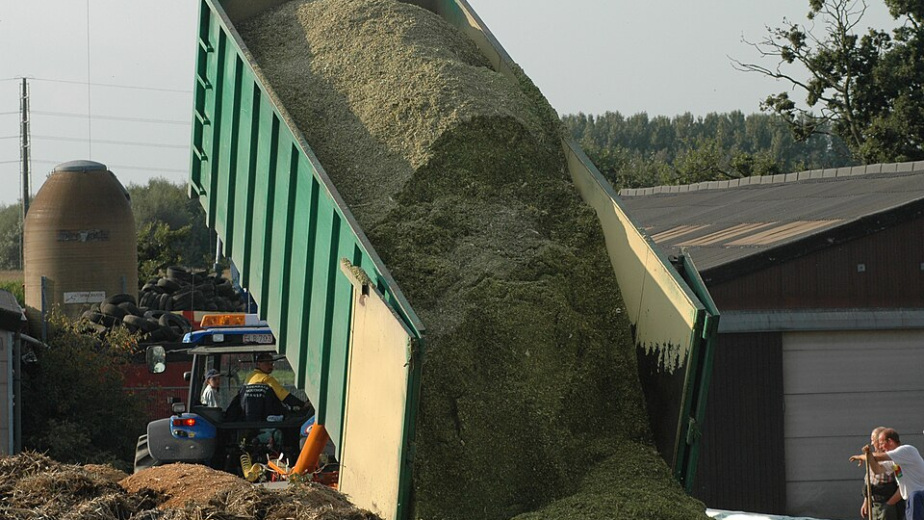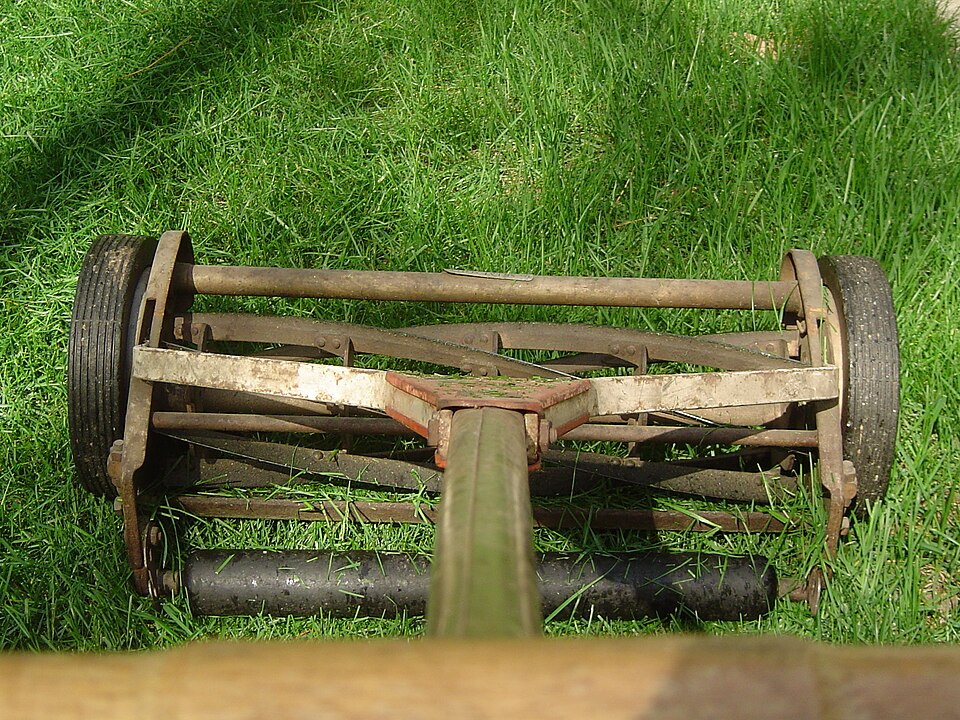
The work was found, not given, and that is the part that did the teaching.
Nobody offered a child a job. You went and asked, door to door, and kept asking until somebody said yes – which means a complete sales process, conducted by somebody who is ten, including the part where you absorb being turned down repeatedly and knock on the next door anyway.
Mowing lawns was the standard entry job because the barriers were almost nil. The equipment already belonged to the household, the need came back every week, the quality was easy to judge on sight, and nobody had to trust a child with anything except a patch of grass. Here are fifteen things every kid learned.
1. The Work Was Found, Not Given

Nobody offered a child a job. You went and asked, door to door, and kept asking until somebody said yes.
Arranged by adults, or not available.
Start with how the work was obtained, because that is the part that did the teaching. A child who wants to earn has to approach adults, explain what they are offering and absorb being turned down repeatedly – which is a complete sales process conducted by somebody who is ten.
Like our content? Follow us for more.
2. Mowing Lawns Was the Standard Entry Job
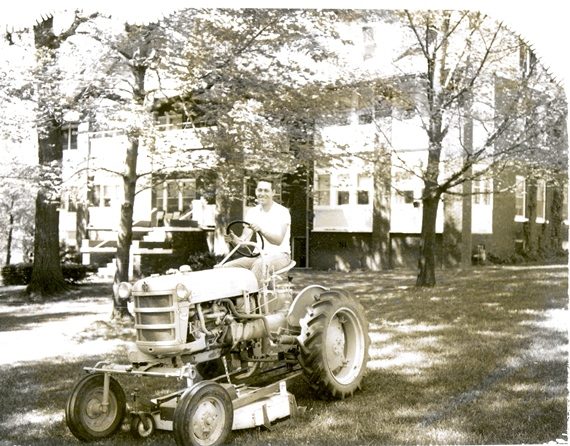
A mower, a summer and a street full of grass that somebody did not want to cut produced the most common first earnings in the country.
Done by services.
Mowing was the default because the barriers were so low. The equipment belonged to the household already, the need recurred every week, the quality was easy to judge, and nobody had to trust a child with anything except a patch of grass.
3. Shovelling Snow Was the Same Business With Better Economics
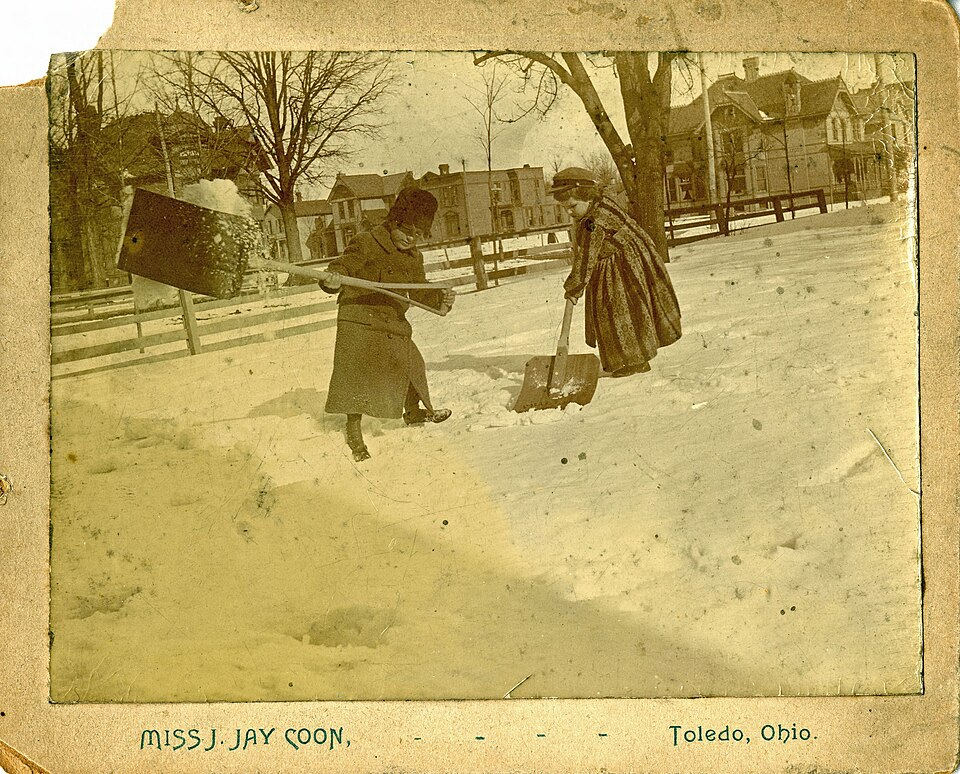
Snow has to be cleared immediately, by somebody, and a householder faced with it is in a far weaker negotiating position than one looking at long grass.
Services and machines.
The urgency is what made winter work pay better. Grass can wait a week and snow cannot, so a child with a shovel standing on a path at eight in the morning was selling something the customer needed right then – which is the first lesson in pricing anybody gets.
4. The Price Was Negotiated at the Door, Every Time
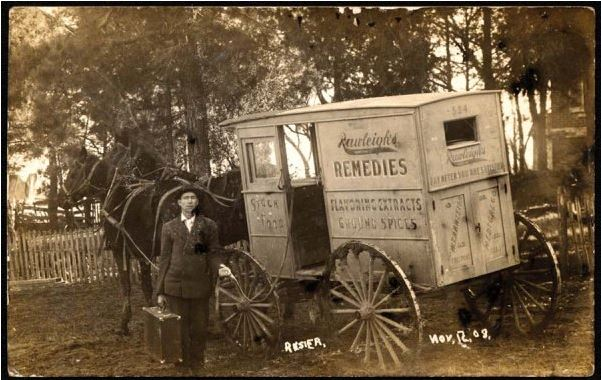
There was no rate card. A figure was proposed by one side, considered by the other and settled before the work began, or sometimes afterwards.
Fixed and published.
Negotiating is the skill the whole arrangement forced, and most children were bad at it initially. Naming a number to an adult you are standing in front of is uncomfortable, and learning to do it without flinching is a genuine competence acquired young.
5. Doing It Badly Lost You the Customer Permanently
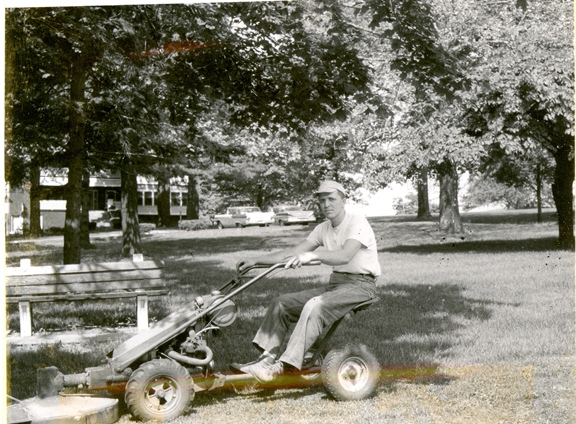
A lawn cut carelessly or a path half cleared meant that house did not ask again, and there was no appeal and no explanation.
Mediated by reviews and contracts.
The feedback was immediate, total and silent. Nobody told a child they had done a poor job – they simply used somebody else next time, which is a harsher and clearer signal than any complaint, and children worked out the connection quickly.
6. Reputation Travelled Down the Street Faster Than You Did
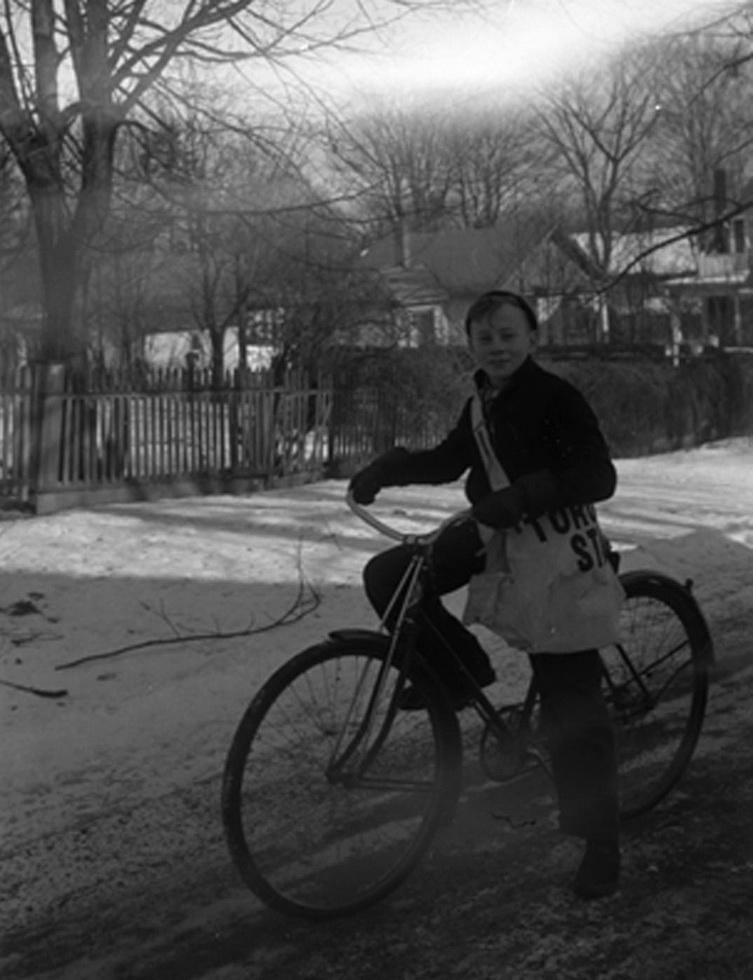
Neighbours talked, so a child who did good work got recommended to three more houses and a child who did not found doors closing without knowing why.
Platform ratings.
Word of mouth in a few streets is a ratings system with no appeal process, and it was unforgiving. It also rewarded consistency enormously – the child who turned up when they said they would was worth more than the one who worked faster.
7. Equipment Belonged to the Customer or to Your Father
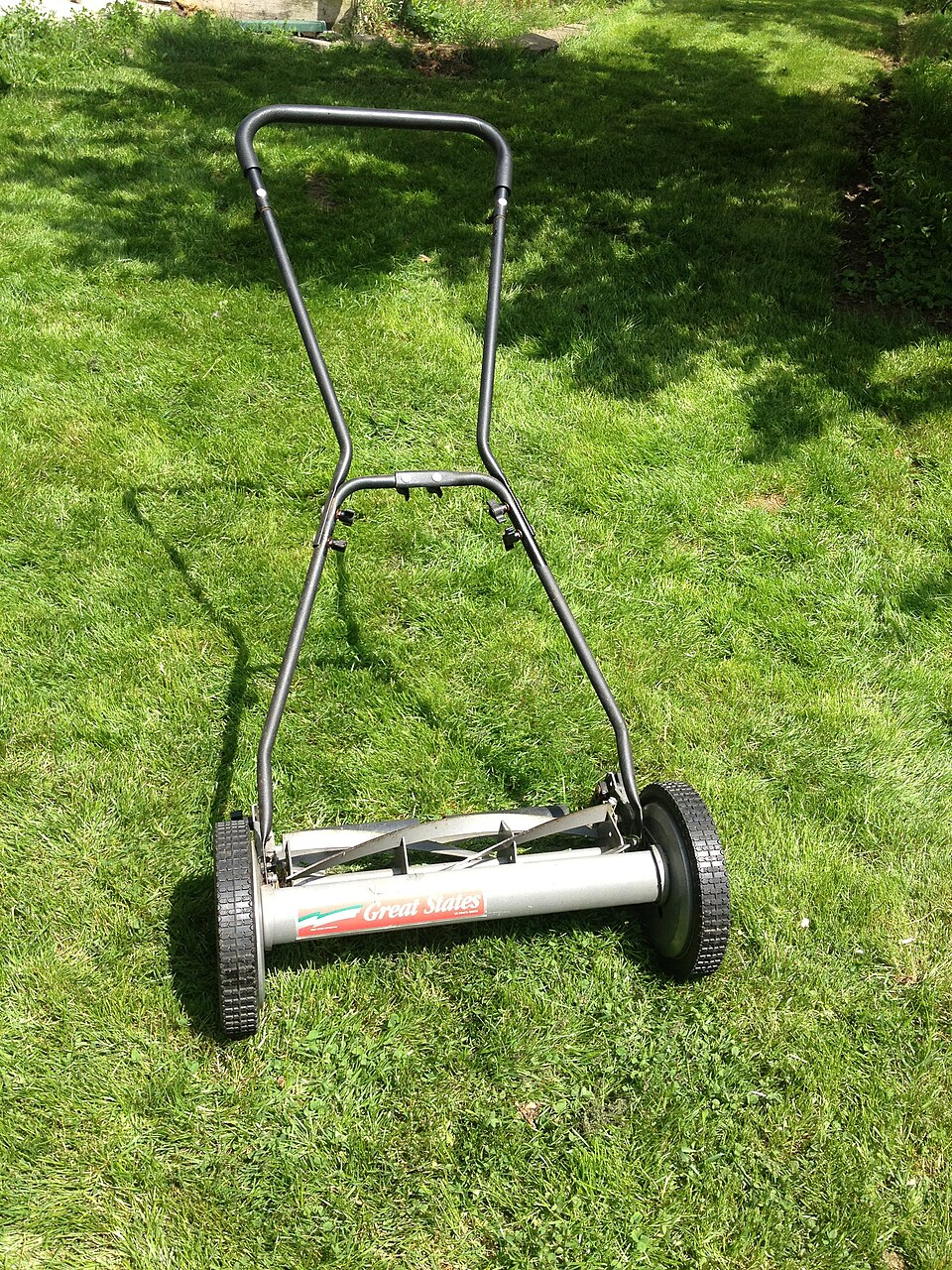
Children rarely owned tools, so the work was done with the householder’s mower or with something borrowed from a garage at home.
Contractors bring their own.
The absence of capital is what made these jobs accessible, and it also capped them. A child with no equipment can only do work where the equipment is already on site, which is precisely why mowing, shovelling and raking dominate the list.
8. Raking, Washing Cars and Running Errands Filled the Gaps
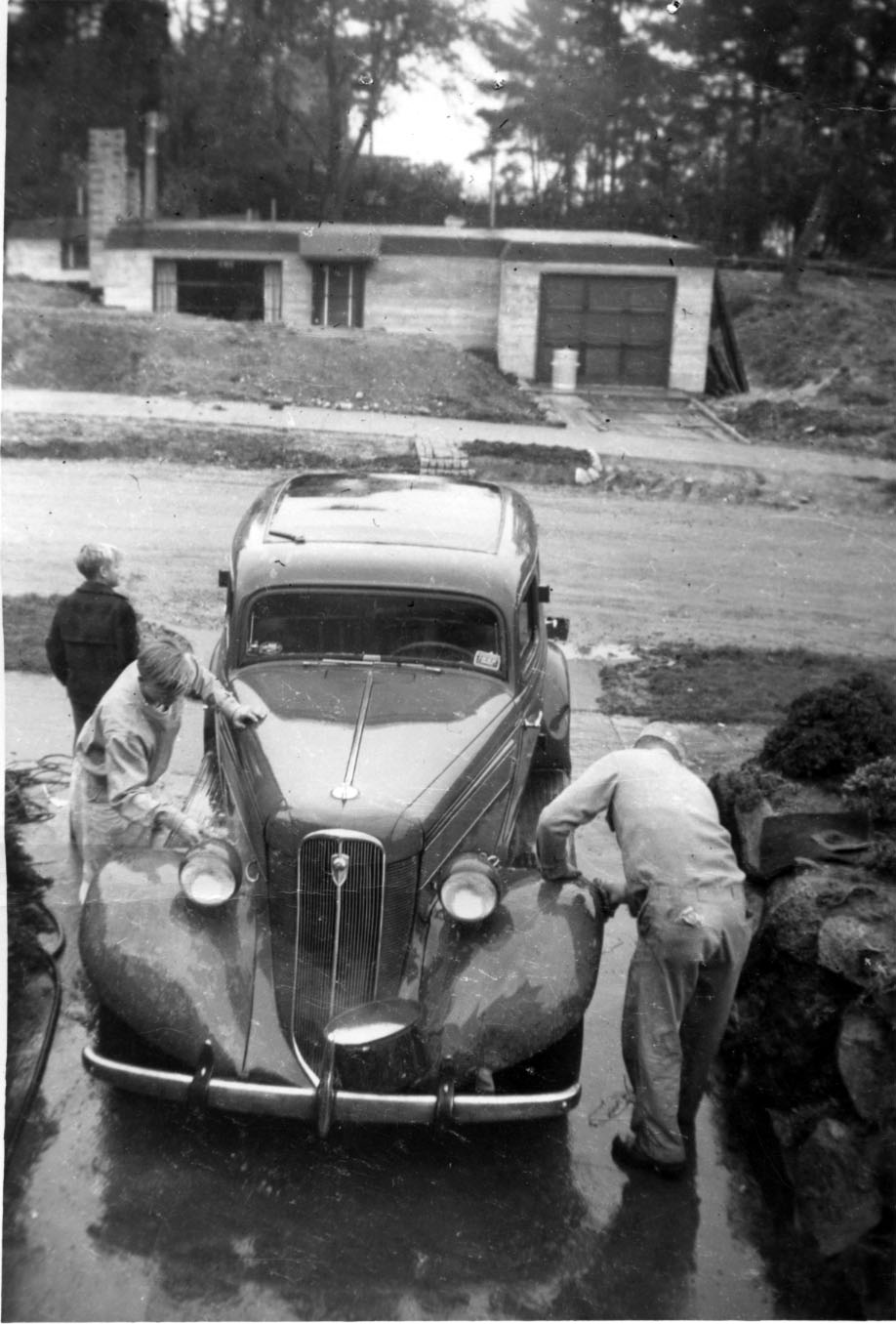
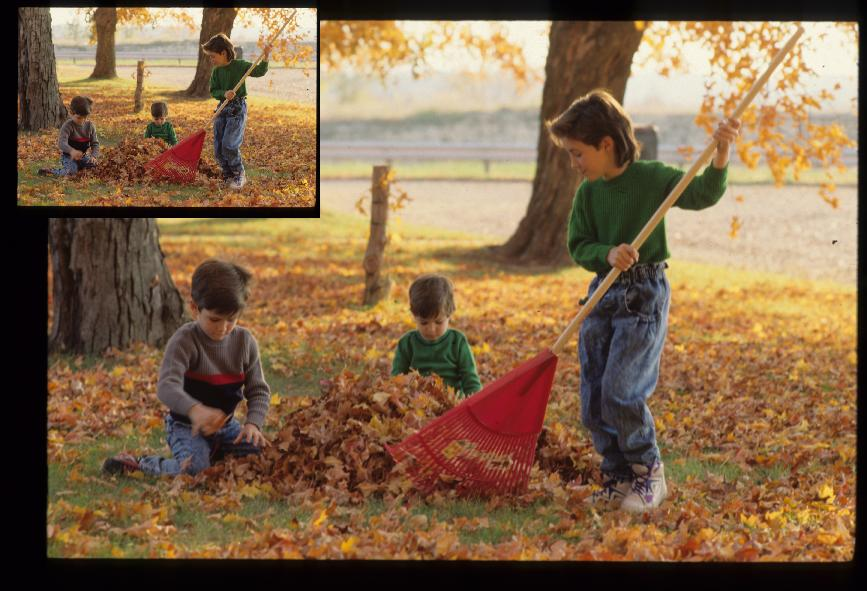
Beyond the two staples there was a long tail of occasional work – leaves, windows, a car, carrying something, fetching something.
Rare.
The miscellaneous jobs are where the real learning happened, because each one had to be priced from scratch. There is no standard rate for carrying boxes out of a cellar, so the child had to estimate time, effort and what the person would pay.
9. Payment Was Cash, Immediately, in Your Hand

The money was handed over at the end of the job, in notes and coins, by the person who had benefited from the work.
Electronic and delayed.
The immediacy of payment is what connected effort to money in a child’s mind, and it is hard to overstate. Two hours of work becomes a specific amount of money in your hand at the end of those two hours, which makes the relationship between the two impossible to miss.
10. What You Earned Was Entirely Yours

Unlike an allowance, nobody set conditions on money a child had earned themselves, and most families recognised that distinction explicitly.
Varies.
The ownership is the point and parents generally respected it. Money that arrives as a gift comes with the giver’s opinions attached; money earned from a stranger does not, and a child spending their own earnings badly is learning something an allowance cannot teach.
11. The Big Purchase Was the Whole Motivation
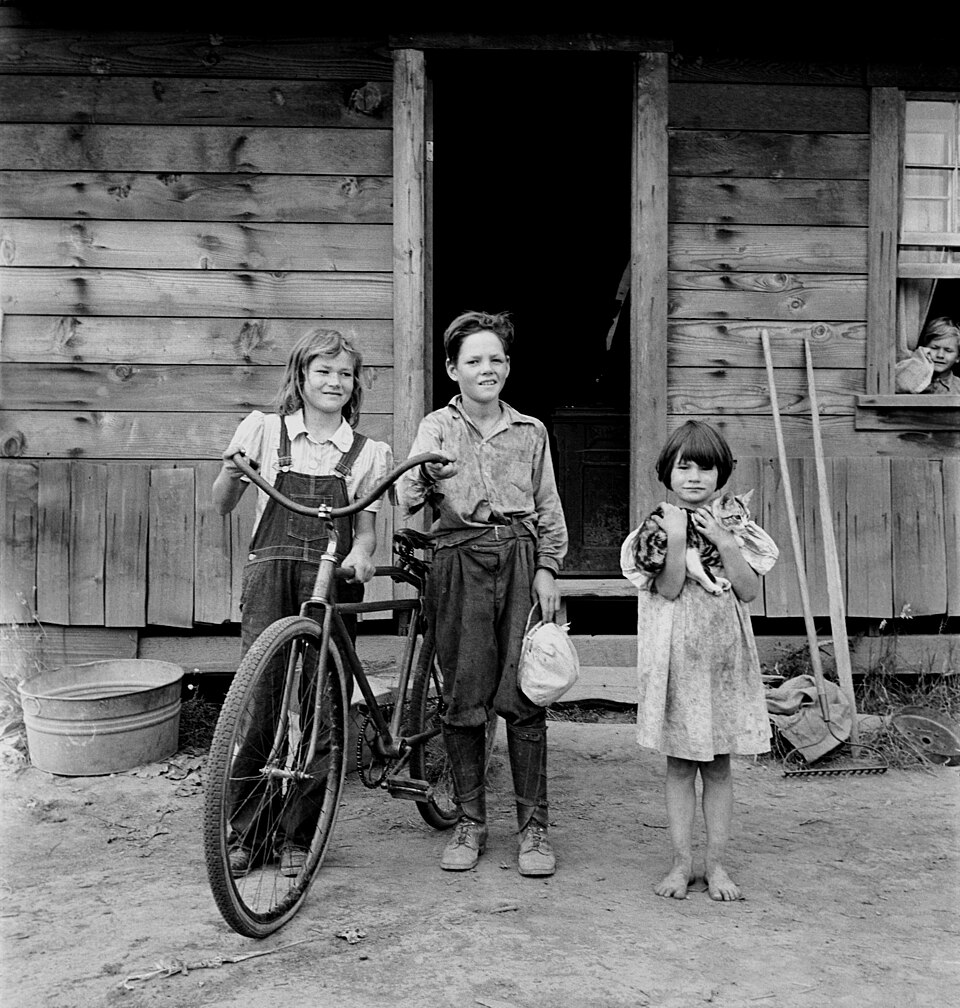
Almost every child doing this work was accumulating toward one named object, and the object was what got them out of bed.
Still true.
A nameable target is the mechanism that makes saving possible at any age, and it is the same thing the trading stamp catalogue and the Christmas club were selling. Nobody works for an abstraction – they work for a bicycle, and they can tell you how many lawns it is.
12. Older Children Subcontracted to Younger Ones
A boy with more customers than time would hand jobs to a younger sibling or neighbour for a cut, which happened more often than anybody admits.
Not applicable.
Subcontracting is the moment this stops being a chore and becomes a business, and some children worked it out entirely alone. Having more demand than capacity, and solving it by buying somebody else’s labour at a margin, is a genuine commercial insight arrived at by a twelve-year-old.
13. Nobody Recorded Any of It
No tax, no paperwork, no agreement and no record – the whole economy was cash and memory, operating entirely below any formal system.
Regulated and often documented.
The informality is what made it possible and it is also why it has largely gone. An arrangement with no paperwork can be struck in thirty seconds on a doorstep, and an arrangement that requires any paperwork at all will simply not happen between a householder and a ten-year-old.
14. Then Liability and Services Took Over the Work
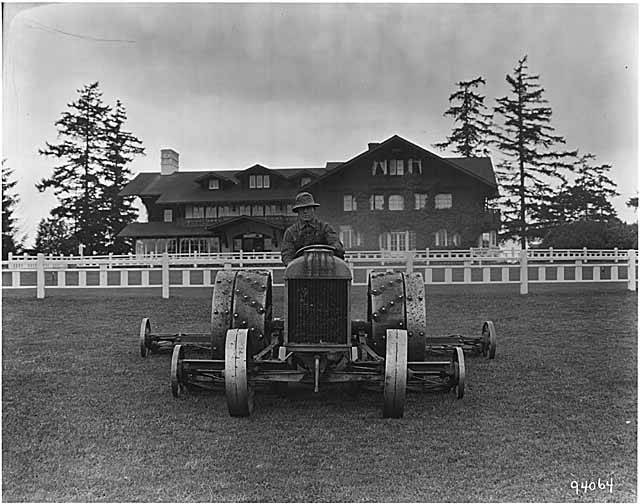
Commercial lawn and snow services, powered equipment and concerns about having a child work on your property removed most of the demand.
Universal.
The disappearance is a supply and demand story rather than a change in children. A householder who can hire a service for a predictable price, with equipment and insurance, has very little reason to negotiate with a child – and the child has nothing left to sell.
15. And by 1966 the Money Itself Had Started Moving Out of Reach
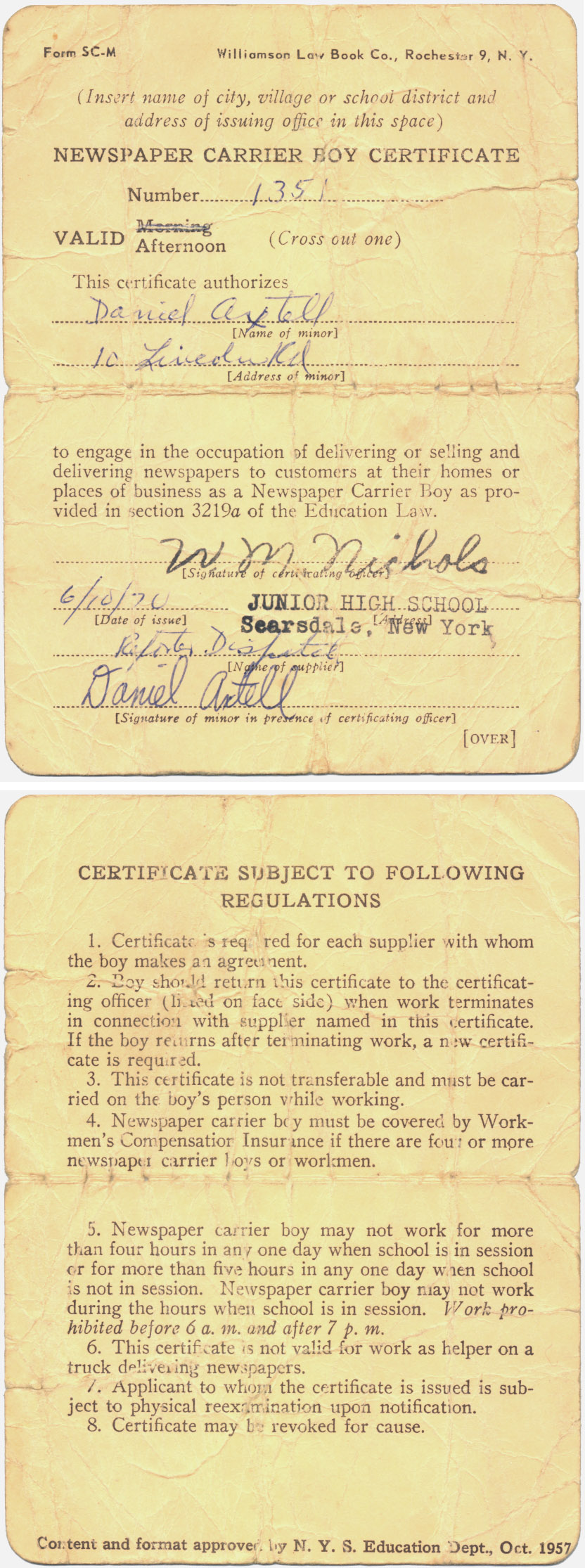
Even where the work existed, payment began shifting away from cash in hand, which removed the single most instructive feature of the whole arrangement.
Universal.
And what deserves the last word is what this taught that nothing has replaced. A child had to find the work by asking strangers and being refused, name a price out loud to an adult’s face, deliver something judged on sight, and discover that a job done badly simply ended without anybody explaining why. The feedback was silent and total, reputation moved down the street faster than they did, and the whole thing ran on cash handed over at the end of two hours’ effort – which welds work to money in a way nothing else does. The ones who understood it best worked out that having more customers than time was a problem you could solve by paying somebody younger. None of that was taught, none of it was recorded, and all of it depended on an arrangement so informal that a single sheet of paperwork would have killed it.
Nothing Has Replaced What This Taught
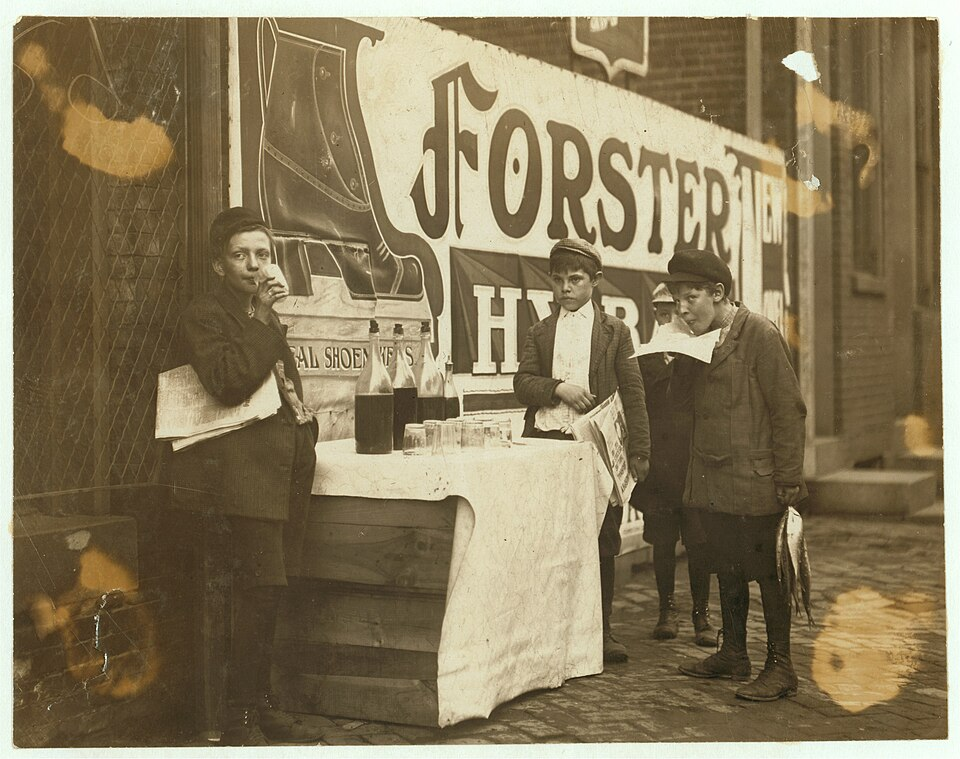
The odd jobs children did for money in 1966 look trivial, and the sequence of things a ten-year-old had to do in order to earn anything is worth laying out, because almost none of it is available now.
First, find the work. Nobody offered it – you knocked, explained what you were selling and were refused, repeatedly, until somebody said yes. That is a complete sales process run by a child.
Second, name a price. There was no rate card, so a figure had to be proposed out loud to an adult standing in front of you and then defended or conceded. Most children were bad at this initially, and learning to do it without flinching is a real competence.
Third, deliver something judged on sight. A lawn cut badly or a path half cleared meant that house never asked again – and nobody explained why. The feedback was immediate, total and silent, which is a harsher and clearer signal than any complaint.
Fourth, live with your reputation. Neighbours talked, so good work produced three more houses and bad work closed doors you never knew had closed. That is a ratings system with no appeal, and it rewarded consistency above all – the child who turned up when they said they would was worth more than the one who worked faster.
The two staples were mowing and shovelling, and the difference between them is a lesson in itself. Grass can wait a week; snow cannot. A child with a shovel on a path at eight in the morning is selling something the customer needs right now, which is why winter work paid better – and that is the first thing anybody ever learns about pricing.
Everything else was a long tail: raking, windows, a car, carrying things out of a cellar, fetching. Those were where the real thinking happened, because each one had to be priced from nothing, with time, effort and willingness to pay all estimated on the spot.
The economics had one defining feature: no capital. Children rarely owned tools, so the work was done with the customer’s mower or something borrowed from a garage at home – which made these jobs accessible to anybody and also capped them at tasks where the equipment was already on site.
Then the payment, which is the part that mattered most. Cash, immediately, in your hand, from the person who benefited. Two hours of effort becomes a specific amount of money at the end of those two hours, and that welds work to money in a way nothing else does.
And it was entirely yours. Unlike an allowance, nobody set conditions on money a child had earned from a stranger – most families recognised that distinction explicitly – so a child spending their own earnings badly was learning something no allowance can teach. Almost all of it was accumulating toward one named object, which is the same mechanism the trading stamp catalogue and the Christmas club sold: nobody works for an abstraction, they work for a bicycle, and they can tell you exactly how many lawns it is.
The ones who understood it best went further. A boy with more customers than time handed jobs to a younger sibling or neighbour for a cut – which is having more demand than capacity and solving it by buying somebody else’s labour at a margin, worked out alone, at twelve.
None of it was recorded. No tax, no paperwork, no agreement – cash and memory, entirely below any formal system. That informality is exactly what made it possible: a deal struck in thirty seconds on a doorstep, which a single sheet of paper would have killed.
Which is also why it went. Commercial services with equipment, predictable prices and insurance gave householders a better option, and the demand simply stopped existing. The children did not change. There was nothing left for them to sell.
If you ever cut a stranger’s grass for money, remember what you had to do first.
You had to knock on the door and say a number out loud.
Like our content? Follow us for more.