

Somewhere in a great many American families there is a quilt, an apron, a child’s dress or a set of curtains made out of printed cotton with a small repeating pattern – sprigs of flowers, tiny geometrics, nursery figures, checks.
It came off a feed sack.
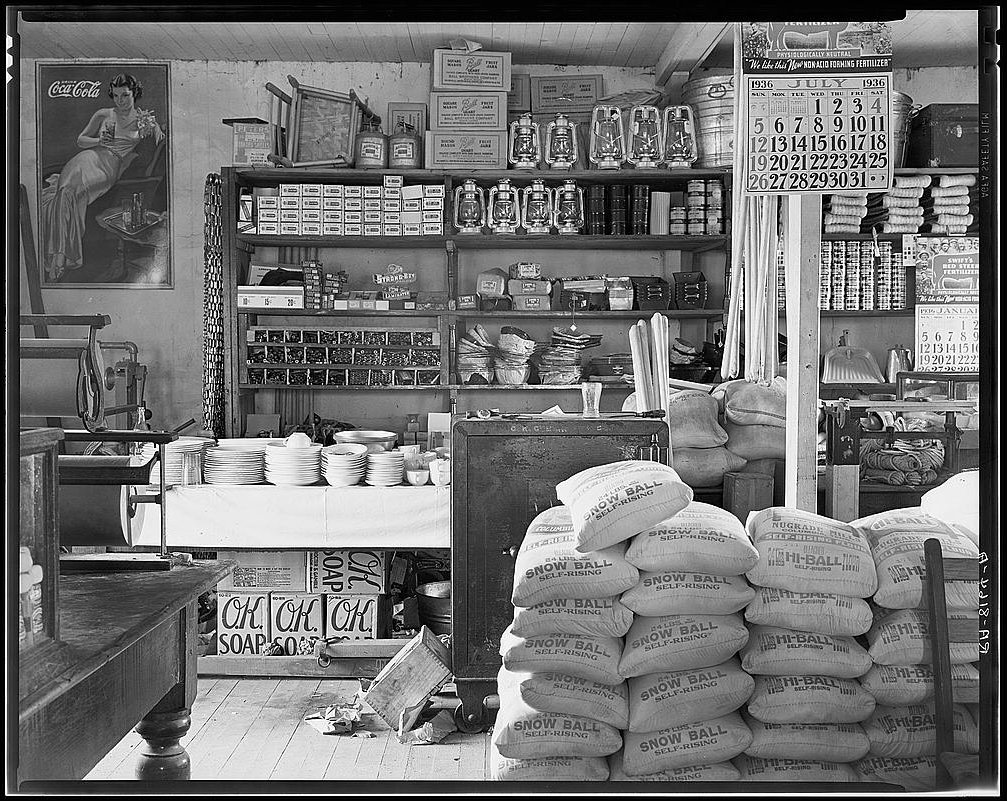
For a stretch of several decades, the sacks that held American flour, sugar, feed, seed and meal were made of good-quality cotton cloth, and households took them apart and sewed them into clothing and household textiles. That much is reasonably well known and gets mentioned whenever thrift during hard times comes up.
The part that gets left out is the commercial manoeuvre underneath it. The companies filling those sacks worked out that in a farm household the woman frequently decided which brand of feed got bought, because she was the one who wanted the cloth – and so they started printing patterns on the bags deliberately, competing on fabric design to sell animal feed.
That is one of the stranger marketing situations in American commercial history, and it ran for years.
Why the Sacks Were Cloth in the First Place
The cotton bag was not a gift to households. It was the best available packaging.
Before cheap multi-wall paper and long before plastic, a container for a hundred pounds of flour or feed had to be strong, cheap, reusable, and capable of being sewn shut and then opened again. Woven cotton did all of that. It took rough handling, it survived being thrown onto a wagon, it could be stacked, and it could be stitched closed by machine at the mill.
So for a long period that is simply how bulk dry goods moved: in cotton sacks, by the hundredweight, from mills to stores to farms.
And once there is a cotton sack in a household, there is cloth in the household. A farm family buying feed by the ton over a year accumulated a significant quantity of usable fabric as a by-product of ordinary purchasing – which in a cash-poor rural economy was not a trivial amount of value.
Like our content? Follow us for more.
Plain Sacks Came First and Were Used Anyway
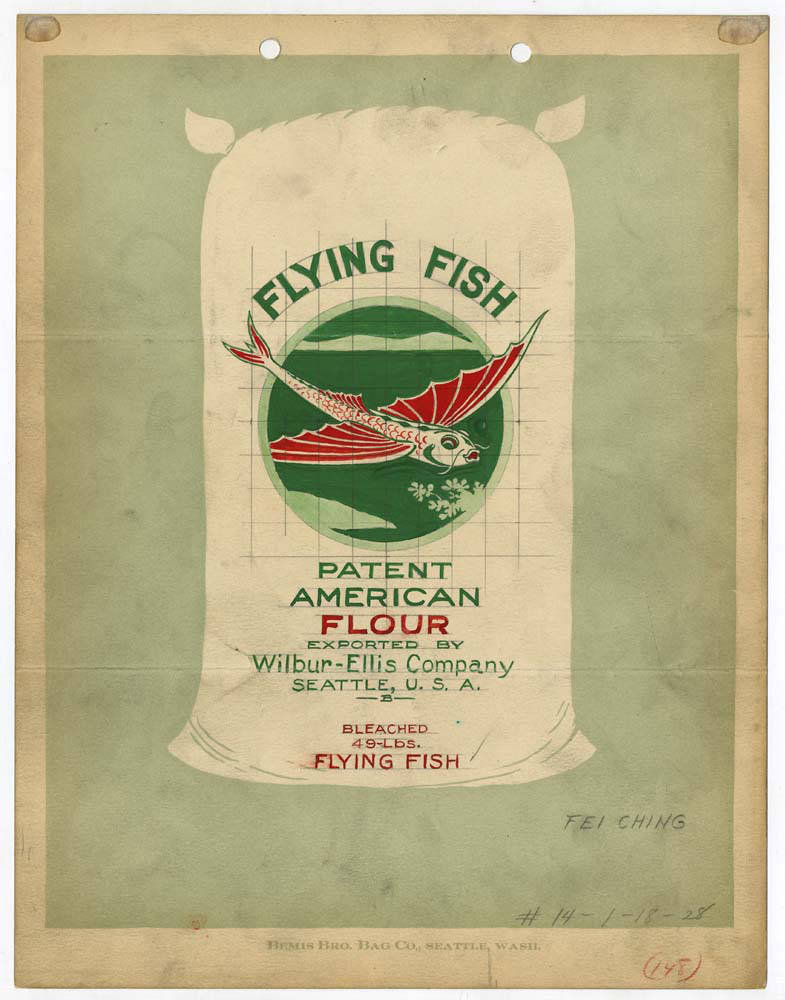
The earliest sacks were plain and carried the mill’s name, weight and trademark printed directly onto the cloth in heavy ink.
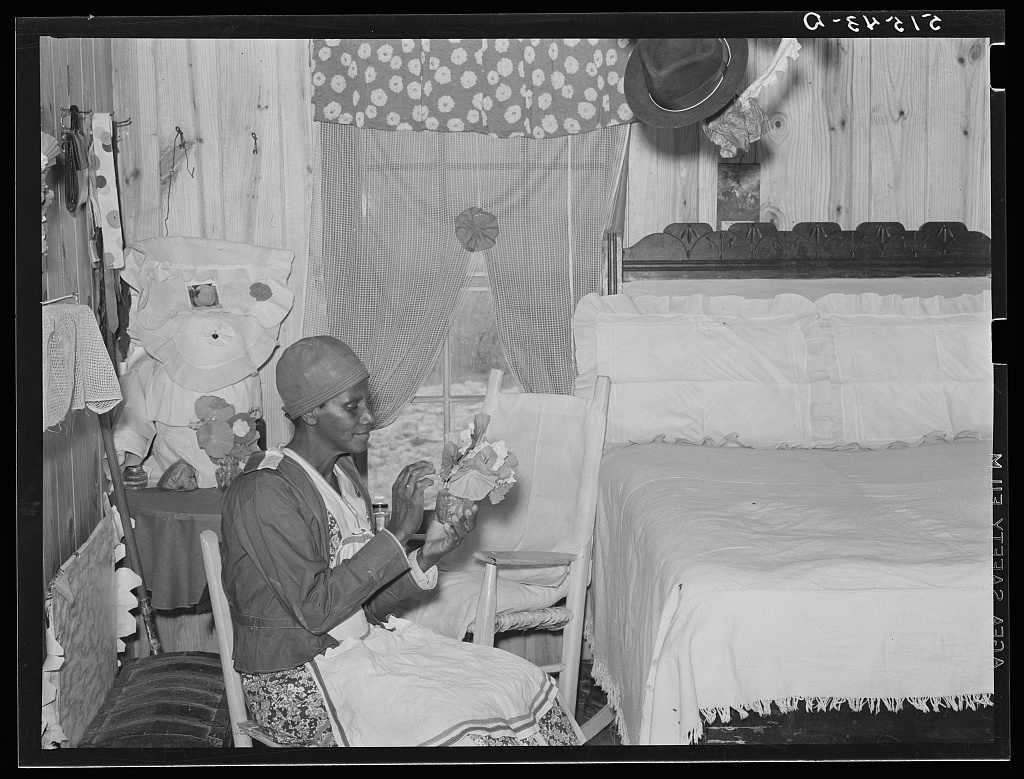
Households used them regardless. Sacks became dish towels, pillowcases, sheets, underwear, children’s clothes, diapers, curtains, quilt backing, aprons and sacking for everything imaginable. The printing was the problem, and removing it became a recognised domestic skill with a body of folk methods behind it – soaking, repeated washing, sun bleaching and various household treatments, all aimed at getting the mill’s name off before the cloth could be used for anything anybody would wear in public.
That last point is the social fact that drives the whole story. A garment visibly made from a feed sack announced the household’s economic position, and people cared about that enormously. A child sent to school in a dress with a trademark showing through was a child whose family was being read, by everybody, on a subject nobody wanted read.
So the removal of the printing was not fussiness. It was the difference between usable cloth and a public statement.
The Companies Noticed Where the Decision Was Being Made
Here is where it becomes commercially interesting.
Feed, flour and meal were largely interchangeable products. One mill’s laying mash is much like another’s, the prices were comparable, and a farmer choosing between two sacks at the feed store had no strong reason to prefer either.
But the sack itself was not interchangeable, because the sack had a second life. And in a great many households the person who cared about that second life – and who therefore had a firm opinion about which brand to buy – was the woman of the house, who was going to be sewing with it.
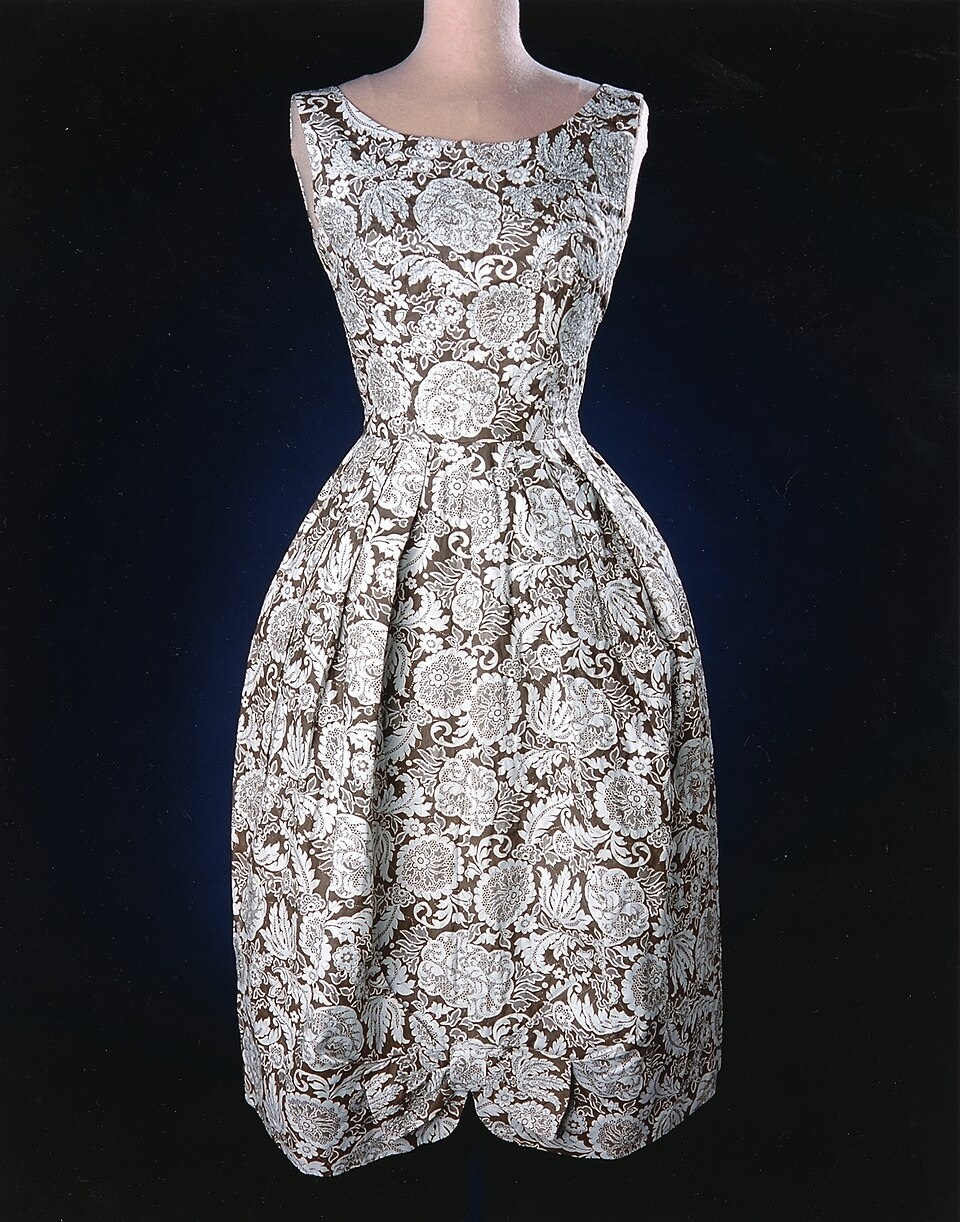
Once the companies understood that, the logic was unavoidable. If the cloth is what differentiates the product, improve the cloth. So the ink moved onto a paper label that could be soaked off, or onto a tag, or into a thread pattern that could be unpicked. And then, decisively, the sacks themselves began to be printed with actual dress fabric patterns.
Mills commissioned textile designs. They ran seasonal patterns. They issued prints in coordinated ranges so that several sacks would work together in one garment, which mattered because a dress took more than one sack and a woman needed to be able to find matching bags. They printed children’s patterns, nursery prints, holiday designs. They supplied sewing patterns and instruction leaflets showing what could be made from a given number of sacks. Some printed doll patterns or toy pieces directly onto the cloth so the sack became the project.
A feed company was, in effect, operating a fabric business as a marketing department.
Which Created Real Social Dynamics at the Store
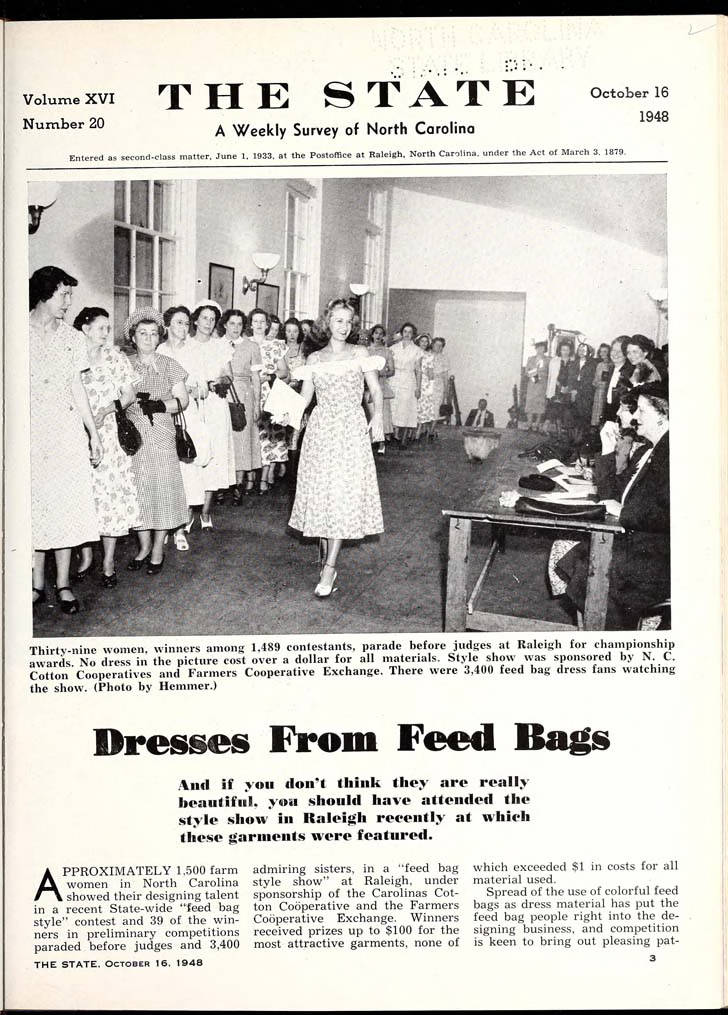
The consequence at the point of sale was that buying feed became a cloth-shopping expedition, with all the behaviour that implies.
Women went to the store to look at the sacks. They needed multiples of one pattern, which meant digging through a stack to match, asking the storekeeper to hold bags, arranging to get the next delivery of a particular print, and trading with neighbours who had a bag of something you needed and wanted one of yours.
Pattern swapping between households was a genuine informal network. So was the business of buying feed you did not strictly need because the sack was the right print, which is exactly the behaviour the mills were hoping for.
And it changed the social meaning of the cloth. A dress made from a printed sack was not legible as a feed sack dress in the way a plain one had been, because the print was a dress print. That removed the stigma, which is the single biggest difference between the plain era and the printed era – the cloth went from being something to disguise to something to choose.
The Honest Accounting
It would be easy to tell this as a charming story about ingenuity, and it is partly that. It is worth being clear about the rest.
Households were sewing clothes out of packaging because cloth cost money they did not have. The practice was most widespread in the poorest rural areas and during the hardest periods, and the women doing it were performing a great deal of skilled unpaid labour to clothe their families – cutting, matching, fitting and constructing garments from a material with awkward dimensions and seams in inconvenient places.
The mills, meanwhile, were extracting competitive advantage from that poverty, rather cleverly, and at essentially no cost to themselves since they had to put the feed in something anyway.
Both of those are true. The cleverness of the women is real and so is the cleverness of the marketing, and the reason the whole arrangement existed is that a lot of American families could not afford fabric.
It is also true that the arrangement genuinely benefited both sides, which is why it lasted and why the surviving recollections of it are so frequently fond rather than bitter.
The Sack Had Awkward Dimensions and That Shaped the Garments
The cloth came in a fixed size and that constraint is visible in everything made from it.
A sack is a tube with a seam, closed at the bottom and stitched at the top. Opening one out gives a rectangle of a particular size – not a bolt of cloth you can cut freely, but a defined panel with its own edges, and with the stitching holes along two of them where the thread had been pulled out.
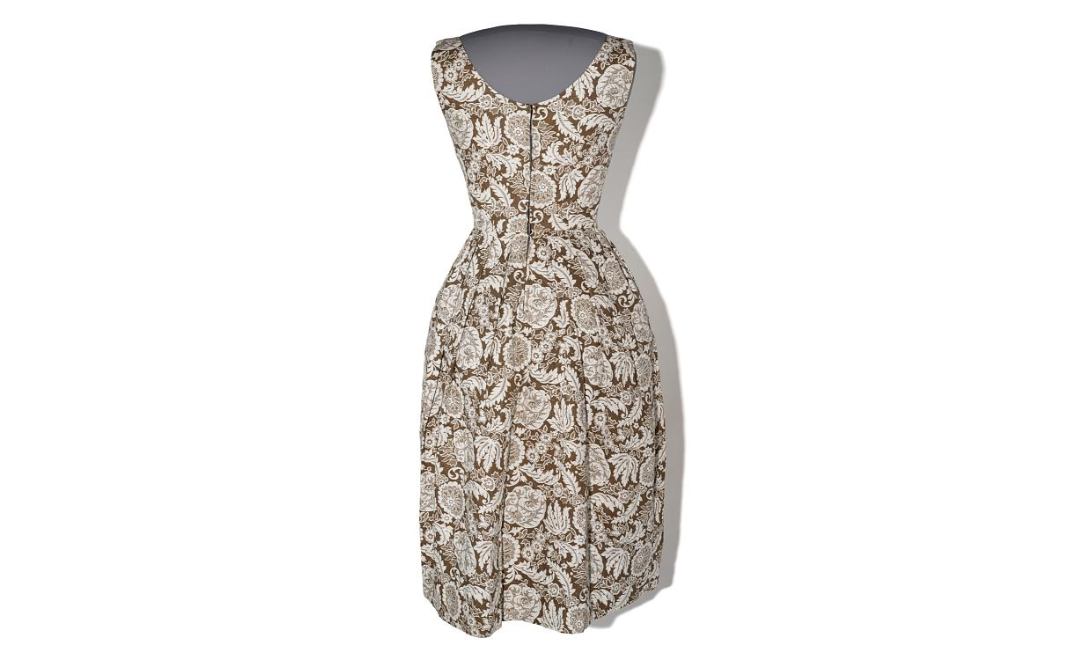
That dictated what could be made. One sack is a pillowcase, an apron, a child’s garment or a set of quilt pieces. A woman’s dress needs several, matched, which is why coordinated prints and findable repeat patterns mattered so much commercially. Curtains need a count that divides evenly across a window. A shirt needs the pieces laid out to avoid the seam lines falling anywhere visible.
So the sewing involved a planning stage that ordinary dressmaking does not: working out whether the garment you want can be got out of the panels you have, and adjusting the garment if it cannot. Experienced sewers knew what each number of sacks would yield and shopped accordingly.
Paper and Plastic Ended It
The printed sack era closed for straightforward packaging reasons.
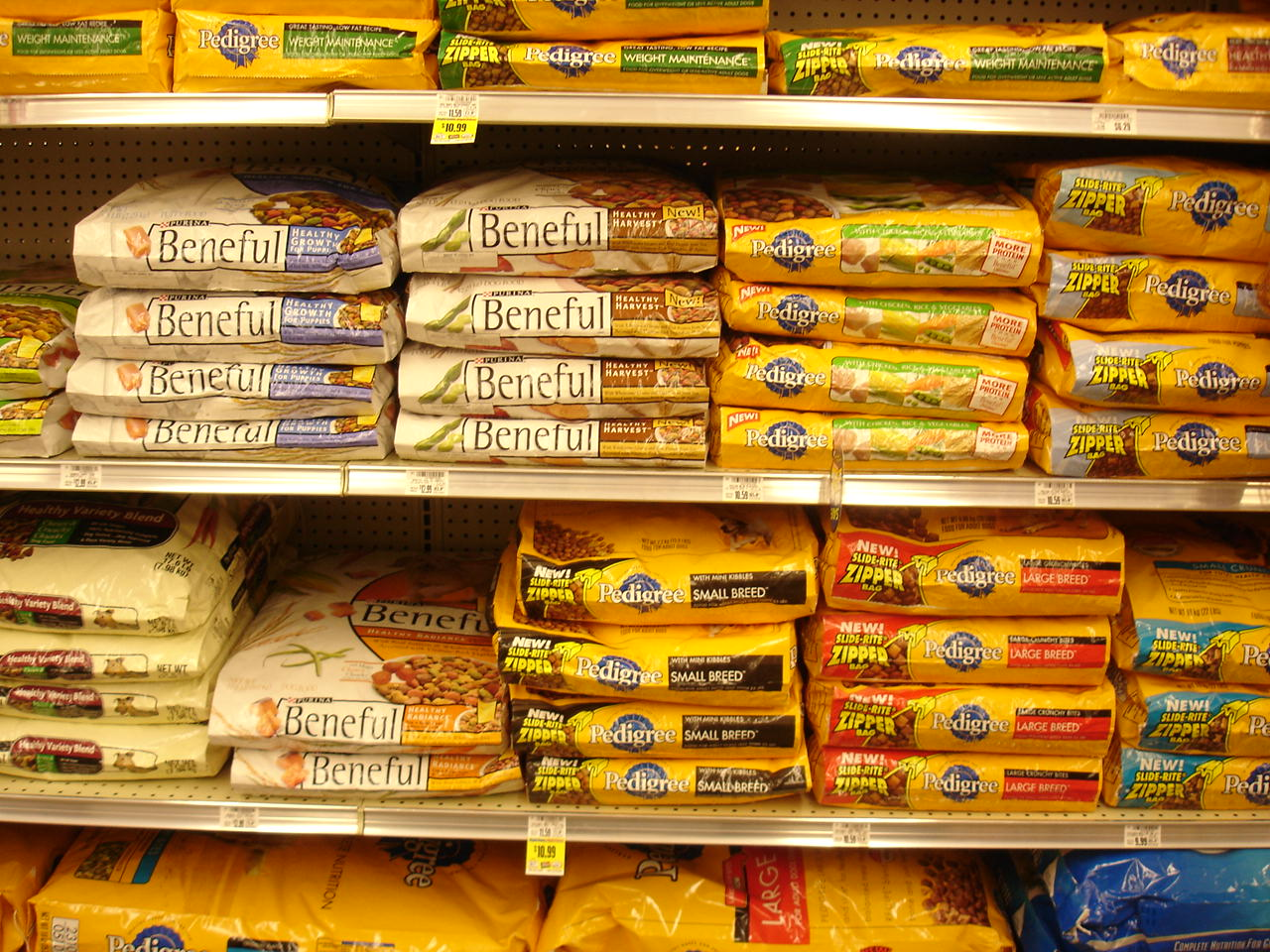
Multi-wall paper bags became cheap, strong enough and lighter. Then woven polypropylene and plastic-lined sacks arrived, which are cheaper still, resist moisture, and do not rot – which is a real advantage for a product stored in a barn. Bulk handling moved increasingly to bins, augers and tank trucks, removing the bag from the equation entirely for large buyers.
At the same time the demand side collapsed. Ready-made clothing got cheap in real terms, cotton fabric got cheap, and household incomes rose – so the reason to build a dress out of packaging disappeared from most households around the same time the packaging stopped being cloth.
The two curves crossed, and the printed feed sack simply stopped existing. The mills had no reason to print fabric, because nobody was choosing feed by the bag any more.
The Pattern on the Quilt Was a Sales Pitch
So the cloth in that family quilt carries more history than it is usually credited with.
It is evidence of how bulk goods were packaged before paper and plastic. It is evidence of a rural economy where cloth was a meaningful expense and a hundred-pound sack was a resource. It is evidence of a domestic skill base capable of turning awkward industrial packaging into fitted clothing. And it is evidence of a stigma severe enough that removing a trademark from cotton became a household craft with its own methods.
But the specific thing that pattern is – the sprigged floral, the small geometric, the nursery print – is a commercial decision made in a mill’s office by somebody who had worked out that the purchasing decision for animal feed was being made by a woman with a sewing machine.
The flowers were not kindness. They were competition, and they are the reason the quilt is pretty.
Like our content? Follow us for more.

