It Was a Truck With a Store Built Into It
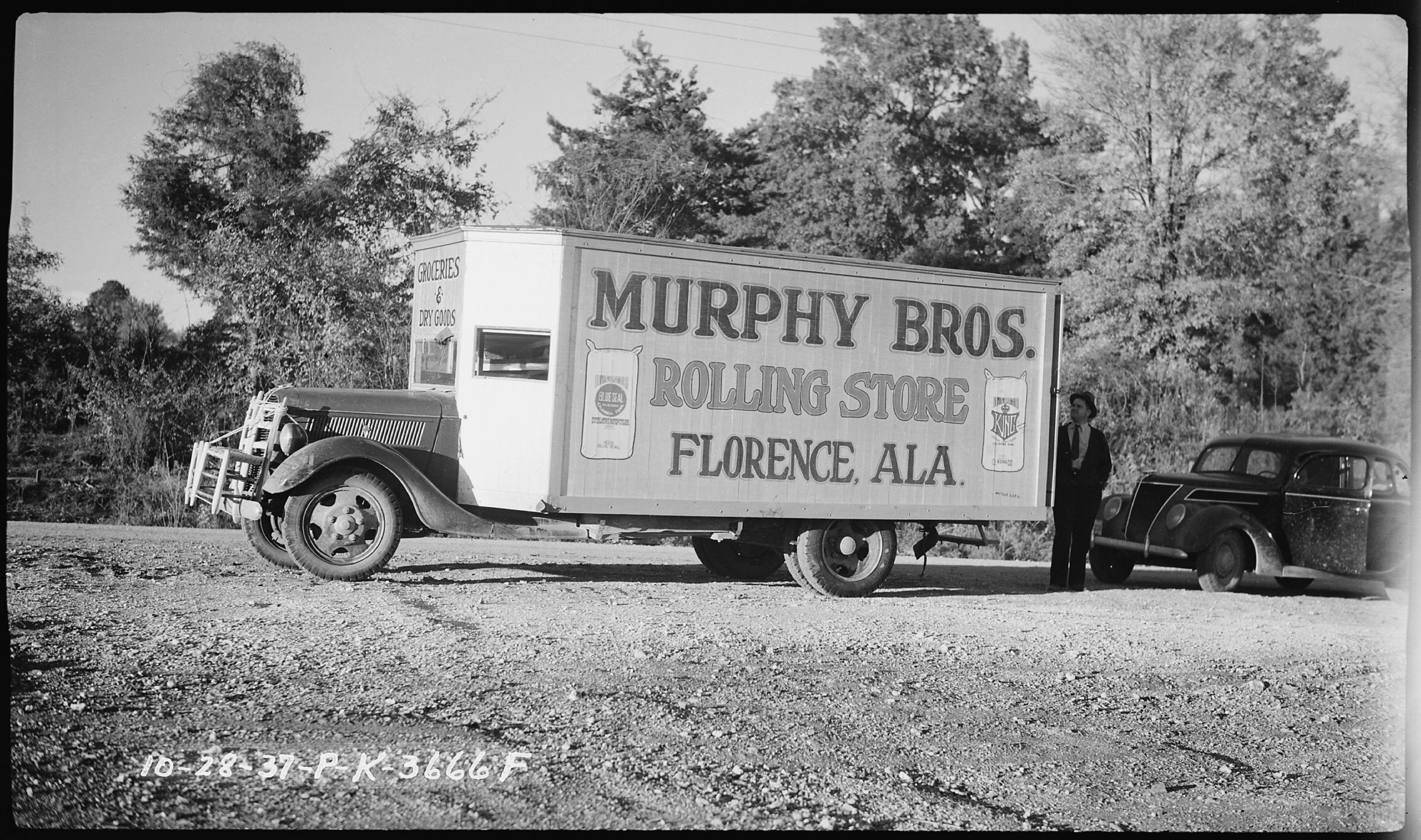
It came down the road on a set day, slowed at the gate, and stopped – a straight truck with a boxed body, doors at the back and frequently a side door with a step, and the whole interior fitted out as a shop.
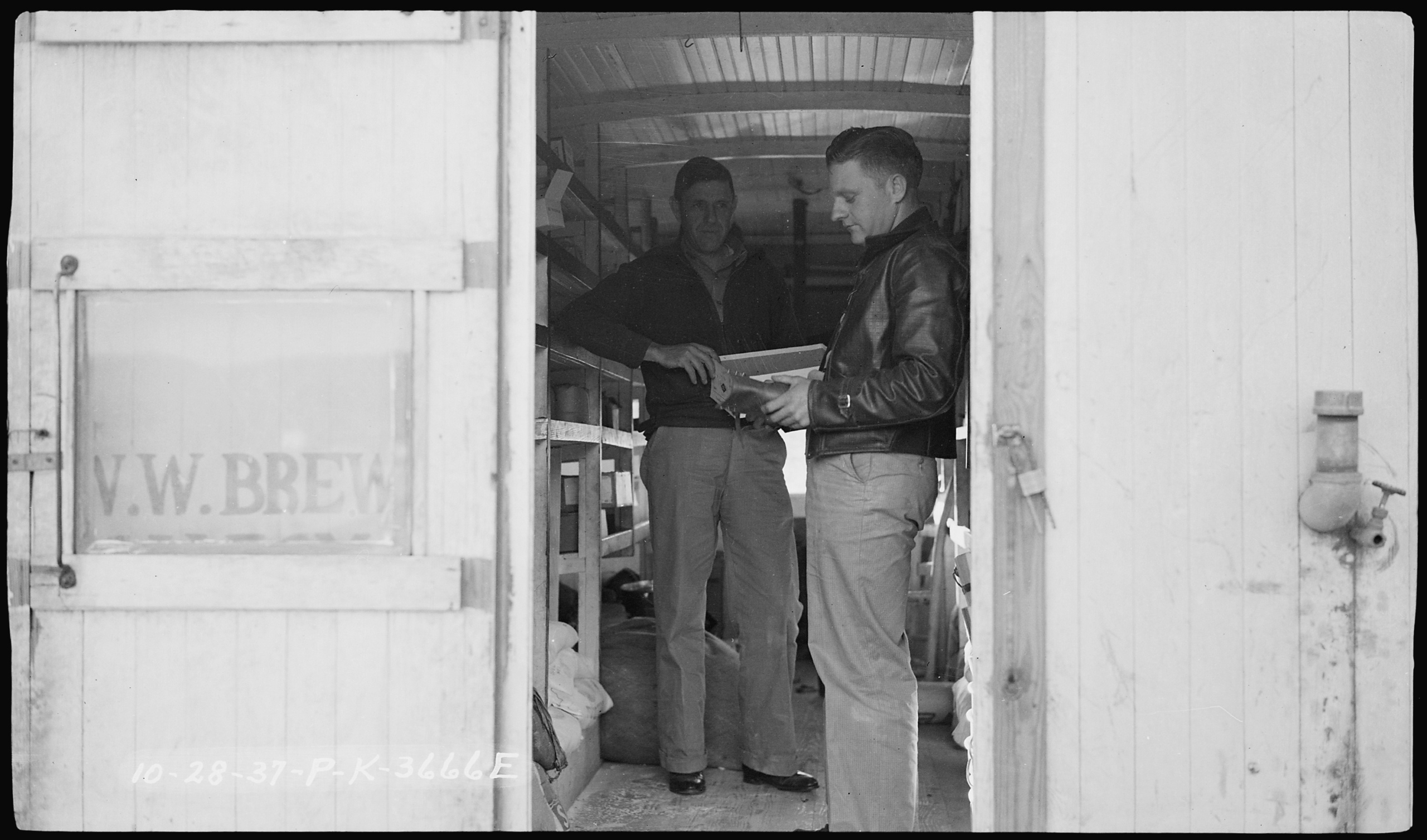
Along both walls were shelves and bins, floor to roof, with a narrow aisle between them. There was a counter, a hanging scale, a cash drawer, and a hook rail. Boxes were stacked in whatever floor space was left.
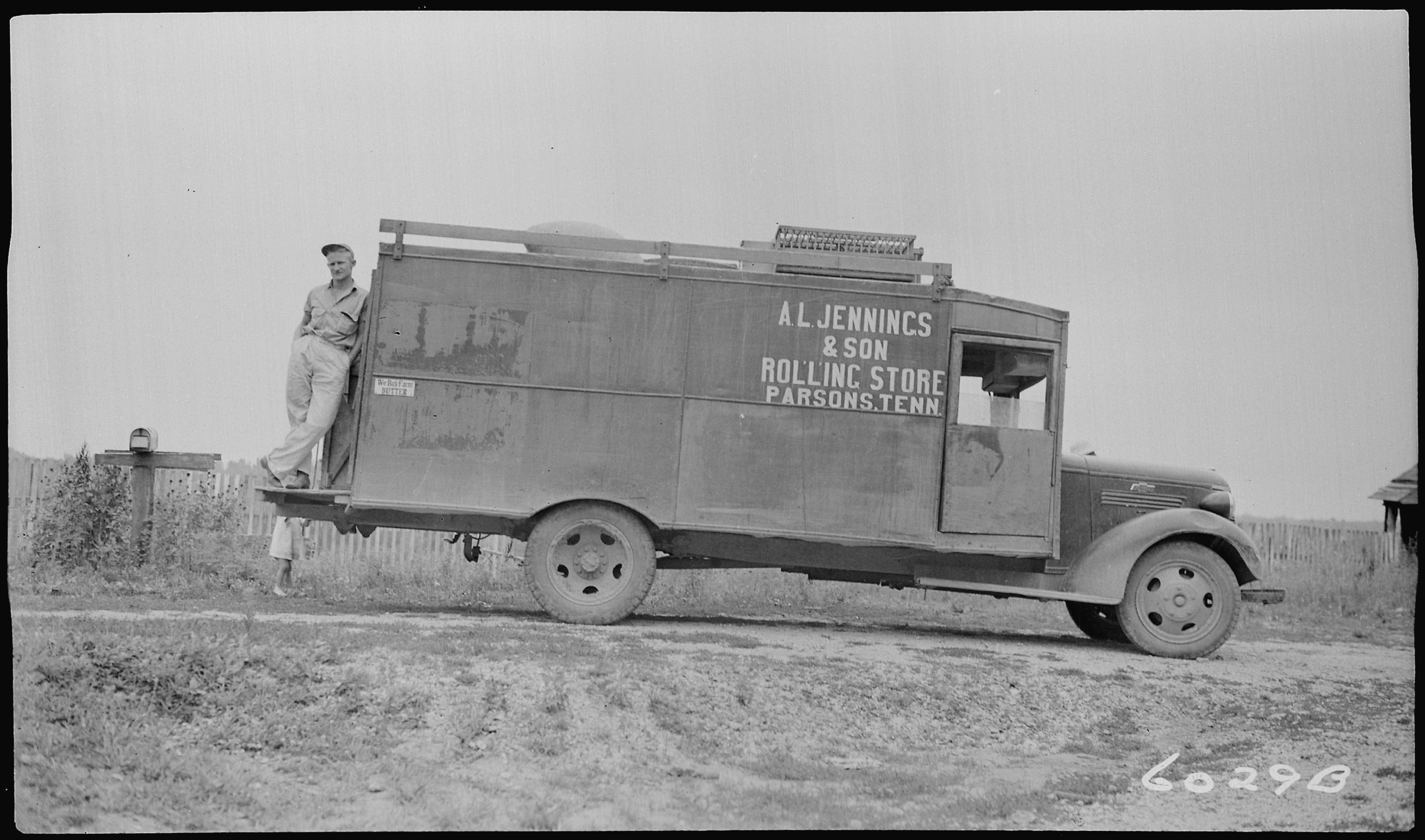
And on the back or the roof there was something that does not belong on a shop: crates, and in many cases a wire coop with live chickens in it.
Like our content? Follow us for more.
The Route Was Fixed and Everybody Knew the Day
The operation ran on a schedule. A particular road on a Tuesday, another on a Thursday, the far end of the county on a Saturday, week after week, for years.
Households knew their day and planned around it. A woman who needed something on a Wednesday either did without until Thursday or sent somebody four miles into town, and the whole rhythm of a farm’s small purchasing was organised around when the truck came.
Arrival was announced. The driver sounded the horn, or rang a bell, or simply drove slowly enough that everybody heard him coming – and in most households somebody was already at the end of the lane.
It Carried More Than You Would Think Fitted
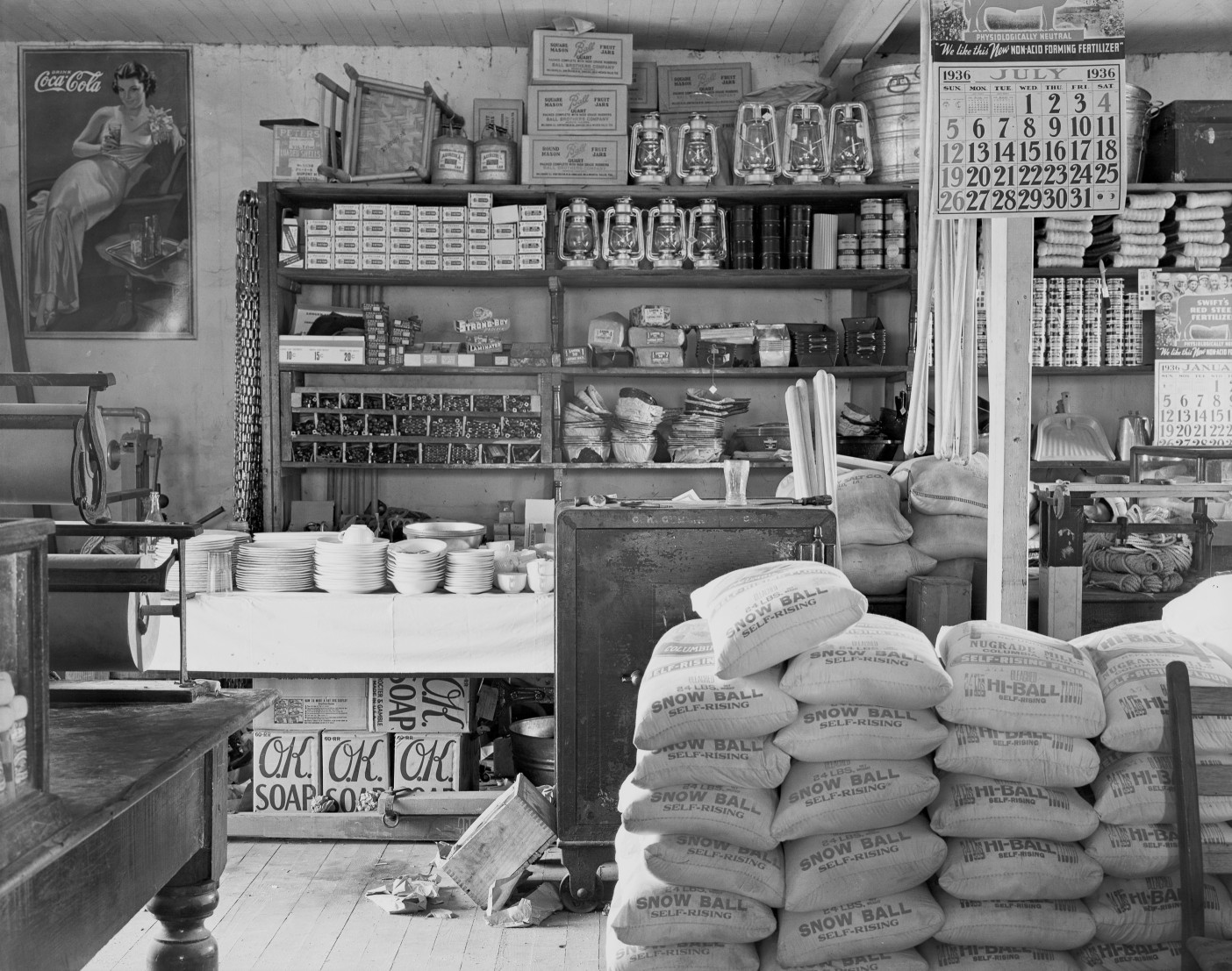
The stock was general and it was deep for the space.
Groceries: flour, sugar, salt, coffee, lard, canned goods, crackers, rice, beans, baking powder, spices, soap. Fresh bread and sometimes produce. Kerosene, pumped from a drum into whatever can you brought.
Dry goods and notions: thread, needles, pins, buttons, elastic, snaps, lengths of cloth, stockings, overalls, work shirts, socks, shoes and shoelaces.
Hardware and household: nails by the pound, rope, lamp chimneys, wicks, matches, brooms, pails, tin wash basins, horse liniment and stock remedies, fly spray.
And on a shelf at the front, where the children could see it, candy – sold by the piece, which is what every child on the route was there for.
It Bought as Well as Sold, and That Was the Point
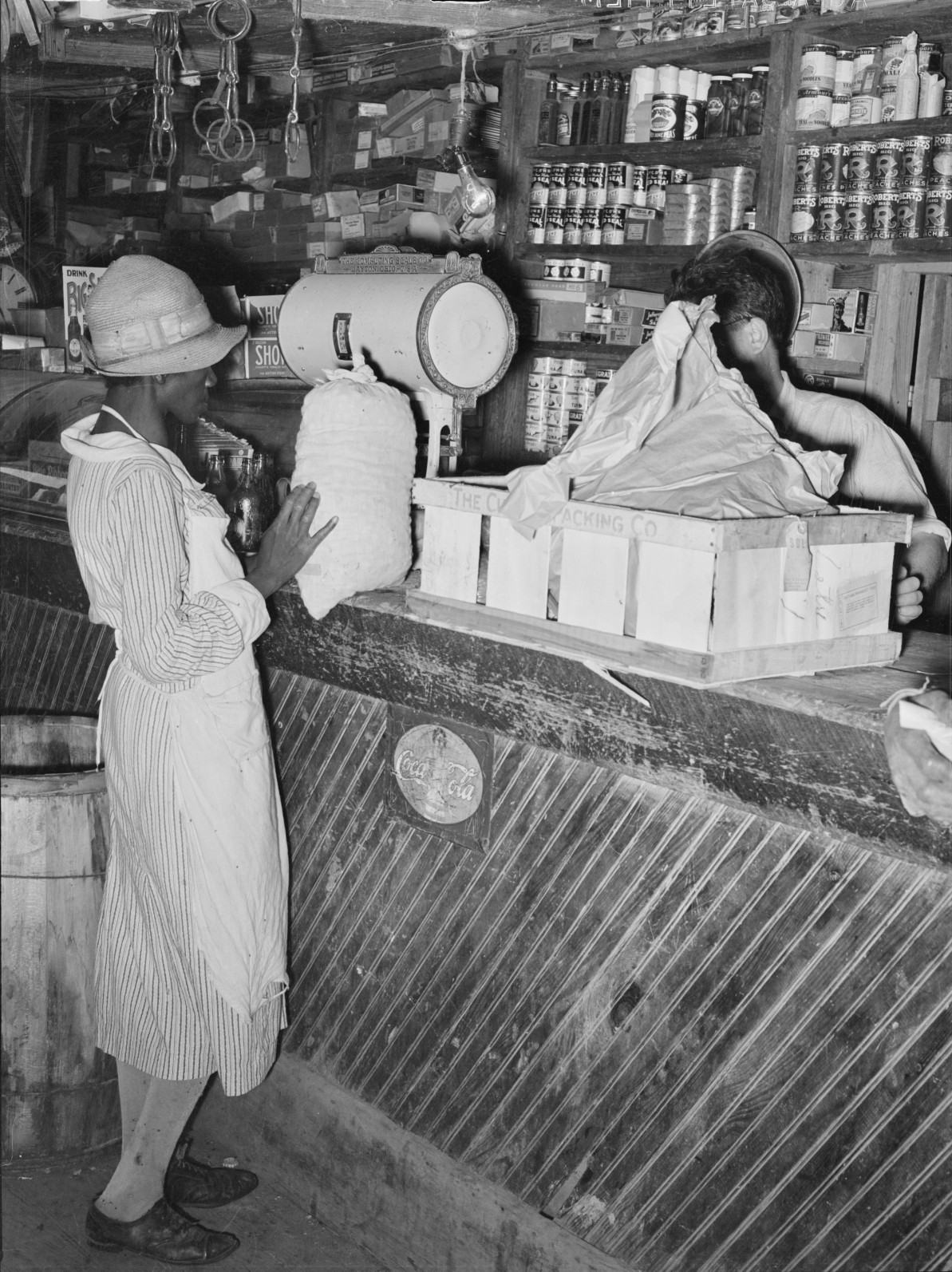
Here is the half of the business that distinguishes it from anything that has existed since, and it is not a detail.
The rolling store was a two-way market. The driver bought from the household on the same visit: eggs, by the dozen or the crate; live chickens, weighed on the hanging scale and put in the coop on the roof; cream in a can; sometimes hides, scrap metal, rags, herbs or nuts.
The value of what the household sold was credited straight against what it bought. A woman brought out six dozen eggs and a hen, and against that took flour, coffee, thread and a pair of shoes – with the difference settled in cash either way, or carried on the book.
Which means a farm with almost no money could still shop. That is the whole significance of the arrangement and it is very easy to miss: the truck was not solving a transport problem for people who had money and no store. It was solving a payment problem for people who had produce and no cash.
The Prices Were Higher and Nobody Minded
It is worth being honest about the economics rather than romanticising them.
A rolling store charged more than a store in town, for obvious and legitimate reasons: a truck, fuel, a driver, a route covering many miles for a modest number of small sales, and stock carried at the operator’s risk.
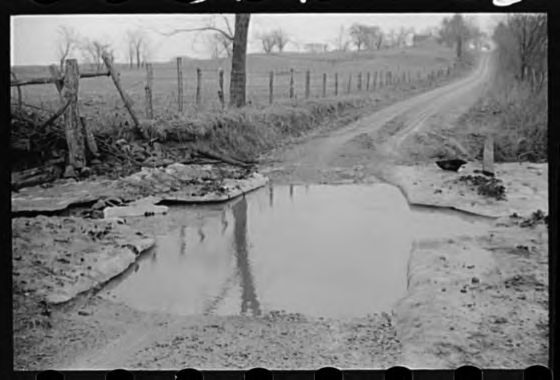
Households understood this perfectly and bought anyway, because the comparison was not against the town price. It was against the cost of getting to town – which for a farm without a car, or with one car that the man had taken to work, or on a road that was impassable for part of the year, could be a half-day round trip with a horse or a long wait for a neighbour.
Against that, a premium of a few cents on a pound of coffee is nothing at all.
Credit Was Carried on a Book and It Was Local Knowledge
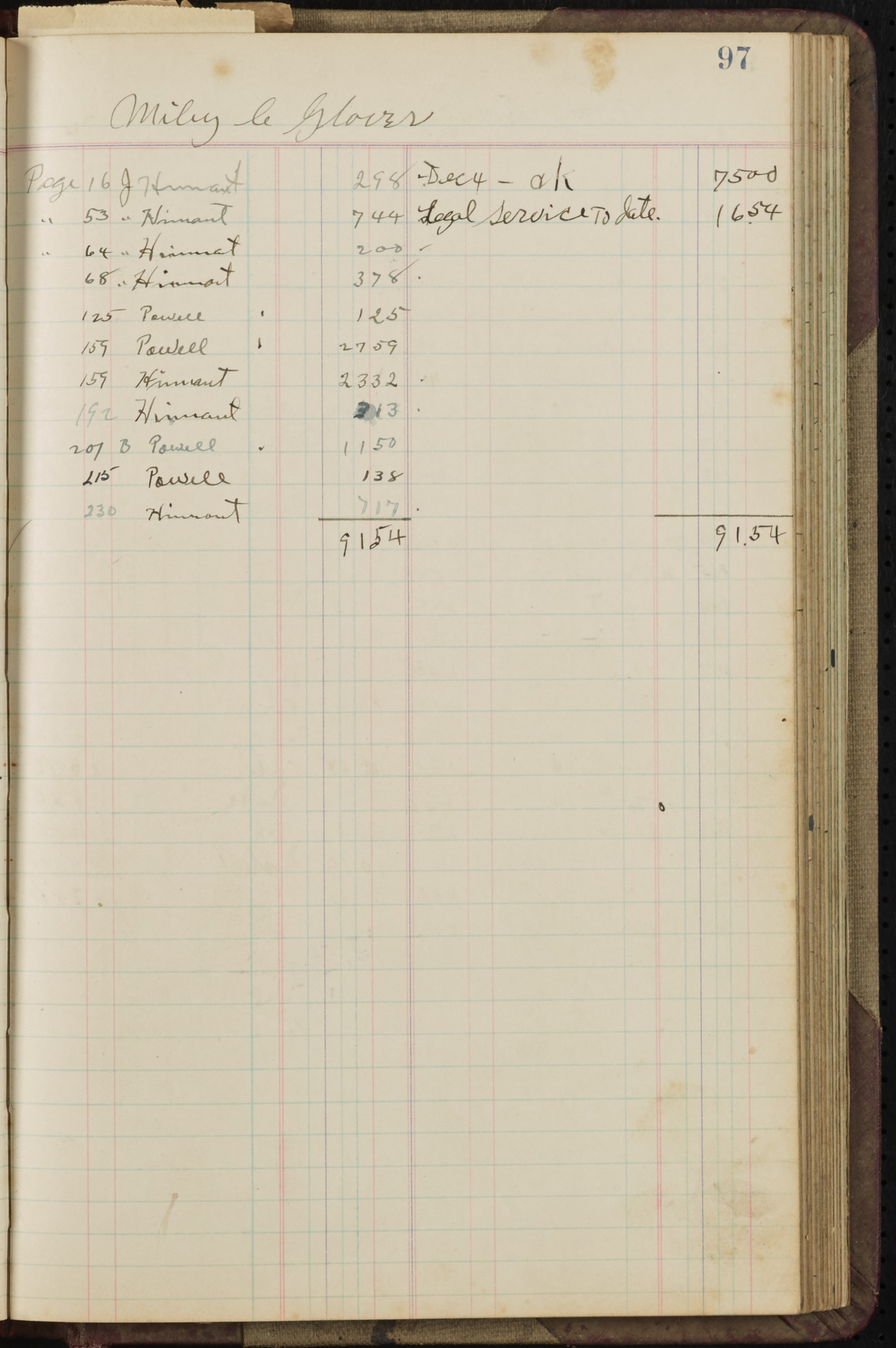
Accounts were kept in a ledger or a stack of small books, and they were settled when the household had money – after a crop, after a sale, after a cream cheque.
The whole thing ran on the operator’s judgement about people. He knew which households paid, which ones needed more time, which ones had had a bad year and which ones were in genuine difficulty – and he extended or withheld accordingly, without any paperwork beyond the book.
That is an unsecured lending operation run entirely on personal knowledge, conducted by a man in a truck, across a hundred households, for decades. It worked because he saw everybody every week and because defaulting on the rolling store in your own community was not a survivable thing to do.
The Driver Carried News and Did Favours
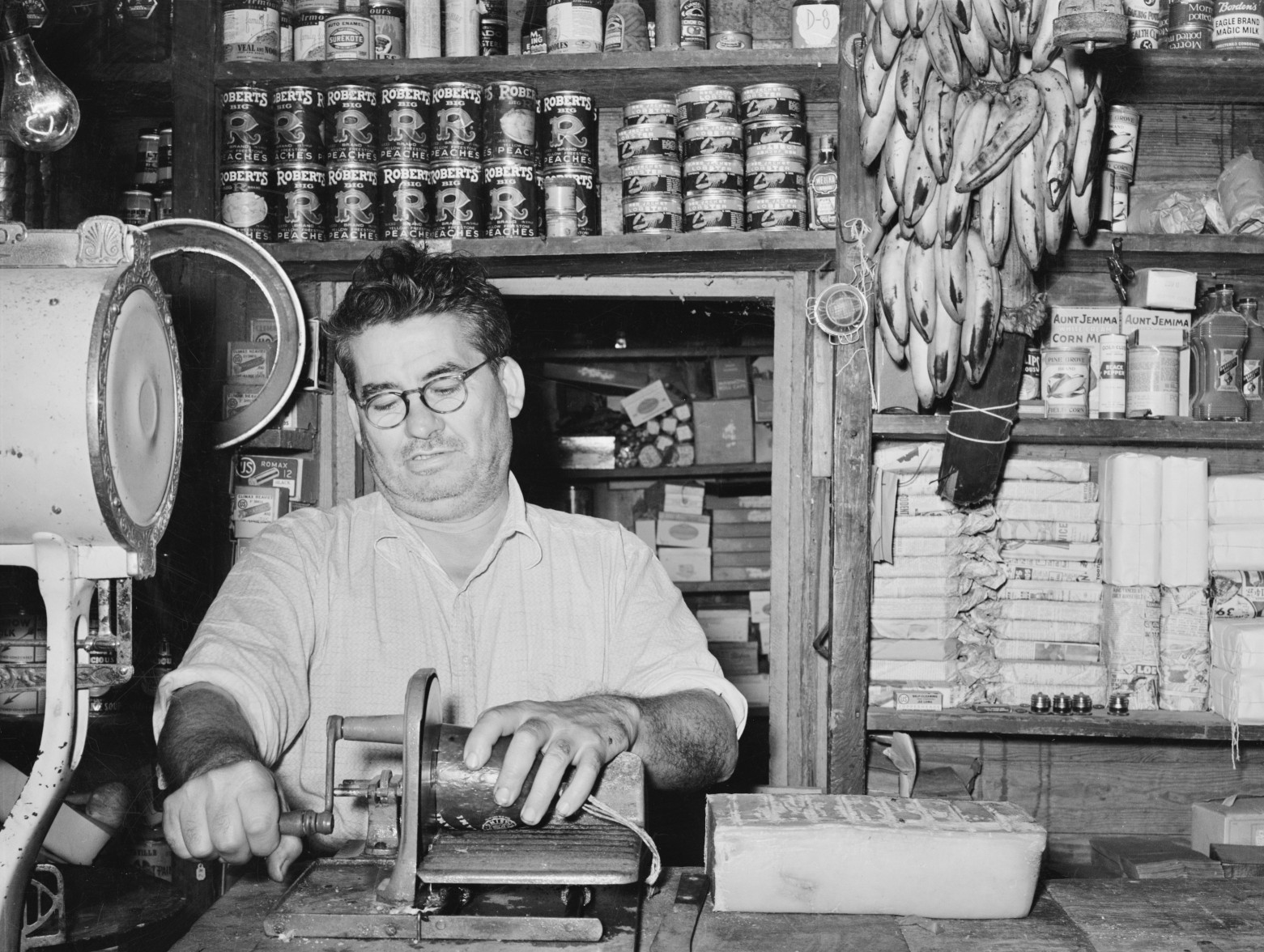
The second product was information, and it was not incidental.
A man who called at every farm on a road once a week knew who was ill, who had had a baby, whose cattle had got out, who was selling a mower, who had come home and who had left. He passed all of it along, in both directions, as a matter of course.
He also ran errands. He carried a letter to the post office, brought a prescription back from town, delivered a message, picked up a part, took somebody’s chickens to the produce house, and in an emergency gave somebody a ride.
None of that was in the business. All of it was why the business kept its customers.
The Arrival Was an Event for Children
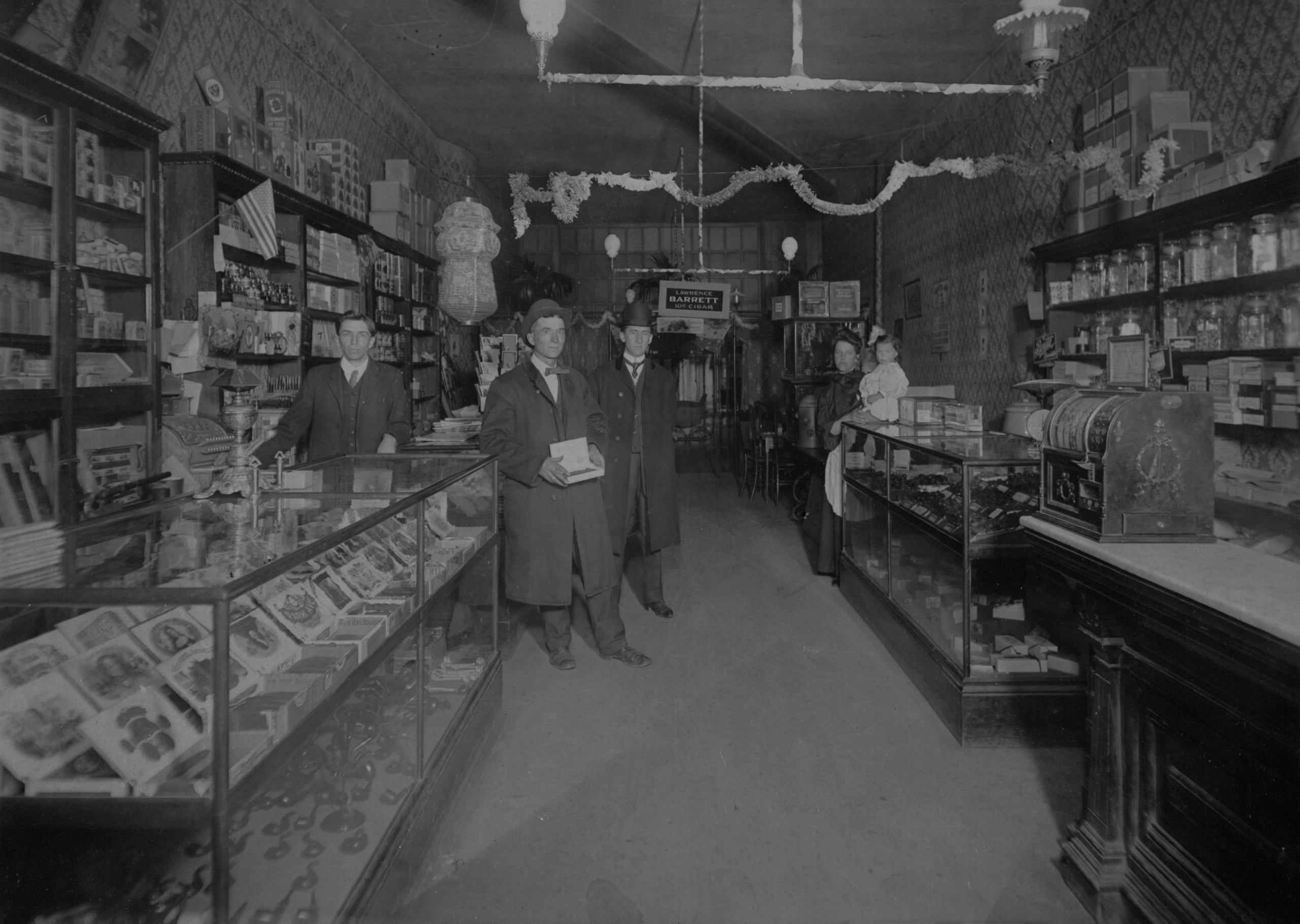
Every account of these trucks from somebody who was a child at the time says the same thing, and it is worth recording as its own fact.
The rolling store was the most interesting thing that happened on that road in a week. It was a shop that came to you, you were allowed inside it, it smelled of coffee and kerosene and leather and candy all at once, and there was a shelf of candy at the front at child height.
Children were given a penny, or earned one, or were bought something while their mother traded eggs. And a very large number of Americans who grew up on back roads in this period can still describe the inside of that truck in detail, decades later, including where the candy was.
Four Things Ended It
The roads came first, and they were decisive. Paved and graded all-weather roads reached a large share of rural America across the middle of the century, and a road a car can use in March removes the entire reason the truck existed.
Then the car itself. Once a farm household had a reliable vehicle – and increasingly a second one – going to town stopped being a half-day expedition and became an errand.
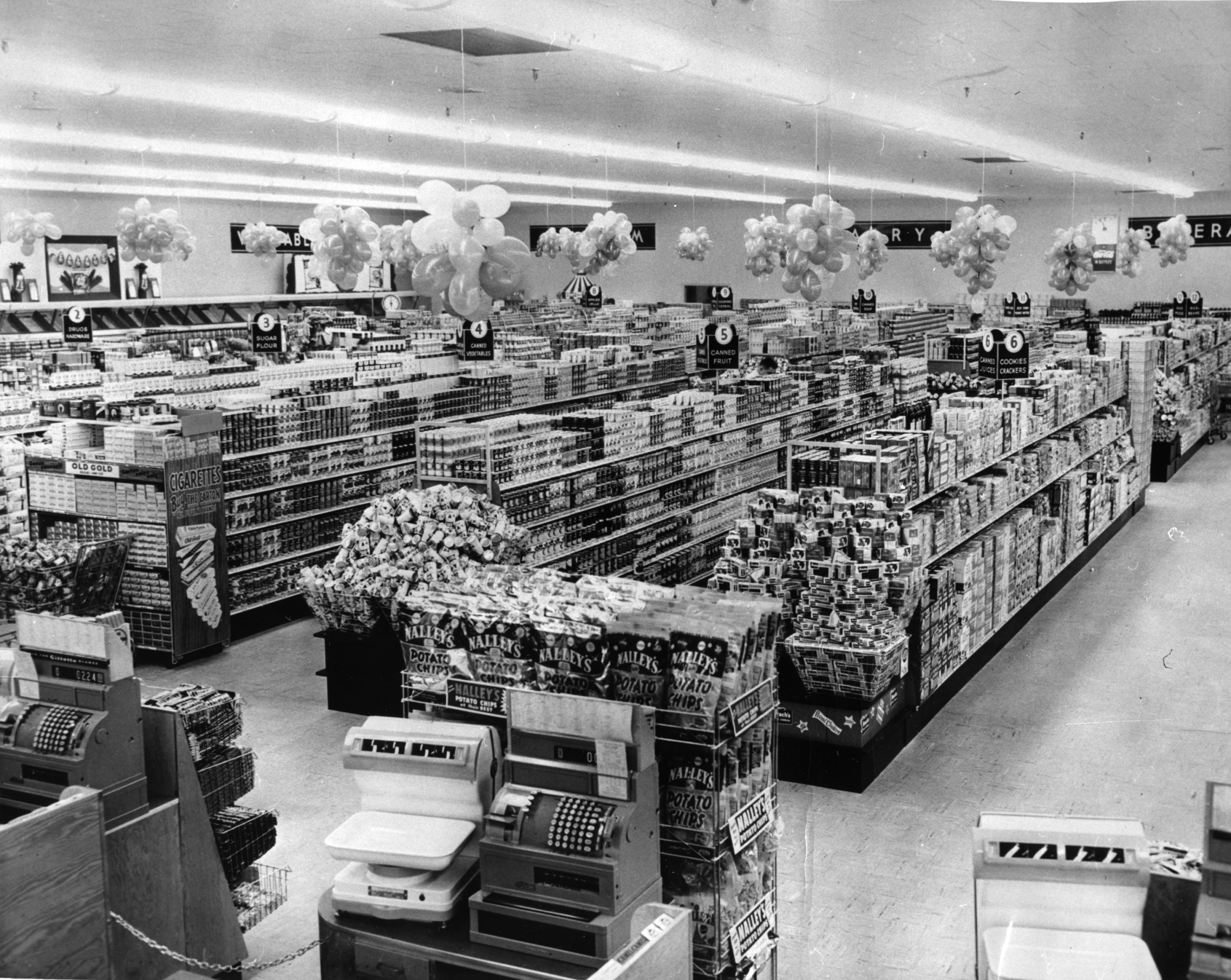
Then the supermarket, which could not be competed with on either price or range. A truck carrying a few hundred items at a premium cannot stand against a building carrying several thousand at a discount, once the customer can drive to it.
And finally the produce side collapsed. As household poultry and dairy flocks disappeared in favour of commercial production – and as sanitary regulation quite properly tightened around eggs, poultry and cream – the farm stopped having anything to trade, which removed the half of the transaction that had made the truck indispensable.
The Twist: Delivery Came Back and the Exchange Did Not
Mobile retail is not extinct. Groceries are delivered to American doors in enormous volume, ordered from a screen, brought by a van, frequently within hours – and on access alone that is a vastly better service than a truck that came on Tuesdays with four hundred items.
So the transport problem has been solved comprehensively, and anybody arguing that the huckster wagon was superior as a shop is not paying attention.
But look again at what the rolling store actually did, because only half of it has been replaced.
It bought. That is the thing. A household with six dozen eggs, two hens and no money could obtain flour, coffee, thread and shoes, because the truck was a market in both directions and the operator would take goods in payment. The transaction did not require cash, a bank account, credit approved by anybody, or any relationship with a financial institution – only produce and a man who knew you.
Modern delivery requires a card. It requires an account, a payment method, a billing address and a credit or debit facility at an institution – which is unremarkable for most people and is an absolute barrier for the households the rolling store existed to serve. You cannot pay a delivery app in eggs.
So the service that reached the poorest and most isolated American households has been replaced by one that reaches the connected and the banked. That is a real improvement for the great majority and a straightforward loss for a minority, and the minority is the same one it always was.
The trucks themselves mostly went to scrap, which is a pity, because the inside of one was a remarkable piece of space planning. A few survive in museums, and the thing visitors comment on first is the hanging scale by the door.
That scale was not for weighing what you bought. It was for weighing what you sold.
Like our content? Follow us for more.