Very few children asked for music lessons and a great many adults are steadily grateful they had them. Here are twelve things anyone who went through it will recognise.
1. The Teacher’s Front Room
Lessons happened in somebody else’s house, in a room you were only ever in for that reason, with its own furniture, smell and rules.
You sat in the same chair every week for years and never saw the rest of the house. The teacher’s front room is the music lesson setting almost everyone shared.
Like our content? Follow us for more.
2. Practising Being Measured in Minutes
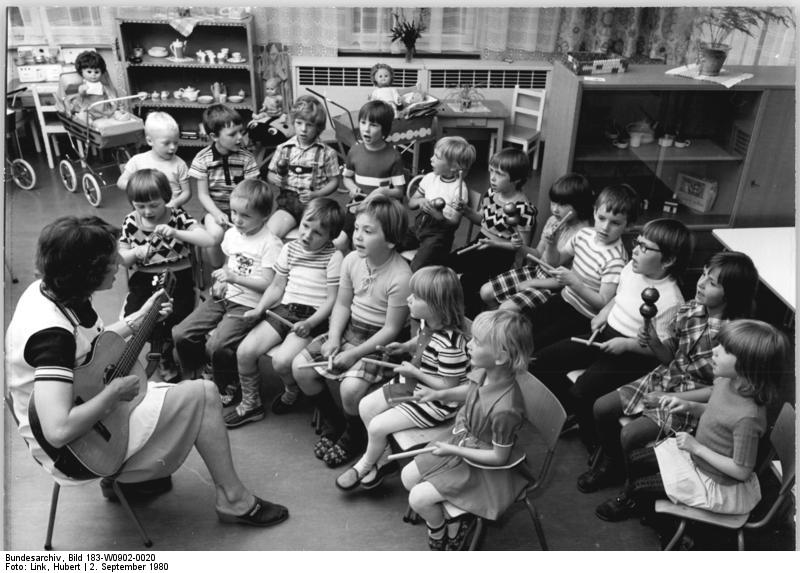
Practice was quantified rather than assessed, with a set number of minutes required, and the clock watched with enormous attention.
Playing the easy piece repeatedly counted the same as working on the difficult one. Practice measured in minutes is the music lesson arrangement that everyone learned to game.
3. Being Caught Not Having Practised
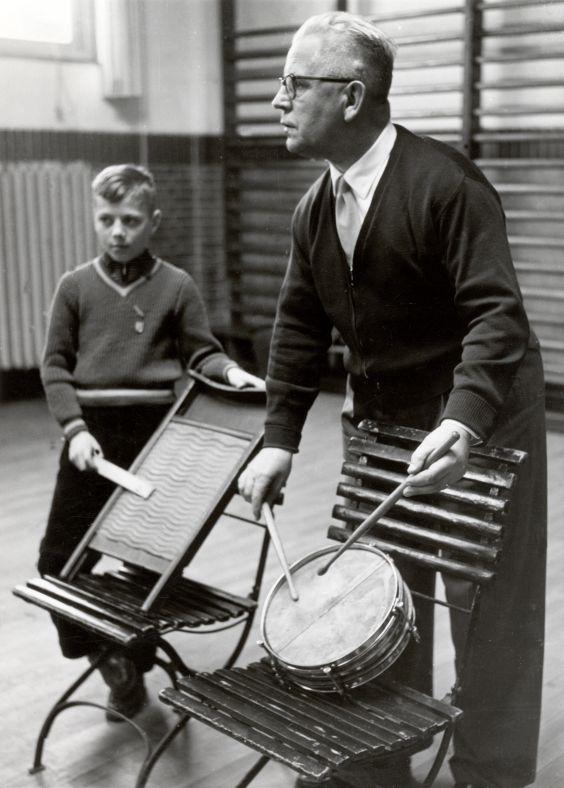
A teacher could tell within about eight bars, and the conversation that followed was worse than the playing.
Nobody ever successfully bluffed it. Being caught not having practised is the music lesson exposure that no excuse survived.
4. The Metronome
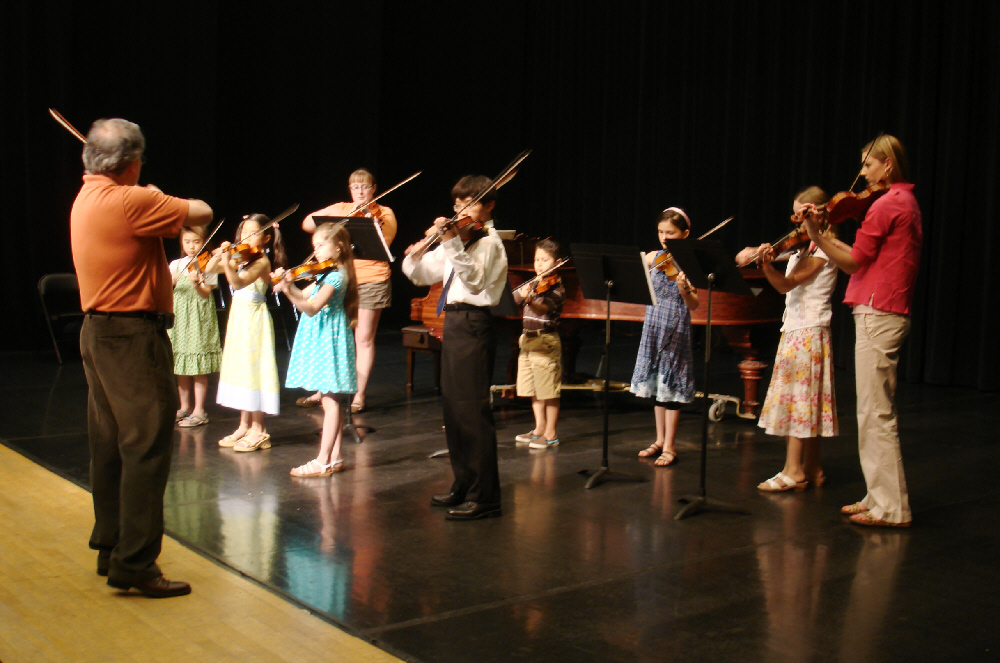
A device that was always right and always faster than you wanted, ticking with complete indifference to how difficult the passage was.
Turning it off felt like cheating and everyone did it. The metronome is the music lesson object with the least sympathy.
5. Scales, Endlessly
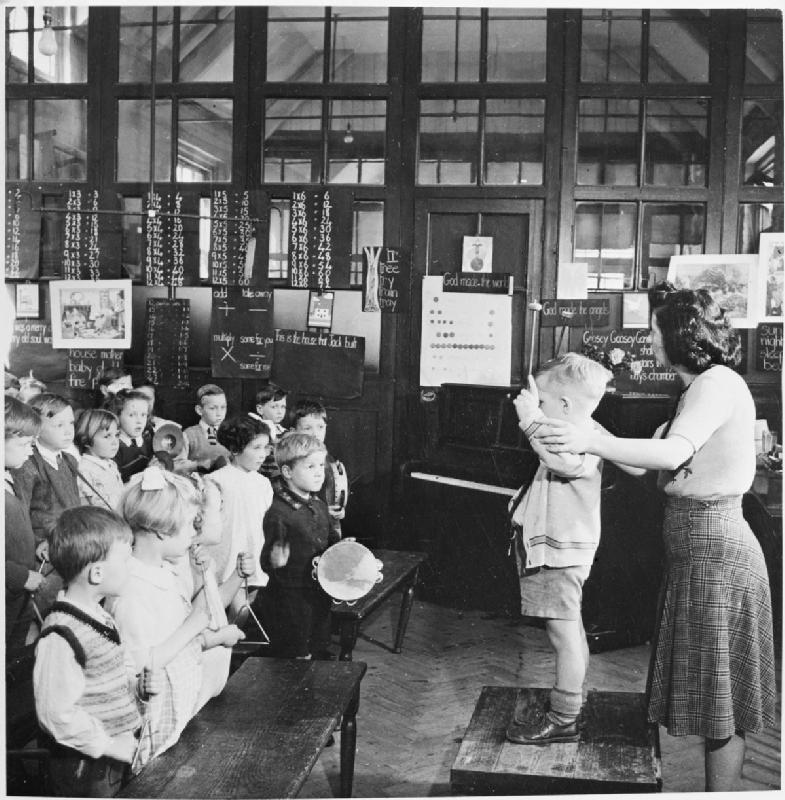
Every lesson began with the least interesting possible material, delivered in a fixed order, for years.
Their value is entirely retrospective and was invisible at the time. Scales are the music lesson component nobody enjoyed and everyone eventually understood.
6. The Exam Room
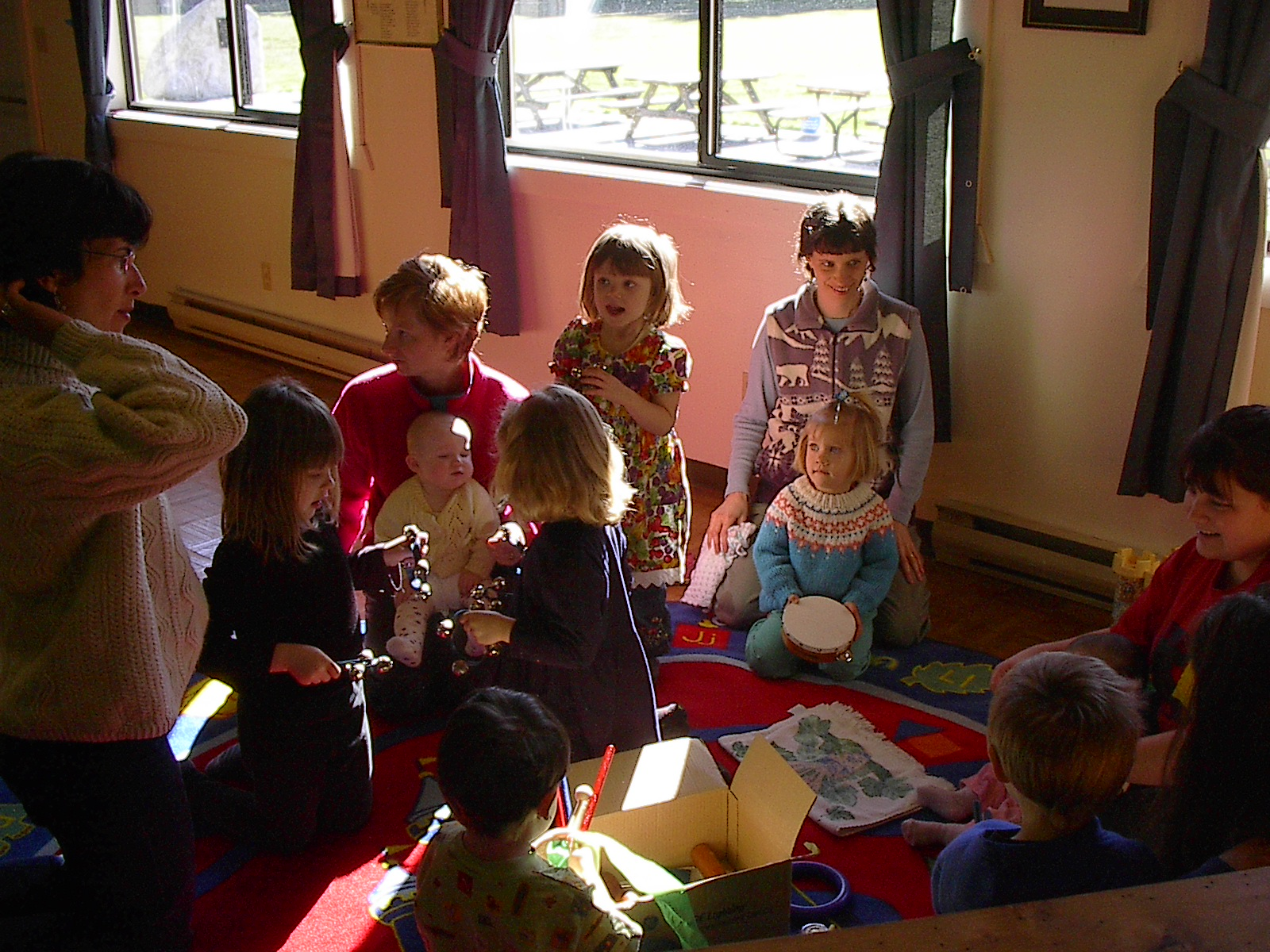
Graded examinations meant being taken somewhere unfamiliar to perform for one silent adult behind a desk who wrote continuously.
The waiting corridor beforehand is remembered more vividly than the playing. The exam room is the music lesson experience that produced real nerves.
7. The Annual Concert
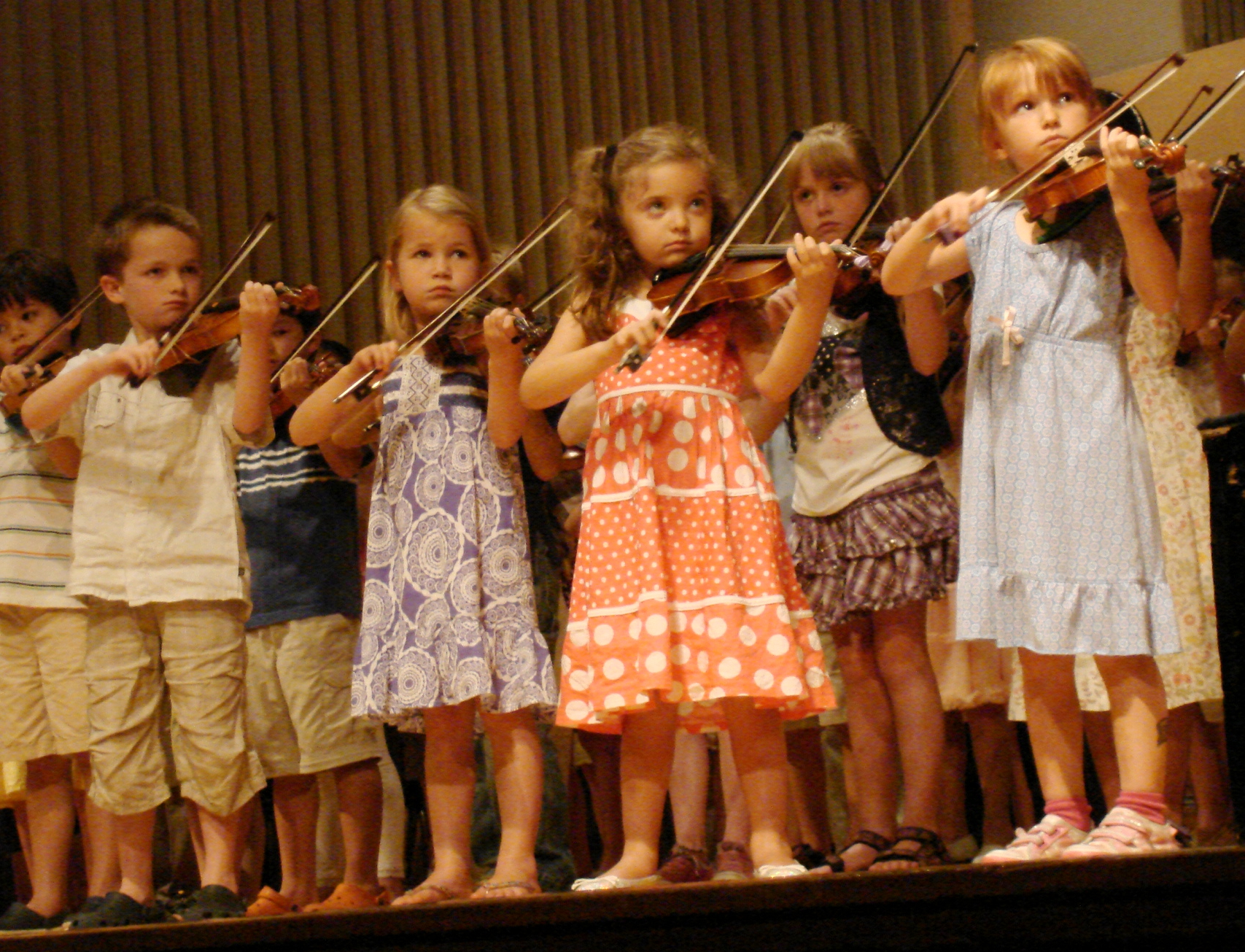
Teachers arranged a recital where every pupil performed in turn to an audience of other pupils’ parents, in order of ability.
Being early in the running order carried an unmistakable meaning. The annual concert is the music lesson event that everyone dreaded and every parent attended.
8. The Instrument You Did Not Choose
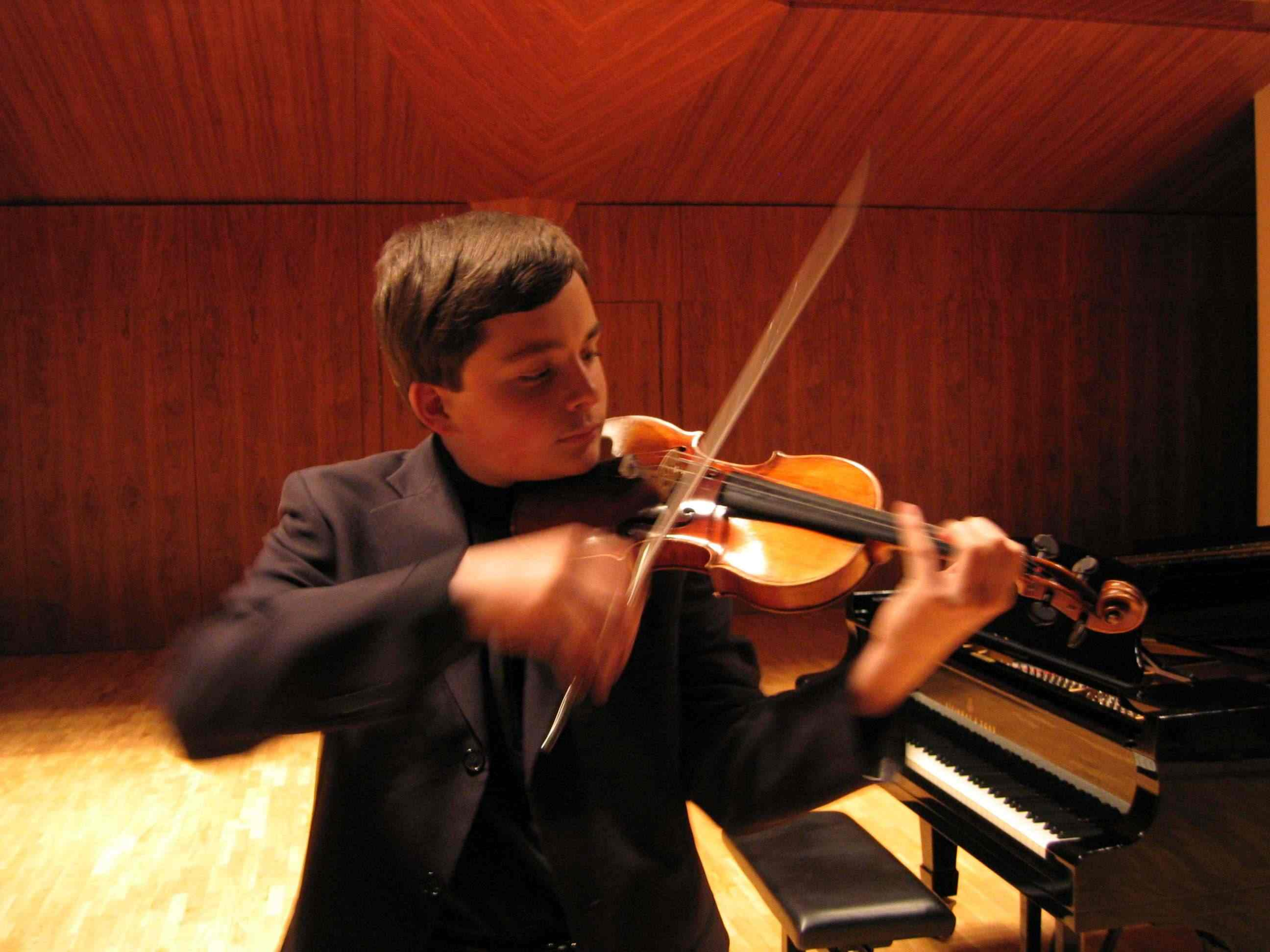
A great many children learned whichever instrument was available, inherited, cheap or already in the house rather than one they had picked.
Some of those matches worked out and many did not. The instrument you did not choose is the music lesson circumstance that determined a lot of outcomes.
9. Carrying It to School
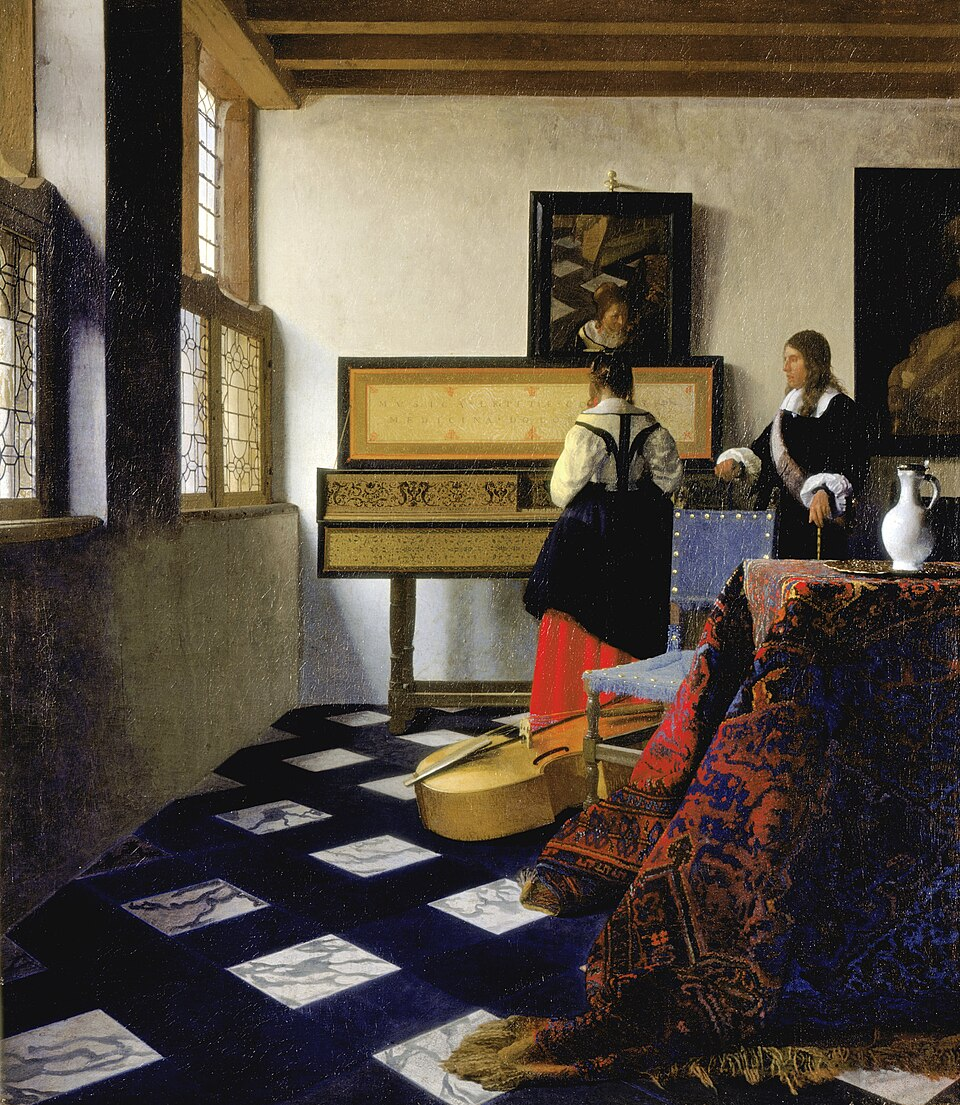
Instruments had to be transported, and the awkward ones marked you out on the bus and in the corridor for the whole day.
The case was frequently larger than the child carrying it. Carrying it to school is the music lesson burden that was social as much as physical.
10. The Piece You Can Still Play
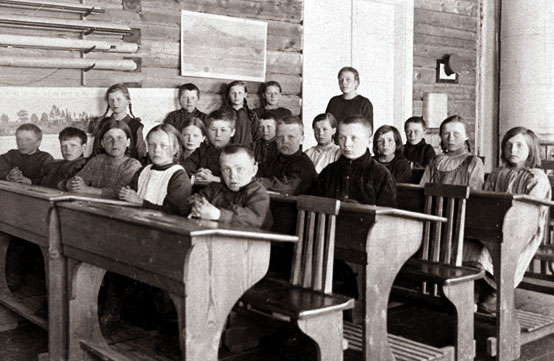
Whatever else went, one or two pieces went in so deeply that they survive decades of not touching an instrument.
The hands remember what the memory does not. The piece you can still play is the music lesson residue that outlasts everything else.
11. Being Allowed to Stop
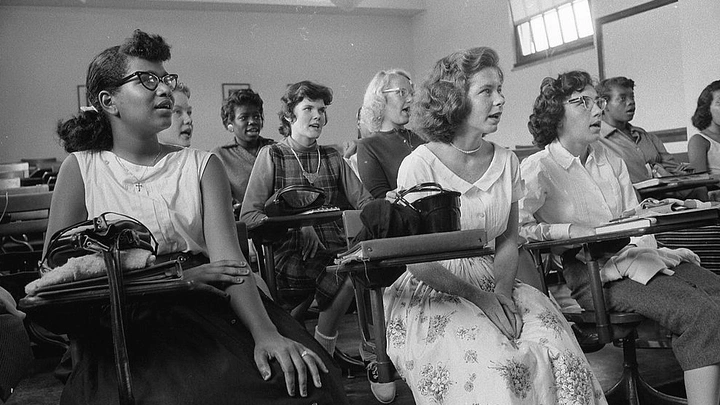
At some point permission was granted or simply assumed, the lessons ended, and the instrument went into a cupboard.
Relief at the time and a specific small regret later is the standard sequence. Being allowed to stop is the music lesson ending that most children reached.
12. Understanding Later What It Was For
The retrospective discovery is that the point was never the recital or the certificate, and that reading music, keeping time and practising something difficult transferred to everything else.
Almost nobody explains that to a child, and it would probably not have helped. Understanding later is the music lesson conclusion that arrives about twenty years too late to be useful.
Scales, Nerves and One Piece That Stayed
Music lessons were an imposition that a large proportion of people are glad they were subjected to, which is an unusual thing to be able to say about any part of childhood.
If you still have the instrument in a cupboard, the piece you can still play is truly still in there, and it takes substantially less time to come back than anyone expects. That is the actual legacy of all those measured minutes – not the certificates, which nobody has looked at since.
Like our content? Follow us for more.