

There are a small number of biological rules that hold across every vertebrate: a spine, a heart, and haemoglobin to move oxygen around the body.
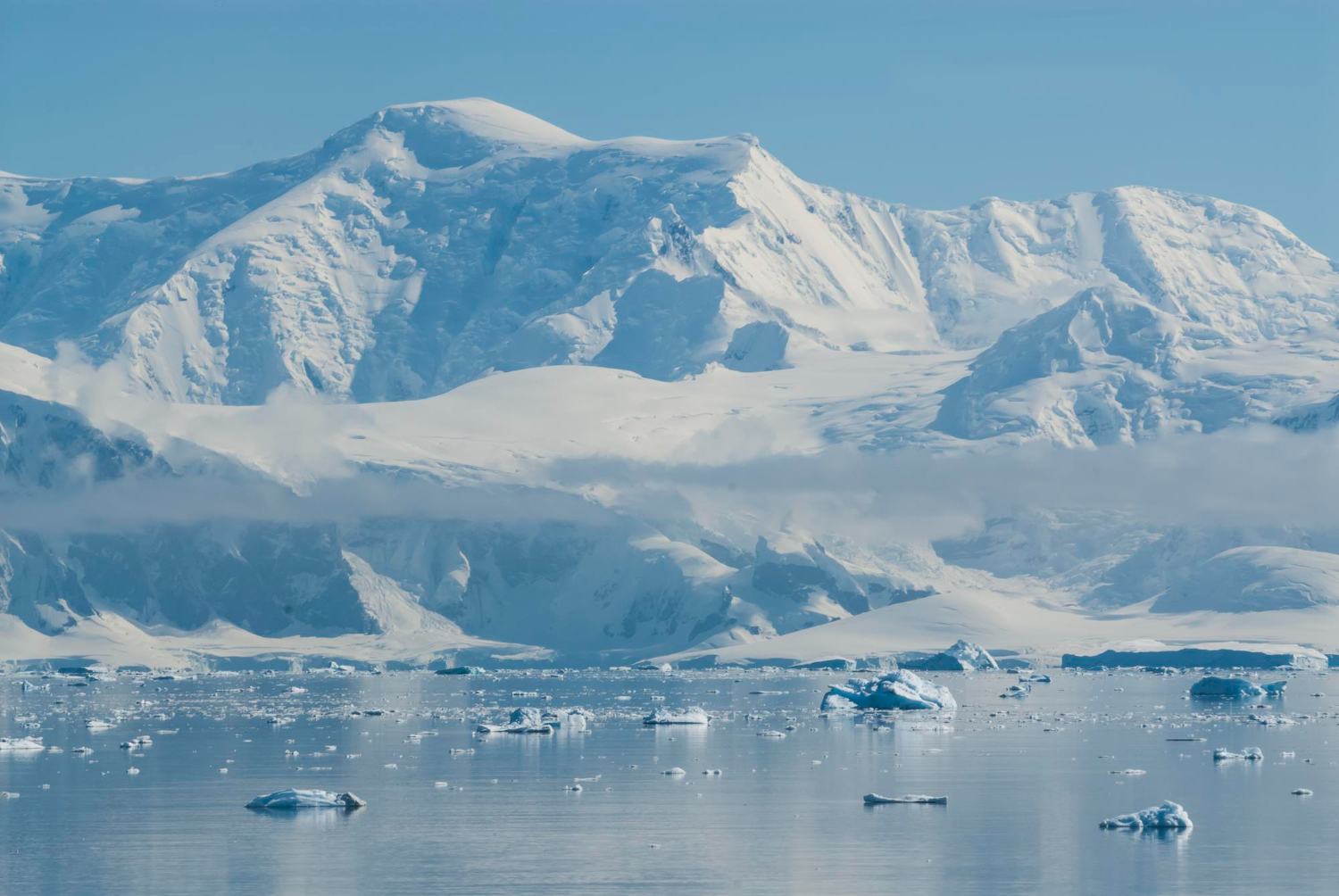
The last one has exactly one exception, and it lives in the coldest sea on the planet.
Early whalers found fish with a ghostly white appearance and blood that ran almost clear, and gave them names to that effect. When they were first described physiologically in the 1950s, the finding was that the blood contained no haemoglobin whatsoever — a discovery that was, and remains, among the more startling in vertebrate biology.
The interesting part is not simply that they lack it. It is that lacking it should not have worked, and the reasons it did are a lesson in how evolution actually operates.
What Haemoglobin Is For
Oxygen dissolves in water and in blood plasma, but not very well. That is the whole problem haemoglobin solves.
Haemoglobin is a protein carried inside red blood cells that binds oxygen in the lungs or gills, releases it in the tissues, and enormously increases how much oxygen a given volume of blood can transport — far beyond what would dissolve in the plasma alone.
Remove it and the blood carries only what physically dissolves. In icefish, that produces an oxygen-carrying capacity per unit of blood volume that is less than a tenth of that in closely related Antarctic fish that retained their haemoglobin.
That is an enormous deficit. The obvious questions are whether the fish are tiny enough to manage by diffusion alone, or whether their metabolism dropped by a comparable factor. Neither holds. These fish reach body lengths of roughly 25 to 50 centimetres, and while Antarctic fish do have low metabolic rates, they are nowhere near a tenth of their relatives’.
So something else is compensating.
Like our content? Follow us for more.
The Water Is Doing Half the Work
The first part of the answer is the environment rather than the animal.
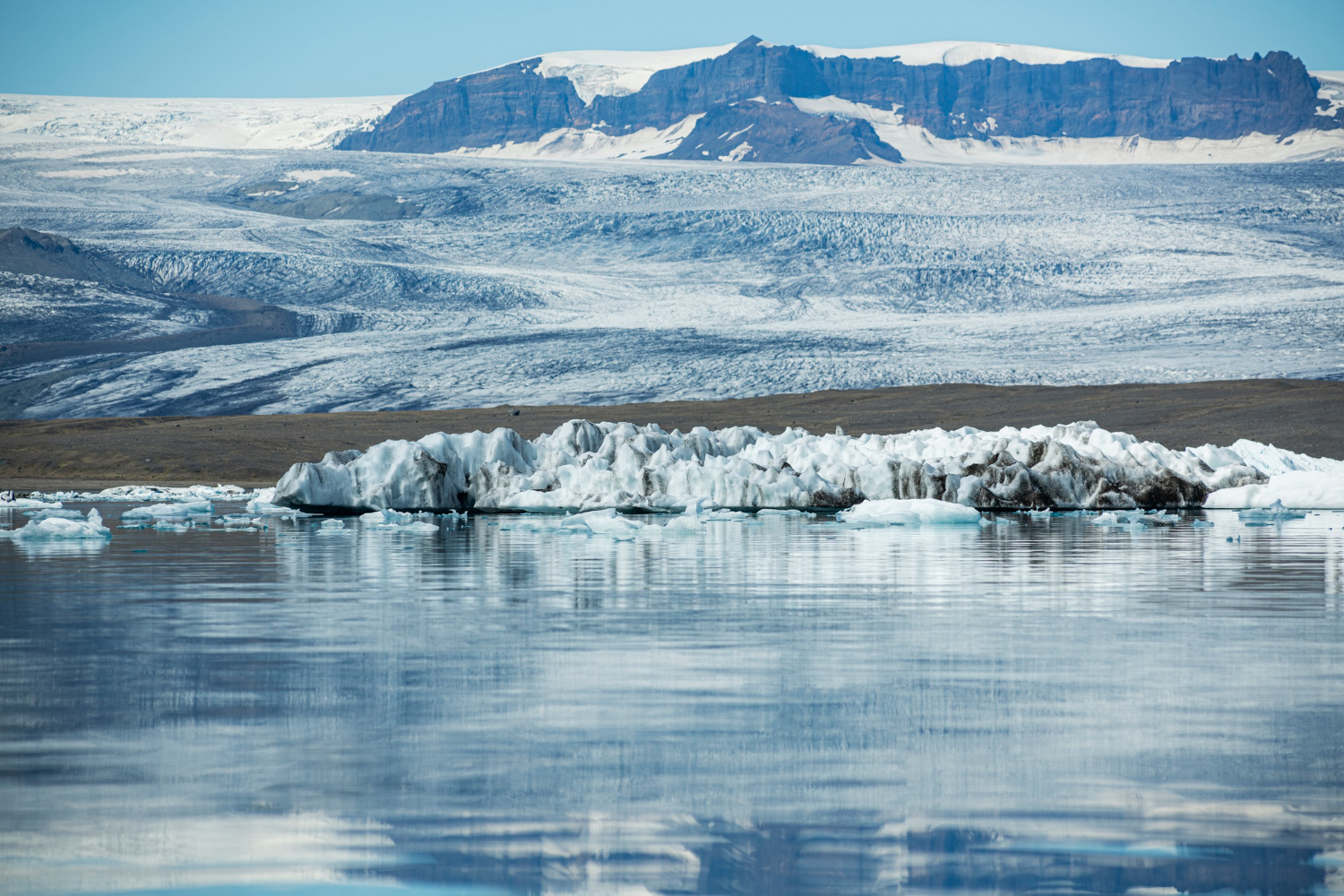
Cold water holds substantially more dissolved oxygen than warm water, and the Southern Ocean sits perennially at or near freezing — around minus two degrees, since seawater freezes below zero. That water is unusually oxygen-rich.
It is also exceptionally stable. Antarctic waters have been cold for a very long time, reaching their current temperatures somewhere in the region of ten to fourteen million years ago, which gave a long window in which a fish could survive an otherwise catastrophic loss.
This is the crucial context for how the mutation persisted. In most environments, losing haemoglobin would kill an animal outright. In this one, the ambient oxygen was high enough and the demand low enough that an individual could survive long enough to reproduce.
Researchers have been direct about this. The loss is now generally read not as a clever adaptation to cold but as something closer to a lucky accident — a mutation that would have been fatal almost anywhere else, in an animal whose ancestors already had cold-water adaptations, in a place where the consequences happened to be survivable.
What the Fish Changed to Cope
Survival was not passive, and the compensations are substantial.
The most striking is the heart. Icefish have enormous hearts relative to body size, pumping a much greater volume with each beat, which partly makes up for each unit of blood carrying so little oxygen. If your blood is poor, move far more of it.
The circulatory system is correspondingly enlarged, with wider vessels and a greater blood volume, and changes in the density and structure of mitochondria in the tissues.
They have very large gills for their size, and no scales — which is thought to assist oxygen uptake directly through the skin from the surrounding water rather than relying solely on gill exchange.
The skeleton is less mineralised and the lipid content higher, which reduces density and helps with buoyancy in fish that lack a swim bladder.
Six of the sixteen species have gone further still and also lack myoglobin in the heart muscle, which is the oxygen-binding protein in muscle tissue rather than blood.
The Antifreeze
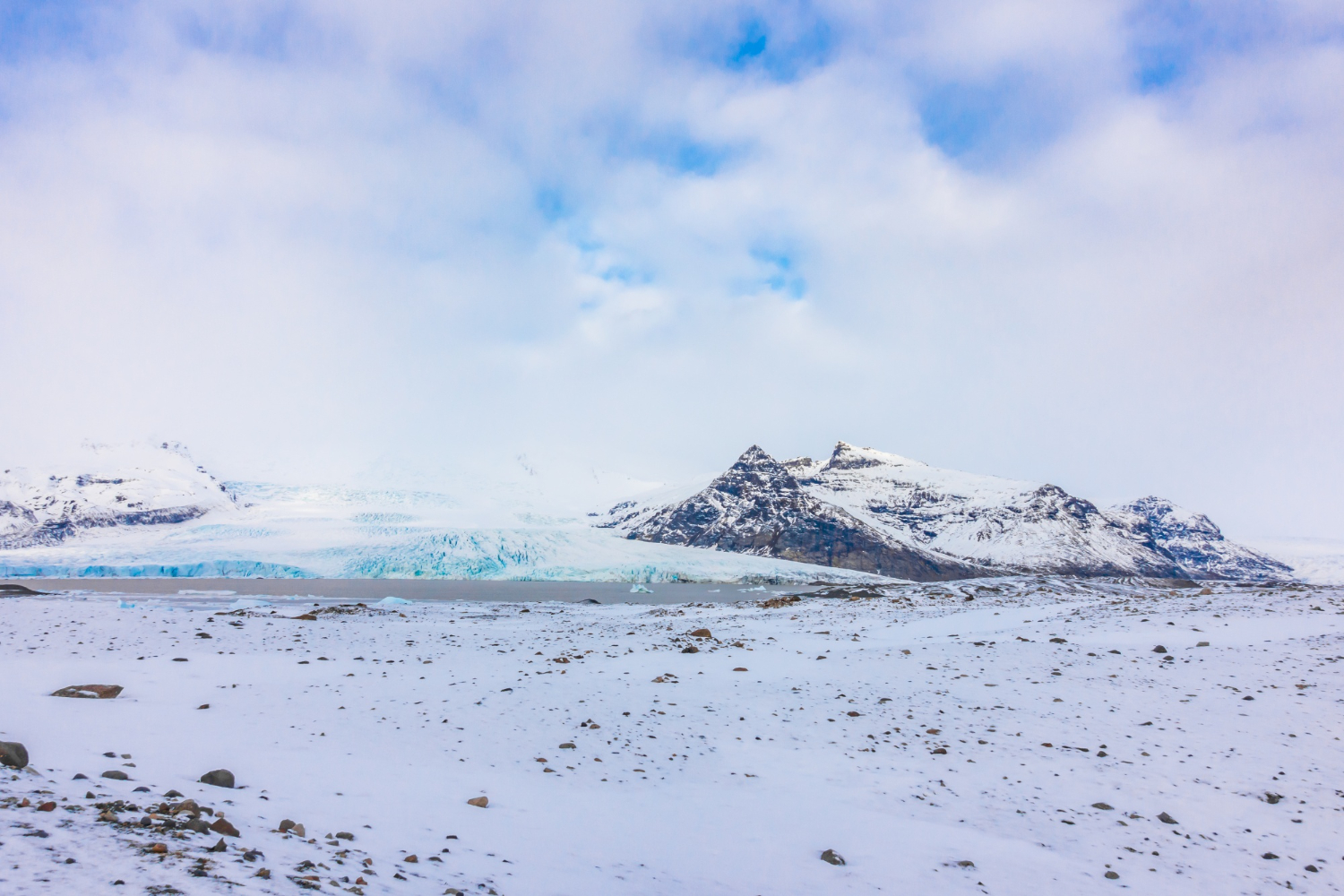
There is a second problem entirely, and it applies to every Antarctic fish rather than only to icefish.
The Southern Ocean sits below the freezing point of the fish’s body fluids. Ice enters the body with food and water, and without a defence, ice crystals would grow inside the animal.
The solution is antifreeze glycoproteins. These bind directly to ice crystals and prevent them growing, which allows the fish to tolerate temperatures at which they would otherwise freeze internally. Some are produced in the pancreas and released into the digestive tract, where they surround ingested ice crystals so they can pass through safely.
The evolutionary origin is remarkable in itself: these proteins appear to have evolved from a digestive enzyme gene, repurposed entirely as Antarctic waters cooled. Ice-resistant proteins also surround the eggs.
An unexpected consequence concerns blood thickness. Blood without haemoglobin would ordinarily be thinner, and at very low temperatures fluids become more viscous. Icefish maintain a viscosity close to that of human blood, and the antifreeze glycoproteins are understood to contribute to that balance.
What Happens When the Water Warms

The compensations that make icefish viable also make them unusually constrained, and this is where the biology becomes a live research question rather than a curiosity.
Their whole system depends on the water being cold. Cold water holds more dissolved oxygen, and cold animals need less of it. Warm the water even slightly and both terms move in the wrong direction at once: less oxygen available, higher metabolic demand.
A red-blooded fish has margin. It can increase heart rate, extract more oxygen per unit of blood, and recruit reserve capacity. An icefish is already running an enlarged heart at high output simply to achieve normal function, which leaves substantially less room to respond.
Laboratory work on thermal tolerance has found that some species cope with warmer water better than the theory would predict, and the discovery of populations living outside Antarctic waters complicates the picture further.
But the underlying structural point holds: an animal that lost a major physiological system and rebuilt around its absence has fewer options than one that never lost it.
That is the general form of the lesson. Specialisation works extremely well in a stable environment and becomes a liability in a changing one, which is true of a great many organisms and unusually visible in this one.
What This Changes About Evolution
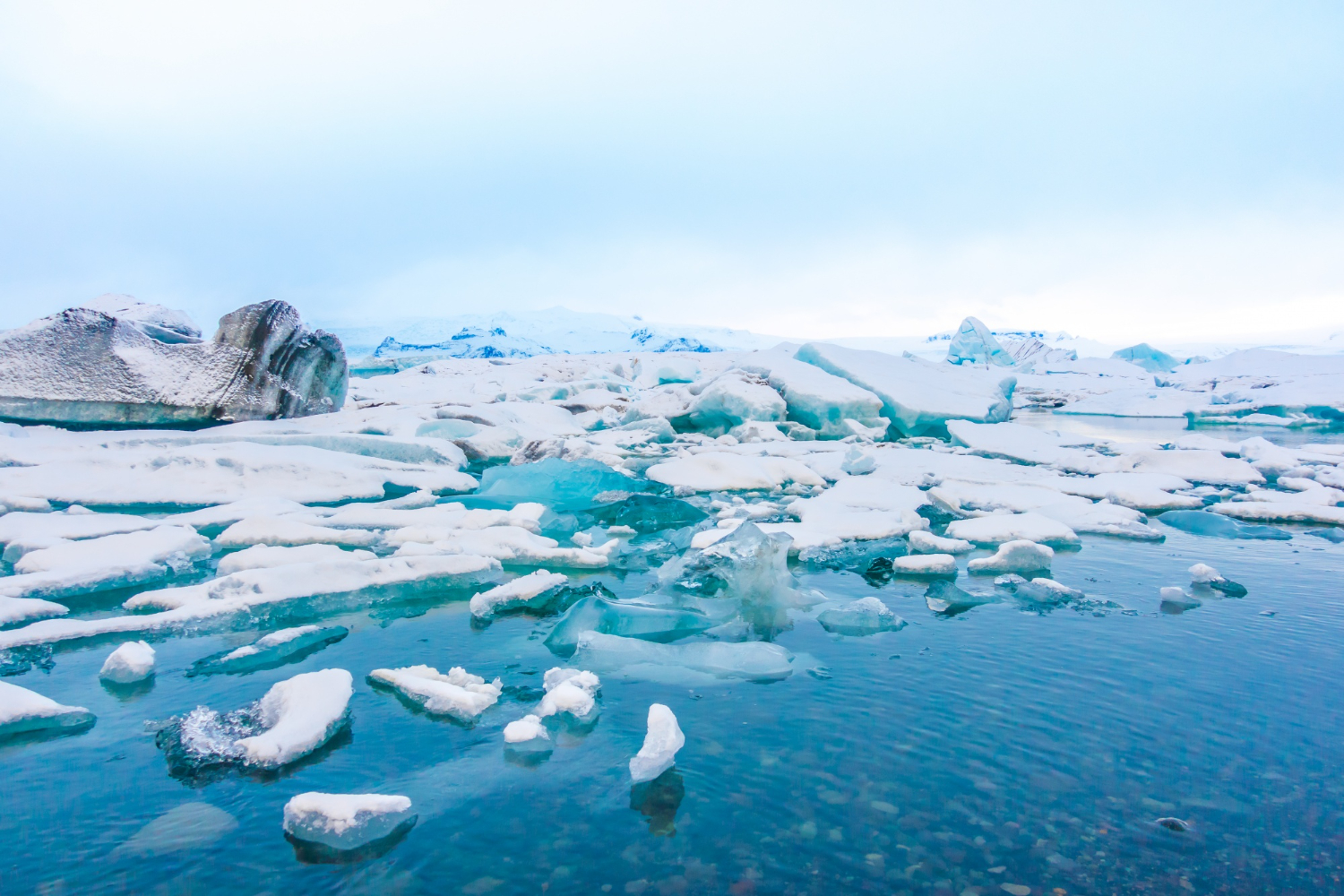
The icefish is frequently presented as an example of adaptation, and that framing is only partly right, which is what makes it valuable.
Losing haemoglobin was not an improvement. It is a loss of function that left the animal with an oxygen-delivery system a tenth as capable as its relatives’, requiring an oversized heart, an enlarged circulatory system, scale loss and enormous gills simply to compensate for something it used to have for free.
Specialists have described it using the term disaptation — a loss of a functional trait, followed by recovery through compensating changes, rather than a straightforward adaptation toward something better.
The wider point is that evolution does not only accumulate improvements. It tolerates whatever does not prevent reproduction, and in a stable, oxygen-rich, competitor-limited environment, a great deal can be tolerated. Ecological niches had opened as Antarctica cooled and the fish that could handle the cold radiated into them, which reduced the pressure that would elsewhere have been fatal.
It also makes the fish vulnerable. A species that survives only because its environment is stable, cold and oxygen-rich has very little margin if any of those conditions change.
Still Being Worked Out
Genome sequencing of one icefish species has since identified the genetic basis, involving loss of the beta-globin gene and partial deletion of the alpha-globin gene, along with genes for antifreeze proteins shared with red-blooded Antarctic relatives.
Some findings complicate the neat version of the story. At least one species has been found living almost entirely outside Antarctic waters, and some can tolerate water substantially warmer than their usual habitat, which suggests the relationship between the trait and the temperature is less absolute than the standard account implies.
What is not in doubt is the central fact. Somewhere under the ice, there are fish with clear blood, hearts several times the size they ought to be, no scales, and a protein in their tissues that stops them freezing solid — descended from ancestors that had a perfectly good oxygen-transport system and lost it.
Almost anywhere else, that would have been the end of the lineage. In the Southern Ocean it produced sixteen species, and one of the more instructive exceptions in biology.
There is a wider reason biologists keep returning to these fish. Every textbook statement about vertebrate physiology is a generalisation drawn from the animals that happen to have been studied, and generalisations are tested by the cases that break them. An animal that manages without the one protein every account describes as essential forces a more precise question: essential under what conditions, and with what alternatives available.
The answer here turns out to be that haemoglobin is essential in warm, oxygen-poor water and merely extremely useful in water that is neither. That is a substantially more interesting statement than the rule it replaced, and it exists only because one lineage in one cold sea lost something it should not have been able to do without.
Like our content? Follow us for more.
