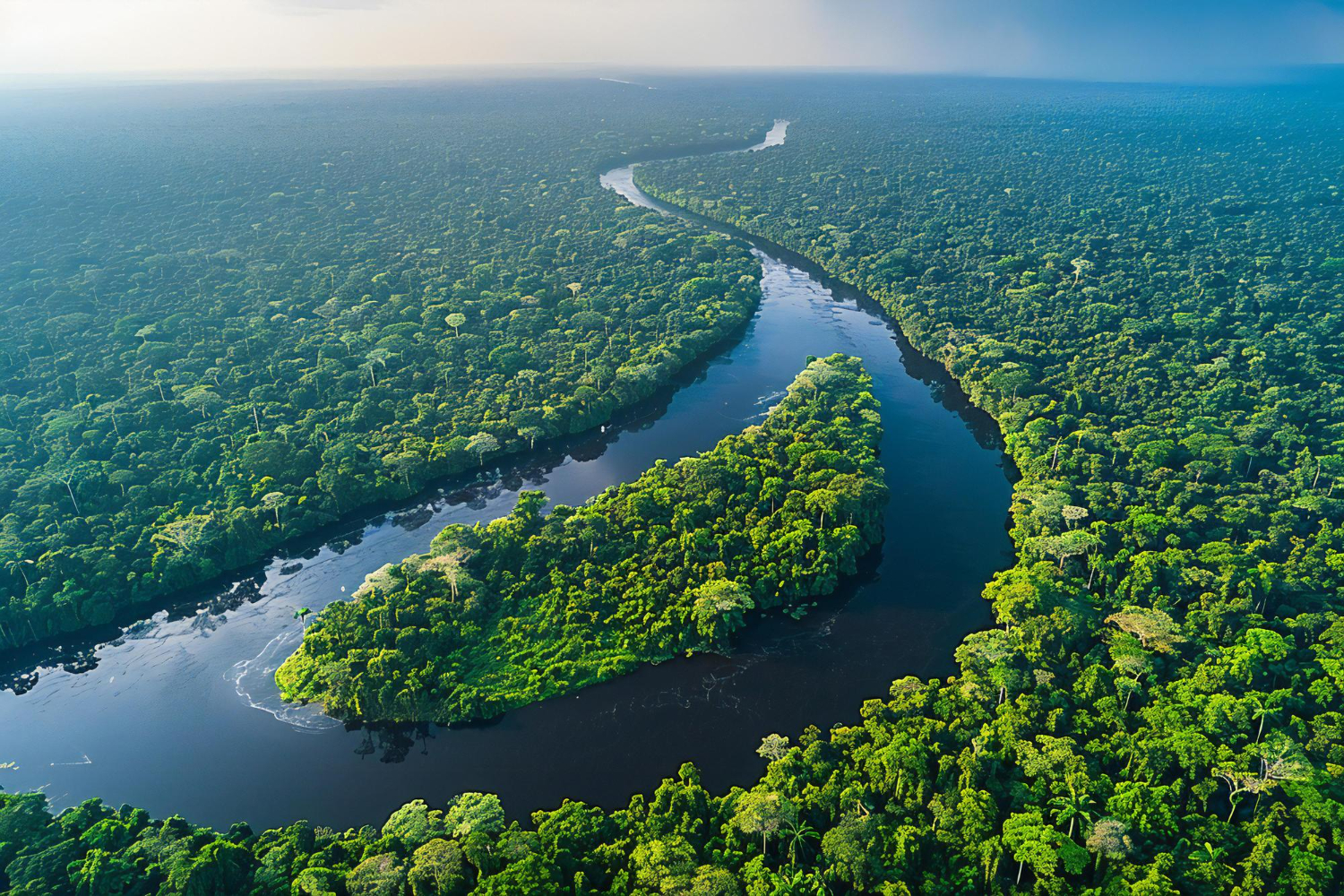
There is a paradox at the centre of the Amazon that took a long time for outsiders to notice.
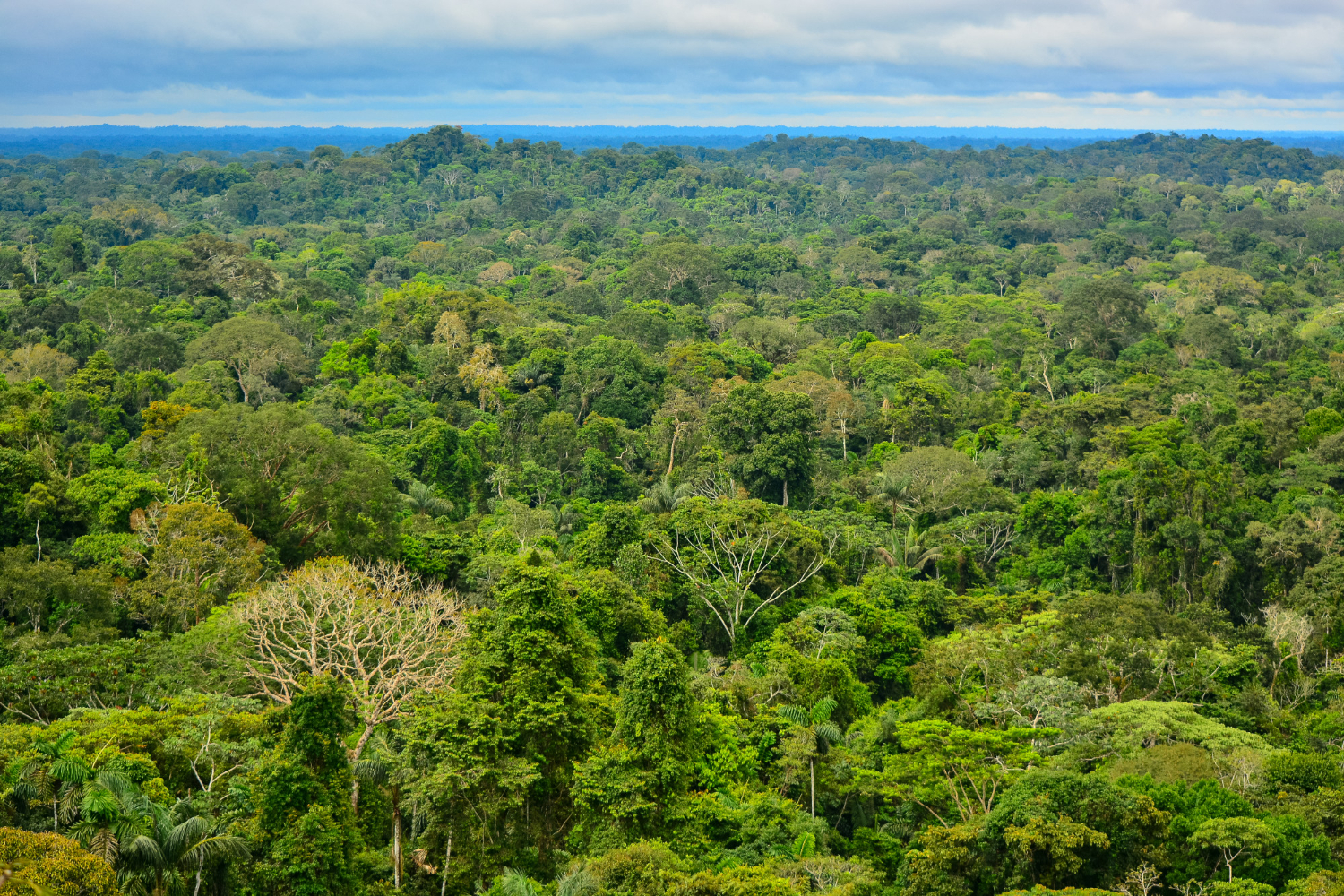
The rainforest is the most productive terrestrial ecosystem on Earth, and it grows on soil that is close to worthless. Amazonian soils are typically acidic, heavily weathered and stripped of nutrients by millennia of rain. The forest survives by recycling — nutrients live in the vegetation rather than in the ground, and are recaptured almost as fast as anything falls and rots.
Clear that forest and the illusion collapses. The exposed soil is productive for a few seasons and then exhausted, which is why slash-and-burn farming requires constant movement to new ground.
Scattered through this poor soil are patches that behave nothing like it: dark, deep, rich, and still fertile after hundreds or thousands of years. They are known as terra preta, and they are not natural. Here is what they are and why they changed the history of a continent.
What the Soil Actually Is
Terra preta — Portuguese for black earth — is classified as an anthrosol, a soil created by human activity. Its full traditional name, terra preta do índio, credits its makers directly.
Its colour comes from weathered charcoal, present in high concentrations, produced at low temperatures rather than by hot open burning. Alongside the charcoal are quantities of pottery fragments, animal and fish bones, plant residues, manure and other organic remains.
The chemistry is dramatically different from the surrounding ground. Terra preta carries elevated nitrogen, phosphorus, calcium, zinc and manganese, holds far more organic carbon, and is markedly less acidic. One comparison of village soils against ground at the periphery of the same sites found more than double the organic carbon and a full pH unit less acidity in the occupied areas.
Surrounding it is what local farmers call terra comum, common soil — the infertile acrisols, ferralsols and arenosols that make up most of the basin.
There is a second, related soil: terra mulata, lighter brown, less fertile than terra preta but substantially better than the common soil, generally found around settlement areas rather than in them and most likely improved deliberately for farming.
Like our content? Follow us for more.
Why the Charcoal Matters
The key ingredient is the charcoal, and the reason it works is a matter of physical structure rather than nutrition.
Charcoal itself supplies few nutrients. What it does is persist. Produced at low temperature, it is chemically stable and remains in the soil for thousands of years without breaking down, which is why these patches are still functioning.
Its structure is highly porous, giving it an enormous internal surface area. That surface binds and retains minerals and nutrients that would otherwise be washed straight through by tropical rain, and it provides habitat for the microbial communities that make soil work.
So the charcoal is not the fertiliser. It is the container that stops the fertiliser leaving.
That distinction explains why terra preta remains productive while cleared rainforest soil does not. In ordinary Amazonian ground, nutrients added by decomposition are leached away within a season or two. In terra preta they are held.
How It Was Made
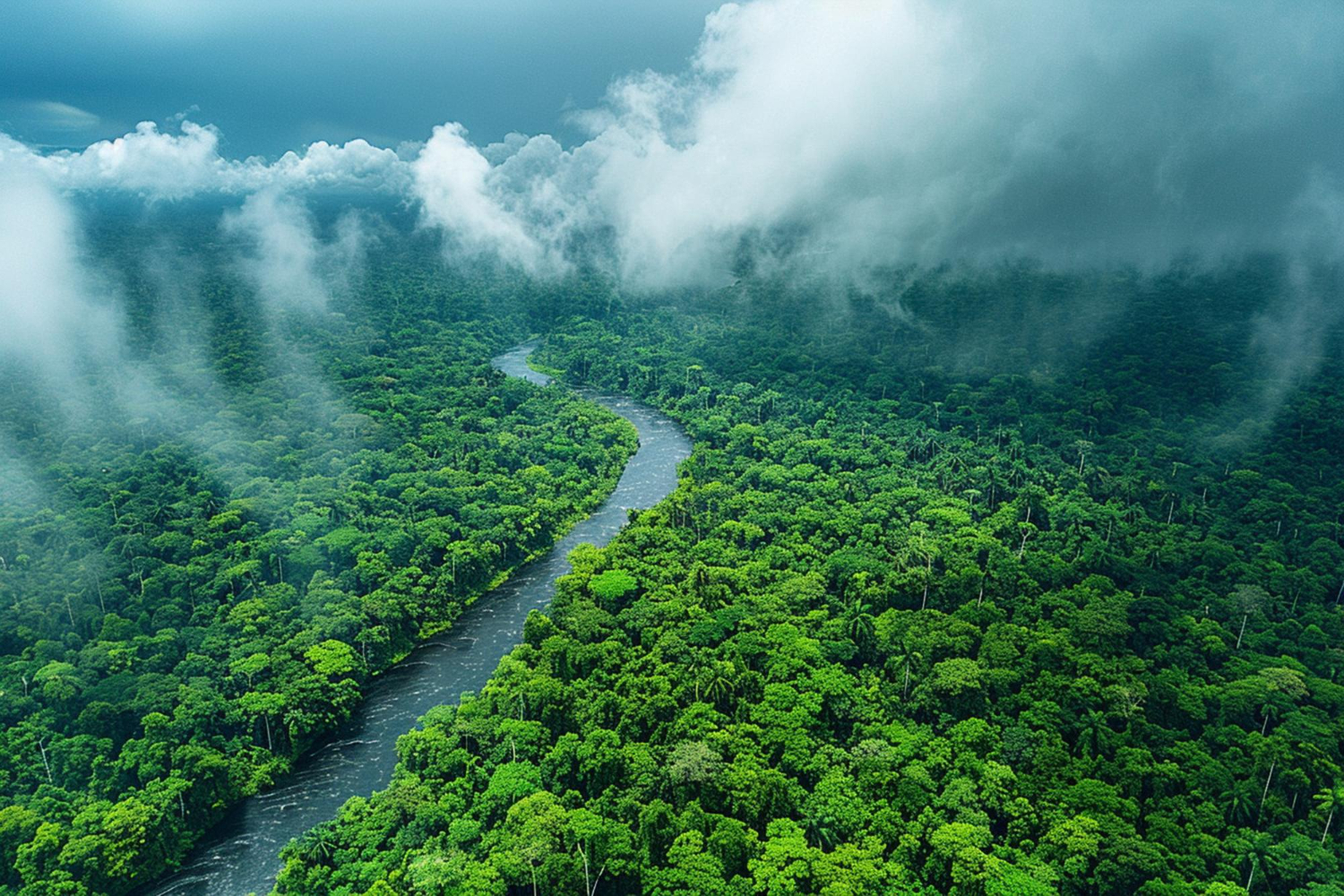
The mechanism is understood in outline, though the details are still being worked out.
The straightforward version is that people lived in a place for a long time and their waste accumulated: fish bones, shells, manioc peelings, manure, weeds, crop residues, broken pottery and charcoal from cooking fires. Over generations, that refuse transformed the ground beneath a settlement.
The disagreement concerns intent. One reading is that terra preta was largely a by-product — a midden that happened to produce good soil, with people subsequently noticing and farming it. Another is that it was deliberate, with charcoal added on purpose to enrich ground for cultivation.
Recent work has strengthened the deliberate reading. A study involving researchers and Indigenous partners found evidence that ancient Amazonians created the soil intentionally to support crops, and — significantly — that their present-day descendants are still making new dark earth using comparable practices. One environmental scientist not involved in that work described it as potentially the first demonstration of modern dark earth creation that others could replicate.
The likely honest answer is both, in sequence: an accidental discovery followed by centuries of deliberate practice, which is how a great deal of agricultural knowledge developed.
It is worth noting that the anthropic origin is not entirely unchallenged. A 2021 paper in Nature Communications reported unusually high phosphorus and calcium at a well-studied site and argued for reconsidering whether river-deposited sediments played a role, with people then settling on ground that was already fertile. Earlier non-human explanations — flooding, pond sedimentation, Andean volcanic ash — have been proposed and largely set aside. The dominant view remains that these soils are human-made, but the literature is not unanimous.
Why It Rewrote Amazonian History
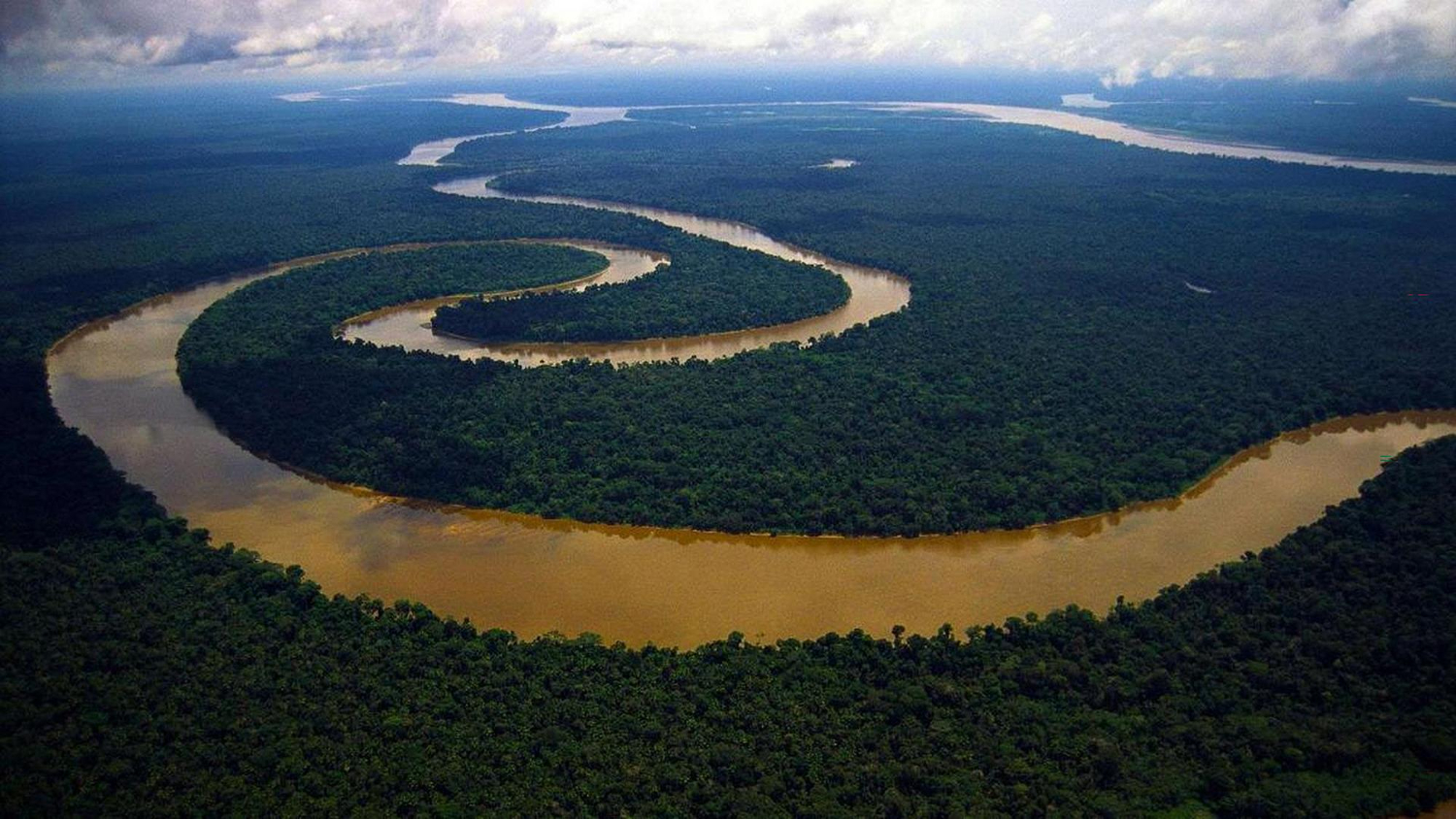
The consequence of terra preta reaches well beyond soil science.
For a long time, the accepted picture of the pre-Columbian Amazon was of sparse population — scattered small groups living lightly, limited by soils too poor to support anything larger. The rainforest was understood as essentially untouched wilderness.
Terra preta is incompatible with that. Soil of this kind is produced by dense, settled, long-term occupation. And it is not rare: patches are found throughout the basin, sometimes covering substantial areas, always associated with archaeological sites.
Estimates of pre-contact Amazonian population have been revised upward accordingly. Where roughly one million was once the accepted figure, figures in the range of eight to ten million have been described as plausible, based partly on the known extent of these soils.
That reframes the Amazon from wilderness to something closer to a very old, very large inhabited landscape — managed, farmed and shaped for millennia, and then substantially depopulated after European contact, after which the forest regrew over it.
This connects to other recent findings across the region: earthworks, road systems and settlement patterns revealed by remote sensing in areas previously assumed empty.
What It Might Be Good For
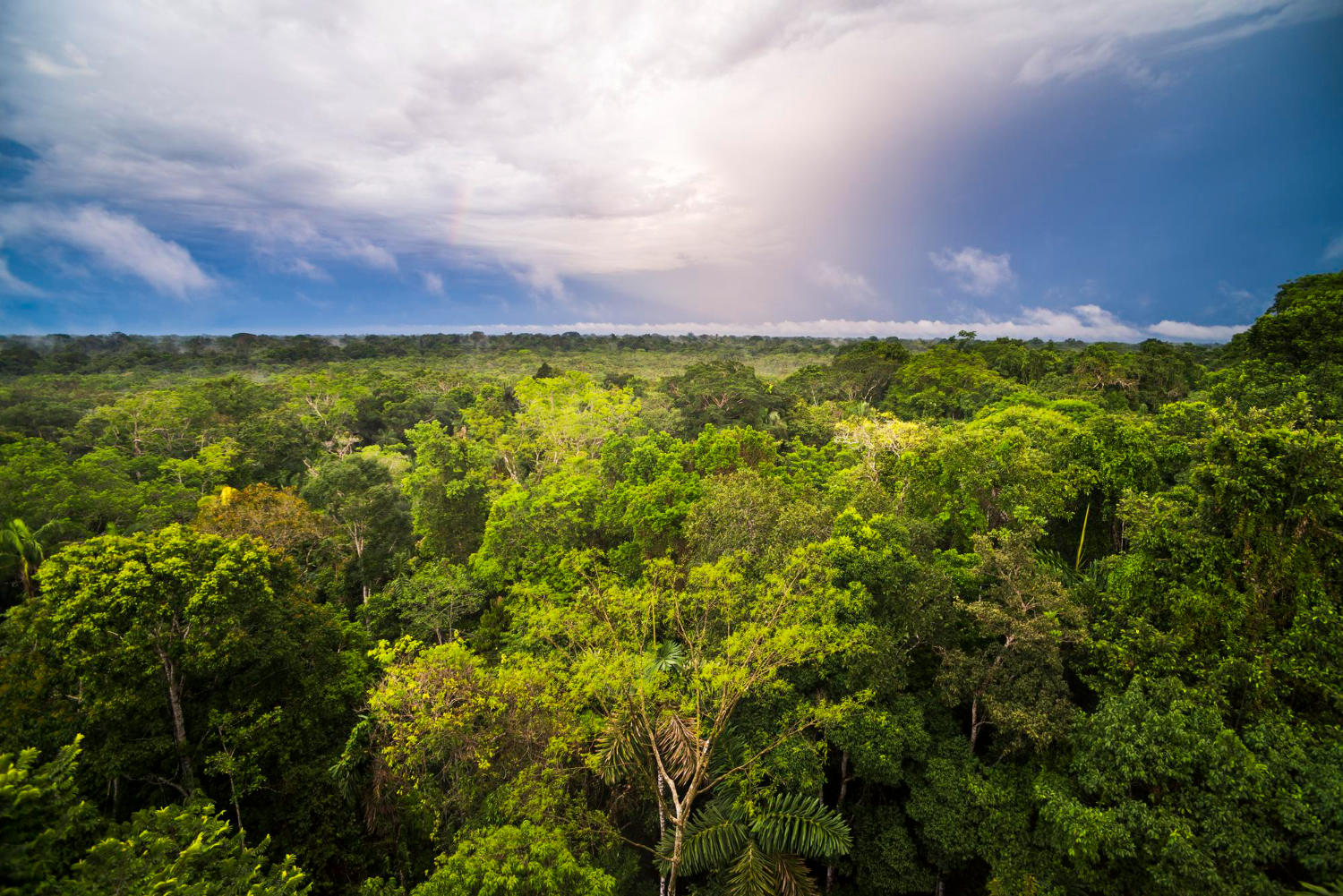
The practical interest is considerable, and it comes with a caution.
Terra preta demonstrates that a durable, self-sustaining fertile soil can be built on truly poor ground, and that the improvement persists for centuries rather than requiring annual reapplication. That is an appealing model, and research into replicating it is active.
Because the charcoal is stable, these soils also lock away large quantities of carbon over very long periods, which has attracted attention from a scientific standpoint.
But the picture is more complicated than the enthusiasm sometimes suggests. Remote-sensing work examining forests growing on dark earth found, unexpectedly, less green canopy and lower water content than forests on ordinary soil, with the difference more pronounced in dry years — making those forests more susceptible to drought and fire. The researchers involved expected the opposite and have offered several possible explanations. That finding is a useful corrective to any assumption that these soils are straightforwardly better in every respect.
There is also an ethical dimension that specialists have raised directly. This is Indigenous knowledge, developed over generations, and one account of the field argues that without it modern terra preta research would not exist — with real implications for how any commercial application should be handled.
How It Is Found
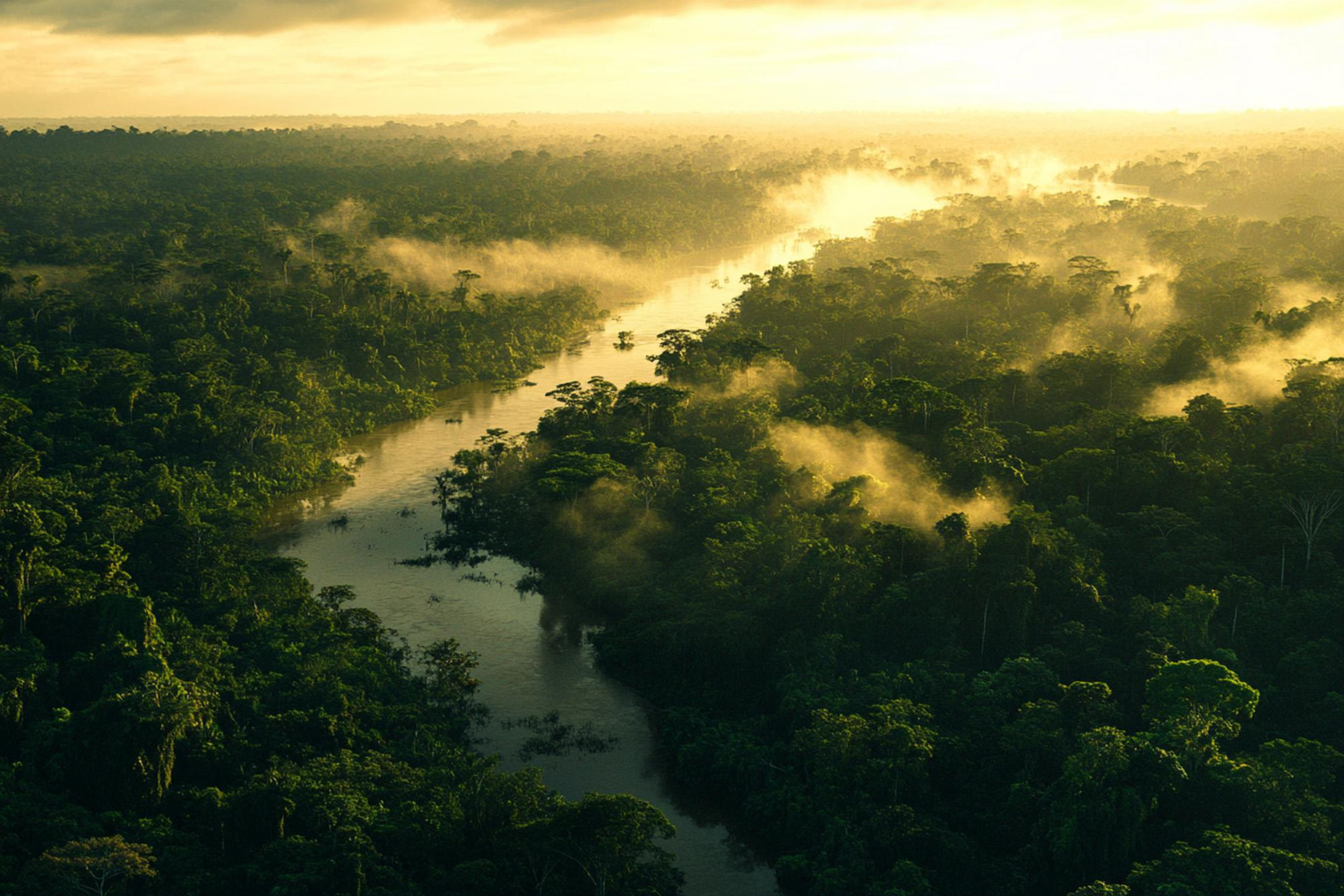
Locating terra preta turns out to be easier than you would expect, and the methods say something about how thoroughly the landscape was shaped.
The simplest indicator is the vegetation. Plants growing on dark earth differ from those on surrounding soil, and certain useful species — fruit trees and palms among them — cluster on old settlement sites because people planted them there and their descendants persisted. Local farmers have used those signals for generations to identify ground worth cultivating.
Pottery is the second marker. Terra preta contains ceramic fragments in quantity, and turning over a spadeful of black earth almost anywhere in a patch produces shards.
More recently, remote sensing has been applied at scale. Because the soils support distinguishable vegetation, satellite and aerial data can identify probable sites across areas far too large to survey on foot, and researchers have used exactly that to map distributions and to study forest behaviour on those soils.
The pattern that emerges is not random. Sites cluster along rivers and bluffs — the places you would settle if you depended on fishing and river transport — which is itself evidence about how the population was organised.
Ground That Remembers
What stays with you about terra preta is the timescale.
Someone tended a settlement, cooked over fires, threw away bones and broken pots, and spread charcoal on their gardens. They did that for long enough, in enough places, to change the chemistry of the ground permanently.
Centuries after those communities were gone and the forest had closed over the sites, the soil is still fertile, still holding nutrients, still identifiable from the air by the vegetation growing on it. Farmers in the region seek those patches out and use them.
It is one of the few cases where the most durable thing a civilisation left behind is not a monument or a text but the dirt itself — improved deliberately, functioning as intended, thousands of years after the last person who understood the recipe walked away from it.
Like our content? Follow us for more.