


Independence wasn’t merely a collection of signatures; it was a series of grueling physical choices made in freezing mud, narrow taverns, and desperate river crossings. These sites aren’t just monuments; they are “tactical landscapes” that explain American history better than any textbook. To walk these trails is to understand that the Revolution was a startup built on extreme risk, logistical nightmares, and a grit that still vibrates in the soil today.
1. Minute Man National Historical Park, MA: The First Contact
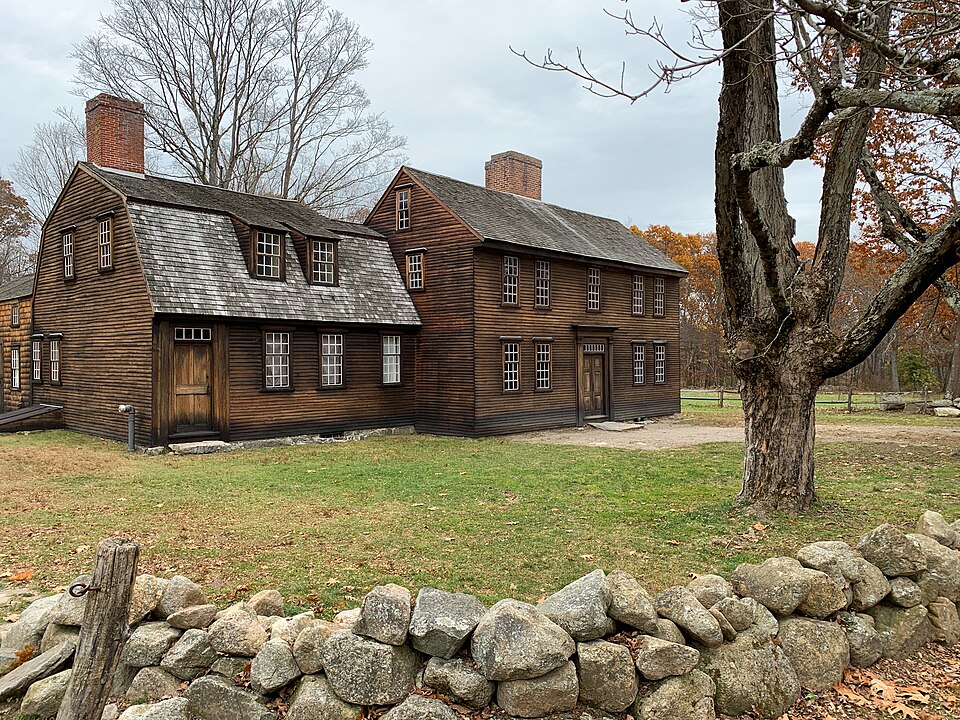
On April 19, 1775, the “Battle Road” became a five-mile gauntlet where a local dispute transformed into a global conflict. Walking the Battle Road Trail today, you see how the geography of Middlesex County favored the “insurgent” style of the militia over the rigid formations of the British regulars. It wasn’t just a skirmish; it was the moment an empire realized it couldn’t control a population that knew the woods better than the crown.
2. Bunker Hill Monument, MA: The Price of Defiance
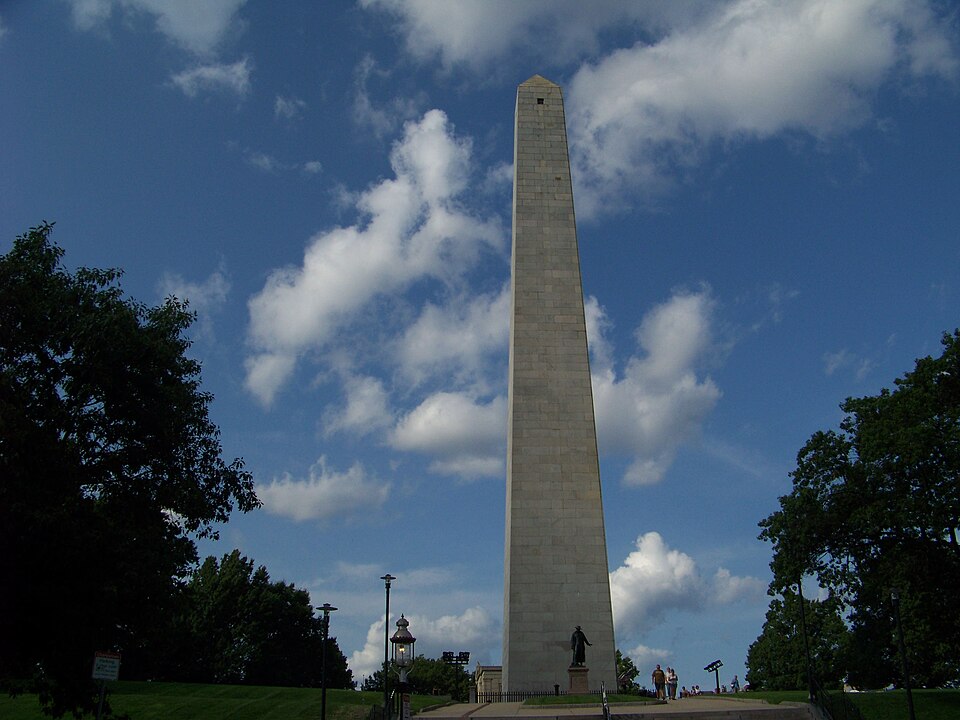
Standing at the base of this granite obelisk, you realize the battle was actually fought on Breed’s Hill, a tactical pivot that cost the British nearly half their force. The steep climb up the monument mirrors the exhaustion of the redcoats’ three uphill charges. The lesson here is visceral: victory is often a matter of who can trade the most blood for time. It remains a stark reminder that “holding your fire” is the ultimate test of discipline.
3. Freedom Trail, Boston, MA: The Architecture of Dissent
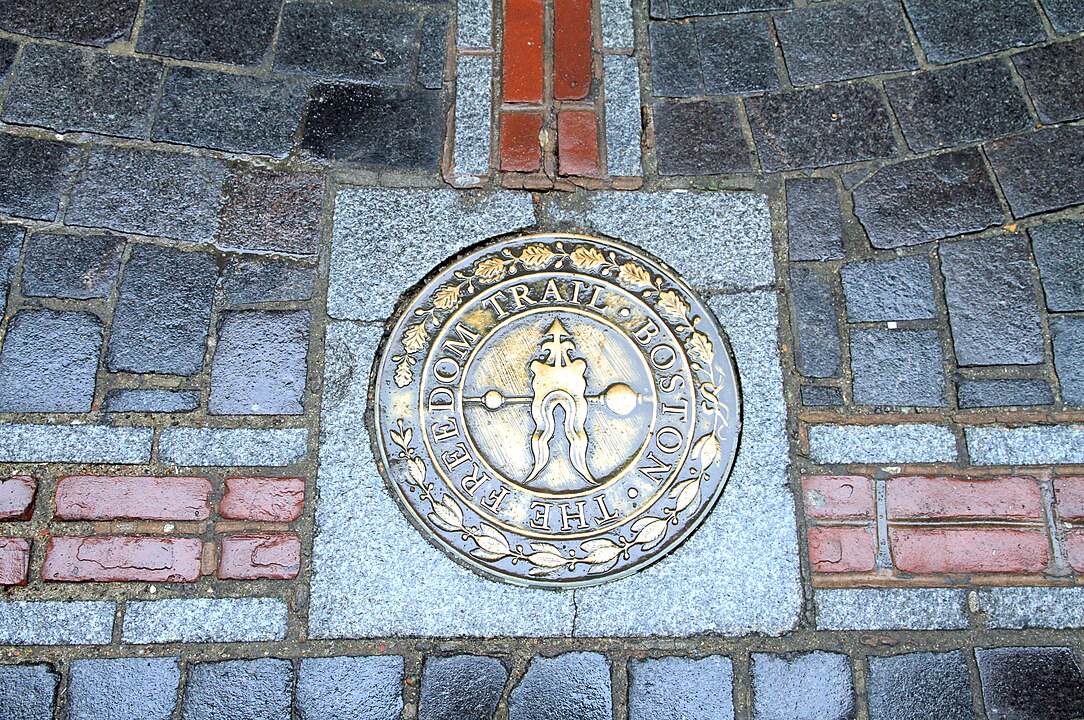
The Freedom Trail is a 2.5-mile urban journey through the “Social Media” of the 1770s. From the pews of the Old North Church to the printing presses of Faneuil Hall, you see how ideas were weaponized. Long before the first shot was fired, these brick-and-mortar sites served as the headquarters for a psychological war that united thirteen disparate colonies under a single, radical thought.
4. Independence Hall, PA: The Room Where It Happened
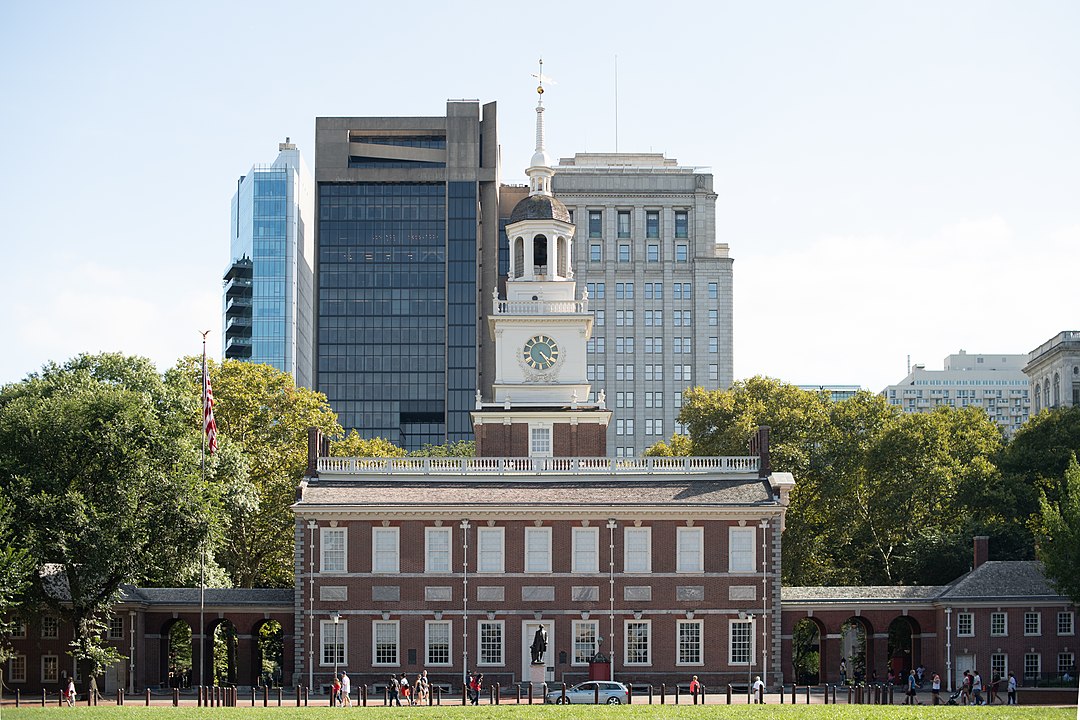
Inside this modest brick building, the “Blueprint of America” was argued into existence. The room is surprisingly intimate, which underscores the tension of the delegates who knew that signing the Declaration was a literal death warrant for treason. Park rangers today cut through the mythology to highlight the brutal compromises made her, reminding us that the Hall is where a messy, imperfect, but resilient democracy began its long walk.
5. Valley Forge, PA: The Victory of Endurance
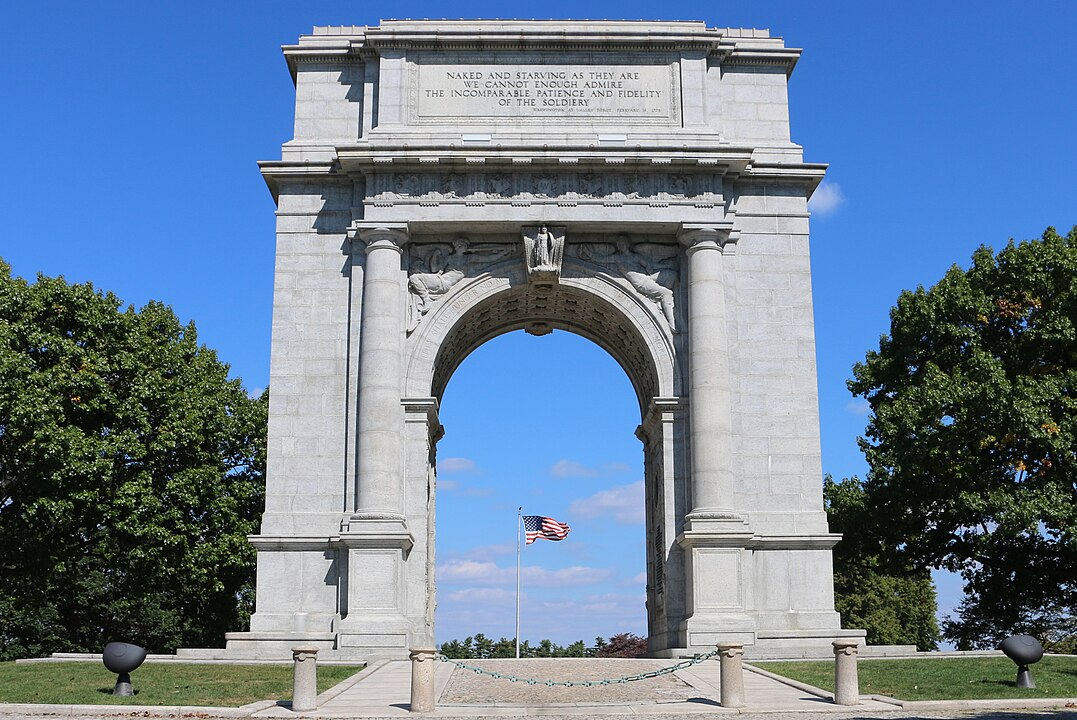
Valley Forge is the most important battle the Continental Army never fought. It was a winter of “industrial-grade” suffering that turned a ragtag group into a professional force. Walking past the reconstructed log huts, you feel the shift from raw courage to organized military science. It proves that wars aren’t just won with gunpowder; they are won with supply chains, hygiene, and the stubborn refusal to quit during a blizzard.
6. Saratoga National Historical Park, NY: The Turning Point
Perched on the bluffs of the Hudson River, Saratoga is where the world realized the Americans might actually win. The terrain here—rugged ravines and dense forests—neutralized British artillery. This victory was the “investment pitch” that finally brought France into the war. To stand on the Great Redoubt is to see the exact spot where a rebellion became a recognized national cause.
7. Fort Ticonderoga, NY: The Logistics of Liberty
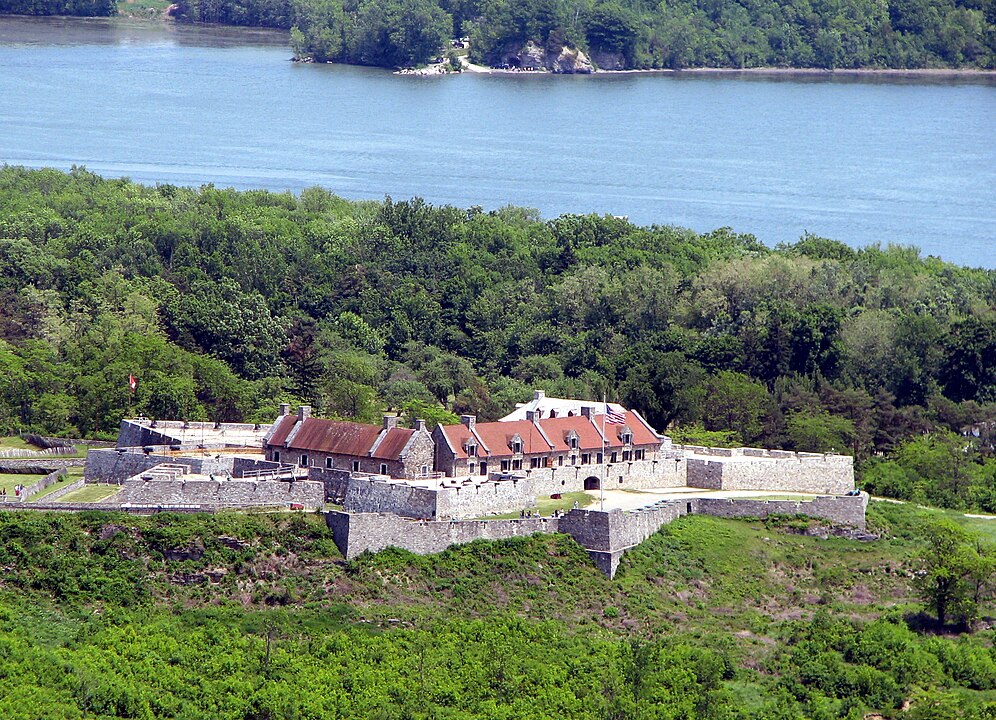
This star-shaped fortress controlled the “North-South” water highway. Its capture by Ethan Allen and Benedict Arnold wasn’t just about territory—it was a heist for heavy artillery. The “Noble Train of Artillery” that Henry Knox hauled from here to Boston changed the course of the war. Ticonderoga teaches us that in revolution, a single fort’s cannons can be more persuasive than a thousand speeches.
8. Washington Crossing, PA/NJ: The Ultimate Gamble
Standing on the banks of the Delaware River, the sheer insanity of the 1776 Christmas night crossing becomes clear. It was a “Hail Mary” move by a desperate commander. The park preserves the launch points where weather was harnessed as a tactical screen. Looking at the dark, icy water, you realize that American independence once rested entirely on a few leaky boats and the grit of men who had nothing left to lose.
9. Monmouth Battlefield, NJ: The Stalemate of Fire
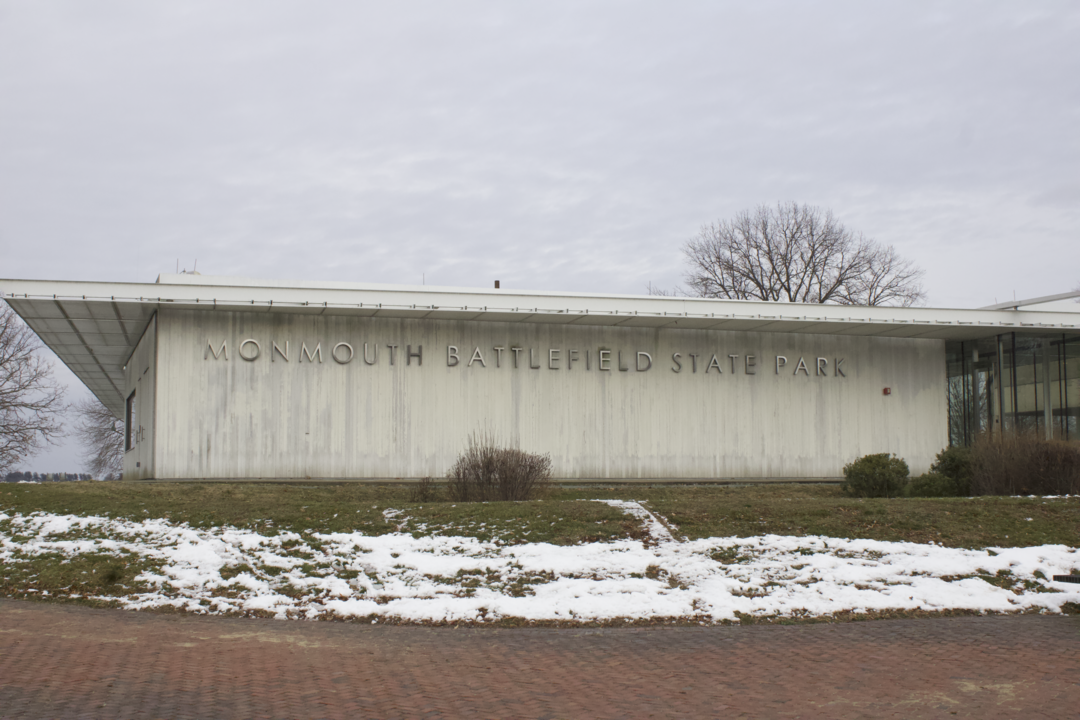
Monmouth was the longest one-day battle of the war, fought in a sweltering 100-degree heatwave. The open fields and hedgerows are perfectly preserved, showing where Washington finally proved his army could go toe-to-toe with the British in a conventional fight. It’s also where the legend of “Molly Pitcher” was born—symbolizing the total community effort required to keep the cannons firing.
10. Guilford Courthouse, NC: The Strategic Retreat
General Nathanael Greene didn’t win this battle, but he “won the campaign” by losing it. By trading space for British casualties, he bled Cornwallis’s army dry. The wooded paths and monuments here illustrate the concept of “tactical patience”—knowing when to take a step back to force your enemy into a final, fatal mistake. In the North Carolina quiet, the logic of the “War in the South” is written in the trees.
11. Kings Mountain, SC: The Civil War Within
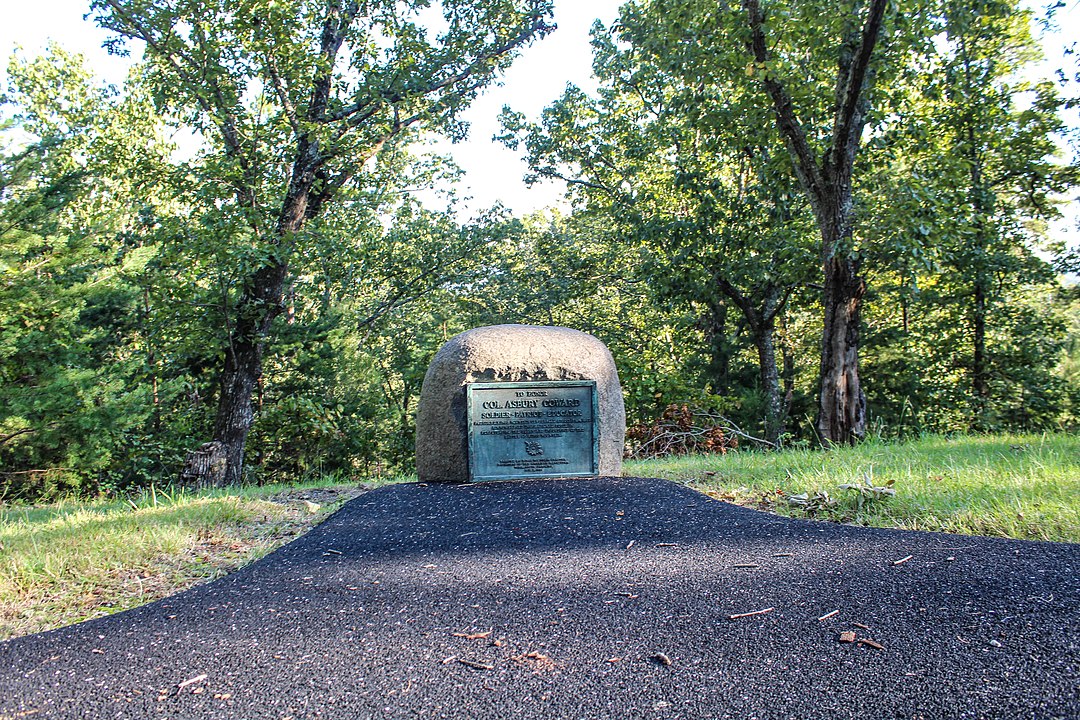
Kings Mountain was a brutal, ridge-top fight between neighbors—Loyalists vs. Patriots. The steep, rocky spine of the mountain explains why the “Overmountain Men” were able to devastate the British-led forces with flanking fire. It was a localized, fierce victory that broke the British hold on the South and proved that a grassroots uprising could dismantle a professional occupation.
12. Yorktown Battlefield, VA: The Final Net
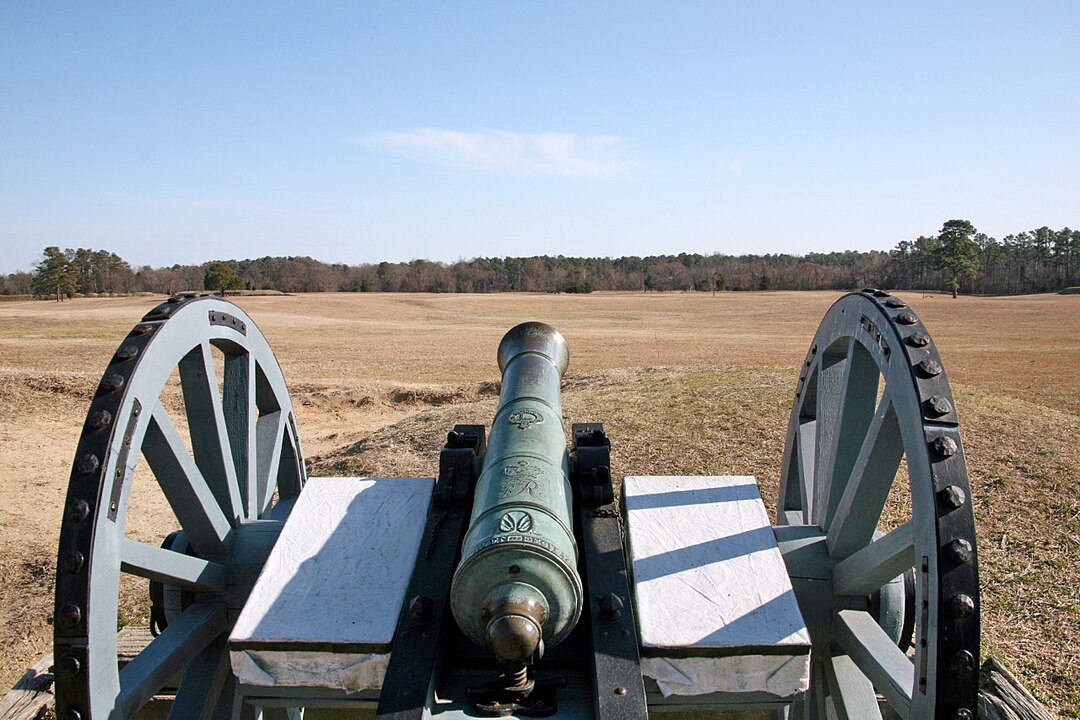
The war ended where the land met the sea. At Yorktown, the earthworks and redoubts show how a combined American and French force trapped the British against the coast. Walking the surrender field, you feel the silence of an empire’s defeat. It is a masterclass in coalition warfare, showing how naval power and siege lines finally forced the signatures that made the United States a reality.
