São Miguel Island in the Azores archipelago grows pineapples in greenhouses — the only place in the world where this fruit is commercially produced under glass rather than in open tropical fields. The Azorean pineapple tradition began in the mid-19th century when local farmers needed to replace failed orange crops. The first commercial export occurred November 12, 1864 — twelve boxes shipped to England. Today, approximately 230 producers operate 1,500 greenhouses across São Miguel, producing 700-1,000 tons annually. The pineapples take 18-24 months to mature — substantially longer than tropical pineapples — and have specific protected EU designation. Here’s the actual story.
1: A Volcanic Island in the Middle of the Atlantic
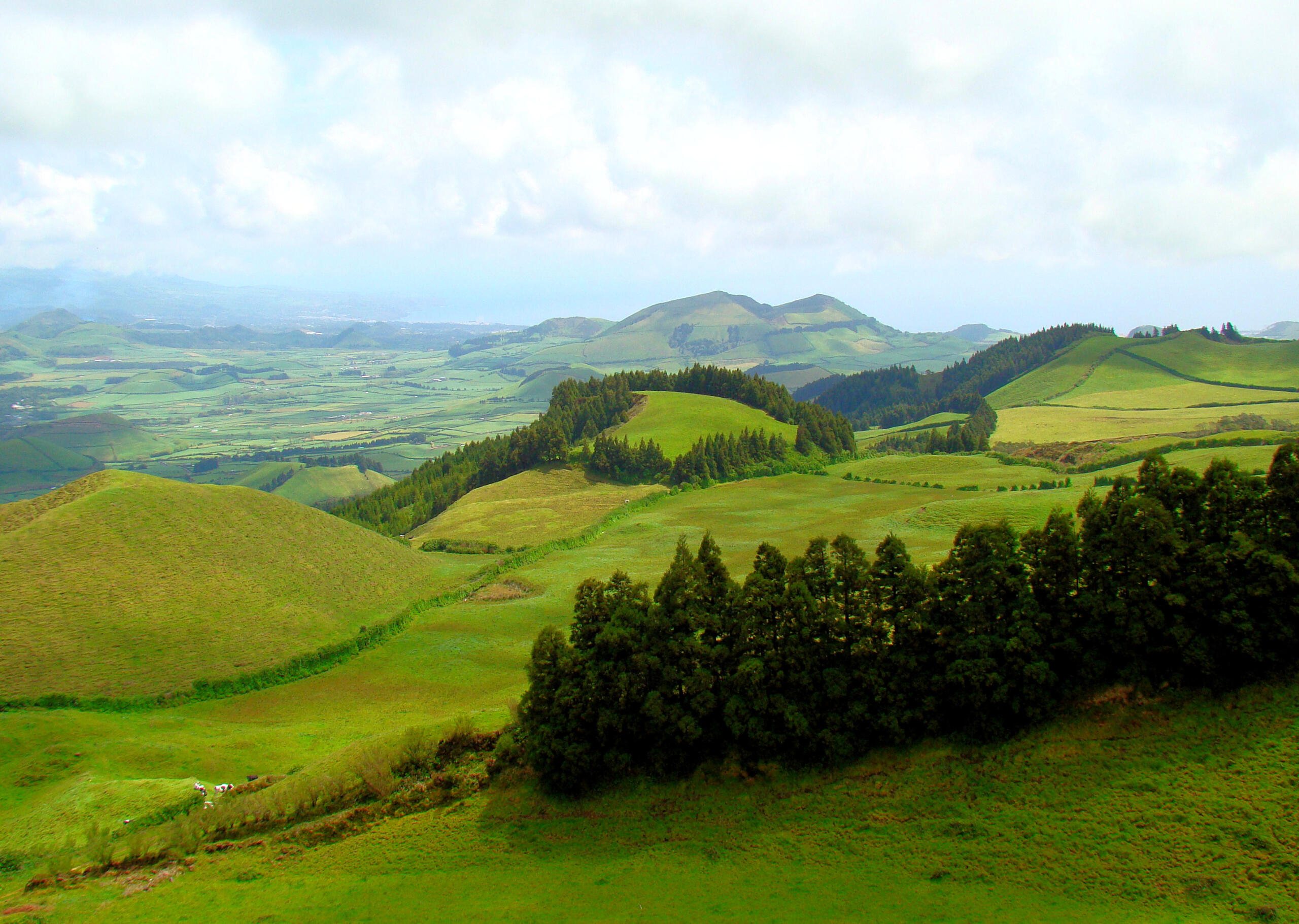
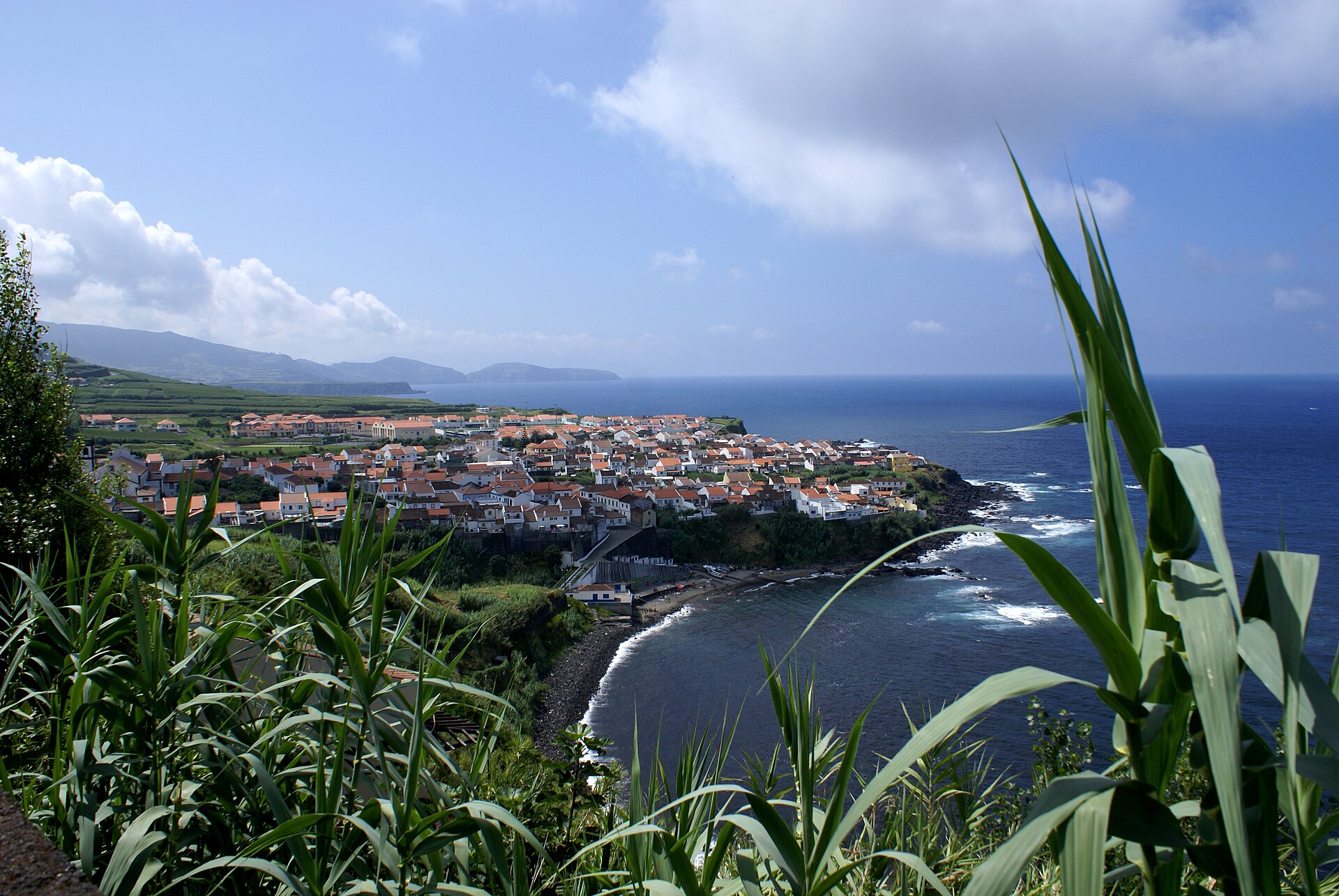
São Miguel is the largest island of the Azores archipelago — Portuguese autonomous region located approximately 1,500 km west of mainland Portugal in the middle of the North Atlantic. The island measures approximately 65 km long and 16 km wide at maximum dimensions, with total area of approximately 760 square kilometers. Population: approximately 137,000 residents (about half of total Azores population). Capital and largest city: Ponta Delgada (approximately 70,000 residents).
The island is volcanic in origin with dramatic landscape including crater lakes, hot springs, fumaroles, and various other volcanic features. The climate is substantially temperate due to Atlantic Ocean moderation — typically 14-25°C year-round with substantial rainfall and humidity. The cumulative climate doesn’t naturally support tropical fruit cultivation despite the maritime moderation. Specifically, pineapples cannot grow outdoors on São Miguel — they require the substantially warmer, more humid conditions that the island doesn’t naturally provide.
2: The Mid-19th Century Orange Disaster
São Miguel had been substantial orange producer through the 18th and early-to-mid 19th centuries. Azorean orange exports dominated specific European markets, particularly England, for substantial decades. The cumulative economy was substantially dependent on orange production. Various accumulated agricultural knowledge, transportation networks, and economic systems all centered on the orange trade.
In the mid-19th century, the orange industry collapsed catastrophically. A fungus called “gomose” (gummosis disease) devastated São Miguel’s orange groves. The disease essentially eliminated commercial orange production within years. The cumulative economic impact was substantial — the island faced major economic crisis as its primary export industry essentially vanished. Local farmers needed alternative crops to replace orange production. Various agricultural experiments occurred across subsequent years as farmers attempted to find replacement income sources.
3: The 1864 First Pineapple Export
Pineapples had been introduced to São Miguel in approximately the late 18th century as ornamental plants — botanical curiosities rather than commercial crops. The “Smooth Cayenne” variety was the specific pineapple type that local botanists experimented with. Various wealthy households grew pineapples in heated greenhouses as luxury botanical displays rather than commercial production.
After the orange industry collapse, local farmers began experimenting with commercial pineapple production. José Bensaúde, one of the original commercial pineapple growers in the Azores, made the first commercial export on November 12, 1864 — twelve boxes of pineapples shipped to England. The cumulative shipment represented substantial experimental success that motivated subsequent investment in commercial pineapple production. By 1864, the first industrial-style pineapple greenhouse had been built with capacity for 800 plants.
4: The Early 20th Century Golden Age
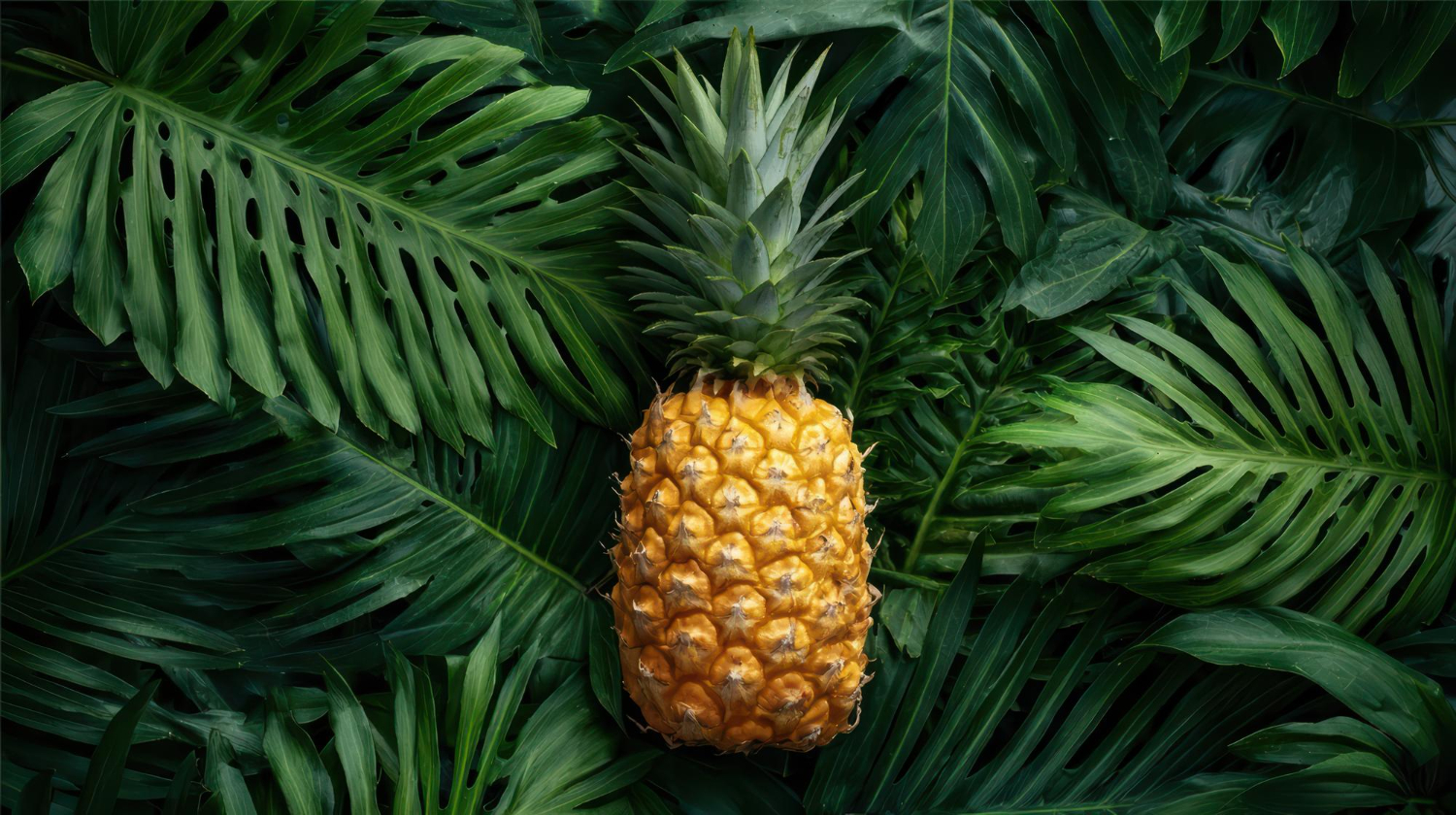
By the early 20th century, Azorean pineapple production had grown substantially. The island had approximately 4,300 greenhouses producing pineapples for export. Major export markets included England, Germany, and Russia — substantial European countries where wealthy households purchased Azorean pineapples as luxury items. The cumulative export volume produced substantial revenue for São Miguel’s economy.
The golden age represented substantial transformation of São Miguel’s agricultural economy. The orange industry was gone, but pineapple production had largely replaced its economic significance. Various farming families had transitioned from orange to pineapple production. The cumulative employment, exports, and economic activity centered on pineapple greenhouses became substantial portion of São Miguel’s overall economic activity. Specific Azorean pineapple brands became substantially known in European luxury food markets during this period.
5: The World War Disruptions
World War I (1914-1918) substantially disrupted Azorean pineapple exports. The cumulative European war reduced demand for luxury imports while disrupting Atlantic shipping. Various European customers reduced purchases dramatically. The cumulative impact was substantial during the war years and continued affecting markets afterward. Recovery occurred slowly through the 1920s before the Great Depression created additional economic complications.
World War II (1939-1945) produced even more severe disruption. The cumulative Atlantic shipping became substantially dangerous due to German submarine warfare. European luxury markets essentially collapsed during the war. The cumulative impact substantially exceeded the WWI disruption. After WWII ended in 1945, the cumulative recovery was slow and incomplete. Various former European markets had developed alternative sources of tropical fruits from various other producing regions. The Azorean pineapple industry’s competitive position substantially weakened across the postwar decades.
6: The Tourism Era Transition
Beginning in approximately the 1960s, tourism began emerging as substantial alternative economic activity for São Miguel. The cumulative tourism development substantially exceeded pineapple production’s economic significance across subsequent decades. Various pineapple greenhouses closed permanently as their operators or descendants transitioned to tourism-related work. The cumulative pineapple industry shrank substantially from its early 20th century peak.
However, pineapple production didn’t disappear entirely. Various specific families maintained their greenhouses across multiple generations despite reduced profitability. The cumulative remaining industry shifted partially toward tourism — pineapple plantations became visitor attractions in addition to remaining commercial producers. The cumulative dual function (working agricultural production plus tourism attraction) sustained various plantations that pure commercial agriculture couldn’t have supported alone. The cumulative model continues operating in 2026.
7: How Azorean Pineapples Actually Grow
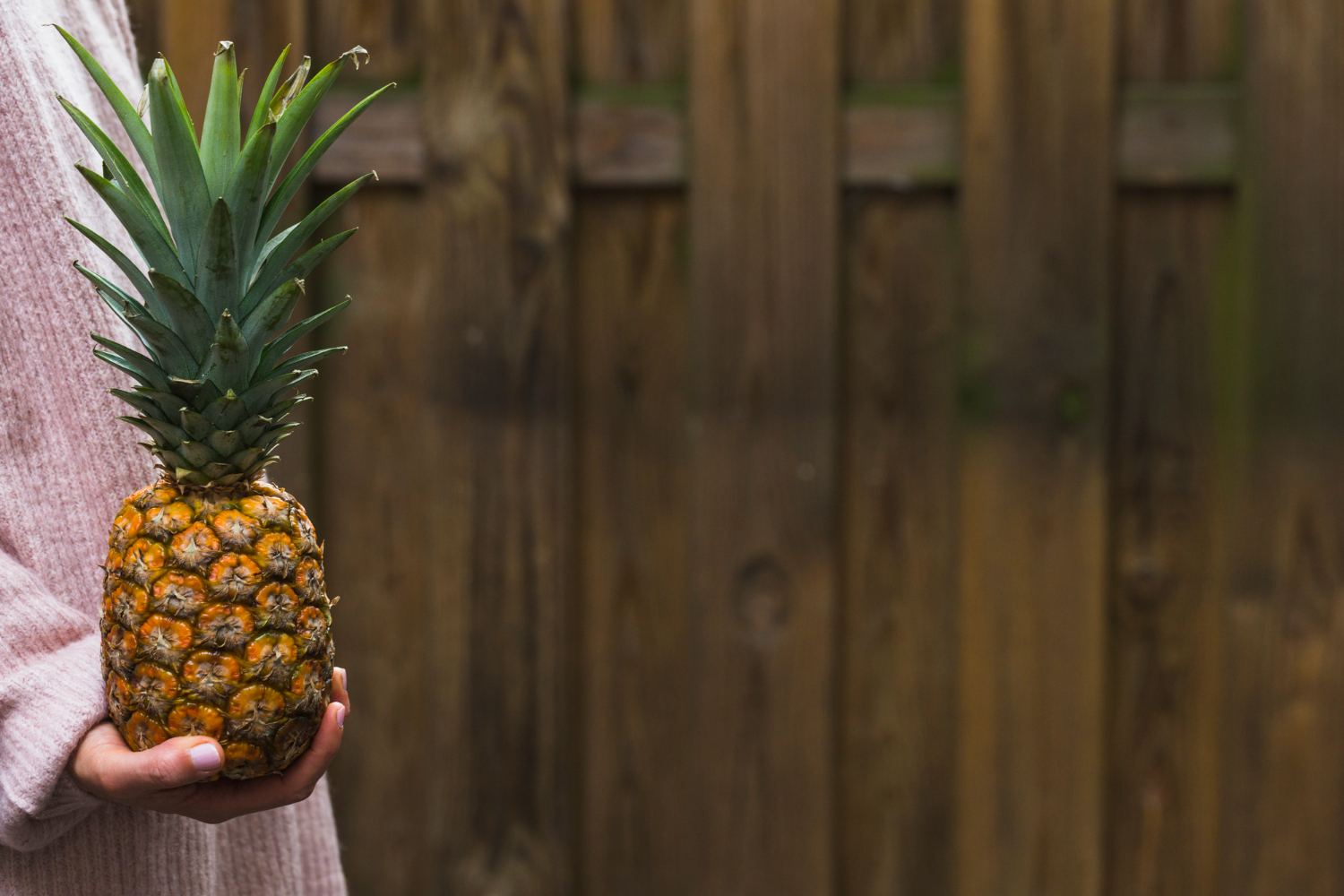
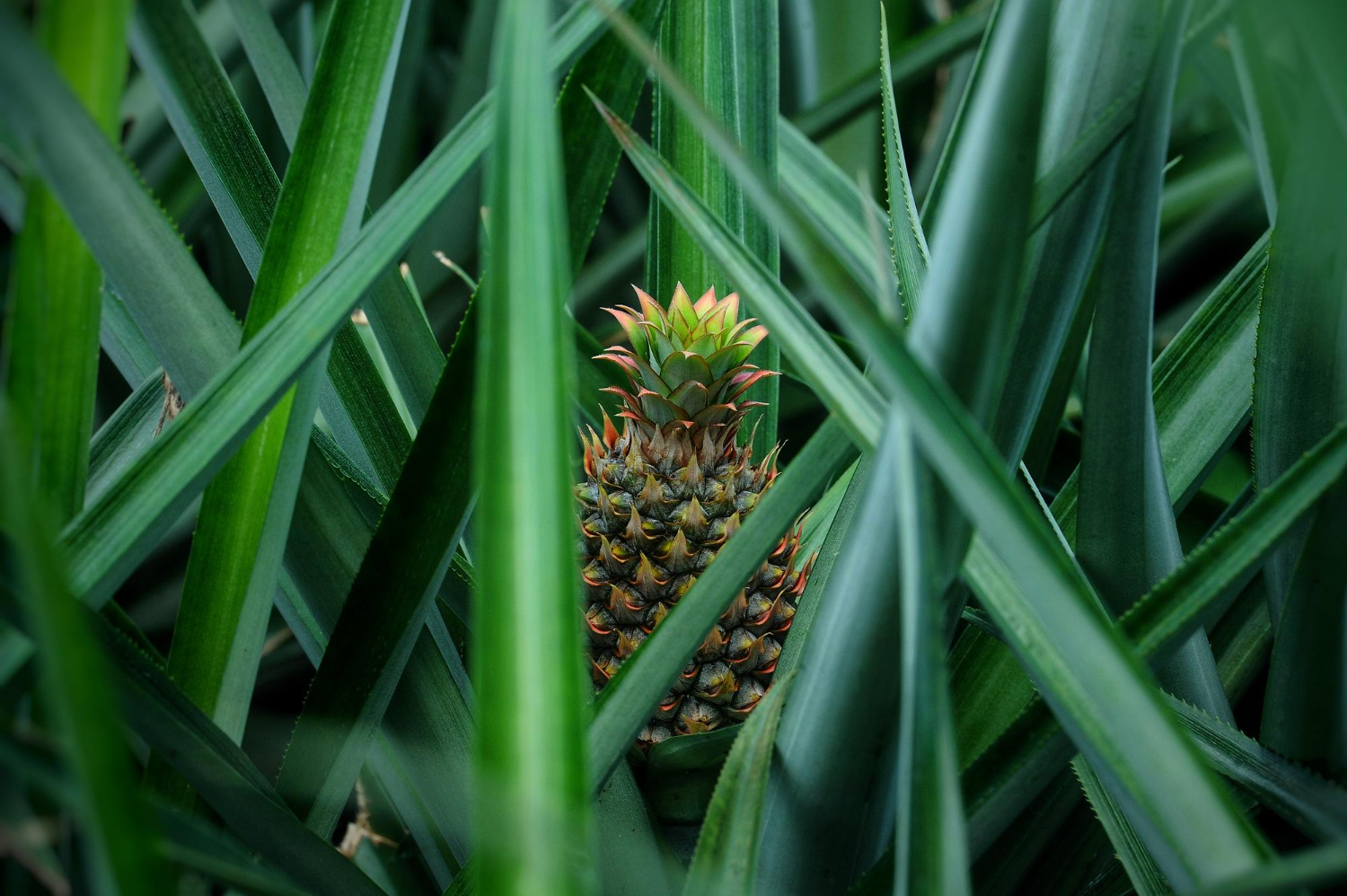
The Azorean pineapple production process is substantially distinctive from typical tropical pineapple cultivation. Plants grow in glass-and-wood greenhouses with specific environmental control — temperature, humidity, light all carefully managed throughout the 18-24 month growth cycle. The greenhouses are whitewashed at various times of year to control light and heat exposure. Windows open and close to manage humidity. Rainwater capture systems provide sustainable irrigation.
The specific cultivation involves “hot beds” (organic material bases that provide rich growing substrate), no pesticides or herbicides (creating substantially organic production), specific harvesting timing, and various other distinctive techniques. The cumulative process is substantially more labor-intensive than tropical pineapple production. Each pineapple plant produces only one fruit per cycle. The cumulative labor and time investment produces substantially higher prices than commercial tropical pineapples but creates specific quality differentiation that justifies the premium pricing.
8: The “Smoke Operation”
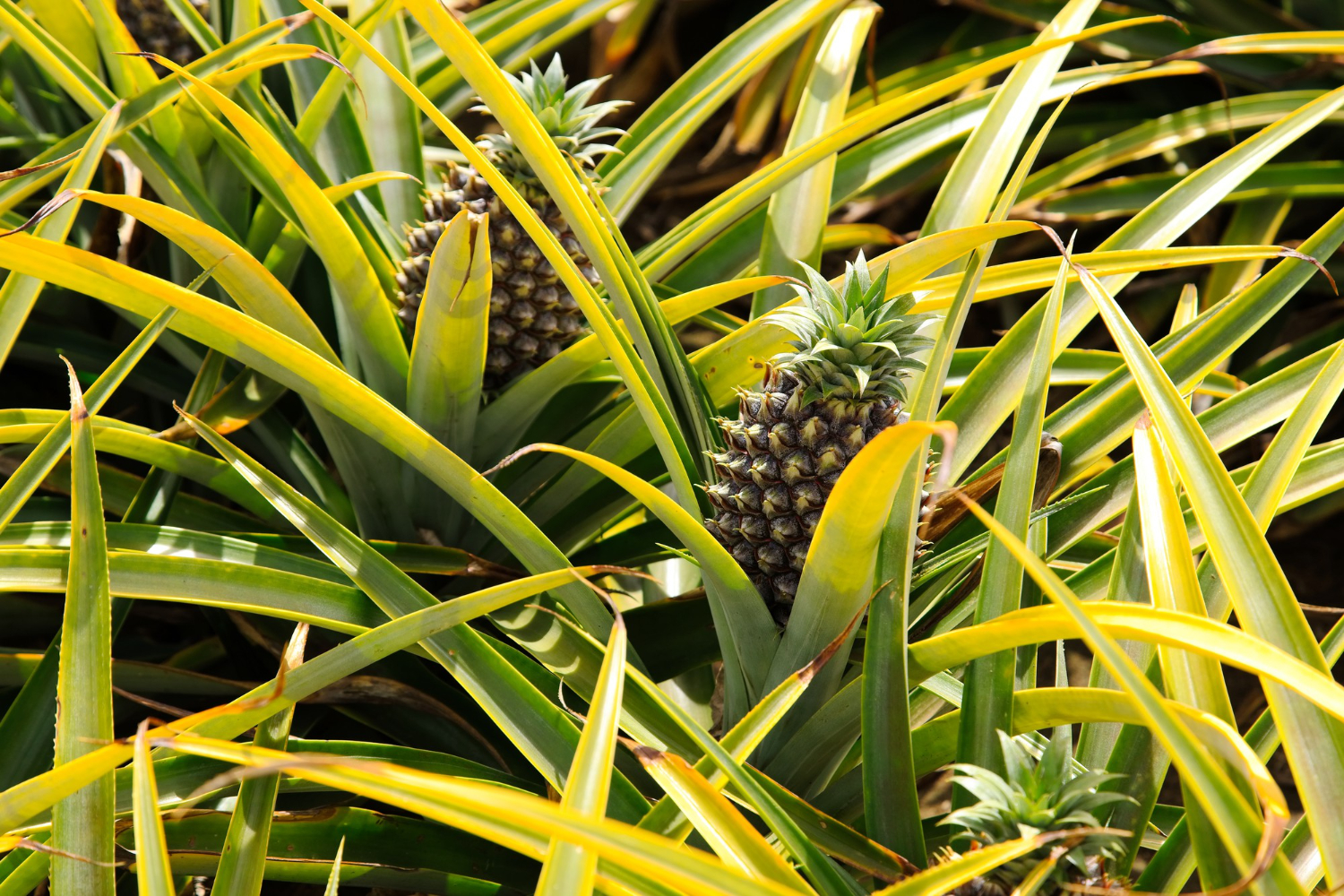
The most distinctive technique in Azorean pineapple cultivation is the “smoke operation” (fumaça in Portuguese). After plants reach 4-6 months of growth, greenhouses are sealed and substantial vegetation is burned inside, creating dense smoke with substantial ethylene content. The temperature can reach approximately 40°C during the operation. The smoke and heat together trigger uniform flowering across all plants in the greenhouse simultaneously.
The technique was reportedly discovered by accident during the early commercial production period. The cumulative effect creates synchronized blooming that produces uniform harvest timing — essential for commercial production efficiency. Various other pineapple producers globally have attempted similar techniques but the Azorean version remains distinctive through specific local materials and techniques. The cumulative tradition has been passed across generations of São Miguel pineapple farmers as fundamental production knowledge.
9: The Modern Production Reality
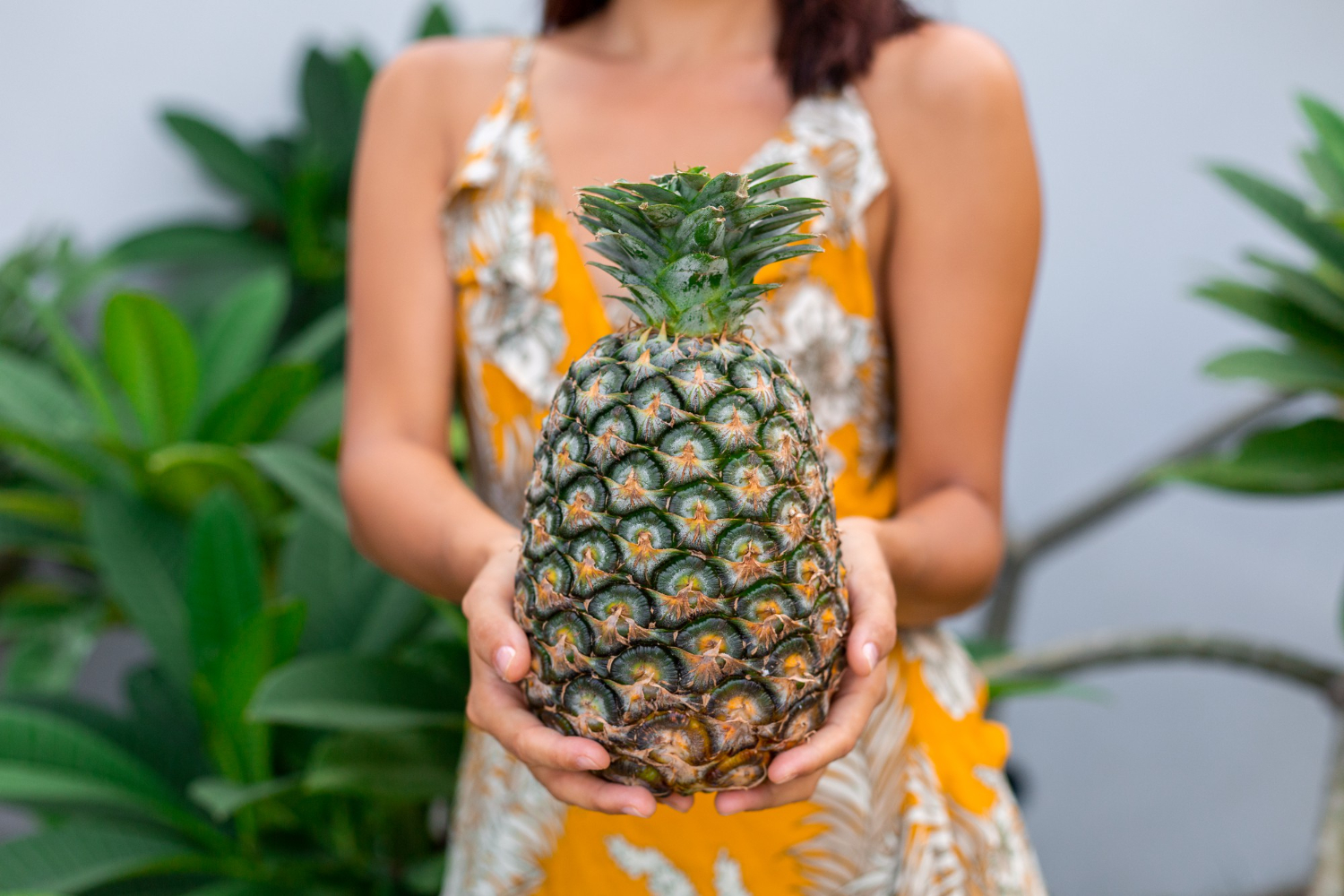
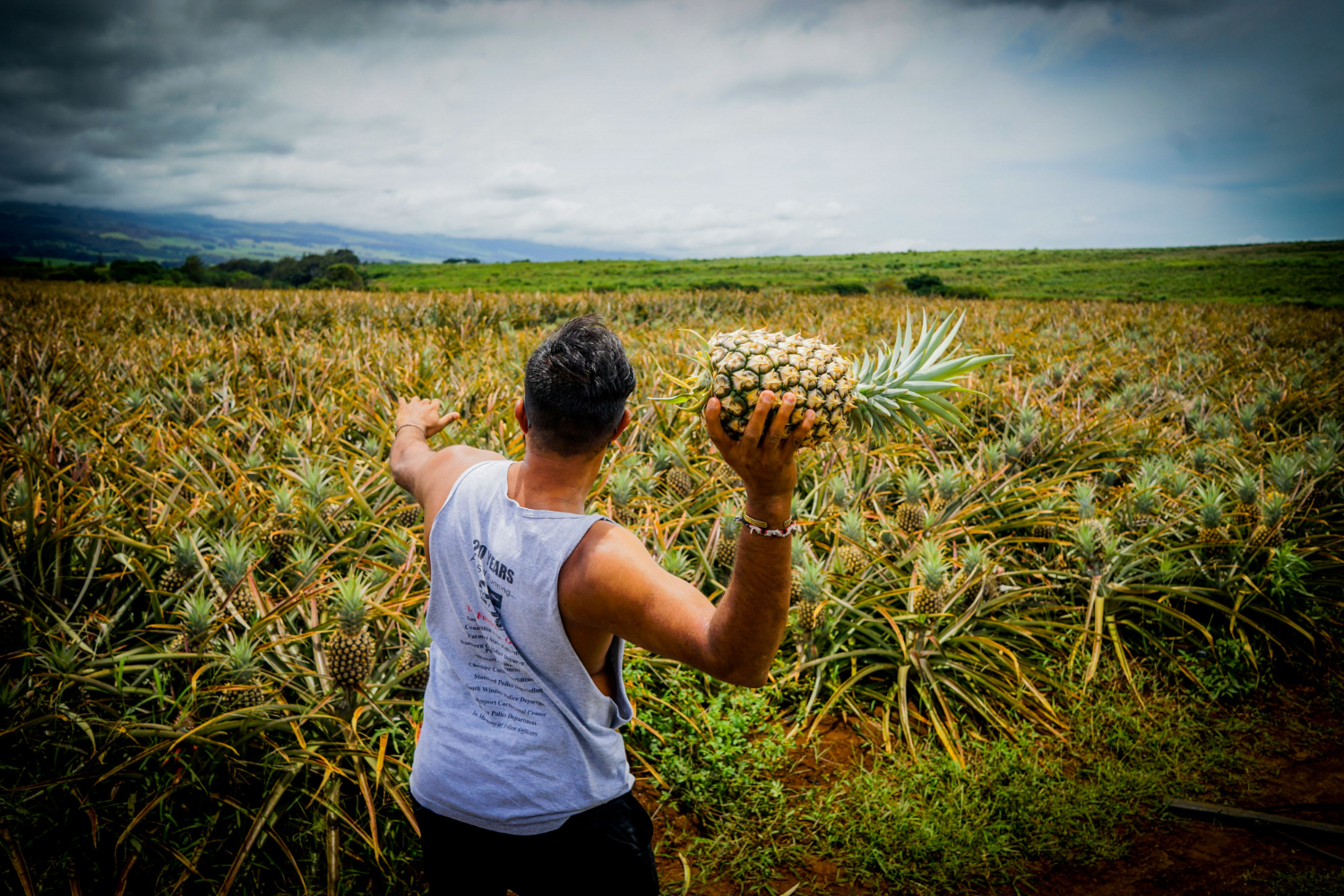
As of 2026, approximately 230 pineapple producers operate approximately 1,500 greenhouses across São Miguel. Total annual production: approximately 700-1,000 tons of pineapples. Most production occurs in the Ponta Delgada area on the island’s south coast, with additional production in Vila Franca do Campo, Ribeira Grande, Lagoa, and various other specific locations. The cumulative production is substantially smaller than the early 20th century peak but represents continued traditional production rather than industrial-scale modern operations.
The Azorean Pineapple received Protected Designation of Origin (PDO/DOP) certification from the European Union — protecting the specific “Ananás dos Açores” designation from competing products. The certification provides legal protection that maintains the traditional production methods and prevents misuse of the geographic designation by producers elsewhere. The cumulative certification supports the premium pricing that makes the labor-intensive production economically sustainable in modern markets.
10: The Major Plantation Visits
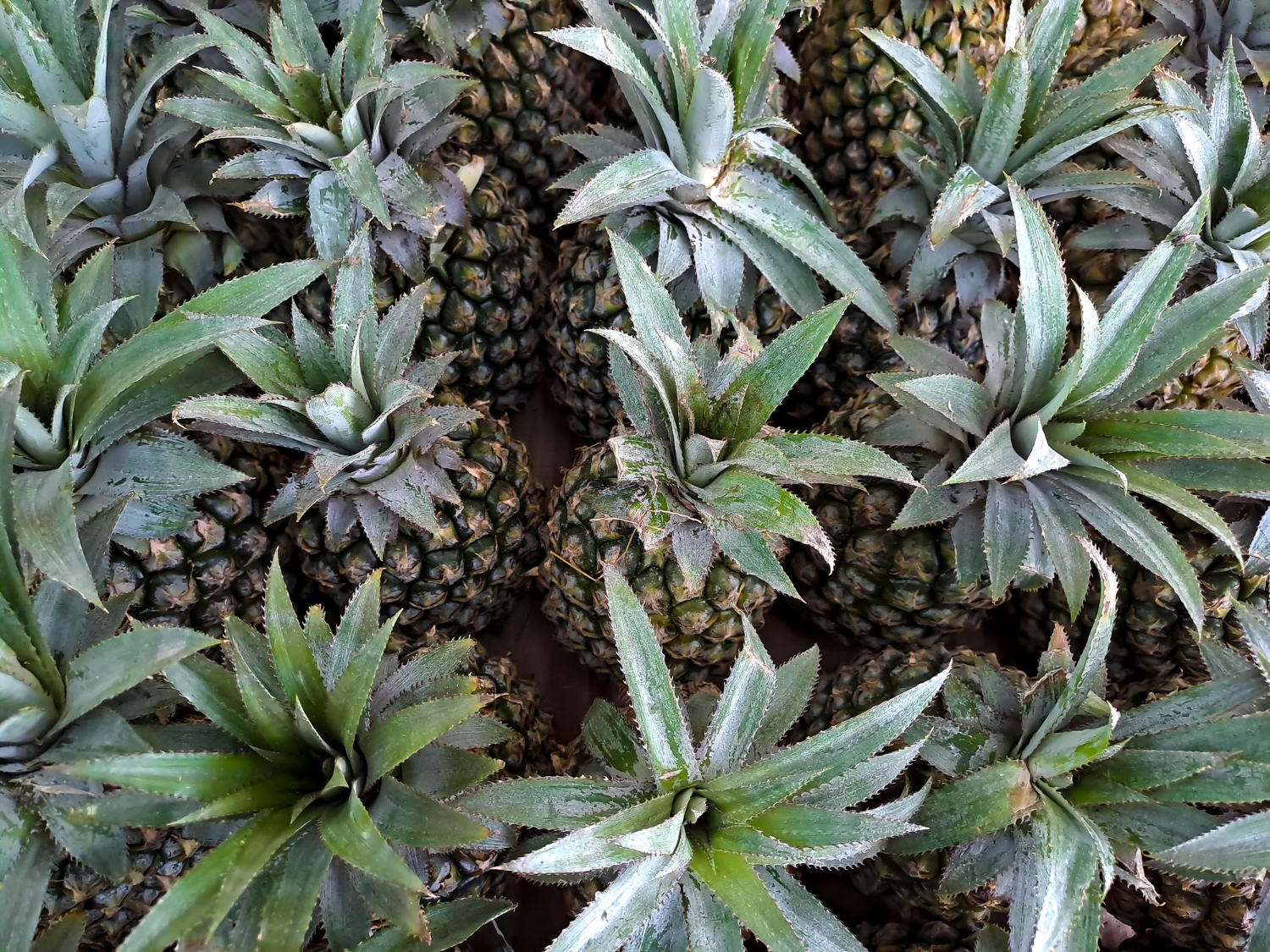
Three main pineapple plantations are open to visitors on São Miguel. Plantação de Ananases A. Arruda (founded 1919 by Augusto Arruda) is the oldest and most substantial visitor attraction — free entry, open 9 AM to 8 PM daily April-September (9 AM to 6 PM October-March). Plantação de Ananás dos Açores provides additional substantial visit experience with restaurant featuring pineapple-themed cuisine. Ananás Santo António offers more compact but substantial visit experience.
Each plantation provides specific elements. Self-guided or guided tours through working greenhouses. Pineapple product tasting (juices, jams, liqueurs). Gift shops selling pineapple-related products. Various other educational and experiential elements. Visits typically take 30-60 minutes for substantial experience. The cumulative visit provides genuine exposure to the production process plus opportunity to taste fresh Azorean pineapples that international visitors essentially cannot access elsewhere.
11: Practical Visit Information
Practical guidance for travelers planning São Miguel visits. Access is via flights to Ponta Delgada Airport from various European cities. Major airlines including TAP Portugal, Azores Airlines (SATA), and various others operate regular flights. From mainland Portugal: typically 2-2.5 hour flights from Lisbon. From other European cities: typically 3-4.5 hour flights. From the United States: direct flights from Boston operated by various carriers.
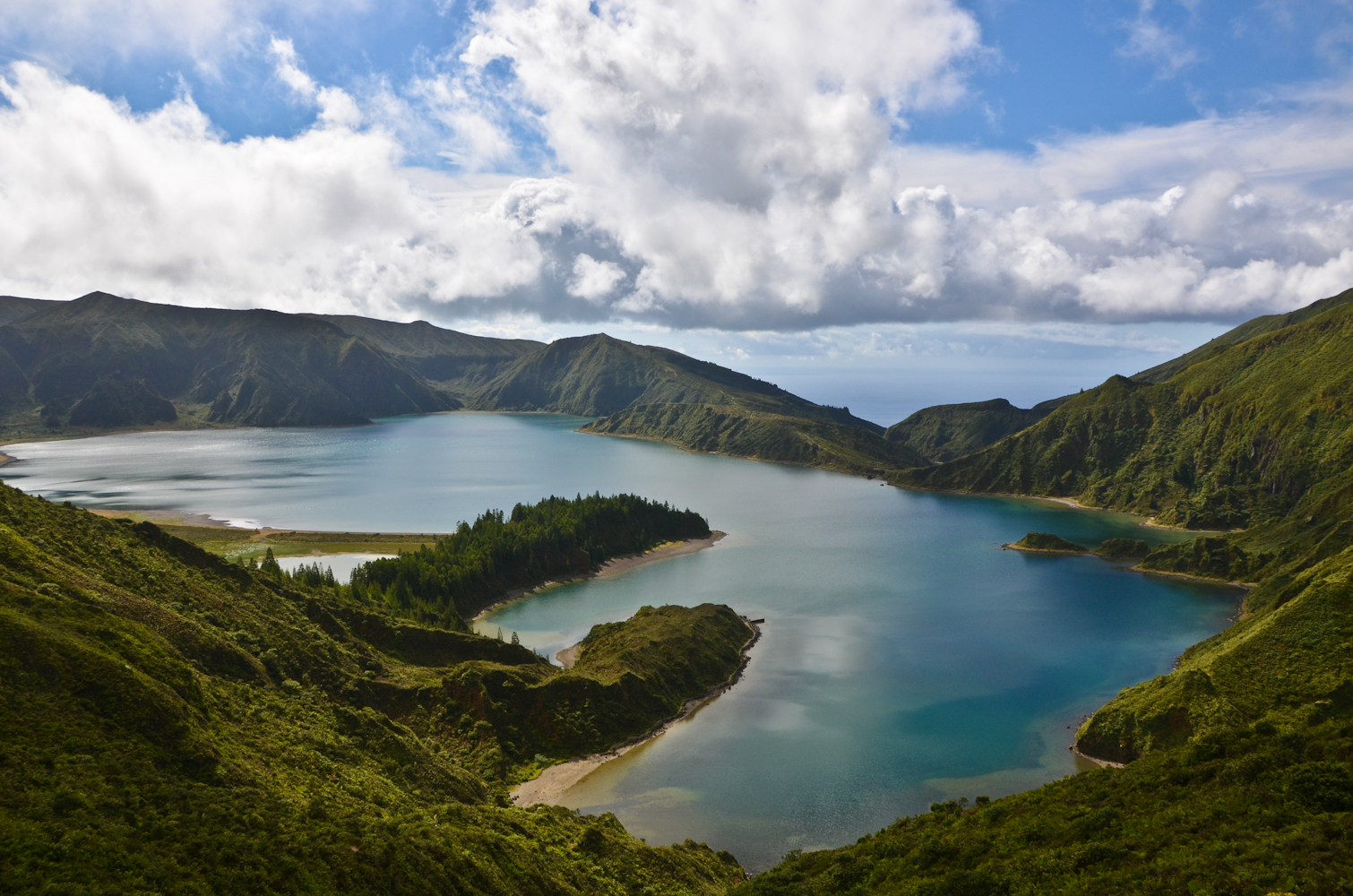
Most international visitors plan 5-10 day São Miguel visits combining various attractions. Beyond pineapple plantations, the island offers substantial natural attractions including Lagoa do Fogo (crater lake), Sete Cidades (twin crater lakes), Furnas (geothermal area with hot springs and traditional cozido — meat and vegetables cooked in volcanic ground heat), Terra Nostra Park (botanical garden with thermal pool), Atlantic whale watching opportunities, and various other specific elements. The cumulative São Miguel experience substantially exceeds just pineapple tourism.
12: The Broader Azores Experience
São Miguel is one of nine Azorean islands, each with specific character. Pico Island features Portugal’s highest mountain (2,351 m volcano). Terceira contains UNESCO World Heritage city of Angra do Heroísmo. Faial features substantial sailing culture and 1957 volcanic eruption site. Various other islands offer specific experiences. Inter-island travel via small aircraft or ferries provides substantial multi-island exploration opportunities.
The cumulative Azores experience represents one of Europe’s more distinctive island destinations. The combination of dramatic volcanic landscape, Atlantic Ocean isolation, substantial natural beauty, distinctive cultural traditions, and various specific attractions creates travel experience substantially different from mainland European destinations. The cumulative islands have substantially developed tourism infrastructure across recent decades while maintaining traditional character. For travelers willing to invest the additional travel time to reach the Atlantic islands, the cumulative experience provides substantial value beyond what mainstream European tourism typically offers.
What Azorean Pineapples Actually Represent
The Azorean pineapple industry represents specific successful adaptation to economic crisis through experimental agricultural innovation. The mid-19th century orange industry collapse could have substantially devastated São Miguel’s economy permanently. Instead, local farmers experimented with pineapple production despite the apparent impossibility of growing tropical fruit in temperate Atlantic conditions. The cumulative experimentation produced specific greenhouse-based production methodology that’s genuinely unique globally. The resulting industry has substantially smaller scale than the original orange industry but has persisted for over 160 years across substantial economic and political changes. The cumulative production continues providing both economic activity and cultural heritage for São Miguel residents while creating distinctive tourist experience that mainstream European tourism doesn’t typically include. For travelers visiting the Azores, the pineapple plantations represent specific opportunity to experience one of the world’s most distinctive agricultural traditions. The cumulative combination of dramatic Atlantic island setting plus unique agricultural heritage plus substantial product quality creates experience that exists nowhere else in quite the same way. The pineapple production will likely continue for decades to come as long as Azorean farming families maintain the specific traditional knowledge and economic commitment that supports this distinctive industry.