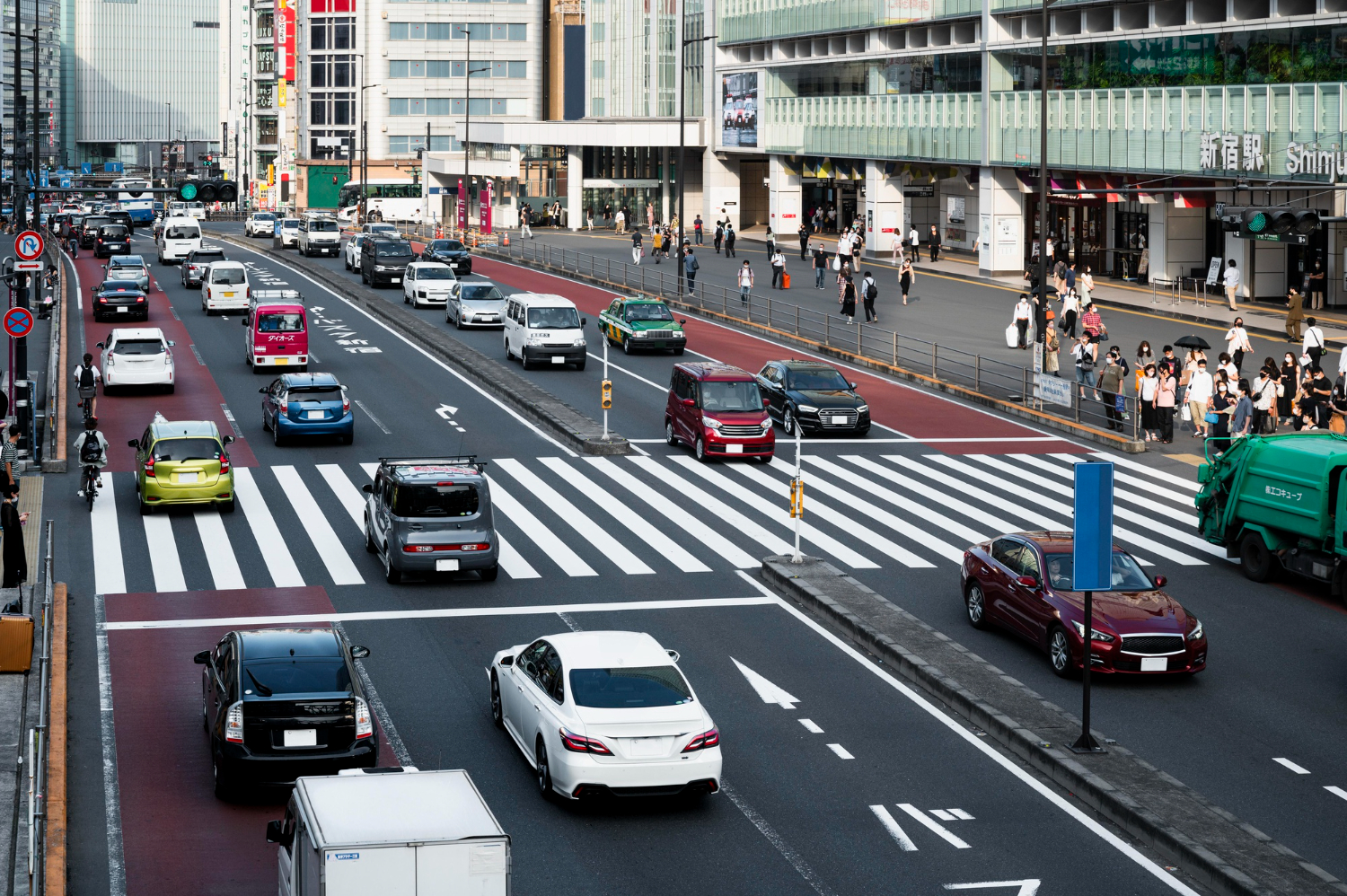
Few daily frustrations are as universal as sitting in traffic, and across America, the gridlock is getting worse. According to the latest national traffic analysis, congestion has been climbing in the vast majority of U.S. urban areas, with the typical American driver now losing around 49 hours a year to traffic delays, the equivalent of more than a full work week, at a cost of hundreds of dollars per driver in wasted time. But some cities are far worse than others, with drivers in the most congested metros losing more than double the national average. Here is a look at the American cities with the worst traffic, based on the most recent comprehensive data, along with the reasons their roadways are so clogged. The figures here reflect the latest available traffic scorecard.
1. Chicago, Illinois
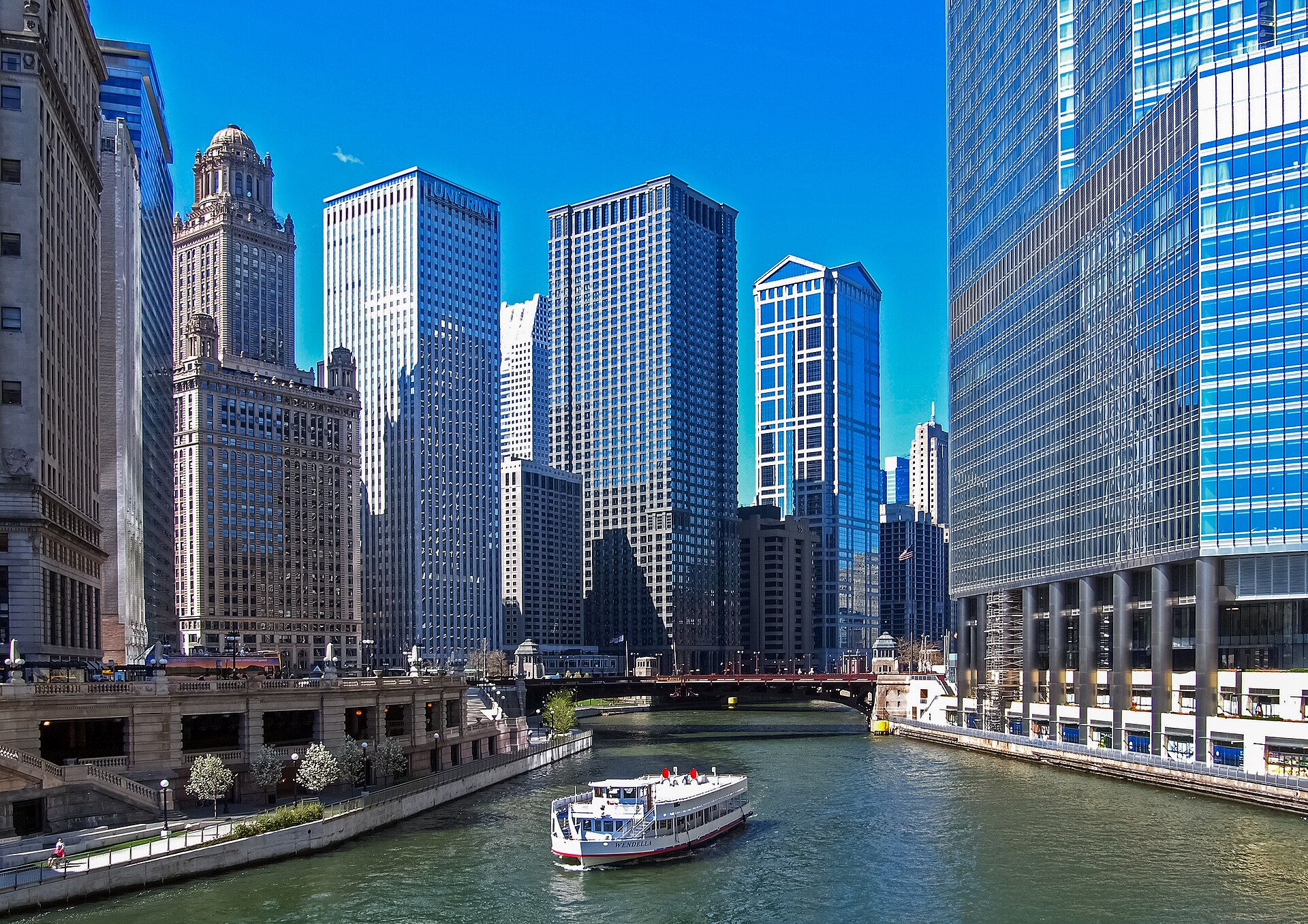
Topping the list as the most congested city in America is Chicago, where drivers lost an average of around 112 hours to traffic delays over the course of the year, more than double the national average. That staggering figure translated into an estimated cost of over two thousand dollars per driver in lost time, the highest in the country.
Chicago’s rise to the top spot reflects its status as one of the nation’s largest economic centers and a major crossroads for rail, trucking, and air travel. Its dense layout and the presence of Lake Michigan, which blocks expansion to the east and funnels traffic through limited corridors, contribute to the gridlock, along with constant construction and heavy freight traffic. Even minor incidents can paralyze the city’s expressways and downtown streets. For Chicago’s commuters, the city’s new status as America’s traffic capital is an unwelcome distinction.
Like our content? Follow us for more.
2. New York City, New York
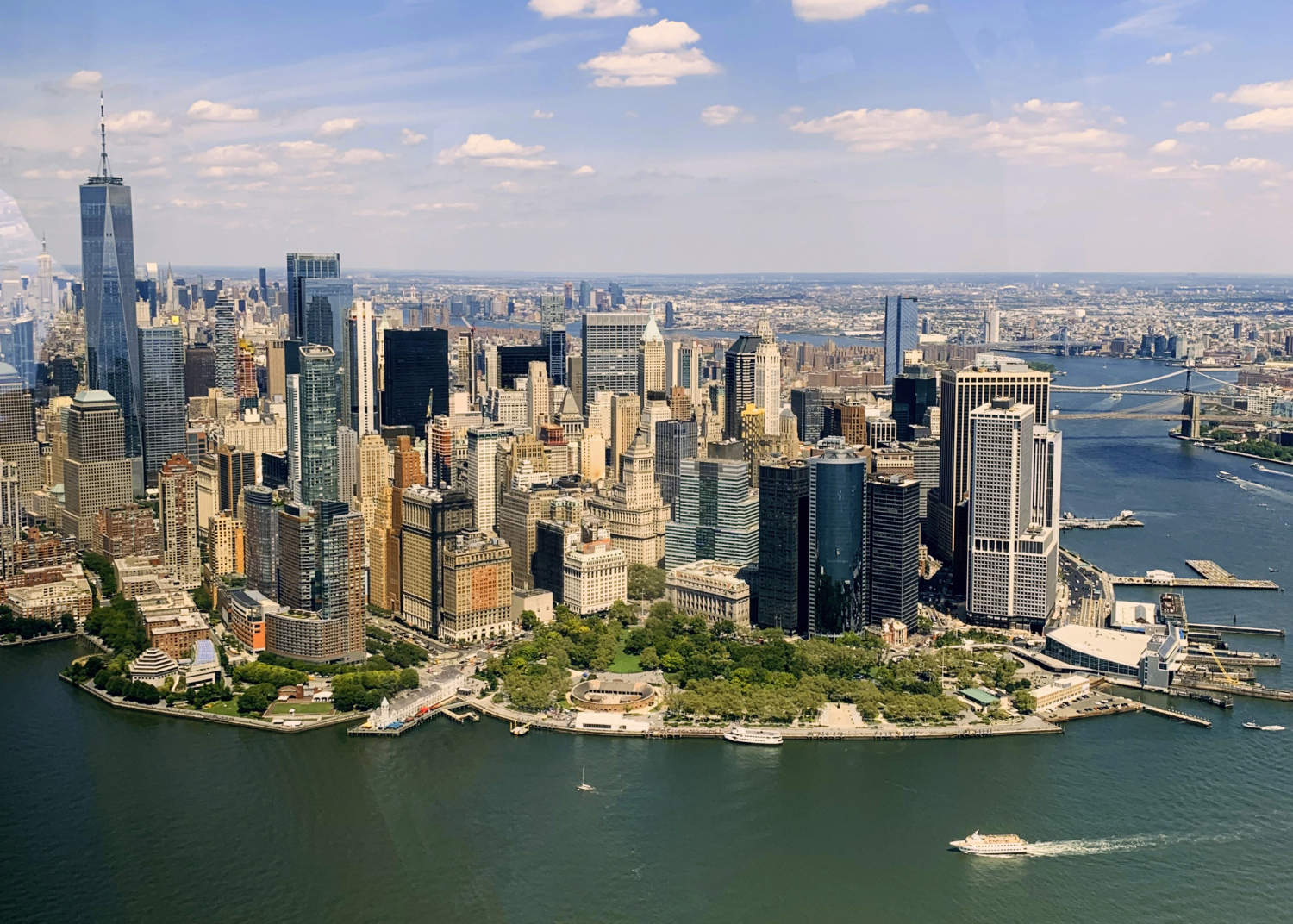
Coming in second is New York City, where drivers lost roughly 102 hours to congestion. Long accustomed to heavy traffic, the nation’s largest city saw its delays hold roughly steady rather than increase, which some analysts attributed in part to new congestion-management measures in its busiest areas.
As one of the most densely populated places in the country, New York’s challenges are immense: enormous volumes of vehicles, narrow and aging street grids, constant deliveries, and the sheer concentration of people and activity. The fact that its congestion did not worsen, even as it climbed in most other cities, was notable. Still, with over a hundred hours lost per driver annually, New York remains one of the most gridlocked places in America, where getting around by car can be a genuine test of patience.
3. Philadelphia, Pennsylvania
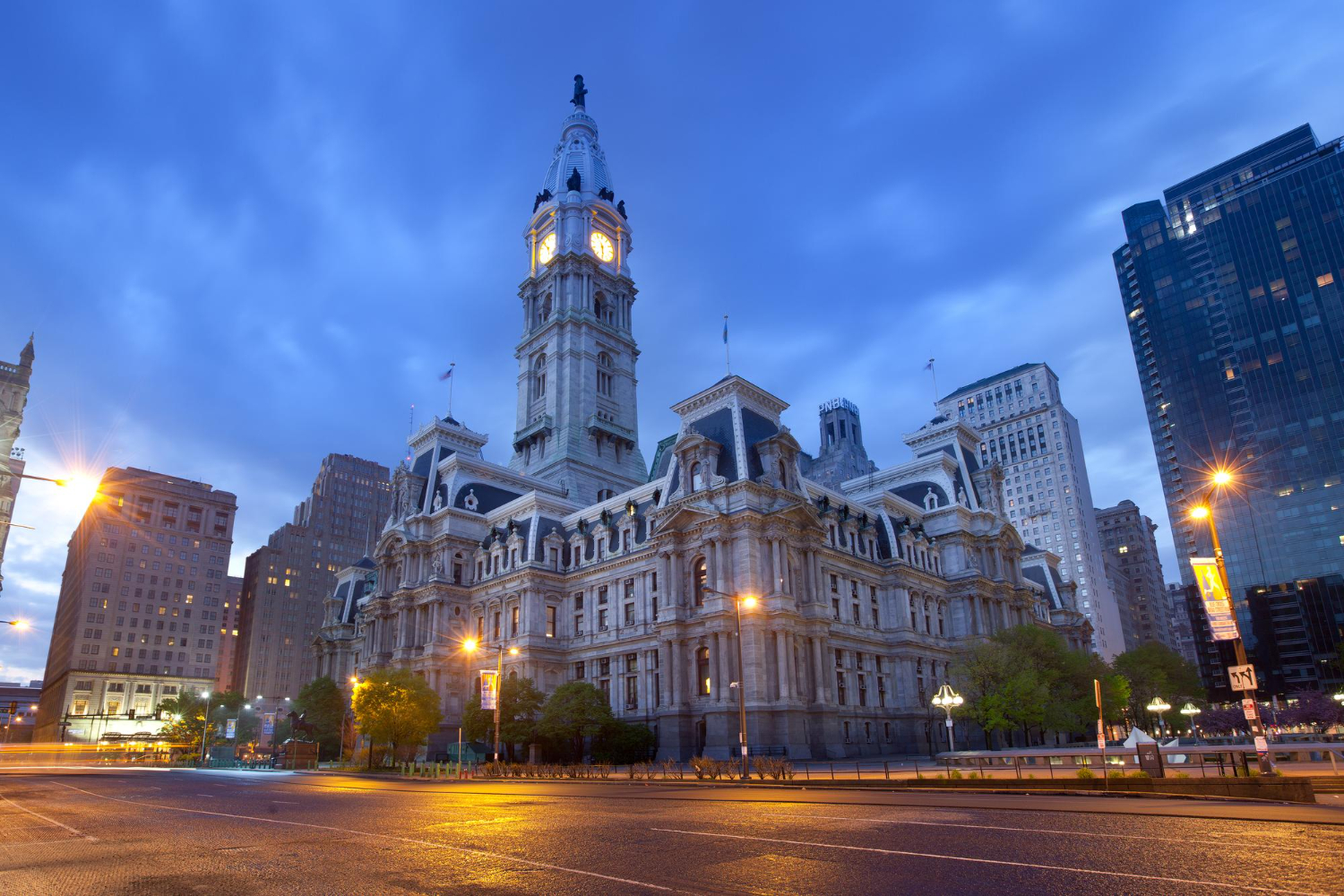
Philadelphia ranked third, with drivers losing approximately 101 hours to traffic delays, a figure that reflected a notable worsening of congestion in the city. As a major East Coast metropolis positioned along the busy Northeast corridor, Philadelphia contends with heavy commuter, commercial, and through traffic.
The city’s older infrastructure, dense urban core, and position as a hub between other major Northeast cities all contribute to its congestion challenges. Like many older American cities, Philadelphia’s road network was not designed for the volume of traffic it now carries. Its jump up the rankings signals worsening gridlock in a major economic center, adding to the daily burden faced by the region’s commuters. For Philadelphians, the city’s traffic woes are an increasingly significant part of daily life.
4. Los Angeles, California
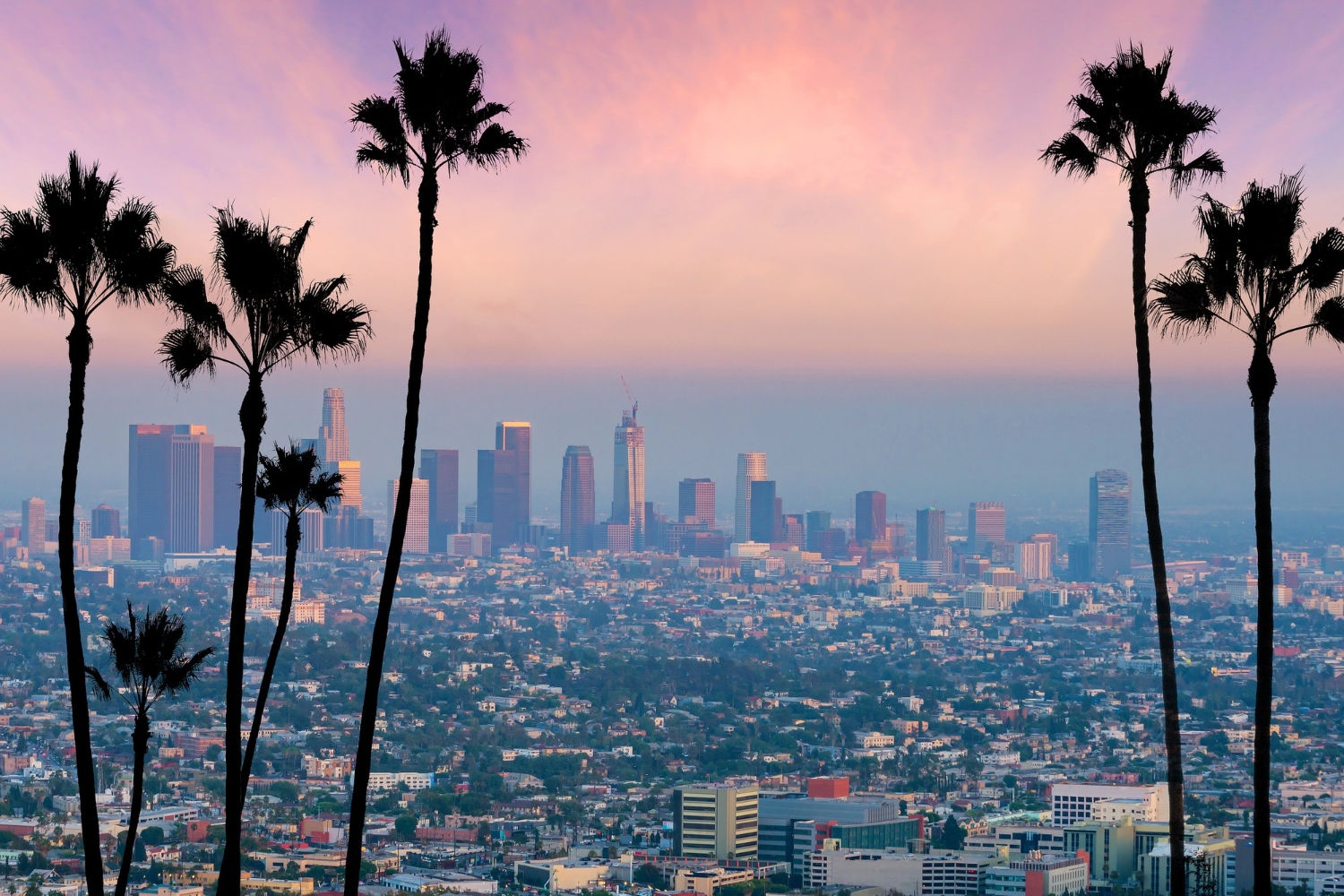
Famous, or infamous, for its car culture and sprawling freeways, Los Angeles ranked fourth, with drivers losing around 87 hours to congestion. Notably, LA’s traffic actually improved very slightly compared with the prior year, a rare bright spot, though it remains among the most congested places in the nation
Los Angeles is practically synonymous with traffic jams, its vast network of freeways carrying enormous volumes of vehicles across a sprawling, car-dependent region. Despite its reputation as perhaps the ultimate traffic city, LA actually ranked behind several others in the latest data, and its slight improvement bucked the national trend of worsening congestion. Still, with well over eighty hours lost per driver, life behind the wheel in Los Angeles remains a defining and often frustrating feature of the Southern California experience.
5. Boston, Massachusetts
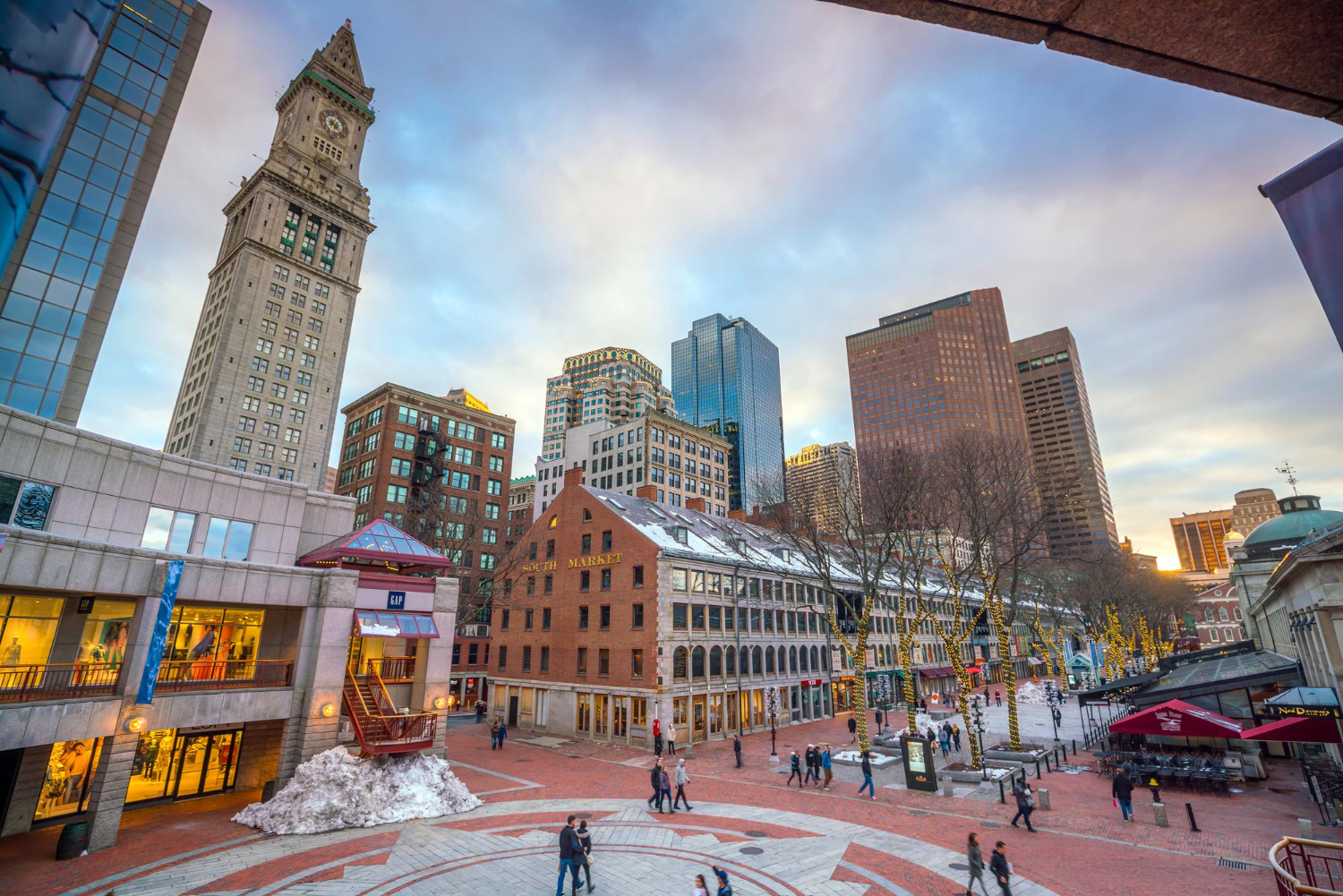
Rounding out the top five is Boston, where drivers lost roughly 83 hours to traffic congestion. The historic New England city, with its famously confusing and old street layout, has long struggled with significant traffic challenges that test the patience of its commuters.
Boston’s roads, many following routes laid out centuries ago, were never designed for modern traffic volumes, contributing to frequent congestion. As a major economic and educational hub in the densely populated Northeast, the city draws heavy commuter and commercial traffic. The combination of old infrastructure, density, and weather challenges keeps Boston firmly among the most congested cities in the country. For Boston-area drivers, navigating the city’s notoriously tricky and crowded roadways is a well-known daily reality.
The Cities Just Behind the Leaders
Beyond the top five, a number of other major American cities rank among the most congested, with drivers losing substantial time to delays each year. Large metros across the country, particularly dense urban centers and rapidly growing regions, continue to grapple with worsening traffic as populations grow and commuting patterns return toward pre-pandemic levels.
The data showed that congestion increased in the large majority of U.S. urban areas analyzed, a clear sign that traffic is intensifying nationwide rather than being confined to a few notorious cities. Growing populations, renewed urban activity, and infrastructure that struggles to keep pace are driving the trend. Whether in long-congested giants or fast-growing newer hot spots, more and more American drivers are finding themselves spending greater portions of their days stuck behind the wheel.
Why American Traffic Is Getting Worse
The broad worsening of congestion across the country reflects several converging forces. As commuting patterns returned toward pre-pandemic norms, more vehicles flooded back onto the roads. Strong vehicle sales put more cars on the road overall, while urban road networks, many built decades ago, simply were not designed to handle current volumes.
Population growth and renewed migration into urban areas added strain to major corridors, while the partial fading of remote-work arrangements brought more commuters back to peak-hour travel. Interestingly, a few large, dense cities managed to hold their congestion steady or even reduce it, with measures like congestion pricing and infrastructure investment appearing to play a role, suggesting that thoughtful policy can make a difference. But for most of the country, the trend points toward more time lost to traffic, a growing drain on both time and money for American drivers.
Surviving the Daily Commute
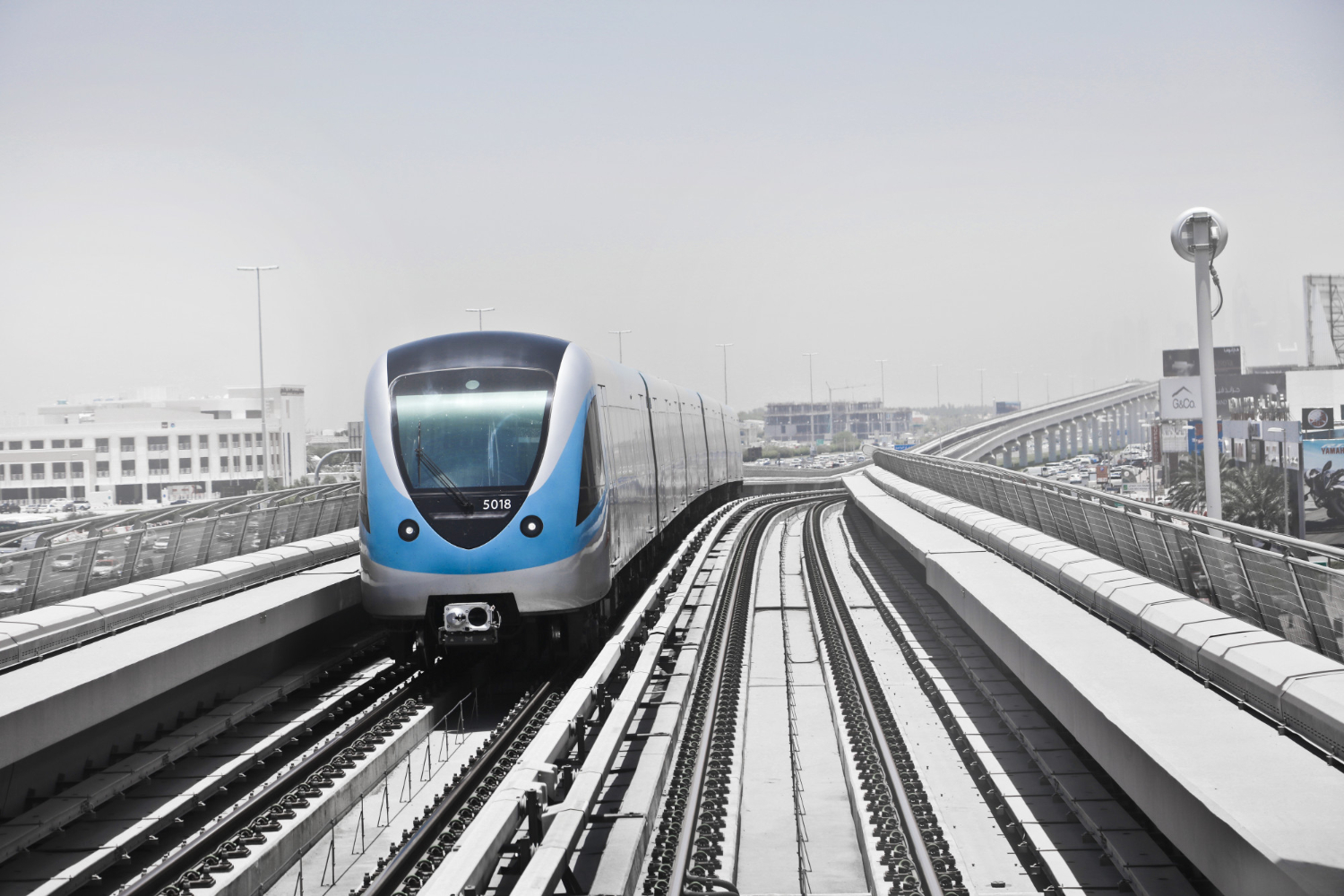
For those living in these congested cities, dealing with heavy traffic is an unavoidable part of life, but there are ways to ease the burden. Travel during off-peak hours when possible, since avoiding the worst of rush hour can dramatically cut time spent in delays. Consider alternatives like public transit, biking, carpooling, or remote work arrangements where feasible, which can spare you the gridlock entirely.
Using navigation apps to find the best routes and times, staying informed about construction and incidents, and building extra time into your schedule can all help reduce the stress of congested commutes. For those considering a move, a city’s traffic situation is worth factoring into the decision, as the daily commute has a real impact on quality of life and finances. While America’s worsening traffic is a genuine challenge, understanding where the worst congestion lies, and planning around it, can help drivers reclaim at least some of the hours that gridlock would otherwise steal.
Like our content? Follow us for more.