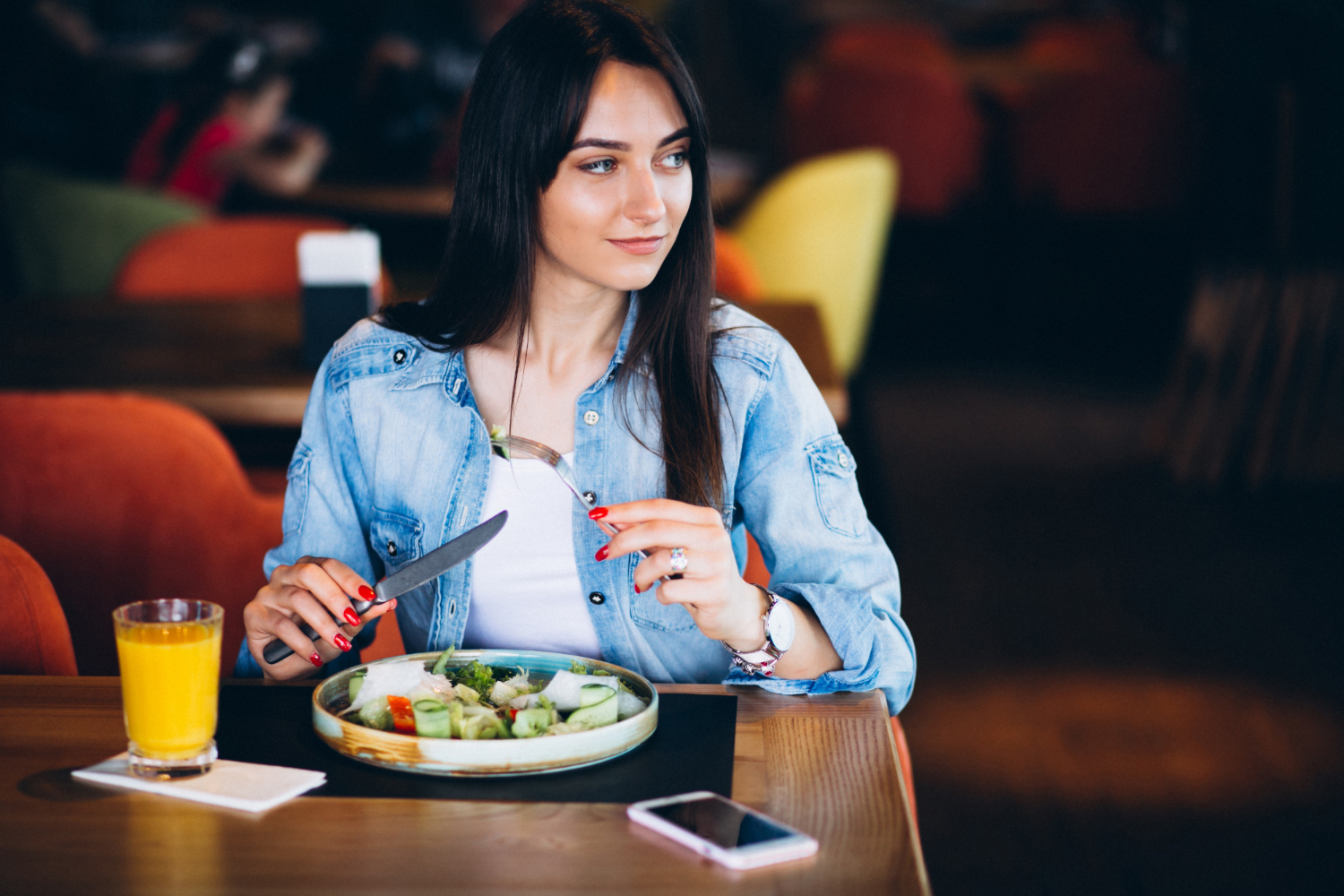
The awkwardness of dining alone is mostly anticipatory: it is worse in advance than in the moment, and it shrinks quickly with a few deliberate decisions. Here are twelve that help.
1. Sit at the Bar or the Counter
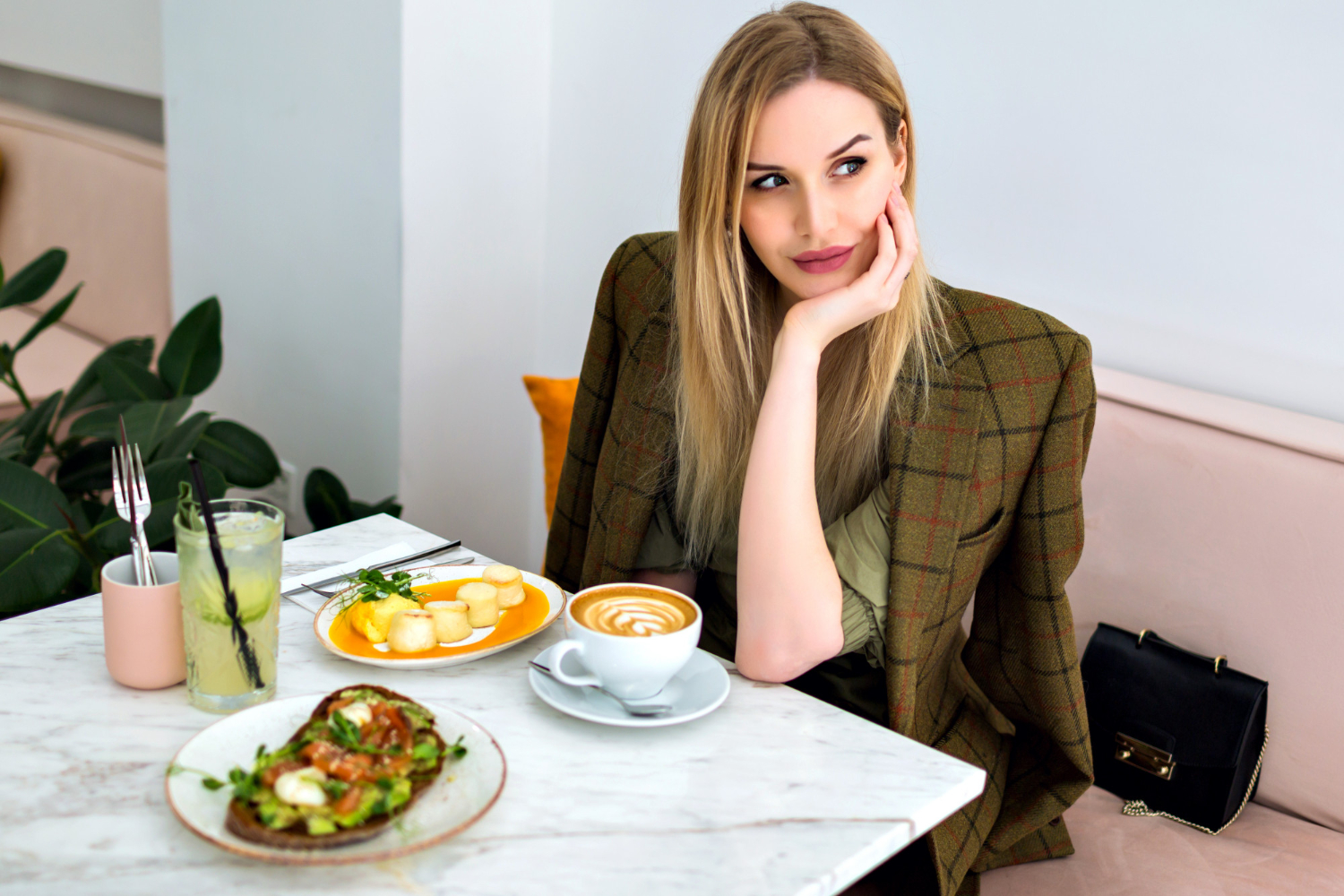
A counter seat solves the central problem, because you are facing the kitchen or the bartender rather than an empty chair.
Counter seating is also usually easier to get without a booking, turns over faster, and puts you where conversation happens naturally if you want it. Sitting at the bar or counter is the single most effective change you can make to eating alone.
Like our content? Follow us for more.
2. Go Early
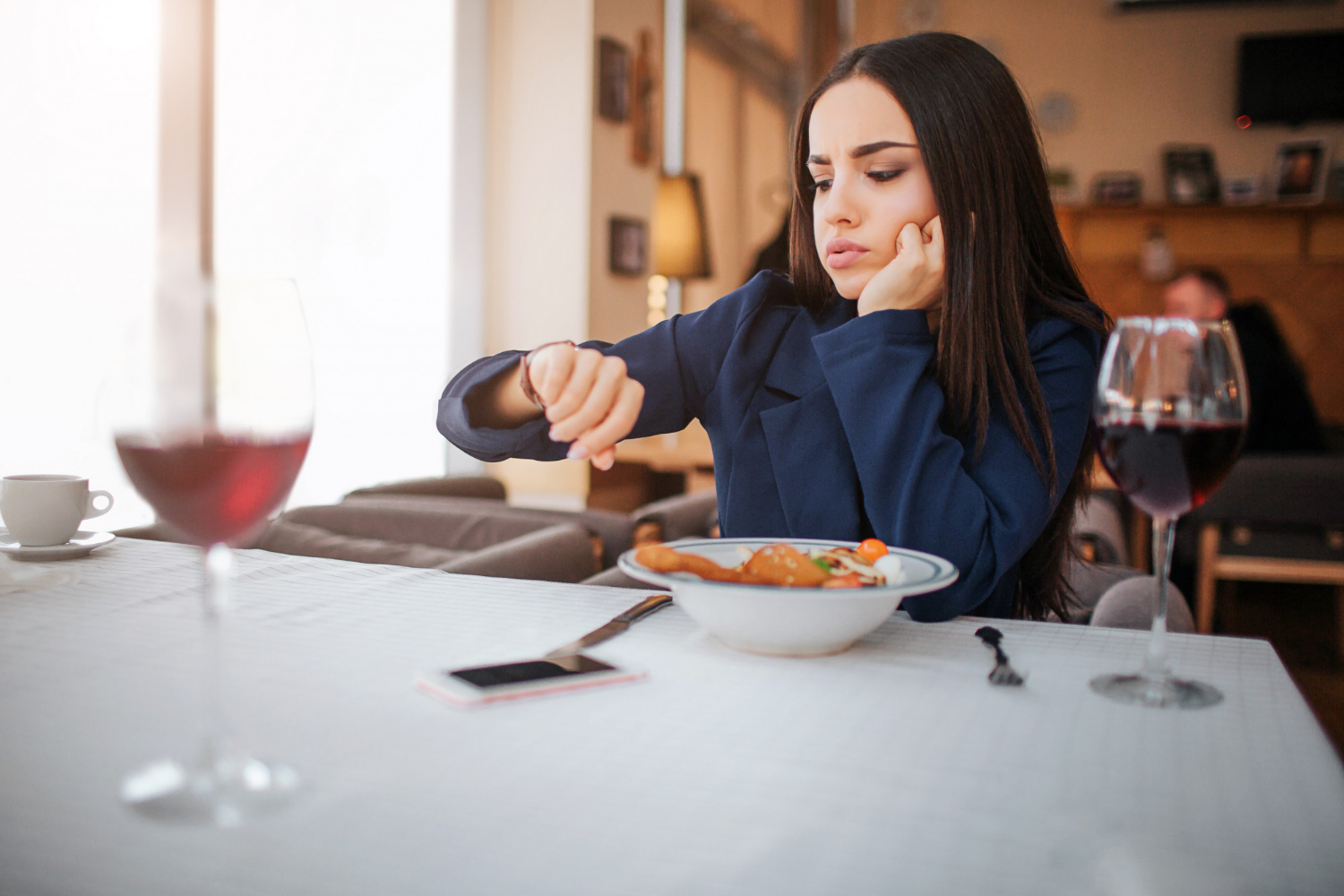
Arriving at the start of service means a quieter room, more attentive staff and a much easier time getting a table without a reservation.
It also means you are seated before the room fills with groups, which removes most of the self-consciousness. Going early is the timing decision that makes solo dining easiest.
3. Choose Places Designed for One
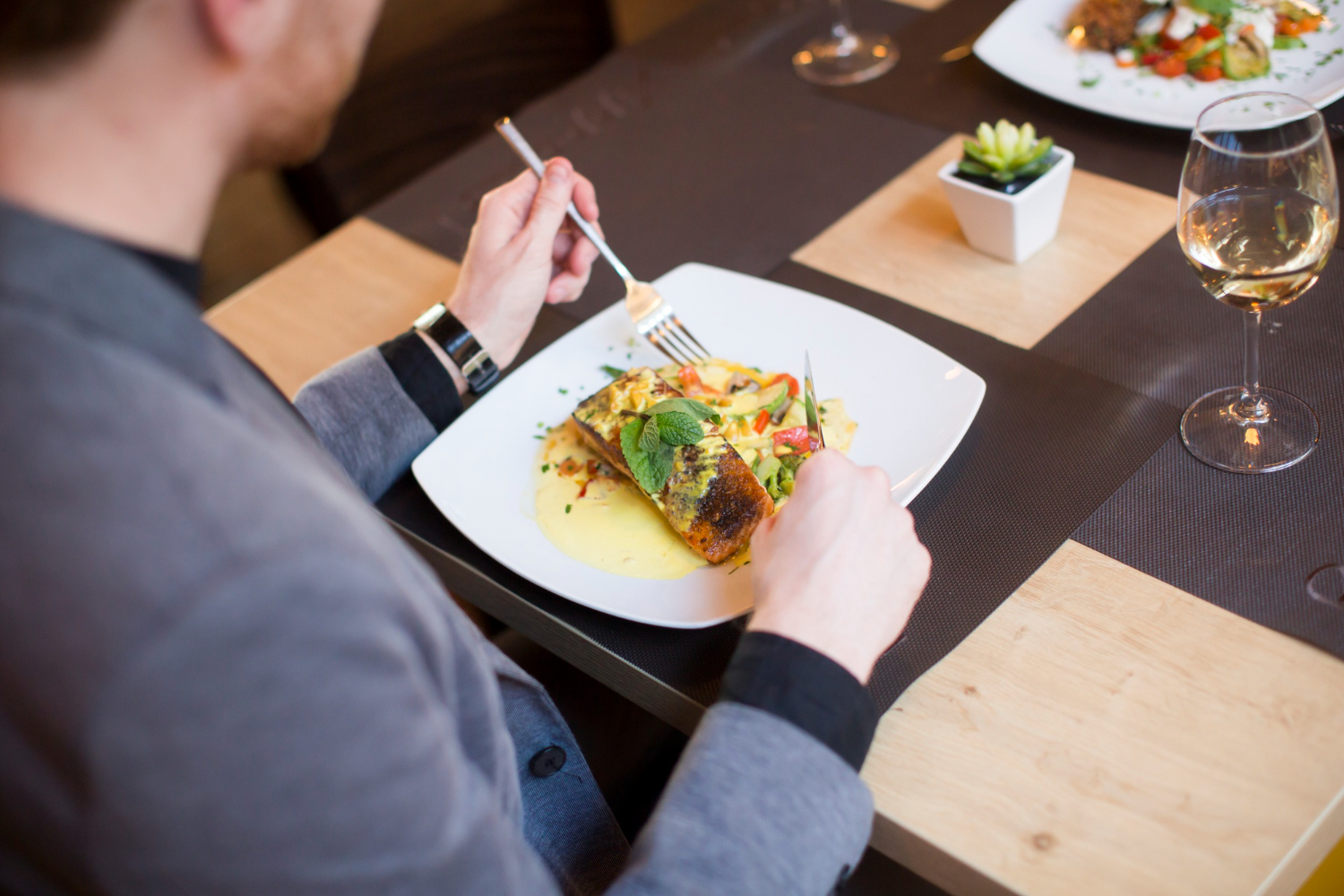
Some formats are built around single diners: ramen counters, tapas bars, market stalls, izakayas, delis, food halls and anywhere with stools facing a wall.
In these places a solo diner is the norm rather than an exception, and nobody registers you at all. Choosing places designed for one removes the awkwardness of solo dining before you sit down.
4. Bring Something to Read
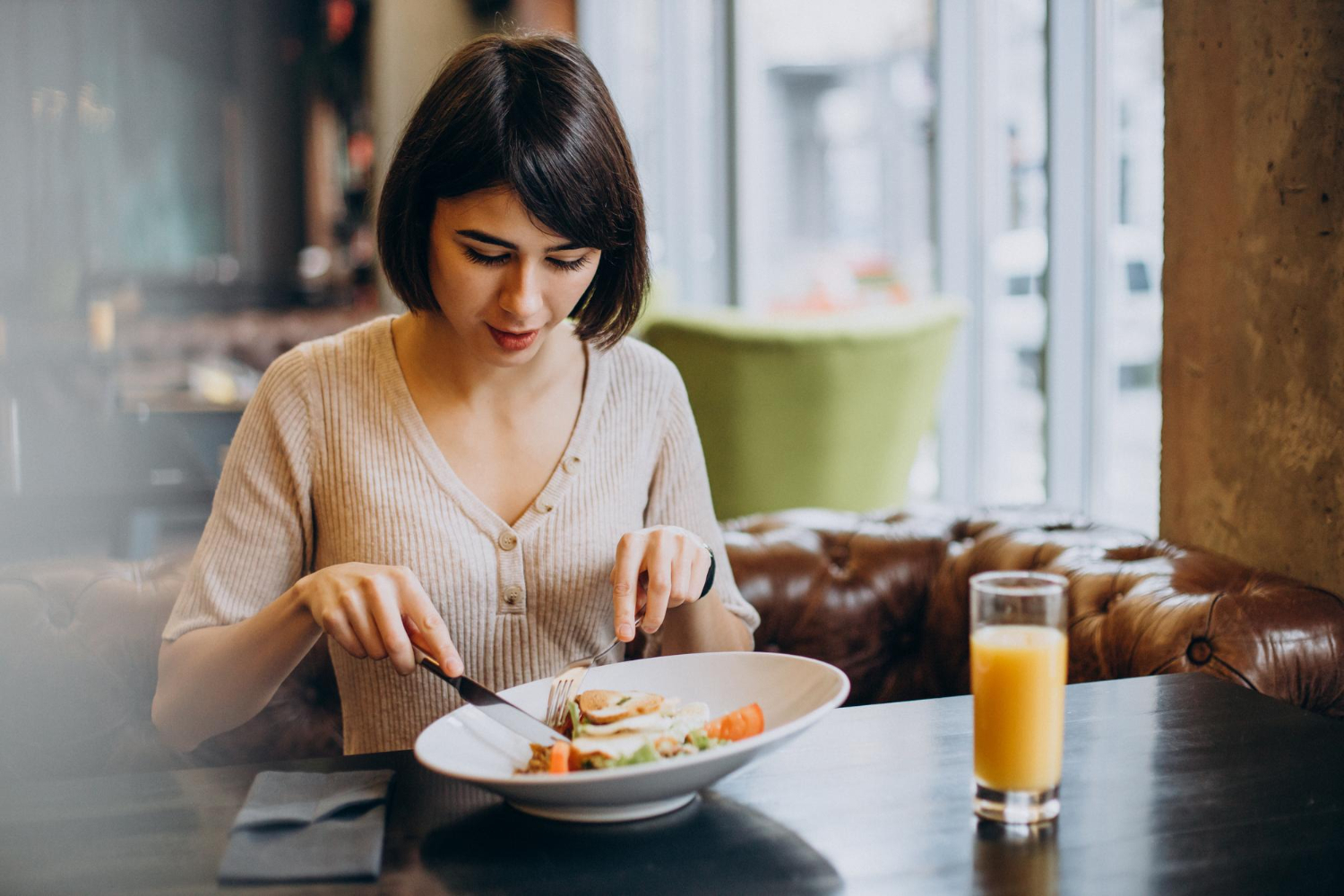
A book, a newspaper or a guidebook gives you something to do between courses without reaching for a phone, and signals contentment rather than waiting.
Paper works better than a screen, both because it looks deliberate and because it does not pull you out of the room. Bringing something to read is the oldest solution to eating alone and still the best.
5. Talk to the Staff
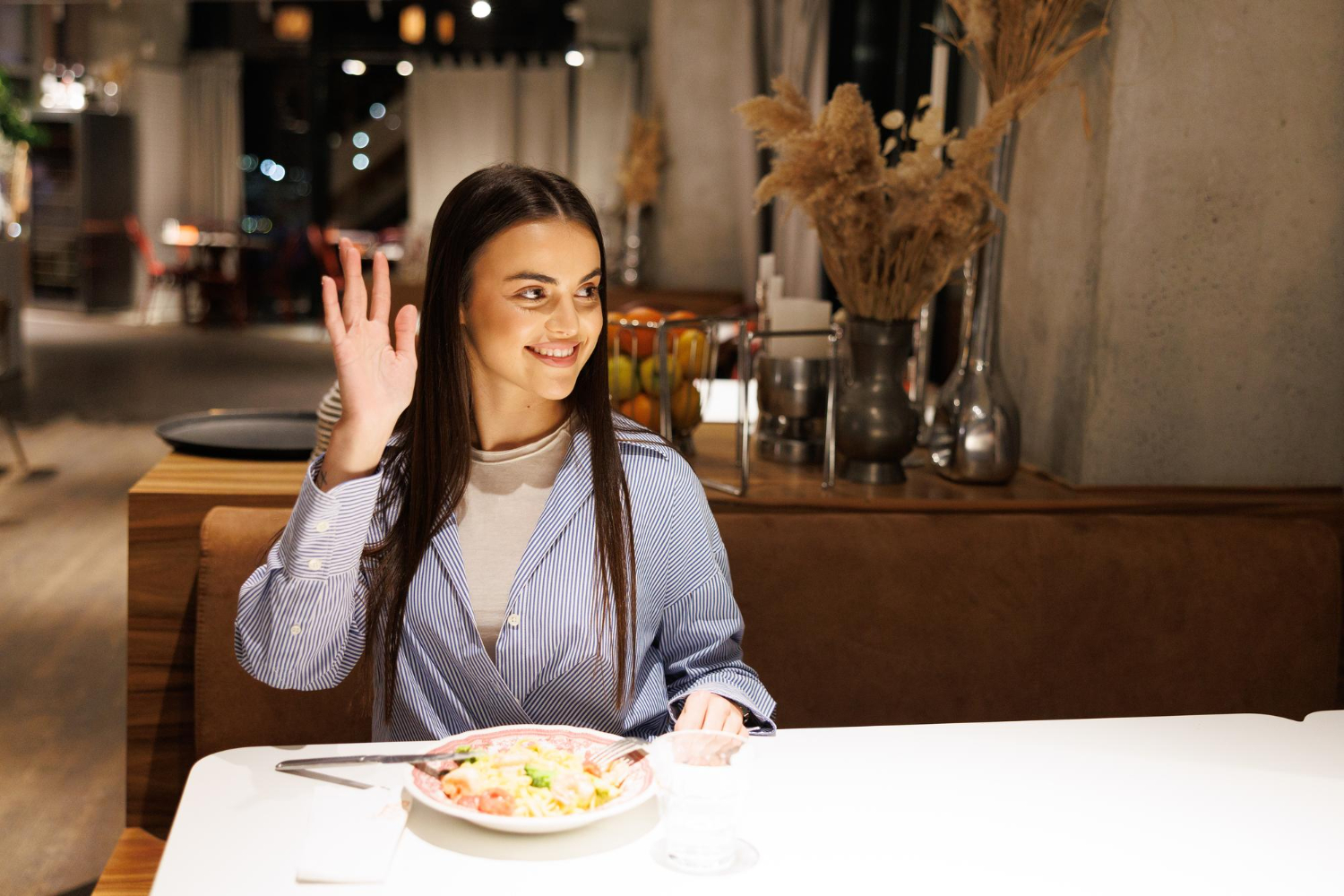
Solo diners are in the best possible position to ask questions, and staff generally have more time for one person than for a table of six.
Asking what is good today, or what a dish is, frequently produces recommendations that are not on the menu. Talking to the staff is how solo dining turns into the most informative meal of a trip.
6. Order Differently
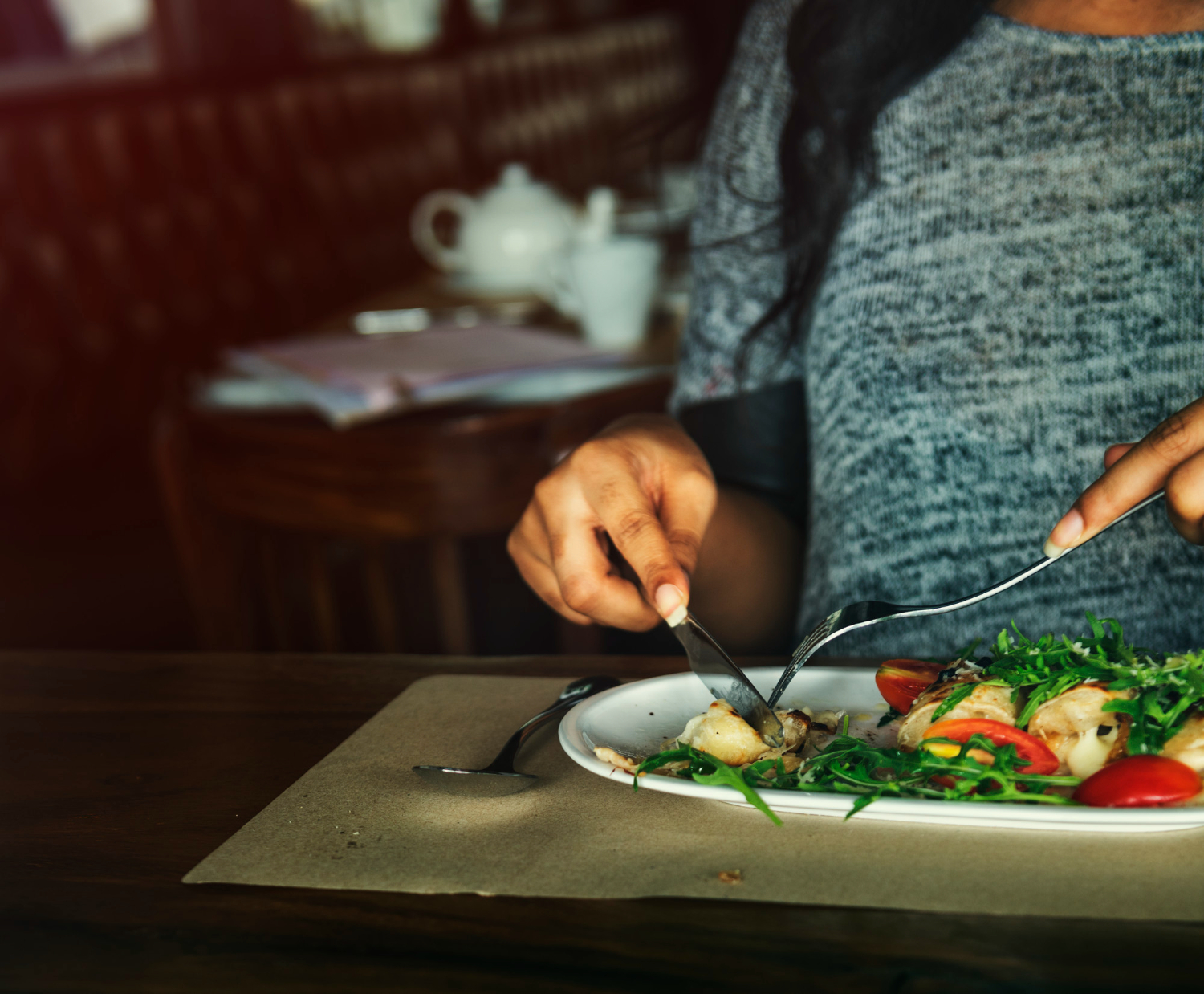
Eating alone means nobody else’s preferences apply, which is a freedom people rarely use properly.
Order two starters, ask for a half portion, have pudding first, or try the thing nobody you travel with would touch. Nobody is watching. Ordering differently is the advantage of solo dining that most travellers forget to take.
7. Take the Small Table Without Apologising
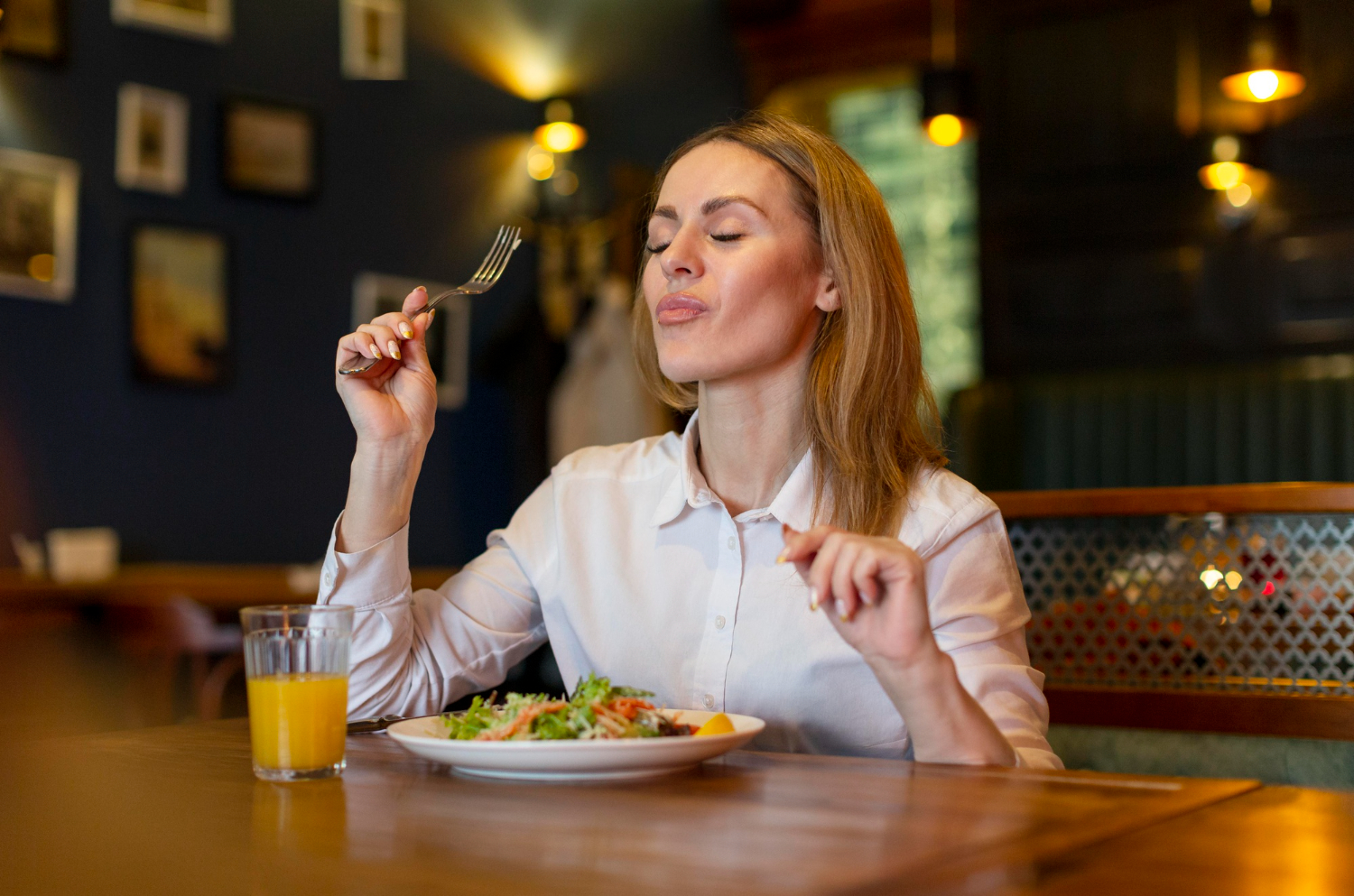
There is a habit among solo diners of apologising for being one person, which invites the treatment it fears.
Asking confidently for a table for one, and accepting whatever you are given without negotiation, changes the interaction entirely. Taking the table without apologising is the posture that makes solo dining comfortable.
8. Avoid the Tourist Strip
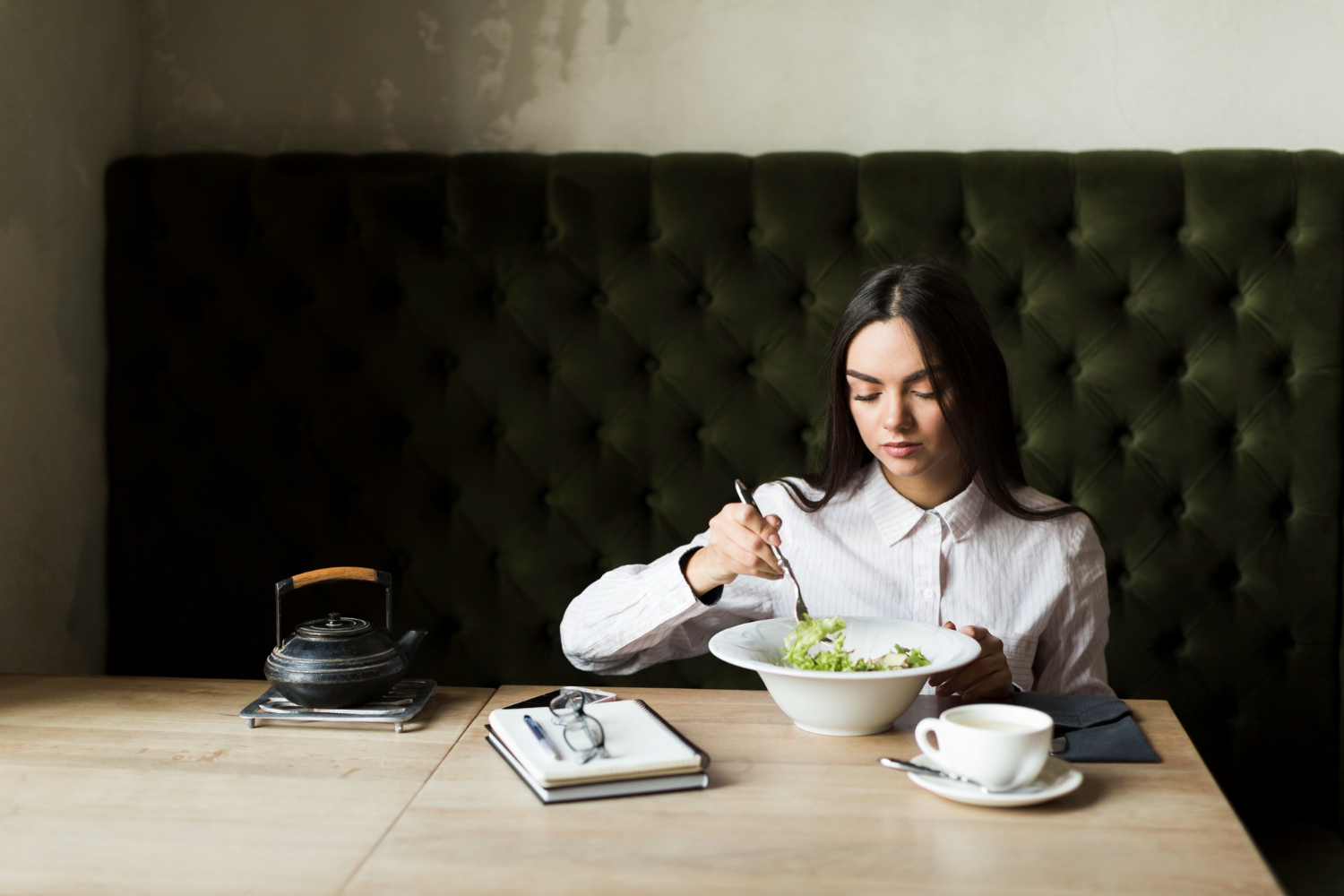
Restaurants beside major sights are optimised for groups passing through, and a solo diner there is a low-value customer receiving corresponding attention.
Walking a few streets out finds smaller places where one person is a welcome customer rather than an inconvenience. Avoiding the tourist strip improves solo dining more than any other single choice.
9. Make Lunch the Main Meal
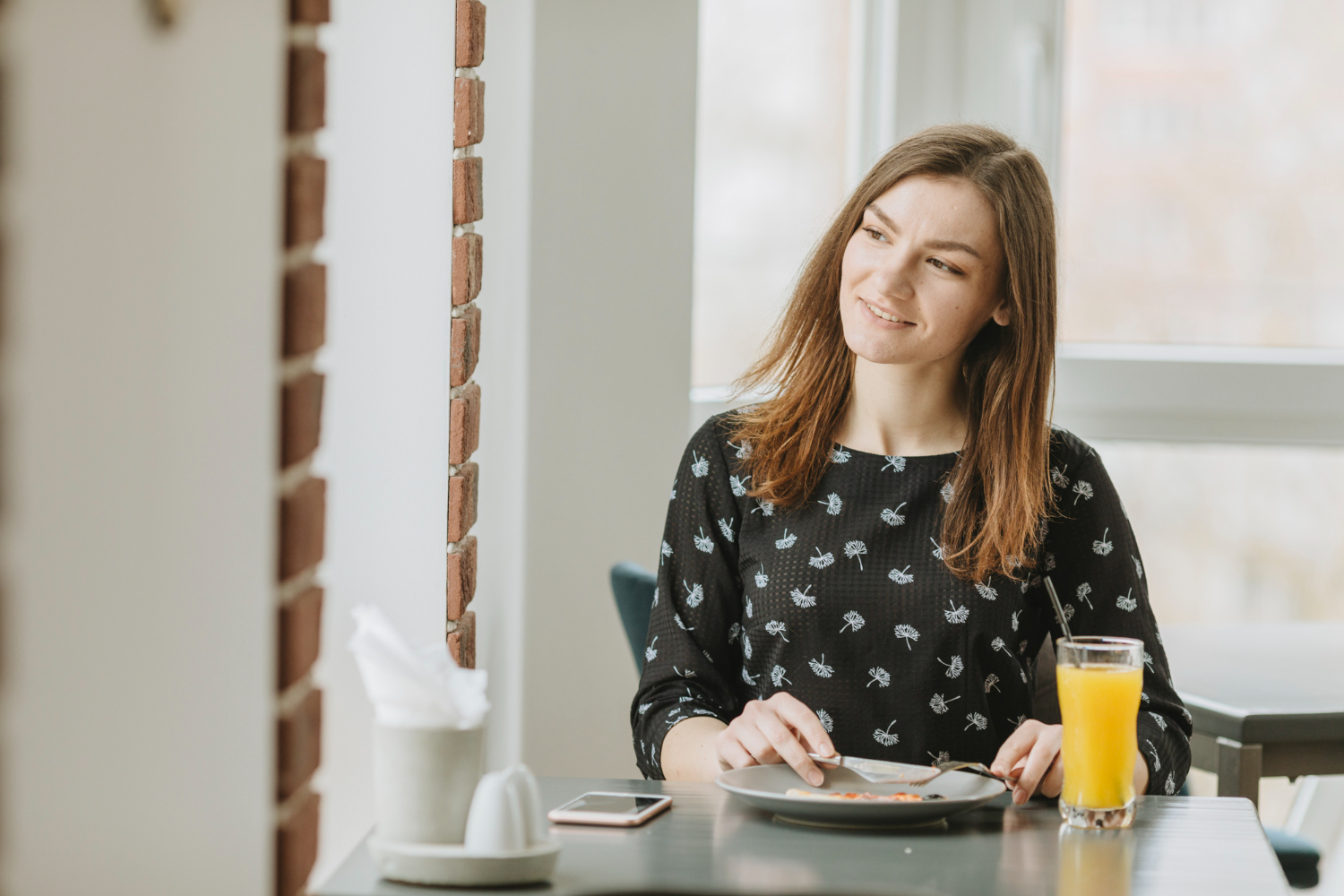
Lunch is easier alone than dinner: rooms are brighter, service is quicker, set menus are cheaper, and the social weight of the meal is lower.
Many places serve the same kitchen’s food at lunch for substantially less. Making lunch the main meal is the practical solution for anyone who finds evenings alone hardest.
10. Sit Where You Can See Something
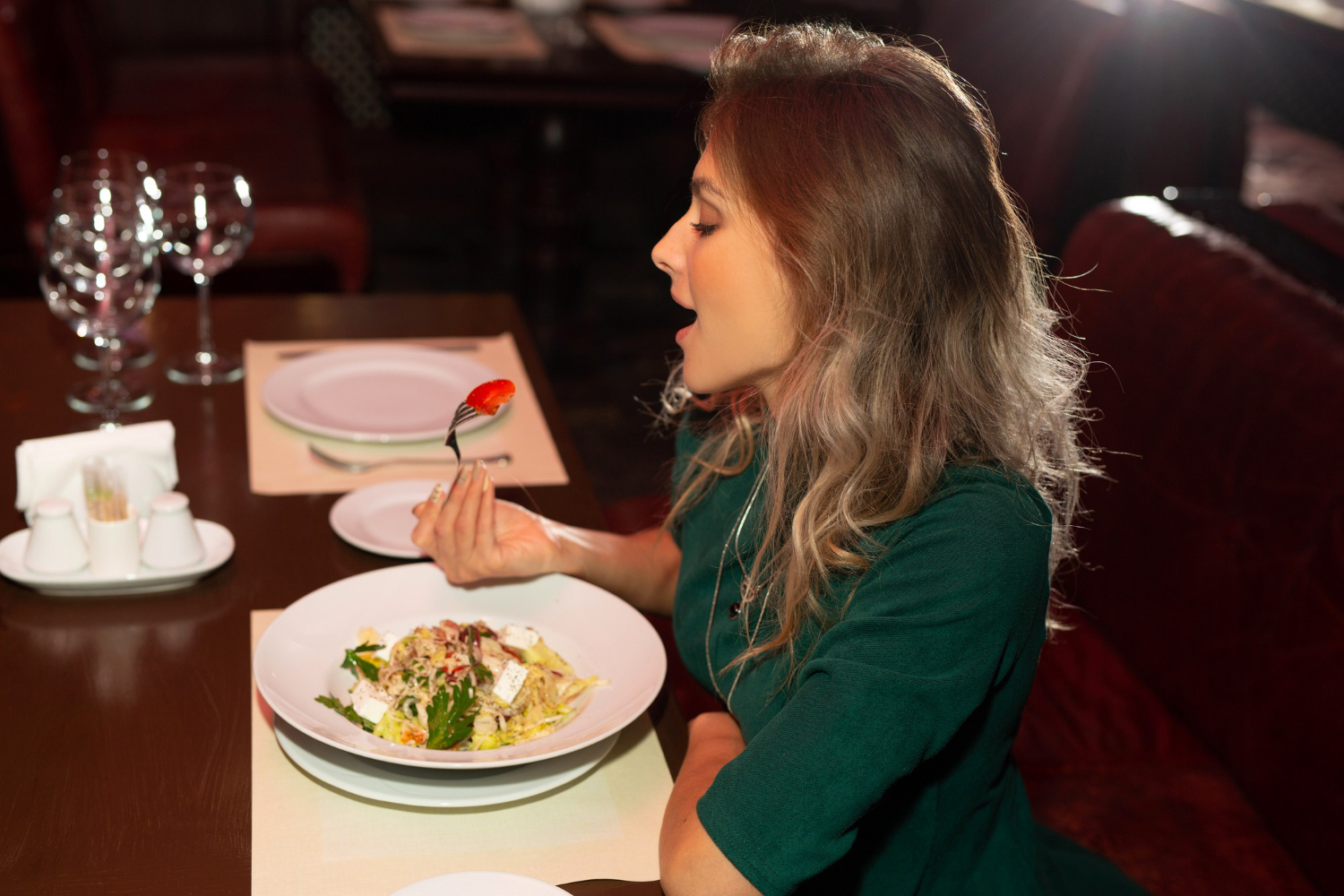
A window seat, a view of the street, a spot facing the room or the kitchen all give you something to occupy the gaps.
Being seated facing a wall in a corner is the arrangement that makes eating alone feel like a punishment, and it is worth politely asking for something else. Sitting where you can see something turns solo dining into people-watching.
11. Use Markets and Food Halls Freely
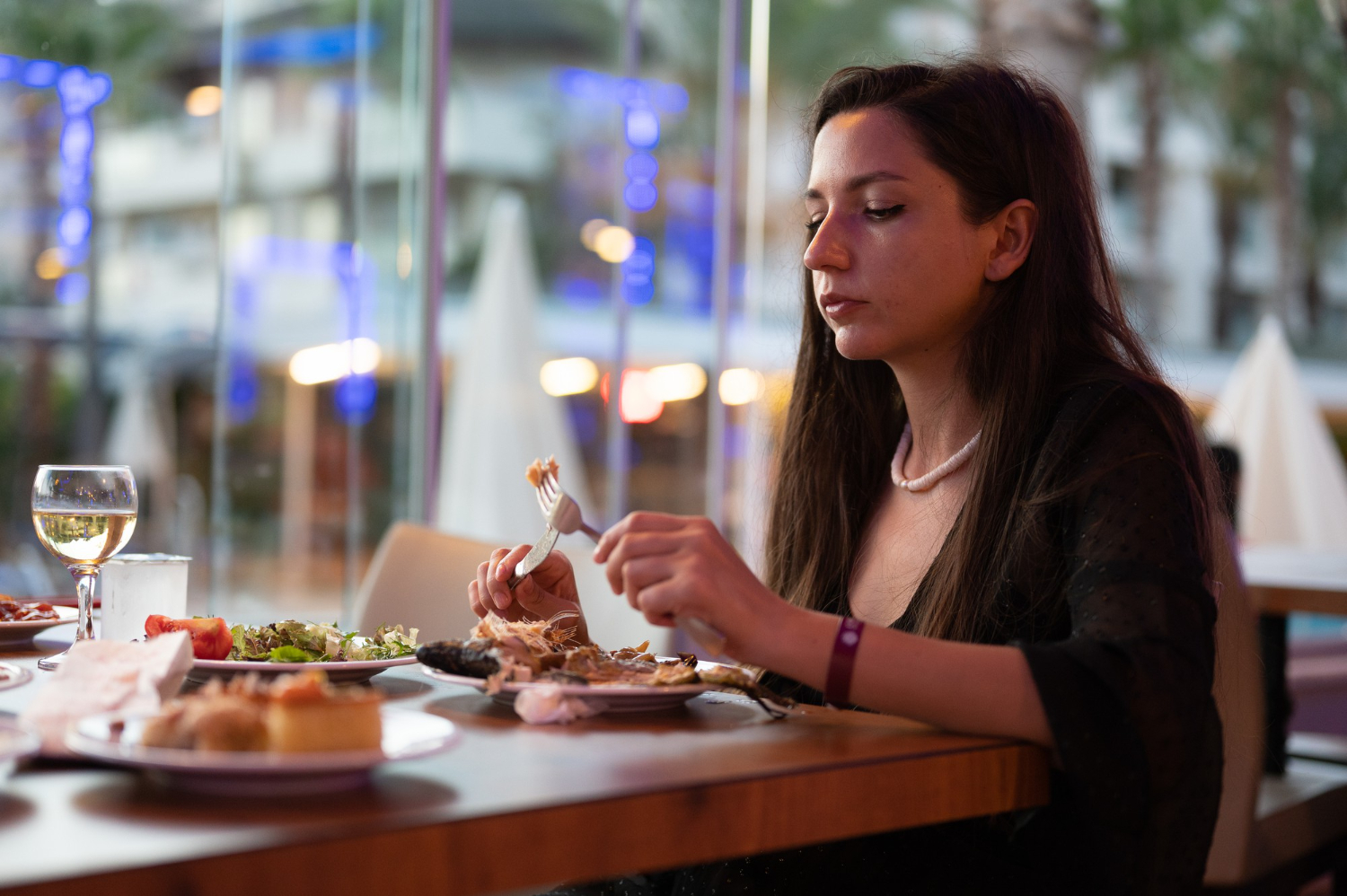
Communal tables, counters and standing spots remove the entire question, because everyone is a stranger eating next to other strangers.
They are also cheaper, faster and often better than restaurants, and they let you assemble a meal from several places. Using markets and food halls is the easiest possible route into eating alone abroad.
12. Notice That Nobody Cares
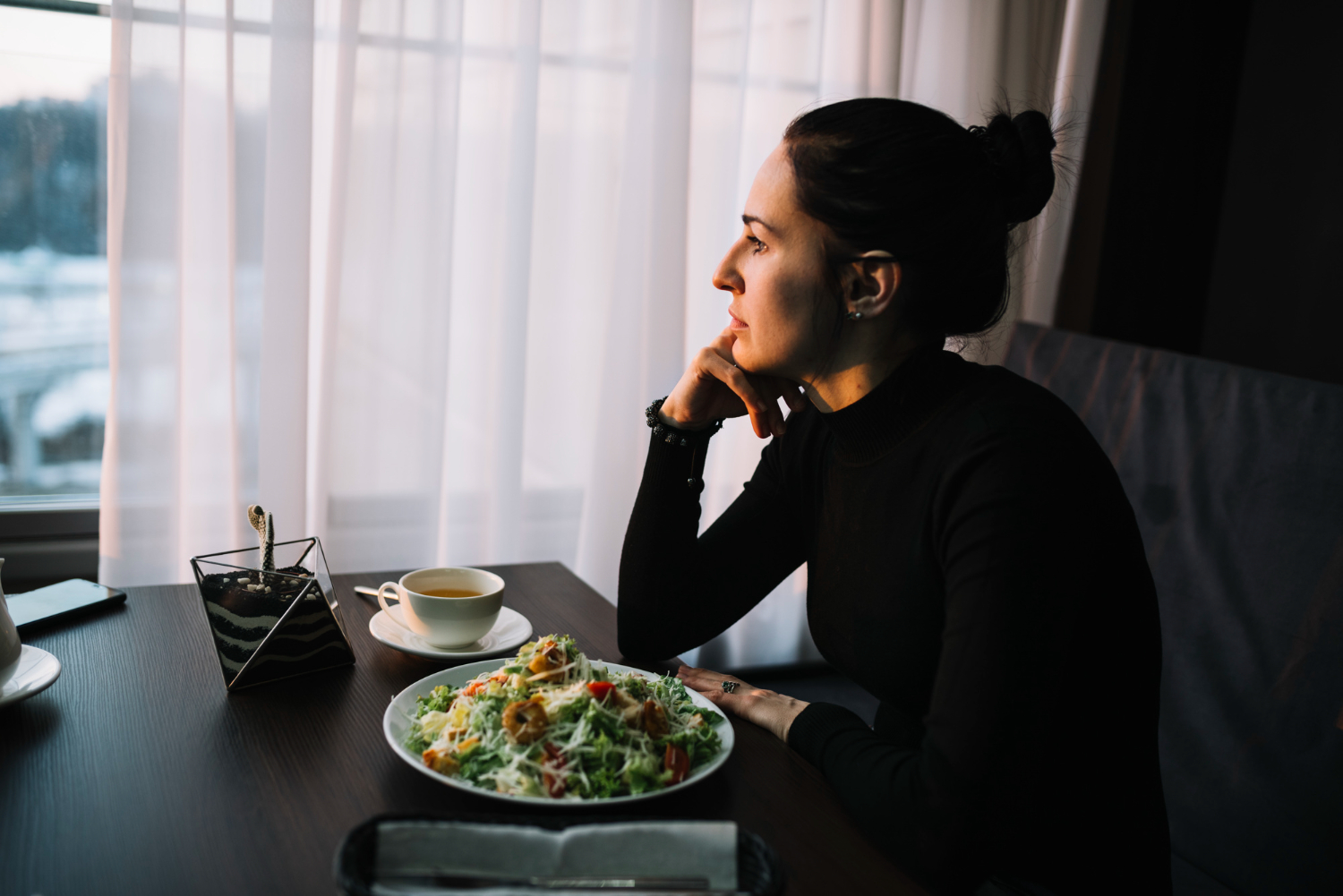
The fear underlying all of this is being observed and judged, and the observation almost never happens.
Other diners are occupied with their own tables, staff have seen thousands of solo customers, and the self-consciousness fades within about ten minutes of the first course arriving. Noticing that nobody cares is the realisation that ends the problem permanently.
A Table for One
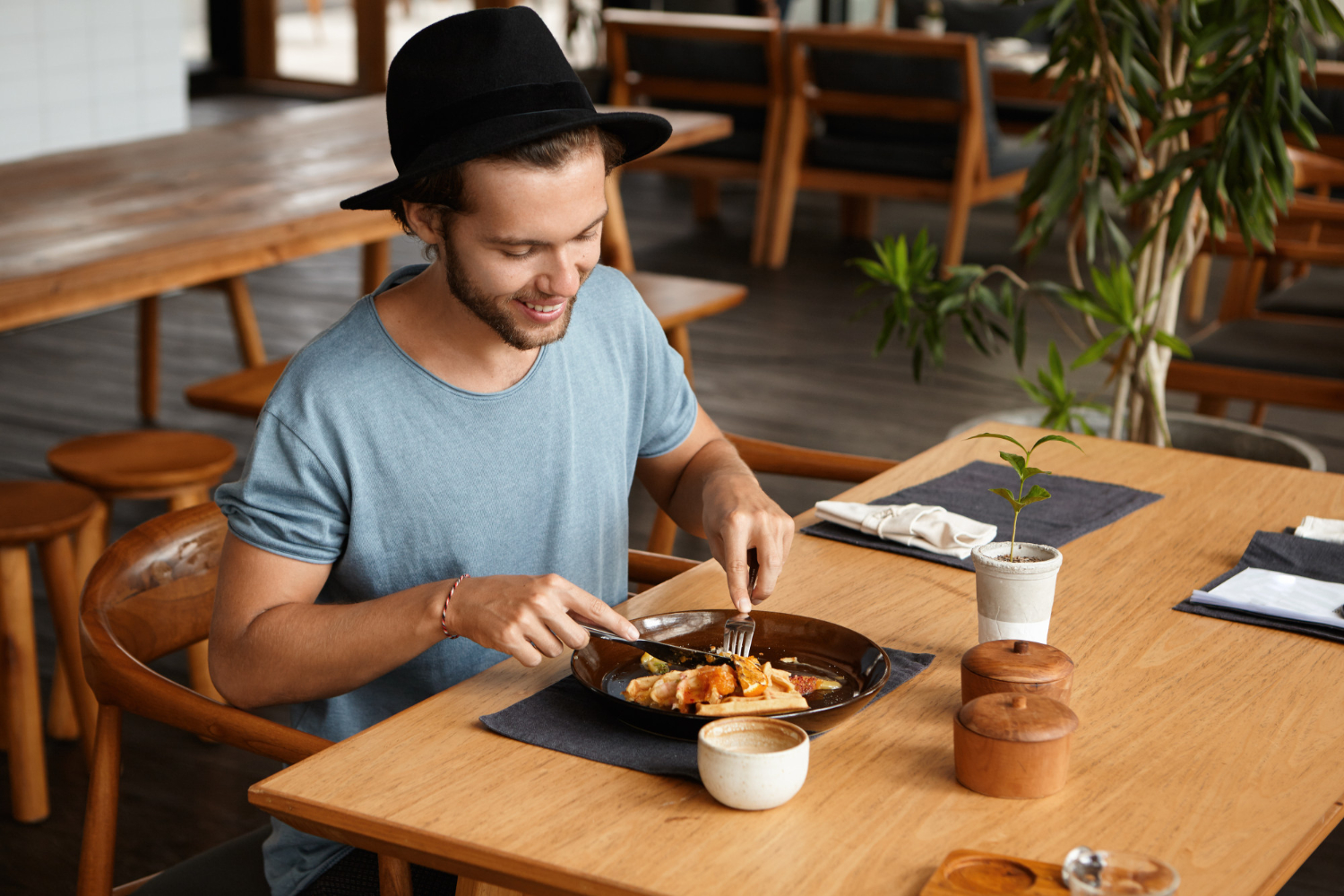
Eating alone while travelling is a skill rather than an ordeal, and almost all of it comes down to where you sit, when you arrive and what kind of place you choose.
Get those three right and the meal stops being the difficult part of the day. A counter seat, an early arrival, a book, a question to whoever is serving you, and you end up with better recommendations and a better meal than most tables of four manage.
Like our content? Follow us for more.