

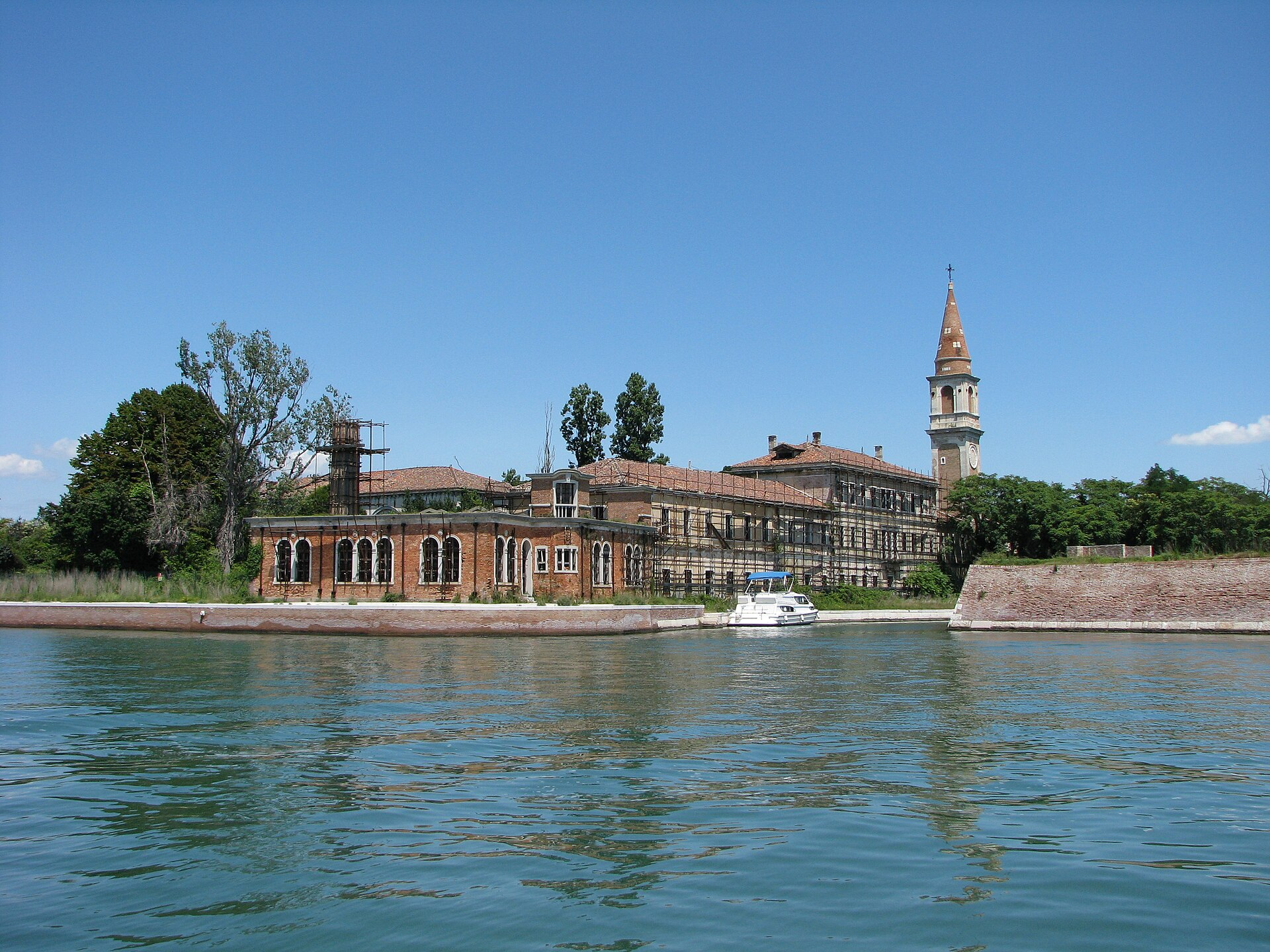
In the southern reaches of the Venetian Lagoon, a short distance from one of the world’s most beloved cities, lies an island almost no one is allowed to visit. Poveglia is small, overgrown, and crumbling, its abandoned buildings slowly surrendering to the elements. Behind its silence lies a long and often somber history, one of quarantine, illness, and isolation that has made it one of Italy’s most talked-about forbidden places. Yet after decades of abandonment, Poveglia is poised for a surprising new chapter. Here is the story of the island near Venice that has long been off-limits.
A Small Island With a Long History
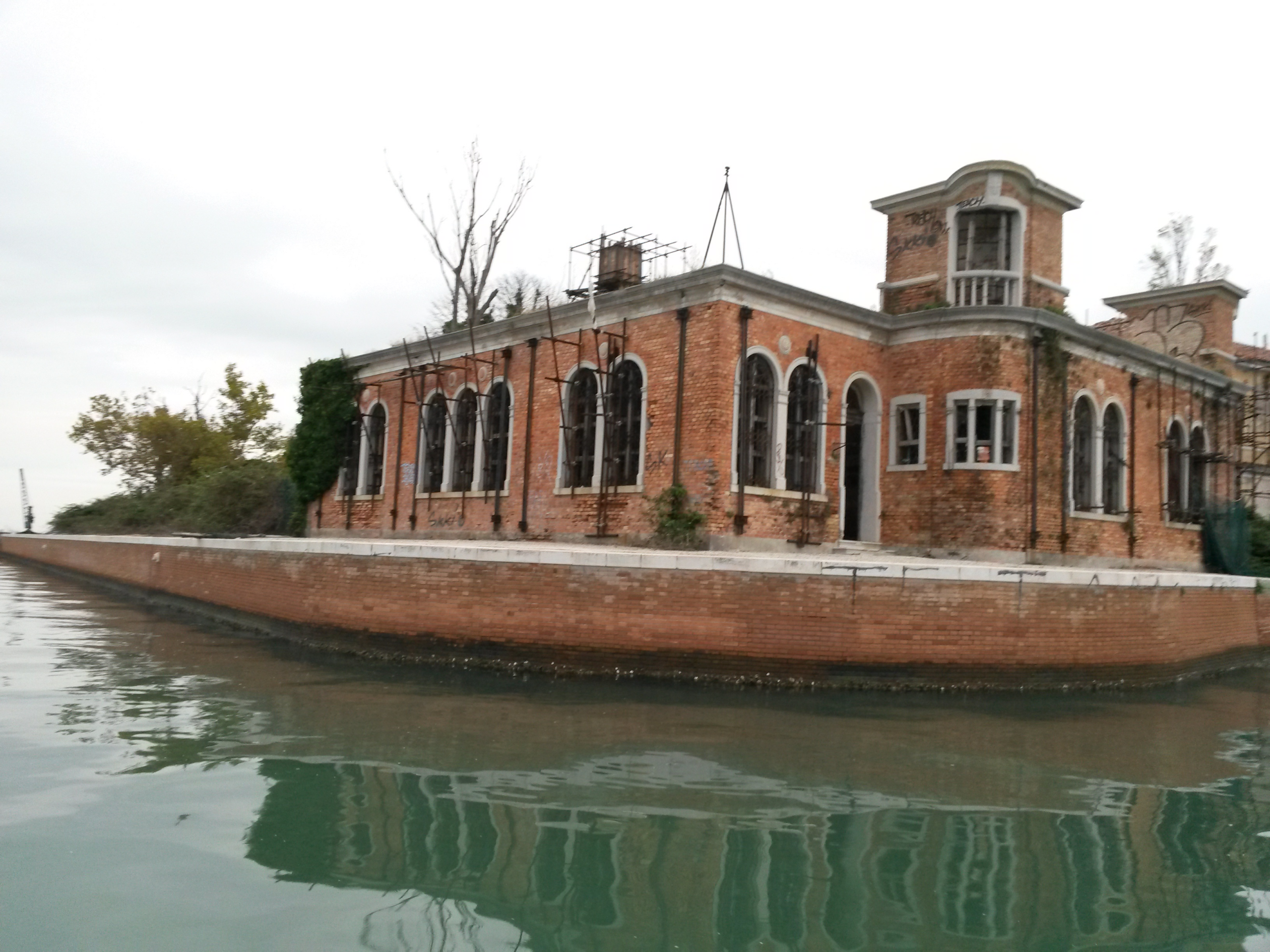
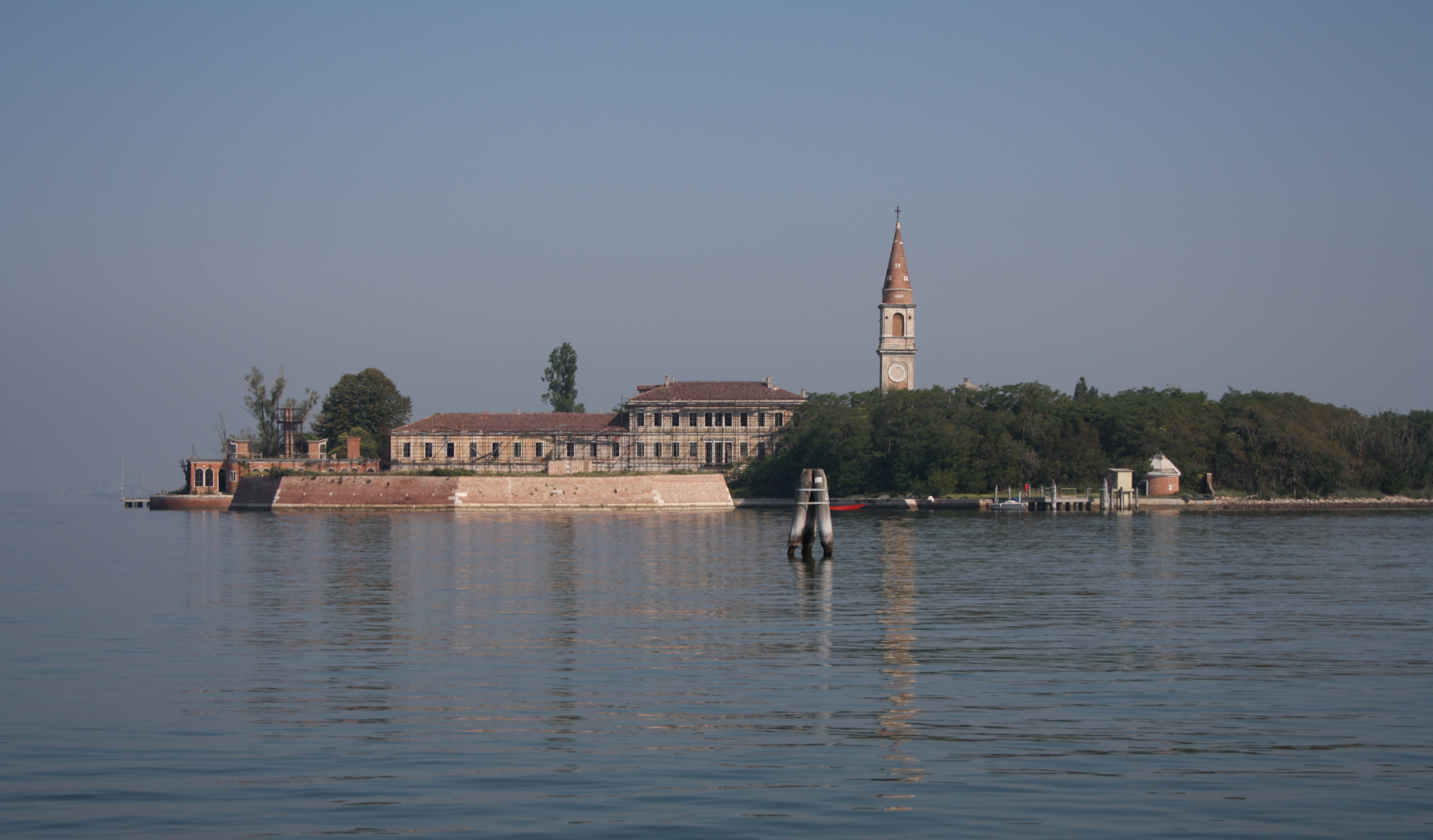
Poveglia is a tiny island, around 7.5 hectares, or roughly 17 to 18 acres, located in the southern part of the Venetian Lagoon, only about three miles south of St. Mark’s Square. Despite its proximity to lively Venice, it sits silent and unreachable, watched over by seagulls and surrounded by water.
Its history stretches back many centuries. The island’s origins trace to a Roman-era military base, and by the 9th century it was inhabited by a small community. During a medieval war in the 14th century, its residents were forced to relocate, and the island was fortified, becoming a defensive outpost guarding access to Venice. After that, it sat largely empty for a long stretch, awaiting the role for which it would become best known.
Like our content? Follow us for more.
A Quarantine Island for the Plague
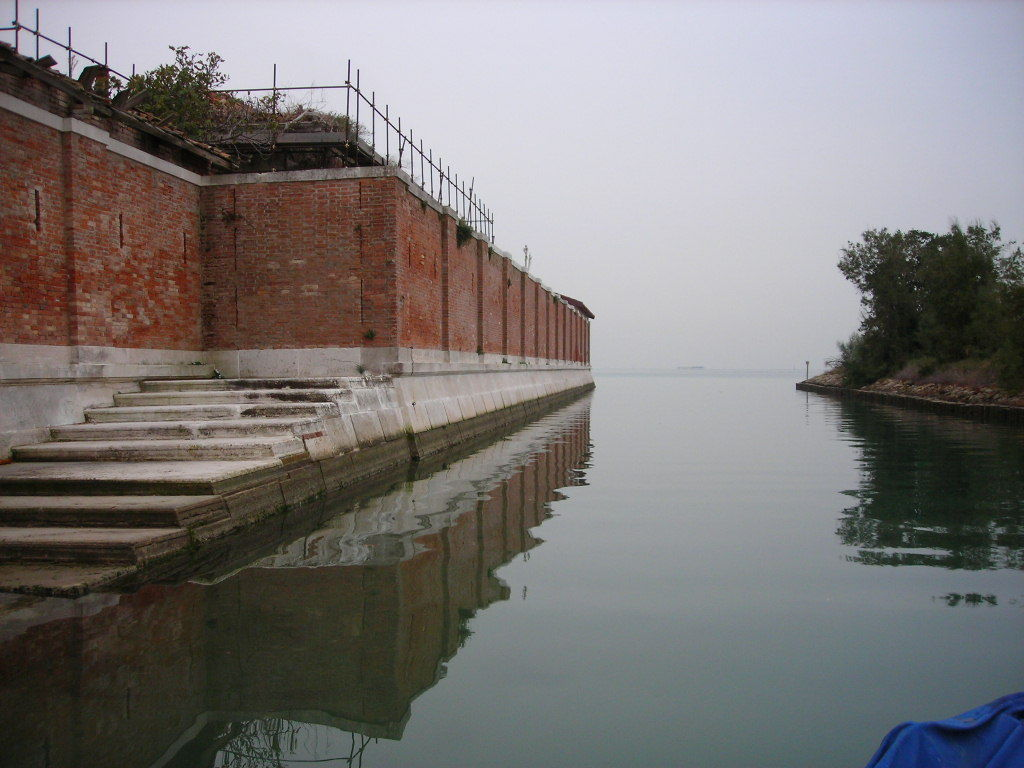
Venice, as one of the great trading ports of its era, was repeatedly threatened by outbreaks of plague, and it used the lagoon’s islands to isolate the sick and arriving ships. Poveglia became one of these quarantine stations, or lazarettos. Ships and people suspected of carrying disease were held there, away from the city, in an effort to stop contagion from spreading.
Over the centuries, vast numbers of plague victims are believed to have been sent to the island, and historians estimate that more than 160,000 people were buried there across the 18th and 19th centuries. Mass graves from Venice’s plague era have been documented on neighboring quarantine islands as well. A popular legend holds that human remains make up a large share of the island’s very soil, a grim claim that is best understood as folklore rather than established fact, but which speaks to the island’s heavy history.
An Asylum and Then Abandonment
Poveglia’s somber story did not end with the plague. In the 20th century, a hospital and later a psychiatric asylum operated on the island. Accounts of this period describe difficult conditions for patients, adding another painful chapter to the island’s past. The facility closed in 1968, and after that, Poveglia was left empty.
In the decades since, the island has been abandoned entirely, its buildings, including the old hospital structures, a church, and a bell tower, left to decay. Battered by the elements and lacking any upkeep, the structures have deteriorated badly, with floors and ceilings collapsing over time. Nature has crept back in, leaving an overgrown, crumbling landscape dotted with ruins.
Why You Can’t Visit
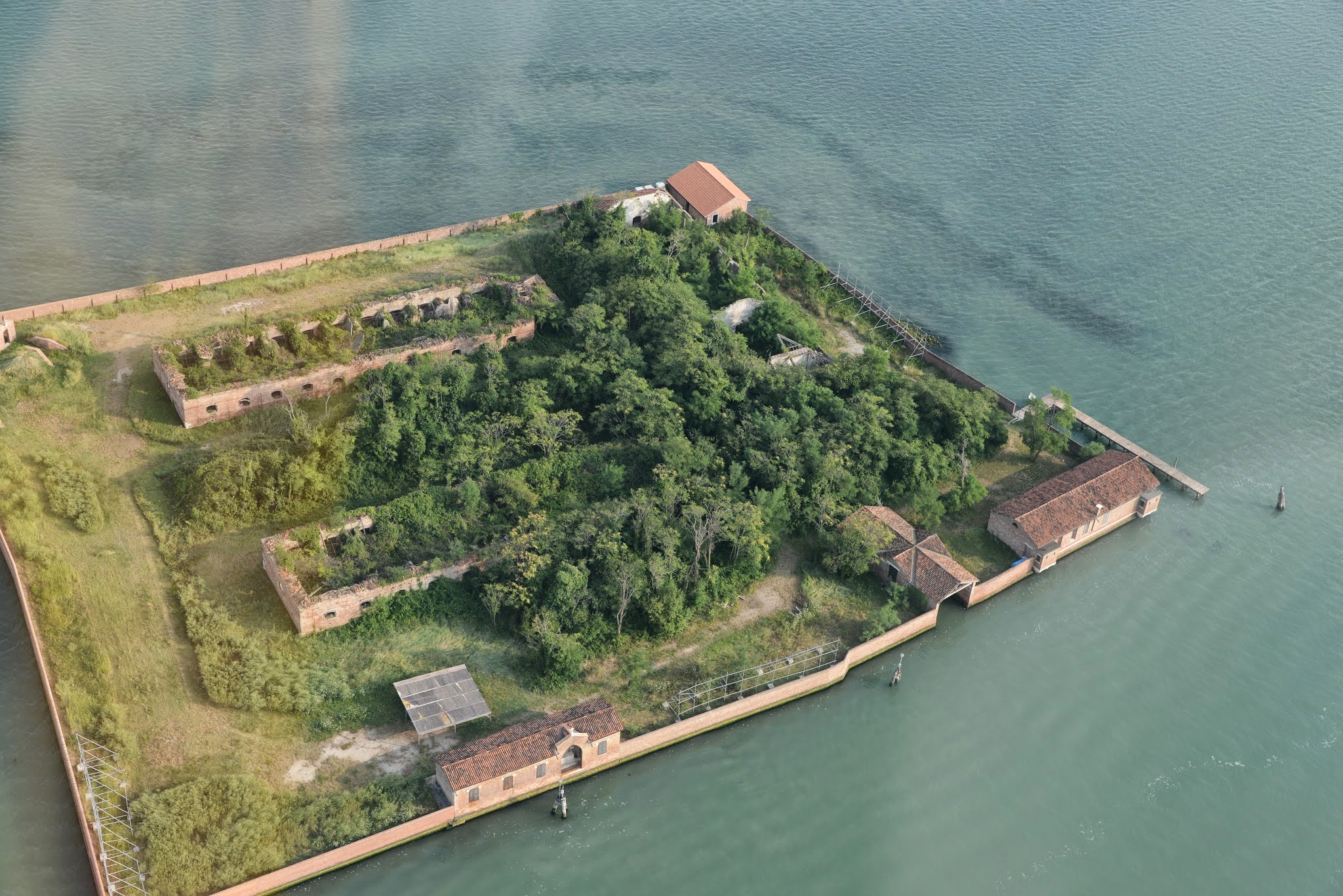
Today, Poveglia is off-limits, and visiting without official permission is illegal. While the island’s reputation as a “haunted” place draws curiosity, the practical reasons for the ban are far more concrete. Chief among them is safety: the abandoned buildings are physically dangerous, with rotted floors and collapsing ceilings that make exploring them genuinely hazardous. Even sanctioned visits require careful navigation of the unstable ruins.
The island’s eerie reputation has, of course, made it a magnet for ghost stories and paranormal television programs over the years. Visitors and shows have spread tales of strange sounds and unsettling feelings. These claims are best regarded as legend and folklore rather than fact; what is genuinely true, and sobering enough on its own, is the island’s documented history of plague quarantine and the suffering associated with its asylum era. The combination of that heavy past and the real physical danger of the ruins is what has kept Poveglia sealed off.
A Surprising New Chapter
For years, the island’s future hung in limbo. In 2014, the Italian state included Poveglia on an auction list, opening it to potential developers and sparking a public outcry from Venetians who feared losing the island to private interests. The sale ultimately fell through, and the island’s fate remained uncertain.
Recently, however, Poveglia has taken a hopeful turn. In 2025, a group of Venetians won a long-term lease to the island and announced plans to transform it into a public park intended for local residents, fending off competition from developers to keep it a public asset. The renovation, which faces the considerable challenge of an island without electricity or running water, is being guided in partnership with a university. As one of the group’s members put it, the island’s memories are steeped in pain, but the goal is to transform it into a place of joy.
That vision marks a remarkable shift for a place long defined by isolation and sorrow. For now, Poveglia remains the abandoned, off-limits island in the lagoon, a place best appreciated from a distance and through its layered history. But its next chapter may finally see this small, haunting island near Venice reopened, carefully and respectfully, as a green space for the community, turning a symbol of the city’s darkest days toward a brighter future.
Like our content? Follow us for more.
